
How Much Does a Maasai Village Visit Cost?
Use real price examples to separate community entry, local guiding, transport, activities, crafts, tips, full days and overnight stays.
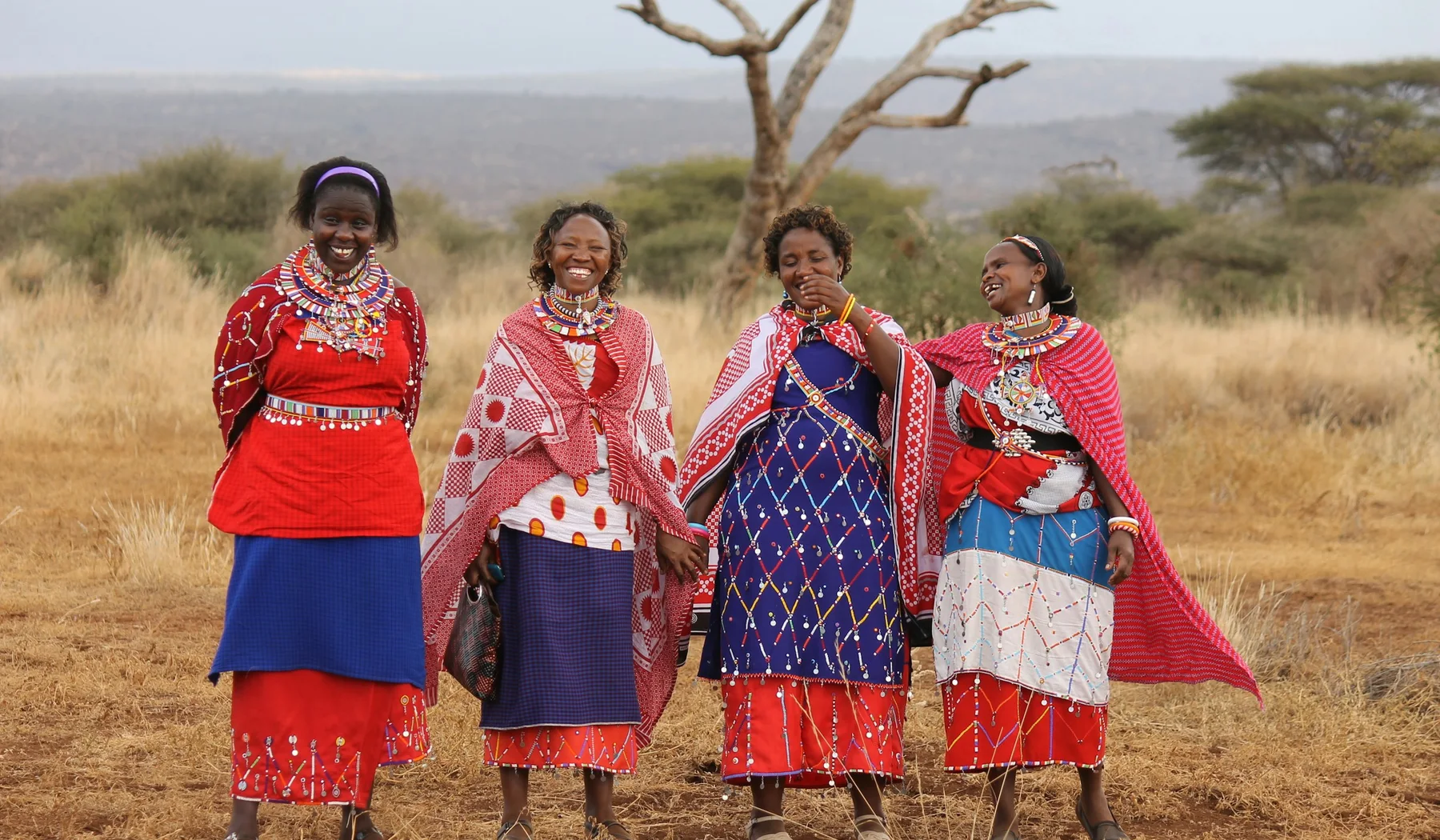
A village visit can begin with a simple question at the lodge desk and end with four different payments nobody explained. There may be an entry fee at the gate, a local guide, a vehicle detour, a craft market and a tip. None is automatically improper. The problem is discovering them one by one while a group waits.
The Maasai village visit cost is not fixed across Kenya. One Mara community publishes a USD or EUR 20 entry fee. Recent visitors in Amboseli report paying USD 20 or 25. A published camp sheet has listed USD 30. Those figures are useful benchmarks, not a national tariff. The honest price is the complete, date-specific amount for a named community, host, duration and set of inclusions.
Start with a realistic entry-fee benchmark
Oyaratta Maasai Village publishes an entry fee of USD 20 or EUR 20 per person and says cash or M-Pesa is accepted. Recent Amboseli reviewers mention USD 20 and USD 25. These examples place a simple short visit in a useful order of magnitude, but another community may charge differently or include more.
| Published or reported example | Amount |
|---|---|
| Oyaratta published adult entry | USD 20 or EUR 20 |
| Recent Amboseli review | USD 20 |
| Another recent Amboseli review | USD 25 |
| Older camp activity sheet | USD 30 |
Do not turn examples into a universal price
There is no Kenyan government price list for cultural visits. A roadside stop, conservancy-partnered programme, private full day and overnight community stay are different products. Currency, child policy, group size and transport also change the total. Use the benchmark to ask better questions, not to accuse a host of overcharging before understanding the offer.
| Price difference | Possible reason |
|---|---|
| Higher entry | Longer programme or more hosts |
| Lower entry | Shorter visit or local rate |
| Flat group price | Private host and guide time |
| Per-person price | Shared community programme |
Name the community before discussing price
“A Maasai village near the Mara” is not enough. Ask for the village or host name, location, local contact and relationship with the lodge or operator. The same safari guide may know several stops with different governance and fees. A named host makes it possible to verify the amount and understand where payment goes.
| Needed detail | Why |
|---|---|
| Community or village name | Identifies the actual visit |
| Local host | Creates accountability |
| Location | Reveals vehicle time |
| Operator relationship | Shows who collects payment |
Separate village entry from reserve entry
A village fee is not a Masai Mara National Reserve ticket, Kenya Wildlife Service park fee or conservancy charge. Those payments support different access and institutions. If a homestead lies inside or beyond a controlled area, the route may require another fee, but it must be named. The Kenya safari cost guide keeps the whole trip budget in one place.
| Fee | Pays for |
|---|---|
| Village entry | Community visit and hosting |
| Reserve entry | Protected-area access |
| Conservancy fee | Conservancy access and model |
| Safari vehicle | Transport and guide time |
Ask what the entry fee buys
A simple entry may include a welcome, local guide, explanation of the homestead, song or dance, a home visit and time at a craft display. It may not include a walk, meal, beadwork lesson, photography session or overnight. Request the current sequence and duration. The guide to the Adumu jumping dance explains why a performance deserves context.
| Possible inclusion | Confirm |
|---|---|
| Welcome song or Adumu | Context and consent |
| Local guide | Name and language |
| Home explanation | Household permission |
| Fire demonstration | Appropriate and included? |
| Craft area | Purchase remains optional |
Put a duration beside every quote
USD 20 for forty-five minutes and USD 40 for three hours are not directly comparable. Ask when the visit starts, when it ends and how much is conversation versus shopping or vehicle waiting. If the community prepares a full programme, arriving late should not force them to compress it without discussion.
| Duration | Likely format |
|---|---|
| 30 to 60 minutes | Short introduction |
| 90 minutes to 2 hours | Explanation plus activities |
| Half day | Conversation and practical element |
| Full day | Transport, meal and wider programme |
Decide whether the guide is included
The safari driver-guide may deliver the group, but a community member should explain local life. Find out whether the entry fee pays that host or whether a separate local-guide payment applies. A translation surcharge can be reasonable if a specialist interpreter is needed. It should be stated before arrival.
Ask who collects the entry money
Payment may go to a community office, village representative, lodge, tour operator or guide. The collection point alone does not prove whether the arrangement is fair. Ask who issues the receipt, how the amount reaches hosts and whether a community committee sets the fee. A vague answer is a reason to slow down.
Use Kenya shillings when the community prefers them
Some visits quote dollars because international guests carry them, while daily costs are in Kenya shillings. Others publish dollars or euros. Ask which currency the community prefers and what exchange basis applies. Avoid paying with damaged foreign notes that cannot be deposited. M-Pesa can provide a clear transaction record when accepted.
Get the child policy in writing
Some communities may welcome young children free, offer a reduced fee or charge the adult rate. There is no universal age band. Give every child's age before the quote. The Kenya safari with children guide also helps decide whether the visit length and activities fit the family.
Compare per-person and group pricing
A community may charge every visitor the same entry. A private facilitator may charge a group fee for a guide, translator or reserved programme. For two people, a group minimum can look expensive; for eight, it may be efficient. Always divide the quote into fixed and per-person lines.
Add vehicle time to the real cost
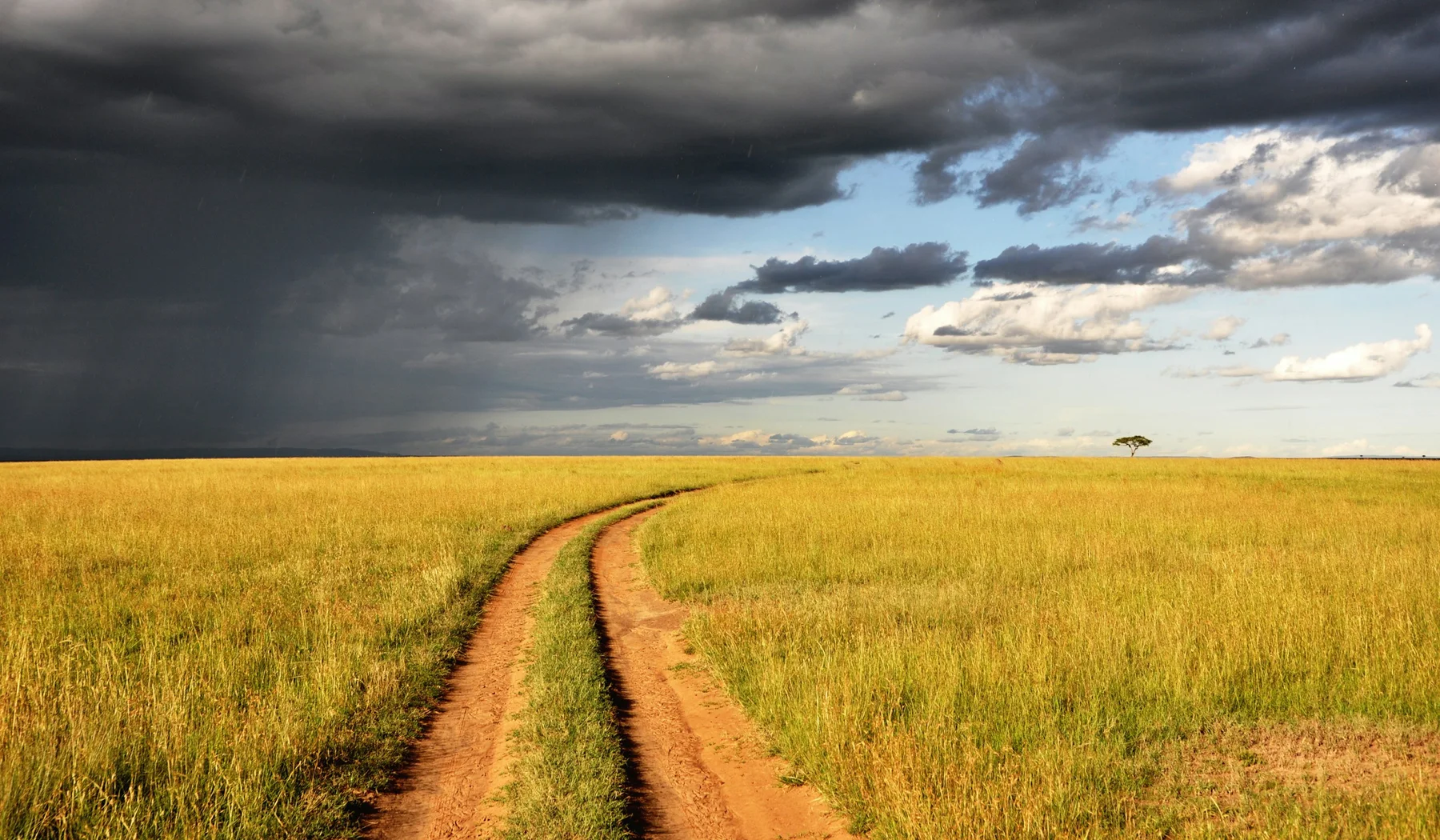
A USD 20 entry fee can sit behind a two-hour detour. Count driver time, fuel, distance and the game drive or transfer that must change. A visit beside the lodge may use an included vehicle; a Nairobi day trip may be mostly transport. Ask for pickup, one-way drive, road condition and return time.
| Vehicle line | Confirm |
|---|---|
| Lodge transfer | Included or billed? |
| Safari detour | Extra kilometres and hours |
| Nairobi day trip | Private vehicle and full driver day |
| Late return | Overtime or meal cost |
Price the lost or moved safari time
Time has value even when no surcharge appears. A stop placed inside a game-drive window may shorten wildlife viewing. That can be acceptable if chosen deliberately. It is poor planning when the village visit is advertised as free but quietly replaces another promised activity.
| Schedule choice | Cost effect |
|---|---|
| Arrival afternoon | May reduce first game drive |
| Midday break | Often least wildlife conflict |
| Sunset visit | Competes with evening drive |
| Transfer day | Adds arrival time and fatigue |
Compare Mara and Amboseli route costs
The planned Mara versus Amboseli village visit guide will compare settings. Near the Mara, the Masai Mara safari guide helps locate gates and lodges. Around Amboseli, the Amboseli safari guide frames park days and transfers. Location can change vehicle cost more than entry.
| Area | Route question |
|---|---|
| Mara gate area | On route or detour? |
| Mara conservancy | Lodge-partnered or outside? |
| Amboseli ecosystem | Before, during or after park day? |
| Nairobi day trip | Total road hours? |
Separate a lodge inclusion from a free visit
Some camps include a community project or cultural activity in the room rate. That does not mean nobody is paid. The cost may be built into the package or supported through a partnership. Ask whether transport, entry and local guide are included, and whether crafts and tips remain separate.
| Lodge wording | Clarify |
|---|---|
| Complimentary visit | Who funds it? |
| Included activity | Entry and vehicle both? |
| Community project tour | Donation expected? |
| Village visit available | Price not yet included |
Treat conservancy partnership as evidence to examine
A conservancy-linked programme may have clearer governance, scheduled host groups and agreed benefit sharing. It can also cost more or be limited to camp guests. Do not assume every partnership is perfect. Ask how landowners, guides, women and households participate and who sets the visitor fee.
Separate craft purchases from the entry fee
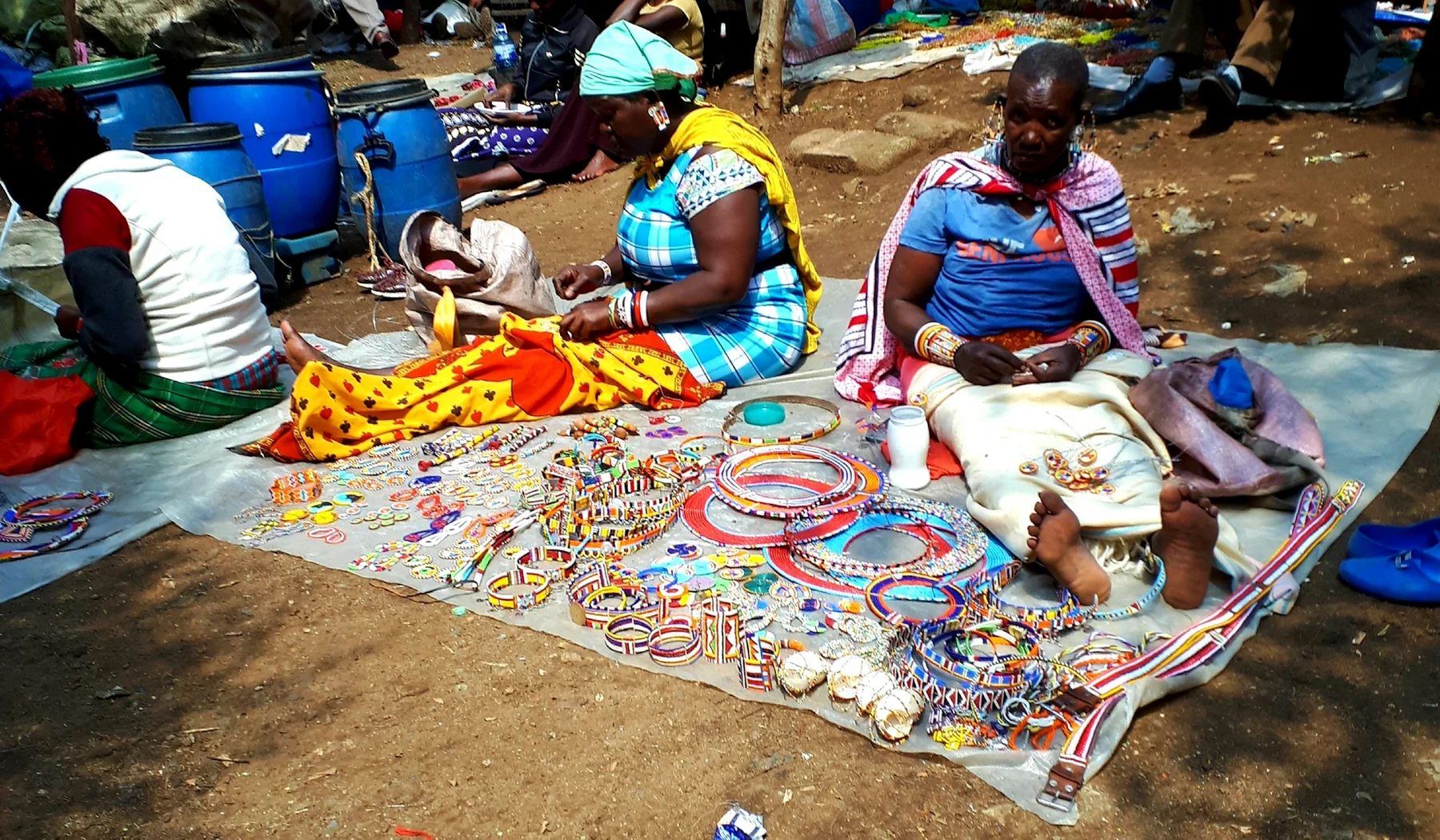
Beadwork, belts, carvings and other items are normally separate purchases. That can be an important source of income. It becomes uncomfortable when visitors think shopping was included or feel unable to leave. Agree in advance that buying is optional and ask for prices item by item.
Pay the maker, not the story
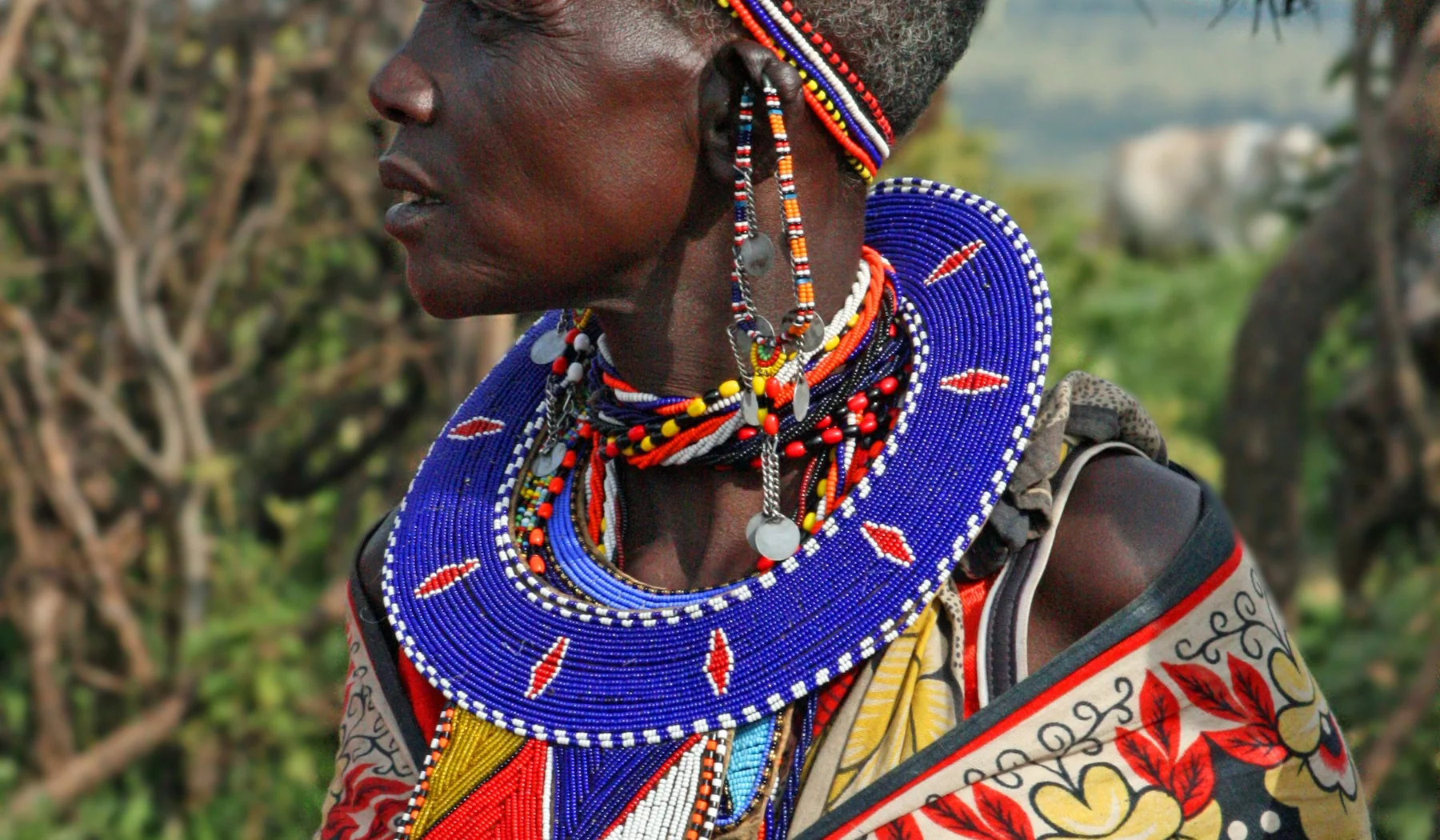
The guide to Maasai beadwork, clothing, food, cattle and daily life will explore workmanship. Ask who made the piece, who sets the price and who receives payment. Buy because you value the work, not because a dramatic claim makes refusal feel cruel.
Bargain without erasing labour
Polite negotiation may be normal in some markets, while cooperatives may use fixed prices. Ask first. If the price feels too high, decline kindly. Do not divide a handmade piece into an hourly wage calculated from your own country, and do not bargain simply for sport.
Keep souvenir money in its own envelope
Set a personal craft budget before arrival. That prevents the entry fee, tip and purchase from blending together. Couples and families should decide who buys, how much cash is available and how larger items will travel home.
Understand why craft prices differ
A hotel shop, airport shop, Nairobi market and village cooperative have different rent, transport, commission and quality. Similar appearance does not prove identical maker or origin. Ask about material, workmanship and seller relationship instead of assuming every matching colour is factory-made or every village item is local.
Tip after good service, not under pressure
The planned guide to tipping, gifts, photography and buying beadwork will go deeper. A tip can thank a strong local guide or generous hosting, but it should not replace the agreed entry. Ask whether one group tip is shared and avoid handing money to children.
Do not promise donations while emotional
A visitor may hear about school, water or health needs and want to help. Pause before committing. Ask for the project name, budget, responsible committee, payment account and receipt. A transparent donation made later is better than a promise that cannot be kept.
Price a beadwork lesson separately
A hands-on lesson uses a maker's time and materials. It should not be assumed part of entry because crafts are displayed. Ask how long the lesson lasts, what the visitor makes, whether the item is included and how the teacher is paid.
Price a nature or cattle walk separately
Some communities offer guided walks, livestock activities or plant interpretation. These require a guide, time, risk assessment and sometimes conservancy access. Ask the distance, terrain, age limit, wildlife protocol and whether the price is per group.
Price food and tea honestly
A cup of tea offered during a short visit may be hospitality within the programme. A prepared lunch or cooking activity requires ingredients and labour. Ask whether the meal is included, who cooks, dietary options, safe water and whether the hosts eat with visitors or serve a separate tourist meal.
Build a full-day cultural visit budget
The planned guide to spending a day with the Maasai will describe the experience. A full day may combine vehicle, community host, translator, walk, meal, beadwork or livestock activity and rest time. Ask for one itemised total instead of stacking surprise additions.
Price an overnight community stay
The planned guide to staying overnight in a Maasai village will cover comfort and boundaries. Ask whether the bed is in a family home, guest hut or separate camp; what meals, water, toilet, bedding, mosquito protection and guide time are included; and how hosts are compensated.
Compare Maji Moto and Loita longer stays
The planned Maji Moto and Loita Hills guide will examine community models, walks and accommodation. A longer stay costs more because it includes land access, guiding, meals and beds, not because Adumu itself has a premium price. Compare ownership and inclusions.
Ask about commercial photography before arrival
A phone photo for a family album is not the same as a styled shoot, documentary, advert or paid social campaign. Commercial work may require a location fee, written permission, model releases and an agreed share for participants. Explain the purpose, crew size, equipment and intended audience before anyone quotes a price.
Consent does not come bundled with admission
Paying entry does not buy a right to photograph every person, child, home or ceremony. Ask before lifting the camera, accept a refusal and let the host explain any restricted spaces. If a person agrees, show the image when practical. Never promise to send photographs unless you will actually follow through.
Separate a school visit from the village fee
A school is not a tourist prop. If a community programme includes one, ask whether the school has invited visits, which hours avoid lessons and whether photography is allowed. A donation, if requested, should have a clear recipient and purpose. Do not distribute sweets, cash or stationery directly to children.
Price families by ages, not assumptions
A family of four is not automatically four adult fees. Some hosts reduce the rate for children, while others charge one group amount because the guide and programme still take the same time. Give the children's ages, visit length and requested activities. Ask whether babies, teenagers and accompanying carers are treated differently.
Price large groups without crowding a home
For a school, conference or multigenerational party, the lowest per-person number is not the only measure of value. Ask how many visitors the homestead can welcome comfortably, whether the group will split, how many hosts and translators are needed and how the payment is shared. Smaller rotations can create better conversation.
Ask for an accessible version of the visit
Uneven earth, narrow doorways, smoke, livestock and limited seating can affect travellers with mobility, sensory or respiratory needs. Describe the need privately and ask what can be adapted. A shorter outdoor conversation, vehicle-near meeting point, chair, quieter welcome or accessible toilet stop may make the experience work.
Confirm the payment currency
One host may quote in Kenyan shillings while another publishes dollars or euros. Oyaratta currently lists USD 20 or EUR 20, but that does not establish an exchange rule elsewhere. Ask which currency controls the price and which rate applies if you pay in another currency. Keep small notes if cash is requested.
Use M-Pesa only with a confirmed recipient
M-Pesa can be convenient, and Oyaratta says it accepts it. Before sending, confirm the registered name and number with the official host or organiser. Read the confirmation screen and keep the receipt. A last-minute request to use an unrelated personal number deserves a pause and a second check.
Ask whether a deposit is needed
A short walk-in visit may be paid on arrival. A private full-day programme, meal, large group or overnight may require preparation and a deposit. Ask how much is due, when the balance is payable and what happens if weather, illness or route changes prevent the visit.
Understand cancellation before paying
Community hosts may buy food, reserve guides or rearrange daily work. A cancellation policy can therefore be fair, but it should be visible before payment. Ask about traveller cancellation, host cancellation, late arrival, road closure and a shorter visit. Travel insurance may help with covered trip disruption, not simple changes of mind.
Let weather change the sequence, not the value
Heavy rain can make an access road difficult, while heat can make a long walk tiring. The host may move conversation into shelter, shorten a walk or change the order of activities. Ask which parts are weather-dependent and whether a materially shorter programme changes the price.
Compare entry-only visits
An entry-only price is most useful when it names the duration, host, programme and payment recipient. It may suit travellers whose driver is already nearby and who want a short introduction. It is poor value when transport, guiding and expected extras remain vague.
Compare short hosted visits
A short hosted visit commonly combines a welcome, conversation, homestead explanation and craft browsing. It can be meaningful when there is time for questions and no pressure to perform every tourist expectation. Ask whether translation is strong enough for a real exchange.
Compare half-day programmes
A half day may add a walk, beadwork activity, food preparation or longer conversation. The price should show transport, guide hours, refreshments and activity materials. Check whether “half day” means three hours at the village or three hours including a long drive.
Compare full-day programmes
A full day should feel different from a stretched short visit. Look for a thoughtful rhythm, breaks, a meal and one or two deeper activities chosen with the hosts. Ask whether visitors join ordinary work or watch a staged demonstration, and whether participation is genuinely welcome.
Compare overnight programmes
An overnight price must cover accommodation standards, meals, bathroom arrangements, water, bedding, mosquito protection, night security and transport. It should also explain how much interaction is planned and how much private time both guests and hosts retain.
Hear what a USD 20 visitor actually reported
One Amboseli reviewer wrote, “The price of the tour is $20 per person.” That is useful evidence for that particular visit, not a nationwide tariff. The same review describes a structured programme and shopping, so compare the whole experience as well as the number. Read the original review.
Hear why another visitor paid USD 25
On the same listing, another traveller wrote, “Our entrance fee was $25 per person.” Two nearby examples can differ because of timing, operator arrangements, programme or simple pricing changes. This is why a dated written quote matters. Read the original review.
Notice the warning about shopping pressure
The USD 25 reviewer also said, “The rest of the visit was based on the almost obligatory purchase of handmade souvenirs.” That is one person's experience, but it identifies a real concern. Ask in advance whether craft shopping is optional and whether visitors may leave without buying. Read the original review.
Keep the positive part of a mixed review
That same traveller began by saying, “the visit to the Maasai village was basically very interesting”. A visit can be worthwhile and still have an uncomfortable sales ending. Good planning does not require choosing between praise and criticism. It uses both to ask better questions. Read the original review.
Consider the Mara price example carefully
A Masai Mara guest wrote, “The entrance fee for the village is about $20/person.” The word “about” matters. Treat it as a traveller's report from a particular stay, not a guaranteed current rate. Read the original review.
Learn from a traveller who valued the market
Another guest wrote, “The market is one of the best (cheapest) places in Kenya/ Tanzania for souvenirs.” Price-sensitive travellers may appreciate direct buying, but cheapness alone does not prove fair payment to a maker. Ask who made an item and where the money goes. Read the original review.
Look for the absence of pressure
One Nairobi day-tour reviewer wrote, “There was no pressure or artificial feeling”. That short sentence describes what many visitors want more clearly than the word authentic. It points to relaxed conversation and freedom of choice. Read the original review.
Look for interaction, not spectacle
Another visitor described a different programme by saying, “The entire experience felt genuine and interactive.” A useful pre-booking question is therefore not “Is it authentic?” but “What will we actually do, and with whom?” Read the original review.
Treat authenticity as a relationship, not a label
Communities change, use mobile phones, run businesses and choose how to present themselves. None of that makes them less Maasai. A better visit is transparent about what is ordinary life, what is arranged for guests and what hosts prefer to keep private. Price can support that relationship when expectations are clear.
Check whether the safari package already includes it
A village visit sometimes appears inside a safari itinerary and sometimes sits under optional activities. Read the inclusions and exclusions, then ask whether the listed price covers entry, host, driver waiting time and any detour. Do not pay twice for the same line.
Ask for one itemised quote
The easiest way to understand Maasai village visit cost is to see every line once. The quote should name the community, date, traveller count, duration, transport, entry, guide, activities, meal, taxes and optional purchases. A clear quote protects hosts as well as guests because it records what was agreed.
Ask who issues the receipt
A receipt may come from the community organisation, host programme, lodge or safari organiser depending on the arrangement. It should match the recipient and amount. Keep it with the itinerary, especially when a deposit or larger group payment is involved.
Pause if the beneficiary changes suddenly
Payment fraud can enter any travel booking. If bank, card or M-Pesa details change after confirmation, verify through a known phone number or official email. Do not rely only on the message that announced the change. This is sensible payment hygiene, not suspicion of a community.
Build a couple’s price without inventing a total
For two adults, calculate the confirmed entry basis plus vehicle cost, guide or translator, activities and any meal. Add crafts, tips and donations only as optional personal spending. This formula works even when a host changes rates because it relies on the current written quote.
Build a family’s price without guessing child rates
For a family, list each adult and each child's age before applying any rate. Add a child seat or larger vehicle if required, then price food and activities by the correct headcount. Keep shopping and tips outside the committed total.
Build a group’s price with capacity in mind
For a group, compare a per-person offer with a private group offer. Include the number of hosts, translators and vehicle seats, not only admission. If the party must split into rotations, include the time and second guide required.
Compare two offers on the same basis
One quote may look cheaper because transport, park access or lunch is absent. Rebuild both in the same table. A blank is a question, not zero. Compare community benefit and visitor experience alongside money.
Decide whether the visit is worth the cost
Value is strongest when the programme is community-led, the payment path is clear, the group is small enough to talk, hosts set boundaries and shopping remains optional. A cheap visit can feel rushed; a dearer one can still be poor if the programme is vague. Judge the relationship and the detail.
Choose a short visit when time is tight
A well-hosted 60 to 90 minutes can work on a transfer day if the route, arrival time and payment are confirmed. Do not squeeze it between a late game drive and a flight. Cultural exchange deserves attention, and hosts should not have to wait for an uncertain vehicle.
Choose a longer visit for deeper conversation
A half day, full day or overnight makes sense when the traveller genuinely wants discussion, a walk, craft lesson, meal or community-owned stay. Longer is not automatically better. The additional hours should have purpose and respect household routines.
Match the visit to the wider safari route
The cheapest entry can become expensive if it needs a long dedicated transfer. Compare communities that sit naturally near your lodge, gate or onward road. The planned guide to Maasai manyatta, boma, homestead and village terms will also help you understand what a listing is actually describing.
Learn a few Maa phrases without performing them
The planned Maa language phrases guide will offer respectful basics. A greeting can be warm, but visitors should not turn language into a party trick. Ask the host how to pronounce a phrase and be comfortable returning to the shared language.
Keep wildlife and cultural budgets separate
A community visit and a game drive serve different purposes and pay different people. Do not ask a village host to absorb a park fee, or assume a park ticket funds the community you meet. The Kenya parks and conservancies guide explains the wider geography.
Keep tips, gifts and donations voluntary
These three payments are often confused. A tip thanks service, a gift is freely chosen and a donation supports a stated need. None should appear as a surprise compulsory fee at departure. Ask the preferred approach and keep dignity on both sides.
Prepare a concise booking brief
Send one message with the date, route, adults, child ages, preferred duration, interests, mobility needs, language and photography plans. Ask for the named community, programme, itemised price, payment recipient and cancellation terms. That is enough to start a useful conversation without scripting the hosts' day.
Use this final price checklist
Before paying, you should be able to answer every line below. If one is unknown, ask. The aim is not paperwork for its own sake. It is a visit where guests can relax, hosts know what has been agreed and money reaches the intended recipient.
The practical answer
There is no single Maasai village visit cost for Kenya. A published community example is USD 20 or EUR 20 per person, and recent traveller reports mention USD 20 and USD 25, but those figures belong to specific visits. Your total may also include transport, guide time, activities, meals or an overnight stay. Ask for a named community and an itemised quote, then choose the experience whose ownership, boundaries and value feel clear.
Sources and further reading
The price examples and visitor perspectives above come from the linked community site and original traveller review pages. Cultural context was checked against academic work on tourism and Maasai representation. Rates and programmes can change, so the named host remains the source for the visit you are booking.
| Source | Used for |
|---|---|
| Oyaratta Maasai Village | Published fee, payment methods and stated community benefit |
| Amboseli traveller reviews | Exact price and experience quotes |
| Masai Mara stay reviews | Exact entry and market quotes |
| Ethnologies research paper | Tourism and representation context |
Plan a transparent village visit
Share route, group, time, interests, quoted fee and any shopping or photography questions.