
Maasai Manyatta, Boma, Homestead, and Village: What the Terms Mean
Learn what the common terms can mean, why safari listings blur them and the questions that reveal the place you are actually visiting.
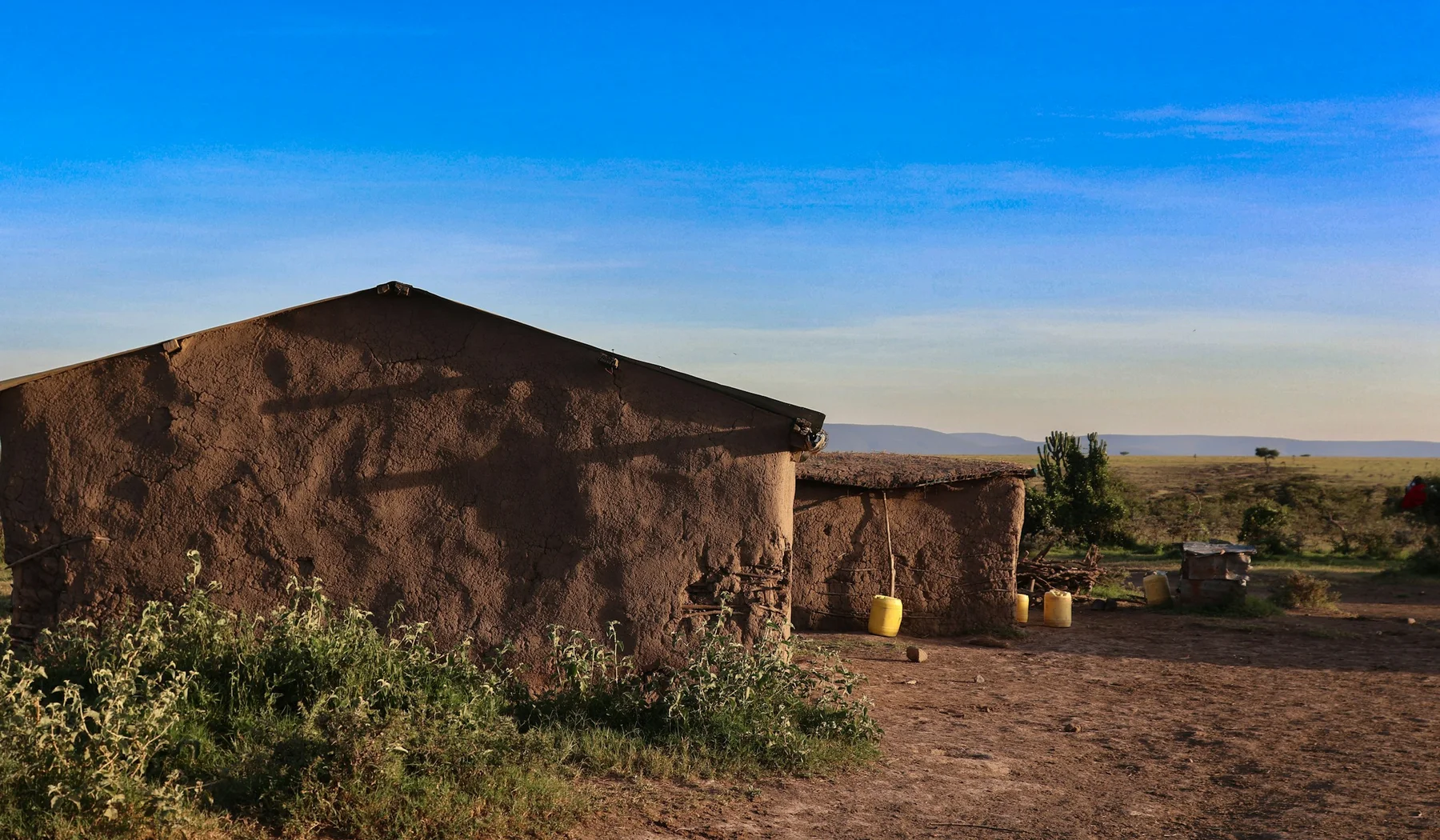
A Maasai manyatta is not simply “one of those mud houses”, a boma is not always a whole village and a village is not necessarily one residential compound. Safari language has blurred house, enclosure, household, homestead, ceremonial settlement and tourism venue until the words seem interchangeable.
| Term | Careful starting meaning |
|---|---|
| Enkaji | House |
| Enkang | Homestead or settlement |
| Boma | Homestead, compound or livestock enclosure, depending on context |
| Emanyata | Settlement associated with age-group ceremonies in specialist Maa usage |
| Village | Wider settlement, administrative area or tourism label |
Start with the short answer
Ask what residents call the place. Research commonly gives enkang for a Maasai homestead and enkaji for a house. Boma is widely used in Kiswahili and English for a homestead or livestock enclosure. Emanyata has a more specific age-group association, though tourism often uses “manyatta” for almost anything Maasai-looking.
| If a listing says | Ask |
|---|---|
| Manyatta | House, homestead, ceremonial settlement or attraction? |
| Boma | Whole compound or cattle pen? |
| Village | Named community or visitor venue? |
Understand scale before vocabulary
One house can sit inside a household area, which can sit inside a multi-household homestead, which can be part of a wider village or neighbourhood. Terms overlap because speakers focus on different scales.
Learn enkaji for a house
Enkaji is a Maa term commonly used for a house. Houses can vary in plan, roof, walls, windows and materials. Calling every house a manyatta hides both the language and the variation in construction.
Learn enkang for a homestead
Research comparing Maasai communities in Kenya and Tanzania defines enkang as a homestead that can contain people living together and managing livestock. The plural appears as inkang'itie in that study. It is a social and working unit, not merely a ring of buildings.
Understand what boma can mean
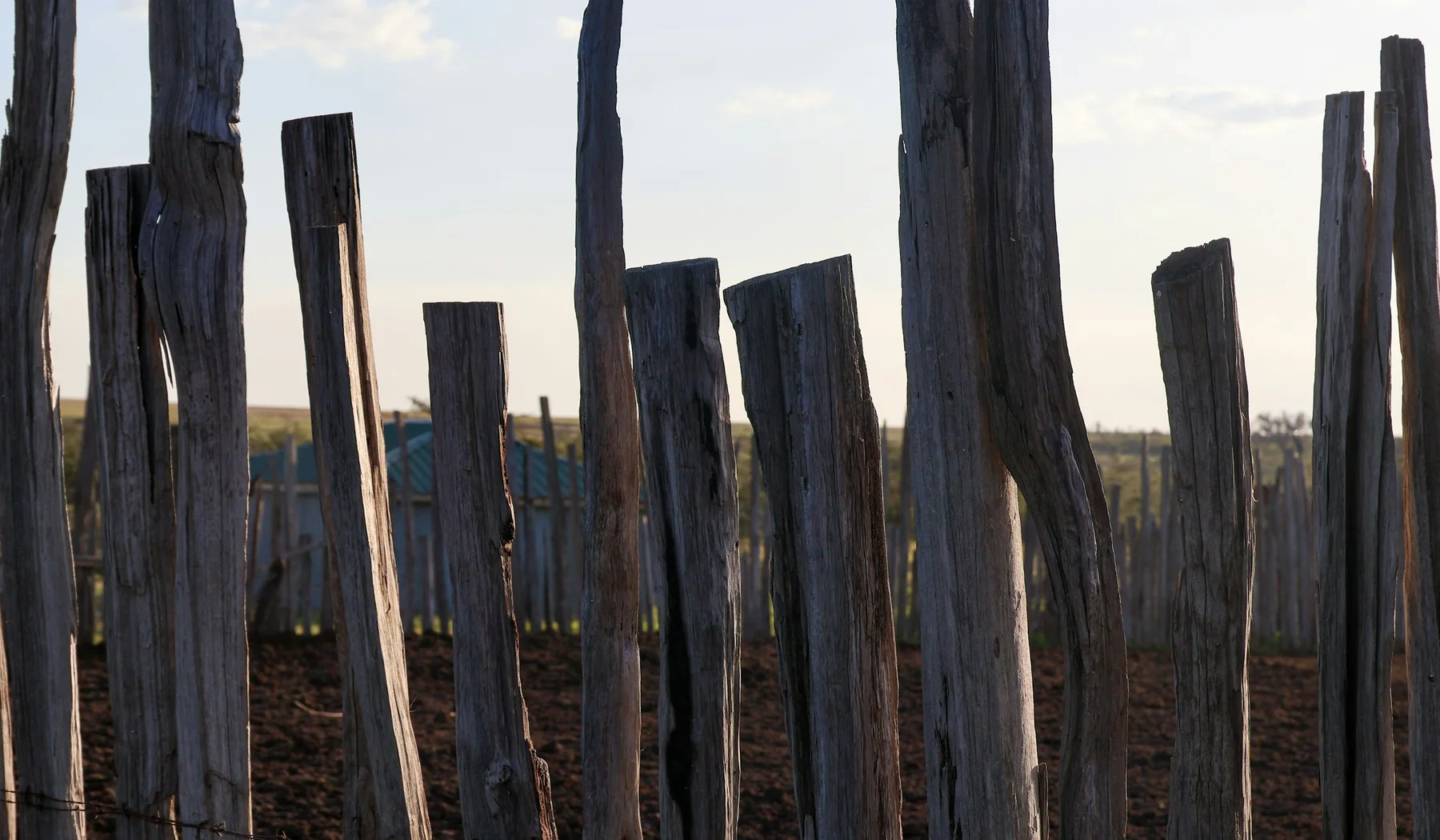
Pastoralism research notes that a homestead may be called boma in Kiswahili and enkang in Maa. In other sentences, boma means the livestock enclosure itself. Context matters more than a rigid one-line translation.
| Speaker means | Clue |
|---|---|
| Whole homestead | Families and houses are discussed |
| Livestock corral | Animals are confined there |
| Tourism venue | Entry and programme are advertised |
Do not make boma a Maasai-only word
Boma is used widely across East and Central Africa and can also mean compounds, stockades or official places in other contexts. A “Maasai boma” identifies the setting, not exclusive ownership of the word.
Treat manyatta as the most misused term
Tourism pages often use manyatta for a hut, village or cultural attraction. A UCL Maa glossary defines emanyata as a settlement for age-group ceremonies and notes that “manyata” is an Anglicised form often used differently. Do not assume the brochure is linguistically precise.
Understand emanyata as more than architecture
An emanyata can be connected to age-group organisation and ceremony. Its meaning therefore comes from people, purpose and time, not just walls. A visitor cannot identify one from a photograph of an earthen house.
Do not call a single house a village
A house is a structure. A village may be a wider settlement or administrative territory containing multiple homesteads. A cultural venue may use village as a visitor-friendly name. Ask which one applies.
Separate household from homestead
The comparative demography study uses olmarei for a household, a group living together within a homestead and often managing livestock together. More than one household can share an enkang. Counting roofs does not reveal household organisation.
Separate compound from corral
The outer residential compound and the inner space where livestock stay may both be called boma in English conversation. Ask “Do you mean the whole homestead or the cattle enclosure?” That question is clearer than arguing over the word.
See the fence as working infrastructure
Branch fencing can guide livestock, mark space and reduce predator or theft risk. It needs materials, labour and repair. Do not treat it as decorative background for portraits.
Recognise gates as functional
Gates connect houses, corrals and grazing routes. Their position can express household organisation while also serving daily livestock movement. Stand clear when animals enter or leave.
Understand circular plans without making them universal
Research often describes circular or semicircular compounds with houses around livestock space. Real layouts respond to household size, terrain, materials, roads and change. One ideal diagram is not every home.
Recognise building as skilled work
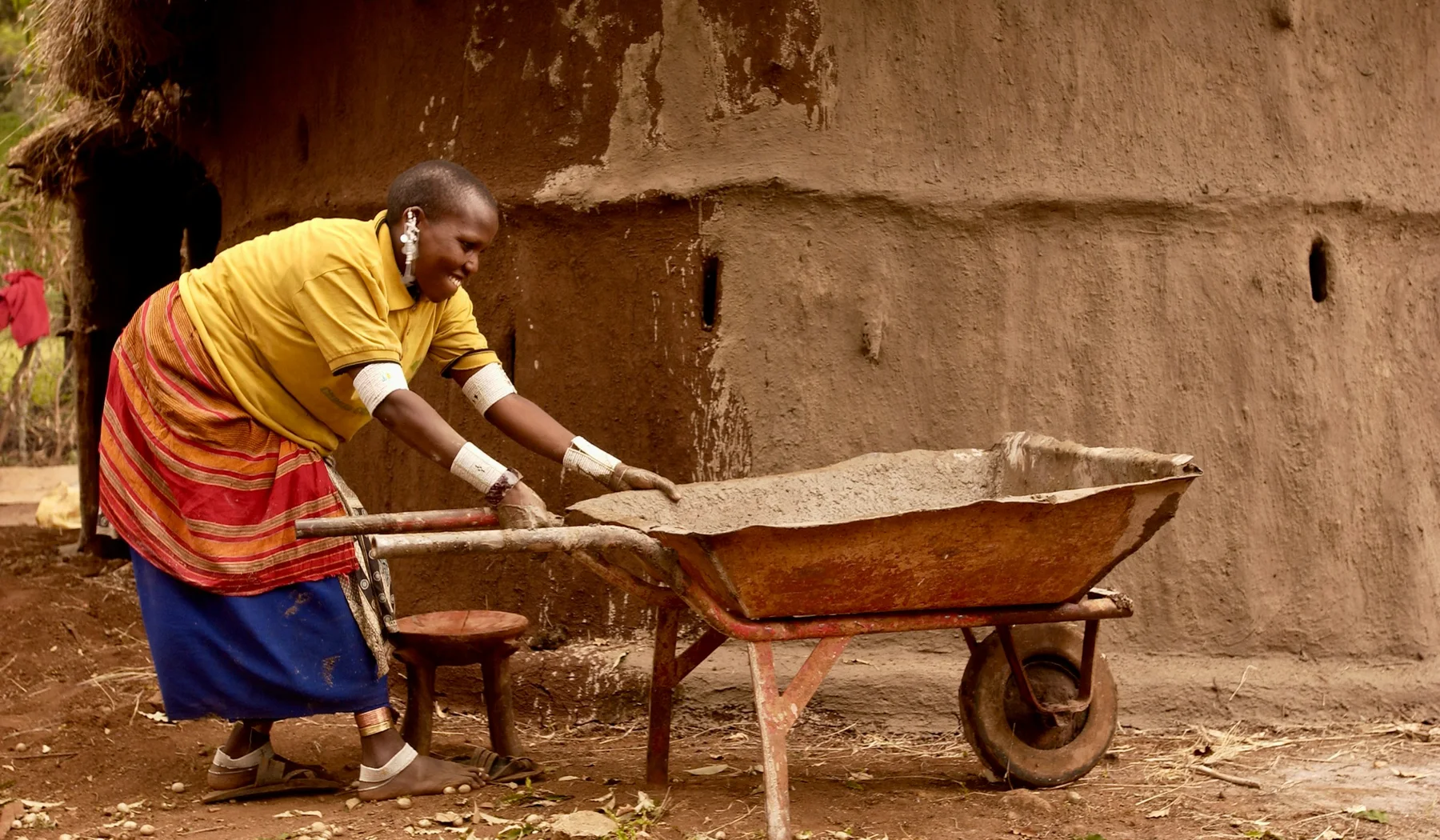
Walls, roofs, frames and surfaces require material knowledge and maintenance. Community architecture documentation from Monduli records changing materials and spatial organisation. A wheelbarrow or metal roof does not make a house less Maasai.
| Building work | Knowledge |
|---|---|
| Frame | Strength and shape |
| Wall mix | Binding and weather |
| Roof | Drainage and heat |
| Repair | Timing and materials |
See walls as maintained technology
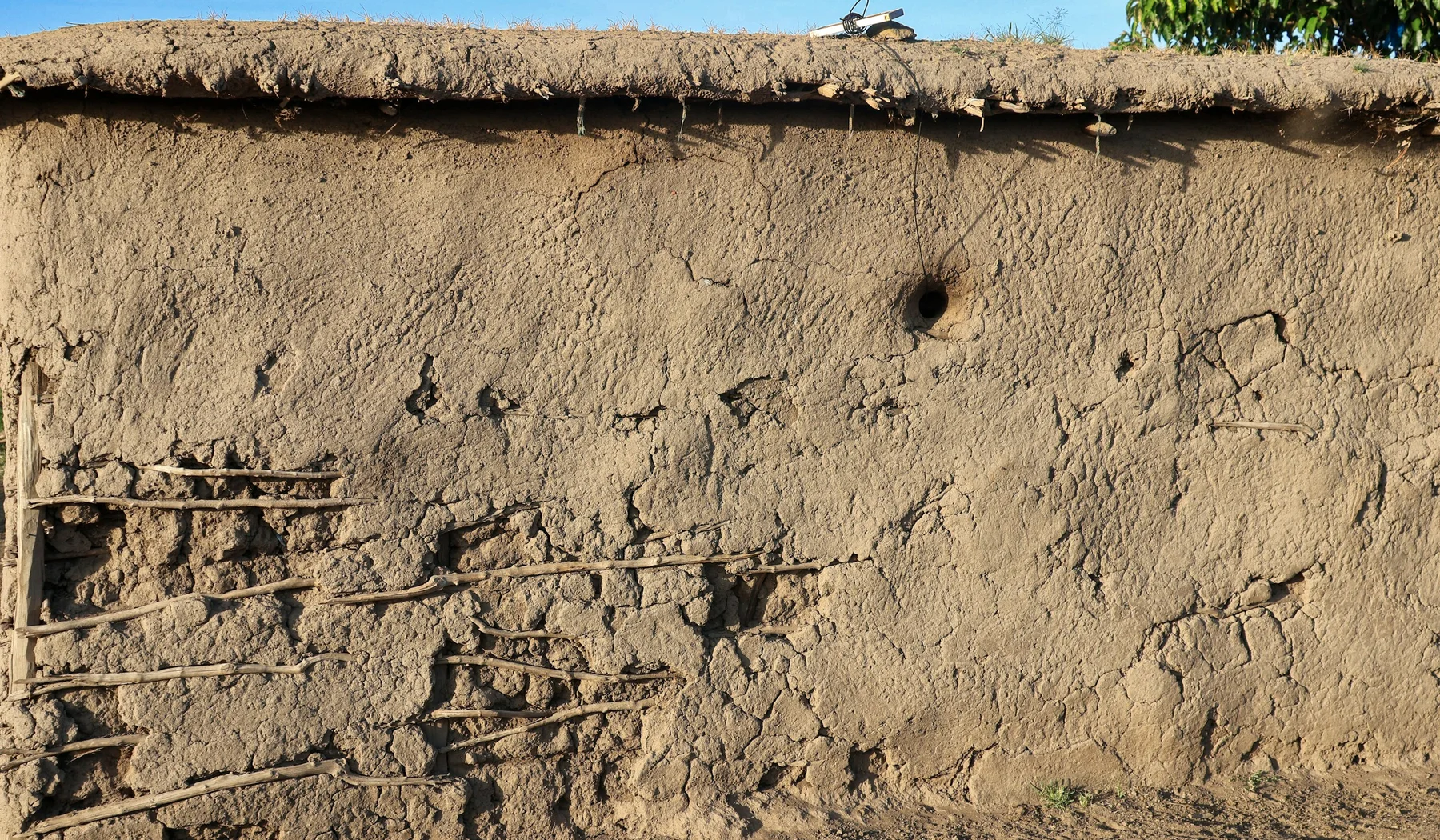
Earthen surfaces can crack and need repair. Smoke, rain, wind and animals affect structures. Photographing damage as evidence of poverty ignores the life cycle of the building and resident's privacy.
| Wall observation | Better question |
|---|---|
| Cracking | How is it maintained? |
| Mixed materials | Why was each chosen? |
| Small opening | Light, smoke and security context |
Avoid the “women build, men own” summary
Women have documented expertise in house construction in many Maasai settings, but property, labour and decision-making differ. Ask who built this house and who decides repairs instead of repeating a universal gender slogan.
Accept corrugated metal and concrete as real life
Households may adopt metal roofing, timber, blocks, solar panels, tanks and concrete as resources allow. Change can improve light, ventilation, durability or status while creating new heat or cost trade-offs.
Understand seasonal camps
Pastoral households have used smaller wet-season or grazing camps as livestock move toward water and forage. A camp is not proof that people wander without territory. It is part of a planned livelihood system.
Understand settlement and mobility together
Some households are more settled while livestock or certain family members still move. Research in Tanzania links settlement location to resources, environmental constraints and infrastructure. “Nomadic” versus “settled” is often too simple.
See land subdivision in settlement change
Fencing, private parcels, roads, schools, markets and conservation boundaries can reshape where homesteads sit and how livestock move. The Kenya parks and conservancies guide explains wider land categories.
Avoid calling every place temporary
An earthen house can be maintained for years, while a block house can be left after circumstances change. Permanence is social and economic as well as material. Ask how residents describe the place.
Avoid calling every place ancient
A familiar circular layout may contain recent roofs, phones, school schedules and new businesses. “Ancient village” is usually marketing, not a date. Maasai people live in the present.
Ask whether the site is residential
Some cultural venues are lived-in homesteads. Others are purpose-built visitor spaces. Both can offer useful learning if ownership and presentation are transparent. Problems begin when a venue claims to expose private daily life while functioning as a stage.
Ask who owns the visitor programme
Land ownership, programme design, hosting and payment may involve different people. Name them. A lodge can arrange transport while community members own the experience.
| Role | Confirm |
|---|---|
| Land | Who controls the site? |
| Programme | Who chose activities? |
| Host | Who leads? |
| Payment | Who receives it? |
Ask what the entry fee covers
The guide to Maasai village visit cost separates entry, guide, transport, crafts and tips. A “manyatta fee” should name the community and programme.
Keep homes private inside a public programme
A ticket does not open every doorway. Enter only when a resident invites you. Ask again before photographing the interior, belongings, food or children.
| Boundary | Rule |
|---|---|
| Closed doorway | Do not enter |
| Invited demonstration house | Follow host |
| Resident's room | Private unless clearly offered |
Ask before photographing structures
Even an exterior can identify a household or reveal private activity. Explain whether the image is personal, public or commercial. The planned guide to tipping, gifts, photography and beadwork covers consent.
Do not stage people in doorways
A doorway is part of someone's home, not a portrait prop. If a host offers a demonstration, ask who chose it and whether the participant wants photographs. Never reposition children or residents.
| Avoid | Do instead |
|---|---|
| “Stand over there” | Ask what is comfortable |
| Open a door for light | Let resident control it |
| Block entrance | Keep movement clear |
See smoke and ventilation in context
Cooking and heating can produce smoke, while openings, roof form and changing materials affect ventilation. Do not make a health claim from a quick visit. Ask the resident what has changed and what they prefer.
Understand livestock at night
Corrals can keep cattle, calves, goats or sheep close at night. Species and age may be separated. Gates, fencing and household proximity support care and security.
Keep clear during livestock movement
Arrival and departure are working times. Vehicles, guests and cameras can obstruct animals. Ask the host where to stand and wait until the herd settles.
Understand waste, soil and archaeology
Repeated livestock use changes soil chemistry and leaves durable settlement traces. Archaeologists study abandoned bomas partly for this reason. That scientific value does not turn current homes into excavations.
Ask before entering an abandoned homestead
“Abandoned” may still have owners, ritual meaning, grazing use or dangerous walls. Do not climb, remove objects or fly a drone because no one is visible.
Let local terms change by region
Maa varieties and local Kiswahili usage differ. The Maa language phrases guide explains why one spelling is not universal. Use the word your host prefers.
Do not correct residents from a glossary
A specialist definition helps you ask, not overrule. Speakers may use borrowed or tourism terms strategically because visitors understand them. Ask why the word is used here.
Explain tourism shorthand honestly
Operators use “village” and “manyatta” because travellers search those words. The public page can still add the named community, local term and site type. Search visibility does not require linguistic vagueness.
Compare Mara terminology locally
The Masai Mara safari guide locates lodges and conservancies. Ask a Mara host whether a listing refers to an enkang, visitor centre or broader village.
Compare Amboseli terminology locally
The Amboseli safari guide helps fit visits around routes. Kajiado hosts may use familiar visitor words while explaining local structure in more detail.
Compare places without ranking authenticity
The Mara versus Amboseli village guide will compare route, ownership and programme. It will not declare one set of homes more real.
| Compare | Never rank |
|---|---|
| Host quality | Poverty |
| Payment clarity | Clothing |
| Conversation time | Building material |
Use longer stays for spatial understanding
The planned Maji Moto and Loita Hills guide can support walks and longer conversation. A resident or guide can explain landscape, neighbourhood and homestead relationships that a quick circuit misses.
| Longer visit | Learn |
|---|---|
| Walk | Settlement and grazing links |
| Meal | Household boundaries |
| Overnight | Guest versus private space |
Keep overnight accommodation clearly separate
The guide to staying overnight in a Maasai village distinguishes family home, guest hut and cultural camp. Never assume “sleep in a manyatta” describes the actual room.
Fit families to the space
Narrow doors, smoke, livestock and uneven ground may affect young children. The Kenya safari with children guide helps plan duration and safety.
Plan accessibility before arrival
Ask about walking distance, thresholds, seating, toilet access, light and vehicle proximity. A host can adapt the programme without pretending every private house is accessible.
Respect water and sanitation privacy
Water storage, washing and toilets are private household systems. Ask the host about visitor facilities rather than inspecting or photographing residential ones.
Keep school buildings out of the home tour
A school is a separate institution. Visit only when invited and avoid lesson times. Do not describe classrooms as part of a manyatta attraction.
Keep shops separate from homes
A craft display may sit within or beside a homestead, but shopping should remain optional. The guide to Maasai beadwork and daily life helps identify makers and payment.
Keep dance separate from architecture
The Adumu guide explains performance context. A settlement is not defined by whether visitors see jumping, and a dance does not prove a site is residential.
Ask what actually happens during the visit
The guide to spending a day with the Maasai will compare a short hosted circuit, full-day programme and deeper stay. Terms alone cannot tell you the experience.
Use one precise sentence in your itinerary
Replace “visit a traditional manyatta” with a sentence naming the community, site type, host and duration. Precision builds confidence.
Build a place-aware booking brief
Send the name, local term, location, residential status, programme, host, fee and photography rules. Blank fields are questions to resolve.
Check a listing before paying
A listing that cannot name the community or host needs clarification. Ask whether transport, entry, guide and activities are included.
Keep this terminology card
Use the card as a question guide, not a weapon for correcting local speech.
Compare a residential homestead with a cultural centre
A residential homestead organises family life and livestock first. Visitor access must fit around those priorities. A cultural centre may be designed for explanation, performance, craft sales and group facilities. Neither description decides quality by itself. A well-run centre can protect household privacy, while a residential visit can support unusually personal conversation when residents control the programme. Ask which model you are booking and judge it honestly.
Compare a visitor demonstration house with a private house
Some programmes maintain one house specifically for visitors to enter, sit and learn about construction. That can be a thoughtful solution. Ask whether anyone sleeps there, who built it and whether the explanation reflects current homes as well as older techniques. Never wander from the demonstration structure into neighbouring residences because the doors look similar.
Ask how fire safety is managed
Cooking fires, dry vegetation, timber, thatch, cloth and fuel storage create practical safety questions. A short visit does not qualify a traveller to inspect the home, but groups should know where to stand, whether smoking is prohibited and how children are supervised. Follow the host rather than moving a pot, opening a vent or stepping across a hearth for a photograph.
Ask about wildlife without inviting a lion story
Fences and night corrals relate to livestock security, but predator pressure differs by place and season. Do not ask residents to repeat dramatic lion encounters as entertainment. Ask how livestock protection, herding and conservation work today, and accept that the answer may involve ordinary fencing, lights, dogs, compensation schemes or changing grazing patterns.
Understand privacy across the whole compound
Privacy is not limited to closed doors. Washing areas, sleeping places, livestock treatment, food storage, family conversations and phone numbers can all be private. Ask the host which route the group should follow. If someone steps away from the programme, do not follow with a camera. Children should never be asked to open rooms or explain possessions when an adult host has not offered them.
Understand why exact terms protect residents
Calling a private home a “tourist manyatta” can erase the resident. Calling a purpose-built centre an “untouched village” can mislead the guest. Precise language helps everyone set expectations about access, facilities, payment and photography. Maasai manyatta terminology is therefore not a trivia exercise. It is part of informed consent.
Build enough time for a real explanation
The guide needs time to explain household, homestead and wider settlement without rushing residents from one doorway to another. A useful short visit may include an outdoor orientation, one invited building explanation, conversation, optional craft browsing and a clear close. If transport arrives late, shorten the programme honestly rather than pressuring hosts to perform faster.
Use this final pre-arrival message
Ask the planner: “Please confirm the named community, whether the site is residential or purpose-built, what residents call the homestead, which spaces visitors enter, who hosts, what the fee includes and what photography is allowed.” Add arrival time, group size, child ages and access needs. One clear message prevents the vague promise of a “traditional manyatta tour” from carrying the whole booking.
Picture the homestead as relationships, not a floor plan
An overhead sketch can show houses, gates and livestock areas, but it cannot show every social relationship. People may share herding, milk, labour or a gate while keeping other resources separate. Household composition also changes through marriage, age, work and migration. Ask the host what the visible plan helps organise, and do not infer who owns what from position alone.
Ask where the wider village begins and ends
In research, a named village can be a large administrative and geographic area containing many scattered homesteads, grazing land, roads, schools and markets. It may not resemble a compact European village. If an itinerary says “the village is beside the lodge”, ask whether it means one visitor site, one homestead or the wider administrative community.
Ask who maintains the visitor spaces
Paths, seating, demonstration buildings, toilets and craft displays require cleaning, repairs and management. A transparent programme should recognise that work. Ask whether the entry fee supports specific hosts, a committee, households, maintenance or a wider project. This is more useful than assuming that every dollar automatically reaches everyone in the village.
Pay for building knowledge when it is a lesson
A hands-on wall, frame or roof demonstration uses a builder's materials, time and teaching. Do not expect residents to repair a real home for the group's entertainment. If construction is a planned activity, confirm the teacher, safe materials, duration, visitor role and payment. Children should participate only in a suitable, supervised task.
Adapt the route without demanding access
A traveller with limited mobility may not manage narrow thresholds or uneven paths. The solution is not to alter a private house on demand. Ask for an outdoor explanation, a level visitor area, seating and photographs or models that the community has chosen to share. Accessibility planning can protect dignity on both sides.
The practical answer
Call the house an enkaji when that is the local term, understand the homestead as an enkang, ask what boma means in context and never assume manyatta is a generic word for hut. Above all, name the community and respect the difference between a place people share with visitors and a private home.
Sources and further reading
The definitions above come from comparative demography, pastoralism, settlement research and community architecture documentation. Usage still varies by region and speaker.
| Source | Used for |
|---|---|
| Comparative social demography | Enkang, household and regional comparison |
| Beyond the boma | Boma and enkang terminology |
| Where mobile groups settle | Settlement location and change |
| Adaptive capacity | Mobility, homesteads and fragmentation |
| Maa glossary | Enkaji, enkang and emanyata |
| Maasai Architecture | Building and spatial change |
Plan a named community visit
Share route, group, date, visit length and the listing you are considering.