
Kenya Family Safari Packages: Wild Days That Still Feel Like a Holiday
A child spots the giraffe before anyone else. Ten minutes later, the same child needs a snack, a bathroom and a break from binoculars. A good family safari makes room for both moments.
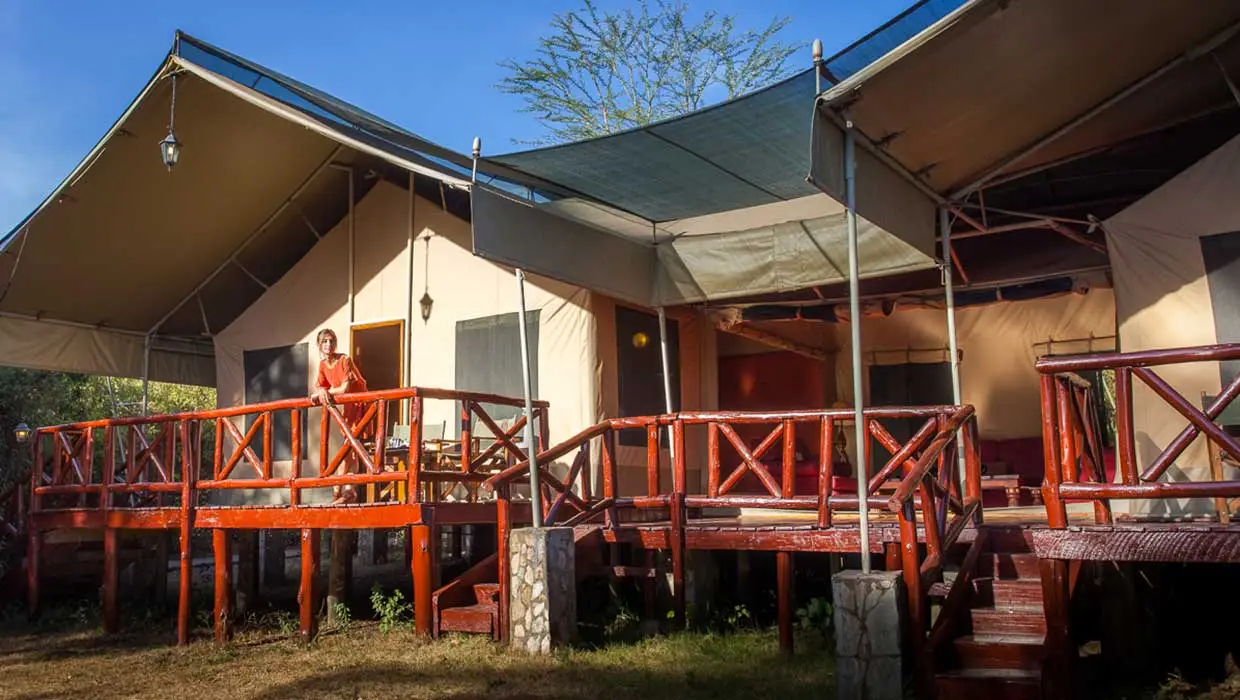
Kenya family safari packages should be designed around the ages, confidence and curiosity of the actual children travelling. The park list comes later. First come private space, sensible drives, safe rooms, flexible meals and enough time to rest.
- Designing the safari around babies, children and teenagers
- Best Kenya safari areas for families
- Why the safari vehicle matters so much
- Rooms, villas and unfenced camps
- A family safari day that actually works
- Walks, boats, culture and conservation
- Malaria, vaccines, food and medical planning
- Adding Diani, Mombasa or the coast
- Family safari packing without carrying the house
- Children’s rates, rooms and what changes the total
- What to tell children before the safari
- Traveller opinions
- FAQs
Designing the safari around babies, children and teenagers
A baby or toddler changes sleep, feeding, car-seat and medical planning. A six-year-old may love elephants but tire after ninety minutes. A teenager may happily spend a dawn tracking lions if photography or conservation gives the drive a purpose. The itinerary should name these differences instead of labelling every property “family-friendly.”
Ask each child what they hope to see and what worries them. Build a private vehicle schedule with permission to return early. A short, delighted drive is better than keeping children in a vehicle until they dislike the bush. Three nights in one place usually serves a family better than one night in three parks.
| Age or stage | What often helps | What to check |
|---|---|---|
| Babies and toddlers | One base, private vehicle and flexible meals | Camp minimum age, car seat and medical access |
| Primary-school children | Track books, short drives and pool time | Family room and guide fit |
| Teenagers | Photography, conservation and active options | Wi-Fi expectations and activity age rules |
| Multi-generation family | Private villa or connected rooms | Steps, vehicle entry and rest pace |
Best Kenya safari areas for families
Amboseli offers open views and elephant families, with a compact park and lodges that can provide pools. The Masai Mara offers extraordinary wildlife variety, but the road is long and peak areas can be busy. Ol Pejeta adds rhino conservation and varied activities. Lake Naivasha can break vehicle time with a boat journey and guided walking where permitted.
Tsavo works naturally with the coast and offers big landscapes, red-earth elephants and fewer famous traffic points. A private conservancy can add guided walks for children who meet the age rule, night drives and smaller camps. Choose two or three ecosystems for a normal holiday length, not every name on a Kenya map.
| Area | Family strength | Planning caution |
|---|---|---|
| Amboseli | Elephants, views and compact driving | Cloud can hide Kilimanjaro |
| Masai Mara | Big cats and wildlife diversity | Long road or flight baggage rules |
| Ol Pejeta | Rhino and conservation learning | Activity booking and age rules |
| Naivasha | Boat and walking break | Water and wildlife safety instructions |
| Tsavo | Coast connection and space | Long distances inside the parks |
Why the safari vehicle matters so much
A private Land Cruiser lets a child stand only when the guide says it is safe, choose a lower window, stop for a bird, eat a snack and return before exhaustion. It also keeps family luggage, layers and camera gear organised. Ask for seat belts, window arrangement, roof style, charging and a cool box.
A shared drive can work for older teenagers, but other guests should not have to adapt to a young child’s needs. Long transfers need planned stops and realistic times. If motion sickness is likely, a fly-in Mara sector or slower route may be worth more than an upgraded room.
Rooms, villas and unfenced camps
A family tent may be one large room with extra beds, two bedrooms linked by canvas, or a private house with lounge and guide. Ask for the floor plan and actual bed types. Confirm whether children cross an outdoor deck or public path to reach the parents, and whether there is one bathroom or two.
Many safari camps are unfenced. After dark, an escort may walk guests between room and dining area. Young children cannot wander onto a deck alone simply because the room looks private. Ask about rails, pools, rivers, steep paths, hot-water systems, generator hours and where the nearest manager sleeps.
| Room type | Useful for | Question that matters |
|---|---|---|
| Large family tent | Parents with one or two young children | Are the beds in one secure space? |
| Two-bedroom unit | Older children or multi-generation trips | Is there an internal connection? |
| Private villa | Large family and flexible meals | Are guide and vehicle included? |
| Separate nearby rooms | Teenagers | How close, and what is the night escort plan? |
A family safari day that actually works
Use one or two early mornings for the best cool-hour wildlife, then allow a later breakfast or short afternoon. Carry water and familiar snacks. A picnic can extend a distant drive, but returning for lunch gives younger children a bathroom, bed and pool. Let the weather and energy decide.
A good guide turns common wildlife into a story. Dung, tracks, bird calls, termite mounds and family behaviour give children a detective role between headline animals. A notebook or simple camera can keep attention without making a species checklist the measure of success.
Cool-hour wildlife
Follow fresh tracks while animals are active. Keep breakfast snacks and warm layers in the vehicle.
Breakfast and reset
Eat without rushing, shower, journal and let younger children sleep if the early start caught up with them.
Pool or quiet time
Lunch, shade and unstructured time prevent the safari from becoming one long lesson in sitting still.
A shorter second drive
Choose a nearby waterhole or animal story instead of chasing a distant sighting simply to fill a list.
Dinner and an easy night
Confirm escort arrangements, prepare clothes for morning and decide together whether the next start should be early.
This is a planning rhythm, not a timetable every camp must follow. Flight days, full-day drives and lodge meal times will change it.

Walks, boats, culture and conservation
Selected conservancies offer guided walks with minimum ages and safety rules. Naivasha offers boat journeys and designated walking experiences. Ol Pejeta can add conservation context. A responsible Maasai-hosted visit can become a conversation about livestock, school, land and contemporary life rather than a hurried performance.
Ask who hosts the cultural visit, how fees are shared and when photography is welcome. Never use children in a local community as holiday props. Family learning is strongest when both sides have dignity, time and permission.
Malaria, vaccines, food and medical planning
Kenya travel health deserves professional advice, especially for children, pregnancy, chronic conditions and malaria prevention. See a qualified clinician with the actual route and dates. Pack prescribed medicine in original packaging, copies of key documents, rehydration supplies and enough critical medication for delays.
Share allergies with every lodge before arrival and repeat them to the guide. Ask how drinking water is supplied, whether a fridge is available for medicine and how the nearest clinic or evacuation works. Travel insurance should cover the activities and medical evacuation appropriate to remote areas.
Adding Diani, Mombasa or the coast
Beach days after safari let children sleep, swim and process the journey. Diani pairs white sand and resort choice with Ukunda air access. Mombasa and the north coast provide another range of hotels and history. Flights from the Mara or Nairobi can avoid repeating long road sectors when the timetable fits.
Choose the beach hotel with the same care as the safari camp: connecting rooms, pool depth, shade, meal plan, sea conditions and transfer time matter. Keep at least three beach nights if an air connection is involved so the family does not unpack only to leave.

Family safari packing without carrying the house
Use light layers, sun hats, closed shoes, insect repellent, refillable bottles, binoculars sized for small hands and one familiar comfort item. Light-aircraft sectors may require soft bags and strict total weight. Split essential clothing across adult bags in case one is delayed.
Download books or entertainment before the bush, but also pack cards, pencils and a wildlife notebook. Keep medicines and documents with an adult. Avoid camouflage-style clothing where local rules or regional connections make it unhelpful, and leave drones unless every required permission is secured.
Children’s rates, rooms and what changes the total
Children’s park fees and lodge rates depend on age, residency, room sharing and season. A family room can cost less than two doubles, but only if it fits safely. Private vehicle cost is divided across the family and may be one of the most worthwhile expenses. Flights charge by seat and apply baggage rules to each passenger.
The quote should list every traveller’s age, room, bed, meal, fee, flight and activity. It should also state which drinks, laundry, tips and beach meals are separate. A low child rate does not create value if the room arrangement or daily pace is wrong.
What to tell children before the safari
Explain that animals are wild, sightings are never ordered and the guide decides when it is safe to stand, speak or move. Some days will begin in the dark. Roads can be bumpy. Lions may sleep for hours, and a leopard may remain hidden after everyone has searched. This honesty turns waiting into part of the adventure instead of a broken promise.
Talk about camps too. At an unfenced property, an adult or escort accompanies every night walk. Food stays out of tents unless staff say otherwise. Windows, zips and doors follow the camp instructions. Children should know the name of the guide and manager, carry no responsibility for younger siblings near wildlife, and feel able to say when they are cold, tired or need a bathroom.
Invite each child to choose one personal project: animal families, tracks, birds, photographs, sounds or a daily sketch. The goal is not to finish the Big Five before lunch. It is to notice more each day. A child who remembers a dung beetle, an elephant greeting and one patient guide has experienced a safari more deeply than a child hurried through a checklist.
| Before travel | Simple family conversation | Why it helps |
|---|---|---|
| Wildlife expectations | We may not see every animal | Reduces pressure on children and guide |
| Vehicle behaviour | The guide tells us when movement is safe | Protects people and animals |
| Camp at night | We always wait for an escort | Makes unfenced-camp rules memorable |
| Waiting time | Choose a small project or notebook | Turns quiet periods into observation |
| Tiredness | Anyone can ask for a break | Keeps the day enjoyable |
What travellers say after the trip
These are exact words from public reviews and discussions. Each person had their own route, budget and expectations, so the value is in the detail rather than treating one experience as a promise.
Tip: This is where the private vehicle was a lifesaver.
A parent looking back on a nine-day Kenya family safari, after explaining how the private vehicle helped when their child became unwell.
Some of the best moments were just being together during the long drives, sharing stories, and taking in the scenery.
A parent describing why the journey itself became part of the family memory, not simply the distance between parks.
We had the same driver and private vehicle the entire time so we really got to know our driver.
A family traveller explaining how continuity with one guide made a multi-stop trip feel more personal and settled.
Kenya family safari package questions
What age is best for a Kenya safari?
There is no universal minimum. Many school-age children engage well, while younger children need shorter drives, private transport and camps comfortable with their needs.
Can toddlers go on safari?
Some families do, but vehicle time, heat, sleep, food, medical advice and camp age policies need careful planning.
Which Kenyan parks are best with children?
Amboseli, Masai Mara, Ol Pejeta, Lake Naivasha and selected conservancies can combine recognisable wildlife with varied activities. The best mix depends on total days.
Do we need a private vehicle?
It is strongly recommended for most families because stops, snacks, bathroom needs and drive length can follow the children.
What is a real family room?
It may be one large tent, two bedrooms sharing a lounge, or connecting rooms. Confirm bed types, bathroom count, doors, deck and distance from adults.
Are safari camps fenced?
Many are not. Wildlife can move through camp, and guests may need escorts after dark. The family should understand the property’s exact safety routine.
What health preparation is needed?
Ask a qualified travel-health clinician about malaria prevention, vaccines and personal medical needs well before travel. Carry prescribed medicine and insurance details.
Can we add Diani Beach?
Yes. Beach time after safari often works well for families. Flights can reduce road fatigue when schedules allow.
Will camps provide child meals?
Many can, but allergies, familiar foods and meal times should be shared before arrival rather than assumed.
Can grandparents join?
Yes. Use accessible rooms, manageable steps, comfortable vehicles, fly-in sectors when helpful and a pace that works across generations.
Sources and further reading
Official park, heritage, tourism, aviation and regulatory sources support the practical details in this guide.
Plan the safari your family will enjoy while it is happening
Share the children’s ages, total days and the kind of rooms that make everyone comfortable. We will build the wildlife, rest and transfers around your family.
Start your family safari
Traveller ages, dates and preferred number of safari and beach nights are enough to begin.