
Staying Overnight in a Maasai Village or Cultural Camp
An overnight can bring unhurried conversation, a dark sky and a morning shaped by the place. The best choice is the one whose hosts, comfort, boundaries and costs are clear before you arrive.
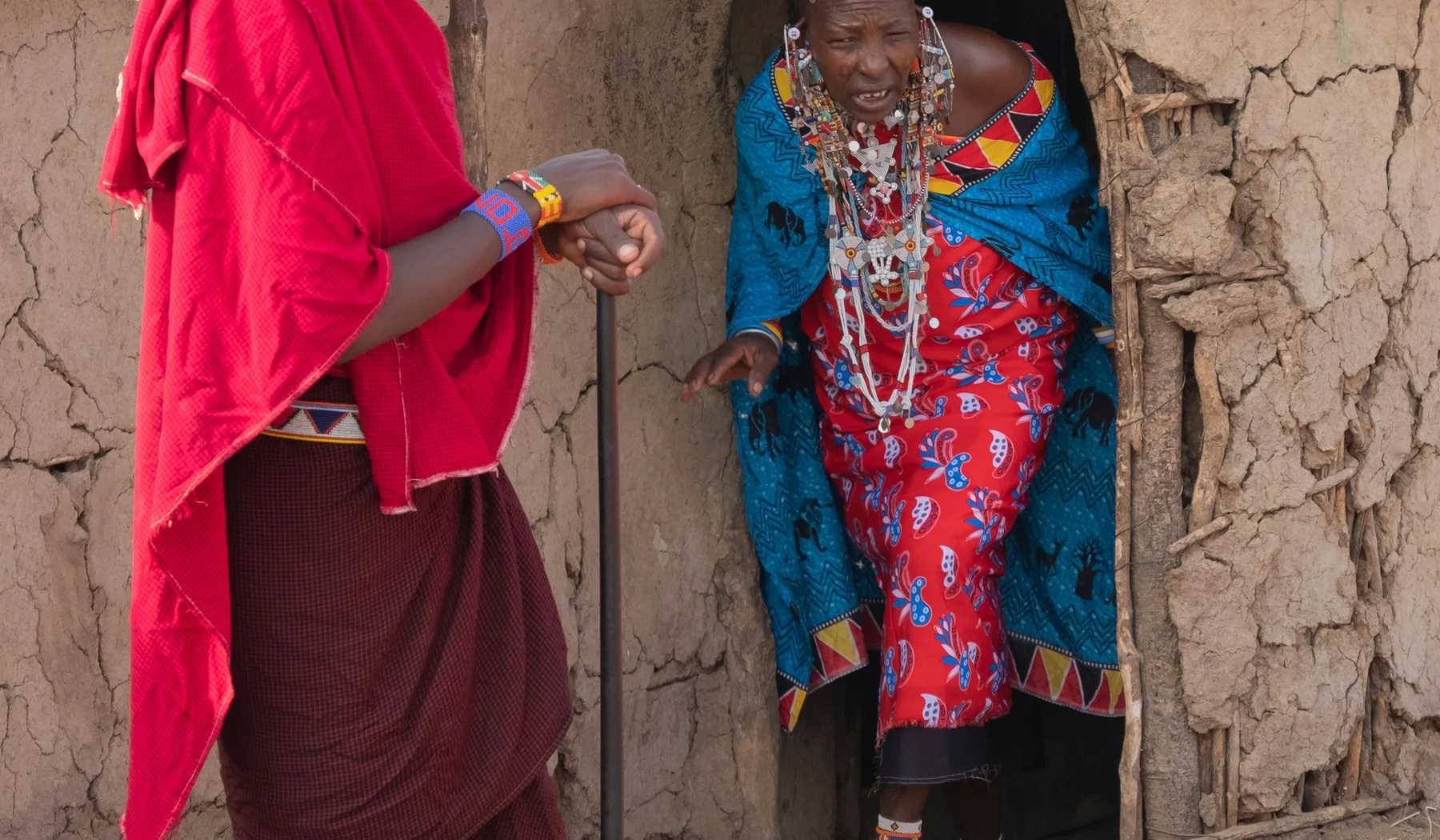
Staying overnight in a Maasai village or cultural camp can be one of the quietest, most memorable parts of a Kenya journey. The value often lies in what happens between the advertised activities: tea beside the fire, a conversation that has time to wander, the sudden cold after sunset, cattle returning, stars above an unlit path and a morning that begins before the safari vehicle arrives. It can also be uncomfortable or ethically muddled when the listing never explains who hosts the stay, where guests sleep or what residents have agreed to share.
For a traveller considering staying overnight in a Maasai village or cultural camp, the first decision is not which activity sounds most dramatic. It is which named host, exact sleeping arrangement and level of comfort make the night a good fit.
| The short answer | What it means |
|---|---|
| Yes, you can stay overnight | Choose a named, locally led programme |
| No, every stay is not a homestay | Many use separate guest tents or cottages |
| Simple can be excellent | Comfort must still be described honestly |
| Overnight does not mean unlimited access | Homes, families and routines remain private |
Start by identifying what is actually being sold
The words village stay, cultural camp, homestay and bush camp are often used as if they mean the same thing. They do not. A cultural camp may be purpose-built for guests beside a community. A homestay may offer a room or tent within a family compound. A community campsite may provide basic tents and shared facilities. A guided bush night may be an optional activity away from the main camp. Ask for the exact sleeping site, not just the experience name.
| Listing term | Question to ask |
|---|---|
| Village stay | Do guests sleep inside the residential settlement or nearby? |
| Cultural camp | Who owns and operates the accommodation? |
| Homestay | Is the room in a family home, guest building or tent? |
| Bush night | Who guides it and what safety system applies? |
Decide whether you want a camp, homestay or guesthouse
There is no prize for choosing the most basic bed. A community camp can offer long host conversations without placing visitors inside private domestic space. A homestay may feel personal, but the level of family interaction varies. A guesthouse can provide a private bathroom and better sleep while still supporting a community programme. Choose according to the experience you want and the comfort you need, not according to a traveller's idea of what counts as authentic.
Name the community and exact location
“With the Maasai” is not an address. Maasai communities live across a large area, and an overnight near the Loita Hills is a different route from one outside Amboseli or beside the Mara. Request the community name, map pin, nearest town, road conditions and transfer time. This also helps you distinguish a resident-led programme from a generic camp that borrows cultural language. The Maji Moto and Loita Hills guide explains one specific setting in depth.
Ask who owns and manages the stay
Local people appearing in photographs does not prove that they control the business. Ask who owns the land or lease, who manages bookings, who sets the programme and who receives accommodation and activity fees. A partnership can be legitimate, but its roles should be clear. Strong answers name the community organisation, family, camp manager or local guides. Weak answers describe “giving back” without explaining how decisions or money move.
Understand whether the site is residential
Some visitor camps sit beside a living homestead. Others are cultural sites created for guests. Both can support worthwhile encounters, but they require different expectations. At a residential site, people are cooking, resting, caring for children and managing livestock, not waiting to entertain visitors. At a purpose-built camp, the programme may be more predictable but less connected to household routines. Neither label alone tells you the quality of conversation or community benefit.
Treat one night and two nights as different trips
One night gives you an arrival afternoon, an evening and a departure morning. Two nights create a full middle day, which removes the pressure to squeeze walking, food, beadwork and conversation between transfers. If the road is long, one night can feel like checking in and checking out. Two nights are especially useful around Maji Moto or the Loita area, but only if the additional day has a thoughtful locally led plan rather than a padded activity list.
| Length | Realistic rhythm |
|---|---|
| One night | Arrival, evening, sleep, morning |
| Two nights | Arrival, full day, second evening, morning |
| Three nights | Useful only with varied walks or community programme |
| Same-day add-on | Not an overnight experience |
Separate transfer time from host time
A stay can look generous on paper while most of the first and last days disappear on the road. Ask for door-to-door driving time from your previous stop and to your next one. Traffic leaving Nairobi, road conditions after rain and park gate hours all change the useful time on site. Write the itinerary as arrival time, host time, sleep and departure time. That simple breakdown prevents a “two-day experience” from becoming one rushed evening.
Build the overnight into the wider safari
An overnight should improve the route, not steal the best wildlife hours through poor geography. A stay east of the Mara may pair naturally with a route through Narok. A programme near Amboseli needs to account for park entry, lodge location and views of Kilimanjaro. Read the Masai Mara safari guide and Amboseli safari guide before deciding where the cultural night belongs.
Compare Mara and Amboseli without ranking people
The choice between regions should be about route, host programme and time, never about which community appears “more traditional.” Around the Mara, visits can connect with conservancies, villages or camps on different sides of the reserve. Around Amboseli, the landscape, pastoralism and wildlife coexistence may shape conversation differently. Our Mara versus Amboseli village visit guide helps compare logistics without turning culture into a contest.
Read the sleeping description literally
“Traditional accommodation” may mean a safari tent, a small cottage, a guest room, a hut adapted for visitors or a sleeping bag in a temporary camp. Do not infer the structure from atmospheric photographs. Request a current image of the exact room category, including its entrance, bed and distance to facilities. Ask whether canvas closes fully, whether the floor is raised and whether guests can secure belongings. The answer should be concrete enough to picture bedtime.
Inspect the bed rather than accepting “comfortable”
Comfort is personal. One traveller may love a foam mattress on a camp bed, while another needs a conventional bed and firm support. Ask for bed dimensions, mattress type, linen, pillows, blankets, mosquito net and whether a twin setup is genuinely two beds. Couples should confirm whether “double” means one mattress. Taller guests, older travellers and anyone with back concerns need the measurements and bed height before committing.

Inspect room comfort without assuming
Ask what is physically inside the sleeping space: bedside light, socket, chair, luggage surface, hooks, mirror and drinking water. An image of a polished lodge room should never stand in for a simple camp. Equally, a basic room can be clean, welcoming and exactly right when described honestly. The goal is not to demand hotel facilities from a homestay. It is to let guests consent to the real level of comfort before travelling.
| Room feature | Ask for the actual arrangement |
|---|---|
| Light | Solar lamp, electric lamp or torch only |
| Charging | In room, shared point or unavailable |
| Luggage | Rack, floor mat or staff storage |
| Water | Refillable bottle, jug or central station |
Check bathroom privacy in detail
“Shared bathroom” is too vague for a remote overnight. It could mean a clean block with locking cubicles or a basic screen some distance from the tent. Ask whether toilets are flushing, composting, long-drop or another system; whether cubicles lock; whether toilet paper and handwashing are provided; and how far the walk is. Guests who menstruate, take night medication or have limited mobility need answers without embarrassment.
| Bathroom point | Confirm |
|---|---|
| Toilet type | Exact system and maintenance |
| Privacy | Full door, lock and screened access |
| Handwashing | Water and soap availability |
| Night route | Distance, lighting and escort policy |
Ask how the shower works
A shower may be a private hot shower, a shared bucket shower, a warm-water wash area or no full shower during a bush night. Ask when water is heated, whether staff must prepare it, how much notice is needed and whether there is a dry place for clothes. Travellers should use toiletries compatible with the local wastewater arrangement. A clear answer is more valuable than the word “eco,” which says little about privacy or temperature.
Plan the walk to the toilet before dark
The toilet may feel close in daylight and very different at 2 a.m. Ask whether the path is level, lit, fenced or accompanied, and whether wildlife or livestock move nearby. Keep a torch, closed shoes and a light layer beside the bed. If a traveller cannot manage the route safely, request the closest room or choose accommodation with an en-suite bathroom. This is a practical decision, not a failure to embrace the experience.
Confirm water for drinking and washing
Ask whether drinking water is filtered, treated, bottled or boiled, and whether refills are included. Do not assume tap or storage water is safe to drink. If the stay limits water use, understand what that means for showers and laundry before arrival. A responsible camp can conserve scarce water while still providing safe hydration and handwashing. Travellers with babies or medical needs should state the required volume early.
Ask what dinner actually includes
“Local dinner” could be a generous shared meal, a fixed plate or a simple camp supper. Ask what is commonly served, who cooks, whether guests eat with hosts or in a guest area, and which drinks are included. Food can be a lovely route into conversation, but it should not be presented as a timeless performance. Ingredients, household preferences and seasons change. Tell the kitchen about allergies and dietary restrictions in writing.
Handle dietary needs before arrival
Vegetarian meals are often possible, but vegan, gluten-free, allergy-safe and medically restricted diets require specific confirmation. Remote kitchens may have limited separate utensils, refrigeration or substitute ingredients. State what you cannot eat, the consequence of exposure and acceptable alternatives. Carry emergency snacks if advised, but do not arrive with an assumption that hosts can redesign the kitchen immediately. The planner should pass the request to the actual cook, not merely note it on a distant booking system.
Understand breakfast and departure morning
Morning is one reason to stay. It may include tea, breakfast, livestock activity, a short walk or simply time to watch the place wake. Do not pack the hour before departure with a catalogue of demonstrations. Ask when breakfast is served, whether bags must be ready first and how long the transfer will take. If you have a flight or park gate deadline, build a generous margin for rural roads.
Keep alcohol expectations explicit
Some camps serve beer or wine, some allow guests to bring it and others do not permit alcohol. Cultural and family settings may have their own rules. Ask before packing a bottle. If alcohol is available, request the price and payment method. Respect a no-alcohol policy without treating it as a curiosity. Drinking should never interfere with consent, night safety, conversation or the dignity of hosts and other guests.
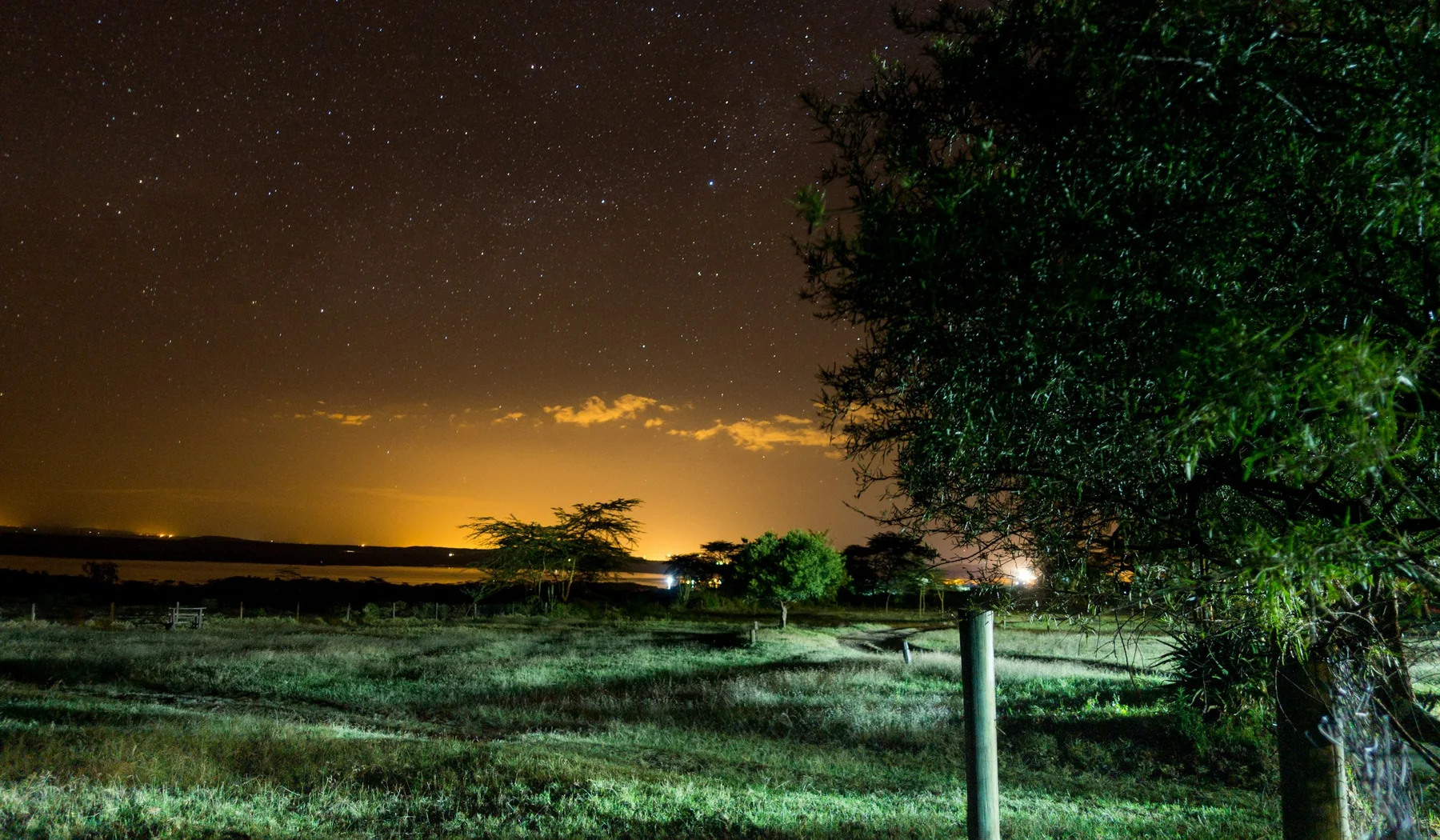
Plan the evening after dark
The evening may be the best part precisely because it is less scheduled. There may be a fire, stories, songs, tea or conversation, but none should be guaranteed without the hosts' agreement. Ask when the camp becomes quiet and whether the programme is outdoors. Night temperatures fall quickly in many areas. Keep a layer, torch and water close, and follow the host's instructions about walking beyond the lit area.
| Evening feature | Ask |
|---|---|
| Fire | Weather, safety and seating |
| Conversation | Interpreter and likely themes |
| Music or song | Whether locally chosen, not demanded |
| Quiet time | When guests and residents settle |
Do not promise a campfire
Fire depends on local rules, fuel, wind, drought conditions and the host programme. In dry weather, an open flame may be unsafe or prohibited. A fire-lighting demonstration may also be staged differently from ordinary household practice. Let hosts decide whether fire belongs in the evening. If it does, keep children supervised, avoid synthetic loose clothing and ask where ash and embers will be controlled.
| Fire condition | Appropriate response |
|---|---|
| High wind | Skip or relocate safely |
| Dry season restriction | Follow local instruction |
| Children present | Establish a clear boundary |
| Demonstration offered | Ask what it means here |
Treat stories as conversation, not a performance quota
Listings sometimes promise storytelling around the fire. Real conversation cannot be scheduled like room service. A guide may share personal history, explain land use or translate a discussion, while another evening may be quieter. Ask open questions and allow hosts to choose what they want to discuss. Avoid demanding stories about initiation, marriage or conflict. A respectful night makes room for reciprocal conversation rather than positioning one person as an exhibit.
Expect temperature to change after sunset
Warm afternoons can lead to surprisingly cool nights, especially at elevation or in open country. Maji Moto reviewers repeatedly mention cold conditions, including the practical advice, “Nights are chilly- bring layers!” Read the original traveller review. That is one person's experience, not a forecast. Check the exact location and month, then pack a warm layer, socks and sleep clothing.
Prepare for rain without fearing it
Rain can make a canvas night atmospheric, but it can also expose weak drainage, leaking seams or difficult paths. One Maji Moto reviewer recalled that “from the time we got into our sleeping bags it rained all night.” See the original room review. Ask how tents perform in rain, where wet footwear goes, whether luggage stays dry and how transfers operate if the access road deteriorates.
Ask about insects without demanding a sterile landscape
An outdoor stay may include moths, beetles, ants, mosquitoes or other insects. Ask whether the bed has an intact mosquito net, whether tents close fully and whether the region has specific malaria advice. Use repellent and clothing recommended for your itinerary. Do not spray chemicals inside a host's home or camp without permission. Travellers with severe insect allergies should disclose them and carry prescribed medication.
Follow current medical advice for the route
Health advice changes by traveller, destination and time. Discuss malaria prevention, vaccines and personal medication with a qualified travel-health professional. The camp cannot replace medical guidance. Give the planner information about mobility, allergies, asthma, diabetes or other needs that affect food, exertion or emergency planning. Carry medicines in original packaging and keep a small supply with you rather than in a vehicle that may be elsewhere overnight.
Ask about wildlife and livestock at night
A rural camp may hear hyenas, jackals, cattle, dogs or other animals. Sound does not automatically mean danger, but night movement needs rules. Ask whether the site is fenced, whether a guide escorts guests, how food is stored and what to do if an animal is seen. Never walk out to investigate a sound. Livestock can also move through compounds before dawn, so follow marked paths and keep children close.
Understand the night escort system
“Security provided” is less useful than knowing the actual procedure. Ask whether staff remain awake, whether guests receive a whistle, phone number, radio or torch signal, and whether anyone escorts bathroom visits. Check mobile reception before relying on WhatsApp. Couples may be in separate tents from children or friends, so every guest needs the instructions. Walk the route in daylight and repeat the plan at dinner.
Know the emergency transport plan
Remote does not have to mean unprepared. Ask how long it takes to reach the nearest clinic, what vehicle remains available and who makes the evacuation decision. If rain can close a road, understand the alternative. Travellers with known medical risks should consider whether the location is suitable at all. Insurance details, emergency contacts and medication lists should be accessible, but hosts should receive only information needed to keep the guest safe.
Keep valuables simple
Remote stays are easier when you carry fewer valuables. Ask whether the room locks, whether the manager has a safe and where passports should be kept. Do not leave cash, lenses or electronics visible in an unlocked tent. At the same time, avoid treating hosts as a security threat. The same calm precautions used at any camp apply here. Keep money for tips or crafts separate from essential documents.
Check electricity and charging honestly
Solar power may run lights but not high-draw appliances. A shared charging point may be available only during certain hours. Ask what plugs are used, whether charging is inside the room, and whether power is switched off overnight. Bring a charged power bank and spare camera batteries. Do not assume a hair dryer, electric shaver or medical device can run. For necessary equipment, obtain written confirmation of voltage, socket and backup.
Understand connectivity before promising to work
Mobile coverage can be weak, intermittent or absent. Wi-Fi may not exist. That can be welcome, but only if family, colleagues and clients know in advance. Ask which network normally works and whether a particular spot receives signal. Download maps, tickets and insurance details before arrival. If you must be reachable for medical or family reasons, choose a site with a tested communication system rather than hoping the signal improves.
Keep sound expectations realistic
Village and camp nights are not silent hotel corridors. You may hear cattle bells, dogs, conversation, wind, insects, vehicles or early morning work. Ask about quiet hours and nearby roads or settlements. Earplugs can help light sleepers, but do not use noise-cancelling devices so completely that you miss safety instructions. A reviewer describing peaceful stars and another remembering dogs can both be truthful about different nights.
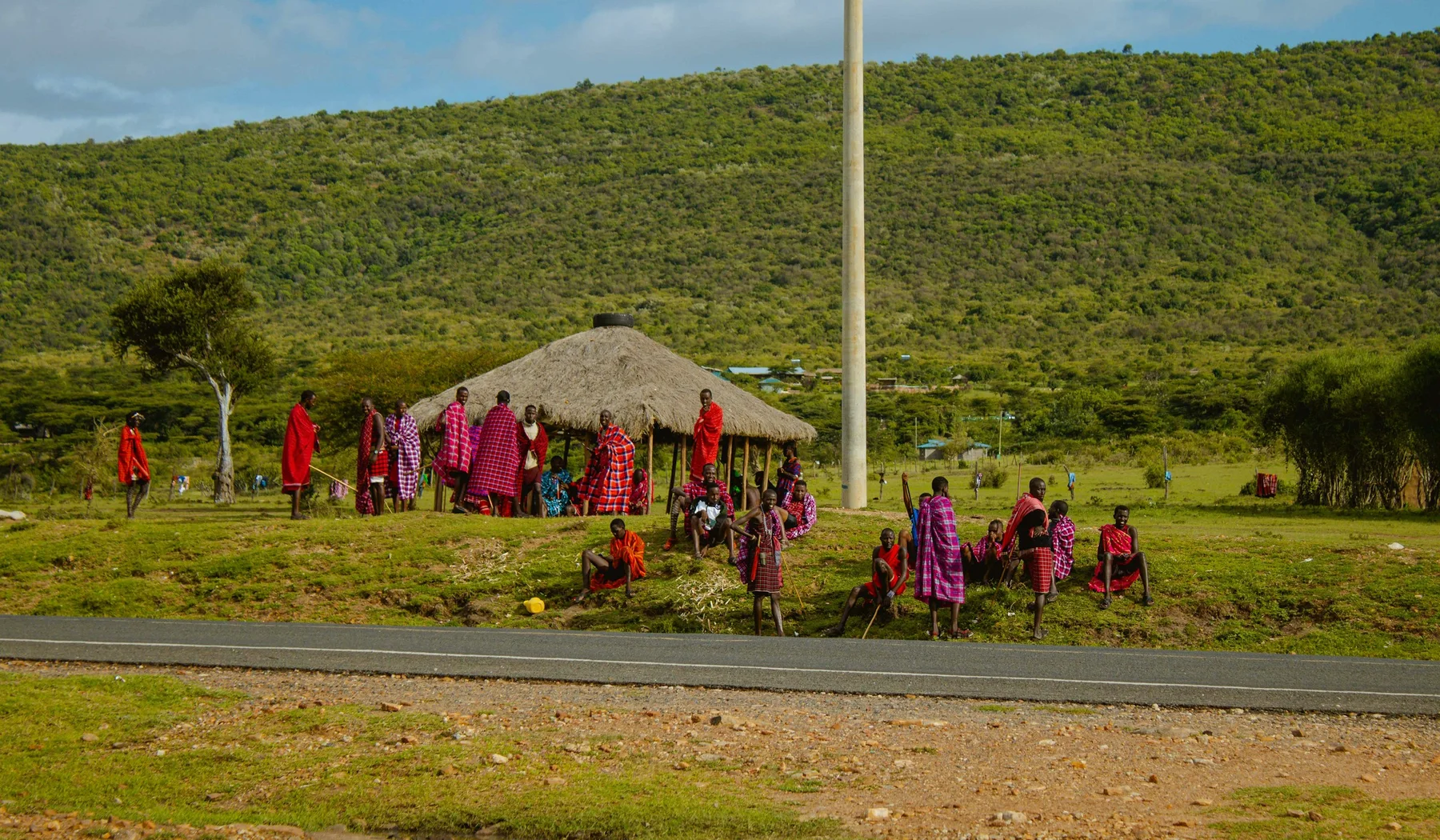
Agree which spaces are private
An invitation to stay does not make every house, kitchen, cattle enclosure or family moment open to visitors. Ask at arrival which paths and gathering places guests may use and where they should go only with a host. Never enter a home because another guest did. Private spaces can change during the stay as work and family needs shift. A good programme makes these boundaries easy to understand without making residents repeatedly defend them.
| Space | Default assumption |
|---|---|
| Guest tent or room | Guest use as explained |
| Shared fire or dining area | Use during agreed times |
| Family home | Enter only by direct invitation |
| Livestock enclosure | Visit with a host |
Ask before photographing anyone
Consent is a conversation, not a blanket rule included in the booking. Ask adults individually before photographing them, and respect a refusal without negotiation. For children, follow the programme's safeguarding policy and obtain the appropriate guardian approval. Do not photograph inside homes, during private work or at night without a fresh invitation. Show people the image if they wish, and do not mistake a smile for permission.
| Image situation | Consent needed |
|---|---|
| Adult portrait | That adult's active agreement |
| Child | Guardian and programme approval |
| Home interior | Resident plus people pictured |
| Group activity | Each identifiable person's consent |
Treat video and social media as separate permission
A person may agree to one photograph but not a video, public reel, geotag or commercial campaign. Explain where the material will appear and whether you earn money from it. Ask before recording songs, stories or language lessons. Avoid live posting exact locations when it could affect privacy or safety. If you cannot communicate the intended use clearly, keep the camera away. The photography, gifts and beadwork guide goes deeper.
Do not photograph bedtime or waking without invitation
Overnight access can tempt visitors to record “candid” domestic moments. Those are often the moments when privacy matters most. Put cameras away during washing, dressing, children's routines and the first moments after waking. If a host plans a sunrise walk or portrait session, agree it beforehand. A photograph is not more truthful because the person did not know it was taken. Respect creates better memories than surveillance.
Keep children’s privacy central
Children living near a visitor programme are not part of the accommodation package. Do not enter classrooms, distribute sweets or gather children for photographs. A school visit should happen only if the named school has requested or approved it and learning is not disrupted. Gifts need a locally managed channel. If a programme uses children as a routine entertainment feature, ask how safeguarding, consent and benefit are handled before booking.
Let daily life remain ordinary
Hosts may invite guests to learn about cattle, food, building, plants or beadwork. Participate only where invited and safe. Do not demand that someone repeat a task for a camera or stage a scene because the light is better. Modern phones, motorbikes, school uniforms and plastic water containers are parts of contemporary life, not evidence that the visit has failed. The overnight is valuable because people can speak for themselves in the present.
Learn the difference between boma, manyatta and homestead
Travel marketing often uses Maasai village as a catch-all label. Local speakers may use boma, manyatta or another term differently depending on language, context and place. Do not correct a host using a glossary found online. Ask what the place is called here and what the term means to the speaker. Our manyatta, boma, homestead and village guide provides background for that conversation.
Use Maa greetings with humility
A few words can show attention, but language is not a party trick. Ask the host how a greeting is pronounced and when it is appropriate. Maa has varieties, and a memorised phrase may not fit every speaker or situation. Listen more than you perform. The Maa phrases for respectful visitors is planned as a pronunciation-aware starting point, not a substitute for the people in front of you.
Make beadwork a conversation, not an obligation
An evening or morning may include beadwork, a demonstration or a small market. Ask who made each piece, what materials were used and how the price reaches the maker. Buying is optional. Bargaining aggressively can erase hours of skilled labour, while performative overpayment can also make the encounter uncomfortable. Compare quality and price calmly, then choose only what you genuinely want. Learn more in the beadwork, clothing, food and cattle guide.
Keep tipping separate from access
Pay the agreed accommodation and activity fees first. Tips can recognise good service, but they should not purchase entry to private spaces, photographs or ceremonies. Ask the planner for locally appropriate guidance and whether tips are pooled. Carry small denominations if cash is preferred. A community-owned programme should still give workers clear compensation rather than relying entirely on visitors' generosity. The full village visit cost guide helps separate required and optional spending.
Do not arrive with unrequested gifts
Pens, sweets, clothing and household items can create pressure, inequity or waste when visitors distribute them directly. Ask whether the hosts have a published needs list or community fund. If you want to contribute, use the agreed channel and request a receipt for significant donations. Time, attention and fair payment are not lesser forms of respect. Children should never be asked to pose or perform in exchange for gifts.
Understand where your money goes
A transparent quote should identify accommodation, meals, guiding, activities, transfers, community or conservation fees, taxes and optional extras. Ask who receives each major payment and whether the booking platform deducts commission. This is not an interrogation of individual household income. It is a request for enough information to choose responsibly. The Kenya safari cost guide can help place the overnight within the larger trip budget.
Read “all inclusive” line by line
At a simple camp, all inclusive may mean bed, dinner, breakfast and the local programme. It may not include drinking water, drinks, transfers, park fees, tips or a guided bush night. Request an inclusion and exclusion list. If tax or booking fees are added later, the comparison is distorted. Put the quote in the currency you will pay and ask whether card, transfer or cash costs differ.
| Possible inclusion | Verify |
|---|---|
| Meals | Which meals and drinks |
| Activities | Exact programme and duration |
| Transfers | Pickup and drop-off points |
| Fees | Community, conservation and taxes |
Compare direct and platform prices carefully
Booking platforms can provide useful verified reviews and payment protection, while direct booking may make it easier to ask detailed questions. The cheapest headline price may exclude meals or activities. Compare the same room, dates, cancellation policy, taxes and transfer basis. Never move payment outside a platform merely because an unsolicited message asks you to. Verify the beneficiary and domain before sending money.
Treat reviews as clues, not guarantees
Reviews reveal questions worth asking, but each describes one date, room and traveller. One verified homestay guest wrote, “A real homestay and great place to have an experience of living in a Maasai village.” Read the original Booking.com review. Use that comment to ask how much host interaction is typical, not to assume your stay will follow the same script.
Read blunt comfort reviews with gratitude
One verified guest summarised a homestay plainly: “This is not a luxurious camp, but good experience.” See the original review. That sentence is useful because it separates comfort from value. It does not tell you whether the bed, bathroom or weather will suit you. Ask for the details, then decide without expecting a community stay to imitate a lodge.
Notice what guests learned, not only what they saw
A verified homestay review said, “It was a pleasure to hear from them about Masai culture, the community and the park.” Read the full review. The important verb is hear. Conversation can connect culture, contemporary community concerns and wildlife without staging a catalogue of traditions. Ask whether there is time for discussion and whether interpretation is available.
Look for community ownership in reviews
A guest at Maasai Simba Camp wrote, “We loved this place (it is community owned ) & run by the Maasai people”. See the original verified review. A review can point you toward an ownership claim, but verify the current structure directly. Ask who holds the business, how staff are recruited and how community decisions shape the visitor programme.
Use Maji Moto reviews to frame questions
One Maji Moto guest wrote, “We learned much about Maasi culture and about the local environment.” Read the original Tripadvisor review. The comment suggests that landscape and culture can be discussed together. Ask which walks, guides and environmental themes are normally available, and remember that spelling in a quoted review belongs to the reviewer.
Let an unforgettable review remain personal
A long-form visitor described Maji Moto this way: “This experience will go down as one of the most astounding and memorable adventures of my life.” Read the original account. It is an honest first-person reaction, not a promise any camp can sell. Use personal accounts for atmosphere and questions, then choose based on current, verifiable arrangements.
Check the position of tents and bathrooms
A Maji Moto reviewer noted, “The tents are fine with lovely views, just take into account the bathrooms and showers are separated from them”. See the original room review. That is a precise planning clue. Request the walking distance, path surface, lighting and whether an escort is available after dark.
Notice the social heart of a camp
Another Maji Moto reviewer wrote, “There is a fire pit right outside where you sit at night”. Read the original review. A central fire can make conversation easy, but ask whether it operates in your season, how seating is arranged and when quiet begins. Guests who need an early night should request a tent away from the gathering area if possible.
Balance praise with the exact conditions
“Pay for the experience, not the camp,” wrote one verified guest reviewing a Maasai homestay. Read the original Booking.com review. The line captures a real preference, but it should never excuse unsafe, dirty or misleading accommodation. Experience and basic duty of care are not opposites. Confirm cleanliness, water, security and the promised facilities while keeping lodge-style luxury out of the comparison.
Check how recent each review is
Management, rooms, roads and staff can change. Sort reviews by newest, then filter for your room type, season and traveller profile. A solo guest may assess night comfort differently from a family with toddlers. Look for repeated recent details rather than averaging every opinion ever posted. When a concern appears, ask the property what changed and request a current photograph or written procedure.
Ask for current photographs of the exact category
Wide-angle images and cultural portraits do not answer practical questions. Request the actual tent or room, bed, door, toilet, shower, path and dining space. Check when the pictures were taken. A property may have several categories with different bathrooms. Keep the images with the written quote so the promised room is identifiable. If the host cannot provide photographs because connectivity is limited, ask for a live video call later or a precise description.
Use video when it answers a real question
An independent traveller video can reveal path distances, ambient sound and the relationship between tents and shared areas. A property-owned video can accurately show current room categories when labelled. Avoid competitor sales videos and dramatic compilations that never name the site. Check the publication date, description and disclosure. Link a video only when it helps the reader decide, and verify important details directly with the host.
Plan solo travel with named contacts
Solo travellers should receive the driver's name, host contact, pickup point and expected arrival time before setting out. Ask whether other guests or staff stay on site, how tents secure and how night assistance works. Share the itinerary with a trusted person. A solo stay can be warm and sociable, but a traveller should never be pressured into activities, photographs, purchases or private conversations because there is no companion present.
Plan a family overnight around sleep
Children may love animals, stars and fires, yet bedtime can unravel if tents are far apart or night sounds feel frightening. Ask whether family tents exist, whether a cot or bed rail is available and how close parents sleep to children. Check meal times, toilet routes, drinking water and morning departures. Our Kenya safari with children guide helps place the night within a child-friendly itinerary.
Keep children safe around fire and animals
Livestock, guard dogs, thorn fences, cooking fires and uneven ground require adult attention. Ask hosts which animals children may approach and only with whom. Closed shoes are sensible. Never let a child wander between tents after dark. If an activity uses knives, fire or close livestock contact, request an age-appropriate alternative. Local children are not automatic playmates or interpreters for visiting families.
Plan for older travellers without apology
Ask about steps, bed height, chair backs, walking distance, vehicle access and the bathroom path. A simple camp can sometimes adapt by allocating the nearest tent, adding a chair or limiting a walk, but only if asked early. Do not assume an older traveller wants less cultural depth. Design the same rich conversation with a physically suitable setting. If the site cannot meet essential needs, choose a nearby accessible lodge and arrange a full community day instead.
Ask about accessibility precisely
“Accessible” can mean anything from vehicle access to a genuinely step-free bathroom. State the traveller's actual requirements: wheelchair width, transfer ability, walking limit, need for rails, visual impairment or hearing support. Request measurements and photographs. Rural terrain may make full access difficult, but honest information allows a safe decision. Never rely on a platform accessibility icon without speaking to the property.
Discuss LGBTQ+ and couple privacy discreetly
Kenya's legal and social context requires careful, current advice. Travellers should ask a trusted planner about room configuration, public displays of affection and destination-specific safety without asking local hosts to debate personal matters. Every couple deserves respectful service and privacy, but no article can guarantee how every setting will respond. Share only information needed for the booking and make decisions based on the exact property and route.
Prepare modest, practical clothing
Choose comfortable layers, long trousers or a below-knee skirt if preferred, and closed shoes for dust, thorns and night paths. A shawl or fleece helps after sunset. Avoid treating clothing advice as a costume requirement. Guests do not need to imitate Maasai dress to show respect. Ask before accepting borrowed clothing or jewellery, and learn what the item means rather than using it only as a photograph prop.
Pack a headlamp and a backup
A phone torch drains the battery and occupies one hand. Carry a headlamp, spare batteries and a small backup light. Use a warm or low beam around the fire and avoid shining lights into homes, tents or people's faces. Keep the lamp beside the bed, not buried in luggage. Children should know how to use theirs before the trip. Rechargeable lights need a plan when solar power is limited.
Keep luggage small and manageable
Large hard cases are awkward in small tents and on uneven paths. Use a soft bag or overnight duffel with only what you need, leaving the main luggage securely with the vehicle or previous lodge if arranged. Pack clothes in dust-resistant pouches. Ask whether staff carry bags and tip according to the agreed practice. If travelling by light aircraft, the flight baggage limit may already require soft luggage.
Bring toiletries that fit the water system
Ask whether the camp supplies soap, towels and toilet paper. Biodegradable products may be preferred, but the host should explain what is suitable for its system. Wet wipes create waste and should be carried out when no disposal route exists. Bring menstrual products and a discreet waste bag rather than assuming availability. Keep scented items sealed if wildlife guidance requires it.
Ask about laundry rather than expecting it
A one or two-night stay rarely requires laundry. Water may be scarce, and handwashing services may not exist. If a longer stay needs washing, ask what can be laundered, the price and drying time. Never assume that intimate garments are included. Dusty safari clothes can be sealed until the next lodge. Water conservation is easier when guests know the arrangement before unpacking.
Prepare for dust without complaining about the landscape
Dry-season roads and livestock areas can be dusty. Close luggage, protect lenses and use a light scarf if needed. Contact-lens wearers may prefer glasses. Dust is a practical condition, not evidence that a camp is dirty. Judge cleanliness by bedding, food handling, bathrooms and waste management. During rain, the same routes may be muddy, so pack footwear for the actual season.
Understand Olpul before choosing it
Some programmes mention Olpul, often described in tourism material as a men's meat camp or bush retreat. Meanings, participants and practices belong to the local hosts, and access should never be assumed. Ask what the particular programme offers, who may join, where guests sleep and what food, sanitation and safety apply. Do not book it as a shortcut to secret tradition. If any part feels unclear or inappropriate, choose the main camp overnight.
Keep animal slaughter entirely optional
A listing may mention slaughter or meat preparation as part of a bush programme. Some travellers wish to understand pastoral food practices; others do not want to witness or participate. Ask in plain language what may happen, whether an animal is killed specifically for guests and whether a complete alternative exists. Children and sensitive travellers need advance warning. Nobody should be shamed for declining, and no animal activity should be staged merely to intensify a tourist experience.
Ask how livestock activities fit the day
Guests may be invited to watch cattle return, learn about goats or discuss grazing. Timing depends on weather, pasture and household work. Do not demand that animals be held back for a photograph. Follow the herder's distance and safety instructions. Livestock are living assets and part of present-day livelihoods, not props. The overnight can help because morning and evening rhythms are visible without compressing them into a midday performance.
Let food practices be explained locally
Tourism copy often reduces Maasai food to milk, meat and blood. Contemporary diets vary with place, income, markets, farming, school and personal choice. Ask what is being cooked tonight and why. Do not pressure anyone to produce a symbolic food. Guests with dietary concerns should discuss the actual menu rather than relying on cultural stereotypes. A meal shared by invitation can be meaningful precisely because it belongs to this host and evening.
Ask what conservation means in this place
An overnight near the Mara, Amboseli or another wildlife area can open thoughtful discussion about grazing, land tenure, tourism income and coexistence. Let hosts describe the local situation rather than turning them into symbols of perfect harmony with nature. Ask how wildlife affects daily decisions, which benefits reach residents and what challenges remain. Specific answers are more useful than romantic claims that a community has lived unchanged “since time began.”
Give hosts the right to change the programme
Rain, illness, ceremonies, livestock needs, family matters or transport problems may alter a stay. A flexible programme should protect the core promises while allowing local life to take priority. Ask which elements are guaranteed and which depend on circumstances. If an activity is cancelled, a conversation or walk may be substituted, but access to private events should never become compensation. Good travel leaves room for a humane change of plan.
Plan arrival before sunset when possible
Daylight arrival allows guests to meet hosts, see the room, walk to the bathroom and understand camp boundaries before darkness. It also leaves time to resolve a missing blanket or dietary misunderstanding. If a late flight or road delay makes night arrival unavoidable, confirm that the driver and host will communicate and that dinner can be held safely. Do not rush unfamiliar rural roads to preserve an activity.
Use a humane first-evening timetable
After a long road transfer, guests need water, a toilet and time to settle. A good welcome introduces hosts and the place before launching activities. Choose one or two evening anchors, perhaps a short orientation walk and dinner conversation. Do not schedule beadwork, fire-making, dancing, a lecture and a night walk simply because the listing contains them. The overnight itself provides time. Use it.
Keep the middle day spacious
With two nights, plan a morning walk, a long midday break and one afternoon theme. Heat, food preparation and real conversation need time. A full schedule can reproduce the same rushed tourism the overnight was meant to escape. Hosts should choose activities that fit the season. Read what happens during a full Maasai community day before deciding whether to add the second night.
Protect the final morning from rush
Pack most belongings before bed, but keep warm clothes and toiletries available. Confirm breakfast and vehicle time. If the morning includes a walk or livestock activity, leave enough time to return, wash and say goodbye without making the driver wait. Settle optional purchases and tips calmly. The closing conversation is part of the stay, not an administrative obstacle before the next lodge.
Avoid stacking a dawn game drive after poor sleep
If the cultural camp is followed by a reserve game drive, consider the transfer and gate time honestly. A 4:30 a.m. departure after a cold or unfamiliar night may leave everyone exhausted. One early start can be worthwhile, but the itinerary should not treat sleep as wasted time. Ask whether a later park entry or an additional night at the wildlife lodge would create a better trip.
Choose green flags before paying
Strong programmes name the host community, describe the bed and bathroom, explain local leadership, state the full price and welcome questions about consent. They do not need to promise secret rituals or unrestricted family access. Recent, specific reviews and current room images support the description. A planner who says “I will check” is more trustworthy than one who invents a confident answer.
Pause at red flags
Avoid listings built around “untouched tribes,” surprise school visits, compulsory shopping or photographs of children without context. Pause if nobody can name the sleeping site, if payment changes repeatedly or if the operator promises entry to a ceremony. Unclear wildlife procedures, no night contact and different room photographs are practical warnings. You are allowed to choose another programme without deciding that all community tourism is flawed.
Read cancellation terms for road and weather disruption
Ask what happens if rain makes the road unsafe, a flight is delayed or illness prevents travel. Flexible community businesses still need predictable income, so a fair policy may retain part of the payment close to arrival. Travel insurance should cover applicable disruptions. Get the cancellation date, currency, refund method and any non-refundable community or transfer costs in writing. Booking early is sensible for small camps, as explained in our how far ahead to book Kenya guide.
Ask whether the rate supports a private or shared stay
Some camps host several travellers around one fire; others can arrange a private programme. A private booking may cost more and can reduce social energy. Shared stays can be convivial but require clarity about bathroom use, meals and quiet hours. Solo supplements may apply because transfers and staffing cannot be divided. Choose the arrangement that matches your group rather than assuming privacy from a photograph with no other guests.
Price transfers as part of the stay
A low accommodation rate can become expensive when the camp is hours from your route. Ask whether the transfer is private or shared, which vehicle is used, the pickup point, luggage allowance and waiting policy. If a safari vehicle remains overnight, driver accommodation and meals may be part of the quote. Compare total trip cost, not just the bed. A geographically smart night can still offer better value than a cheaper camp that requires backtracking.
Keep community fees visible
If a community, conservation or village fee applies, name it and state whether it is per person, per night or per group. Do not hide it inside an unexplained “local contribution.” Visibility helps travellers understand where tourism income enters the programme. It also prevents an awkward collection at arrival. Optional donations remain separate. Ask for a receipt where the organisation provides one.
Pay through a verified beneficiary
Confirm the business or organisation name, bank or payment account and contact details through an independent channel before sending funds. Be cautious when account details change by message. Use the booking platform's payment system if that is how the reservation was made. Keep the invoice and receipt. A respectful community stay does not require abandoning normal fraud prevention.
Send one complete booking brief
Scattered messages create mistakes. Send the exact dates, previous and next stop, adults and children, room setup, bathroom needs, diet, mobility, medical equipment, preferred activities and photography plans in one brief. Ask the planner to return the same information as a confirmed schedule and inclusion list. This makes comparison fair and gives hosts time to prepare properly.
Ask ten questions before the deposit
The essential questions are simple: What kind of stay is this? Where exactly is it? Who owns and hosts it? Where will we sleep? What are the toilet and shower arrangements? Which meals are included? What happens after dark? How are activities and photographs agreed? What is the complete cost? What happens if weather or illness disrupts the trip? If the answers remain vague, do not let a beautiful image push you into payment.
Choose one night when the route is tight
One night can work beautifully when arrival is before sunset and departure is not rushed. It suits travellers who want an evening and morning but cannot give up a full safari day. Keep the programme light and select a site naturally on the route. Do not add a three-hour detour for a short dinner and sleep. The quality comes from time with hosts, not from claiming the night in the itinerary title.
Choose two nights for a full middle day
Two nights make sense when walking, landscape, food, craft or conservation conversations are central. The middle day lets weather and energy shape the pace. It also gives hosts time away from visitors rather than forcing constant interaction. Ask for a broad plan with rest, not a minute-by-minute performance schedule. Two nights should feel deeper, not merely twice as busy.
Choose a full day instead when sleep needs win
Some travellers will learn more after a good night's rest in a lodge. If shared bathrooms, canvas, cold or night sounds create anxiety, arrange a well-designed full day and return to comfortable accommodation. That is not a lesser cultural choice. Our full-day Maasai experience guide explains how to protect host time without staying overnight. Informed choice is more respectful than arriving resentful about facilities that were clearly described.
Set expectations without lowering standards
A cultural camp need not provide marble bathrooms or twenty-four-hour electricity. It must provide what it promises, maintain reasonable hygiene and safety, and treat guests and workers with dignity. “Basic” should describe facilities, not excuse negligence. Travellers should accept the chosen comfort level without belittling it, while hosts and planners should disclose material limitations. That balance makes simple accommodation enjoyable rather than surprising.
Leave a useful review after the stay
Describe the exact room, date, bathroom, meals, transfer, host time and programme. Separate your personal comfort preferences from factual failures. Name the people or organisation only with permission, and do not publish children's images. Explain what future guests should ask, not whether the community was “authentic.” A balanced review can help a local business improve and help travellers self-select accurately.
Follow up without creating private obligations
If you promised to send photographs, ask where and how. Do not start direct financial relationships with children or publish personal phone numbers. Donations should move through the agreed organisation. A thank-you message to the host or camp is enough. Responsible follow-up honours the relationship without turning one visit into an unmanaged expectation on either side.
Keep the overnight in perspective
One night does not make a visitor an expert on Maasai life. It offers a meeting in one place with particular people. Speak about what you personally saw and heard, and avoid extending it to every Maasai community in Kenya or Tanzania. Read more, listen to different voices and acknowledge that tourism shaped the encounter. Humility does not reduce the value of the stay. It makes the memory more truthful.
Use this final overnight checklist
Before confirming, you should be able to name the community, accommodation type, sleeping structure, bathroom, meals, night safety contact, route, host programme, photography rules, ownership or management, total price and cancellation terms. You should also know what is optional and what is private. If any item is missing, ask now. The purpose is not to eliminate surprise from travel. It is to remove the surprises that undermine consent, comfort and trust.
Sources and further reading
This guide used current accommodation descriptions, verified guest reviews, independent first-person accounts and research on community-based cultural tourism. Read linked reviews as individual experiences from specific stays, not universal judgements. Confirm current rooms, roads, activities, health advice and host arrangements for your exact dates.
| Source | Used for |
|---|---|
| Maji Moto Maasai Cultural Camp | Current programme framing and questions |
| Maji Moto Tripadvisor reviews | Exact traveller excerpts and practical clues |
| Maji Moto room reviews | Tents, rain and facilities |
| Maasai Homestay Camping reviews | Verified guest excerpts |
| Maasai Simba Camp reviews | Community ownership clue |
| Independent Maji Moto account | First-person atmosphere and questions |
| Community-based cultural tourism research | Wider benefit and governance context |
Plan a Maasai community overnight
Share the exact route, dates, guests, preferred stay type, bathroom needs, diet and any listing already offered.