

Amboseli often announces itself slowly. The mountain may be hidden when you arrive, then appear at dawn as if someone has pulled back a curtain. Below it, elephant families move between pale dust and green swamp. That contrast is why Amboseli deserves more than a hurried photograph stop.
- What you actually see in Amboseli
- Best time for an Amboseli National Park safari
- How many days do you need in Amboseli?
- Amboseli lodges, camps and private conservancies
- Nairobi to Amboseli and onward combinations
- Elephants, communities and respectful visits
- Amboseli gates, habitats and route map
- Photography, dust and family comfort
- Watch an independent Amboseli journey
- Traveller experiences
- Frequently asked questions
What makes Amboseli distinctive
Elephant country
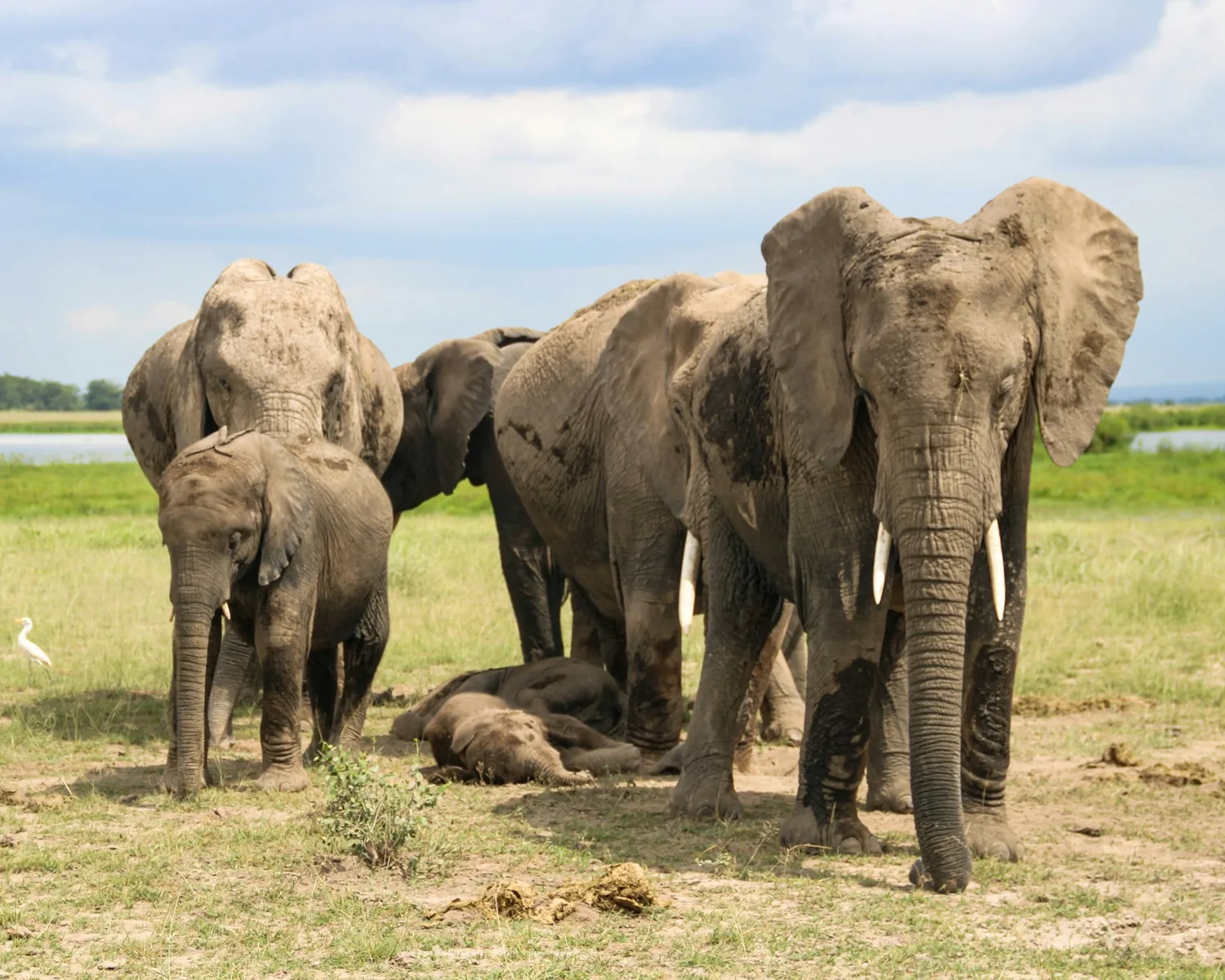
Amboseli is one of Kenya’s strongest places for observing elephant families moving between wetlands and open plains.
Kilimanjaro backdrop
The mountain is across the border in Tanzania, while many of the classic views are seen from the Kenyan ecosystem.
Compact game viewing
The park is smaller than Tsavo or the Mara, so a well-planned short stay can cover contrasting habitats.
Wetlands in a dry landscape
Groundwater-fed swamps concentrate wildlife and create striking green bands against dust and volcanic soil.
Easy southern circuit
Amboseli combines naturally with Tsavo West, Tsavo East, Chyulu Hills and the coast.
Community context
The wider ecosystem includes Maasai communities and wildlife corridors beyond the national park boundary.
What you actually see in Amboseli
Amboseli’s visual identity comes from contrast. Dry plains and the seasonal lake bed meet Enkongo Narok and other swamp systems supplied by underground water. Elephants, buffalo and hippo use the wetlands, while zebra, wildebeest, gazelle, giraffe and predators move through surrounding habitats. Observation Hill provides a raised overview rather than another vehicle-level sighting.
Mount Kilimanjaro is not visible all day on command. It is often clearest around dawn or after weather shifts, and cloud can hide it completely. This is why an itinerary with more than one morning is stronger than a single rushed day trip.

Best time for an Amboseli National Park safari
Dry periods typically make animals easier to find near permanent water and keep many tracks straightforward. Dust can create beautiful backlit photography, but afternoons may feel hot and popular swamp circuits can be busy. Wet periods bring green plains, migratory birds and more dispersed wildlife. Heavy rain can slow roads and alter the day’s route.
Kilimanjaro visibility is a weather question rather than a simple seasonal promise. Schedule repeated dawn opportunities, keep the itinerary flexible and value the landscape even when the summit remains under cloud.
| Conditions | What improves | What may be harder | Best planning response |
|---|---|---|---|
| Dryer months | Concentrations near wetlands, road access | Dust, crowds in popular circuits | Start early and vary habitats |
| Green season | Colour, birding, dramatic skies | Muddy sections, dispersed wildlife | Use an experienced local driver-guide |
| Cloudy mountain | Soft light and wildlife still strong | No guaranteed summit view | Protect another dawn |
| Peak demand | Full lodge choice if booked early | Higher rates and busier sightings | Confirm before international flights |
How many days do you need in Amboseli?
One night is possible only as a transit stop and produces little margin for weather. Two nights gives an arrival drive, a full day and a departure drive. Three nights is better for photographers, families who want downtime, guests concerned about Kilimanjaro visibility and anyone adding a community or conservation activity.
Four nights can suit slow travel, specialist photography or a private conservancy stay, but many first-time Kenya itineraries gain more from adding Tsavo, the Mara or a beach extension after two or three Amboseli nights.
| Stay | Usable pattern | Who it suits | Main risk |
|---|---|---|---|
| 1 night | Two partial drives | Transit schedules only | Weather can erase the key view |
| 2 nights | One full day plus partial drives | Most multi-park itineraries | Only one complete dawn-to-evening cycle |
| 3 nights | Two full days | First timers, families, photographers | Higher park and accommodation cost |
| 4+ nights | Slow specialist visit | Repeat visitors and focused photography | Less ecosystem variety on a short Kenya trip |
Amboseli lodges, camps and private conservancies
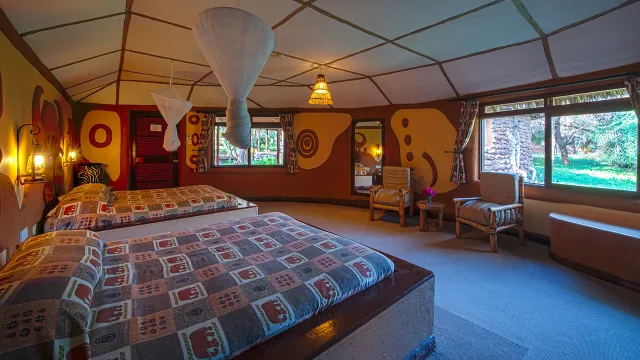
Properties inside the park minimise gate logistics. Camps near Kimana, Iremito or other approaches may offer different price points and easy links to community land. Private conservancy properties can add guided walks, night activities or greater privacy, depending on their permissions.
Compare the view from the property, not merely the words “Kilimanjaro view” in a listing. Ask whether the mountain is visible from rooms, common areas or only on drives. Also compare airstrip transfers, family rooms, pool, power, dust control, accessible paths and whether park fees are included.
Nairobi to Amboseli and onward combinations
Road travel from Nairobi is a practical half-day transfer when traffic and road conditions cooperate. Flying protects time but requires matching light-aircraft schedules with international arrivals. Amboseli also connects by road toward Tsavo West, allowing a satisfying sequence from mountain views to volcanic hills and springs, then onward to Tsavo East or Mombasa.
A common mistake is forcing Amboseli, Tsavo East and Tsavo West into three calendar days. The distances may look manageable on a map, yet park speeds, gate formalities, game viewing and lodge check-ins turn the route into a transport exercise.
| Pairing | Why it works | Suggested pace | Best for |
|---|---|---|---|
| Amboseli + Tsavo West | Mountain, wetlands, lava and springs | 2 to 3 nights each | Landscape variety |
| Amboseli + Tsavo East | Elephants in two very different settings | 2 nights each minimum | Road route toward coast |
| Amboseli + Mara | Kenya icons with contrasting scale | Fly or break road journey | First Kenya safari |
| Amboseli + Diani | Safari followed by rest | 2 to 3 + 4 nights | Honeymoon and families |
Elephants, communities and respectful visits
Give elephants right of way, keep noise low and do not pressure a driver to block a family’s route. KWS rules require visitors to stay on established roads, observe speed limits and remain in vehicles except at designated places. The wider ecosystem depends on corridors outside the park, so responsible tourism also considers community land and conservancies.
For a Maasai cultural visit, ask who leads it, how payment is distributed, whether photography requires consent and how much real conversation is possible. A smaller, pre-arranged visit can be more respectful than a hurried performance added at the roadside.
Amboseli National Park safari guide to dawn, elephants and location
Amboseli works best when the mountain, wetlands, elephants and onward route are planned together. These choices prevent a one-night stop from carrying expectations it cannot meet.
Amboseli is a timing destination as much as a wildlife destination
The park’s signature image depends on a chain of conditions: clear air, a mountain that is not covered by cloud, elephants or plains in the right foreground, and a driver who is already in the right area. That makes a dawn-and-dawn itinerary more intelligent than a single day trip. Use one morning for the wetlands and another for a different circuit or viewpoint, rather than chasing the same photograph all day.
Amboseli also rewards restraint. The swamp can be busy, the dust can be intense and the animals may be dispersed after rain. A good plan includes a midday rest, water, shade and a realistic decision about whether to continue toward Tsavo West. Families and photographers should price the extra night as weather insurance, not as empty time.
Amboseli lodges, camps and private conservancy examples
Amboseli accommodation falls into three useful groups: properties inside or immediately beside the park, private conservancy camps, and practical gate-area bases. Examples below help you compare the decision; they are not a promise that NLS sells every room.
| Property | Position and character | Good fit for | Ask before booking |
|---|---|---|---|
| Ol Tukai Lodge | Inside Amboseli, in the central wetland landscape; classic lodge with strong elephant and mountain context. | First-time visitors, families and guests who want early park access. | Which room category is reserved and how are dawn drives timed? |
| Amboseli Serena Safari Lodge | Inside the park; full-service lodge with a long-established safari operation. | Travellers who value a reliable lodge format and central location. | Confirm whether the quote includes park entry for every day and a private vehicle. |
| Tortilis Camp Amboseli | Private conservancy setting with a luxury tented style and views toward Kilimanjaro. | Couples, photographers and guests wanting walks or a quieter camp rhythm. | Which activities are on conservancy land and which require a park drive? |
| Tawi Lodge | Private conservancy between the Amboseli and Tsavo direction; intimate lodge experience. | Longer circuits and travellers combining Amboseli with Tsavo West. | Price the transfer time and confirm the route for the next park. |
| Kibo Safari Camp | Near the Amboseli approaches; practical tented accommodation. | Value-conscious road safaris and families wanting a straightforward base. | Which gate is used, and is the vehicle shared or exclusive? |
| Sentrim Amboseli Camp / AA Lodge Amboseli | Gate-area or Kimana-side options that can keep the room cost accessible. | Short stops and travellers prioritising budget over a private-conservancy feel. | How much morning time is lost to the gate transfer? |
“Inside the park” is not automatically best. A conservancy property can create a more private afternoon and a useful walking option, while an inside-park lodge can protect the first and last hours of a game drive. Decide whether Kilimanjaro photography, elephant habitat, comfort, price or an onward Tsavo route is the priority.
Two-night, three-night and fly-in patterns
Two nights by road: travel from Nairobi or the coast, arrive for an afternoon drive, then protect one full day around the swamps, Observation Hill and open plains. Leave after breakfast on day three. It is a good introduction, but cloud may hide Kilimanjaro and one weather-affected morning leaves little recovery time.
Three nights: add a second dawn drive, a slower family morning or a cultural visit arranged with the local community. This also makes an Amboseli-to-Tsavo-West connection more comfortable. If the mountain matters, tell the guide before arrival and keep more than one early morning available.
Fly-in: scheduled flights can save the long Nairobi road transfer, but Wilson Airport, light-aircraft luggage limits and airstrip transfers still need planning. Compare the Kenya safari routes from Nairobi, then choose whether Amboseli should stand alone or continue naturally through Tsavo toward the coast.
How Amboseli feels with children
Ask how a camp handles early breakfast, packed lunches, children’s ages on shared vehicles, malaria precautions, swimming supervision and dietary needs. A park lodge may simplify dawn access, while a conservancy camp may offer a quieter afternoon, a guided walk or a different view of Kilimanjaro. Neither is automatically the better family choice. The right answer depends on whether the group values wildlife time, mountain photography, facilities, privacy or a smoother onward transfer.
Also ask what happens when the summit is hidden by cloud. A strong itinerary still works because Amboseli offers elephants, wetlands, open plains, birdlife and community landscapes even when the mountain is not visible. Treat a clear Kilimanjaro photograph as a fortunate outcome, not the only measure of a successful stay.
Protect dawn views
Schedule more than one early morning if Kilimanjaro matters. Cloud is normal and a clear summit cannot be guaranteed.
Choose the habitat
Wetlands, open plains, Observation Hill and community land create different days. Ask what the lodge can reach comfortably.
Two or three nights
Two nights can deliver one full day; three gives another dawn, slower family pace and weather margin.
Inside park or conservancy
Compare gate logistics, activities, access rules, views and whether park entry is included in the rate.
Eastward route design
Tsavo West is a natural follow-on for lava and springs. Do not force three parks into three rushed days.
Elephant-first ethics
Give families right of way, keep distance and choose guides who value observation over crowding.
Photography, dust and family comfort in Amboseli
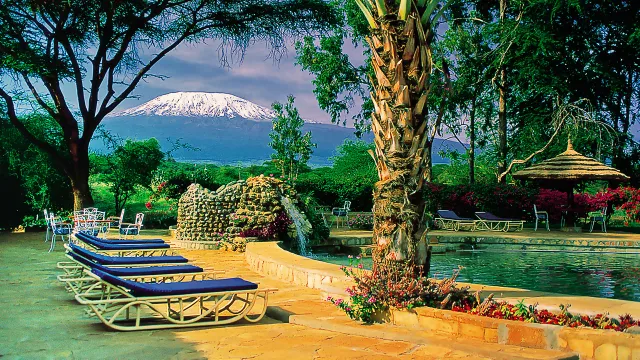
The postcard photograph suggests that Kilimanjaro simply waits behind every elephant. In reality, the mountain can disappear into cloud within minutes, elephants choose their own route, and the brightest middle hours can flatten the scene. A better photography plan protects two dawns, carries a second charged battery and gives the guide permission to wait. The wide landscape often rewards a medium zoom as much as a long wildlife lens because the relationship between animal, wetland and mountain is the story.
Dust is part of Amboseli, especially during dry spells and on busy tracks. Keep cameras in a closed bag when the vehicle is moving, change lenses sparingly, bring a blower rather than rubbing grit across glass, and pack a light scarf for your face. Contact-lens wearers may prefer glasses on dusty drives. None of this needs to make the trip uncomfortable, but it is much easier when it is expected.
| Traveller | What helps most | Lodge question | Safari-day adjustment |
|---|---|---|---|
| Photographer | Private vehicle, beanbag, spare batteries and two dawns | Can breakfast be packed and charging remain available overnight? | Stay with a good composition instead of chasing every radio call |
| Family with children | Shorter drives, pool time, familiar meals and shade | What are the vehicle age rules and can departure times change? | Use an early drive, long midday pause and shorter late outing |
| Older traveller | Easy vehicle access, firm paths and a room near common areas | Are there steps, long walks or high-sided vehicle entries? | Choose fewer, better-positioned stops and avoid unnecessary gate transfers |
| Birdwatcher | Binoculars, patience around wetlands and a guide who knows calls | Which wetland circuits are usually practical during the travel month? | Slow down near the swamps instead of treating birds as background |
For health and comfort, carry drinking water, sun protection and a warm layer for the open vehicle before sunrise. Speak with a qualified travel-health professional about malaria prevention and routine travel vaccinations. Inside the park, stay in the vehicle except at designated places and follow the guide’s instructions around elephants. A calm retreat is safer and more respectful than trying to hold a road position while a herd approaches.
Read the deeper Amboseli photography guide, the practical advice for visiting Amboseli with children, and the focused guide to Amboseli’s elephant families.
Watch an independent Amboseli safari vlog
This independent travel vlog shows the scale that still photographs hide: vehicles crossing open ground, elephants moving as families, and Kilimanjaro changing as the light and cloud shift. It is useful preparation because it shows the waiting as well as the sightings.
Watch how often the mountain sits behind the action rather than dominating it. Amboseli feels most satisfying when the elephants and wetlands are the journey and a clear summit becomes a gift, not a condition for enjoying the park.
What travellers say after the trip
These public comments are personal experiences, not guarantees. They are useful because they reveal the details that glossy descriptions often leave out.
“We are so happy we came as we saw so many elephants, it was really magical.”
A September couple reviewing Amboseli National Park.
“This park did not disappoint.”
A June couple who stayed inside the park and photographed sunrise and sunset with fewer vehicles around them.
“Amboseli was definitely more dusty than the other two areas!”
A first-time Kenya safari traveller comparing Amboseli with the Mara and Lake Nakuru.
Amboseli game park FAQs
Is Amboseli game park the same as Amboseli National Park?
Yes. Amboseli National Park is the official protected area; “Amboseli game park” is a common traveller search term.
How many nights are enough?
Two nights is a practical minimum. Three nights gives two full days and an additional chance for clear mountain views.
Can you see Mount Kilimanjaro from Kenya?
Yes. The mountain stands in Tanzania, but many classic views are seen from the Amboseli ecosystem in Kenya. Cloud can hide it.
Is Amboseli worth visiting after the Masai Mara?
Yes when you value elephants, wetlands and the Kilimanjaro landscape. The ecosystems feel different rather than repetitive.
Can Amboseli be combined with Tsavo?
Yes. Amboseli links especially well with Tsavo West, then Tsavo East or the coast.
Is a private safari vehicle available?
Yes. A private vehicle is especially useful for photography, children, mobility needs or travellers who want complete control over the day’s pace.
Which Amboseli lodges are inside the park?
Ol Tukai Lodge and Amboseli Serena Safari Lodge are established inside-park examples. Confirm the current room and access terms rather than relying on a directory label.
What is the difference between a conservancy camp and a park lodge?
A conservancy camp may offer lower density or walks on private land, while a park lodge can simplify access to Amboseli’s core circuits. The best choice depends on priorities.
How many nights do I need for Kilimanjaro views?
Two nights can work, but three gives more than one dawn and a better chance to absorb cloud or weather.
What makes Amboseli different from the Masai Mara?
Amboseli feels more compact and landscape-led, with elephant families, wetlands and Kilimanjaro views. The Mara is larger and better known for open plains, big-cat density and migration drama.