
Group Safari Packages in Kenya: Friends, Families and Shared Tours
A group safari works when the vehicle, rooms, pace and money are agreed before departure. The right structure depends on whether you already know the group or are joining strangers.
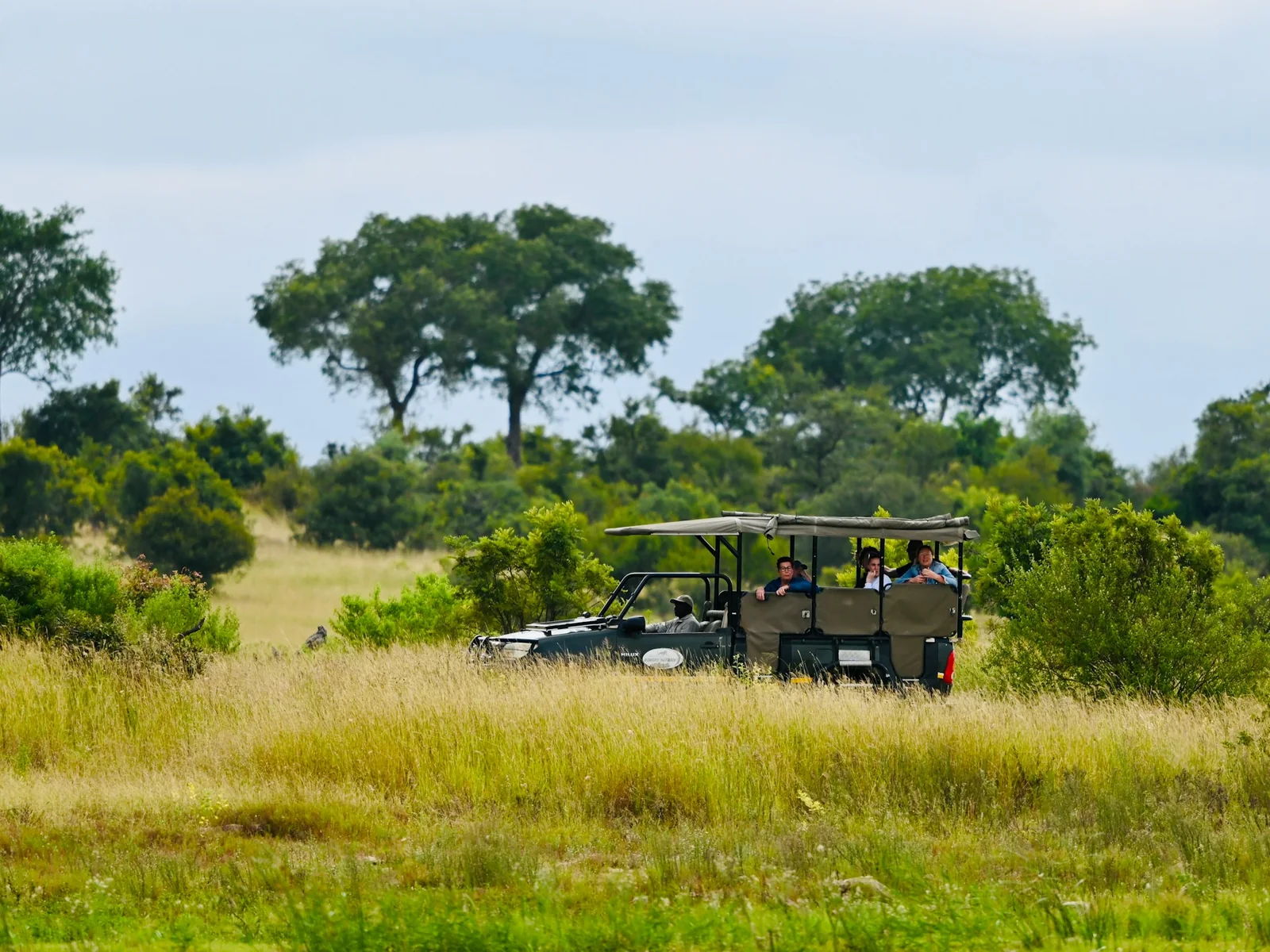
A safari vehicle becomes a small world after a few days. Someone wants the first row for photography, someone needs a comfort stop, a child has spotted another giraffe and breakfast is waiting back at camp. Good group safari packages make that shared world feel easy. They do not hide how many people sit in each vehicle or expect one itinerary to suit every age.
- Private group, small-group departure or group-joining safari?
- Vehicle size, seat count and convoy planning
- The best Kenya routes for group safari packages
- Three sample group safari itineraries
- Lodges and camps that work for groups
- Rooming lists, children, meals and accessibility
- How group safari pricing works
- Game-drive pace, photography and shared expectations
- How to book a group safari without confusion
- When a shared safari is right, and when a private group is worth it
- Schools, companies, clubs and special-interest groups
- Watch an independent budget group journey
- Traveller opinions
- FAQs
Private group, small-group departure or group-joining safari?
A private group safari is built for people who already know one another: friends, extended family, a club, church group, company or school. The route and pace belong to that group, and fixed vehicle costs are shared across more people. A scheduled small-group departure has a set date and itinerary. It gives solo travellers and couples company and a lower share of transport costs, but offers less control.
A group-joining safari may collect travellers with different bookings and, in some cases, different trip lengths. It can be the lowest-cost route into the Mara, but the pickup sequence, vehicle changes and daily timing need to be understood. Ask whether the same people and guide stay together, the maximum passengers per vehicle and whether every guest has a window seat.
| Group style | Who travels together | Main advantage | Main trade-off |
|---|---|---|---|
| Private friends or family | Your own group only | Control of pace and strong per-person value | One decision process for many people |
| Scheduled small group | Travellers book the same fixed departure | Social, predictable and easier for solo guests | Fixed route and departure date |
| Group joining | Bookings may be combined | Lowest transport share | Pickups, seat choice and pace are less flexible |
| Large organised group | Club, school, association or company | Shared purpose and negotiated logistics | Needs multiple vehicles and careful coordination |
Vehicle size, seat count and convoy planning
A six or seven-seat 4×4 Land Cruiser can suit a small group, but capacity on paper does not always mean comfortable photography. Window access, roof opening, luggage and body size matter. For friends who care about wildlife photography, four or five guests per vehicle can be far better than filling every seat. Families may value being together more than having the perfect camera angle.
Larger groups need several vehicles. Keep friends or family units together where useful, then balance photographers, children and mobility needs. Each vehicle needs a qualified guide and reliable communication. One lead vehicle cannot guide a convoy from a distance. Agree whether vehicles may follow different sightings and where they regroup for meals or transfers.
4 to 6 travellers
One private Land Cruiser often gives excellent value and an easy daily rhythm.
7 to 12 travellers
Two vehicles protect comfort and prevent the back row becoming a daily argument.
13 or more
Use a convoy plan, named vehicle lists, luggage strategy and one trip coordinator.
One detail changes the safari more than it appears on a quotation: whether the passenger limit describes legal seats or comfortable wildlife-viewing places. A vehicle can carry seven guests and still be the wrong choice for seven photographers with long lenses. A couple of empty seats can create space to turn, change sides quietly and keep camera bags away from feet.
For a joining departure, ask whether seats rotate and whether the group keeps the same vehicle and driver-guide throughout. For a private group using two vehicles, let the vehicles separate when interests differ. The keen birders should not spend an hour apologising to people who want to return to the pool, and the family with a tired child should not end everybody else’s drive.
The best Kenya routes for group safari packages
For a three or four-day private group, the Masai Mara is the simplest shared adventure from Nairobi. For five days, Mara and Lake Nakuru balance plains and rhino country. Amboseli and Tsavo suit groups that want elephants, Kilimanjaro and a beach finish. A seven-day route can include the Mara, Nakuru, Naivasha and Amboseli, but one-night stops should be limited.
Groups move more slowly than couples. Bags take longer to load, comfort stops take longer and room keys take longer to distribute. A route that looks efficient for two people may become tiring for fourteen. Add time at gates and lunch stops, and avoid a late arrival that leaves the group eating after the kitchen has closed.
| Group trip | Good route | Why it works | Avoid |
|---|---|---|---|
| Friends, 3 to 4 days | Masai Mara | One destination and shared vehicle value | Adding Nakuru to a two-night Mara stay |
| Family, 5 days | Amboseli and Tsavo | Varied landscapes and coast option | Long drives on every day |
| Club, 6 to 7 days | Mara, Nakuru and Naivasha | Clear circuit with mixed activities | Changing hotel every night |
| Large group plus beach | Amboseli, Tsavo and coast | Road continues naturally east | Returning to Nairobi before the coast |
Three group safari itineraries that make sense on the road
The best group route is not the one with the longest list of parks. It is the one that gets everyone into the field while people still have the energy to enjoy it. These examples begin in Nairobi and can be adjusted around flights, children, older travellers, photography and a beach stay.
3 days: Nairobi and the Masai Mara
Leave Nairobi early on day one, travel through the Rift Valley and Narok, then take an afternoon game drive if the road and gate arrival allow. Day two is the complete wildlife day. The group can take a picnic into the reserve or split the day around lunch at camp. Day three allows a short dawn drive or a slower breakfast before returning to Nairobi.
This is the simplest joining route and a good private trip for four to six friends. It is not a three-day block of game drives because the road occupies much of days one and three. Read the full 3-day Masai Mara safari from Nairobi plan before deciding whether the savings are worth the travel time.
5 days: Lake Nakuru or Naivasha with the Masai Mara
Use the first night near Nakuru or Naivasha, then continue to the Mara for three nights. Lake Nakuru adds rhino country and a compact game-drive loop. Naivasha adds a boat trip, Crescent Island or Hell’s Gate, which can be refreshing for a group that wants to leave the vehicle for part of a day.
Three Mara nights give the group a genuine chance to settle in. They also create room to split the vehicles one afternoon, so photographers can remain in the field while anyone who wants the pool or a massage returns to camp.
7 to 8 days: Amboseli, the Rift Valley and the Masai Mara
Spend two nights in Amboseli, one near Naivasha or Nakuru, and three in the Mara, with a Nairobi night where flight timing requires it. The route combines elephants and Kilimanjaro country with lakes and the Mara, without asking the group to unpack at a new lodge every evening.
For a beach extension, a western-circuit safari normally returns through Nairobi for a flight to the coast. A group that prefers to travel toward the Indian Ocean can instead build around Amboseli, Tsavo West, Tsavo East and Diani Beach.
Lodges and camps that work for group safari packages
A beautiful camp can still be the wrong camp for a group. Start with the rooming list, vehicle count and social rhythm. Larger lodges often have more twin rooms, buffet service, pools and space for several vehicles to arrive together. Smaller tented camps can feel more personal, but may require the group to take most or all of the property and confirm meals well in advance.
| Area | Properties to compare | Why a group may consider them | What to confirm |
|---|---|---|---|
| Masai Mara | Sarova Mara Game Camp, Mara Sopa Lodge, PrideInn Mara Camp | Substantial room inventory, shared spaces and practical access for a multi-vehicle group | Exact gate, room block, twin-bed count, drive arrangement and whether the group eats together |
| Amboseli | Ol Tukai Lodge, Amboseli Serena Safari Lodge, Amboseli Sopa Lodge | Established lodges with pools, dining rooms and experience handling families and organised groups | Park or outside-park position, Kilimanjaro-facing room requests, accessibility and meal timing |
| Lake Nakuru | Sarova Lion Hill Game Lodge, Lake Nakuru Sopa Lodge | Useful for one or two nights within a circuit and simpler room allocation than a very small camp | Park-entry timing, room location, stairs and when the group must leave for the Mara |
| Lake Naivasha | Lake Naivasha Sopa Resort, Enashipai Resort and Spa | Grounds, pools and flexible activities help groups reset between long road sectors | Boat transfers, activity split, conference needs, room distance and night-time wildlife guidance |
These are examples for comparison, not a fixed list. Availability, renovations, room categories and management can change. The final choice should name the exact property and room type, not promise “a similar lodge” after the deposit. For a deeper Mara comparison, use our Masai Mara area and camp guide.
Rooming lists, children, meals and accessibility
Create the rooming list before requesting the final price. Name each traveller, adult or child age, preferred room companion, twin or double bed, and any request for a single room. Families need to know whether children share a room, use an extra bed or occupy an interconnecting unit. A “family room” can mean one large space, two rooms or a tent with a shared entrance.
Record dietary needs, allergies and mobility requirements by name. Large buffet lodges can handle groups efficiently, while small camps may need more notice. Wheelchair users and travellers who struggle with steps need honest distances between room, dining area and vehicle. The route should include rest, especially when young children and older relatives travel together.
- Final names as shown on identification or flight documents.
- Room pairs, single rooms and family-room structure.
- Child ages at travel, not only at booking.
- Dietary, allergy, medical and mobility information.
- Celebrations, birthdays and any room-location priorities.
- A group leader authorised to approve agreed changes.
How group safari pricing works
The vehicle, guide and fuel are largely fixed costs. When four or six travellers share them, the price per person falls. Park fees, beds, meals and most flights remain per person, so doubling the group does not halve the whole safari price. Larger groups may gain room or transport terms, but they may also need another vehicle once capacity is reached.
Price every traveller in the correct category. Children may receive lower park or room rates, while single rooms carry a supplement. Domestic flights charge by seat and usually do not become cheaper because the group is larger. One free tour-leader place may be possible for a substantial group, but it should never be assumed or hidden by raising other prices.
| Cost line | Shared across the group | Charged per person | What changes it |
|---|---|---|---|
| Private safari vehicle | Yes, until another vehicle is needed | No | Group size, route and days |
| Guide and fuel | Mostly | No | Vehicle count and distance |
| Accommodation and meals | No | Yes | Room type, season and child policy |
| Park fees | No | Yes | Visitor category, age and season |
| Domestic flight | No | Yes | Route, season and baggage |
Why the sixth traveller can lower the price, and the seventh can raise it
Imagine the road vehicle, guide and fuel as one shared basket. Two people divide that basket in two. Six people divide it in six. If the seventh person requires a second vehicle for comfort or luggage, the group now divides two baskets rather than one. That is why the lowest per-person price may sit at a particular vehicle count instead of falling forever as names are added.
The same effect appears in rooms. An even number of adults sharing twins or doubles can be efficient. Add one person who needs a single room and the average rises. If one traveller cancels from a twin, the remaining person may inherit a single supplement as well as a larger share of the vehicle. Group terms should explain this before anyone pays.
| A complete group quotation names | It should never leave you guessing about |
|---|---|
| Each lodge, room type, board basis and number of nights | Whether the room is twin, double, family, triple or single |
| Vehicle type, maximum passengers and whether it is private | Seat rotation, window access, luggage and vehicle changes |
| Park and conservancy fees for the stated entry days | Fees due later in cash or omitted from a low headline price |
| Nairobi pickup points, transfer windows and final drop-off | Long collection rounds or a drop-off that risks the flight home |
| Meals, drinking water and included activities | Drinks, village fees, balloons, tips and optional excursions |
| Deposit, balance, cancellation and name-change rules | What happens to every person’s price if one traveller leaves |
Game-drive pace, photography and shared expectations
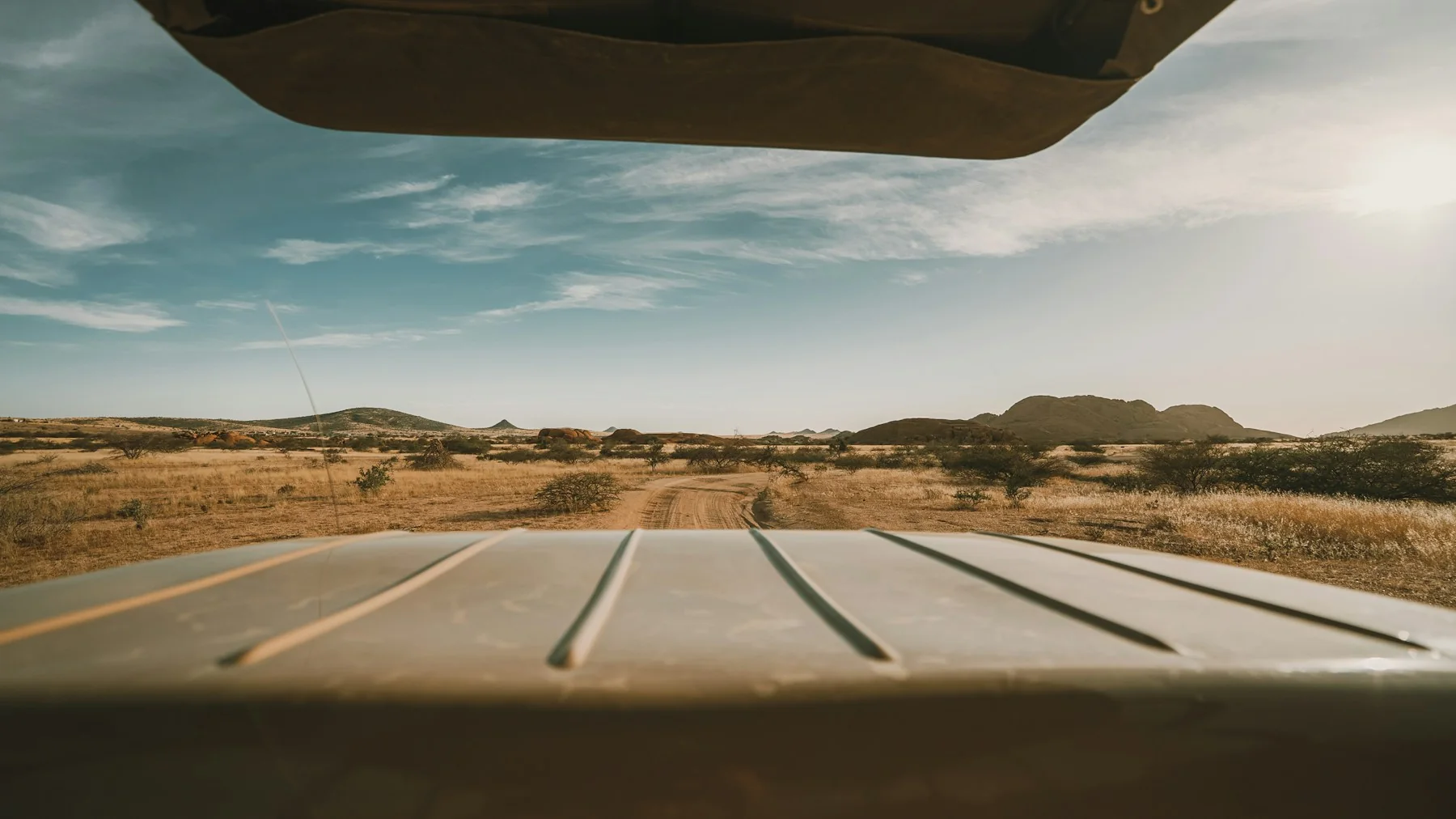
Before the trip, ask what the group wants from game drives. Some people want sunrise and the full day in the reserve. Others want breakfast at the lodge and a pool afternoon. A private group can split across two vehicles if there are enough guests, which is often the best solution. Do not force a six-year-old, a serious photographer and a grandparent into one identical schedule for a week.
Seat rotation can keep shared vehicles fair, but every guest should retain a usable view. Agree how long the group waits for someone who is late. Decide whether lunch is a picnic or back at camp. Discuss village visits, balloon flights and other extras before arrival so travellers are not pressured into spending decisions in front of friends.
Photography group
Fewer guests per vehicle, private use and room for camera equipment matter more than a lower seat price.
Multi-generation family
Use shorter drives, flexible meals, pools and at least one slower day.
Friends trip
Agree the budget and optional activities early so one person does not quietly subsidise the rest.
How to book a group safari without confusion
Choose one group coordinator and one backup. They should collect names, rooming, dietary needs and payment records, then share the same confirmed itinerary with everyone. The operator should still receive the contact details of each traveller for emergency use. Group chat is useful for updates, but final commercial decisions belong in email or signed booking documents.
Set deposit and balance deadlines that leave time to secure rooms and flights. Explain what happens if one person cancels because the price per person may change when a shared room or vehicle loses a passenger. Travel insurance should cover individual cancellation, medical care and evacuation. Never hold the entire booking with one friend’s personal payment account if the operator can accept properly referenced payments.

Schools, companies, clubs and special-interest groups
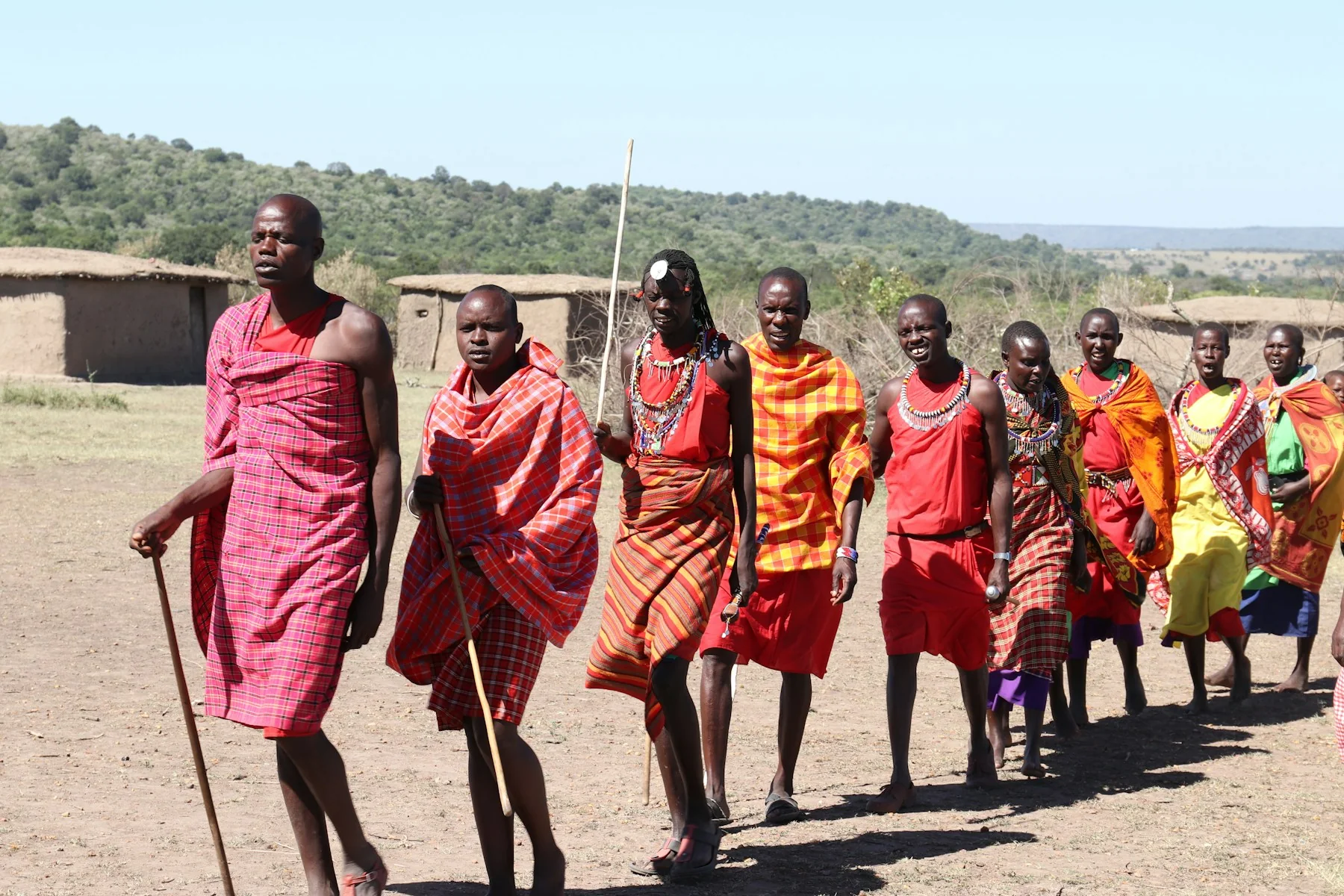
School and youth groups need age-appropriate guiding, safeguarding, clear teacher ratios, room allocation and medical information. Corporate groups need meeting time, reliable connectivity expectations and a reason for the safari beyond moving colleagues between lodges. Birding, photography and conservation groups need specialist guides and more field time than a general leisure safari.
Large groups should use a written movement plan with vehicle lists, leader contacts, emergency numbers and rendezvous points. Luggage may need a separate vehicle. Hotels need accurate arrival times and meal plans. A group photograph, private dinner or community visit can be memorable, but it should not displace the wildlife experience everyone travelled for.
Watch independent travellers on a budget Kenya safari
Travel creators Nav and Shish filmed their road journey from the Masai Mara through Nairobi to Amboseli. Their video shows the pop-up-roof van, tented accommodation, meals, transfers and the practical feel of moving through a budget itinerary as travellers rather than presenting a polished hotel commercial.
The prices and supplier named in the video belonged to their trip and are not a quotation for yours. Watch for the useful things: how luggage and passengers sit in the vehicle, the length of the road sectors, what budget tented accommodation feels like and how the pace changes when several people share the same plan.
What travellers say after the trip
These are exact words from public reviews and discussions. Each person had their own route, budget and expectations, so the value is in the detail rather than treating one experience as a promise.
There was 1 couple and 3 other single people in my vehicle.
A solo traveller describing the social mix inside one group camping safari vehicle.
Great experience from start to finish! A suggestion: let clients know they will need to be flexible about vehicles and drivers.
A group traveller enjoyed the trip but wished the possibility of vehicle and driver changes had been clearer. That is exactly the detail to settle before booking a joining safari.
The beauty of Kenya and the amazing opportunity to see the animals exceeded my highest expectations of a safari.
A traveller looking back on an eight-day group-joining safari. The itinerary mattered, but the wildlife experience is what remained.
Group safari packages FAQs
What is a group safari package?
It can mean a private safari for your own group, a scheduled small-group departure or a group-joining trip with other bookings. Ask which definition applies.
How many people fit in one safari vehicle?
Many Land Cruisers seat six or seven guests, but fewer passengers can improve comfort and photography. Luggage and the vehicle layout matter.
Are group safaris cheaper?
They usually reduce the per-person share of the vehicle, guide and fuel. Park fees, rooms and flights still scale per traveller.
Can families book a private group safari?
Yes. It is often the easiest way to control meal times, drive length, stops and child-friendly pacing.
Do solo travellers pay a single supplement?
Usually, when they occupy a room alone. A shared departure can reduce transport cost but does not always remove the room supplement.
Will everyone have a window seat?
A good group package states the vehicle and passenger limit. Confirm this before booking, especially for photography.
Can a large group use several vehicles?
Yes. Each vehicle needs its own qualified guide, passenger list and communication plan.
What happens if one group member cancels?
Rooming and per-person vehicle cost may change. The booking terms should explain this, and each traveller should carry suitable insurance.
Can group members choose different activities?
Often, especially with multiple vehicles or free afternoons. Optional activities and their costs should be agreed before travel.
Can NLS customise a group safari?
Yes. We can plan private groups, family reunions, friends, schools, clubs and company travel around the group’s size and purpose.
Sources and further reading
Official park, heritage, tourism, aviation and regulatory sources support the practical details in this guide.
Let us plan the group before the group chat gets complicated
Send the dates, number of travellers, ages, rooming and route ideas. We will shape the vehicles, rooms and safari pace around the people coming.
Plan your group safari
Share the group size, traveller ages, rooming, dates, budget range and whether the trip is private or group joining.