
Tipping, Gifts, Photography, and Buying Beadwork at a Maasai Village
A community visit feels better when required fees, optional tips, portraits, gifts and craft buying are understood before anyone reaches for cash or a camera.
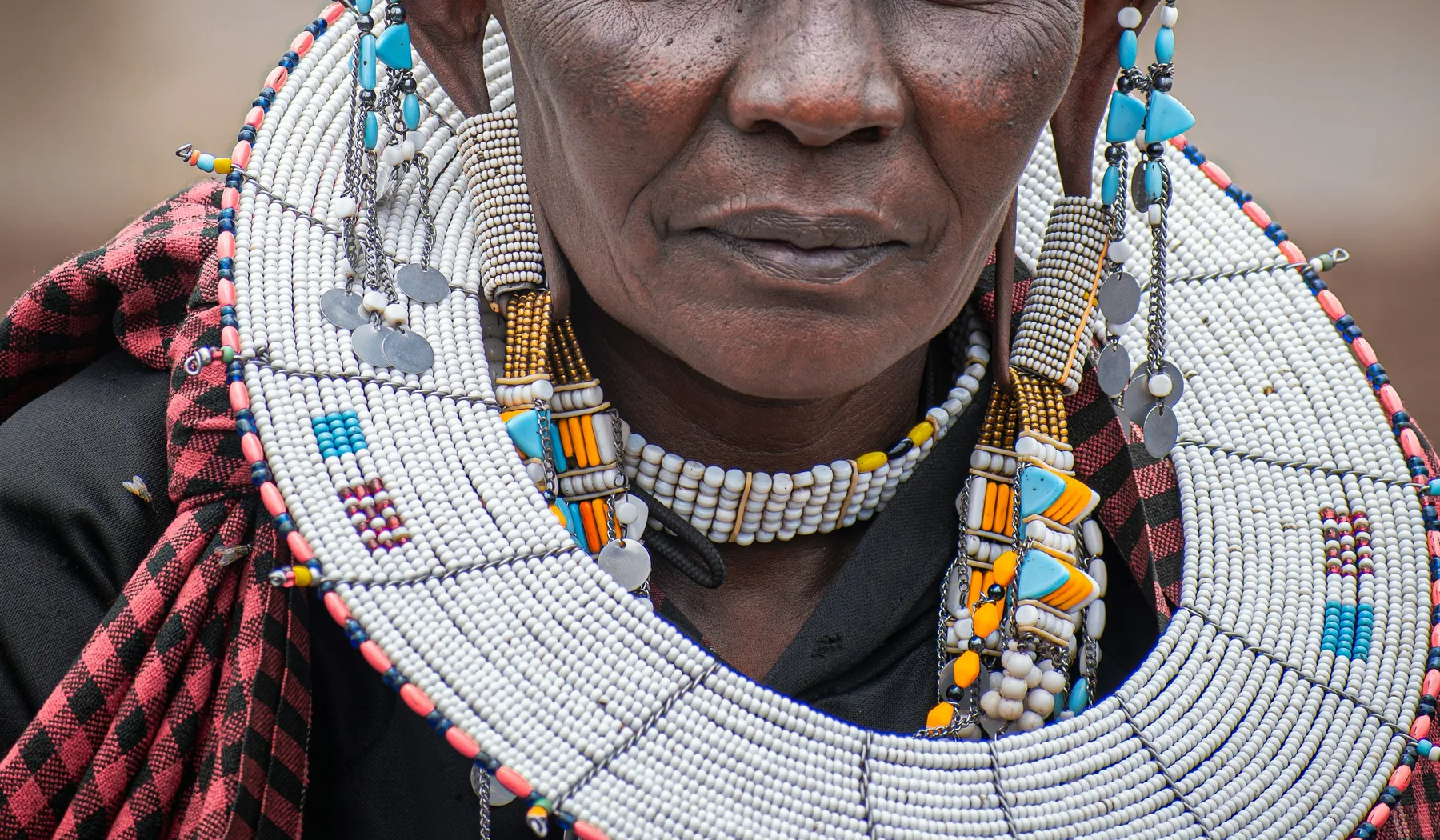
The awkward moment usually arrives near the end. Someone opens a craft display, a child reaches for your hand, your guide mentions a tip, and the photograph you wanted suddenly feels more complicated than it did from the safari vehicle. None of this has to become uncomfortable. Tipping, gifts, photography and buying beadwork at a Maasai village are easier when the required fee, optional choices, individual consent and payment route are clear before the welcome begins.
The practical questions around tipping gifts photography and buying beadwork at a Maasai village belong in the pre-visit briefing, not in a hurried exchange beside the vehicle.
| Decide before arrival | Keep voluntary on the day |
|---|---|
| Visit fee and inclusions | Tip |
| Photography boundaries | Craft purchase |
| Child-safeguarding rules | Requested donation |
| Host and guide roles | Personal portrait |
Begin with the required visit fee
Ask for the complete admission or programme fee in writing. It may cover the host guide, welcome, discussion, demonstrations or a contribution to a community organisation. It may not include transport, tips, crafts or special photography. A clear fee lets everyone begin as hosts and guests rather than negotiating access at every step. Our Maasai village visit cost guide explains the price structure in more detail.
| Fee question | Useful answer |
|---|---|
| Amount | Currency and per-person or group basis |
| Recipient | Named community, business or organisation |
| Inclusions | Actual programme and duration |
| Exclusions | Transfers, tips, purchases and extras |
Separate payment from generosity
The visit fee pays for an agreed service or programme. A tip recognises service after it happens. A craft purchase buys skilled work. A donation supports a named purpose. Mixing these categories makes visitors feel pressured and makes it hard to see who benefits. Pay the required fee first, then make every optional decision separately. A community should not have to rely on vague generosity when its work can be priced honestly.
| Money type | What it is |
|---|---|
| Visit fee | Required contracted payment |
| Tip | Optional recognition |
| Purchase | Exchange for a chosen product |
| Donation | Voluntary support for a named purpose |
Ask whether tipping is customary here
There is no single Maasai village tipping rule. Programmes near the Mara, Amboseli, Nairobi or Maji Moto may handle tips differently. Ask the organiser before departure: Is a tip expected, optional or discouraged? Who should receive it? Is it pooled? The answer should come from the named programme, not from a generic safari chart. The Mara and Amboseli visit comparison also helps you ask region-specific questions.
| Ask before travel | Why |
|---|---|
| Is tipping customary? | Removes end-of-visit guessing |
| Who receives it? | Prevents duplicate tipping |
| Is it pooled? | Respects local distribution |
| Which currency? | Avoids unusable notes |
Do not copy a universal tip amount
Online figures often ignore group size, visit fee, duration, staff roles and local practice. A fixed amount can be too small for a private full day or unnecessarily large after a fully priced short programme. Request a range from the planner, then decide according to service and your budget. A tip must remain optional. If someone says a compulsory tip is not included, it is an undeclared fee and belongs in the quote.
| Context | Why the amount changes |
|---|---|
| Private or shared visit | Number of paying guests |
| One hour or full day | Host time and work |
| Fee already paid | What labour is covered |
| Several staff roles | Pooling or separate tips |
Distinguish the community host from the safari guide
Your driver-guide may arrange transport and interpretation, while a community host leads the visit. They are different jobs. Ask whether either role is already covered by the safari tipping plan and whether the community uses a shared tip box. Do not hand the entire amount to the most visible person without knowing the arrangement. A quiet craft instructor or cook may have contributed just as much as the main speaker.
| Role | Possible payment route |
|---|---|
| Driver-guide | Safari-wide guide tip |
| Community host | Visit tip or pool |
| Craft instructor | Wage, activity fee or pool |
| Cook or camp team | Service pool if used |
Keep the tip private and calm
If a tip is appropriate, place it in an envelope or use the programme's stated method. Do not wave cash, count it in front of children or turn the handover into a photograph. Say thank you and let the recipient manage distribution. When electronic payment is offered, verify the account. Cash should be clean, current and in a denomination that can be exchanged or used locally.
| Good handover | Avoid |
|---|---|
| Named recipient or tip box | Public cash display |
| Quiet thanks | Photographing the payment |
| Agreed currency | Damaged foreign notes |
| Optional amount | Announcing what others should give |
Read conflicting forum advice as disagreement
A Tripadvisor discussion about tipping contains opposite views. One contributor said, “no, you would never tip a Maasai village when leaving after an escorted visit.” Another wrote, “You may also be asked to give a few shillings for photos with villagers.” Read the original discussion. The disagreement is the lesson: ask the actual programme instead of declaring one traveller's rule universal.
| Forum claim | Responsible use |
|---|---|
| Never tip | Check local practice |
| Pay for photographs | Ask the person and programme |
| Buy crafts instead | Keep buying voluntary |
| Give cash directly | Confirm recipient and distribution |
Reject stereotypes hidden inside money advice
The same online discussion includes demeaning claims about poverty and how residents might spend cash. Do not repeat them as facts. Financial transparency matters, but it does not give a visitor the right to judge household wealth, livestock, priorities or morality. Ask how the programme is organised and where the agreed fee goes. Respect people as business owners, workers, artists and hosts, not as objects of charity.
Carry enough small Kenyan notes
Where cash is accepted, Kenyan shillings usually make small purchases and tips simpler. Ask whether the site takes cards, mobile money or foreign currency. Avoid arriving with only a large note that nobody can change. Divide your shopping budget from your tip and emergency cash. Never display the full wallet. Your planner can confirm current payment options because connectivity and merchant facilities differ by site.
Put every compulsory cost in the quote
A village entry fee, community contribution, photography permit or guide charge that every visitor must pay is not optional. It belongs in the written total. Ask whether taxes or booking commissions are included. The wider Kenya safari cost guide helps compare the visit against transfers, park fees and accommodation instead of treating it as a tiny add-on that grows at the gate.
Decide your shopping budget before arrival
Buying is easier when you know what you can comfortably spend. Set a personal limit, carry that amount separately and tell your guide you do not want pressure. A budget is not a promise to spend. It simply prevents heat, emotion or a crowded market from driving the decision. If nothing feels right, thank the makers and leave without buying. The visit fee should stand on its own.
Treat gifts as requested support, not a surprise
Well-intentioned gifts can be useless, unequal or difficult to distribute. Ask the named community organisation what is needed and who should receive it. A requested box of school supplies delivered to a school office is different from handing pens to children during a visit. A solar light, football or clothing may sound helpful but can bring maintenance, sizing or fairness issues the giver never sees.
Do not distribute sweets to children
Sweets create health, litter and safeguarding concerns, and the child who reaches the vehicle first gains an advantage over others. Do not use candy to produce smiles for photographs. If a host offers food as part of the programme, let the host manage it. Families travelling with children should explain this before arrival so young visitors do not spontaneously share snacks in a way adults then struggle to undo.
Do not hand out pens without a plan
Pens appear on many travel gift lists, yet random distribution can interrupt school, trigger competition and leave teachers with the wrong supplies. Ask the school or programme which items, brands and quantities are genuinely useful. Deliver them to an accountable adult, not to children encountered on the road. Education is not a stage in the visitor programme, and access to pupils should never be exchanged for supplies.
Keep direct cash away from children
Giving cash to a child can create pressure to approach future visitors, place the child in conflict with peers or adults and blur safeguarding boundaries. If a community requests support for children, use a named school, scholarship structure or registered programme. Never ask a child for contact details or create a private payment arrangement. The family safari guide also covers how visiting families can model respectful behaviour.
Ask before bringing clothing
Clothes require correct size, condition, cultural fit, transport and fair distribution. Used clothing is not automatically a gift simply because it is usable. Ask whether a women's group, school or host organisation has requested specific items. Bring clean, excellent-quality pieces only through that channel. Do not photograph recipients holding donated clothes or describe the handover as the emotional centre of your visit.
| Clothing question | Decide before packing |
|---|---|
| Requested? | Yes or no |
| Sizes known? | Exact range |
| Condition? | New or excellent as requested |
| Distribution? | Named accountable group |
Give through structures residents choose
A cooperative, school board, community trust or host committee can set priorities more fairly than a visitor. Ask for the organisation's name, contact, project and receipt process. Not every local initiative is registered, and registration alone does not prove effectiveness, but clear leadership and reporting help. The indigenous-led tourism guide will provide a deeper checklist for governance and decision-making.
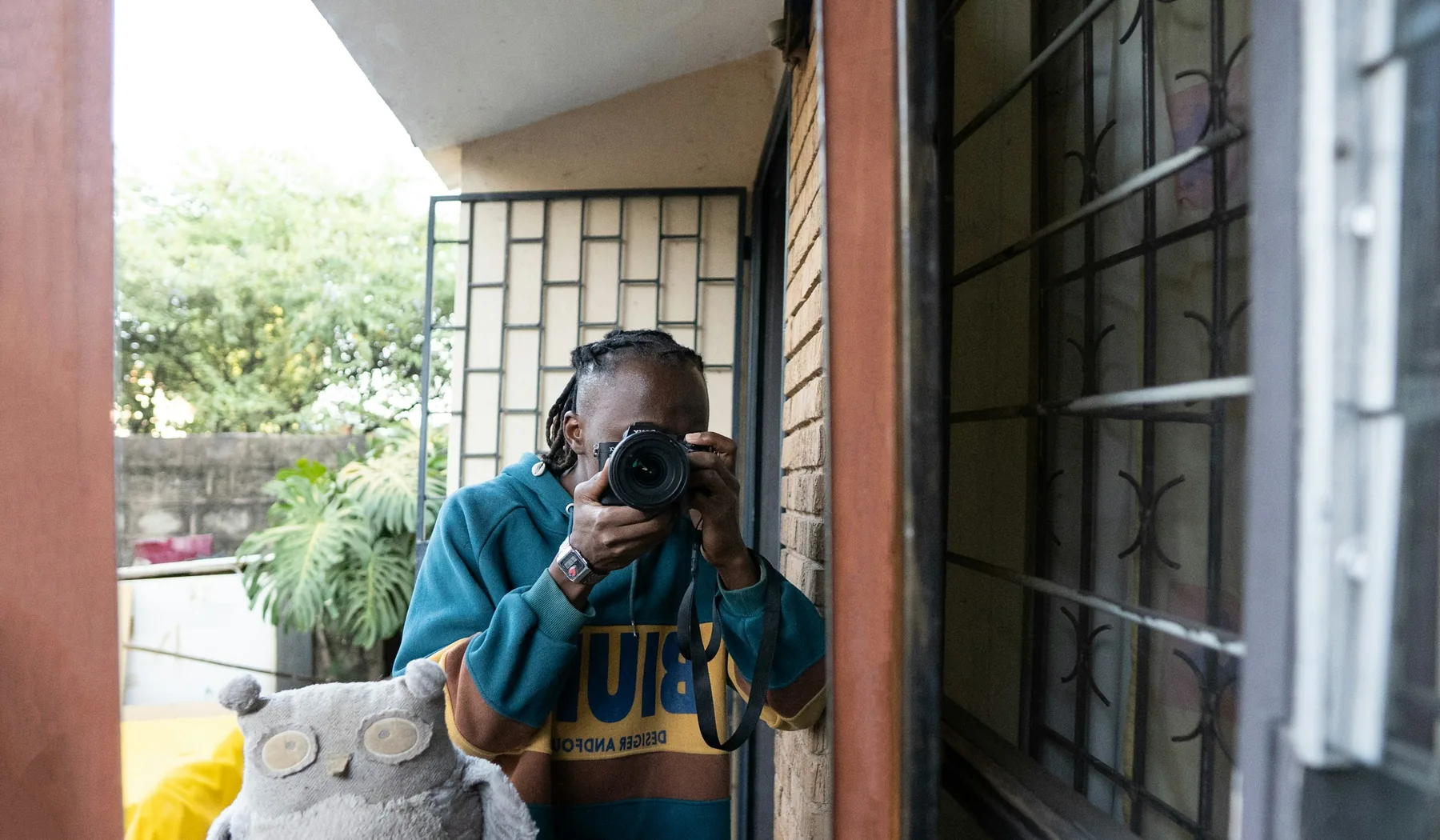
Ask before you lift the camera
Pointing the lens first and asking later makes refusal difficult. Keep the camera lowered, make eye contact and ask through the host if language support is needed. Wait for a clear yes. A person looking toward you, joining a welcome or wearing striking beadwork has not automatically consented. If the answer is no, smile, thank them and continue the conversation without trying again.
| Before a portrait | Do |
|---|---|
| Camera position | Keep it lowered |
| Request | Ask the individual |
| Explanation | Say personal, public or commercial use |
| Refusal | Accept immediately |
Understand active consent
Consent should be informed, specific and freely given. The person needs to know what you are capturing and how you will use it. A group leader can explain local rules but cannot surrender every adult's personal choice. Silence, lack of English or a guide's “it is fine” is not enough for a close portrait. Consent can also be withdrawn before publication, and the respectful response is to stop or delete the image when asked.
Separate general scene permission from portraits
A host may allow photographs of the landscape, guest activities or a wide welcome scene. That does not automatically include close portraits, homes, children or private work. Ask the programme to explain broad rules at the beginning, then ask individuals when they are identifiable. If a crowded scene makes individual consent impossible, photograph away from faces or keep the camera down.
Ask children and the responsible adult
Children need stronger protection than adults. Follow the programme's safeguarding rule and obtain permission from the parent, guardian or responsible organisation as well as age-appropriate assent from the child. A child who enjoys posing still cannot authorise commercial or public use alone. The child-safe tourism toolkit used in our research stresses informed consent from both child and responsible adult.
Never trade a gift for a child’s photograph
A sweet, pen or coin can make a child feel obliged to pose. It also teaches that attention from visitors brings material reward. Keep gifts and images entirely separate. If the visit includes children, ask the host whether cameras should remain packed. A meaningful cultural visit does not require a gallery of children's faces. Photograph your own family, landscape or hands-on activity instead.
Keep school visits out of the photo hunt
Schools exist for learning. Visit only when the school has invited or approved the programme and your presence will not disrupt class. Do not ask children to sing, line up or hold donated supplies for content. Follow the school's camera policy even if another traveller ignores it. A school may welcome a discussion, but that is not a licence to publish names, uniforms, timetables or location details.
Explain social media separately
“May I take a photo?” may be understood as a private holiday image. Posting it publicly to thousands of followers is different. Explain the platform, audience, caption and whether the account earns money. Ask before tagging a person or exact location. Avoid poverty-framed captions and claims that everyone you met lives the same way. If you cannot explain publication clearly, keep the image offline.
Treat video as more intrusive
Video captures movement, voice, bystanders and conversations that a still photograph may not. Ask before recording and again before publishing. Do not leave a phone recording on a table. Songs, stories and demonstrations may have cultural or intellectual ownership beyond the person visible. A guide can help ask, but the safest choice is to put the camera away when the boundaries are not clear.
Ask before recording Maa language
Learning a greeting can be a warm exchange. Recording a language lesson for publication requires additional permission, especially when the speaker's name, voice or teaching may be reused. Ask whether the phrase is appropriate in this local variety and context. Our Maa language guide is designed as a starting point, not a replacement for the speaker in front of you.
Keep homes private by default
An invitation into one room does not open every home in a settlement. Ask the resident before entering, photographing interiors or touching belongings. Low light is not a reason to use flash without discussion. Never photograph sleeping areas, bathing, food storage or personal documents unless specifically invited. The manyatta, boma and homestead guide helps visitors understand why tourism labels do not erase domestic privacy.
Do not photograph ceremonies by assumption
A ceremony is not included because a visit happens on the same day. It may be private, restricted or unsuitable for recording. Never accept an operator's promise of access without confirmation from the people responsible for the event. If invited, ask what clothing, movement and camera rules apply. Being allowed to attend may still mean leaving every device packed.
Make refusal easy
Ask once, from a comfortable distance, without already composing the frame. Avoid asking through a person who benefits financially unless the subject also answers freely. Do not offer money after a refusal. A relaxed “no problem” protects the rest of the conversation. When one person declines, do not photograph them in the background of another portrait.
Show the photograph when invited
Many people enjoy seeing a portrait on the screen, but do not assume everyone wants to gather around your camera. Offer to show it and delete it if asked. If you promise to send a copy, use the contact route the host approves and follow through. Avoid collecting children's personal numbers or opening a private conversation that bypasses safeguarding.
Keep geotags and names under control
Exact locations can expose homes, children or community sites to unplanned visitors. Names can make a person searchable beyond what they understood. Ask before identifying anyone or tagging the site. A broad destination such as Amboseli ecosystem may be enough. Avoid publishing a child's school, daily route or family detail. Privacy continues after the safari ends.
Learn from a positive photography review carefully
A recent tour reviewer wrote that the guide's “photography skills are excellent and he made sure we got some amazing pictures and videos.” Read the original review. That tells us the traveller valued help with images. It does not tell us what every person pictured approved. Ask whether the guide will also manage individual consent, not only composition.
Use first-person advice without making it law
In a traveller discussion, one commenter advised, “take some pictures (ask first), show them the picture”. Read the original thread. “Ask first” is sound. The rest still depends on the person and programme. Showing a screen can be enjoyable, but it is not a substitute for explaining public use or obtaining guardian permission for children.
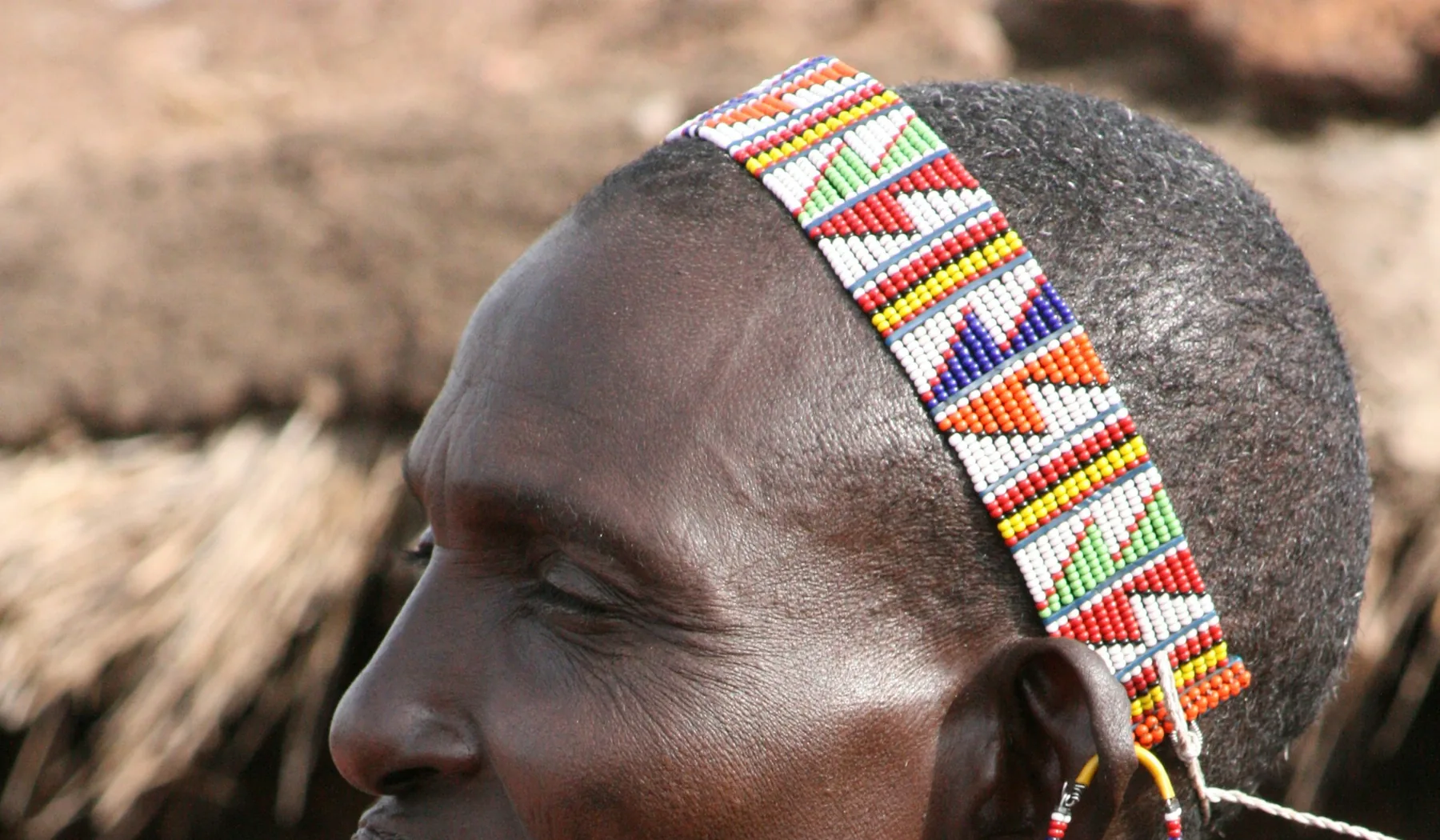
Ask who made the piece
The best beadwork question is not “Is this authentic?” It is “Who made this?” Ask the maker's name, group, village or workshop, and whether the seller is the maker or represents others. Some markets combine local work, wholesale stock and items from different places. That does not make every piece worthless, but it changes what you can honestly say about it.
Do not assign one universal meaning to every colour
Online lists often claim red always means bravery, blue always means sky and every pattern identifies one life stage. Meanings can vary by place, maker, age, design and purpose. Ask the person wearing or making the piece what it means to them. Jan Canty's photograph used in this guide came with a specific description of jewellery as personal biography. That insight belongs to the pictured individual, not automatically to every Maasai person.
Notice the maker’s time
Tiny beads, repeated patterns, finishing and repairs require concentration. Ask how long a piece took and what materials were used. Do not call a handmade item simple because it is small. A bracelet may contain less material than a large collar but still demand careful pattern work. The planned women's beadwork cooperative guide will examine production and income models in more depth.
Price craft as work, not charity
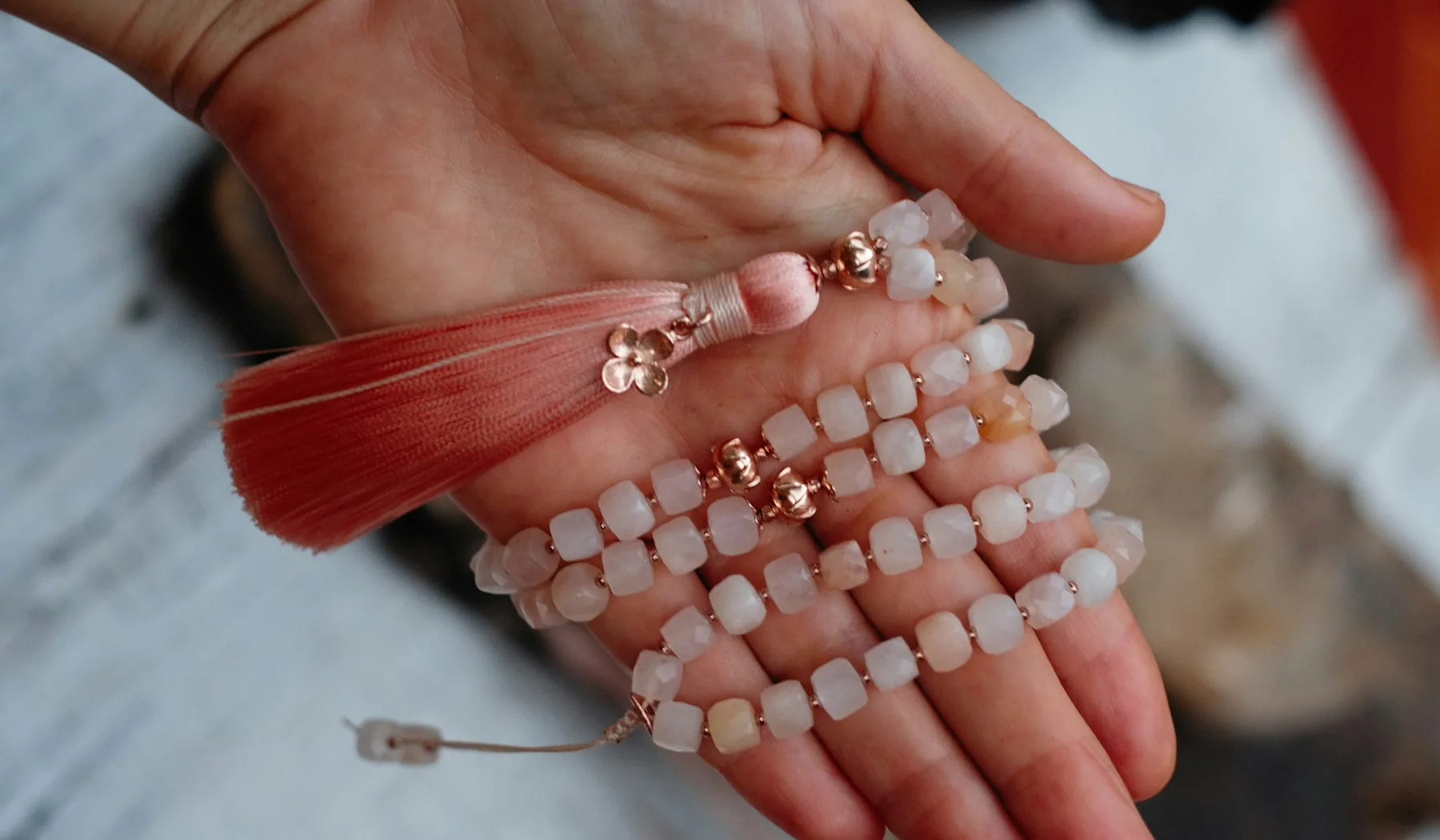
Buy a piece because you value the design and work, not to perform rescue. Fair payment and dignity fit together. Ask the price, understand whether it is fixed or open to negotiation, and decide. Do not overpay dramatically for a photograph of your generosity. Equally, do not force the maker below a price you would consider fair for skilled labour. The generic jewellery image here illustrates materials and finishing only, not a Maasai product.
Ask whether prices are fixed
Some cooperatives and visitor centres use labelled fixed prices. Some village displays or urban markets expect negotiation. Ask directly before making an offer. When prices are fixed, respect them. When bargaining is customary, keep the exchange friendly and short. Walking away is acceptable if the item does not fit your budget, but insulting the quality or pretending poverty is not.
Bargain without turning labour into a game
The goal is an agreement both sides accept, not the lowest number you can force. Compare similar items, ask about materials and make a reasonable counteroffer if bargaining is expected. Do not celebrate the final discount in front of the maker. If a small difference will not affect your trip but matters to the seller, consider whether winning is worth it. Keep your tone warm and be ready to say no politely.
Listen to travellers who dislike haggling
One recent Nairobi forum contributor wrote, “I found there was too much pressure shopping at the Masai markets and I'm not comfortable with haggling.” Read the original discussion. That personal reaction is useful. Travellers who dislike negotiation can choose a fixed-price cooperative shop or ask the village host to explain pricing before the display opens.
Do not assume every item is made on site
Village markets may include pieces made by residents, relatives, a wider cooperative or wholesalers. Ask rather than accuse. One Amboseli visitor wrote, “I asked the chief again if they had made them and he confirmed that the section I was looking at was his work and that he had made everything.” Read the original review. Provenance should be specific to the piece.
Ask who sets the price
In a cooperative, members may use a shared price list. At a village display, each maker may price her own work. A reseller may add a margin. None is automatically wrong, but the system should be understandable. Ask whether payment goes directly to the maker, through a treasurer or to a seller who later settles accounts. Do not demand private income details.
Look for organised women’s enterprises
Maa Beadwork states that it began at the request of Maasai women seeking greater access to tourism income. Its website describes a large group of participating women across Mara communities. Inyonyori presents itself as a women-run marketing cooperative in Kajiado. These claims should be read on their own sites and verified when buying, but they show why the business model matters alongside design.
Read social-enterprise numbers with context
Counts of participating artisans or communities can change. Use current figures from the organisation and note the date when reporting them. More members do not automatically mean each maker earns more, while a small group is not automatically fairer. Ask about order consistency, payment timing, training, decision rights and member voice. Impact belongs in a transparent conversation, not a decorative statistic beside a product.
Choose quality by examining construction
Look at thread tension, symmetry where intended, finishing, closures and the connection between beads and leather. Ask how to clean and store the piece. Tiny irregularities may show handwork, but poor finishing can still reduce durability. Try on jewellery only with permission and clean hands. For belts, collars or pet items, confirm measurements before purchase.
Ask about materials honestly
Glass or plastic beads may be imported and then transformed through local design and labour. Imported material does not make the finished work fake. Ask what the piece contains, especially if you have metal allergies or need wildlife-friendly and customs-safe materials. Avoid items made from protected animal products. If a seller cannot identify a material, do not invent a claim when you tell the story at home.
Do not confuse “traditional” with unchanged
Bead colours, materials, markets and designs have histories of exchange and innovation. Makers create for local use, ceremony, identity, tourists and contemporary fashion. A phone charm or dog collar can still be real work by a Maasai artisan. Ask what the maker intended rather than rejecting new products for failing a visitor's image of tradition. Our beadwork, clothing, food and cattle guide places craft within living culture.
Keep trying on beadwork respectful
Ask before lifting a necklace, collar or headpiece. Some items may be display pieces, personal clothing or unsuitable for casual wear. Let the maker show you how it is fastened. Do not turn every item into a costume photograph. If wearing it has a particular meaning, listen and decide whether purchase or use is appropriate. Return it carefully if you decline.
Keep purchases and portraits separate
Buying a necklace does not buy the maker's portrait. Paying for a portrait does not require a craft purchase. Ask and pay for each agreed exchange separately. This protects the maker from feeling her image was bundled into the sale and protects the visitor from pressure. If the programme uses a portrait fee, confirm the amount and recipient before taking the image.
Do not stage poverty around the purchase
Avoid captions such as “helping the poor women” unless the organisation itself uses specific, evidenced language and participants approve. Describe the maker, cooperative, skill, materials and purchase route. Do not pose someone holding your money or gift. Economic inequality can be real without reducing a person's identity to need. Fair buying is strongest when it respects the product and the maker.
Ask for a receipt when practical
A village display may not issue a formal receipt for a small bracelet, while a cooperative shop or card transaction usually can. For higher-value items, custom orders or shipping, ask for the seller's name, item description, payment confirmation and delivery terms. A receipt helps with accountability and customs. It also makes it easier to contact the right person if a clasp fails.
Confirm customs and wildlife-material rules
Do not buy feathers, teeth, bone, skin or other animal material without knowing the species, legal source and import rules. “Found naturally” is not proof. Your home country may prohibit an item even if it is sold openly. Beadwork made from glass, thread and lawful leather is usually simpler, but confirm unusual components. When in doubt, leave it.
Package beadwork for the safari
Wide collars and structured pieces can bend or snag. Ask the maker how to pack them. Use tissue, a flat box or a cloth bag and keep the item dry. Do not crush beadwork under a hard case or leave it on a hot dashboard. Keep receipts and maker information with the piece so the story remains accurate when you return home.
Ask about repairs and care
Thread can loosen and leather can dry. Ask whether the maker repairs pieces, which contact route to use and how to clean the item. Avoid soaking unless advised. Store it away from direct sun and moisture. If a piece breaks abroad, photograph the problem and ask before replacing parts in a way that changes the design. A care conversation reinforces that the object is work, not disposable souvenir stock.
Use reviews to spot sales pressure
Reviews that mention being surrounded, rushed or taken straight to a market are signals to ask how the shopping segment works. They do not prove every visit at that location will feel the same. Request a no-shopping option and tell the guide your budget before arrival. A host should be able to explain that buying is optional without punishing a guest who declines.
Notice the difference between a village display and Maasai Market
A craft display at a community visit may be connected to resident makers. The rotating Maasai Market in Nairobi is an urban multi-vendor market whose name does not mean every seller or product is Maasai. A cooperative shop may use fixed prices and documented maker groups. Compare the actual selling model rather than assuming one venue is automatically more authentic.
Let “buying is optional” be real
The independent review in our source register says buying should be optional. A visitor must be able to decline without the guide becoming cold, the visit ending abruptly or residents being blamed. Planners should set that expectation with hosts and guests. Travellers should browse politely, avoid touching everything and say a warm thank you if nothing suits them.
Remember that a purchase can be a good outcome
Fear of doing the wrong thing should not stop visitors from buying skilled work. Direct and cooperative sales can create income and market access. One forum contributor wrote, “The best thing to do is to buy some of their crafts, which is mainly beadwork”. Read the original conversation. Buying can be valuable, but it never becomes an obligation.
Keep a traveller’s beadwork memory in context
One visitor describing a full day wrote, “Making beads, herding goats, milking them and cooking traditional food on a fire where all interesting”. Read the original review. The spelling belongs to the reviewer. The comment tells us beadwork participation mattered to that guest, not that every programme must offer the same sequence. Ask whether a workshop is led and paid separately.
Do not use one purchase to claim cultural expertise
A bracelet can carry a maker's skill and your memory, but owning it does not make you an authority on Maasai identity. Share the maker's explanation accurately and say when you do not know. Avoid universal claims about colours or status. If the product came from a reseller and the maker is unknown, describe it simply as purchased in Kenya rather than inventing a village story.
Plan the market into the visit timetable
Shopping often comes last, when everyone is tired and the vehicle is waiting. Ask for enough time to browse or remove it entirely. Ten calm minutes with clear prices can feel better than thirty pressured minutes. If several guests shop, agree a meeting time. The full-day Maasai visit guide shows how craft can sit within a larger conversation rather than dominate the farewell.
Handle group dynamics before the display
One person may love bargaining while another wants to leave. Decide whether the vehicle can wait and whether non-shoppers have shade and seating. Do not shame a companion for spending more or less. Families should supervise children around fragile work. A guide can translate pricing but should not push a particular seller without explaining the relationship.
Ask whether the guide earns commission
A commission is not automatically unethical. It can compensate a guide for connecting customers and makers. The problem is secrecy or pressure. Ask whether prices include a guide, lodge or shop commission and whether going direct changes maker payment. An honest answer helps you understand recommendations. Do not accuse the guide based on suspicion alone.
Respond to pressure without hostility
If several sellers call to you, pause and ask the host for space. State your budget or say you will not buy. Do not shout, mock products or photograph the tense moment. The pressure may arise from uneven access to few visitors, but you still have the right to decline. A good planner should use feedback to improve the structure rather than blaming either side.
Resolve a pricing misunderstanding before paying
Repeat the item, quantity, currency and total. Check whether a quoted number is in Kenyan shillings or dollars and whether it is per piece or for a set. If translation is involved, ask the host to write the amount. Do not hand over money while still confused. A calm pause protects both buyer and seller from later accusations.
Use mobile money only through a verified number
Kenya's mobile payment systems can make transactions easy, but visitors may need a local account or guide assistance. Confirm the recipient's displayed name before sending. Never send to a new number given by an unrelated bystander. Keep the transaction message. If your guide pays on your behalf, settle the amount transparently and avoid mixing it with the guide tip.
Keep foreign-currency notes usable
Remote sellers may accept dollars or euros, but banks and exchange bureaux can reject old, torn or marked notes. Ask first and carry Kenyan shillings when possible. Do not use an unfavourable improvised exchange rate to pressure the seller. If price and rate cannot be agreed clearly, pay through another method or do not buy.
Photograph beadwork without stealing the maker’s image
You may want a close photograph of the design, hands at work or the maker wearing it. Each is a separate composition and consent question. Ask whether the pattern may be photographed, especially for commercial design research. Do not crop a person's face after photographing without permission as if that automatically solves consent. When possible, credit the maker and link an approved shop.
Treat designs as creative work
Copying a pattern for mass production can harm makers even if the original photograph was allowed. Personal inspiration differs from commercial reproduction. If you are a designer, retailer or researcher, disclose that role and agree terms. Ask how the maker wants credit and compensation handled. A tourism visit is not a free sourcing trip.
Plan commercial photography in advance
Professional cameras, crews, drones and monetised content require advance discussion, site permission and often written releases or permits. Do not arrive on a visitor ticket and convert the community into a commercial set. State the client, audience, deliverables, duration and payment. Every identifiable participant must understand the arrangement. Drone rules also involve Kenyan aviation and local privacy requirements.
Do not treat a phone as non-commercial
A smartphone can publish globally, generate advertising income and capture high-quality video. Consent depends on use, not equipment size. Influencers, vloggers and travel businesses should identify themselves before recording. If a post promotes a safari company, lodge or product, tell participants. A small camera does not make hidden advertising respectful.
Ask before linking a YouTube video
Independent vlogger videos can help travellers see market layout or photography dynamics, while a community or cooperative channel can explain its own programme. Avoid competitor sales videos. Check the date, disclosure and whether the people filmed appear to have consented. Link only when the video adds a real decision clue. A visually attractive clip is not evidence of ethical practice.
Brief children travelling with you
Explain before arrival that they will not hand out sweets, take pictures without asking or touch beadwork without permission. Give them a small shopping budget if appropriate and let them ask a maker about colours or technique. Children can learn consent by watching adults keep cameras down. A family visit should not use local children as entertainment for visiting children.
Give a child a meaningful buying task
A visiting child can choose one bracelet, ask who made it, learn how to care for it and pay the agreed price. This turns shopping into a conversation about work rather than a pile of souvenirs. The adult should manage negotiation and consent. Do not ask a local child to sell or translate unless that is an approved role within the programme.
Build etiquette into a day visit
At the welcome, the host should explain photography and private spaces. Before the market, clarify prices and optional buying. At the close, handle tips through the agreed route. This sequence protects the visit from becoming a continuous negotiation. The spending a day with the Maasai guide provides a full timetable that leaves space for conversation, food, walking and rest.
Build etiquette into an overnight stay
An overnight brings more private moments, from dinner to bedtime and early work. Ask again before photographing after dark or inside homes. Keep gifts and purchases for an agreed time rather than carrying cash through every conversation. The Maasai village overnight guide covers room, bathroom, night safety and host boundaries in detail.
Use Maji Moto as a named example, not a template
Maji Moto is one specific cultural camp and community programme. Its current rules, craft arrangements and tipping practice should be confirmed directly. Other camps near the Mara or Amboseli may differ. Read the Maji Moto and Loita Hills guide for route and stay decisions, then ask the etiquette questions again for your dates.
Link the visit to the right safari route
A Mara community programme should fit the reserve sector, gate and lodge location described in the Masai Mara safari guide. An Amboseli programme should fit park and transfer timing in the Amboseli safari guide. A rushed detour makes consent, craft conversation and payment more awkward because everyone is watching the clock.
Ask the planner to brief both sides
Travellers need to know the programme, fees, camera rules and shopping choices. Hosts need to know group size, ages, language, mobility, photography intentions and professional roles. A good planner sends the same clear expectations in both directions. This is especially important when a guest is a journalist, photographer, designer, teacher or fundraiser.
Handled well, tipping gifts photography and buying beadwork at a Maasai village become separate, calm choices instead of one confusing transaction.
Send one complete pre-visit brief
Include the community name, date, participants, visit fee, included activities, tip guidance, gift plan, photography purpose and craft questions. Ask for a written reply. A complete brief avoids the repeated “ask one more person” problem that leaves everyone uncertain at the gate. It also creates a record if the listing later contradicts the host.
Use green flags to choose a programme
Strong programmes name the host community, state the fee, explain local leadership, make shopping optional and use individual photography consent. They can describe how craft sellers or cooperatives are paid. They protect children and refuse to guarantee private ceremonies. Their answers are specific without pretending every detail is fixed months ahead.
Stop at red flags
Pause if the listing promises unlimited photography, uses children as the main attraction, requires surprise donations or cannot name the beneficiary. Avoid claims about “untouched tribes” and guaranteed secret rituals. Pressure to pay a private account immediately is a financial warning. If the planner dismisses consent questions as overthinking, choose another visit.
Give feedback without insulting the community
If shopping felt pressured or photography rules were unclear, describe the process, not the character of the people. Tell the organiser what happened, when and what would improve it. Separate guide behaviour, programme design and individual seller actions. Public reviews should avoid demeaning terms for crafts or residents. Specific feedback creates a chance to fix structure.
Write a responsible public review
Name the programme, date, duration, fee structure, photography briefing, craft model and your personal reaction. Quote only people who agreed to publication. Do not identify children or reveal private locations. If you bought an item, say whether the maker or cooperative was named. A balanced review can help future visitors ask better questions without turning one encounter into a judgement of all Maasai communities.
Send promised photographs safely
If you promised a portrait, ask the host for an approved adult or organisation contact. Send a useful full-resolution file when connectivity allows. Do not collect children's private numbers or create direct contact that bypasses guardians. Ask whether the person wants public credit. Following through matters because a promise made in the excitement of a visit is still a promise.
Keep donations separate after the trip
A message asking for urgent cash may be genuine, mistaken or fraudulent. Verify through the organisation or known host before responding. Do not send money to a new account because a social profile uses a familiar photograph. Long-term support works best through a structure with clear purpose and reporting. Saying no to a private request does not erase the respect shown during the visit.
Remember that no purchase is a valid choice
You may already have enough belongings, dislike the designs or need to conserve your budget. Pay the visit fee, thank the hosts and leave warmly. Do not buy an unwanted item and later describe it with resentment. A well-run programme values conversation and fair payment even when the craft table makes no sale. Makers also deserve real customers, not pity purchases.
Remember that buying can be a valid choice
You may find a piece you love, understand who made it and agree to the price. Buy it without apologising or turning the exchange into charity. Ask for care instructions and record the maker or group accurately. A wanted object can carry design, labour, memory and income at once. The ethical goal is not to eliminate commerce from cultural tourism. It is to make commerce transparent and voluntary.
Keep this final etiquette checklist
Before arrival, know the complete fee, host roles, tip practice, gift policy, child safeguards, photography rules, social-media permission, craft maker, pricing system and payment recipient. Keep every optional decision optional. Ask before every identifiable portrait. Never use children, gifts or cash to create content. When something is unclear, lower the camera and close the wallet until the host explains it.
That is the central rule for tipping gifts photography and buying beadwork at a Maasai village: agree required costs, make optional choices freely and let each person control their image.
Sources and further reading
This guide uses cooperative and community-project information, official safeguarding guidance, independent tour reviews, traveller reviews and public discussions. Traveller excerpts describe individual experiences and sometimes disagree. They are included to reveal decisions and questions, not to set universal rules. Confirm the current policy with the named community programme before travel.
| Source | Used for |
|---|---|
| Maa Beadwork | Social-enterprise model and maker context |
| Inyonyori Women Marketing Cooperative | Women-run Kenya craft enterprise |
| Olosho Collective | Beading collective example |
| Kenya government photography guidance | Partner and child consent principles |
| Child-safe tourism toolkit | Child and guardian informed consent |
| Tipping discussion | Contrasting first-person views |
| Nairobi shopping discussion | Exact pressure and haggling excerpt |
| Amboseli village visit reviews | Exact provenance excerpt |
| Nairobi village day-tour reviews | Exact photography excerpt |
| Full-day village experience reviews | Exact beadwork activity excerpt |
Plan a respectful community visit
Share the exact community, date, group, listing, photography plans and any guidance already received.