
Kenya Safari Cost: Real Prices, Fees and Budget Guide
Compare real safari starting prices, official conservation fees, accommodation levels, vehicles, seasons and optional experiences before you choose a route.

The first time you price a Kenya safari, the numbers can feel oddly slippery. One seven-day trip costs less than another five-day trip. A lodge describes itself as luxury, yet the quote includes a shared vehicle. Another itinerary seems expensive until you notice that it includes domestic flights, a private 4×4 and two conservancy activities a day.
The useful question is not simply, "How much is a safari?" It is, "What experience does this price actually buy?"
Price my Kenya safari around real dates
Tell us your dates, travellers, preferred parks and comfort level. We will build a clear proposal with the named properties, room, vehicle, conservation fees and optional experiences.
Kenya safari cost at a glance
These starting prices make a useful first comparison. Each itinerary has a different route, number of nights and accommodation level. Open the trip that resembles your idea, then look beyond the headline price to the exact properties, park days, vehicle arrangement and optional activities.
| Safari idea | Length and style | Starting price per person sharing | What the route is designed to do |
|---|---|---|---|
| Mid-range Masai Mara safari | 3 days, road safari | $1,190 | A short, focused Mara journey with two nights in the ecosystem |
| Luxury Masai Mara safari | 3 days, upgraded stay | $1,490 | The same short format with a more refined accommodation base |
| Masai Mara and Lake Nakuru mid-range safari | 4 days, two parks | $1,590 | Adds the Rift Valley and a different wildlife landscape |
| Masai Mara and Lake Nakuru luxury safari | 4 days, upgraded two-park route | $2,080 | More comfort across a compact circuit |
| Mara, Nakuru and Amboseli mid-range safari | 5 days, three parks | $1,868 | Covers three famous ecosystems in a brisk road itinerary |
| Mara, Nakuru and Amboseli luxury safari | 5 days, upgraded three-park route | $2,180 | Similar geographic reach with upgraded stays |
| Big Five Kenya mid-range safari | 7 days, extended circuit | $2,400 | More nights and a calmer chance to connect several wildlife areas |
| Big Five Kenya luxury safari | 7 days, luxury circuit | $2,831 | A longer route with higher accommodation comfort |
Starting prices assume the room-sharing and itinerary conditions stated on the trip. Your final price changes with the month, group size, room configuration, availability and any private or fly-in upgrades. That is normal. What should never be vague is what the final quote includes.
Why two Kenya safaris with the same number of days can cost so differently
Imagine two couples travelling for six nights. The first couple drives from Nairobi, stays in comfortable lodges outside park gates and shares a safari vehicle with other guests at one camp. The second flies into private conservancies, occupies a spacious suite with a private plunge pool and has an exclusive vehicle throughout. Both can honestly describe the trip as a seven-day Kenya safari. They are buying very different things.
The largest price differences usually come from six choices:
- Where you sleep. A simple tented camp, a full-service lodge and a small luxury camp have different staffing, room, food and operating costs.
- Where the property is located. A camp inside a reserve or private conservancy may save driving time and provide access to activities unavailable outside the protected area.
- How you travel. A road circuit spreads a private vehicle and guide across the journey. Scheduled bush flights reduce long transfers but add airfares, airstrip transfers and baggage restrictions.
- Whether the vehicle is private. Exclusive use gives you control over pace, photography and return time. A shared vehicle can reduce the cost, but other guests help shape the day.
- The season. Migration months, Christmas, New Year and popular school holidays bring strong demand. Green-season travel can be much better value.
- How many fee-paying park days are included. Conservation fees are charged by park, reserve or conservancy rules. A rushed itinerary that crosses a boundary repeatedly can cost more without giving you more useful wildlife time.
Price should follow the experience. A short honeymoon may deserve a private vehicle and a beautiful room. A family might value a two-bedroom unit and a flexible guide more than formal fine dining. A photographer may choose a simpler camp in exactly the right location and put the budget into vehicle exclusivity.
What is normally inside a safari price
A clear safari quote should name the important inclusions rather than hide behind "full package." Depending on the itinerary, the price may include:
- Accommodation in the named room category
- The stated meal plan, often full board while on safari
- Road transport in a safari 4×4 or van, or the listed domestic flights
- A professional driver-guide for a road circuit
- Scheduled camp game drives or a private vehicle, as specified
- Park, reserve or conservancy fees for the stated entries and nights
- Airport, hotel or airstrip transfers that form part of the route
- Bottled drinking water in the safari vehicle
- Taxes and statutory charges included by the supplier
Small wording differences matter. "Game drives included" does not tell you whether the vehicle is private. "Luxury lodge" does not identify the room. "All transfers" does not tell you who meets you between the international terminal, domestic airport and hotel.
This is why a good itinerary reads like a journey. You should be able to picture who meets you, what you drive, where you eat, which gate you use and where you sleep.
What is usually outside the price
International flights are commonly separate. So are travel insurance, personal purchases, most visas or travel authorisations, tips and medical costs. Drinks, laundry and premium activities depend on the property and rate plan.
Check these items before comparing the total:
- International airfare
- Kenya electronic travel authorisation, if required for the traveller
- Travel and medical evacuation insurance
- Vaccinations, malaria consultation and personal medication
- Champagne, premium spirits and some soft drinks
- Laundry where the lodge excludes it
- Gratuities for guides, camp teams and porters
- Hot-air ballooning, private dining, spa treatments and village visits
- Extra baggage or a private flight upgrade
- Early check-in, day rooms or late check-out in Nairobi
- Beach extensions, Zanzibar flights or cross-border sectors
Our Kenya eTA guide, safari health planning guide and Kenya safari travel insurance guide help you budget for the less glamorous parts that protect the trip.
Park and reserve fees are a real part of the budget
Conservation fees support protected areas and are not interchangeable across Kenya. The Kenya Wildlife Service conservation-fee schedule lists non-resident adult fees of $90 for Amboseli and Lake Nakuru, $80 for Nairobi National Park and Tsavo East or West, and $70 for Meru, Aberdare and Mount Kenya. KWS also lists combined park packages for some routes.
Narok County's fee framework for the Masai Mara is separate. The Narok County Finance Act lists a non-resident adult fee of $100 from January through June and $200 from July through December. Children aged 9 to 17 are listed at $50, while children aged eight and under are free under that schedule.
| Protected area or category | Non-resident adult fee shown by the responsible authority | Budget implication |
|---|---|---|
| Masai Mara, January to June | $100 | Lower than the July to December Mara period, but still charged according to the county's entry rules |
| Masai Mara, July to December | $200 | Peak migration-season conservation fees materially affect multi-day totals |
| Amboseli National Park | $90 | Include the exact number of park entries or valid days in the quote |
| Lake Nakuru National Park | $90 | Often paired with the Mara on road circuits |
| Nairobi National Park | $80 | A full or half-day Nairobi wildlife experience still carries a park fee |
| Tsavo East or Tsavo West | $80 | Confirm whether a route uses one park, both parks or an official combination |
| Meru, Aberdare or Mount Kenya | $70 | Useful context when comparing less common circuits |
Read the fee line together with the itinerary, not in isolation. If a lodge is outside a park, a morning drive followed by an afternoon re-entry may be treated differently from staying within the boundary. If a route moves between the Mara reserve and a private conservancy, both access arrangements may appear in the total.
Fees can be revised by the responsible authority. The safeguard is simple: your quote should name the protected areas, traveller category, number of fee days and the fee basis used. That makes a future change easy to identify without making the whole itinerary mysterious.
Budget, mid-range, luxury and ultra-luxury in practical terms
Safari labels are not regulated in a way that guarantees the same meaning everywhere. Think about what changes on the ground.
Budget safari
A budget safari usually prioritises access to the wildlife area over room size and exclusivity. You may stay in a permanent camp or modest lodge outside the reserve, travel in a shared vehicle, eat set meals and have fewer private spaces. Camping safaris can cost less, but only when the equipment, staffing, sanitation and logistics are genuinely simple.
Budget does not have to mean unsafe, poorly guided or badly planned. A suitable vehicle, legal access, realistic drive times, clean accommodation and a competent guide remain essential.
Mid-range safari
Mid-range is often the sweet spot for first-time visitors. Expect an en-suite room or tent, reliable meals, comfortable public areas and a solid game-viewing location. The three-day mid-range Masai Mara safari starts at $1,190 per person sharing, while the seven-day Big Five mid-range circuit starts at $2,400.
The main question is not whether a property calls itself mid-range. Ask where it sits relative to the gate, how long the first useful game drive takes and whether your vehicle is private.
Luxury safari
Luxury can mean a better room, stronger food and service, fewer guests, a prime location, included drinks, more flexible activities or a combination of these. Small tented camps often feel more personal than large lodges. Private conservancies may permit night drives, guided walks and off-road viewing under local rules.
The three-day luxury Masai Mara safari starts at $1,490 per person sharing. The seven-day Big Five luxury safari starts at $2,831. The gap is not just thread count. It should be visible in the named properties, room category, service, location and vehicle plan.
Ultra-luxury safari
At the top end, price is driven by privacy and scarce access. Think exclusive-use villas, private chefs, specialist guides, private aviation, large suites, in-room pools and tiny camps in high-demand conservancies. A single night can cost more than an entire mid-range short safari.
Ultra-luxury is worthwhile when the expensive features are the ones you will use. A family villa with a private vehicle can solve pacing and sleeping arrangements beautifully. A vast suite may add little to a traveller who wants to be out from dawn until dusk.
Accommodation location can be worth more than decoration
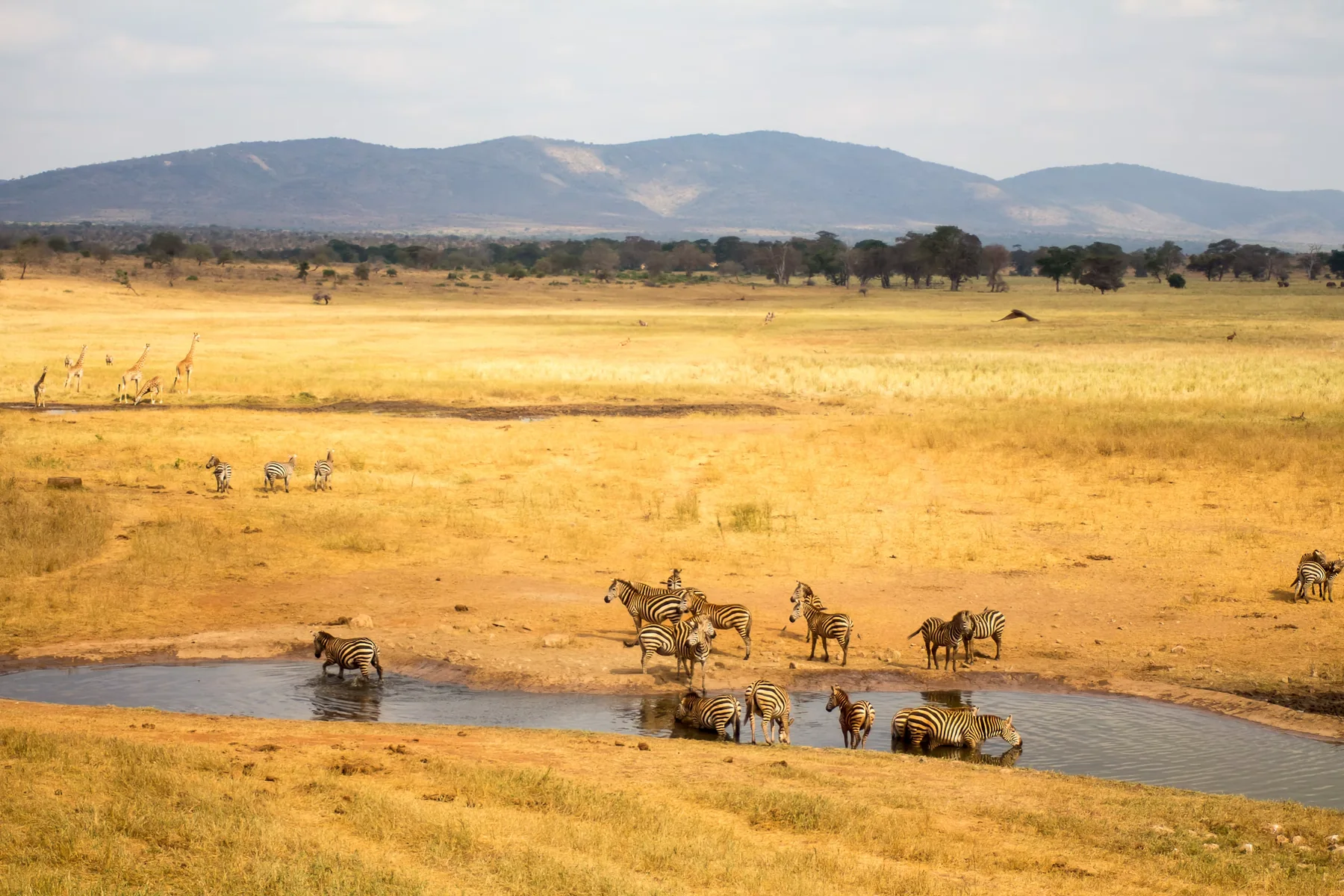
The waterhole outside your room, the gate five minutes away and the animals moving through an unfenced camp all have value that does not fit neatly into a star rating. Location affects how early you reach a sighting, how late you can stay out and how much of the day disappears in transfers.
A lodge outside a park can offer excellent value, a pool and spacious family rooms. It may also require a drive to the gate each morning. A camp inside the reserve can make game drives immediate but may have tighter movement rules after dark. A conservancy camp can provide a quiet landscape and varied activities, with reserve-day access added when desired.
For Amboseli, compare properties in the park, near Kimana Gate, around Amboseli's private conservancies and farther toward the Chyulu Hills. Our guide to where to stay in Amboseli explains the trade-offs property by property.
Season changes both price and atmosphere
July through October is popular for dry-season wildlife viewing and the wider Great Migration period in the Mara. Christmas, New Year and Easter can carry holiday supplements. June and the shoulder months can offer strong wildlife conditions with a gentler price, depending on the park.
The green seasons bring lush landscapes, dramatic skies, young animals and fewer vehicles. Rain does not usually mean twelve hours of continuous downpour, but it can affect road conditions and small-aircraft operations. Some remote camps close for part of the long rains.
If your dates are fixed, use location and length to manage the budget. If your dates are flexible, ask for two or three travel windows and compare the exact same route. That reveals the season effect without changing every other variable.
Group size and room configuration
Road safari pricing often becomes more efficient when more travellers share the vehicle. The vehicle and guide cost is spread across the group, while accommodation and park fees remain per person. This is why two travellers can pay more per person than four friends following the same route.
Do not fill every seat merely to reduce the number. A 4×4 may legally carry more people than feels comfortable for photography. Window access, roof space, luggage and children's seats matter.
Rooming affects the total too:
- A solo traveller may pay a single-room supplement and carry more of the vehicle cost.
- Three adults may need a triple room, two rooms or a family unit depending on the property.
- Families should compare interconnecting rooms, a two-bedroom tent and a private villa rather than assume two standard rooms are cheapest.
- Teenagers may be charged differently from younger children.
- A honeymoon suite can carry a premium even when the meal plan is unchanged.
Give ages at the time of travel, not today's ages, when requesting a family price.
Road safari or fly-in safari
A road safari lets the landscape unfold. You keep the same vehicle and guide, stop between parks and can carry more luggage than most bush flights allow. It works especially well on connected circuits such as Nairobi, Lake Nakuru and the Masai Mara.
Flying protects time on routes where the road transfer is long or where comfort matters more than seeing the country between parks. A scheduled flight into the Mara can turn a tiring transfer day into a morning game drive and an afternoon arrival. The airfare, airstrip transfer and camp vehicle arrangement must all be included in the comparison.
| Cost question | Road safari | Fly-in safari |
|---|---|---|
| Main price drivers | Vehicle, fuel, guide days and route distance | Airfare, taxes, transfers and camp game-drive package |
| Luggage | Usually more forgiving, subject to vehicle space | Often a strict soft-bag weight limit |
| Vehicle continuity | Usually the same private vehicle and guide | Often shared camp vehicles unless private use is added |
| Best value for | Connected park circuits and small groups | Short trips, remote camps and travellers protecting time |
| Hidden detail to check | Road type, drive duration and whether all seats have good viewing | Which airport, baggage allowance, airstrip and private vehicle supplement |
Neither is automatically more luxurious. A private road safari with an excellent guide can be deeply comfortable. A fly-in trip can still involve shared game drives on a fixed camp schedule.
Compare road and fly-in prices for my dates
Tell us your dates, travellers, preferred parks and comfort level. We will build a clear proposal with the named properties, room, vehicle, conservation fees and optional experiences.
Private conservancy or national reserve
Private and community conservancies often limit vehicle numbers and offer activities such as night drives or guided walks under their own rules. Rates may bundle conservancy fees, meals, drinks and two daily activities. Some camps price an additional reserve visit separately.
The Masai Mara National Reserve provides access to famous river areas and broad public-reserve landscapes. Conservancies such as Naboisho, Olare Motorogi, Mara North and Ol Kinyei each have their own location, access and operating model. The better choice depends on season, wildlife interests and how much time you have.
A cheap camp far from the wildlife area can become expensive in lost time. A higher nightly rate with immediate access, included activities and fewer vehicles may offer better value. Compare the whole day, not the bed alone.
Optional experiences and their real effect on the total
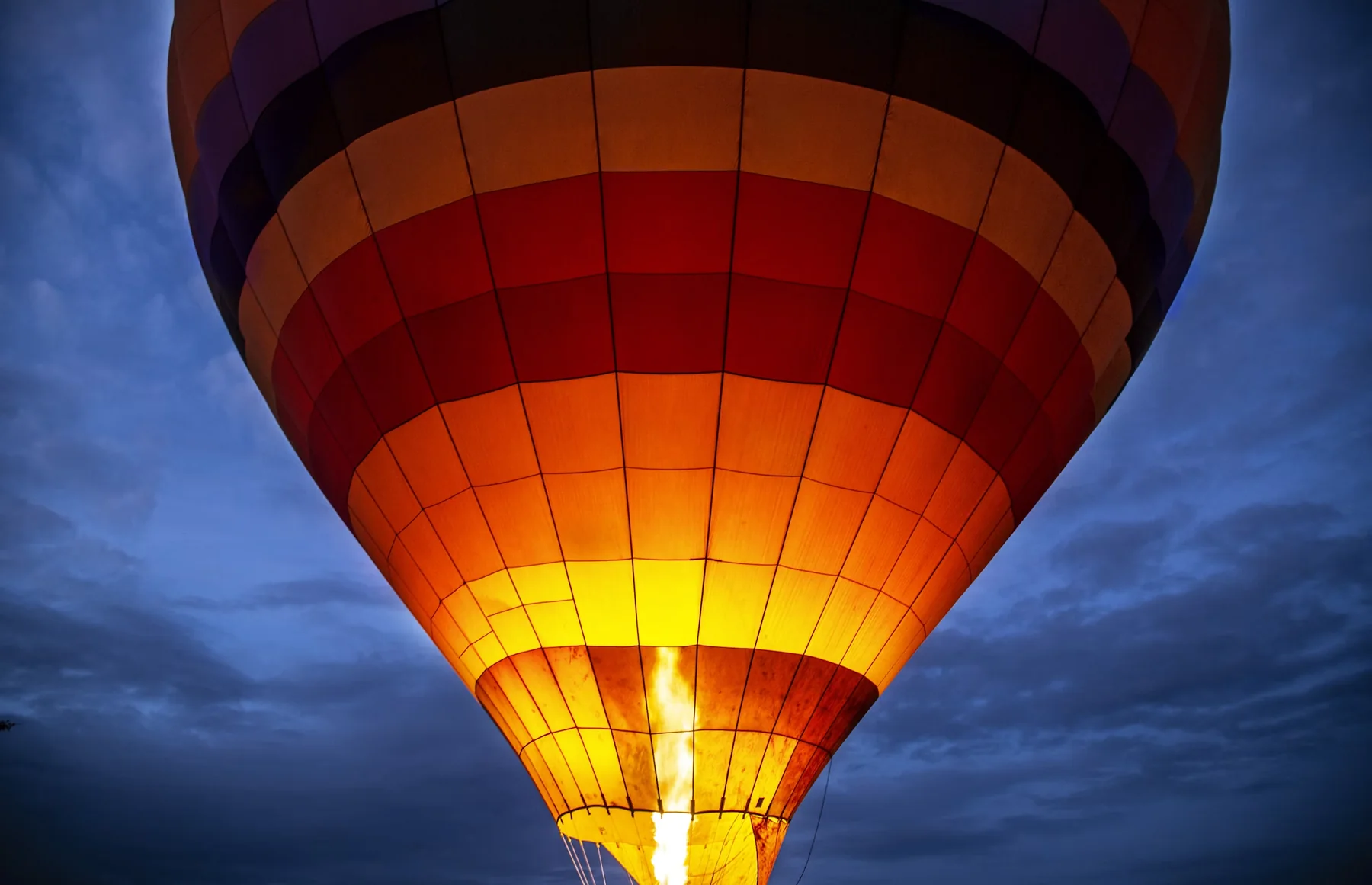
A hot-air balloon is one of the largest common add-ons. The balloon option on relevant Mara itineraries is around $460 per person. Confirm whether the price includes the transfer from your camp, the flight, landing breakfast and any applicable conservation fee. Very early pickup may be impractical from a distant property.
A Maasai village visit is shown around $35 per person on relevant itineraries. Price is only one consideration. A respectful visit should be transparent about permission, community benefit, photography and purchases. Read our guide to Maasai village visits in Kenya before choosing the experience.
Other additions include:
- Exclusive-use safari vehicle
- Bush breakfast or private sundowner
- Guided walk
- Night drive in an area where it is permitted
- Photographic vehicle or specialist guide
- Spa treatment
- Scenic helicopter flight
- Extra domestic baggage allowance
- Private air charter
Choose extras around a reason, not a checklist. A balloon flight can be unforgettable on a short celebration trip. A private vehicle may create more daily value for a family or photographer.
Three sample ways to build the budget
The following examples use the named itinerary starting prices above. They are not surprise bundles. They show how a traveller might think about the trip before requesting exact dates.
A short Mara-first safari
Start with the three-day mid-range Masai Mara safari at $1,190 per person sharing. This suits travellers who have limited time or want to combine the Mara with several nights on the coast. Add international airfare, insurance, eTA costs where applicable, tips and personal spending to the personal trip budget.
If you upgrade to the three-day luxury version at $1,490, the starting-price difference is $300 per person. Decide whether the named property and room deliver $300 of value to you.
A classic three-park circuit
The five-day mid-range Mara, Nakuru and Amboseli safari starts at $1,868 per person sharing. It offers range, but the pace is brisk. The luxury version starts at $2,180, a difference of $312 per person.
Before choosing, look at the driving hours. If you dislike early departures and frequent packing, it may be better to spend the same money on fewer parks and better-positioned accommodation.
A longer Big Five journey
The seven-day mid-range Big Five safari starts at $2,400 per person sharing. The seven-day luxury version starts at $2,831, a difference of $431 per person.
Seven days create room for a more natural rhythm. Compare not only the hotels but the arrival time at each park, number of game drives and whether the final day is mostly road travel.
Adding the coast, Zanzibar or another country
A Kenya beach extension changes the budget through domestic flights or a long rail and road connection, coastal accommodation, transfers and meal plan. An all-inclusive beach resort can make daily spending predictable. A boutique bed-and-breakfast property gives more freedom to eat locally.
Zanzibar requires an international or regional flight and its own entry and insurance considerations. Tanzania safari combinations introduce border logistics, a second country's park fees and, in many cases, a vehicle change at the border. Do not assume a map that looks close produces a cheap transfer.
If the beach matters as much as the safari, price the entire journey as one story. A badly timed flight connection can erase the saving from the cheapest hotel.
Tipping, currency and payment planning
Tips are personal and should reflect service, group size and trip length. Ask whether a lodge uses a shared staff box and whether guides are tipped separately. Carry clean notes in useful denominations, and keep gratuities distinct from mandatory fees.
Safari quotes are often denominated in US dollars because many conservation, flight and accommodation contracts use that currency. Your card or bank may add foreign-exchange fees. Before paying, confirm:
- The currency and exchange-rate rule
- Deposit amount and due date
- Final balance date
- Card, bank-transfer or mobile-payment fees
- The legal beneficiary name on the invoice
- Cancellation scale and amendment fees
- What happens if a park fee, tax or flight schedule changes
Use a payment method and account named in the formal booking documents. A last-minute request to send money to an unrelated personal account deserves verification through a known contact channel.
How to compare two safari quotes properly
Put the experience into a table. You do not need procurement language. You simply need enough detail to know whether the two trips are alike.
| Compare this | What a useful quote should say | Why it changes value |
|---|---|---|
| Property and room | Exact lodge or camp, exact room category and bedding | A generic property class can hide a distant location or entry-level room |
| Meal plan | Breakfast, half board, full board or all-inclusive, plus drinks | Lunch, drinks and laundry can add up |
| Vehicle | 4×4 or van, private or shared, passenger limit | Determines comfort, control and photography space |
| Guide | Driver-guide throughout or camp guides | Affects continuity and who controls each game drive |
| Park access | Named parks, conservancies and number of fee days | Fees are a substantial, route-specific cost |
| Transfers | Airport, hotel, airstrip and between-property handovers | Missing handovers create both expense and stress |
| Flights | Airline, route, baggage limit and taxes | A cheap flight line may omit transfer or baggage costs |
| Activities | Number of game drives and included walks, night drives or sundowners | "Activities included" is too broad to compare |
| Extras | Balloon, private vehicle, village visit, drinks and laundry | Optional items can change the final total sharply |
| Terms | Deposit, cancellation, amendment and refund rules | The cheapest quote may carry the least flexibility |
If one quote names every camp and another says "similar," they are not yet comparable. If one price uses a shared camp vehicle and another includes exclusive use, the difference may be completely reasonable.
Send me an itemised safari proposal
Tell us your dates, travellers, preferred parks and comfort level. We will build a clear proposal with the named properties, room, vehicle, conservation fees and optional experiences.
Common false savings
The least expensive line on a spreadsheet can create a costly trip. Watch for these patterns:
Too many parks in too few days
Kenya is larger than it looks on an itinerary map. Long drives consume fuel, guide time and holiday energy. A five-park sprint may offer fewer satisfying wildlife hours than three well-chosen areas.
Accommodation far from the gate
A lower room rate can be offset by daily transfers, missed early sightings and repeated park-entry logistics. Ask for the actual drive to the gate in ordinary conditions.
Shared vehicle presented as private
Camp game drives are often excellent, but sharing means agreeing on departure, return and sighting priorities. Make the arrangement explicit.
Headline price without mandatory fees
A realistic price includes the compulsory parts of the advertised itinerary. Park fees should not appear as a surprise after you have emotionally committed to the trip.
Unnamed accommodation
"Luxury camp" is not a location. Availability substitutions can be necessary, but the quote should name the planned property and define how an alternative will be approved.
A transfer day described as a safari day
Arrival and departure days can contain wonderful sightings, but a six-hour road transfer is not the same as a full game-drive day. Read the timetable.
Where to save and where not to save
Save by travelling in a shoulder or green season, choosing a connected route, sharing a private vehicle with family or friends, using excellent mid-range accommodation and limiting expensive one-off additions.
Do not cut the guide quality, legal conservation access, suitable vehicle, necessary insurance or safe transfer plan. Avoid cutting nights so aggressively that every day becomes a race.
Packing well also prevents unnecessary purchases and excess baggage. Use our Kenya safari packing list for a practical, park-ready checklist. For route and risk questions, read Is Kenya safe for safari travellers?.
The information that produces a useful safari price
You do not need to design the whole itinerary before making contact. Share the details that genuinely shape it:
- Exact or approximate travel dates
- Number of adults and children, with children's ages at travel
- Solo, double, twin, triple or family-room needs
- International arrival and departure points
- Parks or animals that matter most
- Road, fly-in or open to either
- Comfortable mid-range, luxury or a target range per person
- Private vehicle, photography, mobility or dietary needs
- Beach, Zanzibar or cross-border extension
- One or two experiences you care about, such as ballooning or walking
A useful budget range is better than saying "best price." It lets the planner protect what matters and show where a change of season, property or transport has the greatest effect.
Kenya safari cost FAQs
How much does a three-day Kenya safari cost?
A three-day mid-range Masai Mara road safari starts around $1,190 per person sharing, while a luxury version starts around $1,490. Dates, property, rooming and vehicle choice determine the exact price.
How much does a seven-day Kenya safari cost?
A seven-day Big Five mid-range itinerary starts around $2,400 per person sharing, and a luxury version starts around $2,831. Fly-in sectors, private conservancies, premium rooms and peak dates can take the price higher.
Is a Kenya safari priced per person or per vehicle?
Most complete itineraries are quoted per person, often based on two people sharing a room. Vehicle costs may be divided across the group, while accommodation and conservation fees remain traveller-specific.
Are park fees included in a Kenya safari package?
They should be clearly included or excluded. A complete quote should name each park or conservancy, the number of fee days and the traveller category used.
Is July more expensive for a Masai Mara safari?
July begins a high-demand period in the Mara, and Narok County's non-resident adult conservation fee is higher from July through December than from January through June. Accommodation demand also affects price.
Is a fly-in safari always more expensive than driving?
Not always. Flights add airfare and transfers, but they can save a day and may work efficiently for a short stay or remote camp. Compare the full route, not just the transport line.
Does luxury include a private safari vehicle?
Not automatically. Many luxury camps include shared game drives. Ask whether exclusive use is included and, if not, what the supplement costs.
What does per person sharing mean?
It normally means each traveller pays the stated amount when two people share one room or tent. A solo traveller may pay a single-room supplement and a higher share of private transport.
How much should I allow for a balloon safari?
Relevant Mara itineraries list the balloon option at around $460 per person. Confirm transfers, breakfast and any conservation fee before adding it to the budget.
Can children get lower safari prices?
Many parks and properties have child bands, but the ages and room-sharing rules differ. Provide each child's age at travel and the preferred room arrangement.
Is an all-inclusive lodge always better value?
It can be when drinks, laundry and activities are genuinely included and you will use them. A full-board rate can be better for travellers who drink little or spend most of the day away from camp.
How far in advance should I book?
Book early for migration months, Christmas, New Year, family rooms, small conservancy camps and specialist guides. Flexible shoulder-season trips can sometimes be arranged closer to travel.
Turn the number into the right journey
The best Kenya safari cost is not the lowest total. It is the price that gives you enough time in the right places, a guide and vehicle suited to your group, honest conservation fees and accommodation that supports the way you travel.
Start with your dates and the feeling you want from the trip. A quiet honeymoon, an energetic family circuit, a first safari or a photographer's long game-drive day will each spend money differently. Once those priorities are clear, the numbers become much easier to understand.
Build my Kenya safari and explain every cost
Tell us your dates, travellers, preferred parks and comfort level. We will build a clear proposal with the named properties, room, vehicle, conservation fees and optional experiences.
Build and price your Kenya safari
Share the dates, travellers, parks and comfort level. We will identify the properties, room, vehicle, conservation fees, transfers and optional experiences in the proposal.