
What Travellers Say About the Masai Mara
Compare repeated patterns across reserve, conservancy, peak-season, green-season, solo, family, budget and luxury accounts without turning one person’s trip into a guarantee.
- How this roundup was built
- Exact words only
- Short quotations
- Direct source links
- No platform AI summaries
- No operator testimonials
- No invented averages
- No guarantee from repetition
- Context fields
- Review bias is real
- Luxury bias is real
- Migration bias is real
- Memory edits a trip
- Wildlife luck is uneven
- Guide decisions matter
- Camp management matters
- Rules matter
- A useful evidence scale
- The emotional impact is the clearest pattern
- “One of the best trips I had”
- “Nothing really prepares you”
- “Life-changing experience”
- Why the first morning lands differently
- A species list misses the event
- Waiting creates attachment
- Surprise is part of the appeal
- The landscape matters too
- Sound matters
- Smell and temperature matter
- Emotional pattern table
- Wildlife abundance is widely reported
- Big game concentration
- Resident wildlife matters
- Cats dominate reviews
- Lions
- Leopards
- Cheetahs
- Elephants
- Giraffes
- Hyenas
- Birds
- Small life
- Wildlife report versus guarantee
- Great Migration expectations
- July account
- Herds are not crossings
- Crossings are unpredictable
- Waiting can dominate the day
- Crowd pressure concentrates
- River safety and etiquette
- Migration month is not one experience
- Read the crossing guide
- Read the seasonal comparison
- Migration review table
- Crowding is the strongest negative theme
- April criticism
- Crowding can happen quickly
- Not every reserve drive is crowded
- Not every conservancy sighting is private
- Guide ethics become visible
- Guest pressure contributes
- Vehicle design changes crowd perception
- Private vehicle does not remove other vehicles
- Ten quiet minutes can be enough
- Official crowd controls
- Crowding comparison
- Reserve versus conservancy accounts
- Reserve strengths
- Conservancy strengths
- One traveller’s split stay
- Their conservancy conclusion
- Gate reality
- Rough connecting roads
- Reserve day from a conservancy
- Combined answer
- Reserve-only answer
- Conservancy-only answer
- Read the core guide
- Conservancy comparison links
- Reserve and conservancy table
- Guide quality may be the most important variable
- “Stellar guiding”
- Named-guide praise
- Continuity matters
- Transfer handoffs
- Reserve-day handoffs
- Local territory knowledge
- Radio judgement
- Patience
- Ethical refusal
- Bird knowledge
- Photography competence
- Family interpretation
- Guide language
- Guide-allocation questions
- Vehicle privacy changes reviews
- Shared vehicle advantages
- Shared vehicle tradeoffs
- Seat position
- Pop-up van
- Open-sided vehicle
- Closed vehicle
- Private vehicle for couples
- Private vehicle for families
- Private vehicle for photographers
- Vehicle review table
- Road fatigue appears repeatedly
- “Rough to be in a jeep”
- The road is not one surface
- Final kilometres
- Road-arrival advantage
- Road-arrival disadvantage
- Fly-in advantage
- Fly-in disadvantage
- International connection risk
- An overnight in Nairobi
- Road versus air review lens
- Read the road guide
- Read the flight guide
- Camp warmth is a recurring positive theme
- “Great guides, delicious food”
- Communal dining
- Private dining
- Hosted meals
- Food expectations
- Dietary needs
- Tent sound
- Unfenced safety
- Room position
- Luxury definition
- Small camp
- Large lodge
- Camp-review decoding
- Wildlife outside the tent
- Pool value
- Spa value
- Laundry
- Power
- Wi-Fi
- Peak season and green season produce different reviews
- July enthusiasm
- Shoulder-season solitude
- Green is not empty
- Rain changes roads
- Dry season changes pressure
- January to March
- April to May
- June
- July to October
- November to December
- Season-review table
- Solo travel reviews
- “I felt very safe”
- “It’s not lonely”
- Single supplements
- Shared vehicle for solo guests
- Private dining for solo guests
- Solo safety
- Family reviews
- Children and long drives
- Family tent
- Unfenced camp
- Guide engagement
- Child pricing
- Couple and honeymoon reviews
- Over-programming
- Social-style table
- Walking and night-drive accounts
- Walking expectation
- Night-drive expectation
- Add-on fatigue
- Read the walking guide
- Read the night-drive guide
- Photography accounts
- Read the photography guide
- Cost and value split opinion
- “Wasn’t cheap”
- Headline rate hides the trip
- Budget safari value
- Mid-range value
- Luxury value
- Ultra-luxury limit
- Conservancy premium
- Peak-season premium
- Flight premium
- Private-vehicle premium
- Longer-stay value
- Quote normalisation
- Quote table
- Published prices age quickly
- Currency matters
- Payment security
- Insurance value
- Negative reviews are not problems to dismiss
- Crowding criticism
- Road criticism
- Room criticism
- Food criticism
- Service criticism
- Guide criticism
- Wildlife criticism
- Noise criticism
- Mosquito criticism
- Cultural-visit criticism
- Balloon criticism
- Review response
- Repetition threshold
- Recency
- Negative-review triage
- Positive reviews need the same scrutiny
- Wildlife superlatives
- Service superlatives
- Luxury superlatives
- Location superlatives
- Value superlatives
- Video can supply missing context
- Video is still edited
- Sponsorship disclosure
- Seller links
- Independent luxury vlog
- Independent budget vlog
- Why both videos belong
- What to watch in a vlog
- What not to infer from a vlog
- Maasai visit reviews need care
- Consent
- Payment
- Present-day life
- Tourism performance
- School visits
- Photography
- Buying crafts
- Review wording
- Cultural visit questions
- Balloon reviews
- Sunrise is weather-dependent
- Basket capacity
- Total morning
- Landing
- Balloon photography
- Read the balloon guide
- How many nights reviews support
- Three nights
- Four nights
- Five nights
- Six or more nights
- One night
- “Did not get bored”
- Fatigue counterpoint
- Pacing answers the contradiction
- Length table
- Review-derived itinerary questions
- A practical review-reading method
- Step one: identify the land
- Step two: identify the month
- Step three: identify the property
- Step four: identify the room
- Step five: identify the vehicle
- Step six: identify the guide
- Step seven: identify the expectation
- Step eight: look for repeated specifics
- Step nine: verify unstable facts
- Step ten: write the question
- Review worksheet
- Common mistake: reading only five-star reviews
- Common mistake: reading only the worst review
- Common mistake: ignoring the month
- Common mistake: mixing reserve and conservancy
- Common mistake: copying the animal list
- Common mistake: copying the price
- Common mistake: treating sponsored video as neutral
- Common mistake: treating a solo account as a safety guarantee
- Common mistake: treating a luxury review as universal value
- Common mistake: demanding another traveller’s guide
- Common mistake: assuming private means empty
- Common mistake: overfilling the day
- Review red flags
- No travel date
- No exact property
- No first-hand detail
- Identical wording
- Species catalogue without behaviour
- Perfect certainty
- Hidden commercial identity
- Competitor attack
- Review exchange
- Incentive does not prove falsehood
- Platform verification
- Profile history
- Photos
- Management responses
- Language patterns
- Red-flag table
- Build a source mix
- Use official sources for rules
- Use travellers for texture
- Use maps for location
- Use current photographs for rooms
- Use the written itinerary as the final record
- A final evidence hierarchy
- Frequently asked questions
- Is the Masai Mara worth visiting?
- Is the reserve always crowded?
- Are conservancies always quiet?
- Is the wildlife better in the reserve?
- Should I stay in a conservancy or the reserve?
- How many nights do reviews support?
- Is road travel as bad as reviews say?
- Is flying worth the cost?
- Do I need a private vehicle?
- Can reviews predict migration crossings?
- Are green-season reviews reliable?
- Are independent YouTube videos useful?
- How should I use a negative camp review?
- Are quoted prices still valid?
- What do travellers value most?
- Final perspective
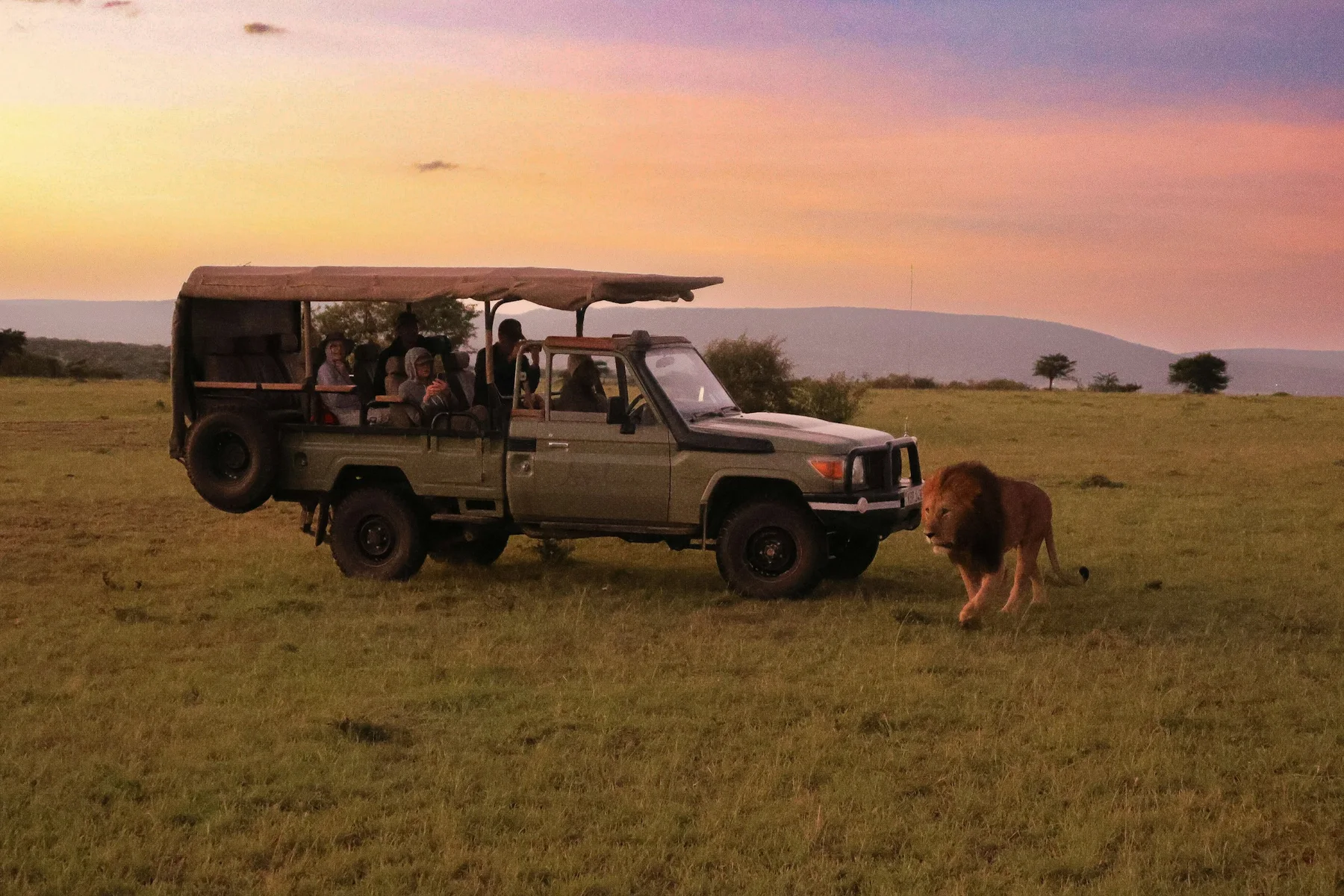
The first review begins with hundreds of zebras running across open grass. Another begins with twenty vehicles around a leopard. A solo traveller remembers green plains and easy conversations at the campfire. Someone else remembers a back aching after too many hours in a jeep. All of them went to the Masai Mara, and none of them experienced exactly the same place.
That is why a star rating is almost useless without context. The Masai Mara National Reserve, the Mara Triangle and surrounding community conservancies share an ecosystem, but they differ in access, traffic, activities and accommodation. July is not November. A private Land Cruiser is not the back row of a shared van. Three rushed nights from Nairobi do not feel like five fly-in nights with the same guide.
This roundup looks at what travellers say about the Masai Mara in their own words. It uses exact short quotations from independent accounts, keeps the original source attached, and checks rule-based claims against reserve and conservancy information. It does not treat reviews as scientific evidence or promise that one person's leopard, rainstorm, crowd or perfect guide will be waiting for the next guest.
The aim is more useful. Repeated accounts reveal where expectations often go wrong, which planning decisions change the experience, what people remember long after the species list fades and which questions should be answered before a deposit is paid.
How this roundup was built
The source sample includes detailed Reddit trip accounts, direct Tripadvisor reviews and traveller discussions that name season, location, camp or vehicle arrangement.
Exact words only
Quotation marks contain the traveller's own published words. Summaries outside quotation marks explain context without pretending to be testimony.
Short quotations
Each excerpt is kept brief so the original page remains the place to read the complete account and surrounding discussion.
Direct source links
Every quoted theme links to its source. A review detached from its platform, date and discussion loses important context.
No platform AI summaries
Review platforms now generate automated summaries. Those are excluded because the user asked for real traveller voices, not another machine's paraphrase.
No operator testimonials
A quotation selected and displayed by a safari seller is marketing evidence. It may be sincere, but it is not treated here as an independent review.
No invented averages
This guide does not calculate a star score from an unknown or changing sample. Platform ratings also mix camps, seasons and trip types.
No guarantee from repetition
Ten people seeing lions does not guarantee an eleventh sighting. Repetition shows a pattern in experience, not a wildlife contract.
Context fields
| Context | Why it changes the meaning |
|---|---|
| Month and year | Weather, migration, rates and traffic differ |
| Reserve or conservancy | Rules, vehicle density and activities differ |
| Exact camp | Location, guide team, room and access differ |
| Private or shared vehicle | Pace and sighting decisions differ |
| Fly or road arrival | Time, fatigue and luggage differ |
| First or repeat safari | Expectations and attention differ |
| Family, couple or solo | Room, social and pacing needs differ |
| Length of stay | Wildlife luck and fatigue change over time |
Review bias is real
People are more likely to post when a trip was extraordinary or disappointing. Quietly satisfactory stays can be underrepresented.
Luxury bias is real
Online safari communities often discuss expensive camps. Their priorities and price tolerance do not represent every traveller.
Migration bias is real
The most photographed months dominate search results, even though the ecosystem holds resident wildlife throughout the year.
Memory edits a trip
Weeks later, a dramatic lion hunt may occupy more memory than twelve ordinary hours in a vehicle. Both belonged to the holiday.
Wildlife luck is uneven
Two vehicles can drive opposite directions from the same camp and report completely different mornings.
Guide decisions matter
A guide chooses route, waiting time, radio use, vehicle position and whether to leave a crowded sighting. Reviews often attribute the result to the destination alone.
Camp management matters
Staff warmth, maintenance, food, room assignment and guide allocation can change after an old review was written.
Rules matter
Claims about off-road driving, gates and night drives are checked against current official material rather than accepted because a reviewer observed someone doing it.
A useful evidence scale
| Review statement | Evidence strength | How to use it |
|---|---|---|
| “We saw a leopard” | One sighting | Understand possibility, not probability |
| “Our vehicle had eight guests” | Specific arrangement | Ask current maximum for your camp |
| “The road took seven hours” | Date-specific journey | Ask current route and realistic range |
| “The camp was quiet in May” | Seasonal observation | Check current opening and rainfall |
| Repeated guide praise with names | Pattern of specific experiences | Ask about guide continuity and allocation |
| Official rule plus traveller observation | Stronger combined context | Plan around the rule, not the exception |
The emotional impact is the clearest pattern
Even travellers who did not consider themselves wildlife enthusiasts describe the Mara as memorable in a way they struggled to anticipate.
“One of the best trips I had”
A July traveller wrote that safari was not their usual holiday but “ended up being one of the best trips I had”. The comment matters because it came from someone without a pre-existing animal obsession.
“Nothing really prepares you”
The same account said, “Nothing really prepares you for the sight.” It referred to open grassland, zebra movement and lions hunting, not a staged encounter.
“Life-changing experience”
In a reserve-versus-conservancy discussion, one contributor called the Mara and its surrounding conservancies “truly a life-changing experience.” The phrase is subjective, but similar emotional language appears across budgets and seasons.
Why the first morning lands differently
Photographs flatten scale. On location, cold air, animal sound, grass movement and the guide's anticipation arrive together.
A species list misses the event
“Lion, elephant, zebra” says nothing about cubs playing, a matriarch waiting for calves or zebras reacting to a distant hyena.
Waiting creates attachment
Travellers often remember a sighting more strongly when the guide stayed long enough for behaviour to unfold.
Surprise is part of the appeal
One traveller described safari as something that “tends to go from dull to omg that's amazing in a flash”. The quiet interval is not wasted time. It makes the sudden change possible.
The landscape matters too
Open horizons, storm light, escarpments and riverine forest appear repeatedly in visual accounts even when reviews begin with animals.
Sound matters
Hippos at night, lions calling and dawn birds become part of the memory. A room's canvas walls can amplify that connection.
Smell and temperature matter
Dust, rain, cold sunrise air and warm grass cannot be understood from a booking gallery.
Emotional pattern table
| Repeated feeling | What often triggers it | Planning implication |
|---|---|---|
| Awe | Scale, first predators and massed plains game | Leave time for long sightings |
| Surprise | Behaviour emerging after quiet driving | Avoid checklist pressure |
| Connection | Canvas camp, sound and open landscape | Choose room style intentionally |
| Relief | Quiet conservancy drive or warm camp team | Match vehicle and social atmosphere |
| Frustration | Crowds, fatigue or vague inclusions | Plan season, sector and quote detail |
Wildlife abundance is widely reported
Both enthusiastic and critical reserve accounts acknowledge the density and variety of large animals.
Big game concentration
One critical April reviewer still wrote, “you will not find many parks on earth, where you can see so many 'big game' animals”. Their complaint concerned crowding, not a lack of wildlife.
Resident wildlife matters
Lions, leopards, cheetahs, elephants, giraffes, buffalo, hippos, hyenas and resident antelope remain when the main migrant herds are elsewhere.
Cats dominate reviews
Large predators are memorable and easy to describe. This creates the false impression that a drive without cats has failed.
Lions
Travellers report prides, cubs, hunting attempts and roaring at night. Pride composition and territories change, so old names are not booking inventory.
Leopards
Leopard sightings often attract strong reactions because the animal can be difficult to find and vehicle concentration can build rapidly.
Cheetahs
Open plains make cheetahs visible, but tall grass, cub vulnerability and vehicle behaviour affect the experience.
Elephants
Family interactions and close but calm crossings are common review highlights. Ethical guides leave escape space and do not cut between adults and calves.
Giraffes
First-time visitors often underestimate how striking giraffes feel in an open landscape rather than behind a fence.
Hyenas
Reviews that move beyond the Big Five notice hyena clans, den activity and complex hunting rather than treating them only as scavengers.
Birds
Bird interest usually depends on the guide and guest. A strong guide makes raptors, rollers, bustards and vultures part of the day without delaying mammal viewing.
Small life
Walking accounts mention tracks, plants and smaller animals that disappear from conventional highlight reels.
Wildlife report versus guarantee
| Account says | It demonstrates | It does not demonstrate |
|---|---|---|
| Several cats in two days | Strong individual game viewing | Same cats tomorrow |
| Herds in July | Migration presence on those dates | River crossing on future dates |
| No leopard in four days | One unlucky or location-specific stay | Leopards absent from the Mara |
| Elephants beside camp | Wildlife used that area then | Safe unescorted movement |
| Many vehicles at one cat | Pressure at that sighting | Every reserve drive is crowded |
Great Migration expectations
Migration reviews are emotionally powerful and especially vulnerable to false certainty. Herd position follows rain and grass, not a fixed appointment.
July account
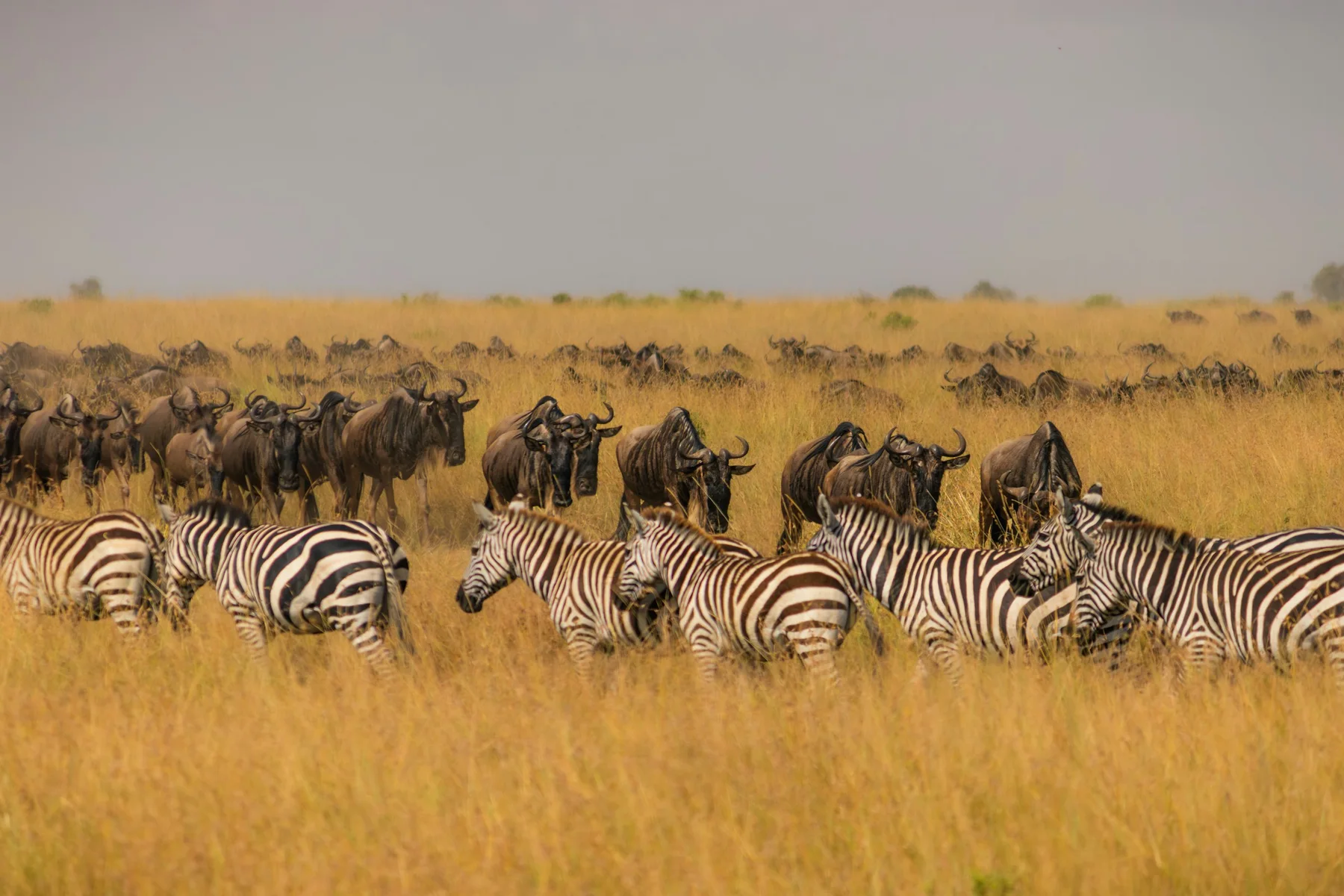
The independent July traveller remembered “hundreds of zebras running across open grassland”. That describes mass movement without claiming a river crossing.
Herds are not crossings
Seeing tens of thousands of wildebeest can be extraordinary even when no animal enters the Mara River.
Crossings are unpredictable
Herds can wait, retreat, cross elsewhere or move after a vehicle leaves. A guide can improve position but cannot schedule behaviour.
Waiting can dominate the day
Crossing attempts involve hours near the river and may compete with broader game viewing.
Crowd pressure concentrates
When guides anticipate a crossing, many vehicles can gather at limited approaches. That is not representative of the whole reserve.
River safety and etiquette
Vehicles should preserve approaches, keep distance and obey ranger instructions. Guests should not celebrate pressure that forces animals into the water.
Migration month is not one experience
July, August, September and October differ between years. A review date must be attached to the account.
Read the crossing guide
The Great Migration river-crossing guide explains herd movement, river geography, waiting and ethical positioning.
Read the seasonal comparison
The migration season versus green season guide compares crowds, colour, price and resident wildlife.
Migration review table
| Review phrase | Hidden question | Better booking question |
|---|---|---|
| “Saw the migration” | Herds or river crossing? | Which sector and what behaviour? |
| “Crossing camp” | How far from likely sites? | Gate, river sector and drive time? |
| “Best migration month” | Which year and rain pattern? | What is the flexible plan? |
| “No migration” | Wrong sector, date or expectation? | What resident wildlife was present? |
| “Too crowded” | One crossing site or whole stay? | Can the guide leave pressure behind? |
Crowding is the strongest negative theme
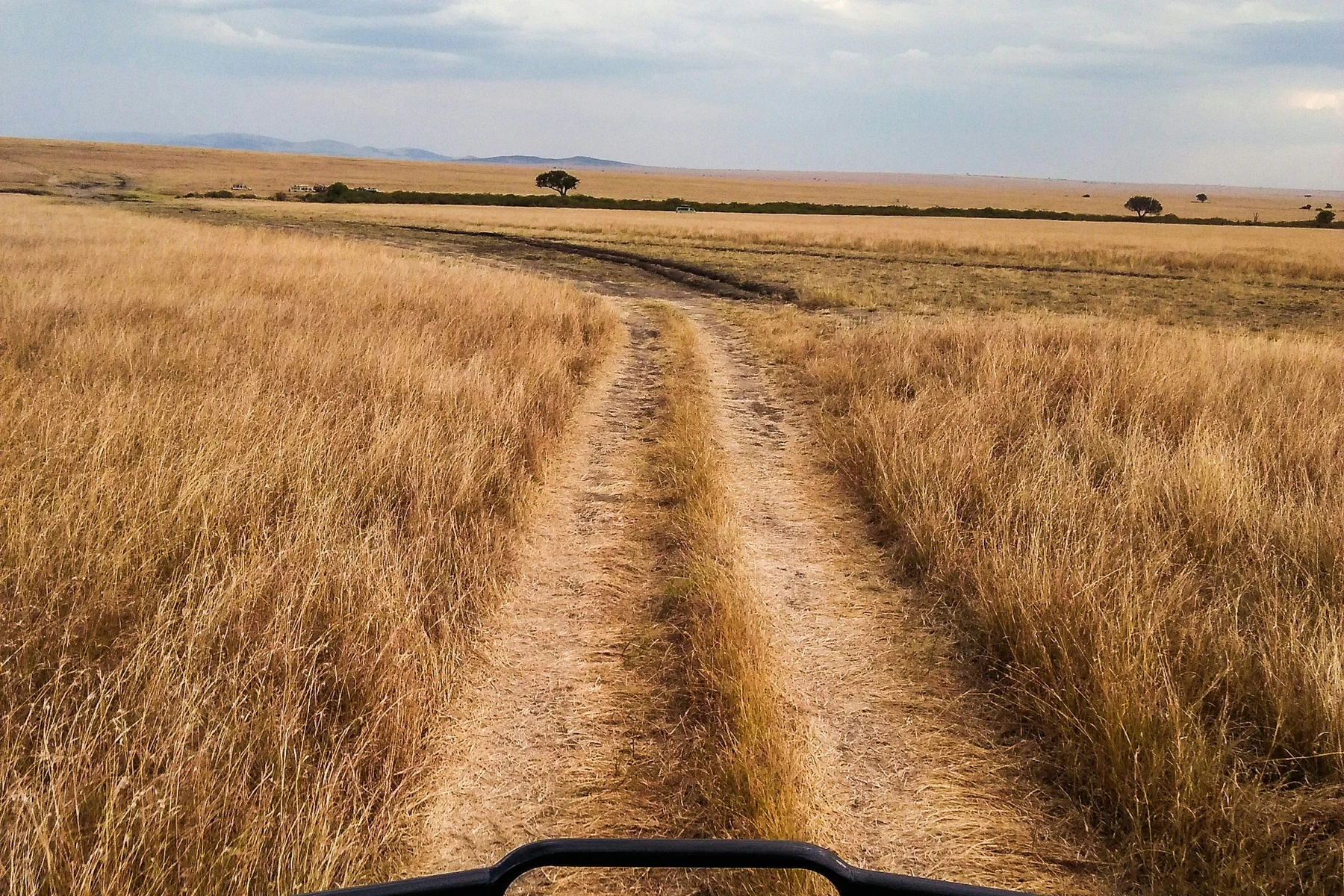
Complaints usually focus on vehicles around lions, leopards, cheetahs and river crossings rather than on empty roads between sightings.
April criticism
One reserve reviewer wrote, “The experience was somewhat ruined by vehicles overcrowding around popular animals like lions, leopards, cheetah etc.” The month shows that pressure is not limited to migration crossings.
Crowding can happen quickly
Radio calls, visible vehicle clusters and open terrain can turn one quiet sighting into a ring of cars.
Not every reserve drive is crowded
The reserve is large. A guide who knows lower-use sectors can find quiet, especially outside peak months and headline sightings.
Not every conservancy sighting is private
Conservancies cap beds and vehicles, but several partner cars can still gather around a rare animal. “Fewer” is not “none”.
Guide ethics become visible
The guide chooses whether to push into the cluster, wait, hold distance or leave for another part of the story.
Guest pressure contributes
Repeated requests to get closer or see every cat can encourage bad positioning. Tell the guide that ethical distance matters.
Vehicle design changes crowd perception
An open vehicle with one row per couple feels different from a van where several guests stand through one roof opening.
Private vehicle does not remove other vehicles
It gives control over departure and leaving, but a public reserve cat can still attract traffic.
Ten quiet minutes can be enough
A respectful view from farther away may reveal more behaviour than a close position surrounded by engines.
Official crowd controls
Reserve and Mara Triangle rules set animal distance, vehicle limits and waiting conduct. A violation observed in a review is not permission for the next guide.
Crowding comparison
| Setting | Typical pressure source | Useful response |
|---|---|---|
| River crossing approach | Many vehicles waiting for one event | Use an ethical guide and accept uncertainty |
| Big cat near main road | Radio and visible cluster | Wait at distance or leave |
| Conservancy rare sighting | Several partner vehicles | Follow conservancy cap and time rules |
| Quiet sector | Longer drive from popular routes | Spend time on broader ecology |
| Private vehicle | Guest controls departure | Tell guide quiet matters more than checklist |
Reserve versus conservancy accounts
Travellers repeatedly describe the choice as a difference in experience rather than a simple wildlife ranking.
Reserve strengths
The national reserve offers broad habitat, major river sectors, public gates and important migration locations.
Conservancy strengths
Partner-controlled access supports lower vehicle density, night drives, walking and carefully governed off-road positioning where rules permit.
One traveller’s split stay
A guest who spent time in Mara North and the reserve wrote, “Did not get bored at all, so many animals”. The split gave them difference without leaving the ecosystem.
Their conservancy conclusion
The same traveller said conservancies “are less crowded and can go further off-road”. That is a useful starting point, but exact rules still differ by conservancy.
Gate reality
Conservancy guests visiting the reserve must use legal access and pay the applicable fee. Wildlife crossing an invisible boundary does not create a vehicle shortcut.
Rough connecting roads
A contributor warned that “the roads are rough enough already”. Map distance between camp and gate does not equal quick travel.
Reserve day from a conservancy
One well-planned full day often works better than repeated short gate crossings. Confirm entry, picnic, guide and return time.
Combined answer
For many first-time visitors, three or four nights in a conservancy plus one full reserve day balances quiet activities with reserve geography.
Reserve-only answer
Choose an in-reserve or Triangle base when river access and long reserve drives dominate, then use a private guide to manage pressure.
Conservancy-only answer
Choose it when quiet, night drives, walking and camp-scale experience matter more than reaching distant river sectors.
Read the core guide
The Masai Mara safari guide maps reserve sectors, conservancies and gates.
Conservancy comparison links
Use the Naboisho Conservancy guide, Olare Motorogi guide, Mara North guide and Ol Kinyei guide to compare land models, camps and access.
Reserve and conservancy table
| Priority | Reserve or Triangle | Conservancy | Strong combined plan |
|---|---|---|---|
| Migration river sectors | Strongest access | Longer paid reserve day | Conservancy base plus one full day |
| Lower vehicle pressure | Possible in quiet sectors | Structurally stronger | Private guide in both |
| Night drive | Not ordinary reserve activity | Available through partners | Conservancy evening |
| Walking | Not ordinary reserve activity | Available through selected camps | Conservancy morning |
| Broad public-road geography | Strong | Smaller managed land units | Split or day visit |
| Off-track cat positioning | Restricted by reserve zones | Controlled under conservancy rules | Follow each land manager |
Guide quality may be the most important variable
Travellers often remember a guide's judgement, humour and patience more clearly than the thread count or bath shape in the room.
“Stellar guiding”
In a detailed Kicheche camp discussion, a repeat guest reduced the choice to one phrase: “It's all about the stellar guiding.” They had stayed at several properties and viewed personality differences as secondary to field quality.
Named-guide praise
Specific reviews describe what a guide did: waited, explained, read tracks, adapted to birds or protected an animal from crowding. This is more useful than “our guide was amazing”.
Continuity matters
The same guide over several days learns whether guests enjoy photography, birds, long sightings, breakfast in the bush or a gentle pace.
Transfer handoffs
Some itineraries use one person for the airport transfer and another for drives. Confirm who remains with you.
Reserve-day handoffs
A conservancy camp may send its regular guide into the reserve or use a different arrangement. The written plan should say.
Local territory knowledge
Guides who work one conservancy repeatedly understand pride movements, den sensitivity, seasonal water and low-impact approaches.
Radio judgement
A radio finds sightings, but chasing every call creates a frantic drive. Reviews praising quiet often reflect selective radio use.
Patience
Good guides let sleeping animals sleep and wait for behaviour instead of immediately moving to the next species.
Ethical refusal
A guide should be able to refuse a guest request that crowds, blocks or disturbs wildlife.
Bird knowledge
Birding competence expands slow hours and green-season drives. Ask for it if it matters rather than assuming every guide specialises.
Photography competence
Positioning for light, background and animal direction requires a different conversation from merely parking close.
Family interpretation
Children need stories, tracks and manageable sessions. Adult natural-history lectures can lose them quickly.
Guide language
Confirm the language and level of fluency needed for safety, humour and detailed explanation.
Guide-allocation questions
| Ask | Why it matters |
|---|---|
| Will the same guide stay with us? | Continuity and preferences |
| Is the vehicle private? | Control over route and duration |
| Which areas does the guide know best? | Local terrain and animal history |
| Can the guide support photography or birding? | Specialist interest |
| Who leads a reserve day? | Boundary and gate logistics |
| How does the guide handle crowded sightings? | Ethics and guest comfort |
Vehicle privacy changes reviews
A solo conservancy traveller noted, “I had the safari vehicle to myself”. That privacy gave complete control over pace and social energy.
Shared vehicle advantages
It reduces cost and can create good company. Another guest may notice a bird or ask a useful question.
Shared vehicle tradeoffs
Interests, bathroom needs, photography and return times require compromise. A low room count does not guarantee a low vehicle occupancy.
Seat position
Three rows with window access differ from a bench where guests lean across one another.
Pop-up van
A roof-opening van can offer good reserve viewing at a lower cost, but seat access, suspension and dust differ from an open Land Cruiser.
Open-sided vehicle
It improves side views and immersion but can be colder, dustier and more exposed to rain.
Closed vehicle
It can be comfortable for long road transfers and weather, with viewing through windows and roof openings.
Private vehicle for couples
It protects quiet and allows a honeymoon or photography pair to decide when a sighting has been enough.
Private vehicle for families
Snack breaks, short drives and toilet stops become easier. Some camps require it for young children.
Private vehicle for photographers
One person per row, camera rests and control of light can be worth more than a larger suite.
Vehicle review table
| Review complaint | Likely variable | Confirm before booking |
|---|---|---|
| Could not see from middle seat | Seating plan | Maximum guests and row allocation |
| Drive returned too early | Shared preferences or camp schedule | Flexibility and private supplement |
| Vehicle was cold | Open sides and dawn weather | Blankets, covers and clothing |
| Ride was exhausting | Suspension, road and hours | Vehicle model and daily pace |
| Photographer blocked view | Shared row and equipment | Dedicated row or private vehicle |
Road fatigue appears repeatedly
The journey from Nairobi can be culturally interesting and scenically varied, but reviews also describe rough final roads and long hours.
“Rough to be in a jeep”
One traveller wrote that “it's rough to be in a jeep for so long for so many days”. Their comment covered both transfers and repeated game-drive hours.
The road is not one surface
Nairobi traffic, highways, Narok, surfaced approaches and conservancy tracks create several different journey conditions.
Final kilometres
Rain, black-cotton soil and camp location make the last section unpredictable. The remaining distance can be short and still slow.
Road-arrival advantage
The same private guide and vehicle can continue through a Kenya circuit if the conservancy permits outside operation.
Road-arrival disadvantage
A full travel day reduces safari time and can leave guests too tired for the planned afternoon drive.
Fly-in advantage
Flights from Wilson Airport usually protect time and turn the airstrip transfer into a first game drive.
Fly-in disadvantage
Small aircraft impose soft-bag and weight restrictions and may make intermediate stops.
International connection risk
Wilson Airport and Jomo Kenyatta International Airport are separate. Immigration, luggage and traffic require a realistic buffer.
An overnight in Nairobi
It can protect the first safari flight after a late long-haul arrival and give delayed baggage time to catch up.
Road versus air review lens
| Account says | Ask next |
|---|---|
| “Drive was terrible” | Which month, road, vehicle and camp? |
| “Flight was easy” | Which airports, stops and baggage? |
| “Took all day” | Door-to-door duration and breaks? |
| “Airstrip transfer was long” | Named strip and camp position? |
| “Saw Kenya on the road” | Was that part of the traveller's goal? |
Read the road guide
The Masai Mara road conditions and gate guide explains routes, gates and seasonal risk.
Read the flight guide
The Masai Mara airstrips and flight guide covers Wilson Airport, baggage, airstrips and transfers.
Camp warmth is a recurring positive theme
Reviewers describe staff names, campfire conversations, guide humour and small acts of care more often than they describe expensive fittings.
“Great guides, delicious food”
A repeat Kicheche guest summarised one camp as having “Great guides, delicious food and a comfortable vibe.” The last word is subjective but useful. Atmosphere can be central to satisfaction.
Communal dining
Some guests love shared stories at one table. Others find mandatory communal meals draining after a social game drive.
Private dining
Ask whether it is available routinely, by request, for honeymoon occasions or only when staffing permits.
Hosted meals
Managers and guides may join, creating insight and warmth. A traveller wanting privacy should say so before arrival.
Food expectations
Remote camps can produce excellent meals, but imported ingredients, dietary substitutions and power limitations require advance notice.
Dietary needs
Send allergies and restrictions in writing. “Vegetarian” and “vegan” should not be left to arrival-day interpretation.
Tent sound
Canvas makes hippos, rain and lions vivid. Light sleepers may interpret the same soundscape as magical or exhausting.
Unfenced safety
Escorts after dark are normal. A review complaining about restricted walking may reflect a real wildlife safety system.
Room position
Distance from the main area, river noise, generator sound, view, stairs and animal paths vary within one camp.
Luxury definition
Large suites, private pools and spas matter to some travellers. Others define luxury as a quiet vehicle and excellent guide.
Small camp
It can offer intimacy and individual recognition. It can also mean limited menu choice and close social contact.
Large lodge
It can offer pools, family facilities and operational resilience. It may feel less personal and add vehicles.
Camp-review decoding
| Review phrase | Possible meaning | Verify |
|---|---|---|
| “Authentic camp” | Canvas and informal atmosphere | Bathroom, power and room size |
| “Luxury tent” | Can range widely | Exact category and facilities |
| “Friendly team” | Strong personal interaction | Hosting and dining style |
| “Remote” | Quiet or logistically distant | Airstrip and reserve drive time |
| “Family atmosphere” | Warmth or communal expectations | Private dining and privacy |
| “Wild at night” | Immersive sound or sleep issue | Tent position and ear protection |
Wildlife outside the tent
Animals near camp can be thrilling, but no guest should leave the tent or path without the required escort.
Pool value
Families and four-night guests may use a pool more than fast-moving itineraries suggest. Check supervision, heating and seasonal operation.
Spa value
A treatment can balance early starts, but it should not justify a premium if there is no time to use it.
Laundry
Inclusions, cultural exclusions and drying time vary. Green-season rain can delay service.
Power
Solar camps may schedule high-load devices. Photographers need a specific charging and backup plan.
Wi-Fi
Some travellers value disconnection. Others need reliable work or family contact. Ask where it works and avoid treating “available” as a speed guarantee.
Peak season and green season produce different reviews
Many apparent contradictions disappear when the month is added.
July enthusiasm
The July account praised comfortable temperatures, open grassland and massed zebras. It also travelled during a season of strong demand.
Shoulder-season solitude
A solo traveller returning between heavy rains and dry season wrote, “It was peaceful and green”. That is a different visual and social product from August.
Green is not empty
The same traveller listed lions, cheetahs, elephants, hyenas, hippos and many other animals. Resident wildlife supports the season.
Rain changes roads
Green-season value comes with mud, tall grass, storms and possible camp closures.
Dry season changes pressure
Firm tracks and migration demand draw more vehicles and raise prices in popular weeks.
January to March
Warm green-to-drying landscapes, young animals and birds can produce strong reviews without migration crowds.
April to May
Quiet and saturated colour attract some travellers. Closures and difficult access disappoint guests who expected every camp to operate.
June
Cool transition conditions can offer value before peak migration demand, though herd timing remains uncertain.
July to October
Dry-season migration potential brings iconic scenes, high rates and concentrated traffic at headline locations.
November to December
Short rains refresh grass and skies. Festive dates can still be busy and expensive.
Season-review table
| Review theme | Likely season link | Planning response |
|---|---|---|
| Lush and quiet | Green or shoulder period | Check camp opening and roads |
| Dusty and crowded | Dry peak | Choose conservancy or quiet sector |
| Cold morning | June to August common | Pack layers |
| Tall grass | After rain | Accept different visibility |
| Migration herds | Variable dry-season movement | Do not guarantee crossing |
| Great value | Often lower-demand dates | Compare exact inclusions |
Solo travel reviews
Solo guests often worry about safety, loneliness and supplements before they worry about wildlife.
“I felt very safe”
The solo conservancy traveller wrote, “I felt very safe”. Their positive experience included camp systems and hosted activities, not a claim that travel is risk-free.
“It’s not lonely”
They added that guests mingle “around the campfire or during game drives so it's not lonely”. Small camps can make social contact easy without requiring a tour group.
Single supplements
Some seasons or camps reduce them. Others price rooms for double occupancy. Compare the full solo total.
Shared vehicle for solo guests
It can supply company and reduce cost. A private vehicle protects specialist interests but can be expensive.
Private dining for solo guests
Some prefer hosted tables; others need quiet. State the preference without assuming the camp's default.
Solo safety
Airport transfer, camp escorts, medical cover and communication matter. Gender-specific accounts provide useful questions but not universal guarantees.
Family reviews
Family satisfaction depends on ages, private vehicle, room layout, meals, safety and drive length.
Children and long drives
An adult's six-hour wildlife session can be too much for a child. Private vehicles allow a shorter return.
Family tent
The name can mean connected rooms, one large room or separate units. Ask for a plan.
Unfenced camp
Children must follow escorts and tent rules. A pool does not turn a wildlife camp into a conventional resort.
Guide engagement
Tracks, skulls, birds and short walks can preserve curiosity better than demanding silent cat-watching.
Child pricing
Age, room sharing and vehicle rules all affect the quote. Provide dates of birth.
Couple and honeymoon reviews
Couples often praise private meals and room gestures, but quiet vehicle time and itinerary pace can matter more.
Over-programming
A dawn drive, breakfast, walk, lunch, tea, afternoon drive and private dinner leave no private afternoon. Choose, rather than stacking every inclusion.
Social-style table
| Traveller | Repeated concern | Strong planning response |
|---|---|---|
| Solo | Safety, company and supplement | Small hosted camp and clear vehicle basis |
| Family | Drive length and room layout | Private vehicle and exact floor plan |
| Honeymoon | Privacy and special pacing | Quiet camp, private vehicle and free time |
| Photographer | Seat and light | Dedicated row or private vehicle |
| Older traveller | Steps and long hours | Mobility map and gentler schedule |
| First safari | Too many choices | One strong base and clear guide |
Walking and night-drive accounts
Conservancy travellers often value activities that are not ordinary reserve options.
Walking expectation
A walk focuses on tracks, plants, birds and space rather than approaching dangerous animals.
Night-drive expectation
Night drives reveal nocturnal behaviour, but lighting, duration and guide skill determine quality.
Add-on fatigue
An activity is not valuable merely because it is included. Fit it around rest and game viewing.
Read the walking guide
The walking safaris in the Greater Mara guide explains formats, safety and current camp questions.
Read the night-drive guide
The Masai Mara night game drives guide explains land rules and responsible lighting.
Photography accounts
Many glowing reviews are built around images. Vehicle position, guide patience and ethical distance deserve more attention than camera model.
Read the photography guide
The Masai Mara photography guide covers lenses, seats, light and etiquette.
Cost and value split opinion
Travellers agree that the Mara can be expensive. They disagree about which parts justify the money because value depends on wildlife interest, privacy, comfort and time.
“Wasn’t cheap”
The July traveller wrote, “Wasn't cheap. But worth every penny.” The first sentence should not be erased by the second. A meaningful trip can still strain a budget.
Headline rate hides the trip
A room rate may exclude conservancy or reserve fees, flights, transfers, private vehicle, drinks, ballooning and medical evacuation.
Budget safari value
A shared road departure and simple camp can deliver excellent reserve wildlife. The tradeoffs are travel time, vehicle sharing, room simplicity and a fixed schedule.
Mid-range value
Comfortable lodges and permanent camps add private bathrooms, reliable meals and more space. Location and vehicle policy remain more important than the label.
Luxury value
High rates can buy low room count, larger suites, stronger privacy, specialist guiding, included drinks and more polished logistics.
Ultra-luxury limit
A private pool cannot improve a crowded shared vehicle. Put the field experience beside the room when evaluating value.
Conservancy premium
Part of the price supports controlled access and land leases. The benefit is a different tourism model, not simply more decoration.
Peak-season premium
Migration demand raises rates without guaranteeing a crossing. Pay for the season only if its broader character matters.
Flight premium
Flying protects time. For a three-night trip, the saved hours can be more valuable than a room upgrade.
Private-vehicle premium
For photographers, families and quiet-seeking couples, vehicle control often produces the clearest improvement.
Longer-stay value
Four nights at one strong camp can produce better guide continuity and less transfer waste than three properties in six nights.
Quote normalisation
Compare the same dates, room, occupants, fees, vehicle, transfer and activities. Totals without aligned assumptions are misleading.
Quote table
| Line | Quote A | Quote B | Clarify |
|---|---|---|---|
| Exact property and room | Same category and occupancy? | ||
| Dates and nights | Same rate season? | ||
| Conservancy or reserve fees | Included for every day? | ||
| Vehicle | Private or shared maximum? | ||
| Flights or road transfer | Both directions and all taxes? | ||
| Meals and drinks | Same inclusion level? | ||
| Activities | Walk, night drive and bush meals? | ||
| Laundry and evacuation | Included or separate? | ||
| Cancellation | Same deadlines and penalties? |
Published prices age quickly
Fees, taxes, exchange rates and camp seasons change. A review total is evidence of one booking, not a current quotation.
Currency matters
Ask which currency governs and which exchange rate applies. A converted display may not be the settlement amount.
Payment security
Verify beneficiary and bank details through a second channel. A sudden account change is a fraud warning.
Insurance value
Coverage should begin when the first non-refundable payment is made and include medical treatment, evacuation, cancellation and activities.
Negative reviews are not problems to dismiss
The most useful criticism reveals a mismatch between expectation and design or a real failure that should be checked.
Crowding criticism
It may indicate peak location, weak guide judgement or reserve pressure. Ask all three questions.
Road criticism
It may reflect rain, route, vehicle or an unrealistic transfer promise. Name the journey.
Room criticism
It may be maintenance, category mismatch or a guest expecting hotel soundproofing from canvas. Request current images and layout.
Food criticism
Look for repeated detail about temperature, dietary handling or hygiene rather than one disliked dish.
Service criticism
Names, dates and described events are more useful than “staff were rude”. Management may have changed.
Guide criticism
Unsafe driving, animal harassment and dismissing interests are serious. A quiet day without cats is not guide failure.
Wildlife criticism
No camp can guarantee species. A seller promising a specific animal deserves scrutiny, while a guide managing uncertainty deserves support.
Noise criticism
Check whether it came from wildlife, a generator, road, village, aircraft or another room. Those have different solutions.
Mosquito criticism
Season, net condition, tent use and personal protection matter. Follow current medical guidance rather than review folklore.
Cultural-visit criticism
Pressure to buy, unclear payments or intrusive staging deserve attention. Ask who hosts and how consent works.
Balloon criticism
Weather cancellation, landing, transfer length and basket capacity should be explained before booking.
Review response
A calm, specific management response can reveal accountability. A defensive template can reinforce the concern.
Repetition threshold
Several recent, detailed reviews describing the same maintenance or guide problem deserve direct questions. One old outlier does not establish current reality.
Recency
Recent reviews better reflect staff and rooms. Older accounts can still explain geography, atmosphere and enduring logistics.
Negative-review triage
| Complaint | Severity | Next check |
|---|---|---|
| Wildlife not seen | Low as operating evidence | Season, days and expectations |
| Crowding and harassment | High ethical relevance | Guide and land-use plan |
| Food preference | Personal unless repeated | Menus and dietary handling |
| Dirty room or broken plumbing | Operational concern | Recent pattern and renovation |
| Long transfer | Planning concern | Current route and realistic time |
| Unsafe driving | Serious | Operator response and guide policy |
| Unclear fees | Commercial concern | Itemised written quote |
Positive reviews need the same scrutiny
“Perfect” is not a planning detail. Find the camp, guide, room, vehicle, month and trip length behind the praise.
Wildlife superlatives
“Animals everywhere” may describe one exceptional day. Ask how the guest spent less dramatic hours.
Service superlatives
“Treated like family” can be wonderful or too social for an introvert. Decide which meaning suits you.
Luxury superlatives
“Most luxurious” says little without room category, privacy, view and field experience.
Location superlatives
“Best location” depends on target: river crossings, conservancy quiet, airstrip convenience or resident cats.
Value superlatives
“Worth every penny” depends on the traveller's disposable budget and priorities. Use the cost lines, not the conclusion.
Video can supply missing context
Independent vlogs show vehicle height, road vibration, camp scale, room sound and the actual time between highlights.
Video is still edited
A forty-minute vlog condenses several days. Music and cuts remove waiting, fatigue and failed sightings.
Sponsorship disclosure
Check whether the stay was paid, discounted or hosted. A hosted traveller can still be honest, but the relationship belongs in the interpretation.
Seller links
Affiliate links do not automatically invalidate a video. They do create an incentive that should be visible.
Independent luxury vlog
The Curry Couple's Masai Mara full vlog shows a fly-in luxury stay, game drives, room, balloon morning, walking and celebratory elements. It is useful for visual scale, not proof that every stay follows the same sequence.
Independent budget vlog
Nav and Shish's budget Masai Mara vlog shows a road-based three-day format, simple tented accommodation and shared vehicle structure. Its historical prices should not be used as current rates.
Why both videos belong
They show how radically the same destination changes between budget road travel and a luxury fly-in camp. Neither is the single authentic Mara.
What to watch in a vlog
| Watch for | What it reveals |
|---|---|
| Uncut road segments | Surface and vehicle vibration |
| Room entry | Real scale and privacy |
| Vehicle rows | Seat access and group size |
| Meal scenes | Dining and social style |
| Time stamps | Transfer and activity duration |
| Other vehicles in frame | Actual sighting pressure |
| Sponsor statement | Commercial relationship |
What not to infer from a vlog
One animal sequence does not establish normal density. One sunny week does not establish climate. One room does not represent all categories.
Maasai visit reviews need care
Travellers may describe singing, jumping, homes, school visits and craft markets. The ethical question is who invited the visit and who controls it.
Consent
Hosts should determine photography, home access and which stories are shared.
Payment
Ask how the visit fee reaches hosts and whether craft purchases are optional.
Present-day life
Maasai people are contemporary landowners, guides, managers, students and entrepreneurs, not a frozen historic display.
Tourism performance
Some elements may be deliberately presented for guests. Transparency is more respectful than pretending no performance exists.
School visits
Children should not become tourist attractions. Use invited programmes with safeguarding and a clear educational purpose.
Photography
Permission from a guide does not replace permission from the person photographed.
Buying crafts
Ask prices without hostility, buy only if you want to and avoid promising later donations you will not make.
Review wording
Accounts saying “authentic” should explain what felt genuine: conversation, host control, time, payment or context.
Cultural visit questions
| Question | Strong answer |
|---|---|
| Who invited the visit? | Named community or host arrangement |
| Where does the fee go? | Transparent beneficiary and basis |
| Can guests decline photographs? | Yes, with no pressure |
| Can hosts decline photographs? | Yes, individually |
| Are purchases required? | No |
| How are children protected? | Clear safeguarding practice |
Balloon reviews
Ballooning can be a highlight, but reviews often focus on the view and skip the early transfer, basket position and landing.
Sunrise is weather-dependent
Wind and visibility determine launch. Safety cancellation should be accepted even when the morning was expensive.
Basket capacity
Ask how many passengers share compartments and whether mobility affects entry, standing or landing position.
Total morning
Transfers, briefing, flight, landing and breakfast can consume much of the morning. Decide what game-drive time it replaces.
Landing
Some landings are upright and others involve the basket tipping. Follow the pilot's position instructions.
Balloon photography
Wide landscapes work better than expecting close animal portraits. Secure every item.
Read the balloon guide
The Masai Mara hot-air-balloon guide covers launch areas, safety, timing and questions.
How many nights reviews support
Many travellers say a longer stay did not become boring, while others report fatigue from too many consecutive vehicle hours.
Three nights
This gives an arrival drive, two fuller days and a departure morning. Weather and wildlife luck remain concentrated.
Four nights
It allows one slow afternoon, a reserve day from a conservancy or a special activity without sacrificing every drive.
Five nights
It supports guide continuity, patient behaviour watching and weather resilience. Pacing becomes important.
Six or more nights
A split between genuinely different areas can add variety, but each move costs packing and transfer time.
One night
It is a connection, not an adequate Mara safari. Arrival and departure logistics dominate.
“Did not get bored”
The eight-night reserve and conservancy traveller wrote, “Did not get bored at all, so many animals”. Their split and interests made the length work.
Fatigue counterpoint
Another traveller warned about being in a vehicle for many days. Both can be true: wildlife remains varied while the body needs a different rhythm.
Pacing answers the contradiction
Add a walk, pool, long lunch, short evening or camp change only when it refreshes rather than fills a checklist.
Length table
| Nights | Main strength | Main risk | Better use |
|---|---|---|---|
| 1 | Connection | Almost no real safari time | Avoid unless necessary |
| 2 | Short taste | Weather and wildlife luck | One area only |
| 3 | Standard introduction | Compressed activities | Prioritise drives |
| 4 | Balanced stay | Higher total | Add rest or reserve day |
| 5 | Depth | Vehicle fatigue | Vary pace |
| 6+ | Two areas and resilience | Transfer creep | Split only for real contrast |
Review-derived itinerary questions
- Which exact land unit does the camp occupy?
- How long is the drive to the reserve gate or river sector?
- What is the vehicle maximum?
- Is a private row or vehicle guaranteed?
- Will the same guide stay with the guests?
- How does the guide handle crowded sightings?
- Which activities are legal and included on that land?
- How many hours does road arrival realistically take?
- Which airstrip and baggage rule apply?
- What is the room category and position?
- Is dining communal, private or flexible?
- Which fees and drinks are excluded?
- What closes or changes in the chosen month?
- What happens if ballooning or a walk is cancelled?
- How is a cultural visit invited and paid?
A practical review-reading method
Start with the claim, then recover the date, location, traveller and operating detail around it.
Step one: identify the land
Reserve, Triangle and conservancy are not interchangeable labels.
Step two: identify the month
Weather, migration and pressure need seasonal context.
Step three: identify the property
The camp location and management shape more than the destination name.
Step four: identify the room
Category and position explain many comfort contradictions.
Step five: identify the vehicle
Private, shared, open or pop-up changes the day.
Step six: identify the guide
Specific behaviour is more useful than praise alone.
Step seven: identify the expectation
A traveller seeking crossings judges differently from a birder or honeymooner.
Step eight: look for repeated specifics
Several recent reports about the same road, maintenance or vehicle policy deserve weight.
Step nine: verify unstable facts
Use official camp, conservancy and county sources for current fees, rules and access.
Step ten: write the question
Convert every concern into a line that can be answered in the itinerary.
Review worksheet
| Field | Account 1 | Account 2 | Account 3 |
|---|---|---|---|
| Travel month | |||
| Reserve or conservancy | |||
| Exact camp and room | |||
| Vehicle and guide | |||
| Nights | |||
| Strongest positive | |||
| Strongest negative | |||
| Current fact to verify |
Common mistake: reading only five-star reviews
Mixed and negative accounts often contain the clearest operational detail.
Common mistake: reading only the worst review
One failure or mismatch may no longer represent the camp. Look for current patterns.
Common mistake: ignoring the month
A May mud complaint and September dust complaint can both be accurate.
Common mistake: mixing reserve and conservancy
The name Masai Mara covers different land rules. Attach every claim to a place.
Common mistake: copying the animal list
Wildlife moves. Copy the planning decisions, not the species outcome.
Common mistake: copying the price
Rates and fees change. Copy the inclusion questions, not a historical total.
Common mistake: treating sponsored video as neutral
Check disclosure and use the footage for visual context rather than accepting every conclusion.
Common mistake: treating a solo account as a safety guarantee
Use it to understand systems and questions, not to erase personal risk.
Common mistake: treating a luxury review as universal value
Large rooms may not matter to a guest who wants guiding and wildlife time.
Common mistake: demanding another traveller’s guide
Availability changes. Ask for the same qualification and guiding style when the named person is unavailable.
Common mistake: assuming private means empty
A private conservancy is community land with controlled tourism, not an uninhabited estate.
Common mistake: overfilling the day
Review highlights are edited from several days. They did not all occur in one morning.
Review red flags
Not every public account deserves equal weight. Some are too vague to help, some repeat seller language and some appear to review an attraction the writer never used.
No travel date
Without a month and year, weather, management, rates and migration claims cannot be placed in context.
No exact property
“Our Mara lodge” is not enough when dozens of properties use similar names and sit on different land.
No first-hand detail
A review that repeats a brochure's adjectives but never names a room, drive, meal, guide or transfer may not reflect direct experience.
Identical wording
Repeated text across several profiles or platforms can indicate copying or coordinated promotion. Search a distinctive sentence before trusting it.
Species catalogue without behaviour
An implausibly complete animal list can be marketing shorthand. First-hand accounts usually contain small, untidy details and missed sightings too.
Perfect certainty
Claims that a camp guarantees a crossing, kill or Big Five day contradict the basic uncertainty of wildlife.
Hidden commercial identity
A tour seller answering as an ordinary traveller has an undisclosed incentive. Check the profile and linked websites.
Competitor attack
An account that criticises one property while directing readers to another deserves scrutiny, especially when it lacks booking detail.
Review exchange
Discounts or perks for positive reviews can bias a sample. A platform label or disclosure should remain attached.
Incentive does not prove falsehood
A hosted stay can still produce accurate observation. It changes the weight of praise and requires disclosure, not automatic dismissal.
Platform verification
“Verified stay” can strengthen evidence that a booking occurred, but it does not make every opinion objective or every factual claim correct.
Profile history
A long profile with varied destinations can add confidence. A new profile can also belong to a genuine first-time reviewer, so use it as one signal only.
Photos
Original room, vehicle and meal photographs add useful detail. They still need dates, because renovations and operations change.
Management responses
Specific answers that acknowledge dates, staff and corrective action are more informative than either silence or a generic apology.
Language patterns
Natural reviews contain personal priorities, uncertainty and tradeoffs. Text that sounds like a keyword list may have been shaped for promotion rather than recollection.
Red-flag table
| Signal | Possible explanation | Sensible response |
|---|---|---|
| No date or property | Vague memory or recycled text | Do not use for planning facts |
| Guaranteed wildlife language | Marketing or misunderstanding | Reject the guarantee |
| Direct booking link and praise | Affiliate or seller relationship | Check disclosure |
| Repeated identical paragraph | Copying or campaign | Search exact wording |
| Specific room and guide detail | More likely first-hand | Verify current operation |
| Balanced positive and negative | Personal tradeoff visible | Compare priorities |
Build a source mix
Use several review platforms, independent discussions, videos and official sources. No single platform captures every budget, nationality or camp style.
Use official sources for rules
County, conservancy and camp pages should settle current gates, activities, access and room inventory. Traveller accounts show how those arrangements felt.
Use travellers for texture
Reviews are strongest on fatigue, atmosphere, social style, room noise, guide interaction and the emotional rhythm of a day.
Use maps for location
A camp name can obscure a long reserve transfer. Plot camp, gate, airstrip, river sector and neighbouring boundaries.
Use current photographs for rooms
Ask for the precise category, not the most photogenic suite in a general gallery.
Use the written itinerary as the final record
Every decision drawn from research should become a named room, vehicle, guide basis, fee, transfer or activity in the booking document.
A final evidence hierarchy
| Question | Best first source | Supporting source |
|---|---|---|
| Is a night drive permitted? | Land manager or current camp | Recent guest account |
| How did the room feel? | Recent guest photos and review | Current room plan |
| What does the fee include? | Dated written quote | Current rate sheet |
| Was the road tiring? | Detailed dated account | Current route advice |
| Is the guide patient? | Repeated specific reviews | Direct planning conversation |
| Will a crossing happen? | No source can guarantee it | Current herd reports only guide probability |
Frequently asked questions
Is the Masai Mara worth visiting?
Many independent travellers describe exceptional wildlife and emotional impact. Value still depends on budget, guide, season, vehicle, location and expectations.
Is the reserve always crowded?
No. Pressure concentrates around popular animals, river crossings, roads and peak periods. Quiet sectors and times remain possible.
Are conservancies always quiet?
They structurally limit access, but several partner vehicles can still share a rare sighting. Exact policy and camp density matter.
Is the wildlife better in the reserve?
The reserve has broad habitats and important migration sectors. Conservancies can have excellent resident predators and plains game. Wildlife moves across boundaries.
Should I stay in a conservancy or the reserve?
Choose by activities, vehicle pressure, river access and camp style. A conservancy stay with one full reserve day works for many first trips.
How many nights do reviews support?
Four nights is a balanced starting point. Three can work, while five adds depth when the daily pace includes rest.
Is road travel as bad as reviews say?
It can be long and rough, especially on final tracks or in rain. The exact route, vehicle, camp and month determine the experience.
Is flying worth the cost?
It often protects a day on short trips. Baggage limits, Wilson Airport transfer and intermediate stops must be planned.
Do I need a private vehicle?
Not always. It is especially valuable for families, photographers, honeymoon privacy and guests who dislike crowded sightings.
Can reviews predict migration crossings?
No. They show what happened on past dates. Herd movement and river entry remain unpredictable.
Are green-season reviews reliable?
Yes when date and camp operation are clear. Green conditions can bring excellent resident wildlife, birds and quiet alongside mud and closures.
Are independent YouTube videos useful?
Yes for vehicle, room, road and pacing context. Check sponsorship and remember that editing compresses waiting and fatigue.
How should I use a negative camp review?
Identify the date, room, guide and specific failure, then look for a recent repeated pattern and request a current answer.
Are quoted prices still valid?
Do not assume so. Request a dated, itemised quote with room, fees, vehicle, transport, drinks and cancellation terms.
What do travellers value most?
Repeated accounts emphasise wildlife, guide quality, quiet or ethical viewing, camp warmth and a daily pace suited to the traveller.
Final perspective
What travellers say about the Masai Mara is not one verdict. The place is too large, seasonal and variable for that. The useful pattern is a set of relationships. More vehicles gather where a famous animal becomes visible. A private guide gives more control but cannot empty a public road. A green month can be peaceful and rich, while a dry month can deliver extraordinary herds and intense pressure. A beautiful room improves the afternoon, but the guide and vehicle shape most waking hours.
Read reviews for the details people accidentally reveal. Which gate did they use? How many guests shared the row? Did they fly or arrive after a full road day? Was the camp inside the reserve, beside it or in a controlled conservancy? What did the guide do when the leopard drew a crowd? Those answers can be planned. The leopard cannot.
Sources and further reading
- Masai Mara National Reserve Management Plan
- Mara Triangle park rules
- MMWCA conservancy directory
- MMWCA conservancy map
- Independent July migration account
- Masai Mara reserve April 2026 review
- Solo shoulder-season conservancy account
- Reserve and conservancy split account
- Five-day pacing discussion
- August reserve and conservancy discussion
- Kicheche camp comparison discussion
- Independent conservancy experience
- The Curry Couple luxury Masai Mara vlog
- Nav and Shish budget Masai Mara vlog
Let us plan the Mara you actually want
Share dates, guests, wildlife priorities, crowd tolerance, vehicle needs, camp style, transport and budget. We will verify current facts and build the itinerary around your preferences.