Migration Season vs Green Season in the Mara
Compare herd scale with green landscapes, then weigh crossings, resident wildlife, crowds, roads, light, camps, comfort and budget.

- First, define the two seasons honestly
- Green season is not one fixed block
- High season is a commercial label
- The migration is a moving system
- Resident wildlife does not migrate away
- The Loita herds matter too
- The choice at a glance
- What migration season actually offers
- Herds on the plains
- Dust as part of the story
- Sound before sight
- Predators around the herds
- Scavengers are part of the migration
- River crossings
- A crossing is not an appointment
- There is more than one river point
- Crossings can happen in both directions
- Ethical crossing behaviour
- Migration rewards time
- Migration highlights table
- What green season actually offers
- The first green flush
- Storm light
- Clean air
- Water in the landscape
- Tall grass changes visibility
- Resident predators remain
- Young animals
- Birdlife expands the safari
- Fewer vehicles
- Green-season highlights table
- Migration season vs green season in the Mara is not a wildlife versus no-wildlife choice
- Herd density
- Predator visibility
- Elephant experience
- Giraffe experience
- Hippo and river life
- Small animals become the story
- Wildlife comparison table
- Crowds during the migration
- The crowd is not spread evenly
- Vehicle numbers alter animal behaviour
- Conservancies can change the density
- Quiet green-season drives
- Shared vehicle dynamics
- Crowd comparison table
- Weather is not a calendar promise
- The long rains
- The short rains
- January and February
- June as transition
- July to October
- November and December
- A month-by-month planning table
- Rain rarely follows a neat daily script
- Clouds can improve a game drive
- Cold mornings surprise travellers
- Heat and dust also affect comfort
- Forecasts close to travel
- Roads in migration season
- Roads in green season
- One storm can change one sector
- Use the correct gate
- Flood planning
- April and May in detail
- Weather and access table
- Photography in migration season
- Dust and backlight
- Riverbank exposure
- Photographing crowds honestly
- Photography in green season
- Rain protection
- Green grass and autofocus
- White balance and green colour
- The photography guide
- Photography comparison table
- Rates and value
- Do not compare only the nightly rate
- Migration value
- Green-season value
- Camp closures matter
- Festive season is different
- Flights follow demand
- Private vehicle cost
- Value comparison table
- Choosing a camp for migration
- River proximity is a tradeoff
- Use two sectors
- Seasonal camps
- Choosing a camp for green season
- Drainage matters
- Conservancies in green months
- The camp should fit the season
- Camp comparison table
- Sector choice during migration
- The Mara Triangle
- Musiara and the northwestern reserve
- Talek and central-eastern areas
- Eastern plains and conservancies
- Sector choice in green season
- Avoid long daily commutes
- Compare sectors in detail
- Sector table
- Families in migration season
- Families in green season
- Young children and patience
- Teenagers and photography
- Family room availability
- Honeymoons in migration season
- Honeymoons in green season
- Milestone trips
- Multi-generational travel
- Traveller-fit table
- What travellers say about migration months
- “It really feels like you are in a documentary.”
- “I went in July and got to witness the Great Migration.”
- “There may have been more than 100 jeeps and vans”
- What travellers say about green months
- “I much prefer low season to peak season.”
- “Far fewer people and no shortage of wildlife.”
- “happy to take the rain on the chin.”
- “the light when the dust is washed out of the air is incredible for photography.”
- “would have no hesitation visiting the Mara at that time.”
- “we got stuck severely times”
- Read reviews for fit, not certainty
- Review-reading table
- How many nights in migration season
- How many nights in green season
- Split stays
- One camp can be better
- Migration itinerary rhythm
- Green-season itinerary rhythm
- Full day or split drives
- Night drives
- Ballooning
- Bush dining
- Itinerary length table
- A decision path for migration lovers
- A decision path for crowd-sensitive travellers
- A decision path for photographers
- A decision path for fixed dates
- A decision path for flexible dates
- A decision path for short stays
- A decision path for repeat visitors
- Decision table
- Common migration mistakes
- Treating July as a guarantee
- Choosing the wrong sector
- Underestimating crowds
- Booking too late
- Ignoring resident wildlife
- Common green-season mistakes
- Choosing a road-biased vehicle
- Packing no rain protection
- Filling every hour
- Assuming low demand means every camp is open
- Season mistakes table
- Frequently asked season questions
- When is migration season in the Masai Mara?
- When is green season in the Mara?
- Is July guaranteed for migration?
- Can a camp guarantee a river crossing?
- Is green season bad for wildlife?
- Does it rain all day in April?
- Are all camps open in April and May?
- Is the Mara crowded in migration season?
- Is green season cheaper?
- Which season is best for photography?
- Which season is best for a honeymoon?
- Which season is best for children?
- Should I split the stay between reserve and conservancy?
- How many nights should I spend in the Mara?
- Can I see big cats outside migration season?
- Is December migration season?
- Is June migration or green season?
- Where should I stay for a river crossing?
- The more useful question
- If you choose migration season
- If you choose green season
- If you still cannot choose
- Final comparison checklist
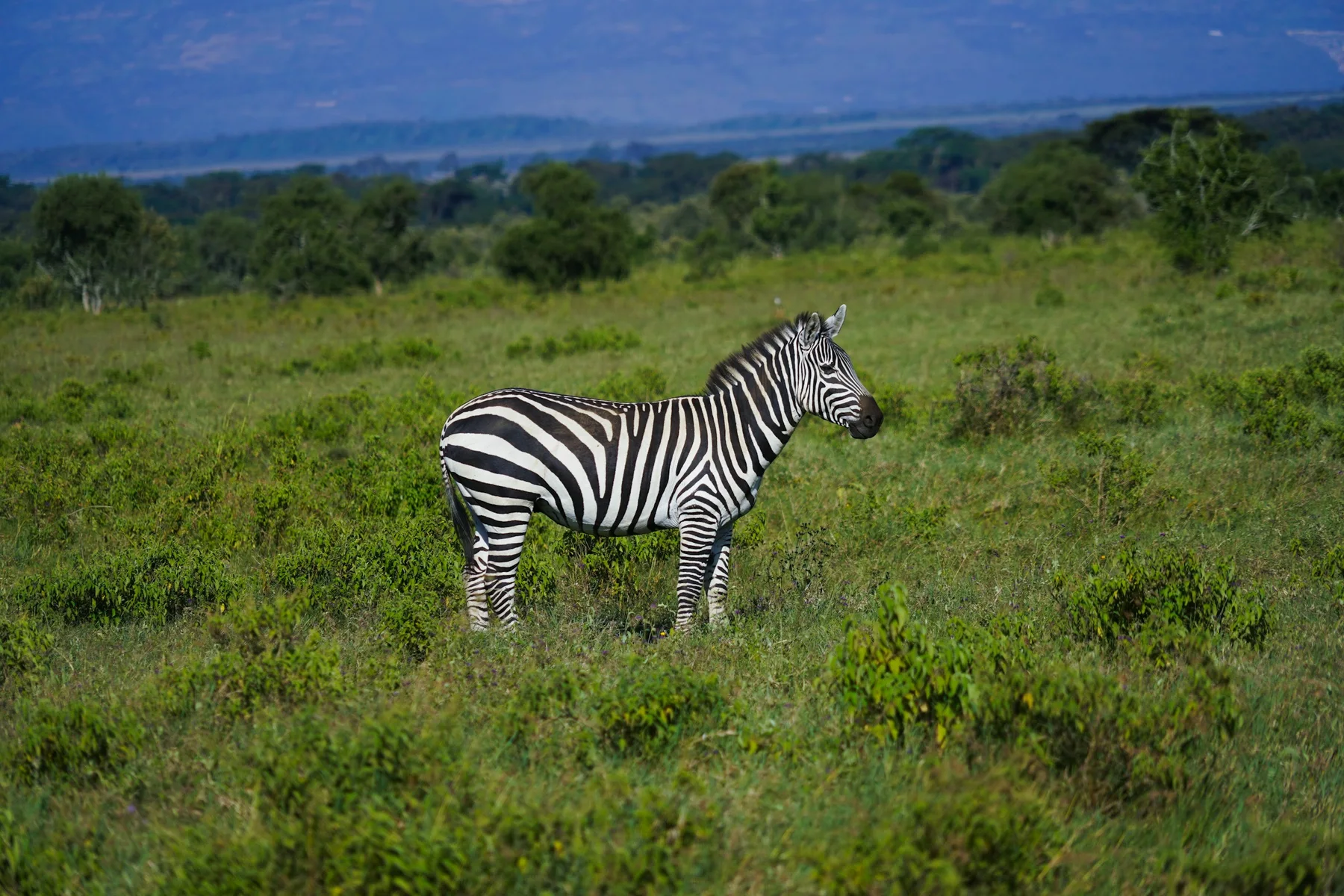
The Mara can change colour while you are looking at it. In one photograph, dust hangs above a long dark line of wildebeest and every bend in the river seems to hold a waiting vehicle. In another, a zebra stands in grass so green that its stripes look freshly painted, a storm gathers over the escarpment and there is nobody else in the frame.
Both photographs can be truthful. Neither tells you which season will suit your safari.
Choosing migration season vs green season in the Mara is less about finding the universally “best” month and more about deciding what you want to feel, see and photograph. Do you want the scale of moving herds, even if the most famous areas are busy? Would you trade a crossing chance for green plains, dramatic light and quieter game drives? Can your dates flex around rain, or does every transfer need to run tightly?
First, define the two seasons honestly
“Migration season” usually means the period when large Serengeti-Mara herds are in or moving through the Kenyan Mara. The Mara Triangle says this usually begins somewhere in June or July and can continue until November. Exact arrival and departure shift with rain, grass and herd movement.
Green season is not one fixed block
The Mara greens after rain. Short-rain months and the long-rain period can both produce fresh grass, flowers, softer light and more water. January and February may retain green colour with less rain than April, while April and May carry a greater chance of heavy rain and difficult roads.
High season is a commercial label
High, shoulder and low season describe demand and rates, not an ecological switch. A rate season can begin before the herds arrive or continue after they leave. Always separate the camp's pricing calendar from wildlife movement.
The migration is a moving system
Wildebeest do not arrive on a published hotel date. They respond to grazing and water across northern Tanzania and southern Kenya. The Mara Triangle's monthly reports show how rain can delay arrival, scatter herds or draw them back south.
Resident wildlife does not migrate away
Lion, leopard, cheetah, elephant, giraffe, buffalo, hyena, hippo, zebra, antelope and many birds remain part of the Mara ecosystem throughout the year. The experience changes, but the place does not become empty outside migration months.
The Loita herds matter too
The Kenya Wildlife Service identifies both the Serengeti-Mara and Loita wildebeest populations within the wider ecosystem. A useful safari story includes local seasonal movement as well as the internationally famous northward herds.
The choice at a glance
| Priority | Migration period may suit | Green season may suit |
|---|---|---|
| Main wildlife dream | Vast herds and possible river behaviour | Resident predators, young animals and varied everyday behaviour |
| Landscape | Drier grass, dust and open views in many areas | Green grass, flowers, pools and storm skies |
| Vehicles | High concentration near famous events | Fewer vehicles in many sectors |
| Roads | Often drier, though corrugation and dust build | Mud, soft ground and occasional closures |
| Photography | Scale, dust, movement and graphic herd patterns | Saturated colour, clouds, clean air and reflections |
| Demand | Early booking and less flexibility | More space and often better seasonal value |
| Camp choice | Most seasonal camps open | Some camps may close or reduce operations |
| Certainty | Herds still move and crossings cannot be booked | Rain still varies and green colour is not identical every year |
What migration season actually offers
At its best, the migration changes the scale of the landscape. Wildebeest and zebra appear as lines, clusters and moving dark fields. Their grazing changes the grass, predators respond and scavengers follow.
Herds on the plains
The broadest spectacle may happen far from a river. Thousands of animals feeding, resting and flowing around a ridge can be more sustained than a crossing that lasts minutes.
Dust as part of the story
Dry-season dust can make the air harsh, but it also catches light behind moving herds. A backlit column at sunrise can be one of the migration's most memorable scenes.
Sound before sight
Large herds create a low continuous sound: grunts, hooves, birds and wind through disturbed grass. It gives scale that a photograph cannot fully carry.
Predators around the herds
Lion, hyena and other predators may use opportunities created by movement and vulnerable animals. Sightings are never guaranteed, and ethical guides do not chase or manufacture a hunt.
Scavengers are part of the migration
Vultures, jackals and hyenas are essential, not secondary. A patient observation of the aftermath can reveal social and ecological behaviour missed by vehicles rushing to the next crossing report.

River crossings
Crossings are dramatic because they combine mass movement, hesitation, water, steep banks and danger. They are also unpredictable. A herd can gather for hours and leave without entering.
A crossing is not an appointment
No camp or planner controls when animals cross. The best preparation is enough days, a well-positioned camp, an experienced guide and a willingness to watch the plains rather than spend every hour waiting beside water.
There is more than one river point
Crossings may occur along different parts of the Mara River and at other waterways. A famous photograph does not identify where tomorrow's animals will gather.
Crossings can happen in both directions
Herds may move back and forth in response to grazing and rain. “Northbound” and “southbound” are helpful seasonal ideas, not a one-way timetable.
Ethical crossing behaviour
Vehicles should stay back, avoid noise, leave movement corridors open and follow ranger directions. Read the Great Migration river crossings guide before making the event the centre of the trip.
Migration rewards time
Three nights provide only a few dawns and full game-drive days. Five or six nights allow weather, herd movement and a quiet day away from the busiest river areas.
Migration highlights table
| Experience | What makes it strong | What can disappoint |
|---|---|---|
| Plains filled with herds | Scale, movement and sound | Expecting every sector to hold equal numbers |
| Riverbank waiting | Anticipation and possible crossing | Long waits with no crossing |
| Predator activity | Ecological interaction | Treating a hunt as guaranteed |
| Dust and backlight | Dramatic atmosphere | Haze and equipment dust |
| Open dry grass | Easier distant scanning | Golden coats blend with grass |
| Seasonal camp network | Position close to movement | High demand and limited late choice |
What green season actually offers
Green season changes the visual language of the Mara. Grass lifts, pools return, skies gain depth and dust settles. Animals may spread across wider areas because water is less concentrated.
The first green flush
After rain, new grass can transform a brown plain quickly. The landscape may be patchy at first, with bright growth around drainage lines and darker dry ridges beyond.
Storm light
A dark cloud behind sunlit grass creates contrast that dry-season blue skies rarely provide. Rain shafts, rainbows and moving light can turn an ordinary sighting into a strong landscape photograph.
Clean air
Rain washes dust from the atmosphere. Distant escarpments and cloud layers can become clearer, while colours look richer without heavy editing.
Water in the landscape
Pools and wet tracks add reflections, birds, drinking behaviour and playful animals. They also create road challenges and should never be entered blindly.
Tall grass changes visibility
Green does not always mean short. Grass can hide a resting cat, small antelope or cub. A guide reads ears, alarm calls, tracks and the attention of other animals rather than scanning only for full bodies.
Resident predators remain
Territorial lions, leopards, cheetahs and hyenas do not disappear because the Serengeti herds are elsewhere. Their prey and hunting conditions change, creating a different story rather than no story.
Young animals
Births occur across species at different times. Fresh grazing can support mothers and young, but no month guarantees a particular birth. Avoid marketing claims that every green-season drive will find cubs.
Birdlife expands the safari
Rain, insects and seasonal visitors can make birding especially rewarding. Colourful breeding plumage and active wetlands give every drive more layers.
Fewer vehicles
Lower demand can mean calmer sightings and more freedom to stay with a small piece of behaviour. The difference is strongest when you also choose a lower-density sector or conservancy.
Green-season highlights table
| Experience | What makes it strong | What needs flexibility |
|---|---|---|
| Green plains | Colour, flowers and fresh grazing | Grass height can reduce visibility |
| Storm skies | Dramatic light and rainbows | Sudden rain can end a photographic moment |
| Quiet sightings | Fewer vehicles and longer observation | Wildlife may be more dispersed |
| Pools and wetlands | Reflections and bird activity | Tracks may become soft or close |
| Clean atmosphere | Distant views and saturated colour | Cloud can reduce sunrise light |
| Seasonal value | More choice and attractive rate seasons | Some camps close for maintenance |
Migration season vs green season in the Mara is not a wildlife versus no-wildlife choice
It is a choice between different concentrations, landscapes and rhythms. Resident game makes the Mara a year-round destination, while the migration adds extraordinary scale during a moving window.
Herd density
Migration months can bring immense numbers into particular sectors. Green months often disperse herbivores across available water and grazing, so drives rely more on tracking and local knowledge.
Predator visibility
Dry grass may be shorter, yet tawny cats can disappear against it. Green grass may be taller, yet a lion can stand out strongly by colour. Visibility depends on species, height, light and behaviour.
Elephant experience
Elephants remain compelling in both seasons. Dusty herds against gold grass feel completely different from animals walking through green plains under a storm.
Giraffe experience
Giraffes are often easier to locate than cats and make excellent landscape subjects. Green foliage changes their feeding and the colour around them.
Hippo and river life
River levels, temperature and rain affect what you see, but hippo, crocodile and water birds remain part of river visits outside crossing moments.
Small animals become the story
Bat-eared foxes, mongooses, jackals, warthogs, hares and small antelope reward unhurried drives. A safari measured only by herds and big cats misses much of the Mara.
Wildlife comparison table
| Wildlife interest | Migration period | Green season |
|---|---|---|
| Wildebeest scale | Best chance of immense Serengeti-Mara herds | Resident and local movement, usually fewer huge concentrations |
| River crossing | Possible but never guaranteed | Not the central expectation |
| Big cats | Strong resident populations plus herd opportunities | Strong resident populations with different cover and prey spread |
| Elephants and giraffes | Excellent | Excellent against green landscape |
| Birds | Strong year-round list | Rain and seasonal movement can increase variety and activity |
| Behaviour | Herd movement and competition | Grazing, young animals, wetland and territorial behaviour |
Crowds during the migration
The migration draws photographers, first-time visitors and film crews. Vehicles concentrate where guides hear about a crossing or predator. The wider ecosystem can still feel spacious, but famous river points may not.
The crowd is not spread evenly
A busy riverbank does not mean every plain is crowded. A guide can leave a traffic build-up and look for quieter behaviour elsewhere, especially when the guest brief values observation over a checklist.
Vehicle numbers alter animal behaviour
Poor positioning can block movement or create pressure. Choose guides and properties that respect sighting limits and land-manager instructions.
Conservancies can change the density
Private conservancies often limit guest beds and vehicles. They may offer a quieter base with access to the national reserve under the property's arrangements. Read the Mara North Conservancy guide and Naboisho Conservancy guide when comparing.
Quiet green-season drives
Lower occupancy can mean few vehicles at a sighting, yet it does not guarantee solitude. Camp location, shared vehicle schedules and where animals are found still matter.
Shared vehicle dynamics
In peak demand, a shared vehicle is more likely to contain guests with competing priorities. A private vehicle gives control over waiting, river strategy and when to leave congestion.
Crowd comparison table
| Decision | Migration period | Green season |
|---|---|---|
| Reserve river area | Can become heavily concentrated | Usually quieter |
| Conservancy sighting | Controlled by local rules, but demand is high | Often low density |
| Shared vehicle | More competing priorities possible | Greater chance of flexible pace, depending on camp |
| Private vehicle | Valuable for crowd avoidance and patience | Valuable for photography and weather response |
| Camp atmosphere | Full dining areas and scheduled flow | More personal space, but fewer guests and activities |
Weather is not a calendar promise
Long-term patterns help planning, but they do not tell you what will happen at 4 p.m. on a particular Tuesday. Kenya Meteorological Department monthly and seasonal forecasts are the correct source near travel.
The long rains
March to May is Kenya's principal long-rain period in many regions. April is often a peak month, but onset, totals and distribution vary. A forecast can also include dry spells within a wet season.
The short rains
October to December can bring rain that freshens the landscape. Timing and intensity vary, and the migration may still be present during part of this transition.
January and February
These months can offer green or drying grass after the short rains, warm days and strong resident game. They deserve attention from travellers who want colour without building the whole safari around April rain.
June as transition
June can hold green grass, cool mornings and improving roads, while the main Serengeti-Mara herds may or may not have reached Kenyan sectors. It can be a compelling shoulder month precisely because it resists a simple label.
July to October
These are the months most associated with migration in the Kenyan Mara, yet the first and last weeks are especially variable. High demand is more predictable than the animals.
November and December
Herds may move south as rain and grazing change. The short rains can green the landscape, while festive dates raise demand even when migration numbers have reduced.
A month-by-month planning table
| Period | Landscape and weather tendency | Wildlife planning | Booking note |
|---|---|---|---|
| January to February | Often green to drying, warm with possible showers | Resident game, birds and young animals | Strong alternative to peak migration |
| March | Transition towards long rains | Resident wildlife, changing grass | Ask when each camp closes |
| April to May | Long rains, lush landscape and variable roads | Resident game, birds and predator tracking | Some camps close, four-wheel drive and flexibility matter |
| June | Cool transition, green may remain | Resident wildlife and possible early herd movement | Shoulder demand can rise late in month |
| July to August | Drier trend and migration expectation | Large herds may enter, crossings possible | Book early and choose sector carefully |
| September to October | Often dry with herd movement continuing | Plains, rivers and predators | High demand can continue |
| November | Short-rain transition | Herds may remain or move south | Current reports matter more than averages |
| December | Greening, showers and festive demand | Resident wildlife and possible late movement | Holiday dates can be busy |
Rain rarely follows a neat daily script
It may fall at night, arrive as a short hard storm or settle into longer wet periods. Avoid the comforting promise that rain always lasts only an hour.
Clouds can improve a game drive
Cool overcast conditions may keep animals active later and soften harsh midday shadows. They can also remove the golden sunrise that a photographer hoped for.
Cold mornings surprise travellers
Open vehicles feel cold before sunrise in July and during rainy weather. Pack layers, a windproof shell and a warm hat rather than assuming equatorial means hot.
Heat and dust also affect comfort
Dry-season afternoons can feel hot and dusty. Hydration, eye protection and covered camera equipment matter.
Forecasts close to travel
Use Kenya Meteorological Department products for the relevant month and Narok County. A three-month seasonal outlook guides flexibility; a shorter forecast guides clothing and daily routing.
Roads in migration season
Dry roads are often easier for access, but heavy traffic creates corrugation, loose dust and ruts. Passable does not always mean comfortable.
Roads in green season
Black-cotton soil, standing water and soft edges can make short sections difficult. Land managers may close tracks to protect soil or repair damage.
One storm can change one sector
Rain is local. A camp may report a dry approach while a river crossing or clay track elsewhere is unusable. Get information for the exact property, not the word Mara.
Use the correct gate
The Masai Mara road conditions and gate guide explains why Sekenani is not the default for every stay.
Flood planning
The Masai Mara flooding guide separates ordinary rain from closed crossings, camp evacuation risk and itinerary changes.
April and May in detail
Read Masai Mara in April and May for camp closures, road choices, photography and realistic flexibility during the wettest planning window.
Weather and access table
| Factor | Migration period | Green season |
|---|---|---|
| Main surface issue | Dust, corrugation and traffic | Mud, soft soil, water and closures |
| Visibility | Dust can reduce distant clarity | Rain may clear air, cloud may reduce light |
| Vehicle | Capable safari vehicle remains important | Maintained 4×4 is especially important |
| Transfer margin | Traffic and river-area congestion | Weather and road detours |
| Track choice | Avoid wildlife and vehicle crowding | Follow closures and avoid widening mud damage |
| Flight | High demand and limited seats | Weather can affect airstrip operations |
Photography in migration season
The strongest migration images often show pattern and scale rather than one frightened animal. Wide and mid-range lenses can be as important as a long telephoto.
Dust and backlight
Position with the sun behind the animals when safe and ethical. Underexpose enough to protect highlights, then let dust describe movement.
Riverbank exposure
Bright water, dark wildebeest and deep bank shadows create a demanding range. Watch highlights and avoid relying on a single automatic exposure.
Photographing crowds honestly
Vehicles are part of the modern migration story. You can frame them out, but documentary work may include them to show pressure and the need for better behaviour.
Photography in green season
Colour, cloud and reflections support environmental images. A smaller animal against a large green plain can be stronger than a tight portrait.
Rain protection
Cover gear before the first drops, not during the downpour. Keep a dry cloth for hands, a blower for grit and closed bags while driving.
Green grass and autofocus
Busy foreground grass can pull focus from an eye. Use a smaller focus area or manual override when animal-detection locks onto the wrong shape.
White balance and green colour
Do not push saturation until grass glows unnaturally. Cloud, shade and reflected green can affect fur colour, so keep a believable reference.
The photography guide
The Masai Mara photography guide covers lenses, vehicles, support, focus, exposure, dust and backups in detail.
Photography comparison table
| Visual goal | Migration period | Green season |
|---|---|---|
| Scale | Vast herds and dust lines | Single animals in broad green habitat |
| Action | Running herds and possible crossings | Play, hunting, rain and wetland behaviour |
| Light | Clear dawns, dust and hard midday sun | Storm breaks, soft cloud and rainbows |
| Background | Gold grass and dense animals | Saturated grass and dramatic sky |
| Equipment risk | Dust | Water and mud |
| Vehicle need | Position and patience around crowds | Rain cover and flexible track choice |
Rates and value
Migration demand often raises accommodation and flight prices. Green and rainy periods may bring lower rate bands or stay offers, but the exact saving depends on the property, room, dates and inclusions.
Do not compare only the nightly rate
A lower camp price can be offset by private transfers, conservancy fees, flights, single supplements or excluded activities. Compare the full itinerary.
Migration value
The higher spend may be worthwhile when the herds are the trip's defining goal, the camp is well positioned and the stay is long enough to absorb unpredictability.
Green-season value
Value comes from quieter vehicles, more flexible accommodation choice and a landscape some travellers prefer, not only a discount.
Camp closures matter
Some seasonal camps close during the wetter months for access, maintenance or staffing. A closed favourite should redirect the search to a suitable year-round property, not to an invented reopening date.
Festive season is different
Christmas and New Year can be expensive and busy even when the migration is not at its peak. Commercial demand and ecology follow different calendars.
Flights follow demand
Popular travel dates can reduce seat flexibility. Green-season schedules may also be less frequent. The Masai Mara airstrips and flight guide helps match camp and airstrip.
Private vehicle cost
A private vehicle adds cost but may transform value for photographers, families and guests who want to avoid crowded sightings. Ask whether it is private for every drive or only certain periods.
Value comparison table
| Cost question | Why it matters |
|---|---|
| Is the room rate seasonal? | Shows whether migration demand drives the difference |
| Are reserve or conservancy fees included? | Prevents a misleading room-only comparison |
| Is the vehicle shared? | Changes flexibility and sighting quality |
| Are airstrip transfers included? | Avoids a missing transfer cost |
| Does the camp close? | Determines whether the comparison is even available |
| Are activities seasonal? | Ballooning, walking or dining may depend on weather and location |
| What are cancellation terms? | Weather flexibility is valuable only if terms support it |
Choosing a camp for migration
Location matters more than a broad Mara label. A camp near likely herd movement may reduce transit, but no property can promise that animals will remain beside it.
River proximity is a tradeoff
Being near a crossing area can shorten waiting drives. It can also place you near the most concentrated vehicles. Decide whether access or solitude matters more.
Use two sectors
A split between the Triangle and another reserve sector or conservancy spreads risk and changes landscape. It also costs time to move, so allow enough nights.
Seasonal camps
Small seasonal camps may follow migration geography and create an intimate bush atmosphere. Check bathroom style, power, weather resilience, access and exact operating dates.
Choosing a camp for green season
Look for all-weather access, well-drained ground, reliable vehicles, protected common areas and a strong resident guide team. A beautiful tent on a vulnerable floodplain may be the wrong bargain.
Drainage matters
Ask whether paths, tents and the airstrip remain accessible after sustained rain. This is more useful than asking whether the camp is “luxury.”
Conservancies in green months
Conservancies can offer low vehicle density, night drives or walks according to local rules and conditions. Camp access and seasonal closures still need confirmation.
The camp should fit the season
A property designed around open decks and river access may feel very different in rain. A lodge with sheltered lounges and robust roads may become more valuable than its photographs suggest.
Camp comparison table
| Camp feature | Migration importance | Green-season importance |
|---|---|---|
| Distance to herd areas | High, while accepting movement | Lower than resident wildlife access |
| River access | Useful for crossing strategy | Useful for resident river life |
| All-weather road | Helpful | Essential planning question |
| Covered vehicle | Dust protection | Rain protection and visibility design |
| Private vehicle | Controls crowd strategy | Controls weather and photography pace |
| Heated or sheltered spaces | Cool mornings | Rainy downtime and drying gear |
| Guide experience | Reads herd movement and ethics | Tracks dispersed wildlife and wet routes |
Sector choice during migration
The Mara Triangle, central reserve, Talek side, Musiara area and eastern plains do not receive identical herd movement at the same time. Follow current reports without treating them as guarantees.
The Mara Triangle
The Triangle has major Mara River access and open western landscapes. It can be excellent for migration, but the famous crossing areas attract demand.
Musiara and the northwestern reserve
Marsh, riverine habitat and resident predator territories make this area valuable beyond a crossing. Its northern access should be matched carefully to camp and season.
Talek and central-eastern areas
These areas can provide broad reserve access and many accommodation choices. Traffic density and river crossings within the road network affect daily planning.
Eastern plains and conservancies
Naboisho, Ol Kinyei, Mara North and other conservancies offer resident wildlife and controlled tourism models. They can complement reserve days rather than imitate the riverbank.
Sector choice in green season
Drainage, road type and camp access become central. A lower-density conservancy with strong all-weather management may be more useful than the most famous dry-season location.
Avoid long daily commutes
Choosing a cheaper camp far from the wildlife area you care about can cost hours in the vehicle and increase fees. Location should match the season's main goal.
Compare sectors in detail
The Mara Triangle vs Talek vs Sekenani guide explains location, access and atmosphere before you choose a property.
Sector table
| Area | Migration strength | Green-season strength | Planning caution |
|---|---|---|---|
| Mara Triangle | River and western herd access | Resident wildlife and open western scenery | Crossing-area vehicle concentration |
| Musiara | River, marsh and northwestern movement | Marsh ecology and resident predators | Northern road and bridge condition |
| Talek and central reserve | Broad access and many camps | Resident game and flexible sectors | Traffic and exact river-bank location |
| Eastern reserve | Possible herd movement and open plains | Quieter plains and resident game | Distance from western river areas |
| Conservancies | Lower-density base with reserve access by arrangement | Low vehicle density, walks and night drives where allowed | Separate fees and access rules |
Families in migration season
The scale can thrill children, but long river waits, early starts and crowded sightings can exhaust them. Choose a camp with flexible meals, a private vehicle or child-aware guide.
Families in green season
Quieter camps and shorter flexible drives can work well. Rain, muddy paths and closed pools or outdoor activities require honest backup plans.
Young children and patience
A crossing may involve hours of inactivity before sudden action. Do not build a child's entire safari around waiting at one bank.
Teenagers and photography
Migration movement offers obvious subjects; green season offers landscape and storytelling. Give each child a simple visual project rather than only a species checklist.
Family room availability
Family tents and interconnecting rooms sell early in migration months. In green months, some camps close, so apparent extra availability may not include the right room type.
Honeymoons in migration season
The spectacle is unforgettable, but full camps and busy river areas may feel less private. Select a secluded room, private vehicle and dining plan instead of assuming the season creates romance by itself.
Honeymoons in green season
Green landscapes, dramatic skies and quiet camps can feel intimate. Rain on canvas can be lovely when the tent, paths and common areas are comfortable and well designed.
Milestone trips
If a birthday or anniversary date is fixed, choose the best experience available in that month rather than forcing the month to behave like August.
Multi-generational travel
Compare walking distance, road comfort, step height, meal times and downtime. The season changes how often people may be confined by rain or a long herd search.
Traveller-fit table
| Traveller | Migration period fit | Green-season fit |
|---|---|---|
| First safari centred on migration | Strong | Only if migration is not essential |
| Photographer | Scale and action | Colour, light and lower vehicle density |
| Family with young children | Strong with private flexibility | Strong with all-weather camp and short drives |
| Honeymoon | Spectacle, but plan privacy | Quiet and atmospheric, with rain-ready comfort |
| Traveller with back concerns | Dry roads may help, corrugation remains | Consider fly-in and vehicle suspension |
| Birder | Excellent | Often especially rich after rains |
| Repeat visitor | New migration behaviour | A very different Mara mood |
What travellers say about migration months
Personal reviews show emotion and tradeoffs. They should not be used as herd forecasts.
“It really feels like you are in a documentary.”
A visitor describing a July migration experience used this line in a Masai Mara National Reserve review. It captures the scale and sound that draw people to the season.
“I went in July and got to witness the Great Migration.”
The same review records a successful personal visit, not a promise that every July arrival will meet the herds in the same place.
“There may have been more than 100 jeeps and vans”
This exact observation from that review is equally important. The traveller still enjoyed the vastness, but the line reveals the crowd tradeoff beside a celebrated wildlife event.
What travellers say about green months
The most useful green-season accounts accept both beauty and inconvenience.
“I much prefer low season to peak season.”
One regular visitor wrote this in an April and May discussion. Preference matters: a quieter sighting can be more valuable than herd scale.
“Far fewer people and no shortage of wildlife.”
The same discussion includes this concise summary from a repeat visitor. It supports the year-round wildlife case without claiming that every species is equally easy to find.
“happy to take the rain on the chin.”
Another contributor used this phrase while explaining a dislike of crowds. It is a useful test: green season rewards travellers who can accept weather as part of the experience.
“the light when the dust is washed out of the air is incredible for photography.”
That exact observation from the same thread describes one of green season's clearest photographic advantages.
“would have no hesitation visiting the Mara at that time.”
A repeat visitor wrote this after describing lions, buffalo and leopard sightings. The value is not proof of identical future viewing, but evidence that wet months can produce deeply satisfying safaris.
“we got stuck severely times”
This wording is preserved from a traveller's April account. The writer blamed choosing a van. The practical lesson is vehicle capability and route judgement, not fear of every wet-season drive.
Read reviews for fit, not certainty
Look for the writer's dates, sector, camp, vehicle, rain and priorities. A crowd-averse photographer and a first-time family seeking a crossing can honestly reach opposite conclusions.
Review-reading table
| Review detail | Why it changes meaning |
|---|---|
| Exact month and year | Herd and rain timing vary |
| Number of nights | More days increase opportunity |
| Sector and camp | Wildlife and vehicle density differ |
| Private or shared vehicle | Changes patience and crowd avoidance |
| Vehicle type | Changes wet-road experience |
| Main interest | Crossing, cats, birds and photography produce different verdicts |
How many nights in migration season
Four nights is a practical starting point for a migration-centred stay. More time improves the chance of meeting herd movement without spending every drive at the river.
How many nights in green season
Four or five nights allow rain, road changes and slow tracking without making one wet drive define the trip.
Split stays
Two camps can add sector variety, but moving after only two nights creates repeated packing and transfers. A split works best when the total Mara stay is long enough.
One camp can be better
Staying put gives the guide time to learn your interests and follow local animal stories. It also avoids losing a game-drive window to relocation.
Migration itinerary rhythm
Use a mix of early drives, a full day when herd reports justify it and quieter local sessions. Do not schedule ballooning, village visits and long river waits into the same short stay.
Green-season itinerary rhythm
Keep daily timing flexible around weather. A clear afternoon after rain may be more productive than forcing a fixed full day through saturated tracks.
Full day or split drives
The Masai Mara game drives guide compares full days with morning and afternoon outings. Season, camp position and passenger comfort should decide.
Night drives
Night drives are generally associated with conservancies and private land, not ordinary reserve game drives. The Masai Mara night game-drive guide explains where they may be offered.
Ballooning
Balloon flights can add a landscape perspective in either season, subject to weather and operator decisions. Read the Masai Mara hot-air balloon guide for timing, safety and value.
Bush dining
Breakfasts and sundowners depend on weather, location and conservation rules. The Mara bush breakfasts and sundowners guide helps choose an experience without treating it as a generic inclusion.
Itinerary length table
| Mara nights | Migration plan | Green-season plan |
|---|---|---|
| 2 | Very limited, keep expectations broad | Short resident-wildlife break with weather risk |
| 3 | One base, no crossing promise | One all-weather base and flexible drives |
| 4 to 5 | Strong one-base stay or careful split | Time for weather, photography and quieter sightings |
| 6 to 7 | Two complementary sectors possible | Two sectors if access remains practical |
| 8+ | Deep migration and resident-wildlife story | Slow safari with birds, behaviour and weather flexibility |
A decision path for migration lovers
Ask whether seeing large herds matters more than seeing a crossing. If yes, choose enough time and a sector with current herd access. If only a crossing will satisfy you, recognise that nature may not deliver the trip you imagined.
A decision path for crowd-sensitive travellers
Choose green season, a conservancy or a longer shoulder stay. If travelling during migration, use a private vehicle and allow the guide to leave congestion.
A decision path for photographers
Choose the visual story. Dust, mass and action point towards migration. Cloud, colour, space and reflections point towards green months. Gear protection differs.
A decision path for fixed dates
Build around what that period does well. Do not pay for a long transfer to chase animals reported in another sector several days earlier.
A decision path for flexible dates
Choose the experience first, then compare two or three date windows. Flexibility can improve camp position and value more than chasing a single “best week.”
A decision path for short stays
Prioritise flight access, one well-positioned camp and a private or well-matched shared vehicle. Avoid a split that consumes the middle day.
A decision path for repeat visitors
Choose the opposite visual season from the last trip. The same territory can feel new when grass, water, birds and vehicle density change.
Decision table
| Your strongest answer | Better starting season |
|---|---|
| “I have dreamed of vast wildebeest herds.” | Migration period |
| “I cannot enjoy a crowded sighting.” | Green season or low-density conservancy |
| “Storm light matters more than a crossing.” | Green season |
| “My children need predictable dry paths.” | Drier migration or shoulder period |
| “I can travel slowly and change plans.” | Green season |
| “I have only two nights and migration is essential.” | Fly-in migration stay with broad expectations |
| “I want birds and resident behaviour.” | Green season |
| “I want my first Mara trip to include both moods.” | Longer shoulder stay or two future visits |
Common migration mistakes
The first is booking one night near a river and expecting a crossing. The second is spending every drive waiting for one while ignoring the plains.
Treating July as a guarantee
July can be excellent, but herd arrival varies. Early July is especially sensitive to conditions farther south.
Choosing the wrong sector
A camp can be outstanding yet far from current herd movement. Confirm location and accept that the animals can change the answer.
Underestimating crowds
If vehicle density would spoil the experience, plan around it with a conservancy, private vehicle, longer stay or different season.
Booking too late
Peak dates, family rooms and private vehicles can sell well in advance. Late booking may force location compromises.
Ignoring resident wildlife
A crossing-free day is not a failed day. Cats, elephants, birds and small behaviour often become the strongest memories.
Common green-season mistakes
The first is assuming rain falls only at night. The second is choosing accommodation without checking roads, drainage and closure dates.
Choosing a road-biased vehicle
An ordinary van or soft-road SUV may struggle on wet clay. Confirm the exact safari vehicle and backup arrangement.
Packing no rain protection
Bring a shell, dry bags, covered footwear and camera protection. Camp umbrellas do not solve a wet open-vehicle drive.
Filling every hour
Weather may change activity timing. A flexible plan is more valuable than a rigid list of inclusions.
Assuming low demand means every camp is open
Some properties close. Confirm exact dates before comparing rates or flights.
Season mistakes table
| Mistake | Better approach |
|---|---|
| Crossing guarantee | Plan for herds and treat a crossing as possible |
| One-night migration stop | Stay enough nights to absorb movement |
| Generic Mara location | Match camp to sector and current ecology |
| Ignoring crowds | Use conservancy, private vehicle or quieter season |
| Rain-is-brief promise | Pack and plan for variable weather |
| Cheap wet-season vehicle | Use a maintained 4×4 and local driver |
| Rate-only comparison | Compare full itinerary and inclusions |
| Old review as forecast | Use current official and land-manager updates |
Frequently asked season questions
Use these answers as a framework, then check current migration reports, camp operations and weather forecasts.
When is migration season in the Masai Mara?
The Mara Triangle says wildebeest migration usually starts somewhere in June or July and can continue until November. Exact timing varies with rain and grazing.
When is green season in the Mara?
The landscape greens after short and long rains. January and February can remain green after short rains, while April and May are the core long-rain period. Conditions vary by year and sector.
Is July guaranteed for migration?
No. July is a strong planning month, but herd arrival can be early, late or concentrated elsewhere. High demand is not proof of animal location.
Can a camp guarantee a river crossing?
No. Guides can read herd behaviour and position responsibly, but animals decide if, when and where they cross.
Is green season bad for wildlife?
No. Resident wildlife remains, birds can be excellent and fewer vehicles may improve observation. Taller grass and dispersed water can make tracking different.
Does it rain all day in April?
Sometimes rain is brief or overnight, but longer wet periods and heavy storms are possible. Do not rely on a promise that every shower lasts only an hour.
Are all camps open in April and May?
No. Some camps close seasonally for maintenance or access. Confirm the exact property and dates.
Is the Mara crowded in migration season?
Famous river and predator sightings can attract many vehicles. Other sectors may remain spacious, and conservancies use different density models.
Is green season cheaper?
Many properties use lower seasonal rates or offers, but not every date or camp does. Compare the full cost including fees, transfers, flights and vehicle arrangements.
Which season is best for photography?
Migration offers mass movement, dust and action. Green season offers colour, storm light, clean air and fewer vehicles. Choose the visual story and protect gear for the conditions.
Which season is best for a honeymoon?
Migration offers spectacle. Green season can offer quiet and atmosphere. Privacy depends more on camp design, occupancy and private vehicle arrangements than the month alone.
Which season is best for children?
Choose around age and patience. Migration waits can be long; green-season rain can disrupt outdoor time. A flexible private vehicle and family-ready camp matter most.
Should I split the stay between reserve and conservancy?
It can balance river access with lower-density activities. Use enough nights so the transfer adds variety rather than consuming the stay.
How many nights should I spend in the Mara?
Four or five nights is a strong starting point for either season. Add nights when a crossing is important, weather is uncertain or two sectors are planned.
Can I see big cats outside migration season?
Yes. The Mara has resident lion, leopard, cheetah and hyena populations. Sightings remain wild and cannot be guaranteed.
Is December migration season?
Some herds may remain, but the main movement often shifts south as rain and grazing change. December should be planned for resident wildlife and green-season transition, not promised migration.
Is June migration or green season?
June is a transition. Green landscape can remain, roads may improve and herds may begin arriving. Current reports matter more than the label.
Where should I stay for a river crossing?
Choose a well-positioned camp near relevant river sectors, an experienced ethical guide and enough nights. No location guarantees a crossing.
The more useful question
Instead of asking for the best month, ask which tradeoffs you will happily live with for five days. That answer usually reveals the right season.
If you choose migration season
Book early, stay long enough, choose the sector carefully, consider a private vehicle and give the guide permission to leave a crowded riverbank.
If you choose green season
Choose an all-weather camp and 4×4, pack for rain, keep daily timing flexible and treat clouds and resident behaviour as part of the goal.
If you still cannot choose
Select a shoulder period, compare June with November or plan two future safaris. The Mara is too complex to compress into one perfect week.
Final comparison checklist
| Decision | Your answer |
|---|---|
| Are vast herds essential or simply desirable? | |
| Would a crossing-free migration trip still satisfy you? | |
| How do you feel about crowded sightings? | |
| Can road and activity plans change after rain? | |
| Do you prefer gold and dust or green and cloud? | |
| Is a private vehicle within budget? | |
| Are your preferred camps open and well positioned? | |
| How many full game-drive days do you have? | |
| Do children or mobility needs change the vehicle plan? | |
| Which sector gives the experience you value most? |
Sources and further reading
- Wildebeest Migration, Mara Triangle.
- Monthly report archives, Mara Triangle.
- Wildlife Migratory Corridors and Dispersal Areas, Kenya Wildlife Service.
- Weather patterns and park seasons, Kenya Wildlife Service.
- Climate services, Kenya Meteorological Department.
- Voice of the Mara seasonal calendar, Maasai Mara Wildlife Conservancies Association.
- Linked traveller discussions and reviews are short personal accounts, not migration or weather forecasts.
Let us match you to the right Mara season
Share dates, nights, wildlife interests, crowd tolerance, photography goals, road flexibility and preferred camp style. We will compare honest seasonal options.