
Mara North Conservancy Guide
Understand the landowner partnership, choose the right camp position, and decide whether Mara North’s activities and viewing rules fit your safari.

- The short answer
- Mara North at a glance
- Who should choose it
- Who should compare carefully
- The question behind this guide
- What Mara North is
- What Mara North is not
- Where it sits
- Why maps matter
- The current area figure
- The landowner partnership
- How the money moves
- Why fixed leases matter
- The board structure
- The older origin story
- Conservation is not only tourism
- Human-wildlife conflict
- Livestock belong in the story
- Controlled grazing
- The honest criticism
- How to interpret that criticism
- The visitor’s conservation test
- Low density is the main visitor difference
- The five-vehicle rule
- The waiting rule
- The 20-metre distance
- When an animal approaches
- Engine discipline
- The speed limit
- Off-road driving
- Why off-road access still matters
- Staying inside the vehicle
- Dens, cubs and nests
- A rule is only as good as the guide
- Sighting quality table
- Game drives
- Morning drives
- Afternoon drives
- Full-day drives
- Private versus shared vehicles
- Questions about the vehicle
- Lions
- Leopards
- Cheetahs
- Hyenas
- Elephants
- Buffalo
- Giraffes
- Rhinos
- Wildebeest and zebra
- Smaller predators
- Birdlife
- Wildlife by habitat
- Night drives
- Spotlight ethics
- Night viewing of cubs
- What you may see after dark
- Night-drive questions
- Walking safaris
- Who leads the walk
- Short nature walk versus long walk
- Mobility on foot
- Horse riding
- Riding ability
- Riding safety
- Cultural visits
- Spending time with Maasai hosts
- Buying crafts
- Sundowners
- Bush meals
- Balloon flights
- Activity comparison
- Where to stay
- The member-camp principle
- Camp names on the ecosystem map
- Karen Blixen Camp
- Elephant Pepper Camp
- Kicheche Mara Camp
- Offbeat Mara Camp
- Offbeat Ndoto
- Royal Mara Safari Lodge
- Saruni Mara
- Saruni Wild
- Serian
- Mara Rianta
- Riding camps
- Not every camp suits every traveller
- Room category matters
- Camp atmosphere matters
- Vehicle policy matters most
- Camp comparison questions
- How many nights
- Two nights
- Three nights
- Four nights
- Five nights
- A sample three-night rhythm
- A sample five-night rhythm
- Mara North versus the National Reserve
- Reserve strengths
- Mara North strengths
- Should you split the stay
- When not to split
- Mara North versus the Mara Triangle
- Mara North versus Naboisho
- Mara North versus Siana
- Mara North versus Mara Ripoi
- A location comparison
- Great Migration reality
- River crossings
- Resident wildlife
- January to March
- April and May
- June
- July to October
- November and December
- Season comparison
- Migration season versus green season
- Getting there by air
- The right airstrip
- Wilson Airport connections
- Luggage limits
- Flying from another safari area
- The airstrip transfer
- The complete flight plan
- Driving from Nairobi
- The Narok stop
- The final road
- Self-driving
- Road versus air
- Families
- Minimum ages
- Family rooms
- Private family vehicle
- Learning in the conservancy
- Honeymoons
- Photography
- Travellers with limited mobility
- Food and dietary needs
- Connectivity
- Health planning
- Conservancy fees
- Why calendar days matter
- Reserve fees are separate
- What the camp rate includes
- The value test
- Traveller voices: intimacy
- Traveller voices: memory
- Traveller voices: privacy
- Traveller voices: respectful closeness
- Traveller voices: families
- Traveller voices: solitude
- Traveller voices: the counterpoint
- How to use reviews
- Common mistake: choosing only by brand
- Common mistake: assuming private vehicle
- Common mistake: promising the migration
- Common mistake: ignoring cattle
- Common mistake: overplanning activities
- Common mistake: adding a Reserve day automatically
- Booking checklist
- The final verdict
- Frequently asked questions
- Where is Mara North Conservancy?
- Is Mara North inside the National Reserve?
- How large is it?
- Who owns the land?
- Can day visitors enter?
- Are night drives allowed?
- Is off-road driving allowed?
- How many vehicles can share a sighting?
- Can I visit the Reserve?
- How many nights are enough?
- Which airstrip should I use?
- Is Mara North good during migration?
Just after sunrise, a lioness steps out of the croton bush and crosses the track. Your guide stops well back. Four other vehicles arrive, then the radio goes quiet. Nobody races for her shoulder. Nobody circles to cut off her path. When she lies down beside a drainage line, engines switch off and the morning settles again.
That calm is not luck. It is partly the result of rules, controlled access and a tourism model that limits how many beds and vehicles use the land. It is also the result of Maasai landowners choosing to lease private parcels into one connected conservation area.
This Mara North Conservancy guide explains what that model changes for a visitor, where the conservancy sits, which camps and activities belong in the comparison, when a Reserve day is worthwhile, and why cattle on the horizon are part of the real landscape rather than evidence that the safari has failed.
The short answer
Mara North is a strong choice for travellers who value low vehicle density, patient guiding, designated night drives, walks and a direct connection between visitor fees and leased conservation land. It is less suitable when the only goal is repeated access to a particular Mara River crossing point or when the budget cannot support conservancy accommodation and fees.
Mara North at a glance
| Question | Practical answer |
|---|---|
| What is it? | A community and tourism partnership on leased Maasai land |
| Is it part of the National Reserve? | No, it borders and connects with the wider Mara ecosystem |
| Current official area | 28,486 hectares, about 70,391 acres |
| Tourism model | Controlled access through member tourism partners |
| Signature difference | Lower density plus carefully regulated wildlife viewing |
| Activities | Day and night drives, walks, riding, cultural visits, birding and more, depending on camp |
| Best minimum stay | Three nights, with four or five for a slower mix |
| Main air access | Mara North Airstrip, subject to the camp’s best transfer point |
| Migration value | Wildlife movement and seasonal herds, but no crossing guarantee |
Who should choose it
Choose Mara North when the quality of a sighting matters more than collecting the highest species count in the shortest time. It suits repeat visitors, photographers, honeymooners, families with a private vehicle, walkers and anyone curious about how conservation works outside a government reserve.
Who should compare carefully
Compare more carefully if you want the cheapest Mara bed, need daily river-crossing access, plan to self-drive, or assume all conservancy camps offer identical activities. Controlled access is part of the product, and exact camp position changes the experience.
The question behind this guide
The useful question is not “Is Mara North the best?” It is “Does Mara North give this traveller enough value to justify its location, camp rate and access rules?” A honeymoon photographer and a family on a two-night first safari can reach different correct answers.
Use this Mara North Conservancy guide beside the broader Masai Mara safari guide so the conservancy, Reserve and full Kenya route remain connected.
What Mara North is
Mara North is a private conservancy in the north-western Greater Mara ecosystem. Its land remains in individual Maasai ownership and is assembled through leases for wildlife conservation, grazing management and low-volume tourism.
What Mara North is not
It is not the Masai Mara National Reserve, a fenced zoo, a single lodge estate or land emptied of people and cattle. It is a working landscape where wildlife, livestock, landowner income and tourism have to be managed together.
Where it sits
The conservancy borders the northern side of the National Reserve and includes open plains, river country, escarpment views, wooded drainage and settlement edges. Its size means one camp can feel geographically different from another.
Why maps matter
Marketing often reduces Mara North to one label. Use the Greater Maasai Mara ecosystem map to locate the camp, Mara River, airstrips, Reserve boundary and neighbouring conservancies before judging a route.
The current area figure
The conservancy’s current conservation page gives 28,486 hectares, approximately 70,391 acres. Its story page rounds the area to more than 29,000 hectares. These figures are close enough to describe a large connected landscape, but the dated source should accompany any precise number.
The landowner partnership
The conservancy describes a partnership between 12 tourism members and more than 1,000 Maasai community landowners. Land parcels are leased into the conservation area rather than transferred into tourism ownership.
How the money moves
Conservancy fees are collected through member tourism partners and forwarded to support monthly landowner lease payments and professional land management. Ask whether the fee is included in the camp rate and how many calendar days it covers.
Why fixed leases matter
A fixed lease turns wildlife habitat into a regular household income source rather than a vague promise of future tourism benefit. It gives landowners an economic reason to keep neighbouring parcels open and connected.
The board structure
The conservancy says its board has equal representation from tourism partners and landowners and works with a landowners’ committee. That does not make every decision simple, but it shows that community participation is part of governance rather than an optional cultural activity.
The older origin story
An official brochure says discussions began in 2008 and the conservancy was established on 1 January 2009. That brochure described 750 participating landowners at the time. The current official site now says more than 1,000, which shows why old figures should not be presented as today’s count.
Conservation is not only tourism
The work includes ranger operations, habitat management, controlled grazing, conflict response, predator compensation, community engagement and land-use planning. A quiet lion sighting depends on far more than limiting safari vehicles.
Human-wildlife conflict
Lions, hyenas and leopards can kill livestock, while elephants can damage crops. The conservancy describes predator-compensation and conflict-reduction work, including predator-proof bomas. The aim is coexistence, not pretending conflict has disappeared.
Livestock belong in the story
Maasai cattle are part of local livelihood, identity and land use. Controlled grazing can be used as a management tool, but timing and intensity matter. Seeing cattle does not automatically mean conservation has failed, and concern about overgrazing should not be dismissed either.
Controlled grazing
Grazing plans try to balance livestock needs with forage recovery, wildlife movement and soil health. Ask how the camp explains grazing rather than demanding that people and cattle remain invisible for a tourist photograph.
The honest criticism
One traveller described parts of the landscape as “far from wild” and argued that grazing had left areas short and scarred. It is a subjective review, but a serious guide should not hide it.
How to interpret that criticism
Grass height changes with rainfall, soil, fire, herbivores and livestock. A single stay cannot measure the whole conservancy, yet visible grazing pressure is a legitimate observation. Ask for current, sector-specific conditions and judge the conservation model over more than one photograph.
The visitor’s conservation test
| Claim | Evidence to look for |
|---|---|
| Landowners benefit | Clear conservancy fee and lease explanation |
| Tourism is low density | Member-bed and vehicle controls |
| Wildlife is protected | Rangers, reporting and viewing rules |
| Grazing is managed | Named plan and local explanation |
| Community role is real | Landowner governance and local employment |
| Activities are responsible | Walking, riding and night-drive protocols |
Low density is the main visitor difference
Low density does not mean you will never see another vehicle. It means access and accommodation are limited, and sighting rules prevent one animal from becoming the centre of an unlimited crowd.
The five-vehicle rule
Current Mara North game-drive etiquette allows no more than five vehicles at a sighting. Additional vehicles must remain at least 100 metres away.
The waiting rule
Vehicles at a full sighting are expected to make space after ten minutes when others are waiting, except the vehicle that found the sighting may remain. The rule only works when guides communicate and guests accept that courtesy is part of good viewing.
The 20-metre distance
Vehicles should remain at least 20 metres, roughly four vehicle lengths, from animals. If an animal becomes restless, stands or walks away because of the vehicle, the official rule says you are too close.
When an animal approaches
If an animal approaches a vehicle on a track, the vehicle can remain still and allow it to pass. That is different from driving into the animal’s path to manufacture closeness.
Engine discipline
At a stationary sighting, only one vehicle should be moving at a time and guides should announce the move. Engines and radio chatter are also expected to quieten so the wildlife and other guests are not surrounded by noise.
The speed limit
The conservancy lists a 40 kph speed limit. A slower drive protects animals, guests, tracks and the guide’s ability to notice smaller stories.
Off-road driving
Mara North does not grant limitless off-road freedom. Its rule is to remain on tracks except for wildlife viewing, use the shortest route and keep the 20-metre distance. Thickets and fragile ground should not be damaged for a photograph.
Why off-road access still matters
Controlled off-road access can improve viewing when a cat rests away from a track. The benefit comes from a few careful vehicles, not repeated tyre lines around every animal.
Staying inside the vehicle
Guests must remain in the vehicle near wildlife and may leave only at designated picnic or sundowner sites. Standing or sitting on roofs around predators can disturb animals and is restricted.
Dens, cubs and nests
The code asks vehicles to give special space to young animals, dens, burrows and nests. Cubs should not be viewed without the mother present, and nobody should whistle, call or throw objects to expose hidden wildlife.
A rule is only as good as the guide
Do not ask a guide to break the code because another vehicle is closer. A responsible guide may lose one photograph and preserve the animal’s behaviour, the conservancy’s standards and the experience for everyone.
Sighting quality table
| Situation | Responsible response | Poor response |
|---|---|---|
| Five vehicles already present | Wait 100 metres away | Push into the circle |
| Lioness walks toward the track | Stop and let her choose | Race ahead of her |
| Cub hidden in thicket | Stay out and lower noise | Drive into cover |
| Cheetah begins a stalk | Hold position and avoid interference | Block prey or predator |
| Elephant shows discomfort | Increase distance | Keep approaching |
| Another vehicle needs a view | Rotate after a fair interval | Hold the only angle indefinitely |
Game drives
Game drives remain the heart of a Mara North stay. Morning, afternoon and full-day patterns are possible, while the exact schedule depends on camp, private or shared vehicle, meals, weather and whether the day crosses into the Reserve.
The planned Masai Mara game-drive guide compares full-day and split-drive rhythms, vehicle choices, food, light and fatigue in more depth.
Morning drives
The air is cool, nocturnal animals may still be active and predators can use the low light. A pre-breakfast drive works well when camp is close to productive habitat and nobody needs a rigid return time.
Afternoon drives
An afternoon drive can begin slowly, then gather energy as heat leaves the plains. It often ends with golden light or a sundowner at an approved site.
Full-day drives
A full day makes sense for a Reserve visit, a distant sector or photographers willing to carry breakfast and lunch. Inside Mara North, splitting the day can provide rest without losing the best light.
Private versus shared vehicles
Vehicle policy may change the trip more than room size. A private vehicle lets you wait, leave early, return for children or focus on birds. A shared vehicle costs less but requires agreement on timing and subjects.
Questions about the vehicle
| Ask the camp | Why it matters |
|---|---|
| Is the vehicle private or shared? | Controls pace and privacy |
| Maximum guest count? | Affects window and camera space |
| Is a private vehicle compulsory for children? | Changes family cost |
| Is a spotter used? | Can improve observation and safety |
| Is roof seating allowed and where? | Conservancy rules restrict it near wildlife |
| Does Reserve entry use the same vehicle? | Prevents a handover or surprise fee |
| Can the vehicle support limited mobility? | Entry height and seating differ |
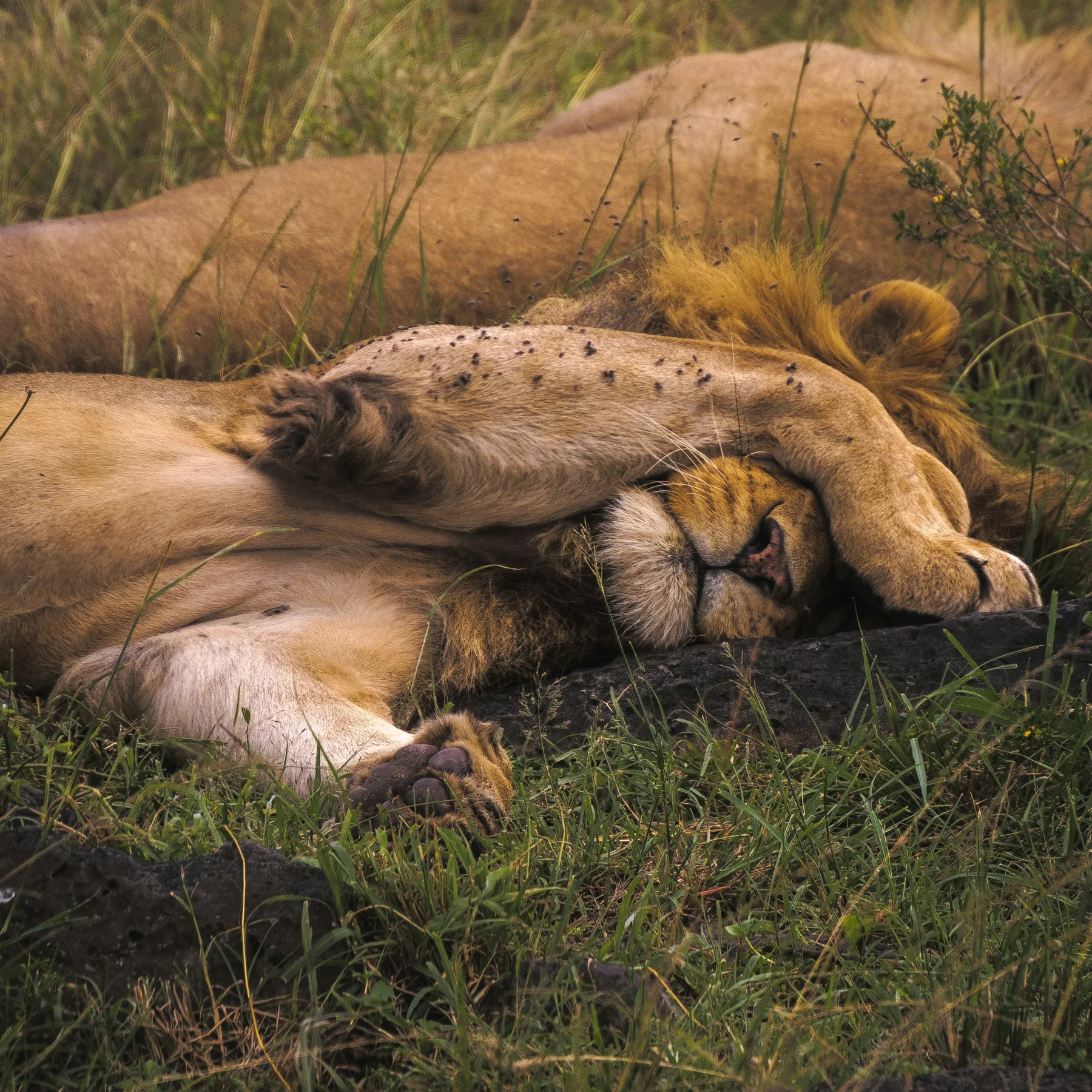
Lions
Mara North supports important lion habitat, and individual prides or coalitions move across management boundaries. Good guiding focuses on current territory and behaviour rather than promising a named lion from an old documentary.
Leopards
Riverine woodland, drainage and rocky cover can suit leopards, but they remain secretive. Leopard Gorge is famous from wildlife film history, not a booking guarantee.
Cheetahs
Open plains can produce cheetah sightings and hunts. Vehicle restraint matters because a crowd can change a cat’s path or its prey’s behaviour.
Hyenas
Spotted hyenas are hunters, social animals and ecosystem cleaners, not villains waiting to steal every lion meal. Dawn and night drives can reveal clan movement, greeting and den activity under strict viewing rules.
Elephants
Elephants use river corridors, woodland and open grass. Give family groups room, especially around calves, and never position a vehicle between separated animals.
Buffalo
Buffalo may gather near water, grazing areas and wooded cover. Old bulls can stand quietly until the vehicle is close, another reason to obey the guide during walks and drives.
Giraffes
Masai giraffes feed across varied woodland and bush. From a slow vehicle, their social spacing, browsing and oxpecker activity often become more memorable than another rushed predator check.
Rhinos
The conservancy lists rhino among its mammals, but visitors should not build a Mara North stay around a guaranteed rhino sighting. Ol Pejeta or Lewa is generally a stronger dedicated rhino choice in a wider Kenya itinerary.
Wildebeest and zebra
Resident and migratory grazers use the northern ecosystem according to grass and water. Numbers can change dramatically between months and between sectors within the same week.
Smaller predators
Jackals, servals, mongooses and bat-eared foxes reward slower drives. Night access may improve the chance of nocturnal species, but sightings remain wild and unpredictable.
Birdlife
The conservancy promotes extensive bird diversity, including grassland, raptor, river and woodland species. A guide who is comfortable stopping for larks and eagles can transform the long spaces between big cats.
Wildlife by habitat
| Habitat | Likely stories | Planning note |
|---|---|---|
| Mara River and tributaries | Hippos, crocodiles, elephants, riverine birds | Camp proximity can shape every drive |
| Open plains | Cheetahs, lions, grazers, raptors | Excellent light but limited shade |
| Riverine woodland | Leopards, monkeys, elephants, birds | Dense cover rewards patience |
| Croton and bush | Lions, dik-dik, browsing wildlife | Do not push into thickets |
| Grazed mosaic | Plains game and livestock coexistence | Conditions vary with management and rain |
| Rocky or elevated ground | Viewpoints and predator resting areas | Access depends on camp and tracks |

Night drives
Night drives are a genuine conservancy difference, but they are regulated. Current rules limit them to designated areas, require red filters and say vehicles must return to camp by 10 pm.
Spotlight ethics
When a predator is stalking, the rules require lights to be switched off so neither hunter nor prey gains an artificial advantage. Short, indirect bursts may be used only to understand the situation.
Night viewing of cubs
The code says cubs should not be viewed at night until they are at least four months old. Breeding animals must not be disturbed.
What you may see after dark
Hyenas, hares, genets, jackals, owls and nocturnal insects may appear. A night drive should not be sold as a leopard guarantee. Its value lies in different behaviour, sounds and sensory attention.
Night-drive questions
Ask whether the camp offers the activity, how long it runs, how the red filter is used, whether children have a minimum age and whether the drive is shared. Read the dedicated Masai Mara night-drive guide for the wider legal and ethical context.
Walking safaris
Walking shifts the focus from distance to detail. Tracks, dung, wind, plants, insects and the guide’s awareness become the experience. It is not a way to approach lions on foot.
Who leads the walk
Confirm the guide’s qualification, whether an armed ranger accompanies the walk, group size, terrain and minimum age. The conservancy’s older code requires member-camp organisation and an armed ranger.
Short nature walk versus long walk
A short camp-area walk can suit beginners and families. A longer walk demands fitness, suitable weather and a clearer safety plan. Camp terminology is not standard, so ask for time and distance.
Mobility on foot
Grass, mud, hidden holes and riverbanks can make even a short walk demanding. The accessible Kenya safari guide helps turn “walking optional” into a practical alternative plan.
Horse riding
Mara North has long been associated with specialist riding safaris. Riding beside plains game can be extraordinary, but it is not a casual pony trek. The operator should match horse, pace and route to the guest’s honest ability.
Riding ability
State when you last rode, whether you can post the trot, canter in open ground and manage an unexpected movement. Years of childhood lessons do not automatically equal current safari fitness.
Riding safety
Ask about helmets, guide and backup rider, group size, horse condition, emergency communication and how the route avoids breeding herds or predators. Vehicles are required to give riders a wide berth.
Cultural visits
A cultural visit should be hosted with consent, fair payment and enough time for conversation. Avoid treating a manyatta as a costume backdrop. Ask who receives the visit fee and whether photography is invited.
Spending time with Maasai hosts
The best visits move beyond a rehearsed welcome. Questions about grazing, schools, land leases, language, family life and changing aspirations make the conservancy model human rather than abstract.
Buying crafts
Buy because you value the work, not because you feel trapped. Ask who made the item and negotiate respectfully if bargaining is expected. Cash arrangements should be clear before the visit.
Sundowners
A sundowner can be a simple pause with a wide horizon. It should use an approved site, remove every bottle and avoid displacing wildlife. The sunset does not require loud music or a permanent bar in the grass.
Bush meals
Breakfast or dinner away from camp adds atmosphere, but check food safety, dietary handling, toilet arrangements and wildlife precautions. A thoughtful bush meal should leave the site looking untouched.
Balloon flights
Balloon access depends on launch region and transfer. Before adding it, compare the full morning and current fees in the hot-air balloon safari guide.
Activity comparison
| Activity | Best for | Physical demand | Main question |
|---|---|---|---|
| Day game drive | Broad wildlife and photography | Low to moderate | Private or shared vehicle? |
| Night drive | Nocturnal behaviour | Low | Is it in a designated area with red filters? |
| Walk | Tracks, ecology and attention | Moderate to high | Who leads and how long? |
| Horse ride | Experienced riders and immersion | High | What current ability is required? |
| Cultural visit | Landowner and community context | Low | Who hosts and benefits? |
| Balloon | Aerial landscape and celebration | Moderate | How far is the launch transfer? |
| Bush meal | Atmosphere and slower pacing | Low | How are site and diet managed? |
Where to stay
Camp choice is not simply luxury level. Position affects the first and last hour of every drive, the river or plains outside the tent, the airstrip transfer, Reserve distance and which activities can operate easily.
The member-camp principle
The conservancy says visitor access and fees flow through member tourism partners. Confirm current membership with Mara North itself because names, brands and operating seasons can change.
Camp names on the ecosystem map
The published Greater Mara map labels Serian, Elephant Pepper Camp, Karen Blixen Camp, Kicheche Mara Camp, Offbeat Mara Camp, Royal Mara Safari Lodge, Saruni Mara, Saruni Wild, Mara Rianta and specialist riding operations in or around Mara North. A label establishes location, not current membership, opening status or suitability.
Karen Blixen Camp
Karen Blixen Camp is associated with a Mara River setting. Compare river views, tent privacy, bank safety, vehicle-sharing policy and transfer time. A river address can bring hippos and birdlife close to camp, but exact tent position matters.
Elephant Pepper Camp
Elephant Pepper occupies the northern Mara conservancy landscape and is often chosen for a classic tented atmosphere. Ask about current tent configurations, vehicle occupancy, children, walking and the time needed for a Reserve day.
Kicheche Mara Camp
Kicheche Mara is known as a small tented camp style with a strong guiding and photography appeal. Confirm private-vehicle supplements, camp closure dates, family rules and current conservancy access.
Offbeat Mara Camp
Offbeat Mara has long been part of the conservancy story. Compare its exact current location, tent design, shared-drive limit and whether activities such as walks are included or charged separately.
Offbeat Ndoto
Offbeat Ndoto is a distinct boutique option associated with private-vehicle emphasis. One guest said having a “vehicle entirely to ourselves” made the safari more personal. Confirm the current policy rather than assuming every booking includes that privacy.
Royal Mara Safari Lodge
Royal Mara sits by the Mara River and offers a more lodge-like identity than a small mobile-feeling camp. Compare room scale, river frontage, camp atmosphere, number of guests per vehicle and the distance to your priority habitat.
Saruni Mara
Saruni Mara occupies a hill and wooded setting in the northern conservancy landscape. Its design, views and cultural connections differ from a riverbank tented camp. One family praised a guide’s “deep understanding of and respect for the animals”.
Saruni Wild
Saruni Wild has been presented as a smaller tented bush option linked with the wider Saruni experience. Confirm whether it is operating for your dates, the transfer between properties and current family or exclusive-use arrangements.
Serian
Serian’s Mara North camps and private-vehicle approach appeal to travellers who value flexible guiding. Ask which specific Serian property is quoted, because “Serian” can refer to more than one camp or seasonal arrangement.
Mara Rianta
Mara Rianta is associated with the Mara River and a larger property style. Compare exact room category, river exposure, vehicle capacity and the feel of the common areas rather than relying on the words “Mara North.”
Riding camps
Specialist riding operators may use mobile or dedicated camps and routes that differ from a conventional lodge stay. Riding competence, luggage limits and non-rider arrangements become central booking questions.
Not every camp suits every traveller
| Priority | Camp feature to seek | Verify before paying |
|---|---|---|
| River wildlife | Safe riverbank setting | Tent position and child restrictions |
| Photography | Small vehicle load and guide skill | Private vehicle cost and beanbag support |
| Honeymoon | Privacy and flexible meals | Distance between tents and shared drives |
| Family | Family unit and adaptable schedule | Minimum age, pool, meals and vehicle rule |
| Walking | Qualified guide and useful terrain | Included duration and ranger arrangement |
| Riding | Specialist horses and guides | Ability level and non-rider programme |
| Limited mobility | Easy paths and suitable vehicle | Steps, shower, tent distance and assistance |
| Reserve day | Southern camp position or sensible route | Gate time and extra fees |
Room category matters
One property may offer standard tents, family suites and private houses with very different space and privacy. Quote the exact category, bed arrangement, bathroom access and view.
Camp atmosphere matters
A six-tent bush camp, hill lodge and larger river property do not feel interchangeable. Some guests love communal dinners; others need private meals and quiet. Ask how evenings actually work.
Vehicle policy matters most
A less expensive room with a private vehicle may produce a better safari than the grandest suite with a crowded shared drive. Put the vehicle line beside the accommodation line in every comparison.
Camp comparison questions
| Topic | Question |
|---|---|
| Location | Which river, plain or ridge is the camp closest to? |
| Membership | Is the property a current Mara North tourism member? |
| Vehicle | How many guests share, and what is private use? |
| Children | Minimum age, family unit and drive rule? |
| Activities | Which are included, available or seasonal? |
| Reserve | How long to the usual gate and what fees apply? |
| Airstrip | Which strip and how long is the transfer? |
| Season | Does the camp close in any month? |
| Access | Steps, paths, shower and vehicle entry? |
| Fees | Is every conservancy calendar day included? |
How many nights
Three nights provide two full days and enough time for ordinary drives plus one additional activity. Four nights allow a night drive, walk and unhurried wildlife. Five suit a Reserve day without turning the conservancy into a place you only sleep.
Two nights
Two nights can work as part of a split stay, but arrival and departure reduce field time. Choose a well-positioned camp and avoid stacking balloon, walk, village visit and Reserve day into one full day.
Three nights
Three nights are a practical minimum for a first stay. You can take several day drives and add either a walk or night drive while still having time to sit with a good sighting.
Four nights
Four nights create breathing room for weather, a slow afternoon and camp life. Families and honeymooners often benefit more from this rhythm than from another transfer.
Five nights
Five nights make sense for specialist photography, riding or a combination with a Reserve day. The conservancy becomes the destination rather than an activity checklist.
A sample three-night rhythm
| Day | Morning | Afternoon and evening |
|---|---|---|
| Arrival | Airstrip transfer with wildlife viewing | Settling drive and early dinner |
| Full day 1 | Long morning drive and bush breakfast | Rest, afternoon drive and sundowner |
| Full day 2 | Short walk then game drive | Evening drive continuing into designated night drive |
| Departure | Final drive to airstrip | Onward connection |
A sample five-night rhythm
Use one full day for the Reserve only if migration, river or a habitat contrast is important. Keep two dawns for Mara North, one flexible morning for a walk or balloon, and at least one afternoon with no plan beyond what the guide finds.
Mara North versus the National Reserve
Mara North offers controlled access and conservancy activities. The National Reserve offers public-road access, a larger set of famous migration areas and different management rules. Neither contains all Mara wildlife all year.
Reserve strengths
The Reserve includes important river-crossing approaches, Musiara marsh, Talek and extensive plains. It is often essential for a first-time migration itinerary, but high-season sightings can become busy.
Mara North strengths
Mara North’s five-vehicle cap, landowner partnership, night drives, walks and lower bed density create a different experience. Its best wildlife moment can be a long quiet observation rather than a famous location.
Should you split the stay
A split earns its transfer when each side has a clear purpose. Three nights in Mara North plus two or three in a well-chosen Reserve or Triangle sector can combine low-density activities with river and Reserve geography.
When not to split
Do not move because an itinerary template says “two Mara experiences.” If four nights in one excellent camp provide private guiding and one Reserve day, changing rooms may add little.
Mara North versus the Mara Triangle
The Triangle is part of the National Reserve west of the Mara River and is managed separately. It offers attractive scenery and river access but not the same community-lease model or general conservancy night-drive and walking pattern. Use the planned Mara Triangle vs Talek vs Sekenani guide to compare sectors.
Mara North versus Naboisho
Both use a community-conservancy model and controlled tourism. Naboisho lies farther east and has its own camps, habitats, fees and access. The Naboisho Conservancy guide will compare those specifics rather than treating the names as synonyms.
Mara North versus Siana
Siana occupies the eastern side of the wider ecosystem and is rebuilding connected community conservation at scale. It can suit Sekenani-side access and different camp styles. Compare it in the planned Mara Siana Conservancy guide.
Mara North versus Mara Ripoi
Mara Ripoi is another community conservation area with a different location, landowner base and tourism stage. The Mara Ripoi Conservancy guide will help readers decide whether a less-established area matches their expectations.
A location comparison
| Area | Strongest reason to choose | Main compromise to check |
|---|---|---|
| Mara North | Low density, activities and northern habitat | Distance from specific Reserve sites |
| National Reserve | Broad geography and migration river access | Public access and seasonal congestion |
| Mara Triangle | Scenery, western river sector and management | Transfer logic from eastern routes |
| Naboisho | Conservancy activities and eastern ecosystem | Exact Reserve transfer and camp fit |
| Siana | Eastern community-conservation setting | Current camp and access specifics |
| Mara Ripoi | Emerging conservancy story | Tourism infrastructure and activity certainty |
Great Migration reality
The migration is an ecosystem movement, not a permanent attraction inside one boundary. Wildebeest and zebra may use Mara North in large numbers, while crossing action can be far away in the Reserve.
River crossings
If a Mara River crossing is the non-negotiable goal, check camp-to-crossing travel, Reserve fees, gate timing and vehicle policy. No camp can guarantee a crossing on a chosen day.
Resident wildlife
Mara North should be chosen for year-round habitat and predator-prey life, not only migration. Lions, elephants, giraffes, hyenas and plains species do not vanish when the largest herds move south.
January to March
These months can bring dry conditions, clearer tracks and changing grass height. Wildlife concentrates according to remaining water and forage. Heat and dust can rise through the day.
April and May
Long rains can transform the landscape, reduce guest numbers and complicate roads or camp operations. Read the Mara in April and May guide before booking only because a rate looks attractive.
June
June often feels transitional, with greener habitat and movement responding to rain. Large migration herds may still be south or beginning to approach the wider Mara. Ask for current conditions, not a fixed migration calendar.
July to October
This is the popular migration period in Kenya, but herd location varies. Mara North can offer strong wildlife and lower-density viewing while Reserve day trips address crossing priorities. Camp space and private vehicles sell early.
November and December
Short rains can refresh the plains, produce dramatic skies and change road conditions. Resident wildlife remains the foundation. Festive dates need early planning and clear cancellation terms.
Season comparison
| Season | Landscape | Visitor pattern | Best reason to go | Watch for |
|---|---|---|---|---|
| Dry start of year | Shorter grass and dusty tones | Moderate | Resident predators and visibility | Heat and haze |
| Long rains | Green and dramatic | Lower | Space, young animals and photography | Camp closures and wet roads |
| June transition | Fresh to drying | Rising | Balanced habitat | Uncertain herd position |
| Migration months | Mixed green and gold | High | Possible large herds plus conservancy calm | Premium rates and Reserve traffic |
| Short rains | Green renewal | Variable | Clouds, birds and resident wildlife | Showers and access |
Migration season versus green season
The migration season versus green season guide compares light, grass, crowding, price and wildlife behaviour. Green season is not the inferior version, and migration season is not a crossing appointment.
Getting there by air
Mara North’s official access page lists its airstrip at 5,515 feet and names scheduled links from Nairobi Wilson, with possible routings from northern Kenya, Amboseli and the coast depending on airline and availability.
The right airstrip
Do not choose an airstrip from a map alone. The named camp should confirm its preferred strip, meeting vehicle and transfer duration. A nearer-looking strip may sit across difficult terrain or a management boundary.
Wilson Airport connections
Domestic Mara flights commonly use Nairobi Wilson Airport, not Jomo Kenyatta International Airport. International-to-domestic connections need road-transfer and check-in time.
Luggage limits
Light aircraft usually impose soft-bag and weight limits. Exact limits vary by airline and aircraft. Confirm before packing, especially with camera equipment or a wheelchair.
Flying from another safari area
Some routings connect the Mara with Amboseli, Nanyuki, Lewa or Samburu, often through stops or set schedules. A direct-looking itinerary is not always a nonstop flight.
The airstrip transfer
The transfer is part game drive, part logistics. Ask how long it usually takes without wildlife stops, then protect a larger connection window for rain or sightings.
The complete flight plan
The Masai Mara airstrips and flight guide will map luggage, airstrip choice, Wilson transfers and multi-stop flying in more detail.
Driving from Nairobi
Mara North’s official page estimates roughly five to six hours from Nairobi under normal conditions, with Narok as a useful break. Weather, traffic, roadworks, vehicle and the final camp track can extend the day.
The Narok stop
Use Narok for fuel, food, bathroom and last-minute supplies. Keep valuables with you and choose a planned stop rather than pulling over unpredictably.
The final road
The last section changes most with rain. A proper 4×4 and an experienced driver matter more than an optimistic map time. Do not send a standard city taxi toward an unfamiliar conservancy camp.
Self-driving
Controlled conservancy access and member-camp arrangements make self-driving unlike entering a public reserve gate. Confirm permission, fees, guide requirements and route directly before attempting it.
Road versus air
| Factor | Road transfer | Light aircraft |
|---|---|---|
| Cost for a small party | Often lower | Higher |
| Time | Most of a day | Short flight plus airport transfers |
| Luggage | More flexible | Strict weight and bag rules |
| Scenery | Towns, escarpment and changing land use | Aerial geography |
| Comfort | Long and sometimes rough | Compact aircraft and multiple stops possible |
| Carbon and route | One vehicle overland | Flight plus transfer vehicles |
| Best for | Budget, groups and overland circuit | Short trip or distant park combination |
Families
Mara North can work beautifully for children when the camp, vehicle and rhythm are chosen around them. A lower vehicle count does not automatically create child-friendly rooms, meals or safety.
Minimum ages
Walking, riding, night drives and some camps apply minimum ages. Obtain the rule for each activity, not one general “children welcome” statement.
Family rooms
Confirm whether the family unit is one structure, connected tents or separate tents reached outside. Wildlife camps require an escort after dark, so layout matters.
Private family vehicle
A private vehicle lets a tired child return early without ending another guest’s drive. Some camps require it below a certain age, which changes the true trip price.
Learning in the conservancy
Tracks, grazing plans, ranger work and Maasai land ownership give children a richer story than the Big Five alone. The Kenya safari with children guide covers health, food, sleep and drive length.
Honeymoons
A small camp, private vehicle, slow meal and quiet sighting can feel more romantic than a room filled with decorations. Ask what privacy exists on drives as well as in the tent.
Photography
Low vehicle density and controlled off-road access can improve angles, but rules still protect animals. Private guiding, beanbag support, passenger count and guide positioning are more important than a long equipment list. Use the Masai Mara photography guide to prepare.
Travellers with limited mobility
Camp paths may be uneven and tents may sit far from common areas. Ask for exact step counts, shower access, bedside clearance, vehicle entry height and assistance. A low-density safari can still be physically inaccessible without design.
Food and dietary needs
Remote camps plan supplies in advance. Send allergies, cross-contamination needs, religious requirements and preferences early. Ask whether bush meals and airstrip picnic food can meet the same standard.
Connectivity
Mobile signal and Wi-Fi vary by camp and weather. If work or medical communication is essential, ask where connectivity functions and whether a satellite backup exists.
Health planning
Discuss vaccines, malaria prevention and personal medical needs with a qualified travel-health clinician. Carry travel insurance and enough prescription medication in hand luggage.
Conservancy fees
Fees fund land leases and management, but the visitor needs a clean invoice. Ask the rate, resident category, child rule, calendar-day basis and whether Reserve fees are separate.
Why calendar days matter
An arrival afternoon and departure morning may count as two fee days even if the stay is one night. Never calculate only by number of nights.
Reserve fees are separate
A day in the National Reserve generally adds its own conservation fee and may add vehicle, guide or packed-meal costs. Confirm whether re-entry to Mara North creates another charge.
What the camp rate includes
| Line | May be included | Must be confirmed |
|---|---|---|
| Accommodation | Room or tent | Exact category and occupancy |
| Meals | Full board | Drinks, premium drinks and dietary handling |
| Game drives | Shared conservancy drives | Private vehicle and Reserve day |
| Transfers | Nearest airstrip | Other strips and road pickup |
| Conservancy fee | Sometimes bundled | Rate, dates and residency |
| Activities | Selected walks or night drive | Riding, balloon and cultural fees |
| Laundry | Often included at premium camps | Underwear policy and weather delays |
| Gratuities | Usually excluded | Camp guidance and payment method |
The value test
Mara North’s premium buys controlled access, a conservation lease model, activity flexibility and fewer vehicles. It does not buy guaranteed cats, perfect grass or a crossing. The value is strongest when you use those differences.
Traveller voices: intimacy
One family described “fewer vehicles and a much more intimate wildlife experience”. That is the conservancy promise in practical language.
Traveller voices: memory
The same review called the stay “one of the most memorable travel experiences we’ve ever had”. The phrase includes camp hospitality, guiding and family time, not only the boundary.
Traveller voices: privacy
A honeymoon guest said a private vehicle made the safari “far more personal, flexible, and enjoyable”. This is why vehicle policy belongs in every quote comparison.
Traveller voices: respectful closeness
Another guest remembered “close-up encounters that felt both thrilling and respectful”. Closeness should come from animal choice and patient positioning, not pressure.
Traveller voices: families
The family described the stay as “safe, relaxed, and genuinely family-friendly”. Treat that as one property experience and verify your own room and child policies.
Traveller voices: solitude
A conservancy reviewer spent a “pleasant 45 minutes alone” watching a cheetah family. Time, not distance, made the sighting.
Traveller voices: the counterpoint
The critical reviewer wrote “the land is denuded”. The claim should prompt questions about current grazing and sector conditions, not an argument that every negative observation is wrong.
How to use reviews
Separate camp service, guide, vehicle policy, wildlife luck, grass condition and conservancy management. A glowing lodge review does not prove every sector is thriving, and one dry-season photograph does not describe 28,486 hectares.
Common mistake: choosing only by brand
Brand reputation cannot change geography. Map the actual camp, airstrip, river, Reserve access and daily driving area.
Common mistake: assuming private vehicle
“Exclusive conservancy” describes access, not necessarily your vehicle. Shared drives can still be excellent, but the policy must match your pace.
Common mistake: promising the migration
Do not let a month label replace current herd information. Build a strong resident-wildlife safari, then treat migration as a possible additional layer.
Common mistake: ignoring cattle
If you expect a people-free wilderness, the conservancy model may confuse you. Learn how livestock, leases and wildlife coexist, then judge the management honestly.
Common mistake: overplanning activities
One walk, one night drive, one cultural visit, one balloon and a Reserve day can consume every ordinary drive. Leave space for the sighting that cannot be scheduled.
Common mistake: adding a Reserve day automatically
A Reserve day earns its length when the river, a specific habitat or first-time geography matters. If current wildlife is excellent near camp, driving hours for a checklist can reduce value.
Booking checklist
| Confirm | Record in the itinerary |
|---|---|
| Property | Exact camp and room category |
| Location | Sector, river or ridge and map pin |
| Membership | Current conservancy access basis |
| Vehicle | Private or maximum shared occupancy |
| Fees | Conservancy and Reserve by calendar day |
| Activities | Included, optional, age and season limits |
| Reserve visit | Gate, duration, vehicle and extra cost |
| Air | Airstrip, flight, luggage and transfer |
| Road | Vehicle type and realistic duration |
| Children | Room, escort and activity rules |
| Accessibility | Steps, paths, shower and vehicle entry |
| Cancellation | Camp, flight and seasonal terms |
The final verdict
Mara North Conservancy is not a quieter copy of the National Reserve. It is a different agreement about land, access and tourism. Its strongest moments come when that agreement is visible: a landowner receives dependable lease income, a ranger enforces a sighting limit, a guide refuses to crowd a cheetah, and a guest has time to watch rather than chase.
Choose it for that whole system. Pick the camp by position and vehicle policy, not by adjectives. Add the Reserve when geography gives you a reason. Stay long enough to walk, drive after dark and still spend an unhurried morning with whatever the plains decide to show you.
Frequently asked questions
Where is Mara North Conservancy?
It lies in the north-western Greater Mara ecosystem, bordering the Masai Mara National Reserve. Camp position within the large conservancy changes transfer and viewing patterns.
Is Mara North inside the National Reserve?
No. It is a community-land conservancy with controlled access and its own management. Reserve visits use separate entry arrangements.
How large is it?
The current official conservation page states 28,486 hectares, about 70,391 acres. Another official page rounds it to more than 29,000 hectares.
Who owns the land?
Individual Maasai landowners lease parcels into the conservancy. The official story page describes more than 1,000 community landowners and 12 tourism partners.
Can day visitors enter?
Access is controlled through member tourism arrangements. Confirm with the conservancy or hosting camp rather than arriving at an assumed gate.
Are night drives allowed?
Yes, in designated areas. Current rules require red filters, a return by 10 pm and special protection for hunting animals and cubs.
Is off-road driving allowed?
Only in a controlled way for wildlife viewing. Vehicles should use the shortest route, avoid thickets and keep at least 20 metres from animals.
How many vehicles can share a sighting?
No more than five under the current code. Additional vehicles should wait at least 100 metres away.
Can I visit the Reserve?
Many camps can arrange it, but time, gate, fees and vehicle policy vary. Put the details in the itinerary.
How many nights are enough?
Three are a useful minimum. Four or five better suit walking, night drives, families, photography or a Reserve day.
Which airstrip should I use?
Mara North Airstrip is a principal option, but the camp should confirm its best strip and meeting transfer.
Is Mara North good during migration?
It can receive large seasonal herds and offers lower-density viewing, but it cannot guarantee a river crossing. Combine it with a suitable Reserve sector if crossings are central.
Tell us your camp style, wildlife priorities and preferred pace
Share dates, party, budget, night count, vehicle privacy, activities, mobility and Reserve interests. We will compare camp position, fee basis and access without treating the conservancy as one interchangeable address.