
3-Week Kenya Safari and Beach Grand Tour
A full Kenya journey can connect Samburu, Laikipia, the Mara, Amboseli and Tsavo before a proper Diani Beach stay. This 21-day route shows where the time goes, what each place adds and which transfers deserve special care.

There is a lovely moment on a long Kenya journey when the landscape changes and you realise you have time to notice it. The riverine green of Samburu gives way to the highlands. The Mara opens out. Amboseli’s wetlands appear beneath a mountain that may or may not show itself. Tsavo turns the earth red, and the drive finally reaches the Indian Ocean. Three weeks make that story possible without needing to call every dawn a departure.
It still takes discipline. Twenty nights sound abundant, but each new lodge costs a packing morning and a transfer. The route below keeps the north-to-west and south-to-coast progression clear, while acknowledging the one major cross-country move from the Mara to Amboseli. It gives four nights to the Mara and four to Diani, rather than squeezing the coast into a token finale. It is not a promise that a particular flight, room or activity will be available on your dates. Those details must be fitted around the travellers.
If you would rather spend a week at the beach, remove a wildlife stop. If you want a specialist photographic safari, lengthen two camps instead of collecting more parks. This is a grand tour for people who enjoy contrasting regions, not the only sensible way to spend 21 days in Kenya.
The route: 21 calendar days and 20 nights
| Days | Where you sleep | Nights | What this stage adds |
|---|---|---|---|
| 1 | Nairobi | 1 | Arrival buffer and rest. |
| 2 to 4 | Samburu area | 3 | Dry-country wildlife and Ewaso Nyiro landscapes. |
| 5 to 6 | Ol Pejeta or another chosen Laikipia base | 2 | Rhinos and specific conservation experiences. |
| 7 | Lake Nakuru area | 1 | Rift Valley wildlife and a break in the westward journey. |
| 8 to 11 | Masai Mara sector | 4 | Three complete days after arrival for open-plains wildlife. |
| 12 to 13 | Amboseli area | 2 | Elephants, wetlands and possible Kilimanjaro views. |
| 14 to 15 | Tsavo West | 2 | Rugged, volcanic southern scenery on the way east. |
| 16 to 19 | Diani Beach | 4 | Three complete coast days after the road arrival. |
| 20 | Nairobi | 1 | Return connection buffer. |
| 21 | Depart Kenya | 0 | International flight home. |
The night count is one plus three plus two plus one plus four plus two plus two plus four plus one: twenty. Day twenty-one is departure. An operator who calls the arrival and departure dates full wildlife days is describing a different experience. Check the air ticket before moving any night. A very late arrival may call for a slower first morning, while a safe direct coast departure could return the final Nairobi night to the beach.
Days 1 to 6: arrive, then head into northern Kenya
Day 1: Nairobi without a rushed onward drive
After a long international flight, meet the driver and go to a Nairobi hotel. The plan does not depend on a same-day northern flight or a lengthy road transfer. If the group lands early and feels energetic, a short city visit may fit, but the value of this night is that the safari begins rested.
Days 2 to 4: three nights in Samburu
Go north by private road vehicle or a suitable domestic flight. Ask where the camp sits relative to Samburu National Reserve, Buffalo Springs and any community conservancy. They are related landscapes, not one interchangeable entry ticket. The first afternoon may be a gentle drive. The next two days are where the three-night stay earns its keep: look along the Ewaso Nyiro river, then explore beyond a single popular loop with the guide.
Samburu’s reticulated giraffe, Grevy’s zebra and gerenuk are a different cast from the Mara’s grassland herds. Elephants and big cats may be present too, but no animal has an appointment with your vehicle. A camp whose position suits the chosen drive area matters more than a long list of species in its brochure. Read the Samburu guide for habitats, access and lodging areas.
With a third night, an optional visit hosted by a Samburu community or another appropriate experience may fit without sacrificing every morning drive. Make it an invited, paid activity with the host’s terms clear. It should never be treated as a compulsory performance.
Days 5 and 6: two nights in Ol Pejeta or another Laikipia base
Travel southwest into Laikipia. Ol Pejeta is the straightforward choice if rhinos and its named conservation experiences are central to the trip. A Lewa or other conservancy stay creates a different access and activity pattern, and may call for a revised route or fee structure. Do not use “Laikipia” as though all lodges open onto the same reserve. The Laikipia guide and Ol Pejeta guide help compare them.
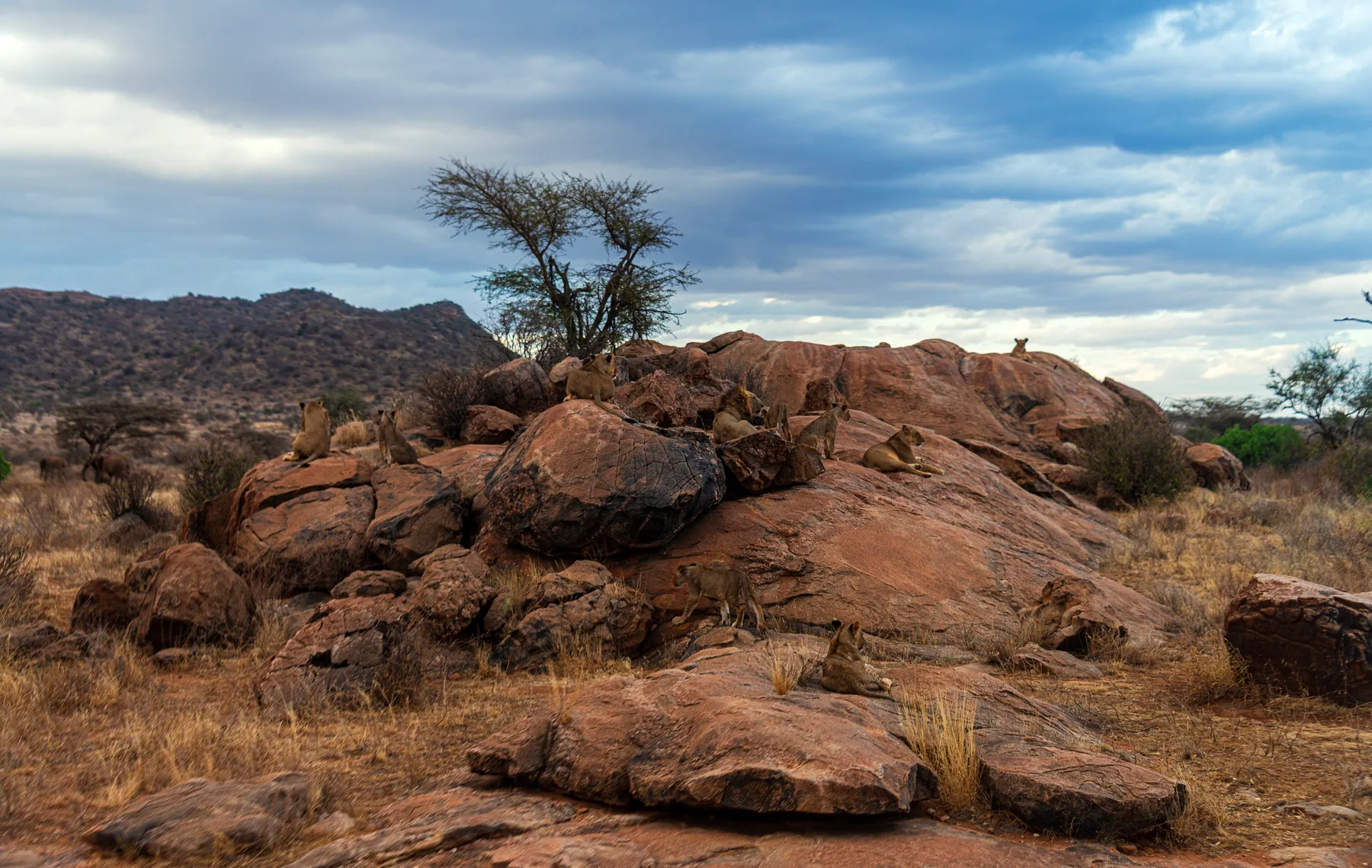
The arrival afternoon is for settling and a drive if timing permits. Day six is a full day. If a specific rhino visit, guided walk or night activity matters, ask for its actual availability and age rules before finalising rooms. Two nights can be enough for a focused visit; serious conservation or photography interests may justify taking the Nakuru night and making this three.
Days 7 to 11: a Rift Valley stop and four Mara nights
Day 7: the honest one-night stop at Lake Nakuru
Drive toward Lake Nakuru. This is the shortest stay and the most optional one. The park offers wooded areas, lake views and wildlife drives, and it breaks a longer road toward the Mara. It should not be sold as a guaranteed flamingo spectacle: bird concentrations move with conditions. If the group dislikes one-night hotel changes, consider using this night at Ol Pejeta or the Mara and accept a properly planned longer transfer. The Lake Nakuru guide explains what makes a visit worthwhile beyond one bird photograph.
Days 8 to 11: the Masai Mara gets time, not a cameo
Move southwest to the right Mara gate and camp. After the arrival day, there are three full days. That margin can be spent in one sector with a good guide, split between reserve and conservancy if that truly changes the experience, or used for an optional balloon ride. The Mara National Reserve, Mara Triangle and adjoining conservancies have distinct access and fee rules. A lodge’s name alone does not tell you where its daily drives go. Our Mara guide covers the distinctions.
A migration crossing is not a scheduled attraction. Four nights improve the chance that you can respond to animal movements or bad weather, but nobody can promise a particular river scene. The broader appeal is the grassland, predators, birds and the slower act of noticing. On day ten you might choose to revisit an area rather than drive to the farthest point on a map. That is one advantage of a grand tour that has protected actual Mara time.
Camp choice affects whether those days feel relaxed. A base far from the desired sector can turn every drive into a commute. A private conservancy may offer a quieter vehicle environment and different activities, but reserve drives and fees may be separate. Ask to see where the camp is, where the guide can go and how long it takes to reach the chosen area. Our Mara accommodation guide can help with that decision.
Days 12 to 15: the cross-country move, Amboseli and Tsavo West
Day 12: Mara to Amboseli is the itinerary’s difficult connection
Do not let the route graphic make this look like a short hop. The two wildlife areas lie on opposite sides of the Nairobi region. A full private road day is possible for travellers comfortable with time in the vehicle. Flight choices may reduce fatigue, but available routings, airstrip stops, luggage limits and transfers must be checked for the exact date. A journey through Wilson Airport adds another set of timings. Treat day twelve as transport first, with wildlife on arrival only if it naturally fits.
Day 13: one complete Amboseli day
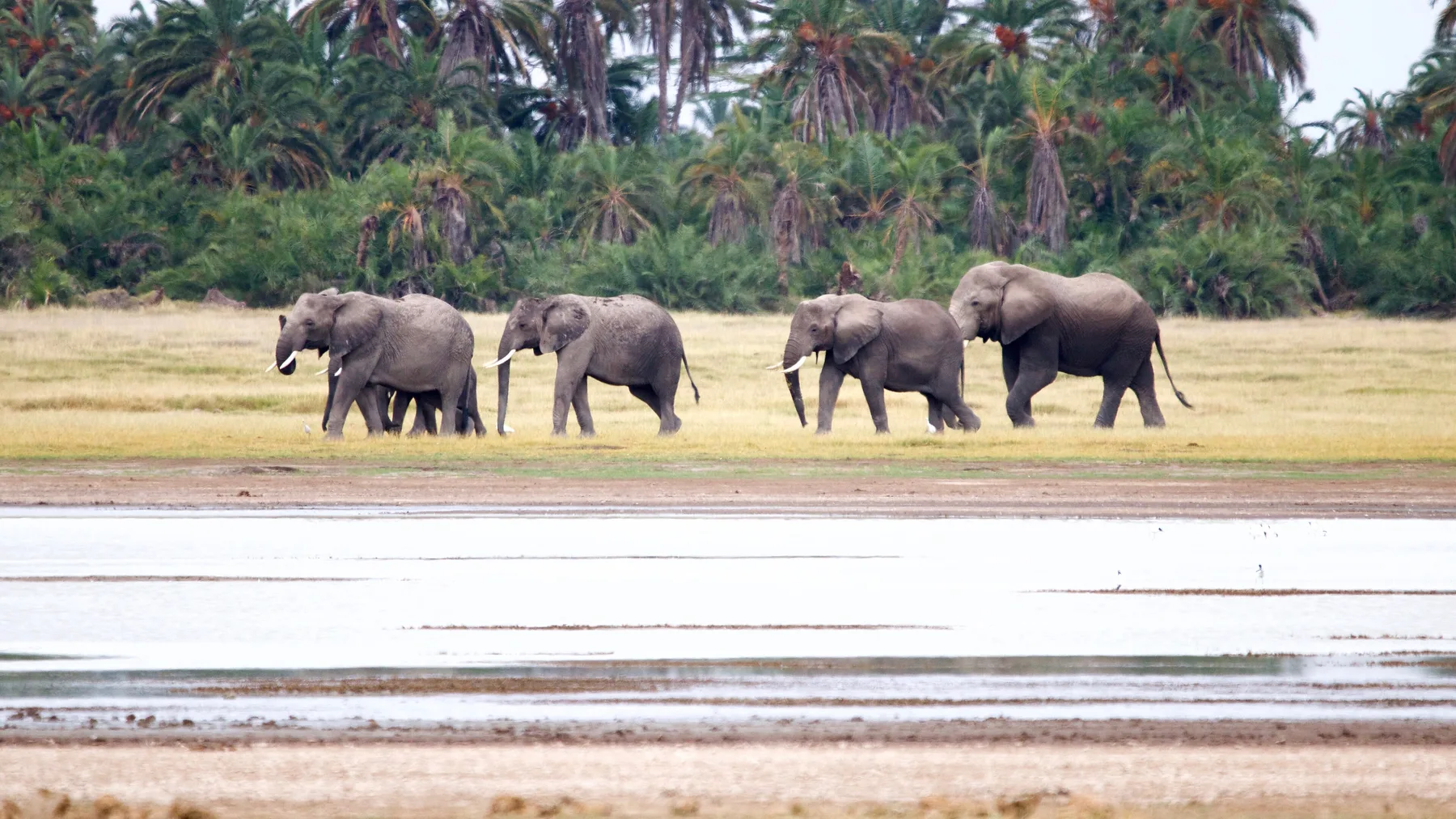
The second night in Amboseli means one full day after arrival. It is enough for a meaningful visit but not the three-night version a dedicated elephant enthusiast might prefer. Look at elephants and wetland life; let any clear Kilimanjaro view be a gift rather than the only success measure. A property inside the park and one outside may have different gate and activity trade-offs. The Amboseli guide helps select a base.
Days 14 and 15: Tsavo West on the road east
Continue from Amboseli toward Tsavo West. The scenery changes again, from the Amboseli basin to rocky, volcanic and wooded country. Tsavo West is vast. A lodge close to one entrance or landmark may be far from another, so ask what the two-night stay will actually include. Mzima Springs, lava landscapes and game-viewing areas belong in a plan based on the chosen property and current access, not a list of guaranteed same-day stops. Read our Tsavo West guide before choosing a camp.
Two nights mean a travel-and-arrival day plus one full day. That is enough to understand how unlike the Mara this park feels. Travellers fascinated by the wider Tsavo ecosystem could extend into Tsavo East, but that should use a night from another stop. Adding it without removing anything would erode the Diani rest that gives this route its ending.
Days 16 to 21: Diani Beach, then the flight home
Day 16: leave Tsavo West for the coast
The journey to Diani is a real transfer. Roads toward the coast, the Mombasa crossing or bypass route, and the location of the exact hotel affect arrival time. Do not book a long afternoon excursion as though the beach begins at breakfast. Arrive, settle and make room for the first sea air.
Days 17 to 19: three full Diani days
Four nights at Diani give three complete days. One could be nothing more than a swim, shade and an unhurried lunch. Another might include a marine outing, a forest visit, local food or a cultural experience chosen with care. The third can stay empty. That unscheduled day is often what makes a long safari feel like a holiday rather than a project.
Choose the hotel according to the travellers. A family may value a beach that feels easy to use, connected rooms, a pool and a meal plan. A couple may prefer a smaller, quieter property. Sea state, tides and weather affect water activities. Check whether the quoted room is beachfront, garden or another category and whether lunch is included. The Diani Beach guide covers the area and transfers in more detail.
Days 20 and 21: Nairobi connection and departure
Return to Nairobi for the final night, then take the international flight. That buffer is especially useful when domestic and international tickets are separate. If the international journey begins from the coast or a same-day connection has a safe margin, keep night twenty in Diani instead. Make that choice with confirmed flight times, not a wish that a short domestic leg must be punctual.

Four travel questions that shape the whole tour
Long itineraries can hide transport costs and fatigue. A continuous private road vehicle gives guide continuity and easy luggage handling, but not every cross-country day is pleasant. Fly-in sectors can save energy, yet the road to the airstrip, possible stops and camp transfer remain part of the journey. Ask for door-to-door expectations and the longest travel day in writing.
| Decision | Why it matters | What to settle before booking |
|---|---|---|
| Nairobi to Samburu | The first safari day begins after a long international arrival. | Road versus air, group fatigue, landing location and who meets the flight. |
| Ol Pejeta to Mara via Nakuru | The one-night stop changes how the westward road feels. | Whether Nakuru is an experience the group wants or merely an extra checkout. |
| Mara to Amboseli | This is the least natural geographical link. | Full-road-day tolerance versus actual flight routing, luggage and both transfers. |
| Diani to the international flight | Separate tickets or a tight connection can put the last day at risk. | Whether to keep a Nairobi buffer night, and which airport the onward ticket uses. |
If there are children, confirm suitable restraints in every vehicle, including the handover after a flight. If anyone has limited mobility, check steps, tent paths, bathrooms and vehicle entry at each property. If a traveller carries large camera equipment, confirm domestic aircraft baggage by weight and dimensions. The safari air baggage guide explains why a nominally quick flight needs practical planning.
What the named accommodation must tell you
A three-week route cannot be priced responsibly as “mid-range camps” or “luxury hotels” alone. The actual property changes how a place works. In Samburu, reserve, Buffalo Springs and community-land bases have different access. Around Ol Pejeta, a lodge’s exact position affects the drive and activity plan. Around the Mara, a camp on the eastern side, in the Triangle or in a conservancy puts the group into a different daily geography. In Amboseli, an inside-park stay and an outside-park camp may have different gate, night-drive or walking arrangements. In Tsavo West, distances within the park are substantial. On Diani, room category and meal plan matter as much as a photograph of the pool.
Ask for a proposed room list showing the name, category, number of nights and meal basis. For a family or friends travelling together, specify whether rooms connect or merely sit at the same property. Some camps have age restrictions for activities, raised decks, unfenced grounds or long walks from room to dining area. Clarify what assistance is possible before paying. A memorable trip is built at the level of actual beds and guides, not only destination headings.
During peak demand, a favoured lodge may be unavailable. The right response is not to quietly substitute a distant property and call the route unchanged. Compare the new location, room standard, access and full cost. We can customise beyond any packages displayed on the site, so a change of camp can also trigger a sensible change of sector or travel order.
The complete cost is more than twenty room nights
Each park and conservancy has its own entry basis. Samburu, Ol Pejeta, Lake Nakuru, the Mara sector, Amboseli and Tsavo West should appear separately in the cost build-up. A Mara conservancy stay does not necessarily include a Reserve visit. KWS and county-managed areas are not one ticket. Domestic flights, baggage, road transfers, private vehicle and guide, coast transport, optional balloon or conservation activities, and meal plans need the same visibility. The Kenya safari cost guide explains the main cost drivers.
| Quote line | What a clear proposal should show | Why it changes value |
|---|---|---|
| Rooms and meals | Exact hotel, category, nights and board basis at each stop. | Beach and safari properties often use different meal plans. |
| Wildlife access | Each reserve, park or conservancy ticket and number of entry days. | A cheaper stay outside a gate may add time and entry cost. |
| Guiding and vehicle | Private or shared, vehicle type and whether the guide stays throughout. | A flight may hand the group to a new guide and shared camp vehicle. |
| Flights and transfers | Air route, baggage basis, airport and airstrip transfers. | A quoted flight is not the entire door-to-door journey. |
| Optional experiences | Separate prices and booking rules for balloon, walks, boat or conservation visits. | Optional should mean a genuine choice, not an assumed inclusion. |
A single price without those details is not enough to compare two grand tours. Group size, season, room configuration, vehicle privacy and flights can move the total substantially. We can quote a complete tailored version, with the longest transfer days and the cost of each option clear. There is no need to invent a universal per-person figure that would be wrong for half the readers.
How to make this trip yours without making it frantic
For more beach time, remove the Lake Nakuru stop and shorten one wildlife area, then use the released nights at Diani. If your priority is rhinos and conservation, lengthen Laikipia to three or four nights and leave another stop out. For a family, fewer bases and easier transfers may matter more than touching both the north and south. For photographers, a private vehicle and extra Mara or Samburu mornings can be more valuable than another park entrance.
The less-common parks deserve a genuine place in the plan, not a token mention. Meru can replace a northern stop for travellers drawn to its river systems and quieter feel. The Aberdares can introduce highland forest. Tsavo East can replace or complement part of the Tsavo West stage if its red-earth landscape is the reason for travel. But each change should be tested against geography and total nights. Our Meru guide, Aberdare guide and Tsavo overview help with those choices.
One final consideration is the season. A Mara river crossing cannot be guaranteed, Amboseli’s mountain may hide in cloud, flamingos at Nakuru vary and coast water activities depend on conditions. The three-week route should be appealing even without any one promised photograph. The wildlife, landscapes, guides and rest are the holiday.
Three-week Kenya safari and beach questions
How many nights are in a three-week Kenya safari and beach tour?
This 21-calendar-day example has twenty nights. Arrival is day one and departure is day twenty-one; the exact amount of safari time depends on international flight hours.
Is this a fixed tour with named hotels?
No. It is a detailed route framework. Properties, room types, vehicle, flights, park entries and total price must be agreed for the actual dates and party.
Why does the route spend four nights in the Mara?
Four nights give three full wildlife days after arrival and flexibility for different sectors, weather or an optional activity. They do not guarantee a migration crossing.
Why include only one night at Lake Nakuru?
Nakuru can break the Ol Pejeta-to-Mara road and add a different national park. If rhino and lake habitat are not priorities, remove that stop and return the night to Samburu, Ol Pejeta or the beach.
Can we visit both Tsavo West and Tsavo East?
Yes, but use part of the available time to do so. The example uses two nights in Tsavo West. A Tsavo East addition should replace, not crowd, another stay.
Can we fly from the Mara to Amboseli?
Available services and connections vary by date and airstrip, often involving Nairobi. Compare actual door-to-door time and baggage rules with a dedicated road transfer.
Does the grand tour include Maasai or Samburu community visits?
They can be arranged where communities welcome visitors, with hosts, fees and expectations clear. They are optional, not a compulsory performance or an automatic camp inclusion.
Are four nights in Diani enough?
Four nights give roughly three full beach days after arrival. Travellers wanting a true week of rest can shorten the wildlife circuit and move nights to the coast.
Where does the trip end?
The sample returns to Nairobi for a final night before the international flight. Some travellers can depart from the coast or connect on the same day if their tickets and timing permit.
Are park and conservancy fees included in the price?
A complete proposal should list the entry basis for Samburu, Ol Pejeta, Nakuru, the chosen Mara sector, Amboseli and Tsavo West. These authorities do not use one interchangeable ticket.
Is this suitable for children or travellers with limited mobility?
It can be adapted, but the number of moves should be reduced where needed. Camps, vehicles, walking activities, room access and flight baggage must be checked for the actual travellers.
Can Meru or the Aberdares replace a stop?
Yes. Replacing a stop can create a distinctive route; merely adding another park to an already full twenty-night plan usually reduces time in every place.
Explore the regions in this journey
Tell us what to keep, change or slow down
Share your dates, group size, wildlife priorities, beach plans and budget. We can return a route with named rooms, transport, entries and optional experiences.