

Tsavo does not feel like a smaller version of the Mara. It feels wider, rougher and more elemental. In the east, elephants turn the colour of the red earth. In the west, lava flows, wooded hills and the clear water of Mzima Springs interrupt the dry country. The distances are real, which is exactly why the route deserves care.
- Tsavo East vs Tsavo West
- Wildlife in the Tsavo ecosystem
- Best time for a Tsavo safari
- How to choose a Tsavo lodge or camp
- Tsavo itineraries from Nairobi and Mombasa
- Park fees, vehicles and what quotes should include
- See the landscape before you choose the route
- Tsavo East, West, gates and coast route map
- Route time, rail and family comfort
- Watch an independent East and West journey
- Traveller experiences
- Frequently asked questions
Why Tsavo deserves more than a transit stop
Kenya at immense scale
The two parks form the heart of one of the country’s largest connected wildlife landscapes.
East and West feel different
Open red earth and river country contrast with volcanic terrain, springs and hills.
Strong coast connection
Tsavo is the natural safari companion to Mombasa, Diani, Watamu and Malindi.
Elephant country
Large elephant populations are central to Tsavo’s identity, including famous red-dust scenes.
Space changes the safari
Sightings may be less compressed than in smaller parks, but solitude and landscape are part of the reward.
Rail, road and air options
The Nairobi-Mombasa corridor, SGR stops and several airstrips create flexible routes.
Tsavo East vs Tsavo West
Tsavo East is the larger, more open park. The Galana River, Aruba Dam, Mudanda Rock, Lugard Falls and the Yatta Plateau provide reference points across a huge semi-arid landscape. Its open country can make elephant, giraffe, zebra and plains game easier to scan in some areas.
Tsavo West is greener and more broken. Mzima Springs, Shetani Lava Flow, Chaimu Hill, Roaring Rocks and the rhino sanctuary give the visit a strong scenic and geological component. Denser vegetation can make individual animal sightings more work, but the setting is often the story.
| Question | Tsavo East | Tsavo West |
|---|---|---|
| Landscape | Open plains, red soil, Galana River | Hills, lava, springs, woodland |
| Signature stops | Aruba Dam, Mudanda Rock, Lugard Falls | Mzima Springs, Shetani Lava Flow, viewpoints |
| Game-viewing style | Long sight lines in many sectors | Slower searching in varied terrain |
| Road pairing | Direct for Mombasa and Voi | Strong with Amboseli and Mtito Andei |
| Best first choice | Wildlife scale and coast extension | Scenery, geology and varied activities |
Wildlife in the Tsavo ecosystem
Elephant, lion, buffalo, giraffe, zebra, antelope and rich birdlife occur across Tsavo. Rhino viewing is associated particularly with protected zones in the western landscape, while KWS highlights the critically endangered hirola in the wider eastern park context. The scale means wildlife can be widely dispersed, especially after rain.
Tsavo should not be sold as a guaranteed Big Five checklist. It rewards patient guiding, reading tracks, visiting water and appreciating long intervals of wilderness. A private vehicle is valuable for photographers because it allows time at a quiet waterhole rather than racing between radio calls.

Best time for a Tsavo safari
Dry conditions can concentrate wildlife around rivers, dams, springs and waterholes. Tracks are usually more reliable, while heat and dust increase. Green periods transform the colour of the landscape and improve birding, but wildlife may spread across a much larger area and temporary roads can deteriorate.
Tsavo East and West are not identical in rainfall or vegetation, so a guide should adapt the day rather than repeat a standard loop. Dawn and late afternoon are normally the most comfortable times for wildlife watching. KWS gate hours and park rules must shape the plan.
| Season character | Opportunity | Constraint | Planning choice |
|---|---|---|---|
| Dry and hot | Water-dependent wildlife, clear tracks | Heat and dust | Early starts and lodge breaks |
| Green | Colour, birds, dramatic skies | Dispersed wildlife, local mud | Stay longer and use local knowledge |
| Peak holiday dates | Full safari atmosphere | Limited rooms at key lodges | Reserve well ahead |
| Coast combination | Efficient overland route | Temptation to rush | Give each park two nights where possible |
How to choose a Tsavo lodge or camp
In a park this large, lodge location is an itinerary decision. A property near Voi, Aruba or the Galana does not serve the same circuits as one near Sala. In Tsavo West, Kilaguni, Ngulia, Finch Hattons, Severin and other areas connect to different gates and attractions. Ask which waterholes, rivers and viewpoints are realistic from the property.
Compare whether rooms overlook a waterhole, how long the gate or station transfer takes, the vehicle arrangement, meal schedule, air-conditioning or fans, family configuration and accessible paths. A spectacular waterhole lodge may provide wildlife viewing during the midday heat without another drive.
Tsavo itineraries from Nairobi and Mombasa
From Mombasa, Tsavo East is the most direct first park via the highway gates. Tsavo West can follow, then Amboseli and Nairobi. From Nairobi, the reverse route works naturally. The SGR can reduce some driving, with transfers from Voi, Mtito Andei or Miasenyi depending on the chosen park and current service.
A two-night East-only safari is a good coast extension. A three-night trip can add West but will be transfer-heavy. Four nights, divided two and two, is the stronger combined itinerary. Five or six nights allows Amboseli without turning every day into a relocation.
| Route | Minimum sensible nights | Strength | Watch for |
|---|---|---|---|
| Mombasa + Tsavo East | 2 | Efficient short wildlife extension | One full day only |
| Mombasa + East + West | 4 | Two contrasting parks | Long inter-park transfer |
| Nairobi + West + Amboseli | 4 to 5 | Volcanic scenery and Kilimanjaro | Gate and road timing |
| Nairobi + West + East + coast | 5 to 6 | Complete overland journey | Too many one-night stops |
Park fees, vehicles and what quotes should include
KWS publishes entry categories and rates for each park, and these can change. A combined East and West itinerary may involve separate park days even though the parks are part of one conservation area. Confirm adult and child categories, residency status, vehicle charges and whether the quote includes every entry day.
Inside the parks, vehicles must remain on established roads, respect speed limits and keep distance from wildlife. Single-use plastic is prohibited. A lower-priced itinerary that cuts game-drive hours, uses a distant lodge or excludes entry fees may not be better value.
See the landscape before you choose the route
Use the image as a prompt for the practical questions in this guide: where is the property, how long is the transfer, what is included, and what happens when weather or wildlife changes the plan?
Let Tsavo be large enough to feel like Tsavo
Tsavo is too large for a generic loop. Decide which park, gate and landscape you want before choosing the lodge or transport.
Tsavo’s scale changes what “good game viewing” means
In Tsavo, the landscape itself is part of the sighting. Red soil, lava, baobab, river channels, springs and huge empty horizons explain why an elephant may appear briefly and disappear into bush. The best guide is not the one who races between radio reports, but the one who reads tracks, checks water and knows when to wait. Private vehicles are especially valuable when the group wants to spend time at a quiet dam or photograph changing light.
Choose one park for a short trip. East and West can be combined, but the transfer should create a meaningful contrast rather than a checklist. Confirm the gate, lodge and route before accepting a headline “Tsavo safari” price, because a distant property can remove the very time the itinerary promises.
Tsavo East and Tsavo West accommodation examples
Tsavo is large enough that a lodge name without a gate or park sector is incomplete information. These examples are useful for planning, but availability, room categories and operator relationships must be checked for your dates.
| Sector and property | What it offers | Best for | Location question |
|---|---|---|---|
| Tsavo East: Ashnil Aruba | Near Aruba Dam, making water and game-viewing context central to the stay. | Short East-only safaris and travellers wanting a practical wildlife base. | Which gate is used and how long is the transfer from the coast? |
| Tsavo East: Voi Safari Lodge | Established lodge above the park near the Voi approach. | Road itineraries from Nairobi or Mombasa and travellers wanting lodge facilities. | Is the plan using Voi Gate or another entrance? |
| Tsavo East: Satao Camp, Galdessa and Ngutuni | Tented or conservancy-style examples with different levels of intimacy and access. | Guests comparing waterhole viewing, wilderness feel and private concessions. | Are activities inside the park, on private land or both? |
| Tsavo West: Kilaguni Serena Safari Lodge | Classic lodge near a waterhole in the western park. | First-time West visitors and travellers pairing Tsavo with Amboseli. | How much time is reserved for Mzima Springs and lava landscapes? |
| Tsavo West: Finch Hattons | Luxury camp associated with springs and a more private service style. | Luxury travellers and longer West stays. | Confirm included activities, private vehicle pricing and road access. |
| Tsavo West: Severin Safari Camp / Ngulia Safari Lodge | Different price points around the western park’s springs, hills and Rhino Sanctuary area. | Travellers balancing budget, wildlife and a contrasting landscape. | Which gate and airstrip make sense for your arrival direction? |
Build the route around one park before combining both
Two nights in Tsavo East: arrive from Mombasa or Diani, take an afternoon drive if safe and realistic, spend the full next day around the Galana, Aruba or seasonal water areas, and leave after a final short circuit. This is the cleanest coast extension.
Four nights East plus West: use two nights in each sector only when the transfer produces a real landscape contrast. East gives open red-earth horizons and enormous scale; West adds lava, hills, springs and a different visual rhythm. Do not promise a single list of animals across both parks.
Amboseli plus Tsavo West: this works well for a Nairobi-origin itinerary, with Amboseli for elephants and mountain views followed by West for springs and volcanic scenery. Use the Kenya safari packages from Nairobi as a route reference and ask NLS to adjust the lodges, nights and vehicle through the enquiry page.
The details that shape a Tsavo day
Before booking, ask for the named gate, the approximate transfer from the coast or Nairobi, and the property’s nearest airstrip. Then ask whether the camp’s activities are park game drives, private-conservancy activities or a mixture. This affects access, conservation charges, night-drive rules and the amount of time spent in the vehicle. A short Tsavo East stay from Diani is a different product from a four-night East-and-West route from Nairobi.
Wildlife density can feel less predictable than in the Mara, which is part of Tsavo’s character. A guide who reads tracks and water is more valuable than a promise of a fixed animal checklist. Give the trip enough time for the landscape to reveal itself, and do not judge a huge ecosystem solely by the number of sightings on one afternoon.
East, West or both
East offers scale and open red-earth country; West adds lava, hills and springs. Four nights is stronger for both.
Gate-to-lodge logic
Ask which gate and airstrip serve the property. Distances inside Tsavo can consume more time than the map suggests.
Water and wildlife
Build drives around rivers, dams, springs and seasonal water, while allowing for dispersed sightings.
Coast or Nairobi start
Mombasa favours Tsavo East; Nairobi and Amboseli pair naturally with Tsavo West.
Two-night minimum
A single night is a transit stop. Two nights protects one complete wildlife day in one park.
Rules and road discipline
Stay on established roads, respect speed limits and never pressure a guide to approach wildlife irresponsibly.

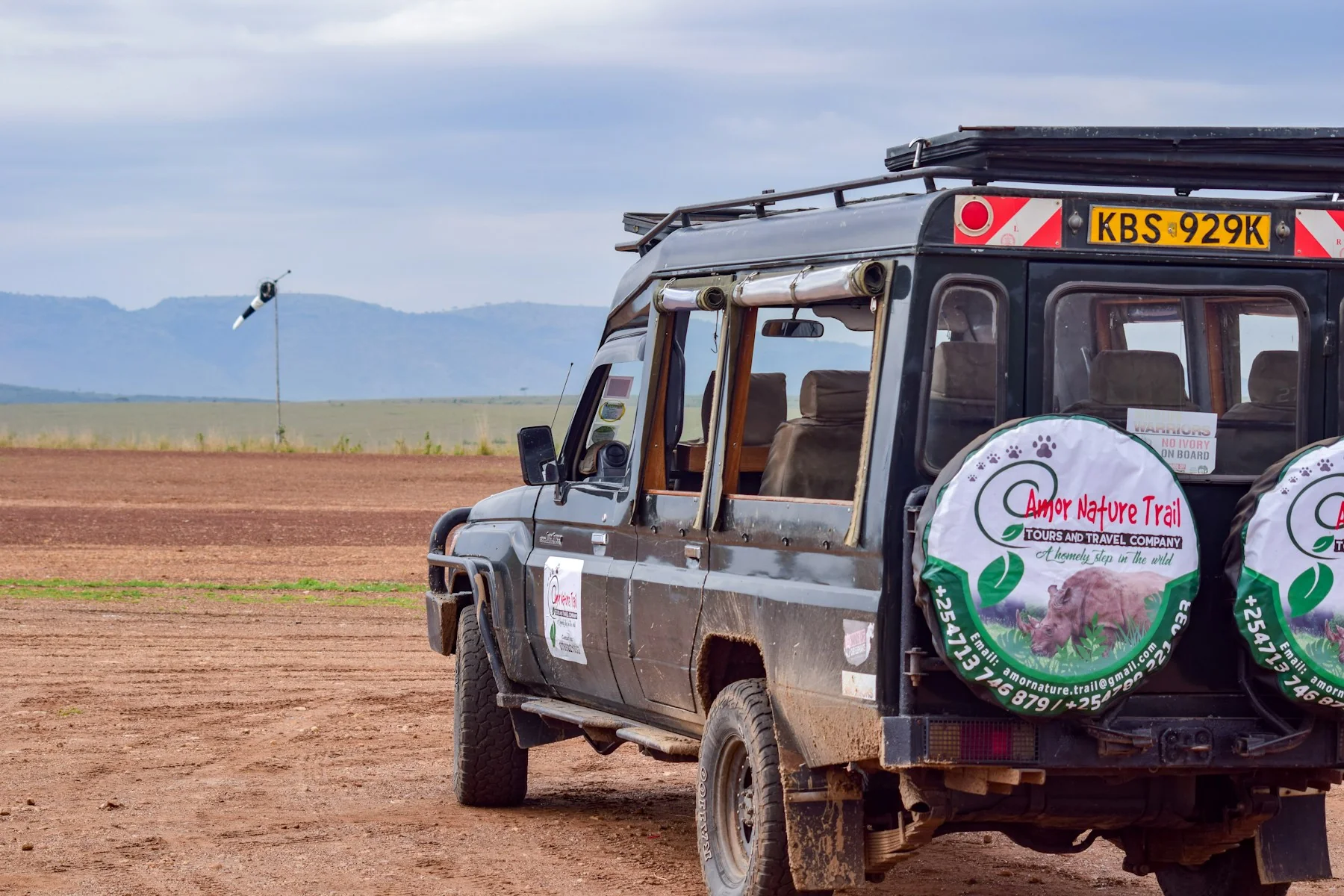
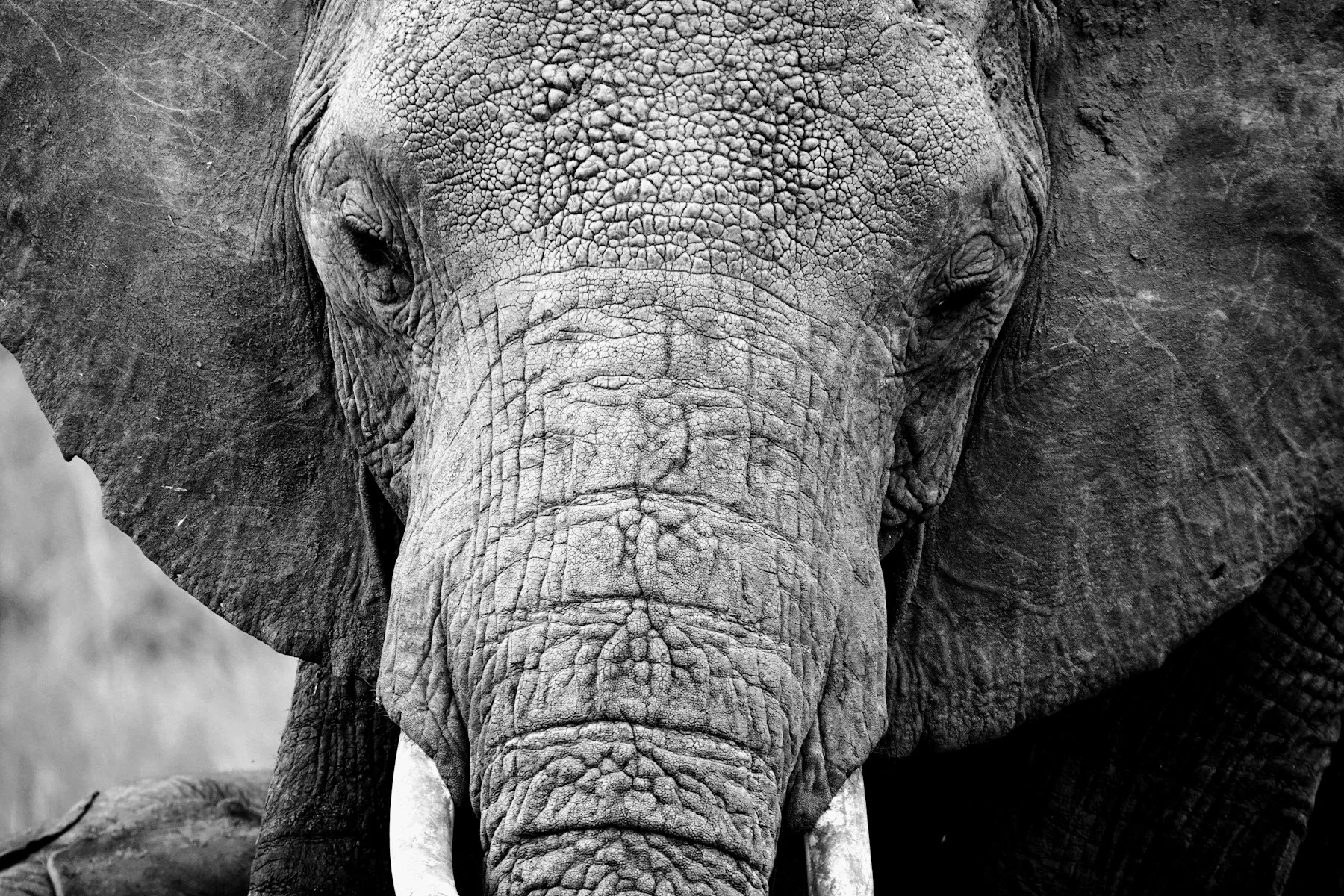
Tsavo route time, rail transfers and family comfort
A line between two gates can look short on a map and still consume much of a safari day. Park roads are slow, wildlife stops are unpredictable, and check-in or meal times matter. When East and West are combined, the transfer should be described as a change of landscape, not disguised as two full game drives. Four nights, divided evenly, gives each park a complete day. Three nights works only when the lodge and gate choices are especially efficient.
The Nairobi to Mombasa railway can reduce highway time, but it does not deliver travellers into a lodge. A driver must meet the chosen station, carry luggage, complete gate formalities and continue through the park. Voi commonly serves East, while Mtito Andei can suit parts of West. Miasenyi may be useful for some routes. Train schedules and stopping patterns change, so the station should be named in the itinerary and matched to the actual lodge rather than chosen because it appears nearest on a national map.
| Planning choice | What it can solve | What it does not solve | Best question |
|---|---|---|---|
| Private road vehicle | Door-to-door flexibility and wildlife stops en route | Long highway and park distances | Which gate and lodge will we reach, and at what realistic time? |
| SGR plus transfer | Reduces part of the road journey | Station waiting, gate transfer and luggage handling | Who meets the train and how long is the final transfer? |
| Light-aircraft flight | Protects time on a short or luxury trip | Soft-bag limits and possible airstrip stops | Which airstrip serves the lodge and is the transfer included? |
| One-night stop | Breaks a Nairobi to coast journey | Creates little genuine wildlife time | Would two nights turn the stop into a safari? |
Families usually enjoy Tsavo more when the middle of the day belongs to the lodge. Choose a pool, shaded room or waterhole view, then use an early drive and a shorter late outing. Carry water, sun protection and a light scarf for dust. Travellers with limited mobility should ask about vehicle steps, paths, room distance and the accessibility of viewpoints before the lodge is confirmed.
For deeper route planning, compare Tsavo East versus Tsavo West, the journey from Nairobi or Mombasa, and the practical best-time guide for Tsavo.
Watch an independent three-day Tsavo East and West safari
This personal travel video follows a three-day holiday through both parks. It is useful because it shows the contrast between open red-earth country and the greener western landscape, along with the driving that connects them.
Use it as a pace check rather than a wildlife promise. Three days can cover both sides, but four nights gives the route room to breathe and leaves more time when an elephant herd, waterhole or changing light deserves a longer pause.
What travellers say after the trip
These public comments are personal experiences, not guarantees. They are useful because they reveal the details that glossy descriptions often leave out.
“endless red earth, acacia trees, and that huge open sky.”
A May traveller describing the first impression of Tsavo East.
“A rewarding excursion to a tranquil and special place of environmental significance.”
A repeat visitor describing Mzima Springs in Tsavo West.
“The lava fields in Tsavo west is a better take.”
A traveller who found Mzima Springs less compelling and preferred the volcanic landscape.
Tsavo safari guide FAQs
What is Tsavo most famous for?
Tsavo is famous for its immense scale, red-dusted elephants, the open plains and Galana River of Tsavo East, and the springs, lava fields and wooded hills of Tsavo West. Its history also includes the lions associated with the building of the Uganda Railway.
How many days do I need in Tsavo?
Allow at least two nights in one park. Four nights is stronger for a combined East and West safari.
Can I travel to Tsavo by train?
The SGR corridor provides useful stations, but every plan still needs a pre-arranged road transfer between the station, gate and lodge.
Is Tsavo good for a safari from Diani or Mombasa?
Yes. Tsavo East is one of the most practical wildlife extensions from the Kenya coast.
Are Tsavo East and West the same park?
They are separate national parks divided by the Nairobi-Mombasa transport corridor, within the wider Tsavo Conservation Area.
Can Tsavo be combined with Amboseli and the beach?
Yes. The route can be designed from Nairobi toward the coast or in reverse, with enough nights to avoid a rushed itinerary.
Is Tsavo East or Tsavo West better?
East suits open red-earth landscapes and coast routes; West suits lava, hills, springs and an Amboseli connection. A longer trip can combine both.
Which Tsavo lodges are near water?
Ashnil Aruba is associated with the Aruba Dam area, while several West properties are positioned near springs or waterholes. Confirm the exact viewing access and season.
Can I visit Tsavo as a day trip from Mombasa?
It is possible, but a night or two protects wildlife time and avoids turning the experience into a long road day.
Should I use a private vehicle in Tsavo?
A private vehicle is especially useful in a large park because it lets the guide wait, change route and match the group’s pace.