
Mahali Mzuri: A Guide to the Camp and Olare Motorogi Conservancy
Mahali Mzuri is a small, polished camp with a remarkably good place to sit still. From the ridge, the valley is part of the day even between game drives. Here is what the newly refreshed tents, conservancy access, family arrangements and full cost actually mean for a stay.

A safari at Mahali Mzuri can begin before the engine starts. The camp’s twelve tents stand along a ridge in the Olare Motorogi Conservancy, looking into a valley where animals may move while guests are still drinking their morning tea. It is a luxurious place, but the real privilege is not simply the bath or the infinity pool. It is having time in a conservancy where the guide can follow a story beyond a scheduled circuit.
Mahali Mzuri belongs to Virgin Limited Edition and reopened after a substantial interior refurbishment in 2025. That matters when reading photographs and reviews. An older account can still tell you about the valley or the quality of guiding, but it cannot describe the room design you would book now. The camp has not moved into the Masai Mara National Reserve. It is in the neighbouring, separately managed Olare Motorogi Conservancy, a distinction that affects night drives, walks, vehicle numbers and the cost of a separate reserve visit.
It is worth choosing this camp for what happens on an ordinary day, not just for the hope of one migration photograph. Leopards, lions, elephants, buffalo, giraffes and many smaller species use this landscape throughout the year. A migration herd may move through the wider ecosystem in season, but its route and timing cannot be promised. The conservancy’s limited accommodation gives the guide more breathing room, though even here no operator can guarantee a private sighting of an animal.
Where is Mahali Mzuri?
The camp is in Olare Motorogi, on the northeastern side of the broader Mara ecosystem. Its roughly 140 square kilometres are under a conservation arrangement with Maasai landowners. Land leases create a direct income stream for families whose land supports wildlife. The conservancy limits the number of camps and beds, and Mahali Mzuri is one of five listed places to stay. This is not simply a quieter gate to the National Reserve. It is a different land-management model with its own guiding rules and resident wildlife.
The National Reserve lies next door, but a stay at Mahali Mzuri does not put you inside its boundary. A reserve outing can be arranged if that is important to your trip, and it takes extra time and entry charges. If your central dream is a particular Mara River crossing point, compare the route from this camp with a reserve or Triangle base. Our river crossings guide explains why being near a famous river is still not a ticket to seeing a crossing.
Olare Motorogi can be excellent without leaving it. More controlled vehicle density may let a guide stay with a leopard at a respectful distance instead of joining a large queue. The possibility of guided walks and later drives offers different ways to read the landscape. Do not interpret “private conservancy” as a personal private game reserve: other guests and camps use it too, and wildlife remains free to move. The appeal is a managed balance, not an empty wilderness reserved for one vehicle.
| Where you spend time | What it changes | Useful limit |
|---|---|---|
| Mahali Mzuri and Olare Motorogi | A ridge camp, low-density conservancy drives, requested walks and night activities. | Other conservancy camps also share the wildlife area. |
| Masai Mara National Reserve | Different sectors, river country and a wider road network. | Separate access, vehicle and guide fees can apply. |
| A second Mara camp | Another habitat and style if your trip is long enough. | Changing camps costs a transfer and part of a safari day. |
What the refreshed tents are really like
There are twelve luxury tents. The standard layout can be made with a king or twin beds and has a lounge area, walk-in shower, freestanding bath and viewing deck. Air conditioning and heating are both listed, a meaningful change for someone who reads an older guest review describing a warm afternoon before the refurbishment. The tent is still part of an unfenced safari camp. You may hear wildlife at night, and staff guidance about walking after dark matters more than the familiar comforts inside.
The Family Tented Suite adds two twin beds to a king-bedroom arrangement with a central living space. It is the room to discuss early when a family wants to be together. The operator’s present materials refer to a Family Tent, but an exact inventory count should be checked for the dates you want. A couple might prefer the privacy of a particular position along the ridge; a family may put easy movement to the main area first. Room placement is not a trivial detail if someone has limited mobility or young children.
The 2025 refurbishment was about more than swapping fabrics. The camp uses East African craft and Maasai beadwork in a contemporary interior, while keeping its unusual elevated position. An independent visitor writing after the reopening describes the renovated tents and the personal feel of a twelve-room camp. If you have seen a picture of an older tent online, make sure you are looking at the new design before deciding what room you are paying for.
At midday there is a heated twelve-metre infinity pool overlooking the plains, a spa treatment room and places to read. There is no dedicated gym. The camp says basic exercise equipment can be brought to a tent or used near the pool. That small distinction matters more to a traveller who wants a daily workout than the vague phrase “wellness facilities.” Spa treatments cost extra; the pool is part of the camp’s normal life.

The shape of a day on the ridge
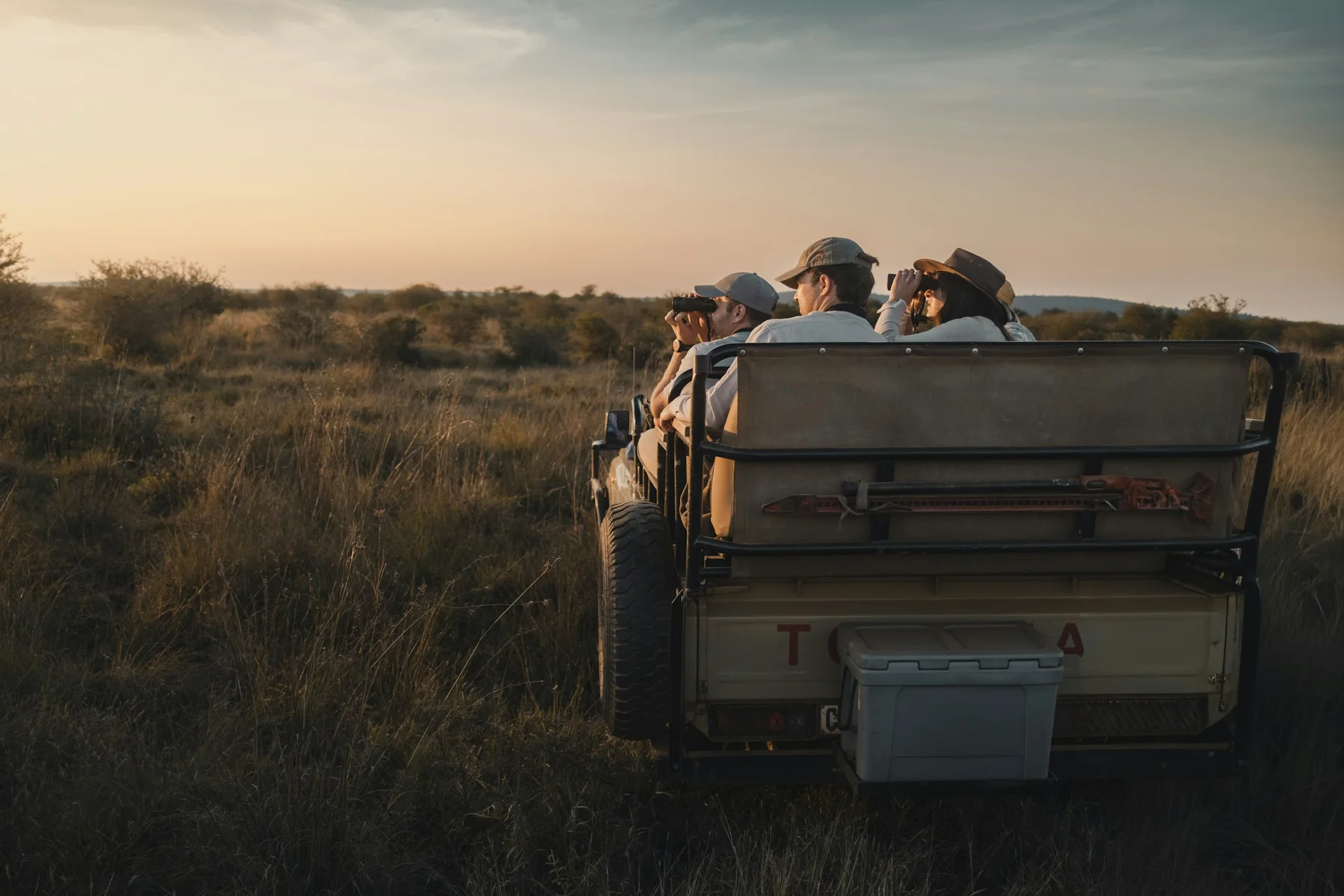
Most days start early. A guide and a few guests leave when the grass is still cool; nocturnal tracks may be legible and predators may be moving. The vehicle can pause for a bird, a giraffe family or the slow work of understanding where a leopard went. You return for breakfast, with enough of the day left to sit on your deck, swim or have lunch without feeling that you have missed the whole safari. A second drive goes out when the light softens.
The camp includes twice-daily guided game drives in its standard stay. A private vehicle is a separate arrangement, subject to availability and an additional charge. Ask for one if your party has very different interests, if a photographer needs long patient stops or if a family needs a shorter drive than other guests. Shared drives can be sociable and excellent; private drives buy control over timing, not better wildlife.
Dining is one of the pleasures guests repeatedly mention. Meals and most drinks are within the inclusive rate, although certain premium brands are charged separately. The camp can arrange a private three-course meal on a deck, bush breakfasts and sundowners in suitable places. Some are special arrangements rather than a guaranteed component of every booking. For a birthday or honeymoon, it is better to say what sort of evening you hope for than to assume every image in a gallery represents a standard dinner.
A night in camp is not a city-hotel intermission. The sound below the ridge can change completely after dark. This is a reason to leave some space in the itinerary. Three nights give you more than a hurried arrival, one full safari day and a departure. They allow a morning when the wildlife takes time, a walk if conditions allow and an afternoon when you simply enjoy being in that place. Our Mara wildlife etiquette guide explains why patience is often the better way to see an animal behave naturally.
Conservancy drives, walking and the migration
Olare Motorogi’s rules permit experiences that are not standard inside the National Reserve, including authorised guided walking and night drives. These should always be discussed with the camp team rather than assumed for a particular age, weather condition or night. A daytime walk changes the scale of the safari. Tracks, dung, plants, insects and birds become the subject; the aim is not to approach dangerous wildlife on foot. A night drive may reveal a different cast of animals, but it must follow the conservancy’s regulations and the guide’s judgement.
The conservancy is part of the migration ecosystem, and wildebeest may pass through. The annual movement is a changing pattern, not a fixed procession that arrives at this ridge on a date printed in a calendar. If a crossing is the only measure of success, even an expensive trip can feel needlessly precarious. Resident predators, elephant herds and the many interactions among them make a wider story. Our Mara season guide can help match the kind of landscape and weather you enjoy.
Guides are central here. A good one reads alarm calls, remembers where a lion pride was yesterday and decides when to keep moving. A quiet conservancy gives that skill room to work, but it is still possible to have an unhurried drive without seeing a leopard. Do not judge a guide solely by a species checklist. Ask about the vehicle seating and guiding approach if photography, birds or young children are the heart of your trip.
| Experience | At Mahali Mzuri | What to decide |
|---|---|---|
| Day game drives | Twice daily with camp guides, included. | Shared vehicle or an extra-cost private one? |
| Guided bush walk | Offered on request in the conservancy. | Fitness, age, weather and guide approval. |
| Night drive | Possible under conservancy rules on request. | Timing and suitability for your party. |
| Reserve visit | Can be arranged beyond the conservancy. | Extra travel time and reserve/vehicle charges. |
| Balloon flight | Third-party sunrise activity. | Extra cost, very early departure and weather. |
What else could you do?
The operator lists guided bush walks with Maasai guides, a local market and beading cooperative visit, bush meals, stargazing near its helipad, traditional games and a balloon safari. The appealing part is the variety of scale. A walk makes a footprint fascinating. A market visit, handled respectfully, is an encounter with working community life rather than a staged performance. Stargazing is weather-dependent and a chance to hear how Maasai knowledge reads the sky. A balloon morning is beautiful but requires a pre-dawn departure, another provider and additional payment.
Culture should not be reduced to a costume stop. If you want to spend time with local people, ask how the visit is organised, who hosts, what you will actually do and whether photography is welcome. A beading cooperative can offer a more grounded conversation than a rushed “village visit” squeezed between drives. Our guide to Maasai community visits helps you approach this with curiosity and respect.
None of these activities should turn three nights into a minute-by-minute schedule. A long walk and a balloon launch can both be wonderful, but both draw energy from the game-drive hours around them. Pick one or two that suit your group. The hillside view, pool and unplanned animal movement are themselves part of the stay. The most memorable hour may be the one you did not book.
Is it suitable for children?
Yes, with important conditions. Mahali Mzuri welcomes children aged two and above. Its Family Tented Suite has a king bed, two twins and a central sitting area. Children under twelve cannot sleep in a tent without parental supervision; for ages twelve to fifteen, a separate tent is permitted but sharing with parents is strongly recommended. There is no babysitting service, so adults should plan their own rest and activities around supervising younger guests.
The game-drive guidance needs particular care because the operator’s FAQ presents it in two ways. Children over six may join standard drives with their parents. For children under six, the detailed family section says a private closed vehicle can be hired at extra cost, with child seats provided, while another general safety answer says under-sixes do not join game drives. The sensible reading is that a shared drive is not for them and a special private arrangement may be possible. Confirm it for your child before paying for flights. Do not promise a toddler an open-vehicle dawn safari based on a general “family friendly” label.
The camp describes nature spotting and tracking activities for younger guests rather than a fixed daily kids’ club. That flexibility can be lovely for a curious child, but it is not childcare. The ridge, pool and unfenced setting demand normal safari supervision. For a family, shorter drives, a rest after lunch and a little time watching life from the deck may be far more enjoyable than chasing every sighting. Our Masai Mara with kids guide covers the wider planning questions.
What do guests say after the refresh?
Recent first-hand accounts tell a more useful story than a simple star rating. On Tripadvisor’s Mahali Mzuri reviews, John L, who stayed in January 2026, wrote that the party could observe elephants, hippos and giraffes right from our lodge patio
. That is a particular guest’s luck, not a standing promise that each animal will be visible every day. It does speak to why the ridge location matters even when you are not in a game vehicle.
A family visitor who stayed in November 2025 praised the new rooms and guiding but noted that service was not quite as ultra-personal, and the vehicles not as plush, as another high-end safari lodge they had just visited. That measured comparison is valuable. It suggests a very good camp without pretending there is a single universal definition of luxury. An earlier July 2025 return visitor, Cassandra S, called the refreshed lodging unique in style and very comfortable
. Her review was collected through a hotel review partnership, which readers should know when weighing it.
A Travel + Leisure writer who visited after reopening offers another independent perspective on the food, design and small-camp atmosphere. Guest reviews remain subjective, and one party’s wildlife sightings say nothing certain about your dates. Together, however, the newer accounts are more relevant to current rooms than pre-2025 photographs and descriptions.
What does “fully inclusive” include?
Mahali Mzuri lists accommodation, meals, most alcoholic and non-alcoholic drinks, a minibar, twice-daily shared game drives, an Olare Orok airstrip transfer, laundry and Wi-Fi within its normal stay. Premium alcohol, private vehicles, spa treatments, balloon flights and some third-party excursions may add to the bill. A visit to the National Reserve is separate from ordinary Olare Motorogi driving and brings its own access and vehicle charges. This is a high-end camp, so the total matters more than an attractive room-only figure.
There is an important wrinkle on the conservancy fee. The operator’s general FAQ says the fee may apply separately. Its formal terms say Olare Motorogi conservation fees are included in room rates. A special free-night offer treats the complimentary night differently and excludes that night’s conservancy fee. These are different published descriptions, not a reason to guess. For the specific stay and any offer, the proposal should state whether the conservancy fee is in the final total. The same care applies to taxes, child occupancy and a private vehicle.
Do not compare Mahali Mzuri with a reserve lodge by nightly room price alone. Add the flight, ground pickup, any reserve day, optional balloon and number of full wildlife days. A five- or six-hour road arrival from Nairobi can make a short stay feel shorter still. A fly-in can preserve an afternoon but must match the correct airstrip, baggage allowance and transfer. Our fee guide explains why differently managed areas can produce differently structured safari prices.
| Cost line | Normally part of the stay? | Where to look closer |
|---|---|---|
| Meals and most drinks | Yes. | Some premium labels cost more. |
| Twice-daily shared drives | Yes. | Private vehicle is separate. |
| Olare Orok airstrip transfer | Yes. | The domestic flight itself is separate. |
| Olare Motorogi fee | Formal terms include it for normal room rates. | FAQ and special offers describe exceptions. |
| National Reserve visit | No standard inclusion. | Entry plus guide and vehicle charges. |
| Balloon and spa | Extra. | Provider, weather and availability. |
How do you get there?
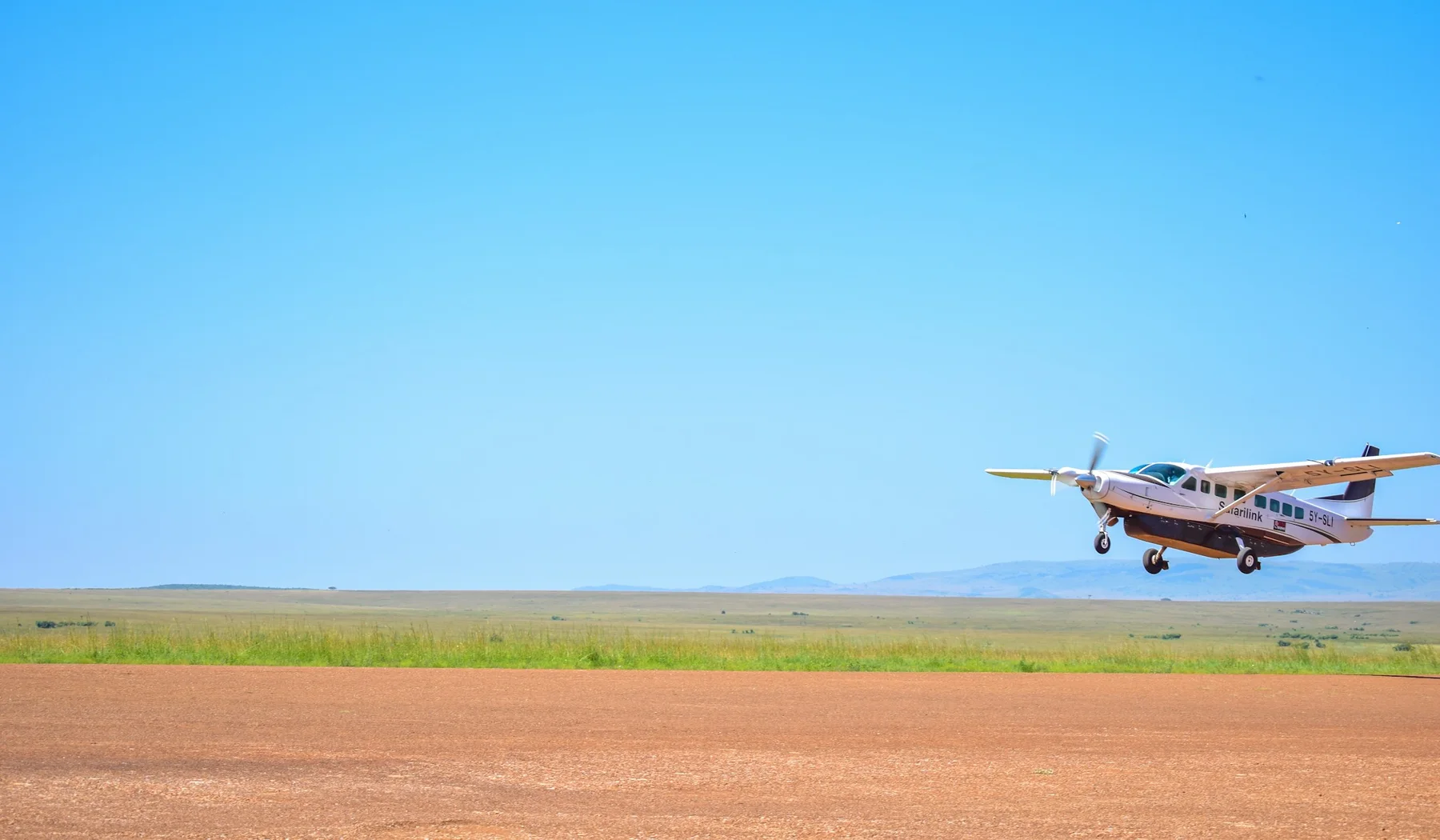
Most international visitors arrive in Nairobi, then use a scheduled flight from Wilson Airport to Olare Orok. The operator describes around fifty to sixty minutes in the air and roughly twenty minutes from that airstrip to camp, though flight routing and the wildlife on the transfer can change the day’s timing. A road journey from Nairobi is possible at roughly five to six hours under favourable conditions, sometimes longer in poor weather or traffic. Neither choice is inherently superior. On a short, expensive stay, the time saved by flying may be worth more than the transfer cost.
A flight from Wilson is not the same as an international arrival at Jomo Kenyatta. Allow enough time for the airport transfer, immigration, baggage and the domestic check-in. Small-aircraft baggage policies are restrictive, often requiring a soft-sided bag. Our safari flight luggage guide and fly-in versus drive-in guide help you choose without sacrificing the first safari day accidentally.
Who will love Mahali Mzuri, and who might choose elsewhere?
It suits travellers who want a very small, highly comfortable camp and enough time to enjoy it. The view gives the room a genuine purpose, the pool makes midday appealing, and the conservancy offers a flexible safari rhythm. A couple celebrating something special can have privacy without disconnecting from the wildlife. A family can do well if the children’s ages and vehicle arrangements are settled before the booking. Anyone expecting a large spa resort, a full gym or a guaranteed daily kids’ club should choose with eyes open.
For a different Olare Motorogi interpretation, compare Kicheche Bush Camp, a more traditional tented safari emphasis. For a Mara North address, compare a camp there rather than assuming every private conservancy has the same access. For a stay inside the National Reserve, consider a reserve or Triangle property and accept different activity rules. Our Mara accommodation guide explains those choices by geography rather than by star rating.
The best reason to stay here is the feeling of returning to that ridge after a drive and finding the valley has continued living without you. Give it enough nights to become familiar. The first morning is exciting; by the third, you begin to notice where the light lands, which birds call from below and how your guide is reading the country. That is a better use of Mahali Mzuri than rushing through it to collect one more lodge name.
Mahali Mzuri questions
Is Mahali Mzuri inside the Masai Mara National Reserve?
No. It is in Olare Motorogi Conservancy, a separately managed wildlife area next to the reserve.
How many tents does Mahali Mzuri have?
Twelve luxury tents, including family accommodation. The interiors were refreshed for the 2025 reopening.
Which airstrip serves Mahali Mzuri?
Olare Orok is the usual airstrip, with an operator-stated transfer of about twenty minutes. The flight and pickup should be matched for the travel date.
Are game drives included?
The standard stay includes two guided shared game drives daily. A private vehicle is an additional arrangement.
Can I visit the Masai Mara National Reserve?
Yes, a reserve visit can be arranged, but it has separate entry, vehicle and guide costs and uses part of a day.
Are conservancy fees included?
The operator’s formal terms include Olare Motorogi fees in normal room rates, while its FAQ and some special offers describe exceptions. The final booking price should state the treatment for your dates and offer.
Can young children stay?
Children must be at least two. Children over six can join standard game drives with parents; under-sixes require a separately arranged private closed vehicle if a drive is approved.
Is there babysitting?
No. Parents or guardians supervise children throughout their stay.
Does the camp have a pool and gym?
It has a heated twelve-metre infinity pool and a spa treatment room. It does not have a dedicated gym, though basic exercise equipment can be provided.
Is a balloon safari included?
No. Ballooning is a separately charged third-party experience with an early start and weather-dependent operation.
Will I see the migration from camp?
The conservancy lies within the migration ecosystem, but herd movement and river crossings are unpredictable. Resident wildlife makes a stay rewarding beyond migration season.
Explore this part of the Mara
Plan Mahali Mzuri
Tell us your dates, group, children’s ages and whether a conservancy-only safari or a reserve visit feels right.