
Kicheche Bush Camp: A Small-Camp Safari in Olare Motorogi
Kicheche Bush Camp, now presented by the operator as Kicheche Bush Olare, has five standard tents and one family suite in the Olare Motorogi Conservancy. This is a guide to the wildlife days, unfenced camp nights, communal meals, family rules and the costs that matter before you book.
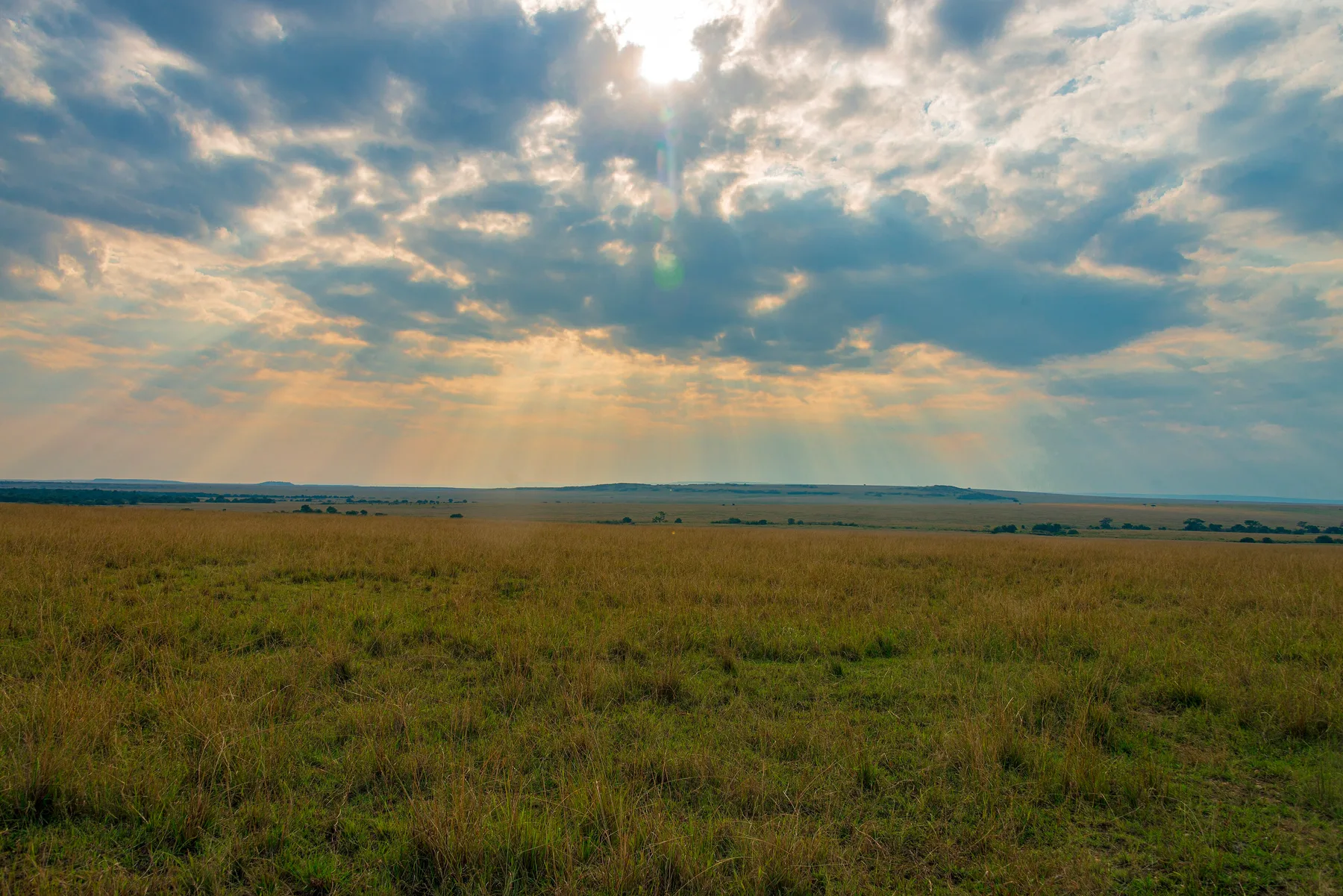
At a small camp, breakfast often starts before you have reached the dining tent. Someone has heard lion calls in the dark. A guide knows which tracks crossed the road overnight. By the time coffee arrives, a few guests are already discussing where to spend the morning. That is the appeal of Kicheche Bush: not a grand building, but a six-tent home base in a remarkable wildlife landscape.
The name can be confusing. The operator calls this property Kicheche Bush Olare; many travellers still search for Kicheche Bush Camp. It is the same camp in Olare Motorogi Conservancy, not Kicheche Mara North or Kicheche Valley Naboisho. Those are separate properties in different conservancies, with different settings and activity rules. Our Mara conservancies guide places Olare Motorogi among the wider choices.
The camp is intimate, unfenced and comfortable, though not built to feel like a hotel. You will find private bathrooms, charging, Wi-Fi in the tents and thoughtfully hosted meals. You will not find a swimming pool, formal restaurant or guarantees of a big-cat sighting every morning. The value is that you can leave camp directly into conservancy habitat with a skilled guide, then return to a warm table where the day’s stories are shared. That balance is worth understanding before the first flight is booked.
Olare Motorogi is the reason to stay here
Kicheche Bush sits inside Olare Motorogi Conservancy, a protected area adjoining the Masai Mara National Reserve. The operator describes a 35,000-acre landscape of grasslands, escarpments and wildlife corridors, managed through arrangements with local landowners. The camp is not a reserve gate hotel. Drives begin in the conservancy itself. This is why the location matters: you spend the first part of a dawn outing looking for wildlife rather than travelling from a town or waiting at a distant entrance.
Olare Motorogi has a strong reputation for big cats, but reputation is not a timetable. Lions may be active beside a track one day and hidden in grass the next; a leopard sighting depends on patience, luck and the guide’s reading of a landscape. The area’s lower vehicle density can make time at a sighting feel more peaceful than the busiest reserve circuits. It does not give any operator an exclusive claim to an animal or excuse a vehicle from crowding it.
The reserve is next door, not the place where you sleep. If you want a particular reserve sector or a chance at a migration river crossing, a separate reserve visit may be possible with extra time, travel and fees. Kicheche’s published safari-package material says national-reserve visits are not automatically included. For a two-night stay, remaining in Olare Motorogi may give you a more satisfying pace than spending a day chasing a crossing that may not happen. Our river-crossings guide explains the uncertainty without draining the excitement from it.
| Base | What it feels like | Planning implication |
|---|---|---|
| Kicheche Bush, Olare Motorogi | Six-tent, unfenced camp with immediate conservancy drives and shared camp life. | Choose it for guiding and habitat, not for a pool or reserve address. |
| Kicheche Mara North | A separate Kicheche camp in Mara North with its own valley setting. | Different conservancy, access rules and room layout. |
| Kicheche Valley Naboisho | A separate six-tent camp in Naboisho. | Night drives listed for Valley in the operator’s packages, not automatically for Bush. |
| Masai Mara National Reserve camp | Direct reserve setting with different daily rules. | More suitable if your whole plan centres on one reserve sector. |
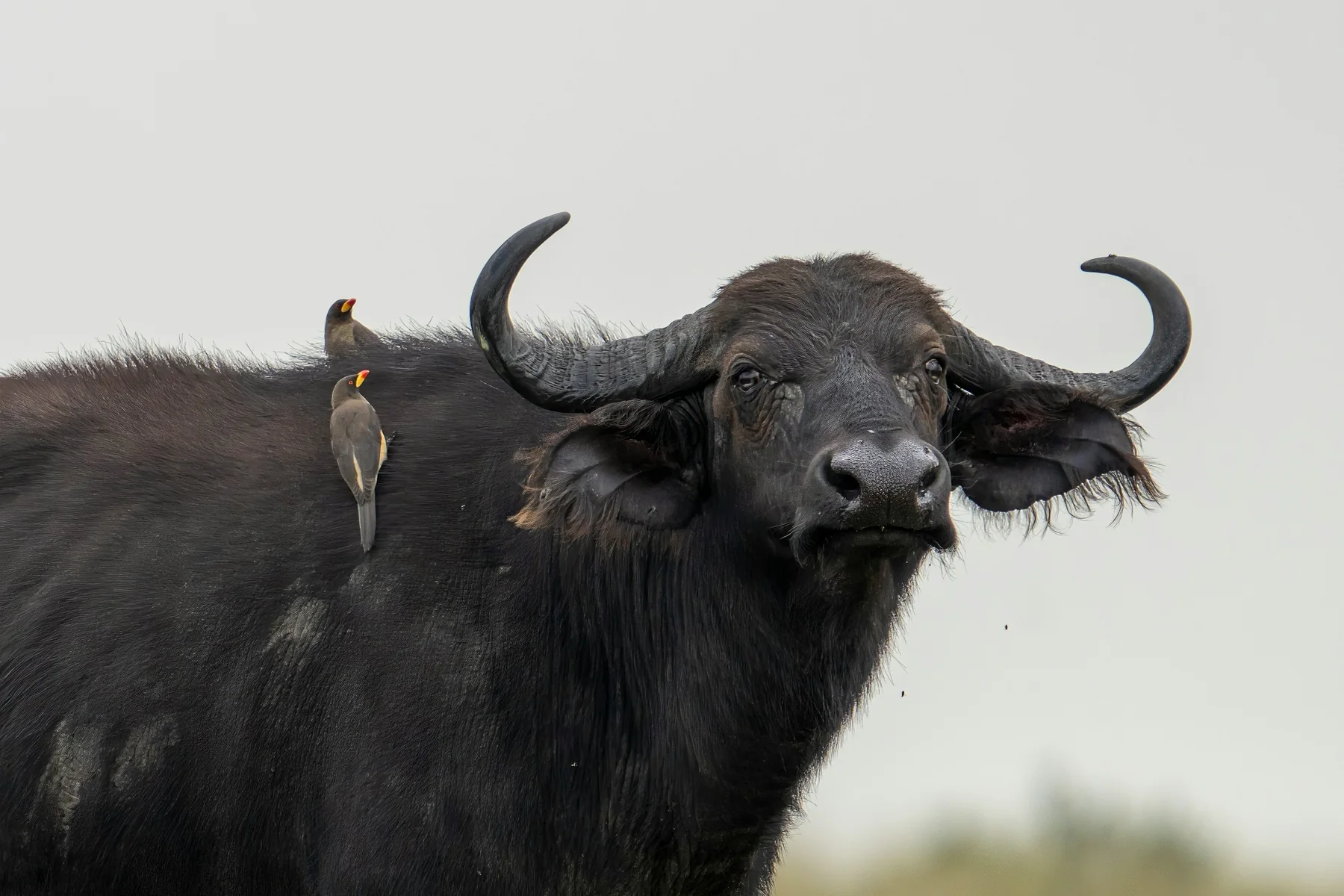
Five standard tents and one family suite
The current operator description is precise: five standard tents and one family suite. Some older descriptions simply say six tents. That overall number is still true, but it hides the family configuration. The suite is not six more beds scattered across the camp. It is a distinct room choice, and the operator describes a maximum occupancy of five in its rate material. A family of three, four or five should discuss the actual bed arrangement rather than assume all can fit comfortably in one generic tent.
Each tent has a private en-suite bathroom with hot and cold shower, flushing toilet and basin. There are solar-powered charging points, Wi-Fi in the guest tents, a free-standing fan and a hammock outside. Laundry is offered, with the operator noting a cultural restriction on laundering underwear. These details make the camp comfortable, but it remains canvas in an unfenced wild setting. At night you may hear hyenas, rain or other tents settling in the wind. That is part of the experience, not a sign that the camp has failed to provide a sealed hotel bedroom.
Talk about the tent’s position if privacy matters. A small camp can still have differences in outlook and walking distance from the dining tent. Ask how guests move after dark and follow the escort instructions. In an unfenced area, walking alone because the bathroom light is on or you can see the lounge is a poor idea. If someone has difficulty with uneven ground or steps, describe the actual mobility issue before reserving. A camp can be attentive and still be physically unsuitable for a particular traveller.
There is no large resort infrastructure here. The unfenced atmosphere, a table that can include fellow guests and the proximity of wildlife are why people choose Bush Olare. For a traveller who would use a spa complex, gym or private dining room every day, a different lodge may be a better expression of luxury. Our where to stay in the Mara guide compares the styles without pretending they are interchangeable.
Game drives that begin at camp
The operator lists game drives with Silver-rated guides in customised four-wheel-drive vehicles. The appeal is not a promise of an endless list of species. It is time: time to follow a track, sit with a pride, watch birds and return to a place when the light has changed. A first-time traveller may want the classic lion, leopard and elephant story. A return visitor might be delighted by a serval, unusual bird behaviour or the dynamics of one particular group of wildebeest. Tell the guide which kind of day you value.
A shared vehicle can work beautifully when the guests have similar priorities. It becomes less ideal when one traveller wants long photographic waits and another wants to be back for lunch. The operator’s 2026 rate material offers exclusive vehicle use separately and says the family suite includes exclusive use. For other bookings, vehicle allocation depends on the group and the trip terms. Establish it before arrival, especially if you have children, a long lens or a strong preference for full-day drives.
Do not confuse wildlife-rich Olare Motorogi with guaranteed access to every other conservancy. A Kicheche multi-camp trip can combine Mara North, Naboisho and Olare, but each move takes time and each place has its own character. Two or three nights at Bush give the guides and the landscape room to surprise you. One frantic night may bring a lovely meal but little understanding of why you travelled here.
The camp’s setting can be particularly appealing outside the dramatic migration season. Resident predators and herbivores do not leave on a fixed date with the wildebeest. Green-season light, young animals and birdlife can make a remarkable safari, though rain can change roads and camp routines. Our best time to visit the Mara helps match expectations to season.
Walking, a wild night and activities worth choosing
A guided bush walk changes the scale of the Mara. You notice tracks, insects, plants and the distance between one shade tree and the next. Kicheche lists guided walks, and its longer Walking Wilderness itinerary connects the Naboisho and Olare areas with a night at a lightweight wild camp. That fly-camp night is a different experience from returning to your Bush Olare tent. It has simpler facilities and deserves a clear explanation for anyone who equates all camping with the same comfort level.
Walking has age and fitness considerations. The operator’s 2026 walking material sets a minimum age of 16 for the walking wilderness package, even though children aged seven and above can stay at Bush Olare. A family with a ten-year-old should not assume that because the child can sleep in the family suite, they can join every walk. A short, appropriate nature experience may be possible, but the exact guided activity and safety decision belong with the camp. Our Greater Mara walking guide explains the difference between a bush walk and a game drive.
The camp also lists a behind-the-scenes tour, a visit involving The Maa Trust, guided running, balloon safaris and in-tent massages. The tour can show how a small solar-powered camp operates. A Maa Trust visit can put the conservancy’s human relationships into focus when led respectfully and with time to listen. A balloon flight is a separate, early-morning experience with its own operator and cost. A massage is an extra comfort after a long drive. Choose the activity that deepens the trip instead of stacking every possibility into a two-night stay.
One easily missed distinction: the operator’s packaged itineraries name night drives specifically at Kicheche Valley Naboisho. That is not proof a night drive is included at Kicheche Bush Olare. If after-dark driving is central to your plan, clarify the actual property and inclusions before choosing the camp. A beautiful Bush Olare day does not become worse because a neighbouring Kicheche camp offers a different activity.
Meals around a table, not a restaurant booking
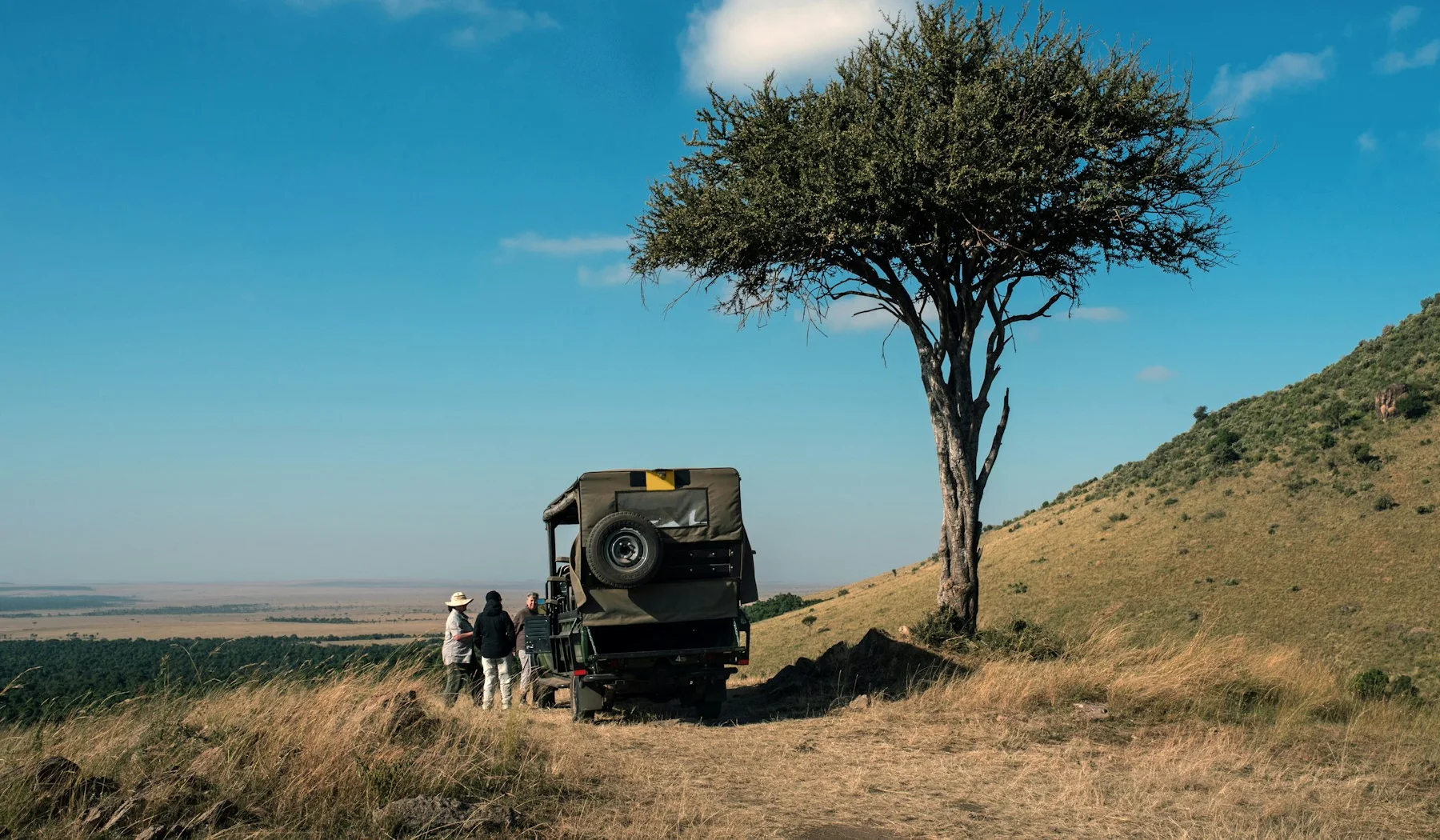
At Bush Olare, communal dining and the open-sided lounge are part of the design. Meals may be taken under acacias or beneath canvas. After a drive, stories come back with the guests: the cheetah that vanished behind a rise, a surprising bird, a guide’s patient explanation of tracks. Some people will find that dinner conversation one of the joys of a small camp. Others value a private table each night and should say so before committing to this style.
The operator includes a broad range of drinks in some safari packages, but champagne and certain extras may be excluded. The exact package matters. Bush breakfasts and picnic lunches can extend a game drive, while a relaxed lunch at camp creates time to rest, read or have a massage. You do not have to be out from dawn until dark to earn the safari. It can be wonderful to sit in a hammock and hear wildlife rather than see it through glass.
The camp’s Wi-Fi and 24-hour solar power are welcome conveniences, though a remote conservancy is not the place to assume uninterrupted video calls. Charge camera batteries when you have the chance. Tell the camp about food allergies, vegetarian preferences or an important family celebration in advance. In a six-tent operation, thoughtful preparation often matters more than an elaborate menu.
What guests say after sleeping here
Independent reviews help reveal the texture behind the sales photographs. Emma S, writing about a 2026 honeymoon, said the staff made us feel like family
and singled out the guiding and welcome. Another guest, Nicholas S, praised the food, bush breakfast and atmosphere around manager Dido. These are individual accounts, yet they explain why some travellers return to a modest-sized camp rather than choose a lodge with more facilities.
The most useful reviews are not all unqualified praise. A March 2026 guest account gathered by Expert Africa described a very wet stay with supplied rubber boots and an extremely noisy night after hyenas killed a buffalo near camp. Another guest on the same page enjoyed the communal meals and sparse vehicle traffic but mentioned a few creepy crawlers inside the tent
. The reviewer still rated the trip highly. Canvas, weather and unfenced wildlife are not failures of housekeeping; they are real considerations if you are uncomfortable with either.
A different recent guest said the tents were private and the only noise was wildlife. That is the same environment seen through a different set of expectations. Go for the closeness to the bush if you will enjoy that soundtrack. If you need a quiet, sealed room, a concrete-walled lodge may be the better holiday, even with fewer extraordinary moments outside your door.
Read the reviews for specific decisions. Do communal meals appeal? Is a shower temperature issue more important to you than a guide’s wildlife knowledge? Would a rainy walk in borrowed boots be a good story or a miserable day? There is no virtue in pretending every traveller wants the same kind of safari. The point of the accounts is to help you picture your own stay more accurately.
The family suite has its own rules
Kicheche Bush Olare welcomes children from age seven, according to the operator’s family information. Its single family suite can hold up to five, and the rate material says exclusive vehicle use is guaranteed with the suite. That vehicle arrangement is significant: children can need a shorter drive, more stops and a different lunch hour from adults in another tent. It also makes the suite more than a bed-count upgrade.
There is only one family suite. For a school-holiday trip, availability may be the first constraint, not the flight. Explain each child’s age, preferred sleeping arrangement and walking appetite early. A seven-year-old may be ready for a game drive but not for the operator’s 16-plus walking wilderness itinerary. Ask about escorting children after dark, as the camp is unfenced, and do not assume kids can roam between tents independently.
If you are travelling with a toddler, the answer is clearer: Bush Olare’s stated minimum age is seven. Another Kicheche property or a different Mara lodge may suit your family better. Our Masai Mara with kids guide covers the route and activity choices that make a family safari enjoyable rather than exhausting.
| Traveller | Why Bush Olare may work | What to settle before booking |
|---|---|---|
| Couple | Small camp, strong guiding and unhurried shared meals. | Comfort with communal dining and an unfenced setting. |
| Family with children 7+ | One family suite and exclusive vehicle with that suite. | Suite availability, beds, children’s ages and safe activity choices. |
| Photographer | Olare access and patient guiding. | Private or photographic vehicle, number of seats and drive length. |
| Walking enthusiast | Guided walks and a possible multi-camp walking trip. | Age, fitness, programme and whether a wild-camp night is desired. |
| Resort-style traveller | Comfortable tent and service. | No pool or large hotel facilities; a different lodge may fit better. |
The conservancy is a partnership with people
Olare Motorogi’s low-density tourism depends on agreements with Maasai landowners. The wildlife landscape is also someone’s home and livelihood. That makes the conservancy fee more than a gate charge, although the exact distribution and management deserve careful scrutiny like any conservation arrangement. Kicheche says its operation works with local landowners, and it offers a visit connected to The Maa Trust, where guests can meet women involved in beadwork and community initiatives.
It is possible to enjoy a safari while learning little about the people who protect the land. If that matters to you, choose a visit with enough time to ask questions and listen. Avoid treating it as a quick photo stop. Our ethical Maasai visit guide gives practical questions to ask. The camp’s back-of-house tour can also reveal how water, waste, energy and supplies are handled in a remote setting.
The land arrangement shapes your game drives. Fewer beds and managed vehicle numbers can give animals more space and guests a calmer experience, but it also means that access is not interchangeable with a ticket to the reserve. Understand which land you are visiting and which fee supports it. Our park and conservancy fees guide explains the difference.
A beautiful camp needs a complete safari price
Kicheche’s 2026 material separates the accommodation rate from Olare Motorogi conservancy fees in its rate table. Its multi-night safari packages can include both. This distinction matters if you compare a camp-only quote with a fully assembled itinerary. Look at the total for your dates, age categories, number of nights, airstrip transfers, vehicle choice and any reserve excursion. The operator’s family suite includes exclusive vehicle use, while an exclusive vehicle for a standard-tent booking may cost extra.
The operator lists a minimum stay of two nights in its 2026 rate material and a seasonal closure in part of April and May. Those dates should not be copied forward forever. If you are planning a future year, availability and applicable terms need to be checked for that season. A one-night stop is usually a poor fit anyway: arrival, settling into an unfenced camp and a departure drive leave too little time to learn the conservancy.
Package descriptions also matter for night drives. Kicheche names Kicheche Valley Naboisho for them in certain offers. Do not add that activity to a Bush Olare plan without confirming it belongs to this camp and is permitted on the chosen dates. A reserve day, balloon flight, extra wild-camp night or private photographic vehicle can change the final price substantially. Our Mara safari cost guide explains how the pieces add up.
| Cost or inclusion | Why to look closely | Useful choice |
|---|---|---|
| Standard tent or family suite | The family suite has different capacity and vehicle terms. | Match actual sleepers to the room, not merely its label. |
| Conservancy fee | Separately listed in some rates, included in some packages. | Compare the entire trip cost. |
| Game-drive vehicle | Shared use can be sociable; exclusive use brings control. | Settle photography and family needs before arrival. |
| Reserve visit | Separate from the normal Olare Motorogi experience. | Add only if time and wildlife priorities justify it. |
| Flights and transfers | A camp rate is not automatically a Nairobi-to-Mara journey. | Choose fly-in or road route for the whole itinerary. |
| Walk, balloon or wild camp | Different age rules, operators and cost. | Select the few that change your trip for the better. |
Arrival, bags and a multi-camp route
Most fly-in visitors arrive at a Mara airstrip and transfer by game vehicle. The exact landing strip depends on airline schedules and the camp arrangement; use the strip on your itinerary rather than a generic “Mara airport” label. Small-aircraft baggage limits often require a soft bag. Our safari-flight luggage guide helps you prepare.
Driving from Nairobi can work when the Mara forms part of a longer road safari. It takes more of a day and conditions change with rain. A guide who drives you from Nairobi cannot assume that the same vehicle will handle every conservancy game drive without meeting local rules and arrangements. Coordinate the last leg and the camp guide rather than letting the arrival day become a series of surprises. Our fly-in versus drive-in guide weighs the whole route.
A split stay with another Kicheche camp can show a different part of the Mara, but do not move every night. Packing, transfers and new orientations eat into the very wildlife time you came to gain. Two or three nights at Bush followed by two or three in Mara North or Naboisho can be more satisfying than a rapid three-camp sampler. For a walking-focused trip, the operator’s Walking Wilderness route is a distinct, more active proposition with a wild-camp night.

Is this your kind of Mara camp?
Choose Bush Olare if you would trade a pool and formal dining for a small group, strong guiding and a sense of the landscape continuing right through camp. It is especially appealing when you enjoy talking about wildlife with your guide and fellow travellers at dinner. The family suite makes it viable for older children, provided the seven-plus rule and walk restrictions suit the group.
Choose a different property if you need a sealed hotel room, a big pool, private dining every night or activities this camp does not offer. Do not book it merely because the Kicheche name appears in a night-drive itinerary for Valley Naboisho, or because someone said the migration is “on the doorstep.” Those may be reasons to consider the broader Kicheche circuit, but this particular camp’s strengths are its six-tent scale, Olare Motorogi habitat and the way a good guiding team can help you slow down and see more.
For a glimpse of the rooms and communal spaces, the operator has a short Kicheche Bush Olare video. Watch it alongside the candid guest accounts, then imagine the trip with your own weather, interests and travelling companions. That is a better starting point than any promise of a perfect sighting.
Kicheche Bush Camp questions
Is Kicheche Bush Camp the same as Kicheche Bush Olare?
Yes. The operator now presents the property as Kicheche Bush Olare. It is in Olare Motorogi Conservancy and is separate from Kicheche Mara North and Kicheche Valley Naboisho.
How many tents does Kicheche Bush Camp have?
The operator lists five standard tents and one family suite, making six guest tents in total.
Is the camp inside the Masai Mara National Reserve?
No. It is inside Olare Motorogi Conservancy, which borders the national reserve. A reserve excursion is a separate activity with different access and fees.
Can children stay at Bush Olare?
The operator states a minimum age of seven for Bush Olare. Its family suite can take up to five guests, with an exclusive game-drive vehicle included in the suite terms.
Is a private vehicle included?
The family suite terms guarantee exclusive use. For standard tents, check the specific booking because shared drives are normal and exclusive use may cost extra.
Can I take a night drive from Kicheche Bush?
Do not assume so. Kicheche packaged itineraries identify night drives at Kicheche Valley Naboisho. Ask about the exact Bush Olare programme before booking.
Are guided walks available?
The operator lists guided bush walks. Its longer Walking Wilderness package has a minimum walking age of 16. Discuss the type of walk and individual suitability in advance.
Does the camp have a pool?
No pool is listed among the Bush Olare facilities. The camp focuses on six-tent bush intimacy, game drives, walking and communal meals.
Are conservancy fees included in the nightly rate?
The operator lists conservancy fees separately in some rate material, while certain complete packages include them. Compare the full price for the itinerary offered.
Can I see the Great Migration from camp?
Herds can move through the wider ecosystem, but the migration and any river crossing cannot be promised from a particular tent or on a particular date.
Keep exploring the Mara
Plan Kicheche Bush Camp
Tell us your dates, group, room preference and the wildlife or walking experiences that matter most. We can plan a complete Kicheche Bush stay and compare other Mara bases where helpful.