
Where to Stay in the Masai Mara: Lodges and Camps by Area, Style and Safari
At first light, one camp may already be beside the river while another is still driving toward the reserve gate. Both can be beautiful. They create very different safaris.
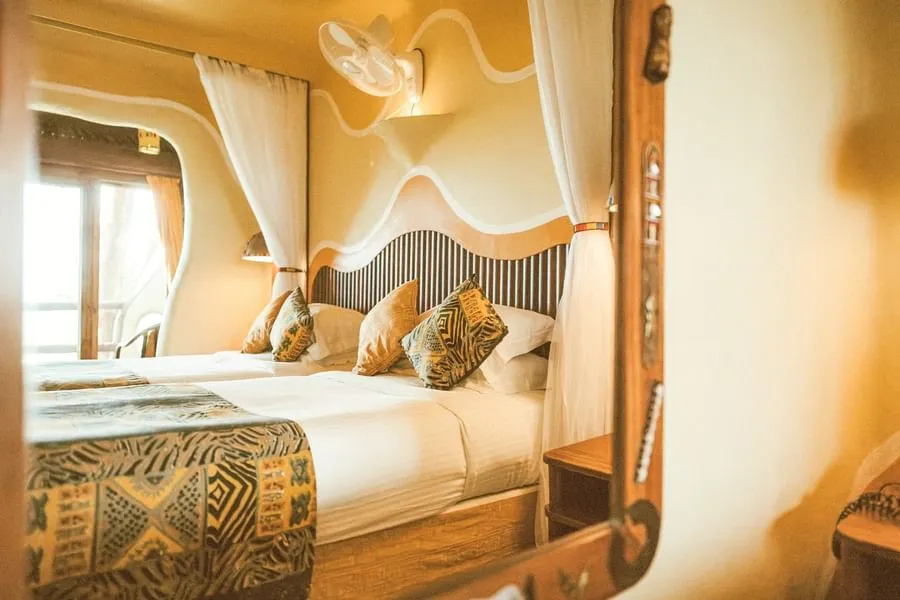
Deciding where to stay in the Masai Mara begins with geography. The National Reserve, Mara Triangle and surrounding community conservancies have different access rules, activities, wildlife rhythms and distances. The best camp is the one whose position creates the days you came to Kenya for.
- The five accommodation decisions hidden inside one destination
- Inside the Masai Mara National Reserve
- Mara Triangle lodges and escarpment bases
- Mara North Conservancy camps
- Naboisho Conservancy camps
- Olare Motorogi Conservancy camps
- Ol Kinyei, Olderkesi, Lemek, Ol Chorro and Siana
- Talek, Sekenani and eastern gate accommodation
- Budget, mid-range, luxury and ultra-luxury
- Where families should look more closely
- Honeymoon camps and lodges
- When to split a Mara stay between two camps
- What to confirm before paying
- Traveller opinions
- See a Mara camp stay on video
- FAQs
The five accommodation decisions hidden inside one destination
The name Masai Mara is often used for the whole ecosystem, but accommodation can sit inside the county-managed National Reserve, inside the separately managed Mara Triangle, on a community conservancy, on private land near a gate or in a town and settlement corridor. Those positions affect when a vehicle can start, whether a gate queue exists, where night drives or walks are permitted and how far a balloon pickup or airstrip transfer may be.
A camp outside a reserve gate is not automatically a conservancy camp. A lodge with Mara in its name may be a substantial drive from the river sector pictured in an itinerary. Ask for a map pin, the normal game-drive area, reserve access plan, nearest airstrip and any additional conservation fee before comparing the room photographs.
| Area type | What it can offer | Question to settle |
|---|---|---|
| National Reserve | Direct access to reserve wildlife circuits | Which sector and nearest gate? |
| Mara Triangle | Western reserve, escarpment and river access | Inside Triangle or outside its boundary? |
| Community conservancy | Managed vehicle density and additional activities | Which land can this camp legally drive? |
| Gate-area private land | Wide budget range and road convenience | How long to the gate at dawn? |
| Town or settlement corridor | Practical price and local access | What is the daily wildlife transfer? |
Inside the Masai Mara National Reserve
Inside-reserve examples include Keekorok Lodge in the eastern central reserve, Sarova Mara Game Camp near the eastern side, Ashnil Mara Camp along the Mara River, Entim Mara and Rekero in central river country, Governors’ Camp and Il Moran in the Musiara sector, and Sand River Masai Mara and Sala’s Camp toward the south and southeast. Their exact settings vary sharply, so they should not be treated as one neighbourhood.
Governors’ and Little Governors’ are associated with the northern river and marsh country, while central river camps can be useful for broad reserve circuits. Sand River and Sala’s sit closer to the Tanzania boundary and southern plains. Keekorok gives a classic lodge format and historical position. The best choice depends on travel month, intended airstrip and whether the itinerary will stay in one sector or cross the reserve.
| Property example | Broad position | Often suits |
|---|---|---|
| Keekorok Lodge | Eastern central reserve | Classic lodge facilities and road safaris |
| Sarova Mara Game Camp | Eastern reserve area | Families wanting a larger full-service camp |
| Ashnil Mara Camp | Mara River sector | Travellers prioritising river access |
| Entim Mara / Rekero | Central reserve and river country | Wildlife-led tented stays |
| Governors’ / Il Moran | Musiara and northern reserve | Riverine habitat and northern circuits |
| Sand River / Sala’s | Southern and southeastern reserve | Quiet southern landscapes and Tanzania-side routing |
A traveller’s look inside a Mara camp
The Curry Couple’s independent vlog follows a fly-in stay at Bateleur Camp on the western side of the ecosystem. It shows the airstrip arrival, tent, meals, game drives, balloon flight and walking safari. Watch the transitions as much as the room tour. They reveal how a camp’s position and included activities shape the entire day.
Mara Triangle lodges and escarpment bases
The Mara Triangle’s own accommodation page states that Mara Serena Safari Lodge and Little Governors’ Camp are the only permanent accommodations inside the Triangle. Mara Serena stands on a high viewpoint and offers a permanent lodge with pool and broad views. Little Governors’ is reached by a river crossing and has the intimacy of a tented camp close to marsh and river habitat.
Angama Mara, Kichwa Tembo, Bateleur Camp, Kilima Camp, Mara Engai, Mara Siria and other western properties sit outside the Triangle boundary but can provide access under their current arrangements. Angama occupies the Oloololo Escarpment above the reserve. Kichwa Tembo and Bateleur sit below the escarpment on private concession land. The question is not whether they are marketed with the Triangle, but how each day enters and uses it.
| Western option | Setting | Planning point |
|---|---|---|
| Mara Serena | Inside Triangle, high viewpoint | Permanent lodge scale and circuit distances |
| Little Governors’ | Inside Triangle, tented camp | River crossing and luggage arrival |
| Angama Mara | Oloololo Escarpment | Descent time and private concession activities |
| Kichwa Tembo / Bateleur | Western private concession | Triangle access and vehicle arrangement |
| Mara Siria / Kilima | Escarpment and western edge | Gate access and flight transfer |
Mara North Conservancy camps
Mara North stretches across varied northern habitat and contains a substantial collection of camps. Named examples include Karen Blixen Camp, Elephant Pepper Camp, Kicheche Mara Camp, Offbeat Mara, Royal Mara, Saruni Mara, Serian, Elephant Pepper, Mara River Camp and houses such as Acacia House and Mara House under their current operators. Position within Mara North still matters because the conservancy is not a single small paddock.
This area can suit travellers wanting conservancy driving, strong guide-led days and the option to visit the reserve when the camp’s rules and itinerary allow. Some properties lean toward classic canvas, some toward family houses and others toward elaborate suites. Compare conservancy fee, shared or private vehicle, reserve-day cost, walking, night-drive policy and distance to the river or reserve boundary.
Naboisho Conservancy camps
Naboisho Conservancy lists Naboisho Camp, Encounter Mara, Basecamp Wilderness, Kicheche Valley, Mara Nyika, Porini Mara Camp, Saruni Eagle View and Saruni Leopard Hill among its accommodation. The conservancy combines open plains, valleys and woodland with a controlled tourism model, and is widely chosen for big-cat interest, walking and night drives.
The camps are not interchangeable. Kicheche Valley is small and strongly wildlife-led. Naboisho Camp offers a polished classic tented format. Mara Nyika takes luxury further. Eagle View sits on an elevated position, while Leopard Hill is known for distinctive tent design. Encounter Mara and Basecamp Wilderness create different levels of simplicity and seclusion. Choose based on guide, vehicle sharing, family policy and the specific part of Naboisho used each day.
| Naboisho style | Examples | Good fit |
|---|---|---|
| Small wildlife camp | Kicheche Valley, Encounter Mara | Travellers who put guiding first |
| Classic tented comfort | Naboisho Camp, Porini Mara | First conservancy stay |
| High-design luxury | Mara Nyika, Leopard Hill | Privacy and special occasions |
| View-led camp | Eagle View | Landscape and elevated outlook |
| Quiet wilderness | Basecamp Wilderness | A more intimate camp rhythm |
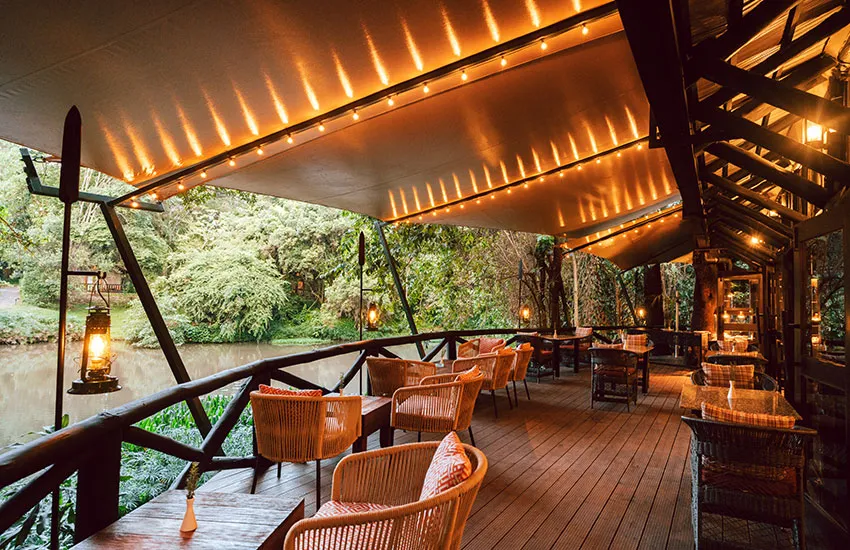
Olare Motorogi Conservancy camps
Olare Motorogi’s official accommodation page identifies five partner camps: Kicheche Bush Camp, Porini Lion Camp, Mara Plains Camp, Olare Mara Kempinski and Mahali Mzuri. All are relatively small, yet they occupy different sites and deliver different versions of luxury. The conservancy is known for important predator habitat and controlled bed density.
Kicheche Bush and Porini Lion suit guests who want a traditional small-camp focus. Mara Plains and Mahali Mzuri offer very high levels of design, service and privacy. Olare Mara Kempinski blends a larger suite style with canvas. Price differences are substantial, so compare what matters in the field: vehicle capacity, private guiding, reserve access, walking, night drives and how much time you actually want to spend in the room.
Ol Kinyei, Olderkesi, Lemek, Ol Chorro and Siana
Ol Kinyei is associated with Porini Cheetah Camp and other small operations under current agreements, and can connect with neighbouring Naboisho through defined access arrangements. Olderkesi in the southeast is home to Cottar’s 1920s Camp and Cottar’s private bush villa, combining a remote borderland setting with access toward the reserve. Lemek and Ol Chorro in the northwestern ecosystem include camps and lodges such as Fairmont Mara Safari Club, House in the Wild and other private properties according to their exact boundaries.
Siana Conservancy and eastern private lands include camps such as Spirit of the Masai Mara, Siana Springs and Enkorok-area properties under current operating names. These less famous areas can be rewarding, but the sales label is not enough. Establish the conservancy membership, game-drive rights, reserve entry route, community lease model and the amount of development around the camp.
Talek, Sekenani and eastern gate accommodation
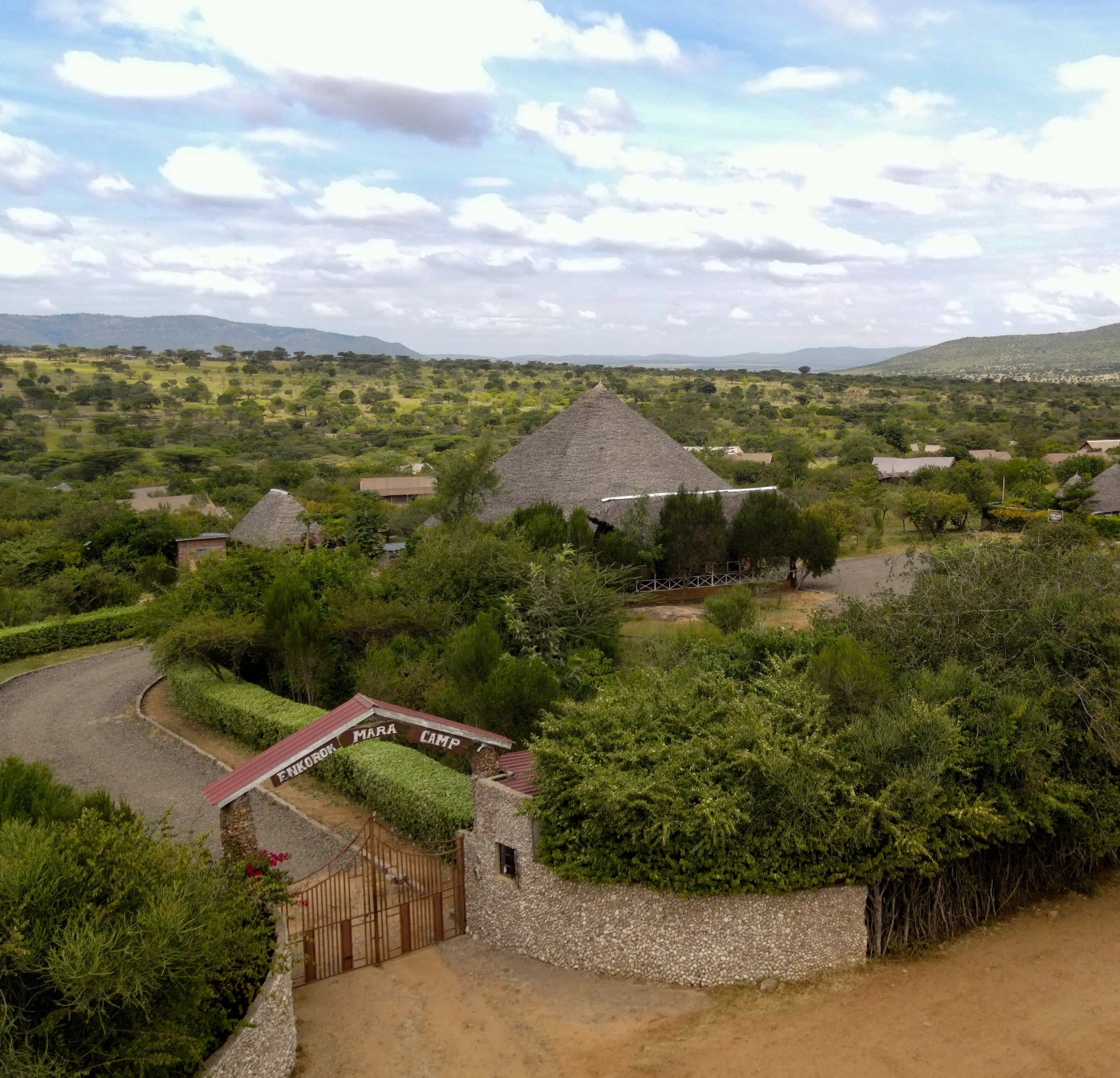
The Talek and Sekenani corridors have the broadest range of value lodges, mid-range tented camps and permanent hotels. Examples include PrideInn Mara, Enkorok Mara Camp, Mara Sopa, Sentrim Mara, Mara Leisure Camp, Basecamp Masai Mara and many smaller camps whose names and management change. Some sit beside rivers or private wildlife land, while others sit within busy settlement corridors.
These bases can work well for road safaris, families and travellers who want lower room costs. Their value depends on the actual gate journey. Ask what time the vehicle leaves, how long it normally takes to enter, whether fees are paid smoothly and whether meals force a return at midday. A well-positioned mid-range camp with a private guide can create a stronger safari than a beautiful lodge much farther from the intended circuit.
Budget, mid-range, luxury and ultra-luxury
Budget accommodation may have simple permanent tents and buffet meals. Mid-range can add en-suite bathrooms, pools and stronger public areas. Luxury usually brings larger tents, more personal service and better food, while ultra-luxury may add private plunge pools, elaborate suites, included drinks and highly polished hosting. None of these labels guarantees excellent guiding or a useful location.
Compare the total safari, not the bed. A camp rate may include conservancy fees, meals, drinks, laundry and activities, while another excludes several of them. A private vehicle can transform a family or photography trip more than an upgraded bathroom. For a honeymoon, privacy between tents, dining flexibility and child policy often matter more than gold fittings.
| Compare | Why it changes the stay | What to ask |
|---|---|---|
| Location | Controls first and last wildlife hours | Map pin and daily drive area |
| Vehicle | Controls pace and sighting choices | Seats, sharing and private cost |
| Inclusions | Changes real total price | Fees, drinks, laundry and activities |
| Room layout | Affects sleep and family privacy | Beds, walls and bathroom access |
| Camp size | Shapes atmosphere | Number of rooms and shared spaces |
| Power and connectivity | Affects cameras and work | Charging, Wi-Fi and quiet hours |
Where families should look more closely
A genuine family unit may have two bedrooms connected by a secure lounge or internal passage. Two separate tents with an outdoor path are a different arrangement in an unfenced camp. Ask about minimum ages for walking, ballooning and shared game drives, early meals, pool fencing, babysitting, dietary flexibility and whether children can remain in camp during an adult activity.
Families often benefit from a private vehicle because sleep, bathroom stops and wildlife patience vary by age. Larger lodges such as Mara Serena, Keekorok and Sarova offer more conventional facilities. Private houses in conservancies can give families space and a dedicated team. Small camps can be wonderful with older wildlife-focused children when the age policy and room layout fit.
Honeymoon camps and lodges
For a honeymoon, begin with the mood: quiet canvas, dramatic architecture, a private house, an escarpment view or traditional lodge comfort. Angama Mara, Mara Plains, Mahali Mzuri, Cottar’s 1920s Camp, Bateleur Camp, JW Marriott Masai Mara, Governors’ Il Moran and intimate Kicheche properties are very different answers to the word luxury.
Ask how many vehicles serve the camp, whether private dining is routine or staged, how far the honeymoon room sits from shared areas, whether children are accepted and what happens between morning and afternoon drives. Two excellent camps are not necessarily better than one. A four-night stay in the right place lets staff and guides learn the couple’s rhythm.
When to split a Mara stay between two camps
A useful split changes something meaningful: reserve to conservancy, east to west, central river to quiet northern plains or a family lodge to an intimate honeymoon camp. Five or six nights can support three nights in one area and two or three in another. Four nights usually works better in one base unless the transfer is short and the contrast is unusually strong.
The transfer can be a game drive, but check luggage, gate fees and whether vehicles can cross boundaries. Flying between nearby airstrips is rarely the first answer. If migration crossings are the priority, do not split simply to collect brand names. Put the nights where the likely seasonal action and access are strongest.
What to confirm before paying
Write down the map pin, protected-area name, nearest gate, nearest airstrip, normal drive sector, reserve access policy, vehicle seats, private vehicle supplement, activities, conservation fees, room number, bed layout, meal plan, drinks, laundry, power and cancellation terms. For a migration stay, ask how the camp plans full-day drives and packed meals when herds are far away.
Then look at the whole route. A camp near Musiara should not automatically use an airstrip on the far side of the ecosystem. A beach flight needs the correct departure strip and luggage allowance. A Nairobi road departure needs enough daylight and should not steal the final dawn without a clear reason.
What travellers say after the trip
Room photographs rarely tell you whether a camp feels private or whether its drives live up to the setting. These travellers describe the details they actually noticed at Ashnil Mara, Ol Seki and Offbeat Mara.
good location in that it was inside Masai Mara, and it was lots of individual luxury tents so you had lots of privacy
That was one guest’s memory of Ashnil Mara Camp. The river views and separation between tents mattered as much as the label “luxury”.
We found the drives excellent – we saw a huge pride of lions including cubs practising sneaking up on each other
An Ol Seki guest remembered the pool and massages fondly, but it was the wildlife on the drives that answered the real question about staying there.
I’ve stayed at Offbeat twice, and I’d return there tomorrow if I could!
That short verdict came from a traveller comparing Mara North and Naboisho after ten safaris. It is a useful reminder that the guide and location often inspire more loyalty than elaborate rooms.
Where to stay in the Masai Mara questions
Is it better to stay inside the Masai Mara National Reserve?
Inside-reserve accommodation protects direct access to reserve circuits. A conservancy camp may offer lower vehicle density, walks and night drives. The better choice depends on priorities.
Which area is best for river crossings?
The Mara Triangle, Musiara and central river sectors can be useful during crossing season, but herds and crossings cannot be guaranteed. Camp position should match the likely stage for the travel dates.
Which conservancy is best for big cats?
Mara North, Naboisho and Olare Motorogi all have strong predator records. Habitat, current animal movements, guide quality and camp position matter more than a single label.
Can conservancy guests drive in the National Reserve?
Many camps arrange reserve visits, sometimes with additional fees and travel time. Driving rights differ, so the exact arrangement must be checked for the chosen property.
Can reserve guests take night drives?
Night drives are generally associated with private conservancy or private land rules, not ordinary daytime reserve game drives. Stay in an area that legally offers the activity.
How many nights should I stay?
Three nights is a useful minimum for one base. Four nights gives three full wildlife days. Five or six nights can support a carefully chosen two-area split.
Should I change camps during a four-night stay?
Usually not. One strong base avoids packing and transfer time. Split four nights only when the second camp creates a clearly different area or activity set.
Which Mara camps are best for families?
Look for a genuine family unit, flexible meals, a private vehicle, age-appropriate activities, a pool and a clear policy for children in an unfenced camp.
What is the difference between a lodge and a tented camp?
A lodge usually has more permanent buildings and facilities. A tented camp can range from simple canvas to ultra-luxury suites. The name alone does not determine comfort.
Can this accommodation plan be customised?
Yes. Area, camp category, flight, airstrip, vehicle, room layout, dietary needs and reserve or conservancy split can all be designed around the travellers.
Sources and further reading
These official conservation and visitor resources help with boundaries, access, protected-area rules and current camp lists.
Choose the Mara stay by the days it creates
Share your dates, travellers, comfort level and the wildlife moments you care about. We will narrow the map before narrowing the rooms.
Find your Mara base
Dates, group, preferred style and safari priorities are enough to begin.