

There is a version of the Mara for every month. January can be clear and dry, April can turn the plains an improbable green, July brings cool mornings and migration anticipation, and November often smells of rain. The best time depends on what you want to feel as much as what you hope to photograph.
Choose a season by priority
Migration
Allow several nights and choose camp location from current herd movement, not a fixed crossing promise.
Predators
Resident lion, leopard, cheetah and hyena activity makes the Mara relevant beyond migration.
Photography
Green backgrounds, storm light, dust, crowds and day length all change the visual result.
Families
School holidays may coincide with peak demand, so space and private vehicles require early planning.
Value
Shoulder and green periods can reduce room cost, but park fees and closures still need checking.
Birding
Migrants and breeding activity give wetter months a different kind of richness.
There is no single “best” Mara month
A peak month can still produce cloud, quiet wildlife hours and crowded sightings. A rainy month can deliver clear mornings, intense predator activity and excellent roads in the sector you visit. The Mara is an ecosystem, not a scheduled show.
Choose dates from a priority hierarchy: wildlife behaviour, landscape, crowd tolerance, budget and school calendar. Then choose the camp sector and number of nights to match.
| Priority | Stronger planning window | Why | Trade-off |
|---|---|---|---|
| Migration movement | Often July to October | Herds may occupy Mara sectors | Price, vehicles, no crossing guarantee |
| Resident wildlife | Year-round | Predators and plains game remain | Distribution changes |
| Green photography | After rains | Colour and dramatic skies | Road and shower risk |
| Fewer vehicles | Green/shoulder periods | Lower pressure in many areas | Some camps close |
| Family schedule | School holidays | Easier calendar fit | Peak demand may apply |
Masai Mara month-by-month overview
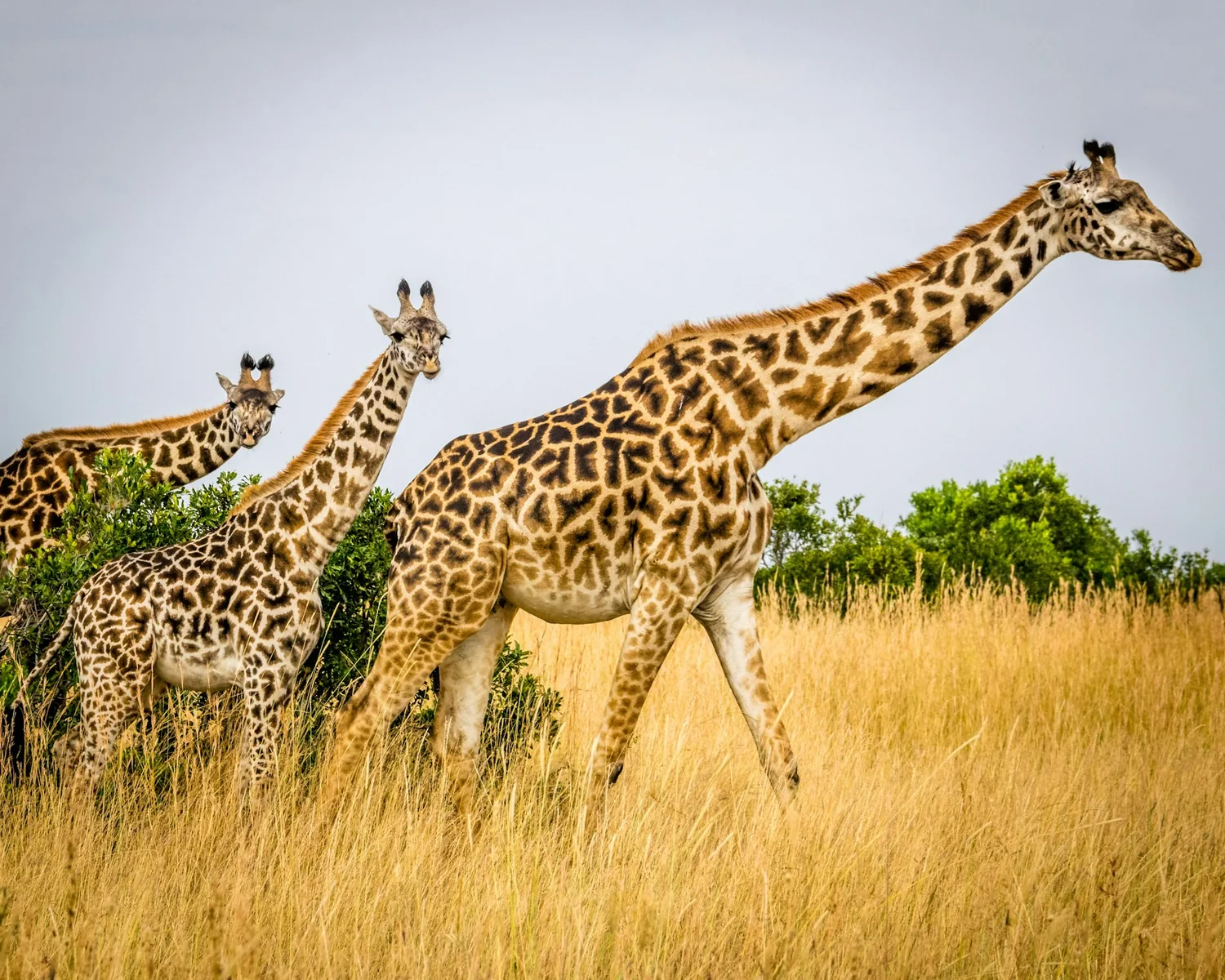
The Mara never becomes empty when the migrating herds move south. Lion prides, leopards, cheetahs, elephants, giraffes, buffalo and resident plains game remain. What changes month by month is the grass, light, road access, visitor pressure, room price and the chance that the great herds are on the Kenyan side of the ecosystem.
| Month | What the Mara often feels like | Strongest reason to go | What to accept |
|---|---|---|---|
| January | Green edges after the short rains, warm afternoons and clearer mornings | Resident predators, attractive light and good value outside New Year | The main migration herds are usually farther south |
| February | Warmer and often drier, with open sightlines and some dust | Big-cat viewing, photography and fewer vehicles than peak season | Hot midday hours and no Mara River crossing expectation |
| March | A transition month as showers become more likely and grass rises | Softer prices, birds and a quieter reserve | Week-to-week weather variation |
| April | The long rains can turn the plains brilliant green and tracks muddy | Storm light, birding, solitude and some of the lowest room rates | Camp closures, difficult roads and interrupted drives |
| May | Still green, with rain often easing as the month progresses | A quiet landscape and improving access at green-season prices | Some properties remain closed and track conditions vary |
| June | Cooler mornings, drying grass and increasingly reliable roads | An excellent all-round safari before the busiest migration weeks | The main herds may not yet be in the Mara |
| July | Dryer, cooler and busier as migration interest builds | Strong general wildlife and a growing chance of large herds | Peak rates, early booking and no guaranteed crossing |
| August | Dry conditions, high demand and intense river focus | The strongest classic migration window for many travellers | The year’s greatest crowd and price pressure |
| September | Dry, slightly warmer and often still migration-rich | Excellent wildlife with a chance of slightly lower pressure than August | Popular camps and sightings can still be busy |
| October | Late dry season with occasional showers and changing herd movement | Migration possibility, resident predators and easing crowds later in the month | Rainfall can shift the herds earlier or later |
| November | Short rains refresh the plains and return softer light | Birds, green photography, fewer vehicles and stronger value | Local downpours can change the tracks |
| December | Green, variable and lively around the festive holidays | Resident wildlife and a family safari in refreshed scenery | Christmas and New Year prices rise despite mixed weather |
June is the strongest broad recommendation for travellers who want reliable roads and excellent wildlife without building the whole trip around a river crossing. January and February are often overlooked for big cats and photographic light. April and May suit repeat visitors who value atmosphere more than a perfect timetable. August is the clearest migration answer, but it comes with the largest trade-offs.
When is the Great Migration in the Masai Mara?
Herds commonly move into parts of the Mara ecosystem during the dry-season migration period, but timing depends on rainfall and grazing across Kenya and Tanzania. River crossings happen when animals decide to move. A camp cannot guarantee the date, time or river point.
For a migration-focused trip, stay at least three nights and preferably four, protect full days and choose the camp after discussing recent herd movement. Consider a sector split only if it improves access without excessive transfer time.
How season changes vehicle pressure
High demand concentrates vehicles around river points and famous predator sightings, particularly in busy reserve sectors. The crowd is not spread evenly across 24 hours or the whole ecosystem. A dawn drive can feel wonderfully quiet before vehicles converge on a sighting, while a riverbank can become busy later in the day.
A private conservancy can control bed numbers and vehicle access, with walks and night drives adding variety, although the levy and lodge rate may be higher. Inside the reserve, a private vehicle gives your guide the freedom to leave a crowded sighting and explore elsewhere. That freedom is valuable in August and September, but it also improves a honeymoon or photographic safari in any month.
| If crowds worry you | Better response | Why it helps |
|---|---|---|
| You still want migration season | Try late September or October | Herds may remain while some holiday demand eases |
| You want the quietest wildlife days | Look at January, February, May, June or November | Resident wildlife remains without the same river focus |
| Your dates are fixed in August | Choose camp location carefully and book a private vehicle | Less dead driving and more control over each sighting |
| You value night drives and walks | Stay in a private conservancy | More activity variety and managed vehicle density |
When to book the Masai Mara
Small camps, family rooms, private vehicles and well-located migration properties fill first. For July to October, Christmas and New Year, nine to twelve months is a sensible planning horizon when the camp matters. Flexible green-season trips can come together later, but April and May closures may reduce the list of available properties.
Season changes more than the room rate. For non-resident adults in 2026, Masai Mara reserve entry is USD 100 per day from January through June and USD 200 per day from July through December. On a four-day visit, the fee difference alone is USD 400 per adult. That makes June particularly interesting: drying conditions and dependable wildlife arrive before both the highest reserve fee and the busiest weeks.
| Travel period | Booking lead time to consider | Price pressure | Availability watch |
|---|---|---|---|
| January to March | Four to eight months | Usually below migration peak | Festive spillover in early January |
| April to May | Two to six months | Often the year’s lowest room rates | Seasonal camp closures |
| June | Six to nine months | Shoulder to high, depending on camp | Popular value dates fill sooner |
| July to October | Nine to twelve months or more | Highest room and reserve-fee pressure | Small camps, family rooms and private vehicles |
| November to early December | Three to seven months | Often good value | Short-rain flexibility |
| Festive season | Nine to twelve months or more | Holiday premium | Minimum stays and family rooms |
The Masai Mara fee guide explains how entry days are counted. The safari cost guide shows how season, lodge tier, transport and vehicle privacy combine in the final budget.
Recommendations by traveller type
First-time visitors can travel in any operating season with a well-located camp. Photographers may favour green colour and dramatic light or dry-season dust and concentrations. Families should weigh heat, rain, malaria precautions, school dates and vehicle privacy. Birders gain from migratory species in wetter periods. Honeymooners may value a quieter conservancy more than a crowded river crossing.
A month is a mood, not a wildlife appointment
Choose dates by priority rather than repeating a single “best month” claim. Migration, resident wildlife, photography and value need different answers.
Choose a season from the experience, not the brochure photograph
Migration interest, resident wildlife, green landscapes and low-density travel are different products. Peak months can deliver extraordinary movement but also higher rates, full rooms and crowded river points. Green periods can deliver saturated colour, birds and dramatic storms, but require tolerance for showers and local road changes. A first-time visitor who wants a balanced Kenya trip may prefer a shoulder period to a costly peak window.
Duration and camp location are part of the seasonal decision. If the migration is central, protect several full days and choose a sector that matches current movement. If the priority is photography or a quiet honeymoon, a conservancy and flexible itinerary may produce more satisfaction than a famous crossing point.
Choose the month by priority
| Period | What can appeal | What needs flexibility | Good planning move |
|---|---|---|---|
| Jan–Mar | Resident predators, calving in parts of the ecosystem and generally warm conditions. | Local rainfall and exact wildlife concentrations. | Choose a well-located base and protect dawn drives. |
| Apr–May | Green landscapes, birds and lower-demand travel. | Wet roads, showers and some seasonal closures. | Add a night and use a flexible road plan. |
| Jun | Transition season and often good photographic light. | Migration timing is not fixed by calendar. | Match the camp sector to the latest herd movement. |
| Jul–Oct | Dry-season viewing and possible migration activity. | Peak prices, availability and vehicle pressure. | Book early and never promise a crossing. |
| Nov–Dec | Fresh grass, dramatic skies and fewer visitors in many areas. | Short rains and local track changes. | Pack rain protection and keep the itinerary adaptable. |
The Kenya safari travel guide helps place the Mara within a longer route. The Masai Mara packages show how two, three and four-night stays use the available wildlife time in different ways.
Season choice by traveller type
| Traveller priority | Dates to investigate | Why | Trade-off |
|---|---|---|---|
| First safari, broad wildlife | January–March or June–October | Resident wildlife and generally useful viewing conditions. | Peak windows cost more; green periods can bring rain. |
| Migration atmosphere | July–October | Greater chance of herds and river-sector activity. | No crossing guarantee, higher rates and more vehicles. |
| Photography and colour | Green-season or shoulder dates | Fresh grass, dramatic skies and fewer visitors in some areas. | Track conditions and showers need flexibility. |
| Value and quiet | Lower-demand periods | More choice of rooms and potentially calmer circuits. | Some seasonal properties or activities may not operate. |
The “best” month is therefore a decision about the experience you want, the amount of weather variability you can accept and the price you are willing to pay. The right sector and number of nights matter more than a peak-season slogan.
How to choose dates when the group has different priorities
Couples may prioritise privacy and atmospheric light, families may prioritise school-holiday availability and comfortable temperatures, and photographers may prefer a specific combination of grass, dust and storm light. Rank those priorities together before choosing dates. A mixed group rarely needs the same answer as a migration-only trip.
Migration planning also needs a location conversation. The event moves through a large ecosystem, and a camp near one crossing point cannot promise that animals will be there on a particular morning. A longer stay gives the guide more days to respond to movement, while a conservancy can offer a quieter base even when the reserve is busy. This is a better promise than a brochure claim that a certain week guarantees a crossing.
For green-season travel, plan around resilience: a spare night, a flexible drive, waterproof protection and a guide who knows which tracks remain safe. For peak travel, plan around demand: book the preferred camp early, confirm the airstrip and vehicle, and accept that a famous sighting may attract other vehicles.
Seasonal decision in one sentence
Choose the month that best matches your priority, then choose enough nights and the right location to absorb the uncertainty that comes with a living ecosystem.
How to protect a good season choice
Once dates are chosen, reserve the right location before adding extras. A camp with access to your priority sector is more important than a balloon flight added to a rushed itinerary. Ask how many full wildlife days the dates provide, what happens if a crossing is elsewhere, and whether a conservancy alternative would create a quieter experience.
Also check practical comfort: school-holiday demand, room configuration, child ages, flight baggage, temperatures in an open vehicle and the availability of laundry. These details can turn a theoretically ideal month into a poor fit for a specific group.
Migration focus
Allow several nights, select a suitable sector and treat any river crossing as a natural possibility, never a promise.
Resident wildlife
January to March and other non-peak periods can be rewarding for predators, plains game and birding.
Green-season value
Rain can bring colour and fewer vehicles, but road conditions, closures and showers need a flexible plan.
Peak-season trade-off
July to October may offer migration interest but also higher prices and vehicle pressure.
Photography priority
Choose between green backgrounds and storm light or dry-season dust, contrast and concentrations.
Family calendar
School holidays, room configurations, heat, malaria advice and private vehicles all affect the best dates.

What travellers say after the trip
These travellers chose different months and noticed different strengths. Their experiences are not promises, but they make the seasonal trade-offs much easier to picture.
“I went in December and saw everything. A bonus was the grass was shorter so it made for easier spotting”
December brought this traveller strong general wildlife rather than a lesser version of the Mara.
“Shifted to early October instead and it was perfect.”
The traveller still saw migration activity after moving away from an expensive, heavily booked August plan.
“saw lions and leopards everyday. weather was good and the grass was just green but not tall.”
That late-February report is a useful reminder that resident cats and good visibility do not disappear with the migration herds.
Watch what an April safari can really look like
This independent April travel video shows green grass, wet tracks and lion encounters during the long rains. It is a useful counterweight to the idea that only the migration months produce a memorable Mara safari.
Watch directly on YouTube. The video documents a traveller’s wet-season experience in the reserve.
Best time to visit the Masai Mara FAQs
What is the best month for the Masai Mara?
There is no universal best month. July to October suits migration interest; January to March suits resident wildlife; green periods suit colour, birds and lighter traffic.
Can I see wildlife in the rainy season?
Yes. Resident wildlife remains, although rain can disperse animals and change road access.
When are river crossings guaranteed?
Never. Crossings are natural events driven by herd movement, weather and grazing.
How many nights should I book in migration season?
Three nights is a minimum baseline; four or more improves opportunity when migration is the main purpose.
When is the Masai Mara cheapest?
Green and shoulder periods often have lower room rates, but current park fees, closures and transport still determine the total.
Is a conservancy better in peak season?
It can offer lower vehicle density and different activities, but reserve access and migration location should be considered.
Can I guarantee the Great Migration?
No. Movement responds to rainfall and grazing. A longer stay and suitable sector improve opportunity but cannot guarantee a crossing.
Is the Mara worthwhile outside migration season?
Yes. Resident predators, elephants, giraffes, plains game and birdlife make it a year-round destination.
Which months are usually busiest?
July to October and major school-holiday periods often carry higher demand. Confirm current availability rather than assuming.
What is the best month for a honeymoon?
Choose the month that fits your priorities, budget and tolerance for rain or crowds; a private conservancy and flexible itinerary may matter more than a peak label.