
Masai Mara with Kids: A Family Safari That Still Feels Like a Holiday
A child may miss the leopard everyone is pointing at and spend ten delighted minutes watching a dung beetle. That is not a failed sighting. It is the beginning of their own safari.
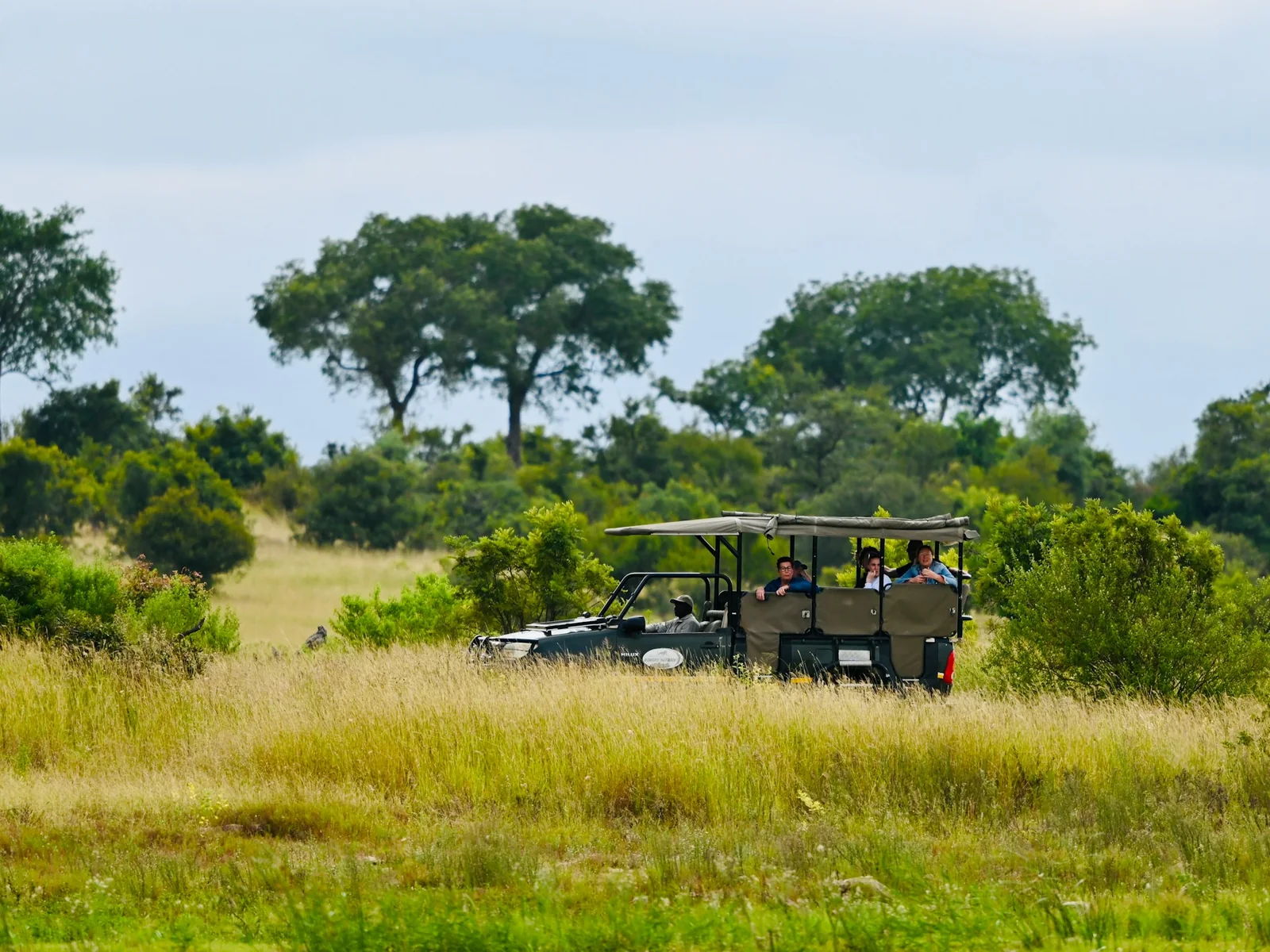
The Masai Mara with kids can be extraordinary when the route respects sleep, hunger, curiosity, bathroom breaks and the limits of sitting still. A family safari is not an adult itinerary with extra beds. It needs its own rhythm.
- How the Mara changes by age
- Why the vehicle shapes every day
- Family tents, villas and unfenced camps
- A safari day children can enjoy
- Mara areas and family accommodation examples
- Meals, allergies and familiar food
- Health, malaria and medical access
- Flying, driving and the beach afterward
- What to bring for children
- A three-night and four-night family Mara plan
- Traveller opinions
- FAQs
How the Mara changes by age
Babies and toddlers turn the plan toward feeding, naps, car seats, medicine storage and one stable base. A six-year-old may love elephants for an hour and then need a pool. Teenagers often engage deeply when photography, conservation or a tracking story gives the day a purpose. Start with the children you know rather than an age label on a lodge website.
Ask each child what they want to see and what worries them. Explain that wildlife does not arrive on demand. A shorter happy drive is more valuable than keeping everyone in the vehicle until the mood breaks. Three or four nights in one well-chosen camp normally works better than packing every morning.
| Age or stage | Helpful rhythm | Confirm |
|---|---|---|
| Baby or toddler | One base and frequent breaks | Car seat, cot, food and medical access |
| Primary school | Short drives and hands-on learning | Family room, pool and guide fit |
| Teenager | Photography and deeper wildlife stories | Activity ages and connectivity expectations |
| Multi-generation | Private vehicle and accessible rooms | Steps, vehicle entry and room proximity |
Why the vehicle shapes every day
In a private Land Cruiser, a child can ask for a bathroom, pause for a bird, change seats safely and return before exhaustion. Parents can keep layers, water and snacks organised without worrying about another couple’s schedule. Ask about seat belts, window height, roof style, charging points, dust and the number of passengers.
A shared vehicle can work with older children when the family accepts fixed departure and return times. For young children, it often creates tension. The guide should enjoy teaching without turning every drive into a lecture. Patience, clear boundaries and an ability to read the family matter more than a memorised animal list.
Family tents, villas and unfenced camps
A family tent can mean one large canvas room, two bedrooms joined internally or separate tents linked by an outside deck. Those are very different after dark in an unfenced camp. Ask for the floor plan, bed types, bathroom count, distance from dining and whether children ever cross an outdoor space to reach an adult.
Private houses such as some conservancy villas can give a multi-generation family a lounge, flexible meals and dedicated staff. Larger lodges may offer pools, conventional rooms and easier midday routines. Small camps offer intimacy but may have firm child ages. The best category is the one that makes the night feel calm.
| Room style | Often suits | Question |
|---|---|---|
| One-room family tent | Parents with young children | Are all beds in one secure space? |
| Two-bedroom unit | Older children | Is the link internal and lockable? |
| Private villa | Large or multi-generation family | Are guide and vehicle included? |
| Separate nearby tents | Older teenagers | What is the escort plan after dark? |
A safari day children can enjoy
Use selected dawn drives for cool-hour wildlife, then allow a later breakfast or a quiet afternoon. A picnic extends a distant wildlife day, while lunch at camp offers toilets, beds and pool time. Let energy and weather decide. A rigid twelve-hour game drive is not proof of value when half the family has stopped looking.
Give children a small project: tracks, animal families, birds, sounds or a daily sketch. Common species keep the story moving. Zebras groom, elephants greet, oxpeckers feed and termites build. The guide can turn a quiet road into a detective exercise without pretending the next corner must contain a lion.
Mara areas and family accommodation examples
Mara Serena, Keekorok and Sarova Mara provide substantial lodge or camp facilities inside different reserve sectors. Governors’ properties, Ashnil, Entim and other tented camps offer another style. Conservancies such as Mara North, Naboisho and Olare Motorogi include family tents and private houses at selected camps, with lower vehicle density and additional activities under current rules.
Location still comes first. A family chasing migration crossings may prioritise western or river access. A first visit focused on cats and quiet drives may prefer a conservancy. Ask whether children can join shared drives, walks or night drives, how far the room is from dining and whether the same guide remains with the family.

Meals, allergies and familiar food
Send dietary needs before travel and repeat serious allergies at every property. Ask for early dinners, packed snacks, plain alternatives and safe drinking water. A camp can be excellent without producing a separate children’s menu, but staff need enough warning to plan. Keep one familiar snack in the vehicle for long sightings.
If medicine needs refrigeration, confirm a reliable fridge and backup power. Do not store food in a tent unless the camp says it is safe. Monkeys and other animals learn quickly, and an unfenced camp manages wildlife through clear rules rather than assuming doors keep every visitor out.
Health, malaria and medical access
Take the complete Kenya route to a qualified travel-health clinician well before departure. The Mara is below 2,500 metres and falls within the malaria transmission area described by the CDC. A clinician should choose prevention based on age, health, origin and the full itinerary. Vaccines and entry requirements are separate questions.
Carry prescribed medicine in original packaging, extra doses for delays, travel insurance and an evacuation plan appropriate to remote areas. Ask how the camp contacts medical help, how long an airstrip transfer takes and who makes the decision during an emergency. Fever during or after travel requires prompt medical attention and a clear travel history.
Flying, driving and the beach afterward
The road from Nairobi gives landscape and value, but it is long and the final section can be rough. A light aircraft from Wilson Airport protects time and often suits a three or four-night family stay. It also brings a strict total baggage allowance and a need for soft bags. The camp must confirm the correct Mara airstrip.
Diani after the Mara lets children sleep, swim and process the safari. Use at least four beach nights when a flight connection is involved. Compare pools, shade, connecting rooms, meal plan and sea conditions. The coast should feel like a new chapter, not another two-night transfer stop.
What to bring for children
Pack light layers, closed shoes, hats, sun protection, insect repellent, refillable bottles and binoculars that fit small hands. Add a notebook, pencils, cards and one familiar comfort item. Download books before the bush but leave room for boredom to become observation.
Keep medicine and documents with an adult. Split essential clothes between bags. Explain the camp rules before arrival: wait for the escort, follow the guide in the vehicle, do not feed animals and tell an adult immediately when cold, unwell or frightened. Preparation makes the wild feel exciting rather than unpredictable.
A three-night and four-night family Mara plan
For three nights by air, meet the family at Wilson Airport with enough time for check-in, fly to the airstrip chosen by the camp and use the transfer as the first gentle game drive. Keep the first afternoon short. On the full day, start early if everyone slept well, return for lunch and decide later whether an afternoon drive, pool or camp activity suits the children. The final morning can include one last drive before the airstrip, but the flight timetable should never be treated as flexible.
A three-night road safari needs more honesty about the first and last day. Leave Nairobi early, use planned stops and arrive with daylight. The middle day carries most of the wildlife time. If the family has very young children, a Naivasha break or a fly-in sector may protect energy better than expecting them to enjoy two long road days. The cheapest transport is not good value when it consumes the family’s attention.
Four nights create room for two early starts, a slower morning and one long wildlife day for older children. The family can stay in one camp or split reserve and conservancy only when the transfer changes activities and the children cope well with packing. A single base is usually kinder. Staff learn meal preferences, the guide learns attention spans and everyone stops asking where the socks were packed.
Before payment, place the actual family unit on paper. Name every bed, bathroom and connection. Confirm whether the private vehicle applies to airport transfers and every drive. Add the child ages to park fees, camp policy and activities. Ask what happens if a child wants to remain at camp, who supervises the pool and whether a parent can dine early with the children.
The strongest family safari ends with children wanting one more drive, not pleading to skip the next park. Leave an unplanned margin, let the guide abandon a schedule when an elephant family holds everyone’s attention and do not measure the trip by how many species appear. The memory often belongs to the guide’s story, a warm drink at dawn or the first night sound outside the tent.
| Stay | Shape | Family advantage |
|---|---|---|
| 3 nights fly-in | Arrival drive, full day, final morning | Protects energy on a short trip |
| 3 nights by road | Two transfer days and one core day | Lower cost but more sitting |
| 4 nights one base | Three flexible wildlife days | Best balance for most families |
| 4 nights split | Two camps and a transfer | Only when the second area adds real value |
What travellers say after the trip
These are exact words from public reviews and discussions. Each person had their own route, budget and expectations, so the value is in the detail rather than treating one experience as a promise.
The time we spent on safari was an educational experience for us and our daughter unlike anything we could have achieved at home.
A parent reflecting on a week-long family safari in the Mara.
The flights were a great experience and really allowed us to not get tired.
A family explaining why replacing long road sectors changed the energy of their Kenya trip.
The one long drive we took had us stuck in traffic and really wore us out.
The same family describing the contrast when one road sector remained.
Masai Mara with kids questions
What is the best age for a Masai Mara safari?
There is no universal age. School-age children often engage more easily, while babies and toddlers require careful medical, sleep, car-seat and camp-policy planning.
How many nights should a family stay?
Three nights in one base is a useful minimum. Four nights gives a slower day and reduces pressure to stay out when children are tired.
Should families fly or drive?
Flying protects time and energy but adds strict soft-bag limits. Driving costs less and shows more of Kenya, but the road is long and bumpy.
Is a private safari vehicle worth it?
Usually yes. It gives the family control over stops, snacks, questions, naps and early returns.
Are Mara camps fenced?
Many are not. Children must follow escort rules after dark and should never move around the grounds alone.
Can children join walks or balloon flights?
Minimum ages, height rules and safety policies vary. Confirm them before choosing the camp or activity.
What is a real family tent?
It may be one room, two connected bedrooms or two tents linked by an outdoor deck. Ask for the floor plan and exact beds.
What should children pack?
Layers, hat, closed shoes, binoculars, familiar snacks, a notebook and required medicine are more useful than many toys.
Can we add a beach holiday?
Yes. Diani works especially well after safari when at least four coast nights and a clean flight connection are available.
Can the family itinerary be customised?
Yes. Flights, nights, camp, private vehicle, rooms, food, health needs and beach time can all change.
Sources and further reading
Official park, heritage, tourism, aviation and regulatory sources support the practical details in this guide.
Build the Mara around the children who are actually coming
Share their ages, interests, sleep needs and the family’s travel dates. We will create wild days with enough space to rest.
Plan a family Mara safari
Tell us the ages, dates and room arrangement that feels comfortable.