Kenya Safari Lodges and Camps: Find the Right Place for the Safari You Want
Two camps can show the same sunset in their photographs and produce completely different trips. One begins its game drive beside a marsh. Another spends an hour reaching the reserve. One lets a family swim at noon. Another gives a honeymoon only six tents and a private deck. The right stay begins with the experience, not the star rating.
This guide to Kenya safari lodges and camps helps you compare location, land rules, rooms, vehicle sharing, meals, access and real guest experience. Use it as the doorway to our detailed property guides across the Masai Mara, Amboseli, Tsavo, Samburu, Laikipia and Kenya’s less-visited reserves.
- How to choose among Kenya safari lodges and camps
- Lodges, permanent tents, mobile camps and private houses
- National parks, reserves and private conservancies
- Masai Mara camps and lodges
- Amboseli lodges and camps
- Tsavo, Samburu, Laikipia, Meru and the Aberdares
- Room categories, family layouts and privacy
- Shared versus private game drives
- Meals, drinks, laundry and daily extras
- Road, bush flight, airstrip and luggage
- How to read lodge reviews and videos
- What changes the cost of Kenya safari accommodation
- The accommodation booking brief
- Traveller opinions
- FAQs
How to choose among Kenya safari lodges and camps
Begin with four questions. Where does the vehicle start? Which land can it use? Is the vehicle shared? What room will the confirmed guests actually occupy? These answers reveal more than a gallery. A simple camp beside the right marsh can give a wildlife-first traveller greater value than a spa lodge an hour away.
Then decide how the property should feel when the vehicle stops. Families may need a pool and interconnecting rooms. Honeymooners may want six tents and private dining. Photographers may trade a bath for a specialist vehicle. Older travellers may choose level paths and a short airstrip transfer. There is no universal best lodge, only a better match.
| Priority | Look for | Do not assume |
|---|---|---|
| Wildlife hours | Inside access or close conservancy habitat | Famous name means best location |
| Family ease | True connection, pool and private vehicle | Extra bed equals family room |
| Honeymoon | Small camp, private deck and quiet position | Honeymoon package creates privacy |
| Photography | Vehicle layout and patient guiding | Luxury room includes specialist driving |
| Mobility | Level paths and named assistance | Short map distance means easy movement |
Lodges, permanent tents, mobile camps and private houses
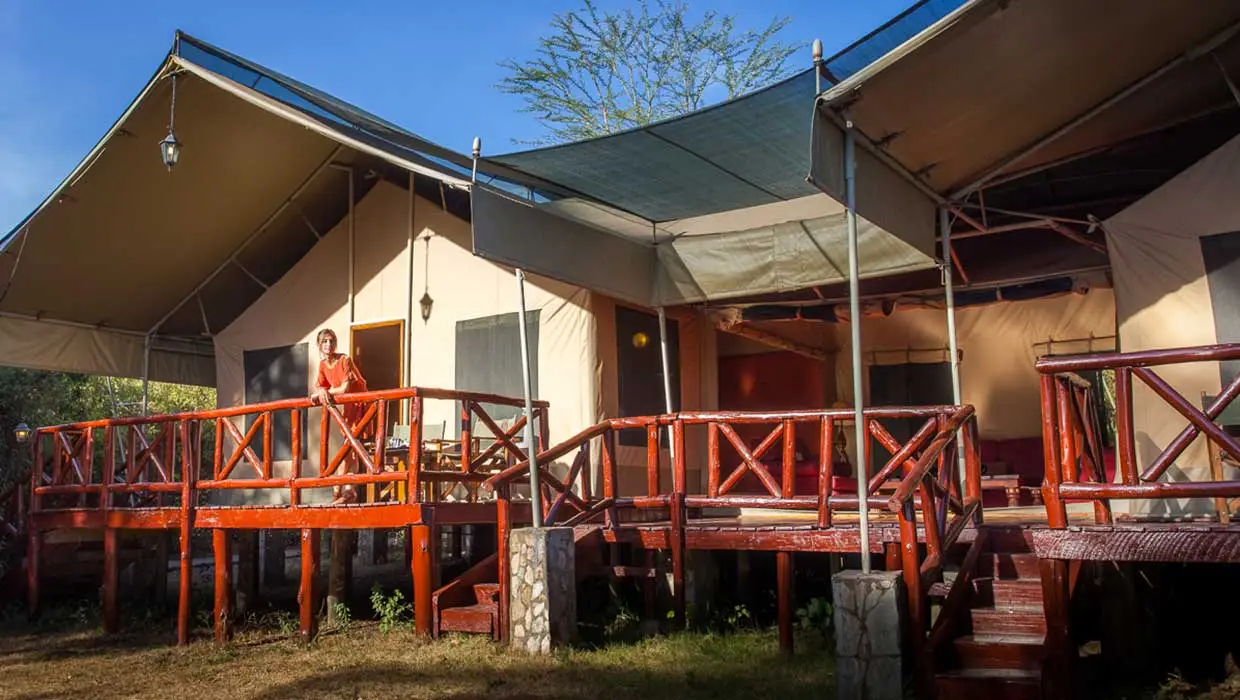
A permanent lodge uses solid rooms and substantial public areas. A permanent tented camp keeps canvas walls while adding plumbing, decks and hotel comforts. A seasonal or mobile camp reduces infrastructure and follows a particular wildlife period. A private house gives one group bedrooms, living space, staff and often an exclusive vehicle.
Luxury exists in every form. A canvas suite can be larger than a lodge room, while a stone cottage can be deliberately simple. Ask about floor, walls, bathroom, insects, heating or fan, charging and sound. A guest who wants to hear lions may love canvas. Another will sleep better behind a solid door. Both can have an excellent safari.
National parks, reserves and private conservancies
National parks and reserves operate under their management rules for entry times, driving and activities. Private and community conservancies use separate agreements and often limit beds and vehicles. Eligible conservancies may allow night drives, guided walks and carefully managed off-road viewing that are restricted in a reserve.
A conservancy camp is not automatically closer to the wildlife a traveller wants. A reserve camp beside Musiara Marsh or inside the Mara Triangle may begin a daytime drive in exceptional habitat. An outside lodge can be good value but lose time at a gate. Put the camp, boundary, gate and normal driving area on one map before comparing price.
| Land type | Possible strength | Question |
|---|---|---|
| National park or reserve | Direct access to core habitat | Gate and driving rules? |
| Private conservancy | Lower density and varied activities | Reserve visit included? |
| Outside protected land | Price and facilities | Daily gate time? |
| Private ranch | Exclusive rhythm and conservation story | Which wildlife and activities? |
Masai Mara camps and lodges
The Mara includes the National Reserve, Mara Triangle and a necklace of conservancies such as Mara North, Naboisho and Olare Motorogi. Governors’ Camp connects travellers with the river and Musiara sector. Angama looks down on the Triangle. Mara Serena sits on a Triangle hill. Fairmont uses a northwestern conservancy setting, while Sarova offers substantial family facilities inside the eastern reserve.
Future property guides in this directory will cover the complete spectrum, including small conservation camps, established lodges and new ultra-luxury brands. Compare each on area, vehicle, camp size and room rather than arranging them in one simple best list. Migration interest adds season and river access, but resident wildlife makes the Mara more than three crowded months.
Amboseli lodges and camps
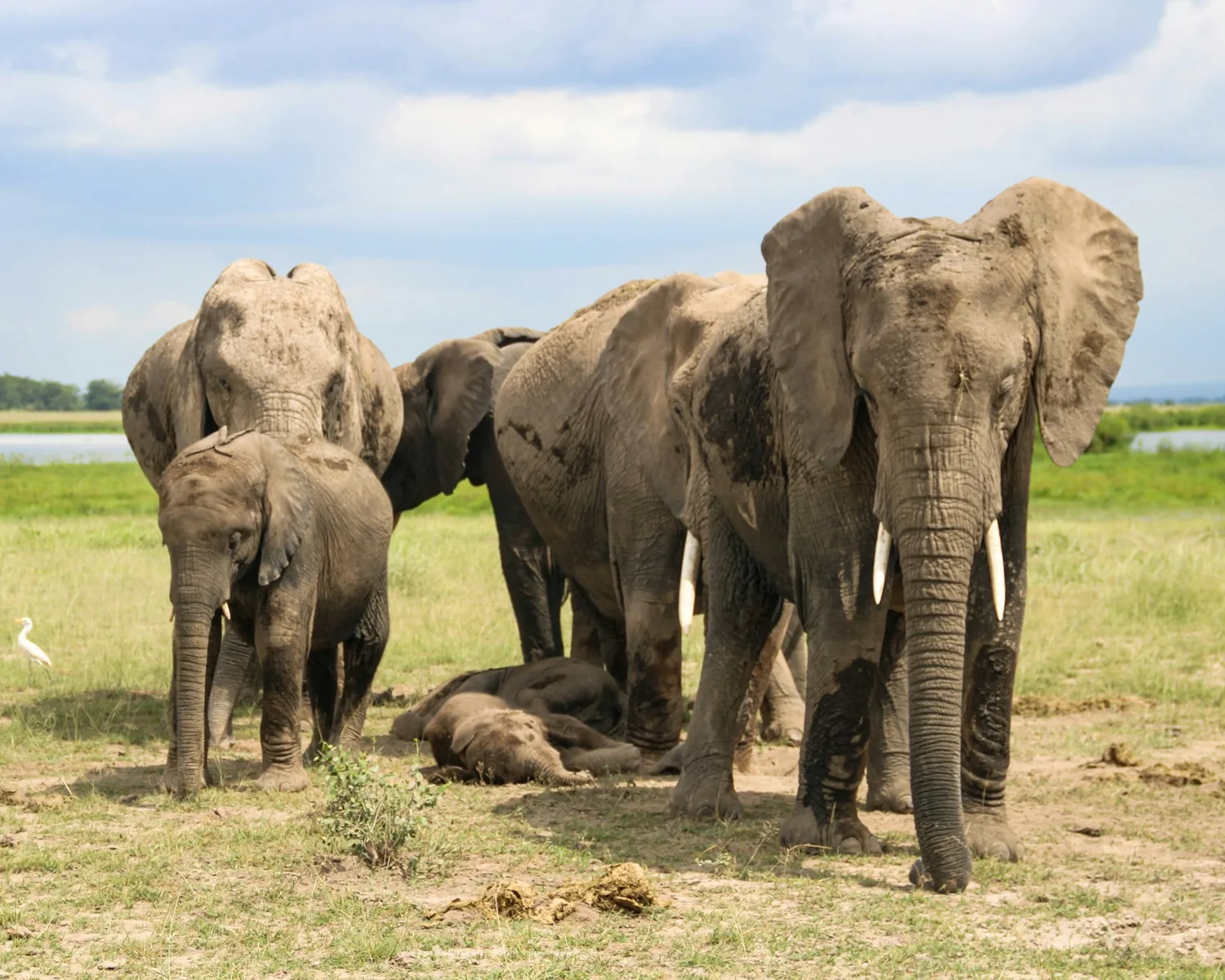
Amboseli accommodation sits inside the national park, near its gates or on surrounding conservancy land. Inside lodges reduce morning gate travel. Outside properties may offer space, views and activities that park rules do not. Kilimanjaro is most often clear at particular hours and never guaranteed, so a mountain-facing room is an opportunity rather than a promise.
Elephant movement, wetlands, dust and road position matter more than a brochure photograph. Families should compare pool, shade and room connection. Photographers need departure time and mountain orientation. A private-conservancy stay can add walking or night activity, while a park stay protects direct daytime access. Our detailed Amboseli directory will name the properties and tradeoffs rather than treating the area as one product.
Tsavo, Samburu, Laikipia, Meru and the Aberdares
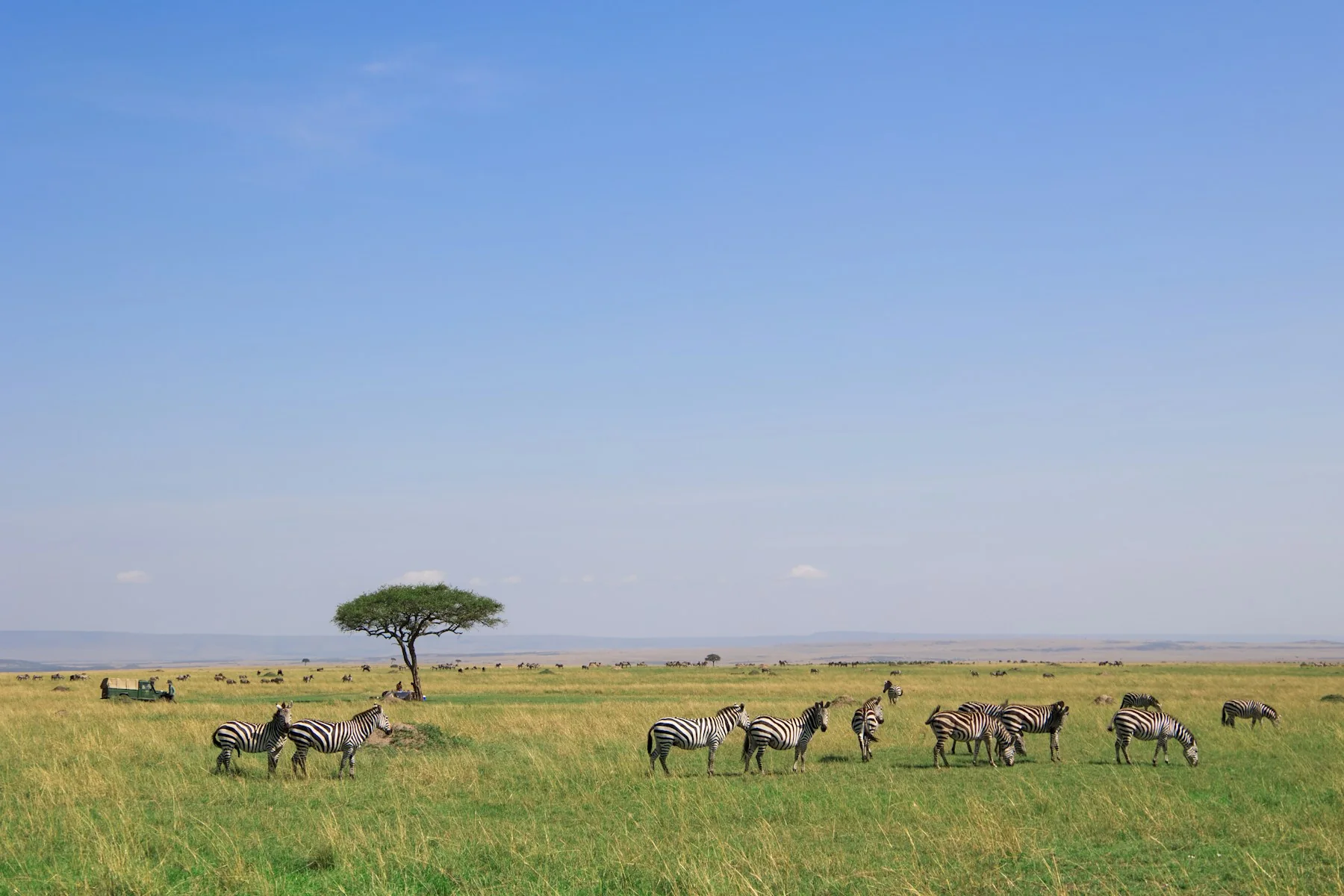
Tsavo East is known for scale, red soil and long wildlife routes; Tsavo West adds lava, springs and hillier terrain. Samburu brings the Ewaso Nyiro River and northern species. Laikipia combines private conservancies, ranches, endangered-wildlife work and flexible activities. Meru offers a wilder, less-visited park, while the Aberdares create forest, moorland and waterhole lodges.
Accommodation in these regions should express the place. A waterhole lodge suits a quiet overnight, a Laikipia house suits a multigenerational group and a Meru camp suits someone who values solitude over a Big Five checklist. Solio Ranch, Ol Pejeta, Lewa and community conservancies each need their own guide. This hub will link them as those detailed pages enter the publishing schedule.
Room categories, family layouts and privacy
Words such as deluxe, family and suite are not standard measurements. One family room is a large tent with two beds; another has two bedrooms and two bathrooms; another is merely two rooms requested near each other. Ask for maximum occupancy, internal connection, doors, bathrooms, deck and walking distance.
Couples should ask what creates privacy: spacing, vegetation, view, plunge pool, camp size or adults-only policy. A honeymoon amenity cannot repair a tent beside the generator. Solo travellers should compare single supplements, communal dining and whether game drives are automatically shared. Mobility needs must cover room paths, vehicle steps, aircraft access and showers.
Shared versus private game drives
Shared drives can be social and cost-effective. They also require agreement on departure, bathroom stops, photography and when to leave a sighting. A private vehicle gives a family, photographer or specialist birder control, but should still obey land rules and ethical distance.
Ask the passenger maximum, row configuration, roof style and whether every guest has an outside seat. Clarify whether private use applies to every drive or only one day. For groups, confirm the number of vehicles rather than assuming eight guests fit comfortably into one. The vehicle often changes the safari more than moving up one room category.
| Traveller | Vehicle priority |
|---|---|
| Young family | Private use and flexible return |
| Photographer | One row per person and equipment support |
| Honeymoon couple | Privacy versus social preference |
| Solo traveller | Fair shared-drive policy |
| Mobility need | Step height and assigned seat |
Meals, drinks, laundry and daily extras
Most remote camps include full board because there is nowhere else to eat. Drinks may cover house labels but exclude champagne and premium spirits. Laundry may be included but omit underwear for cultural reasons or use methods unsuitable for delicate fabric. Bush meals, sundowners and private dinners may be included once, charged or unavailable.
State allergies and religious requirements in detail. Confirm how a picnic carries the same diet as the dining room. Families need meal times and child options; honeymooners need to know whether private dining is truly private. Keep a short list of excluded items so the final bill does not rewrite the value comparison.
Road, bush flight, airstrip and luggage
Road safaris preserve one guide, work well for groups and reveal Kenya between parks. Bush flights protect time and energy but add Wilson Airport transfers, strict soft-bag limits, small-aircraft comfort and an airstrip-to-camp drive. Compare hotel door to tent door rather than flight time to road time.
The camp should nominate the airstrip. A cheaper or better-known strip may create a long ground transfer. For coast, Tanzania or another reserve, name each aircraft, vehicle and border. Store the hard suitcase in Nairobi when needed and keep medicine, documents and a warm layer in the small accessible bag.
How to read lodge reviews and videos
Exact guest comments are most useful when they describe ordinary operations: room sound, vehicle sharing, food repetition, staff response, walking distance and how weather changed a drive. Match the reviewer’s month, group and room to your own. A complaint about canvas noise may be a reason another traveller books the camp.
Videos add scale and movement. Independent traveller films should be checked for sponsorship and sales links. Official lodge films must be labelled as promotional. Watch paths, tent spacing, vehicle seats and shared areas, not only wildlife montages. No video proves current price, policy, service or the animals you will see.
What changes the cost of Kenya safari accommodation
Season, land fees, room occupancy, camp size, vehicle basis, transport and inclusions drive the total. A conservancy camp may bundle activities and local fees. A lodge may display a room rate before drives. A fly-in package may look expensive while returning two usable days.
Put every option into the same complete structure: nights, room, guests, meals, drinks, drives, vehicle, park or conservancy fees, flights, transfers, laundry, activities, taxes and exclusions. Then compare what the traveller values. The lowest number is not good value when it puts a family in the wrong room or spends every dawn in a gate queue.
| Cost driver | What to compare |
|---|---|
| Season | Same exact dates |
| Room | Same occupancy and privacy |
| Vehicle | Shared or exclusive |
| Fees | Every protected-area day |
| Transport | Door-to-door chain |
| Inclusions | Meals, drinks, laundry and activities |
The accommodation booking brief
Give the planner dates, adult and child ages, room relationships, bed needs, mobility, diet, budget range and the desired safari rhythm. Name any must-have activity and whether it matters more than the room. Share international flights so the first and last handovers can be tested.
The confirmation should name the property, room, board basis, vehicle, driving area, fees, transport, luggage, cancellation terms and payment beneficiary. Requests should be separated from guarantees. When the brief is this clear, a customised route can grow as NLS adds more offers without forcing the traveller into the nearest package.
What travellers say after the trip
These are exact words from public reviews and discussions. Each person had their own route, budget and expectations, so the value is in the detail rather than treating one experience as a promise.
At night we heard the hippos “talking” to each other outside our tent.
A Fairmont Mara guest capturing the difference a riverfront position makes after dark.
If you are traveling as a group of three, the rooms can feel a bit tight/small
A Mara Serena guest explaining why actual occupancy matters more than the word triple.
being separated from a few tonnes of elephant by a few millimetres of canvas really highlighted just what a once in a lifetime experience our time at Governor’s Camp was.
A Governors’ Camp visitor describing the thrilling reality of an unfenced tented stay.
Kenya safari accommodation questions
What is the difference between a safari lodge and a tented camp?
A lodge usually uses permanent solid buildings, while a tented camp uses canvas rooms. Both can range from simple to ultra-luxury, and permanent tents often have full bathrooms.
Is a tented camp safe?
Well-run camps use escorts, briefings and trained staff. Guests must follow rules because many properties are unfenced and wildlife can move through.
Should I stay inside a park or outside?
Inside access can reduce gate travel. Outside lodges may cost less or offer facilities. Conservancies add different rules and activities. The best choice depends on the exact map and itinerary.
Are private conservancy camps better?
They often provide lower vehicle density and eligible walks, night drives or off-road viewing. Reserve camps may give faster access to particular wildlife areas. Neither is universally better.
How many nights should I stay at one camp?
Three nights usually create two full wildlife days. Four nights add weather margin and work well for families, photographers and slower travel.
What does all-inclusive mean on safari?
It varies. The quote should name meals, drinks, game drives, transfers, fees, laundry and activities rather than relying on the phrase.
Do children pay full price?
Child policies depend on age, room sharing, season, vehicle and fees. Give dates of birth and request the exact occupancy rule.
Can I combine two camps in the same park?
Yes, when their locations or land rules create meaningful contrast and the transfer does not consume too much of a short trip.
Do safari tents have electricity and Wi-Fi?
Many do, but power hours, charging points and connection quality vary. Confirm medical-device and refrigeration needs in advance.
Can NLS customise any lodge combination?
Yes, subject to access, availability and a sensible route. We are not limited to the packages currently displayed.
Sources and further reading
Official park, heritage, tourism, aviation and regulatory sources support the practical details in this guide.
Choose the stay that changes the safari for the better
Share the dates, travellers, budget range and the feeling you want. We will find the right map position, room and driving plan.
Find your Kenya safari accommodation
Tell us the parks, dates, group and any lodges already on the shortlist.