
Maji Moto Cultural Stay and Loita Hills Guide
Maji Moto works best as a stay with local guides, conversation, walking and evenings under the stars. Loita rewards travellers who slow down even further.
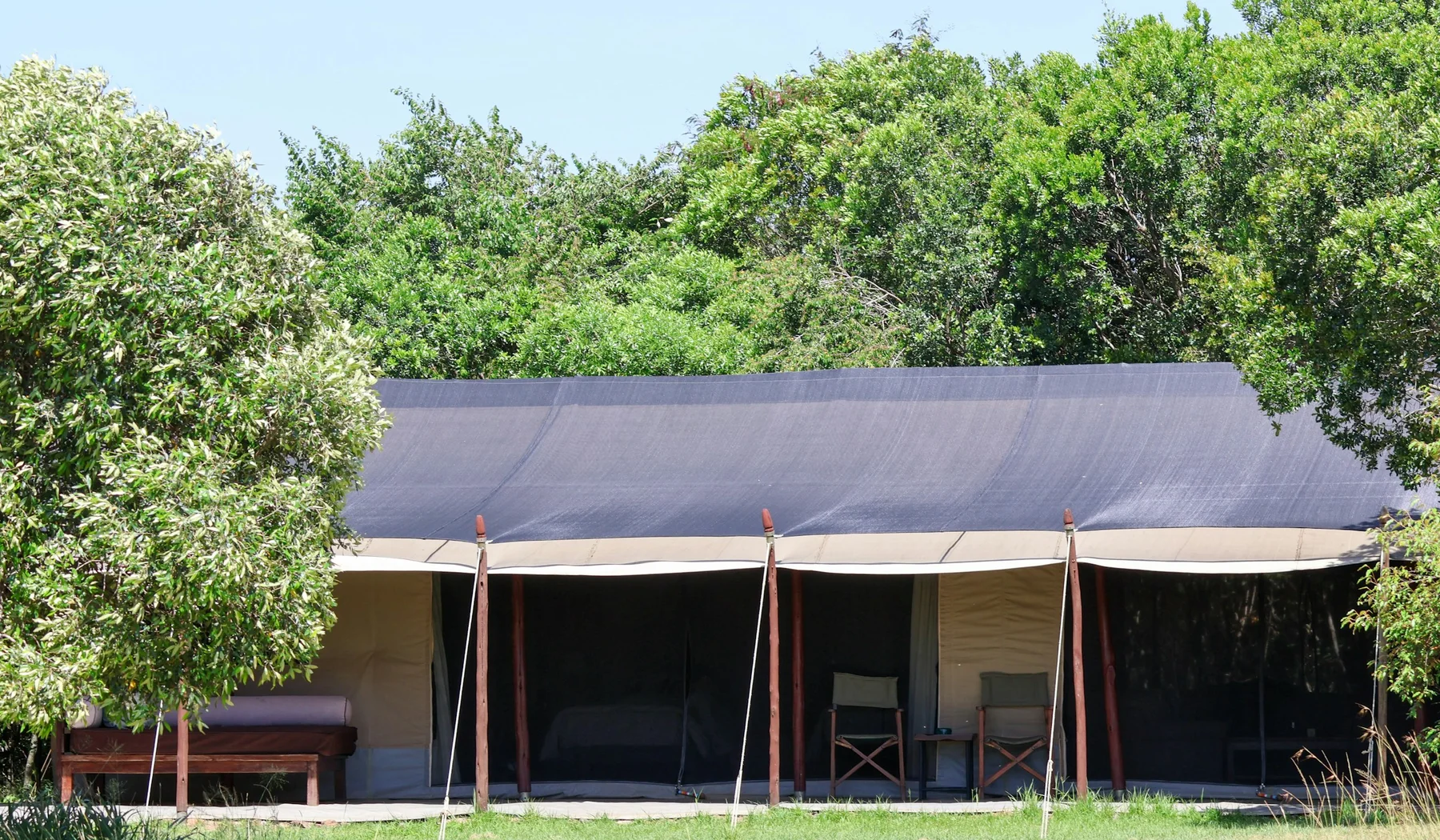
A Maji Moto cultural stay and Loita Hills guide should begin with one simple distinction: Maji Moto is a useful base, while the Loita Hills, plains and forest form a much wider landscape. A night or two at a named camp can add conversations, guided walks and evening time that a quick village stop cannot. A deeper Loita journey needs more time, stronger walking logistics and locally agreed access.
| If you want | Plan |
|---|---|
| A thoughtful introduction | Two nights at a named Maji Moto camp |
| A full unhurried programme | Three nights |
| Longer walking or bush camping | Add a dedicated night and local guide |
| Mara wildlife plus cultural time | Put Maji Moto before or after the Mara |
Begin with the short answer
Choose the exact camp before choosing the number of nights. Several properties use Maji Moto in their names, and their rooms, bathrooms, activities and ownership stories are not interchangeable. Two nights usually create one complete day between transfers. Three nights give walking, community activities and rest room to coexist.
| Decision | Best question |
|---|---|
| Camp | What is the exact property name and location? |
| Nights | How many full days remain after transfers? |
| Activities | Which are included and which cost extra? |
| Comfort | What room and bathroom will we actually use? |
Understand where Maji Moto sits
Maji Moto is in Narok County, in the wider Mara and Loita region, but it is not inside the Masai Mara National Reserve. That matters for park fees, transfer time and expectations. A cultural stay here can stand on its own or connect Nairobi with a Mara safari.
Do not call it a Mara lodge
Maji Moto may appear in Mara itineraries, but staying there is different from sleeping beside a reserve game-drive area. A camp may arrange a Mara day trip or onward transfer, yet that does not place the camp inside the reserve. Read the Masai Mara safari guide before combining the two.

Understand where Loita begins
Loita is not one attraction with a ticket booth. The plains, hills and Naimina Enkiyio forest include community land, grazing, settlements, paths and culturally significant places. Narok planning material describes Loita forest as community land under traditional stewardship. A route therefore needs local leadership and permission, not merely a downloaded track.
| Loita element | Planning implication |
|---|---|
| Community land | Arrange access locally |
| Working grazing landscape | Yield to livestock and daily use |
| Forest | Use a knowledgeable local guide |
| Remote paths | Carry water, layers and a communication plan |
Choose the named camp first
Maji Moto Maasai Cultural Camp and Maji Moto Eco Camp are distinct properties with their own public descriptions. Do not combine the facilities of one with the activities of another. Ask for the exact booking name, room category, host team, map pin and official contact.
Read “cultural camp” as a format, not a guarantee
The phrase suggests that cultural learning is central, but it does not prove local ownership, depth or ethical practice. Look for named leaders, local guides, transparent fees, community-selected activities and boundaries around homes, schools and photography.
Give the stay two nights when possible
Arrive on the first afternoon, sleep, use the middle day for the main programme and leave after the second night. This avoids pretending that an arrival evening and departure breakfast equal two full cultural days. It also leaves room for weather, rest and spontaneous conversation.
Choose three nights for a slower visit
A third night lets you separate walking from community activities and keeps every hour from becoming scheduled. It may also support an optional bush camp or longer Loita excursion. Ask whether the camp can genuinely fill the time with locally led experiences, not repeated demonstrations.
Use one night only as a deliberate stop
One night can work between Nairobi and the Mara if arrival is early and departure is not rushed. It will still be an introduction. Confirm which one or two activities matter most and resist squeezing a full catalogue into the evening and dawn.
Build the Nairobi to Maji Moto route honestly
Camp websites may publish indicative driving times, but Nairobi traffic, departure point, road works, weather and stops change the day. Ask for a current door-to-door estimate and a latest sensible departure. Do not schedule a full afternoon programme on a transfer that has no margin.
Build the Maji Moto to Mara route property by property
“One hour to the Mara” is incomplete because gates, conservancies and lodges sit in different directions. Name the onward property, expected gate, park-fee consequence and total drive. A western Mara lodge may create a very different route from an eastern camp.
| Onward detail | Confirm |
|---|---|
| Mara accommodation | Exact name |
| Entry point | Gate or conservancy access |
| Park fee | Whether transit triggers payment |
| Lunch and game drive | Included or separate |
Decide whether Maji Moto comes before or after the Mara
Before the Mara, the stay can ease travellers into Narok County and local context before wildlife drives. After the Mara, it can slow the journey and make space to reflect. The better direction depends on flight time, lodge location and energy.
Separate the cultural stay from a Mara day trip
At least one Maji Moto camp lists a Masai Mara game drive as an optional extra. A day trip can be long and may require reserve fees, vehicle and early departure. Compare it with transferring into a Mara lodge instead of assuming the day trip is cheaper or calmer.
Ask what is included in the stay
The current Maji Moto Maasai Cultural Camp site says cultural activities and insights are included with stays, while it lists Olpul bush camping, Mara game drives and off-road adventures as optional extras. Verify the current package for your dates rather than copying a general website list into the booking.
Ask what “all activities” excludes
Packages often say activities are included while premium outings remain separate. Request an itemised distinction between included camp activities, optional extras, transport, tips, crafts and donations. The Maasai village visit cost guide provides a useful framework.
Compare room categories, not camp names
One property may offer several cottages or tents with different beds, terraces and bathroom arrangements. “We are staying at Maji Moto” does not tell you whether the toilet is private, shared, attached or a walk away. Ask for the category name and recent photographs.
| Room detail | Confirm |
|---|---|
| Bed | Size, number and mosquito protection |
| Floor | Earth, stone, timber or platform |
| Lighting | Solar or other supply |
| Bathroom | Private, shared, attached or separate |
| Charging | Socket type, location and hours |
Treat bathroom details as essential
A June 2026 guest wrote, “The tents are fine with lovely views, just take into account the bathrooms and showers are separated from them, not a problem at all for us.” That is one room and stay, but it shows why comfort must be checked. Read the original review page.
| Bathroom question | Why |
|---|---|
| How far from the bed? | Night access |
| Private or shared? | Privacy expectations |
| Hot water? | Comfort and timing |
| Lit path? | Safety after dark |
Prepare for cool nights
One recent family reviewer offered the concise tip, “Nights are chilly- bring layers!” Weather varies, but elevated inland nights can feel much colder than midday. See the review in context, then ask the camp about bedding for your month.
| Pack | Use |
|---|---|
| Warm layer | Evening and dawn |
| Long trousers | Cold, vegetation and insects |
| Closed shoes | Paths and night movement |
| Light rain layer | Seasonal showers |
Ask about electricity and connection
The official camp description mentions solar lighting in some cottages. That does not guarantee charging in every room, continuous power or Wi-Fi. Decide whether disconnection is welcome or a problem for work, health or family contact.
| Connection need | Ask |
|---|---|
| Phone charging | Where and when |
| Mobile signal | Which network works locally |
| Wi-Fi | Whether available at all |
| Medical device | Reliable power plan |
| Emergency contact | Camp number and backup |
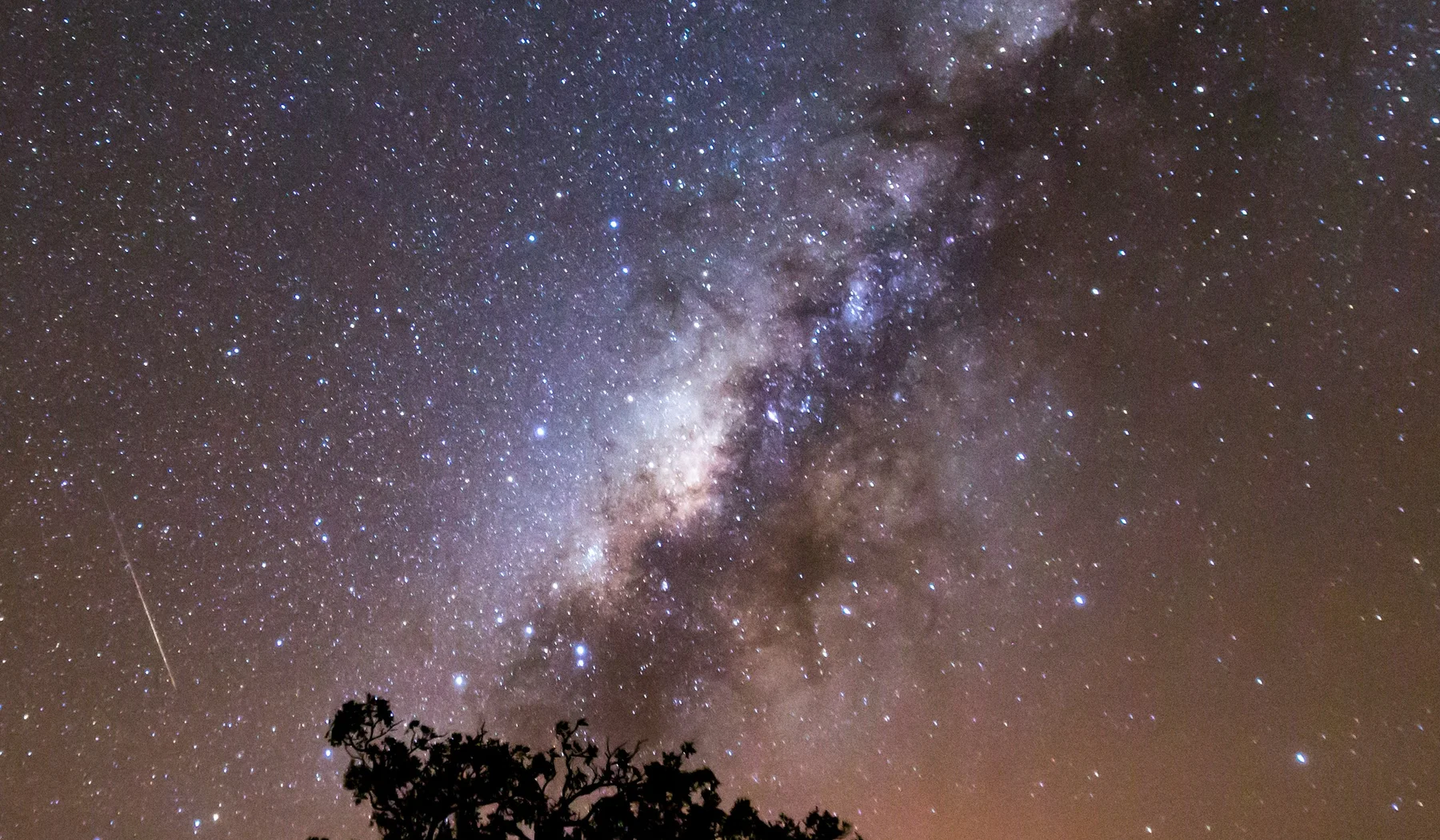
Let the night change the pace
Evening is one reason to stay. Without a waiting safari vehicle, conversation can continue around a fire or dinner. The official Maji Moto cultural camp site currently lists campfire stories among its included experiences. Ask whether the activity is offered on your night and what photography is appropriate.
| Evening element | Confirm |
|---|---|
| Fire | Safety and seating |
| Stories or songs | Host and meaning |
| Recording | Permission before audio or video |
| End time | Rest for guests and staff |
Read “highlight” as a clue about pace
A June 2026 family reviewer wrote, “This experience was the highlight of our two weeks in Kenya.” The same review mentions enjoying “the slower, more intentional time.” These are personal impressions, not guarantees, but they support a planning lesson: protect enough time for the stay to feel different from a rapid safari stop. Read the original review.
Take children’s reactions seriously
The same guest wrote, “My sons hated leaving.” That does not prove every child will feel the same, but it is useful evidence that a slower cultural camp can engage families. The independent family account gives another perspective, while our Kenya safari with children guide covers wider logistics.
Plan food before arrival
Remote or small camps need notice for allergies, vegetarian meals and children’s preferences. A 2025 family reviewer praised the camp for accommodating vegetarian food and an allergy, but that success depended on communication. Send dietary requirements in writing and ask how cross-contact is handled.
| Food detail | Tell the camp |
|---|---|
| Allergy | Ingredient and severity |
| Vegetarian or vegan | What is excluded |
| Child preference | Flexible staple foods |
| Medical diet | Exact requirement |
| Arrival time | Whether lunch or dinner is needed |
Ask how meals fit the programme
Food may be served at camp, carried on a walk or prepared during an optional bush experience. Ask whether participation is invited, whether the meal has cultural meaning and whether a special feast changes the price. Never assume a named food tradition will be performed on demand.
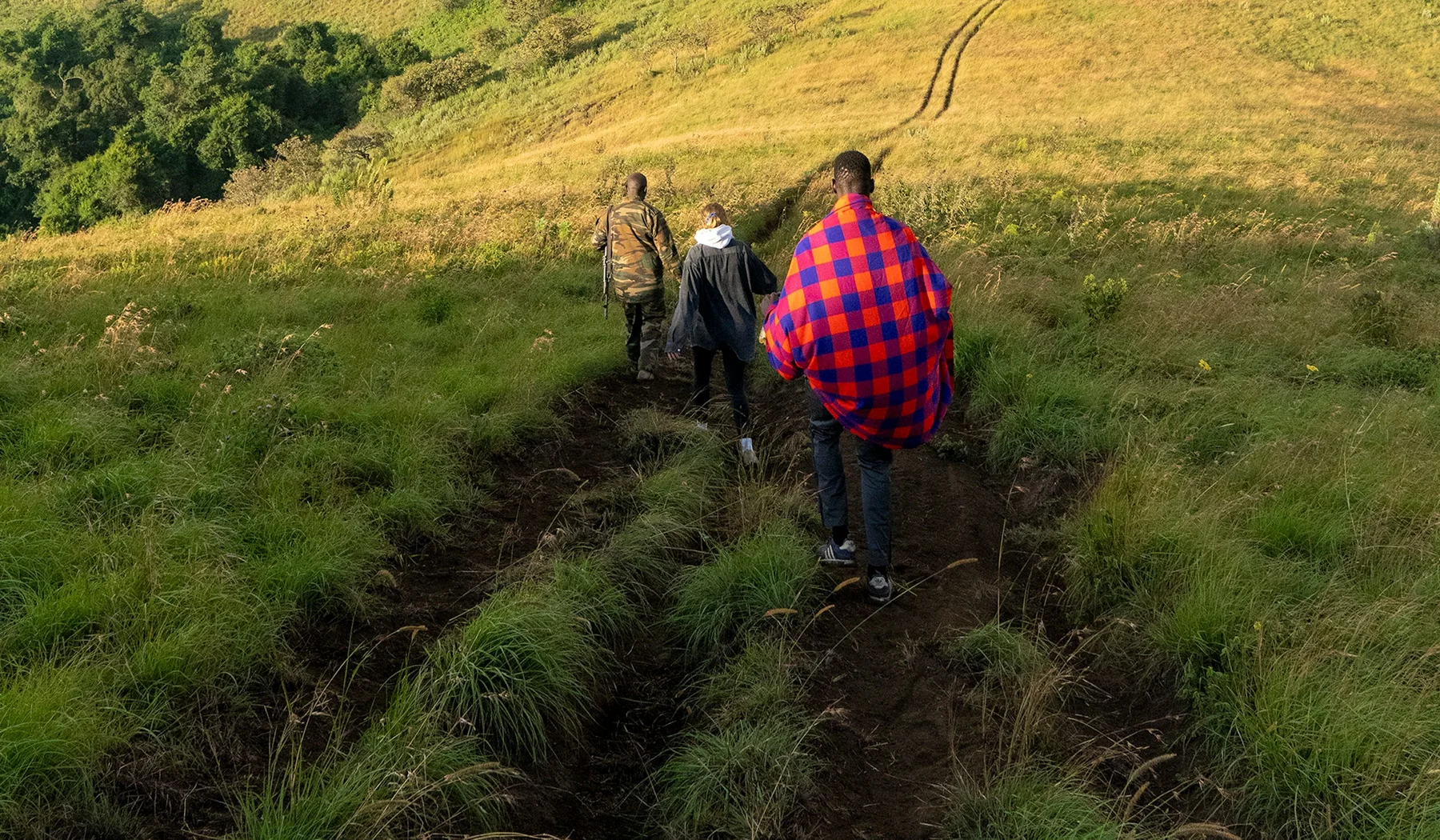
Plan walking with a local guide
The strongest reason to extend into the hills is to walk with someone who knows paths, weather, livestock, water, plants and community boundaries. Ask for distance, elevation, surface and expected hours rather than accepting “easy walk” as a universal description.
Match the walk to the least confident traveller
A group moves at the pace of the person who needs the most time. Split the programme if some guests want a strenuous hike while others prefer a short landscape walk. No one should be pressured to prove fitness during a cultural stay.
Ask about wildlife on foot
Loita landscapes support wildlife as well as people and livestock. Walking is not a game drive without a vehicle. Ask what animals may occur, how guides assess risk, whether a ranger is needed and what happens if elephants, buffalo or predators are nearby.
Respect grazing and daily work
Paths cross a living pastoral landscape. Give livestock space, close gates only as instructed and do not turn herding into an unscheduled photo shoot. A guide can explain current grazing decisions without interrupting the people doing the work.
Carry for sun, rain and mud
Conditions can change across open plain, hill and forest. Closed shoes, water, sun protection and a light waterproof layer are useful even when the morning looks clear. Ask whether the camp supplies walking poles, packed water or rain gear.
Understand Olpul before adding it
The current Maji Moto Maasai Cultural Camp site describes Olpul bush camping as an optional trek and overnight experience. Treat it as a separate product with its own physical, cultural and welfare questions. Do not reduce Olpul to “sleeping like a warrior” marketing.
Separate guest bush camping from ceremony
A tourism programme may draw inspiration from local knowledge without reproducing a private or age-set ceremony. Ask the host how the guest experience is described and which elements are not open to visitors. Accuracy is more respectful than claiming access to sacred life.
Check sleeping comfort in the bush
Camp beds, leafy bedding, mats and tents offer very different sleep. Ask for current photographs and a precise list. Travellers with back pain, sleep apnoea, night medication or toilet needs may enjoy the daytime programme and return to the main camp instead.
Price the bush night separately
Optional bush camping can require extra guides, food, porters, equipment and community arrangements. Request one price that states minimum group, cancellation, weather policy and what happens if a guest turns back.
Treat the hot spring as a local site
Maji Moto means hot water, and some programmes visit a local spring. Confirm its current condition, access, cultural significance, bathing rules and water safety. Do not assume it is a developed spa or that swimming is always appropriate.
Ask before visiting a school
A school is a place of learning, not an automatic camp activity. The official cultural-camp site currently advertises a school visit, so ask which school, who approved the visit, how classes are protected and whether photography is allowed. A donation should never purchase access to children.
Keep gifts separate from access
If a school, women’s group or community project publishes a needs list, support can be arranged through its official process. Do not hand out sweets, pens or cash in a crowd. The detailed guide to tipping, gifts, photography and buying beadwork helps separate payment, tip, purchase and donation.
Ask how women participate
Craft sales can create income, but participation means more than displaying products. Ask whether women lead sessions, set prices, manage funds and shape the programme. Let makers explain materials, colour and market change without expecting every design to have one timeless meaning.
Buy beadwork without turning it into a test
Browse because you want to. Ask who made an item, whether prices are fixed and how payment works. The Maasai beadwork, clothing, food, cattle and daily life guide adds context, but the maker’s explanation should lead.
Understand a homestead before entering
Camp activities may include a community or homestead visit. Ask whether the site is residential, which spaces are public and who has invited the group. Our guide to manyatta, boma, homestead and village terms explains why the words are not interchangeable.
Keep photography consent active
Permission at check-in does not cover every person and place. Ask before portraits, children, interiors, songs or video. Explain commercial use separately. A host can change their mind at any time.
Learn a greeting without performing expertise
Use the Maa language phrases guide to prepare, then ask local hosts how they speak. Maa varies, and a warm attempt matters more than perfect display. Listen before repeating and never demand that a guide translate private conversation.
Understand adumu in context
If a jumping performance is part of the programme, ask what it means there and who chose to share it. The adumu guide explains its age-set and ceremonial associations and the way tourism has simplified it. Do not turn participation into a height contest.
Ask about fire-making demonstrations
The official camp site lists bush skills such as fire making and plant uses. Ask whether the activity is a teaching demonstration, daily practice or both. Follow safety instructions and do not collect plants, handle tools or light a fire independently.
Treat plant knowledge with care
Local guides may explain food, medicine, veterinary use, construction or symbolism. Do not publish a medicinal claim as universal advice or harvest a plant because you heard its name. Knowledge can be place-specific, restricted or unsafe without preparation.
Ask about conservation without requesting a success story
The Greater Mara plan describes Loita forest governance and conservation concerns. Hosts may discuss pressures, benefits and disagreement. Give them room to describe trade-offs in grazing, forest use, wildlife and tourism rather than expecting a simple “community conservation works” speech.
Distinguish Loita forest from open hills
An itinerary that says “Loita Hills walk” may remain on open slopes and plains or enter forest country. Ask for the named route, vegetation, elevation and community permissions. Forest walking can be cooler, wetter and more difficult to navigate.
Ask about sacred places before the walk
The Loita landscape holds places with cultural and spiritual meaning. Visitors may not have access to every site, and recording may be limited. A local guide’s boundary matters more than a traveller’s desire to complete a route.
Decide whether cycling or off-road activity belongs
One current camp site lists bicycle, motorcycle or buggy outings through a partner as optional extras. These are not quiet cultural walks. Ask about route permission, noise, dust, helmets, insurance, livestock and wildlife before adding them.
Keep wildlife viewing ethical outside the reserve
Community land is not an empty buffer for chasing animals. Follow local vehicle routes, walking guidance and distance rules. Never ask a driver to pursue wildlife through grazing areas for a photograph.
Plan for medical needs and remoteness
Ask where the nearest appropriate clinic is, how evacuation works and whether the camp has reliable communication. Carry personal medication in hand luggage and tell the organiser about serious allergies or mobility constraints.
Ask about malaria and insects properly
Risk varies by location, season and individual health. Seek current clinical advice rather than relying on a camp review. At the property, confirm nets, room screening, repellent and how insects affect evening activities.
Prepare for limited privacy
Small camps create warmth and conversation, but sounds travel and schedules can feel communal. Ask whether rooms lock, how bathrooms are arranged and whether solo travellers have a private sleeping space.
Ask solo travellers what support they need
A recent solo guest called the stay “a life-changing experience.” Read the original review, but plan from concrete details: transfer contact, room security, activity minimums and how evenings work when no other guests are present.
Read “disconnect” as both pleasure and constraint
A 2025 couple advised, “This is a place to disconnect and enjoy nature, food and life.” That sounds wonderful when chosen. It is difficult if a traveller expected dependable Wi-Fi or needs to work. See the review in context and decide deliberately.
Use two nights to do many things without rushing
A June 2026 guest wrote, “We did so many things in just two nights of staying there.” The comment supports two nights as a practical minimum, but activity count is not the only measure. Read the full review and keep space between experiences.
Do not promise transformation
Another reviewer titled the stay “Transformative and one-of-a-kind experience.” That is an exact personal description on the review page, not a result an operator can sell. Promise the verified room, hosts, programme and time. Let the traveller decide what the experience means.
Notice what makes guests name staff
Recent reviews mention individual guides, cooks and hosts, including people who led walks, prepared meals or taught beadwork. Naming staff can indicate memorable human contact, but assignments change. Ask who is expected to lead your programme without guaranteeing a person who may be off duty.
Read independent long-form accounts
A Little Adrift describes five days at Maji Moto and discusses the attempt to engage responsibly. Family Can Travel describes a stay with children. I Dream of Mangoes offers another narrative. These accounts reveal pace and questions that short ratings miss, but each reflects a particular year and traveller.
Keep reviews tied to their dates
Rooms, roads, staff and activities change. A detailed 2026 review may still describe a different room category from yours. Use the date to form questions, not to copy promises.
Compare Maji Moto with a short village visit
The Mara versus Amboseli village-visit guide helps choose a short add-on. Maji Moto makes more sense when the traveller wants nights, walks and repeated conversation.
Compare Maji Moto with spending a full day
The guide to spending a day with the Maasai is useful when no overnight is possible. A Maji Moto stay adds dawn, evening and informal transitions, but only when those hours are not packed with performance.
Compare the overnight format carefully
Our guide to staying overnight in a Maasai village or cultural camp separates guest camp, homestay and bush camp. Maji Moto bookings can use more than one format, so name the exact sleeping place for each night.
Book early when the exact room matters
Small camps have limited categories and guides. Families needing several beds, private bathrooms or allergy planning should not rely on last-minute availability. The guide to how far ahead to book a Kenya safari provides a wider calendar.
Put every price in the total safari budget
The Kenya safari cost guide helps compare transport, accommodation and park fees. For Maji Moto, separate the stay, transfers, optional bush night, Mara drive, tips, crafts and any project donation.
Use a two-night sample itinerary
Arrive by mid-afternoon, meet hosts and settle. Use the next morning for a guided walk, rest after lunch, then join a community-led activity. Leave after breakfast on the third day. The camp must adapt this outline to weather, local commitments and your interests.
Use a three-night sample itinerary
Add a second full day for a longer Loita outing, focused project visit or optional bush experience. Keep one half day light so the stay does not become another safari checklist.
Build a deeper Loita itinerary
A deeper route needs named trailheads, local guides, community permissions, water, food, communications, weather backup and accommodation. “Explore Loita Hills” is not enough. Ask who owns each stage of the plan and how payments reach local providers.
Choose Maji Moto for the right reasons
Choose it when nights with local hosts, guided walking and a slower Narok route matter. Do not choose it merely to tick a cultural box between game drives. A good stay changes the shape of the itinerary because time, meals and evenings belong to the place.
Keep this booking checklist
Answer every point before deposit. If one camp cannot explain the room, host, transfer or price, compare another named option rather than guessing.
Use this Maji Moto cultural stay and Loita Hills guide as a brief for the organiser, then replace every general description with the exact camp, route, host and inclusion that applies to your dates.
Sources and further reading
Programme details came from current camp-owned pages and must be reconfirmed for the booked dates. Land and forest context came from Narok planning and IUCN material. Guest excerpts are exact, short and linked to their original review page; they describe individual stays, not guaranteed outcomes.
| Source | Used for |
|---|---|
| Maji Moto Maasai Cultural Camp | Current accommodation and activity descriptions |
| Maji Moto Eco Camp | Distinct camp identity and location claims |
| Greater Mara Ecosystem Management Plan | Loita forest governance context |
| IUCN Loita case material | Community tourism and resource context |
| Maji Moto traveller reviews | Exact guest excerpts and practical checks |
| A Little Adrift | Independent longer-stay account |
| Family Can Travel | Independent family account |
| Maji Moto community information | Programme and community reference |
Plan Maji Moto and the Loita Hills
Share route, dates, nights, group, walking level, comfort and the programme you are considering.