
Naboisho Conservancy Guide
Understand how Naboisho works, why day trips are not allowed, what the migration does not do here and which camp fits your safari.

- What Naboisho means
- Where Naboisho is
- Naboisho is not a national reserve
- Naboisho is not a lodge
- Naboisho is not an open day-trip area
- Naboisho is not a migration crossing area
- Why that distinction matters
- Naboisho at a glance
- The conservation story begins with land
- Landowners retained ownership
- Lease payments create predictable value
- Tourism is one part of the model
- Livestock did not vanish
- Grazing can be a management tool
- Wildlife corridors need more than a reserve boundary
- The conservancy was established in 2010
- Recovery takes time
- Governance matters
- A visit helps fund the model
- Conservation-model table
- Why Naboisho can feel quiet
- Quiet does not mean empty
- Quiet is still managed
- Off-road access is controlled
- The guide decides with the rules
- The reserve and conservancy feel different
- Naboisho compared with the reserve
- Naboisho wildlife
- A list is not a promise
- Lions
- Lion cubs
- Cheetahs
- Leopards
- Hyenas
- Elephants
- Giraffes
- Buffalo
- Zebras and wildebeest
- Antelope diversity
- Wild dogs
- Rhinos
- Nocturnal mammals
- Birds
- Vultures
- Raptors
- Ground birds
- Wildlife-interest table
- Day game drives
- Dawn drives
- Afternoon drives
- Full-day drives
- Night drives
- Red or filtered light
- Night-drive pace
- Walking safaris
- A walk is not a stroll between camps
- Fly camping
- Horse riding
- Bush meals and sundowners
- Cultural and community visits
- Hot-air ballooning
- Activity comparison
- Naboisho Camp
- Who Naboisho Camp suits
- What to confirm at Naboisho Camp
- Encounter Mara
- Who Encounter Mara suits
- What to confirm at Encounter Mara
- Basecamp Wilderness
- Who Basecamp Wilderness suits
- What to confirm at Basecamp Wilderness
- Kicheche Valley Naboisho
- Who Kicheche Valley suits
- What to confirm at Kicheche Valley
- Mara Nyika Camp
- Who Mara Nyika suits
- What to confirm at Mara Nyika
- Porini Mara Camp
- Why the Porini distinction matters
- Who Porini Mara suits
- What to confirm at Porini Mara
- Saruni Eagle View
- Who Eagle View suits
- What to confirm at Eagle View
- Saruni Leopard Hill
- Who Leopard Hill suits
- What to confirm at Leopard Hill
- Hemingways Ol Seki Mara
- Who Ol Seki suits
- What to confirm at Ol Seki
- Current Naboisho partner-camp table
- Camp location matters inside the conservancy
- Room count is not vehicle density
- Family tent is not one standard layout
- A honeymoon tent is not automatically private
- Pool or no pool
- Power and charging
- Wi-Fi
- Laundry
- Food and dietary needs
- Camp-style comparison
- Seasons in Naboisho
- January and February
- March
- April and May
- June
- July to October
- November and December
- Green season
- Migration season
- Camp closures
- Seasonal table
- Getting to Naboisho by air
- Airstrip transfer
- Flight luggage
- Flying suits a short stay
- Getting to Naboisho by road
- Camp rendezvous
- Road conditions
- Road vehicle
- Connecting from another Mara camp
- Access comparison
- Conservancy fees
- Ask whether the fee is per person per night
- Reserve fees are separate
- Activity inclusions vary
- Shared versus private vehicle
- Single supplements
- Children and fees
- Full-cost table
- Naboisho for photographers
- Private vehicles for photographers
- Off-road and photography ethics
- Cheetah photography
- Lion photography
- Night photography
- Walking photography
- Camera kits at Mara Nyika
- Green-season photography
- Photography planning
- Photography table
- Naboisho for families
- Minimum ages
- Private vehicles for families
- Family tents
- Ol Seki villas
- Mara Nyika family options
- Eagle View and Leopard Hill family programmes
- Wildlife in camp
- Pool safety
- Family comparison
- Naboisho for honeymoons
- Leopard Hill honeymoon tent
- Ol Seki Nina tents
- Mara Nyika suites
- Naboisho Camp
- Avoid romance by checklist
- Naboisho for solo travellers
- Naboisho for older travellers
- Naboisho for mobility needs
- Traveller-fit table
- Naboisho and the Great Migration
- Reserve day trips from camp
- Do not commute every day
- A split stay works well
- The order can matter
- No crossing guarantee
- Naboisho or Mara North
- Mara North character
- Naboisho character
- Naboisho or Olare Motorogi
- Naboisho or Ol Kinyei
- Naboisho or the public reserve
- The wider Mara guide
- Comparison table
- What travellers say
- “peaceful and intimate”
- “never crowded with vehicles or stressful for the animals.”
- “Sometimes we were the only 3 people observing a lion pride.”
- “Each drive is unique and unpredictable.”
- “There was an abundance of animals to view, but not an abundance of tourists.”
- “a unique and exciting experience.”
- “outstanding for wildlife”
- “more than enough wildlife to keep you busy for days.”
- Reviews should match the camp
- Review-reading table
- How many nights in Naboisho
- Two nights
- Three nights
- Four nights
- Five or more nights
- Split with the reserve
- Split with another conservancy
- Sample three-night rhythm
- Sample four-night rhythm
- Sample seven-night split
- Length table
- Booking questions for every camp
- Exact camp and room
- Exact land location
- Exact vehicle arrangement
- Exact activity inclusion
- Exact fees
- Exact operating dates
- Exact airstrip
- Exact road plan
- Exact child policy
- Exact cancellation terms
- Booking-comparison table
- Common Naboisho mistakes
- Calling it a private reserve
- Expecting a day trip
- Treating every partner as inside the boundary
- Assuming every activity is included
- Ignoring closure dates
- Booking too few nights
- Commuting to the reserve daily
- Expecting rhino
- Pressuring off-road access
- Choosing luxury by room alone
- Mistake-and-fix table
- Frequently asked Naboisho questions
- Is Naboisho Conservancy part of the Masai Mara?
- How big is Naboisho Conservancy?
- What does Naboisho mean?
- Can I visit Naboisho for the day?
- Does the Great Migration pass through Naboisho?
- Can I visit the reserve from Naboisho?
- Which airstrip serves Naboisho?
- Can I drive to Naboisho?
- Are night drives allowed?
- Are walking safaris allowed?
- Is off-road driving allowed?
- Which animals can I see?
- Can I see rhinos?
- How many camps are in Naboisho?
- Which Naboisho camp is best?
- Is Naboisho good for families?
- Is Naboisho good for honeymoons?
- When is the best time to visit?
- How many nights do I need?
- Do conservancy fees help landowners?
- The best reason to stay
- The right camp makes the conservancy legible
- The final planning sequence
- Final Naboisho checklist
At first light, a giraffe and calf move between the acacias below a rocky ridge. There is no gate queue behind them and no line of vehicles in front. Your guide stops before the animals alter course. The engine goes quiet. Somewhere beyond the trees a lion calls, and the morning begins with listening rather than racing.
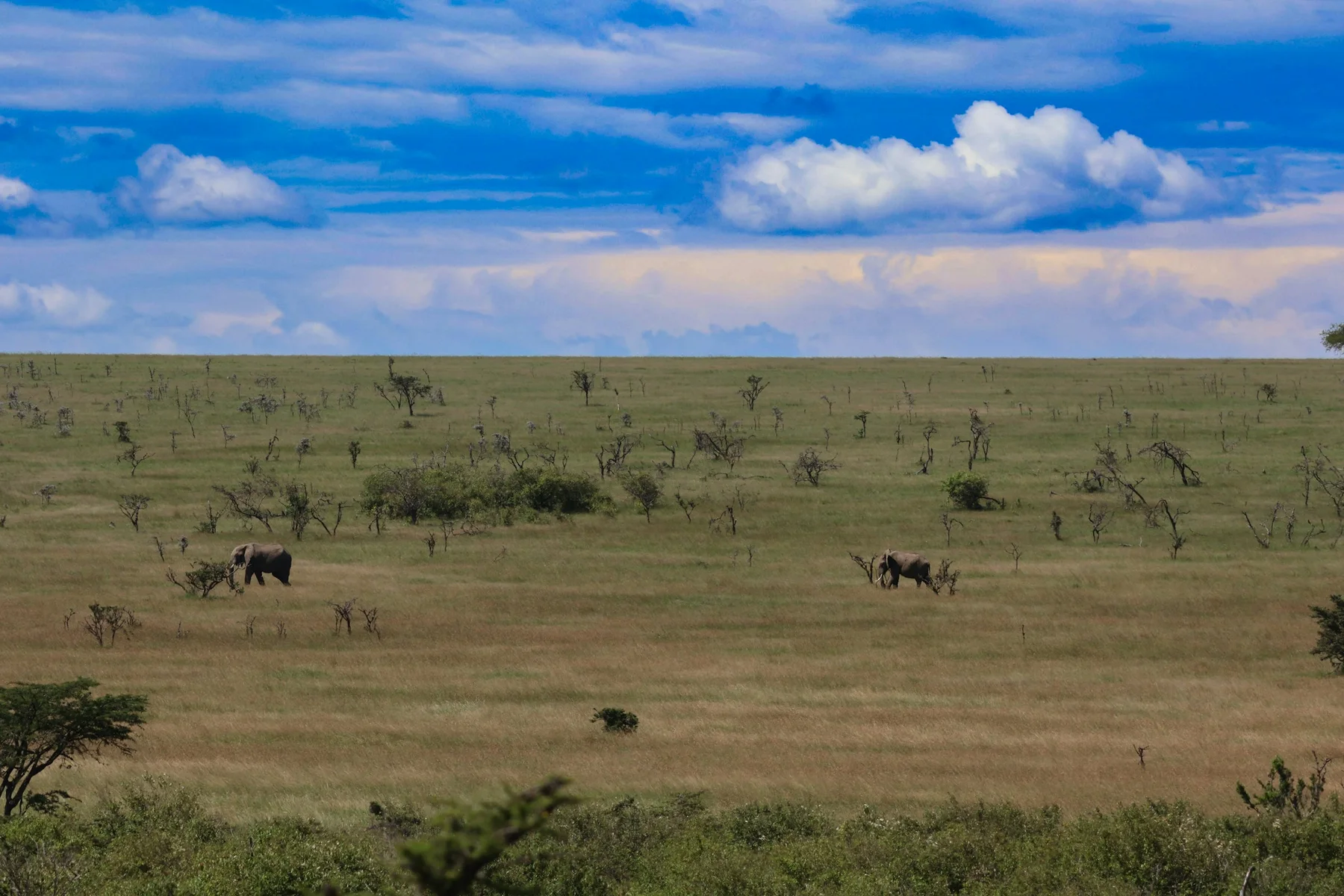
That slower rhythm explains part of Naboisho's appeal, but not the whole place. Naboisho is not simply a less crowded annex to the Masai Mara National Reserve. It is a 60,000-acre community-led conservancy, created through a lease partnership with Maasai landowners and tourism camps. Wildlife, tourism and managed livestock grazing share one working landscape.
This Naboisho Conservancy guide explains how that model affects a safari. It covers access, wildlife, seasons, night drives, walking, reserve visits, families, photography, flights, roads and every current tourism partner. It also clarifies two points that are often blurred: day trips are not permitted, and the main Serengeti-Mara migration does not pass through Naboisho.
What Naboisho means
Naboisho means “coming together” in Maa. The name describes the central idea: privately owned parcels remain with their Maasai owners while being joined through leases and common management to keep a large wildlife landscape open.
Where Naboisho is
Naboisho lies east of the Masai Mara National Reserve within the Greater Mara ecosystem. It borders or connects with other community lands and conservancies, forming part of a wider wildlife movement and dispersal landscape.
Naboisho is not a national reserve
The conservancy is community-owned and managed through its own partnership, access and tourism rules. A Masai Mara reserve ticket does not create entry rights to Naboisho.
Naboisho is not a lodge
Naboisho Camp is one accommodation property. Mara Naboisho Conservancy is the entire landscape. Confusing the two can lead to incorrect questions about rooms, access and activities.
Naboisho is not an open day-trip area
The conservancy's official visitor FAQ states that day trips are not permitted. Access is through a booking at one of the partner camps.
Naboisho is not a migration crossing area
The conservancy says the main Great Migration does not pass through Naboisho. The famous herds move mainly through the neighbouring reserve, while wildlife movement in and out of Naboisho remains active throughout the year.
Why that distinction matters
A camp may offer a reserve visit during migration months, but that is a separate drive with additional time, rules and possibly fees. Do not buy a Naboisho stay on the assumption that immense herds will walk past the tent.
Naboisho at a glance
| Feature | What it means for a traveller |
|---|---|
| 60,000 acres | A large connected community-conservation landscape |
| More than 700 landowners in the current model | Tourism value is distributed through a lease partnership |
| Established in 2010 | A relatively young conservancy with visible land-recovery history |
| Partner-camp access | No casual day trip or public gate entry |
| Controlled tourism | Lower vehicle density than high-use reserve sectors |
| Day and night activities | More varied safari hours under conservancy rules |
| Walking at participating camps | A ground-level activity with trained guides and conditions |
| Main migration outside Naboisho | Resident wildlife is the core reason to stay |
The conservation story begins with land
Before the conservancy, subdivision and heavy grazing threatened to fragment habitat. Separate plots could have accumulated fences, buildings and roads that interrupted movement across the wider Mara.
Landowners retained ownership
The model did not transfer the land to a tourism company. Landowners lease use into a shared conservation arrangement while retaining ownership.
Lease payments create predictable value
Tourism partners pay lease fees that support participating households. The principle is important: wildlife habitat should generate a direct economic reason to remain open.
Tourism is one part of the model
Employment, training, education, healthcare support and local enterprise can extend value beyond lease payments. The quality and transparency of those benefits should be understood through current conservancy reporting, not assumed from a camp slogan.
Livestock did not vanish
Naboisho's history describes structured and rotational grazing rather than simply removing cattle. This matters because the landscape is both ecological and pastoral.
Grazing can be a management tool
When timing and density are planned, livestock can use designated areas while other blocks recover. Poorly managed concentration can damage grass, so the system depends on cooperation and monitoring.
Wildlife corridors need more than a reserve boundary
Animals move beyond formal protected areas for water, grazing, breeding and dispersal. Conservancies help hold these connecting lands together.
The conservancy was established in 2010
Naboisho's lease arrangement was finalised in March 2010. The official history describes an early period of ecological recovery rather than an instant transformation.
Recovery takes time
Grass cover, wildlife confidence and grazing patterns respond over years. The current safari landscape is the result of continued management, not only a founding agreement.
Governance matters
The conservancy describes a representative board of landowners and tourism partners, supported by a management team. Governance influences grazing, tourism standards, community relations and conservation enforcement.
A visit helps fund the model
Conservancy fees and partner operations connect guest stays to leases and management. Ask how the fee is shown in the quote and what it covers rather than treating it as a hidden tax.
Conservation-model table
| Part of the model | Intended role | Question a thoughtful guest can ask |
|---|---|---|
| Land lease | Keep parcels open while owners retain title | Is the current conservancy fee included? |
| Limited camps | Control tourism footprint | How many vehicles share a sighting? |
| Rotational grazing | Balance livestock and grass recovery | How does the camp explain grazing in the landscape? |
| Community employment | Build local value and knowledge | Are guides and managers recruited and trained locally? |
| Ranger and management work | Protect wildlife and enforce rules | How are sightings and off-road access managed? |
| Education and social projects | Extend tourism benefits | Can visits be arranged respectfully without turning people into exhibits? |
Why Naboisho can feel quiet
Access is tied to a limited group of partner camps, so the conservancy does not receive the same volume of independent and day vehicles as the public reserve.
Quiet does not mean empty
Resident herbivores and predators use the conservancy year-round. Sightings can be active while only a few vehicles are present.
Quiet is still managed
Lower density does not grant permission to surround wildlife, drive anywhere or stay indefinitely. Codes of conduct protect the advantage that guests came to enjoy.
Off-road access is controlled
Vehicles may be allowed to leave tracks for selected sightings under conservancy rules. That is not unrestricted cross-country driving. Soil, vegetation, animal behaviour and vehicle limits still govern the decision.
The guide decides with the rules
A guest should never pressure a guide to leave a track for a photograph. Good guiding sometimes means staying farther away, especially with cubs, a hunt, soft ground or an already busy sighting.
The reserve and conservancy feel different
The national reserve offers public access, famous river sectors and immense seasonal herd movements. Naboisho offers controlled access, varied activities and a community-leased landscape. A split stay can show both.
Naboisho compared with the reserve
| Question | Naboisho Conservancy | Masai Mara National Reserve |
|---|---|---|
| Access | Through partner-camp stay | Public reserve gates and authorised bookings |
| Day trips | Not permitted by Naboisho | Possible under reserve rules and fees |
| Vehicle density | Controlled through partner capacity | Can be high in famous sectors and peak periods |
| Night drives | Offered by participating camps under conservancy rules | Ordinary visitor game driving ends under reserve rules |
| Guided walks | Offered by participating camps | Not a standard open visitor activity |
| Off-road | Limited under conservancy code | Restricted by reserve zoning and rules |
| Main migration | Does not pass through as the primary herd route | Major seasonal migration area |
| Core tourism value | Resident wildlife and community-conservancy experience | Classic reserve landscapes, rivers and seasonal herds |

Naboisho wildlife
The conservancy's published mammal list includes lion, leopard, cheetah, elephant, buffalo, giraffe, zebra, wildebeest, hyena, wild dog, serval, caracal, bat-eared fox, aardwolf and many antelope.
A list is not a promise
A species appearing on a conservancy checklist means it has been recorded, not that every guest will see it. Rare and wide-ranging animals may be absent for long periods.
Lions
Naboisho is widely known for resident lion activity. Guides follow territories, pride relationships and seasonal movements. A strong sighting is about behaviour and space, not only distance.
Lion cubs
Cubs attract vehicle attention and require extra restraint. Guides should avoid blocking the pride, separating family members or exposing a den location through careless pressure.
Cheetahs
Open plains and low ridges can suit cheetah scanning and hunting. Cheetahs may move beyond the boundary, and grass height changes visibility.
Leopards
Leopards use riverine vegetation, rocky areas and woodland. They can remain hidden close to camp. Patient tracking and alarm calls matter more than a species guarantee.
Hyenas
Spotted hyenas are active both day and night. A night drive can reveal social behaviour and movement that differs from a daylight sighting.
Elephants
Elephants move through open plains, water points and woodland. Vehicles should give family groups room and never close a path between adults and calves.
Giraffes
Naboisho's acacia country creates classic giraffe landscapes. A wide composition can show why the conservancy's connected habitat matters.
Buffalo
Buffalo may be found in groups or as older bulls near thicker cover. Their body language deserves respect, especially on foot.
Zebras and wildebeest
Resident and locally moving grazers remain present even though the main Serengeti herds use the reserve. They are prey, grass managers and social animals, not background scenery.
Antelope diversity
Topi, hartebeest, impala, gazelles, waterbuck, eland, dik-dik and other antelope occupy different habitats. Learning the differences enriches every drive.
Wild dogs
Wild dogs are recorded but range widely. Seeing them is a special possibility, never a basis for promising Naboisho over another conservancy.
Rhinos
The official mammal list records black rhino, yet current traveller accounts repeatedly note that rhino is not a realistic routine expectation in Naboisho. Plan a rhino-focused destination such as Ol Pejeta if that species is essential.
Nocturnal mammals
Spring hares, genets, galagos, aardwolves, servals and porcupines are among the animals that make night drives interesting. Light use and viewing distance should minimise disturbance.
Birds
The conservancy publishes an extensive bird list, from vultures and eagles to cranes, coursers, bustards, sandgrouse and wetland species. Birding makes every season valuable.
Vultures
Vultures reveal carcasses, thermals and ecosystem health. Ask the guide to identify flight shape and behaviour rather than rushing past them for a cat.
Raptors
Bateleurs, eagles, buzzards, kites and falcons use different heights and hunting methods. Morning light on a perched raptor can be a better photograph than a distant predator.
Ground birds
Secretary birds, bustards, francolins and lapwings reward slow open-plain drives. Their calls and courtship become especially interesting after rain.
Wildlife-interest table
| Interest | Naboisho strength | Honest limit |
|---|---|---|
| Lions | Strong resident territories and lower vehicle density | Pride location changes and sightings remain wild |
| Cheetahs | Open plains and known resident movement | Tall grass and range movement affect visibility |
| Leopards | Woodland and riverine habitat | Secretive and never guaranteed |
| Elephants and giraffes | Year-round landscape subjects | Herds move across a wider ecosystem |
| Nocturnal mammals | Night drives at participating camps | Weather and animal behaviour change each drive |
| Birds | Large published list and varied habitat | Seasons change abundance and activity |
| Rhinos | Recorded historically or occasionally | Not a routine reason to choose Naboisho |
| Great Migration | Reserve visit may be arranged | Main herds do not pass through Naboisho |
Day game drives
Morning and afternoon drives form the core safari. Camp location affects how quickly you reach open plains, valleys, water and known territories.
Dawn drives
Cool air, soft light and predator movement make early starts useful. A camp close to wildlife habitat protects this time better than a long commute.
Afternoon drives
After resting at camp, afternoon drives follow changing light and animal activity towards sunset. Discuss return time and whether a night-drive transition is included.
Full-day drives
Some camps arrange full days into the national reserve. Confirm the minimum stay, reserve fees, picnic, drive time and whether every guest in a shared vehicle agrees.
Night drives
Naboisho permits night drives through participating camps and conservancy rules. They are not simply a daylight drive with headlights.
Red or filtered light
Guides use appropriate light to locate animals while reducing disturbance. Guests should avoid phone flashes and powerful personal torches.
Night-drive pace
The vehicle moves slowly, listening and scanning. A spring hare or genet can be the highlight. Do not judge the drive by big-cat sightings alone.
Walking safaris
Participating camps offer guided walks, subject to age, weather and safety. Walking shifts attention from distant animals to tracks, plants, insects, dung, wind and terrain.
A walk is not a stroll between camps
It requires a trained guide, briefing, appropriate footwear and obedience to instructions. The guide can cancel when wind, visibility, wildlife or guest behaviour makes it unsafe.
Fly camping
Some camps offer a simple overnight away from the main property. Ask about toilets, washing, bedding, age limits, luggage, weather and whether the experience is private.
Horse riding
Naboisho Camp lists horse riding among its possible activities. Riding requires current operational confirmation, experience matching and explicit safety conditions.
Bush meals and sundowners
These experiences work best when quiet, well sited and cleared without waste. The Mara bush breakfasts and sundowners guide explains the questions to ask.
Cultural and community visits
A respectful visit should be hosted, consent-based and connected to real community relationships. It should not treat homes or ceremonies as props.
Hot-air ballooning
Balloon flights may be arranged from several camps, but pickup, weather, flight area and transfer time vary. Read the Masai Mara hot-air balloon guide.
Activity comparison
| Activity | Usually available through | Confirm before booking |
|---|---|---|
| Day game drives | All partner camps | Shared or private vehicle and drive schedule |
| Night drives | Participating conservancy camps | Inclusion, duration, age and weather |
| Guided walks | Participating camps | Age, fitness, group size and guide qualification |
| Reserve visit | Selected camp itineraries | Fees, minimum stay and full-day timing |
| Fly camping | Selected camps | Comfort level, privacy and season |
| Horse riding | Selected operation | Riding ability, current operation and insurance |
| Community visit | Camp partners | Host, consent, contribution and group size |
| Balloon safari | External balloon operator | Pickup, weather, price and cancellation |
Naboisho Camp
Naboisho Camp is a nine-tent Asilia property with two family tents, triple options, fully plumbed bathrooms, solar-heated showers, pool and views over the plains. It is open year-round on the official 2026 page.
Who Naboisho Camp suits
It suits travellers wanting an intimate tented camp with a broad activity menu, including walking and potential fly camping. Families should check the children's programme age and exact room arrangement.
What to confirm at Naboisho Camp
Ask which activities are included, whether a private vehicle is needed, the fly-camp comfort level and how reserve visits are arranged.
Encounter Mara
Encounter Mara has ten tents, including two family tents, with plumbed hot-water showers, veranda daybeds and a secluded setting. Its official page lists an operating period from June through April.
Who Encounter Mara suits
It suits guests who want comfortable boutique tents, strong lion-country positioning and an Asilia-style camp rhythm. Families should compare the two family units and vehicle policy.
What to confirm at Encounter Mara
The current page lists game drives as included and fly camping, ballooning and cultural visits as additional. Confirm night-drive and walking availability rather than assuming every Naboisho activity applies to every camp.
Basecamp Wilderness
Basecamp Wilderness is a five-tent, off-grid camp in the remote eastern conservancy. It uses bucket showers, eco-flush toilets, solar lighting and an open-air communal area.
Who Basecamp Wilderness suits
It suits travellers who value simplicity, small scale and immersion more than polished hotel facilities. Its remote setting can appeal to photographers and families comfortable with a true tented camp.
What to confirm at Basecamp Wilderness
Ask how the official activity list is packaged, which reserve visits are included, vehicle sharing, charging, bathroom details and how rain affects access.
Kicheche Valley Naboisho
Kicheche Valley has five standard tents and one two-bedroom family suite in a secluded eastern valley. It lists day and night drives, walks and trust-project visits as included.
Who Kicheche Valley suits
It suits keen safari travellers and photographers who want a small camp with a strong field focus, family accommodation and a valley setting.
What to confirm at Kicheche Valley
Its official 2026 page says it closes on 10 April and reopens on 1 June, subject to change. Confirm operating dates, private vehicle terms, wild camping and reserve-entry costs.
Mara Nyika Camp
Mara Nyika is a high-comfort Great Plains property in a secluded valley, with large raised suites, a family suite and a two-bedroom private Sambuk Suite. It is listed as open year-round.
Who Mara Nyika suits
It suits travellers wanting very spacious accommodation, privacy, design, strong food and a camera-oriented experience. The private suite suits families or friends who want their own guide and vehicle.
What to confirm at Mara Nyika
The official page lists professional camera kits and binoculars in suites, but policies can change. Confirm the exact equipment, insurance responsibility, private-vehicle cost and reserve-visit arrangement.
Porini Mara Camp
Porini Mara Camp is a six-tent property in neighbouring Ol Kinyei Conservancy, not physically inside Naboisho. As a founding tourism partner, its guests use Ol Kinyei, Naboisho and, according to the camp page, a reserve day.
Why the Porini distinction matters
If you want to sleep inside Naboisho, Porini Mara is not the answer. If you want a small Ol Kinyei base with linked Naboisho access, it may be exactly right.
Who Porini Mara suits
It suits travellers looking for a traditional low-impact tented camp, a maximum of 12 guests and drives across two conservancies.
What to confirm at Porini Mara
Its official 2026 page lists operation from January to 15 April and June to December. Confirm the current closure, reserve-day terms, whether ballooning is an inclusion or arrangeable extra, and which conservancy fees apply.
Saruni Eagle View
Saruni Eagle View occupies an elevated position with broad conservancy views. Its current page describes raised viewpoint tents, family options, indoor and outdoor showers, viewing decks and year-round operation.
Who Eagle View suits
It suits travellers who value a high outlook, waterhole observation, a family programme and a broader menu of day and night activities.
What to confirm at Eagle View
The accommodation count on the official page combines nine raised units with a line describing eight doubles or twins and two family units, so request the exact current room inventory and layout for your dates.
Saruni Leopard Hill
Saruni Leopard Hill has six tented rooms: four deluxe, one family and one honeymoon unit. Nearly 360-degree views, star beds, private verandas and fireplaces give it a design-led identity.
Who Leopard Hill suits
It suits couples and honeymooners seeking privacy and unusual room design, as well as families using the dedicated family tent.
What to confirm at Leopard Hill
Ask how star beds operate in rain, whether the honeymoon tent is the right privacy choice, shared-vehicle capacity and which reserve activities are included.
Hemingways Ol Seki Mara
Ol Seki has eight en-suite safari tents and two private family villas. The villas include two bedrooms, lounge, kitchen, plunge pool, dedicated chef, guide and vehicle.
Who Ol Seki suits
It suits couples wanting panoramic tent views and families or friends who value an exclusive villa with a built-in private safari setup.
What to confirm at Ol Seki
Its official Naboisho page lists a short April 2026 closure, game drives, night drives, walks, bush dining and cultural visits. Reconfirm operating dates, reserve fees, cave dining, balloon cost and villa occupancy.
Current Naboisho partner-camp table
| Partner | Setting and scale | Strong fit | Important confirmation |
|---|---|---|---|
| Naboisho Camp | 9 tents, pool, classic intimate camp | Activities, couples and families | Fly camping, horse riding and private vehicle |
| Encounter Mara | 10 tents, secluded boutique camp | Comfortable lion-country stay | Walks, night drives and closure dates |
| Basecamp Wilderness | 5 off-grid tents in the east | Simplicity, immersion and small scale | Bathroom style, reserve inclusion and access |
| Kicheche Valley | 6 units in a secluded valley | Photographers and serious safari pace | April-May closure and vehicle terms |
| Mara Nyika | Large raised suites and private suite | High comfort, design and photography | Camera kit, private vehicle and reserve visits |
| Porini Mara | 6 tents in Ol Kinyei | Two-conservancy experience | It is outside Naboisho, plus fee structure |
| Saruni Eagle View | Elevated tents and broad views | Families, waterhole and varied activities | Exact current room count and vehicle use |
| Saruni Leopard Hill | 6 design-led rooms | Honeymoons and intimate stays | Star-bed operation and family layout |
| Hemingways Ol Seki | 8 tents and 2 villas | Couples, villas and private-family use | Reserve fees, closure dates and included activities |
Camp location matters inside the conservancy
Eastern valleys, hilltops, open plains and water points create different drive patterns. Ask for a camp map and typical first-hour wildlife areas.
Room count is not vehicle density
A six-tent camp can still share vehicles, while a larger property may allocate fewer guests per row. Ask about seats, rows and private-use options.
Family tent is not one standard layout
Some properties offer two connected bedrooms, others a shared lounge or one larger tent. Confirm doors, bathrooms, deck separation and whether children sleep within hearing distance.
A honeymoon tent is not automatically private
Check the path, neighbour distance, deck sightlines, vehicle arrangement and dining. Room decoration alone does not create privacy.
Pool or no pool
Pools help in warm afternoons and with children, but a camp without one may offer a stronger low-impact atmosphere. Choose around how you actually spend midday.
Power and charging
Solar camps vary in socket hours, high-wattage restrictions and bedside charging. Photographers should list batteries, laptop and storage needs before booking.
Wi-Fi
Some camps list Wi-Fi, but speed and coverage fluctuate. Decide whether connection is useful, unnecessary or essential for work.
Laundry
Complimentary laundry often excludes delicate items and underwear for cultural or operational reasons. Pack a small wash kit and confirm turnaround on a short stay.
Food and dietary needs
Remote kitchens can handle many diets with notice. Describe allergies separately from preferences and reconfirm before arrival.
Camp-style comparison
| Preference | Camps to examine first | Why |
|---|---|---|
| Small off-grid simplicity | Basecamp Wilderness, Porini Mara | Five or six tents and traditional bush feel |
| Classic intimate tented camp | Naboisho Camp, Kicheche Valley, Encounter Mara | Small scale with field-focused rhythm |
| High-design luxury | Mara Nyika, Leopard Hill, Ol Seki | Large suites, distinctive design or private villas |
| Hilltop or elevated outlook | Eagle View, Ol Seki, Kicheche Valley | Broad views and landscape connection |
| Family private-use setup | Ol Seki villas, Mara Nyika Sambuk Suite | Dedicated space and private safari arrangements |
| Honeymoon room identity | Leopard Hill honeymoon tent, Ol Seki Nina tent, Mara Nyika suites | Privacy and design, subject to exact position |
Seasons in Naboisho
Resident wildlife makes Naboisho a year-round choice at camps that remain open. Weather changes grass, roads, camp operations and the visual experience.
January and February
The landscape can remain green after short rains. Warm days, resident predators and birds create a strong alternative to migration demand.
March
March is a transition towards the long rains. Camp closure dates approach, so verify the exact final departure day and air or road access.
April and May
Long rains can bring lush grass, storms, soft roads and fewer guests. Several camps close for some or all of the period, while year-round properties continue subject to access.
June
June often brings cool mornings, green landscape and reopening seasonal camps. The main migration may not yet be in Kenya.
July to October
These are popular migration months in the reserve. Naboisho itself remains focused on resident wildlife, though camps may arrange reserve days.
November and December
Short rains can refresh grass and produce dramatic skies. Festive dates may be busy even when the main migration has moved south.
Green season
Green Naboisho can be exceptional for photography and low vehicle density. The tradeoff is taller grass, rain and road flexibility.
Migration season
Use the migration season vs green season guide to decide whether a reserve-focused herd stay should be added.
Camp closures
Current 2026 pages list different closures for Kicheche Valley, Encounter Mara, Porini Mara and Ol Seki. These dates can change each year. Reconfirm rather than copying one season into the next.
Seasonal table
| Period | Naboisho character | Camp-planning issue |
|---|---|---|
| January-February | Green to drying, resident wildlife, warm days | Strong year-round-camp choice |
| March | Transition to long rains | Confirm seasonal camp closing dates |
| April-May | Lush, stormy and quiet | Limited camp choice and wet-road plans |
| June | Cool, green and reopening | Confirm exact reopening and first operating day |
| July-October | Drying, popular and migration demand nearby | Reserve-day costs and private vehicle availability |
| November-December | Short-rain transition and festive demand | Weather, holiday rates and camp availability |
Getting to Naboisho by air
The conservancy says Ol Seki and Naboisho are two names for the same airstrip. Your booking should state which name appears on the flight and who meets you.
Airstrip transfer
Transfer time varies by camp, wildlife and road. Ask whether the transfer is included and whether arrival becomes a game drive.
Flight luggage
Small aircraft use weight, dimensions and soft-bag rules. The Masai Mara airstrips and flight guide covers equipment and connection planning.
Flying suits a short stay
A flight can preserve safari time, but airport transfer and airstrip waiting still belong in the door-to-door calculation.
Getting to Naboisho by road
The conservancy advises driving to Nkoilale Town and calling for a meeting arrangement. Do not use that general direction instead of your camp's exact written route.
Camp rendezvous
Self-drivers and independent transfers need a current pin, contact, registration details and daylight meeting plan. Day access without a camp booking is not permitted.
Road conditions
Rain, grading and final camp tracks change. Use the Masai Mara road and gate guide and get a dated update.
Road vehicle
A maintained four-wheel-drive vehicle with suitable tyres and an experienced local driver is the sensible standard, especially in wet months.
Connecting from another Mara camp
The route may cross reserve, community or conservancy lands. Fees and access depend on the chosen path. A straight map line does not show permitted movement.
Access comparison
| Method | Advantage | Confirm |
|---|---|---|
| Scheduled flight | Protects time and avoids long approach | Airstrip name, luggage and camp transfer |
| Charter flight | Timing and routing flexibility | Airstrip approval, baggage and price |
| Private road transfer | Overland scenery and luggage flexibility | 4×4, daylight, route and stops |
| Self-drive | Independence for experienced travellers | Camp permission, rendezvous, vehicle and recovery |
| Inter-camp transfer | Links reserve and conservancy | Fees, route, vehicle and lost game-drive time |
Conservancy fees
Naboisho confirms that a conservancy fee applies and is handled by tourism partners. The amount and child policy can change, so use the exact quote for the travel dates.
Ask whether the fee is per person per night
Do not assume it is included in the room rate. The quote should show adults, children, nights and any separate reserve fund contribution.
Reserve fees are separate
A day in the Masai Mara National Reserve may add reserve entry, vehicle and transfer costs. Ask whether the camp package includes any of them.
Activity inclusions vary
One camp may include walks and night drives while another lists them as extras or does not currently offer them. Compare the exact property rather than the conservancy brochure.
Shared versus private vehicle
Shared drives reduce cost but follow group priorities. A private vehicle can be especially valuable for families, photographers and reserve day trips.
Single supplements
Solo travellers should ask about room supplement, private vehicle cost and whether a shared transfer is available.
Children and fees
Child ages differ between camps, airlines and conservancy policies. A twelve-year-old may be treated differently by each component.
Full-cost table
| Cost line | Ask explicitly |
|---|---|
| Accommodation | Room type, occupancy and seasonal rate |
| Naboisho fee | Adult, child, per-night basis and reserve fund |
| Reserve visit | Entry fee, vehicle, lunch and transfer |
| Vehicle | Shared seats, private supplement and exclusive-use terms |
| Flights | Fare, taxes, luggage and airstrip transfer |
| Walk or night drive | Included, age, group and duration |
| Community visit | Host contribution and transport |
| Balloon | Pickup, flight, breakfast and cancellation |
| Drinks and laundry | Brand limits, exclusions and turnaround |
Naboisho for photographers
Lower vehicle density, controlled sightings and varied landscapes can be more valuable than proximity alone. A guide who understands light and animal behaviour remains essential.
Private vehicles for photographers
Ask about seat removal, side opening, roof design, beanbags, charging and how many photographers share a row.
Off-road and photography ethics
Limited off-road access can improve angle, but it should never become a race to a den or hunt. The guide follows soil and wildlife rules.
Cheetah photography
Leave room in the animal's direction of travel and avoid forming a wall. Cubs need even more space and quieter observation.
Lion photography
Do not crowd a pride or demand a closer position. Wide frames can show Naboisho's habitat and low-density setting.
Night photography
Flash can disturb animals and other guests. Follow guide instructions, use available light and accept that some encounters are better remembered than photographed.
Walking photography
Carry light, keep hands free and prioritise guide instructions over changing lenses. A phone or small camera may be more appropriate than a long setup.
Camera kits at Mara Nyika
The current official page lists in-suite camera equipment. Confirm the exact body, lenses, memory transfer and damage terms, then bring familiar gear if a critical project depends on it.
Green-season photography
Storms, clean air and green plains suit environmental work. Waterproof covers and a vehicle that protects equipment matter.
Photography planning
The Masai Mara photography guide covers gear, settings, support, backups and ethics in depth.
Photography table
| Need | Ask the camp |
|---|---|
| Vehicle angle | Side opening, roof, door and seat row |
| Support | Beanbag, rail, platform and filling |
| Private pace | Dedicated vehicle cost and hours |
| Charging | Socket, solar limits and backup |
| Night drive | Lighting policy and flash rules |
| Walking | Carry limit and safety briefing |
| Rain | Vehicle covers and dry storage |
| Camera loan | Exact kit, insurance and file transfer |
Naboisho for families
Family tents, private villas and young-explorer programmes create good options. The right camp depends on children's ages, room separation and drive patience.
Minimum ages
Walking, fly camping and shared drives may carry age limits. Confirm the rule for each child rather than assuming the family room grants access to every activity.
Private vehicles for families
A private vehicle allows shorter drives, toilet returns and quiet breaks. It can prevent a tired child from controlling another couple's shared safari.
Family tents
Compare bedrooms, bathrooms, internal doors, deck safety and distance to the main area. Ask whether an adult must share each room.
Ol Seki villas
The private chef, guide, vehicle and plunge pool make the villas a strong multi-generational option. Compare the full villa price rather than multiplying a standard tent rate.
Mara Nyika family options
The family and Sambuk suites serve different group sizes and privacy needs. Confirm child ages, bed setup and whether the private vehicle is attached to the chosen unit.
Eagle View and Leopard Hill family programmes
Current pages list young-explorer activities. Ask for the daily programme, supervision, group size and whether parents attend.
Wildlife in camp
Children must follow escort rules and never walk alone after dark. A tent wall is not a barrier to wildlife.
Pool safety
Pools may be unfenced. Ask about depth, supervision and room-to-pool access.
Family comparison
| Family need | Camps to compare | Key question |
|---|---|---|
| Two-bedroom private villa | Ol Seki | Is guide, vehicle and chef exclusive? |
| High-comfort family suite | Mara Nyika | Which suite and vehicle are included? |
| Small classic family camp | Kicheche Valley, Naboisho Camp, Encounter Mara | Bedroom connection and child policy |
| Off-grid family immersion | Basecamp Wilderness | Bathroom, power and drive flexibility |
| Programme and pool | Eagle View or other Saruni Basecamp property | Supervision and exact facilities |
| Very small camp | Porini Mara | Ol Kinyei location and two-conservancy access |
Naboisho for honeymoons
The conservancy's quiet sightings and small camps suit couples, but choose the room and vehicle carefully. A full shared vehicle can dilute privacy.
Leopard Hill honeymoon tent
This is the clearest named honeymoon unit, with star-bed and fireplace features. Confirm its position, rain operation and current inclusions.
Ol Seki Nina tents
Panoramic views and a small camp rhythm can suit couples. Ask whether private dining and a private vehicle are included or extra.
Mara Nyika suites
Large raised suites and privacy suit a high-comfort honeymoon. Compare the atmosphere and price with a smaller, more traditional tented camp.
Naboisho Camp
Verandas, outdoor shower views and optional fly camping can create a more classic romantic safari. Confirm privacy and activity style.
Avoid romance by checklist
Star beds, bush dinners and blessings should fit the couple. The strongest honeymoon may simply have a private vehicle, enough nights and no rushed camp change.
Naboisho for solo travellers
Small communal camps can be welcoming, but shared dining styles vary. Ask about hosted meals, single supplements and whether drives are easy to join.
Naboisho for older travellers
Check walking distance, steps, vehicle access, shower design, night escorts and road vibration. Hilltop views may involve steeper paths.
Naboisho for mobility needs
Request exact measurements and photographs, not a generic accessibility promise. Raised walkways, tent thresholds and high vehicle steps can be significant.
Traveller-fit table
| Traveller | Strong starting point | Confirm |
|---|---|---|
| Honeymoon | Leopard Hill, Ol Seki, Mara Nyika, Naboisho Camp | Privacy, vehicle and dining |
| Family | Ol Seki villas, Mara Nyika suites, family tents | Age rules, layout and private vehicle |
| Photographer | Kicheche Valley, Mara Nyika, small field camps | Vehicle and guide setup |
| Off-grid traveller | Basecamp Wilderness, Porini Mara | Comfort, power and bathroom style |
| Solo traveller | Hosted small camps | Supplement and social dining |
| Limited mobility | Larger tents with vehicle access | Steps, paths, shower and transfer assistance |
Naboisho and the Great Migration
Naboisho's official FAQ is clear: the main migration does not pass through the conservancy. The herds use the neighbouring reserve.
Reserve day trips from camp
Several camps can arrange visits to the reserve. Ask how long the transfer takes, which gate is used, whether fees are included and how the shared vehicle decides.
Do not commute every day
If river crossings are the main goal, split the stay with a reserve camp rather than spending several days driving back and forth.
A split stay works well
Three or four nights in Naboisho plus three or four in the reserve can combine low-density resident wildlife with migration geography.
The order can matter
Beginning in the reserve gives immediate scale, then Naboisho slows the pace. Beginning in Naboisho teaches tracking before the busiest river areas. Choose for flight and road logic.
No crossing guarantee
Even a reserve camp cannot promise a crossing. The Great Migration river crossings guide explains why time and ethics matter.
Naboisho or Mara North
Both are community conservancies with controlled tourism, resident wildlife, walks and night drives. They differ in geography, camp network and reserve access.
Mara North character
Mara North includes riverine and northern landscapes with its own camps and access. Read the Mara North Conservancy guide.
Naboisho character
Naboisho lies farther east, with broad plains, valleys and several hilltop camps. Its no-day-trip policy and nine current partners shape the stay.
Naboisho or Olare Motorogi
Olare Motorogi lies closer to important reserve and river sectors and is known for high-end low-density camps. Naboisho has a broader range of camp styles and a distinct 60,000-acre landowner model.
Naboisho or Ol Kinyei
Ol Kinyei is smaller and pioneered an influential conservancy model. Porini Mara sleeps in Ol Kinyei while linking guests to Naboisho.
Naboisho or the public reserve
Choose Naboisho for low-density activities and community-conservancy context. Choose the reserve for direct access to classic public sectors and migration areas. Choose both when time permits.
The wider Mara guide
Read the Masai Mara safari guide before treating any conservancy as the whole destination.
Comparison table
| Area | Core strength | Important tradeoff |
|---|---|---|
| Naboisho | Large community conservancy, nine partners and varied activities | Main migration outside the boundary |
| Mara North | Northern and riverine conservancy landscapes | Camp and reserve transfer geography differs |
| Olare Motorogi | Low-density high-end camps near reserve sectors | Often a narrower price range |
| Ol Kinyei | Small pioneering conservancy and Porini base | Fewer accommodation choices |
| National Reserve | Rivers, public sectors and migration geography | Higher vehicle density in popular areas |
What travellers say
Independent accounts help explain how Naboisho feels. They do not guarantee the same wildlife or service.
“peaceful and intimate”
A 2025 visitor used this phrase in a Naboisho Conservancy review after comparing it with a reserve day trip.
“never crowded with vehicles or stressful for the animals.”
The same review links low density to the feeling of the sighting. It is an observation from one stay, not a claim that no busy moment ever occurs.
“Sometimes we were the only 3 people observing a lion pride.”
Another visitor wrote this in a conservancy review. It shows why vehicle control matters to the experience.
“Each drive is unique and unpredictable.”
A Mara Nyika guest used this exact line in a camp review. It is a useful antidote to a guaranteed species checklist.
“There was an abundance of animals to view, but not an abundance of tourists.”
A May guest wrote this in a Naboisho Camp review. The sentence captures the green-season appeal without promising identical May conditions.
“a unique and exciting experience.”
A family traveller used this phrase about a night drive in the same Naboisho Camp review page. The value came from seeing the landscape at a different hour, not only from a particular animal.
“outstanding for wildlife”
A repeat visitor wrote this in a 2026 planning discussion, while also noting that rhino should not be expected.
“more than enough wildlife to keep you busy for days.”
The same contributor argued that a reserve visit was unnecessary for their priorities. A migration-focused guest may reach a different conclusion.
Reviews should match the camp
A glowing Naboisho Camp review does not describe Leopard Hill's room or Basecamp Wilderness's bathroom. Separate conservancy atmosphere from property delivery.
Review-reading table
| Review detail | Why it matters |
|---|---|
| Named camp | Properties differ greatly in comfort and activities |
| Month and year | Grass, rain and camp operations change |
| Shared or private vehicle | Alters sighting pace and privacy |
| Reserve visit | Shows whether the reviewer judged both areas |
| Family, couple or solo | Changes room and hosting expectations |
| Wildlife list | Records one stay, not a forecast |
How many nights in Naboisho
Three nights provides two full safari days. Four or five nights gives time for walks, night drives, weather and slow wildlife observation.
Two nights
Two nights can work in a longer Mara circuit, but arrival and departure reduce activity time. Do not try to include every extra.
Three nights
This suits a first taste with day drives, one night drive and perhaps a walk. Confirm activity timing before arrival.
Four nights
Four nights allows a more relaxed camp day, photography and a reserve visit if desired.
Five or more nights
Longer stays suit photographers, families and repeat visitors who value following individual animals rather than changing areas constantly.
Split with the reserve
Use at least six or seven Mara nights if splitting, so each base receives meaningful time.
Split with another conservancy
Choose a genuinely different landscape or camp style. Two similar conservancies with short stays may add transfer more than variety.
Sample three-night rhythm
Arrive and take an afternoon drive; use the first full day for dawn and afternoon drives with a night transition; walk on the second morning and keep the last afternoon open.
Sample four-night rhythm
Add a slow morning, extended photography session or full reserve day. Do not stack the night drive before the earliest long transfer.
Sample seven-night split
Use three or four nights in Naboisho and three or four in a reserve river or Triangle sector. Transfer once, then settle again.
Length table
| Nights | Best use | Main limit |
|---|---|---|
| 2 | Short complement to another Mara base | Too little time for several activities |
| 3 | Core drives plus one or two extras | Weather can remove flexibility |
| 4 | Deep local stay or one reserve day | Still choose activities rather than collect them |
| 5 | Photography, family pace and animal stories | Higher conservancy-fee total |
| 6+ | Slow safari or combined rest and field time | Camp fit becomes as important as wildlife |
Booking questions for every camp
Ask the same questions in the same order. This makes very different room and inclusion styles easier to compare.
Exact camp and room
Request the current room name, layout, bed configuration, bathroom, deck and walking distance. Marketing collection names can hide multiple properties.
Exact land location
Confirm whether the camp is inside Naboisho, in neighbouring Ol Kinyei or on an edge with Naboisho access.
Exact vehicle arrangement
Record seats, rows, side openings, guide, private supplement and whether exclusive use covers reserve days.
Exact activity inclusion
List day drives, night drives, walks, bush meals, reserve days, cultural visits and ballooning separately.
Exact fees
Show Naboisho, reserve, reserve fund and any other conservancy fee by person and night.
Exact operating dates
Confirm the camp is open for every night and that the first reopening day offers normal services.
Exact airstrip
Use Ol Seki or Naboisho as shown on the flight ticket, then confirm the camp greeter and transfer.
Exact road plan
Get the Nkoilale meeting point or camp route, latest safe arrival and wet-weather alternative.
Exact child policy
Separate room occupancy, rate age, walk age, shared-drive age and balloon age.
Exact cancellation terms
Understand deposit, balance, cancellation, flight and weather treatment before paying.
Booking-comparison table
| Field | Camp A | Camp B |
|---|---|---|
| Room and layout | ||
| Inside Naboisho? | ||
| Conservancy fee | ||
| Reserve visit | ||
| Shared vehicle seats | ||
| Private vehicle | ||
| Night drive | ||
| Walk | ||
| Airstrip transfer | ||
| Closure dates | ||
| Child rules | ||
| Cancellation |
Common Naboisho mistakes
The first is booking for migration herds. The second is choosing a camp without reading its exact location and activity list.
Calling it a private reserve
Naboisho is a community conservancy. The words matter because they describe ownership and access.
Expecting a day trip
The conservancy states that day trips are not permitted. Book a partner camp.
Treating every partner as inside the boundary
Porini Mara is in Ol Kinyei while offering Naboisho access. Make that distinction before choosing.
Assuming every activity is included
Night drives, walks, reserve visits and ballooning vary. Read the camp's current page and quote.
Ignoring closure dates
Several camps close in part of April or May. A search engine listing may still accept an enquiry without proving operation.
Booking too few nights
One full day cannot do justice to drives, walks, night wildlife and camp time.
Commuting to the reserve daily
If the reserve is the main purpose, stay there for part of the trip.
Expecting rhino
Treat rhino as highly unlikely and choose a rhino destination if it is essential.
Pressuring off-road access
Limited access exists to support responsible viewing, not to guarantee a close photograph.
Choosing luxury by room alone
Guide quality, vehicle, position, fees and activity fit often matter more than floor area.
Mistake-and-fix table
| Mistake | Better decision |
|---|---|
| Book for migration | Book for resident wildlife or add reserve nights |
| Plan a day visit | Stay at a partner camp |
| Assume all camps are inside | Check exact boundary and access |
| Compare room price only | Compare fees, vehicles and activities |
| Assume walks for children | Confirm age and safety policy |
| Choose by lion promise | Choose habitat and guide quality |
| Use old closure dates | Reconfirm for the travel year |
| Chase reserve every day | Split the itinerary |
Frequently asked Naboisho questions
These answers reflect official information checked in August 2026. Camp details and fees should be reconfirmed for the travel dates.
Is Naboisho Conservancy part of the Masai Mara?
It is part of the Greater Mara ecosystem and lies beside the Masai Mara National Reserve, but it is a separately managed community conservancy.
How big is Naboisho Conservancy?
The current official site describes a 60,000-acre conservancy.
What does Naboisho mean?
Naboisho means “coming together” in Maa, reflecting the landowner and tourism partnership.
Can I visit Naboisho for the day?
No. The official FAQ says day trips are not permitted. Visitors access the conservancy through a stay at a partner camp.
Does the Great Migration pass through Naboisho?
No. The conservancy says the main herds move through the neighbouring Masai Mara National Reserve. Naboisho offers strong resident wildlife year-round.
Can I visit the reserve from Naboisho?
Many camps can arrange a reserve visit. Confirm the drive time, gate, fees, minimum stay and shared-vehicle plan.
Which airstrip serves Naboisho?
The conservancy says Ol Seki and Naboisho are two names for the same airstrip. Use the name on the flight ticket and confirm camp pickup.
Can I drive to Naboisho?
Yes with a partner-camp booking and current instructions. The conservancy directs drivers towards Nkoilale for a meeting arrangement, while the camp should provide the exact plan.
Are night drives allowed?
Yes through participating partner camps under conservancy rules. Confirm inclusion, duration and age limits.
Are walking safaris allowed?
Yes at participating camps with trained guides, subject to age, weather and safety.
Is off-road driving allowed?
Limited off-road access may be permitted for selected sightings under conservancy codes. It is not unrestricted driving.
Which animals can I see?
Lion, cheetah, leopard, hyena, elephant, buffalo, giraffe, zebra, antelope and many birds are recorded. Every sighting remains wild.
Can I see rhinos?
Do not choose Naboisho for reliable rhino viewing. Add a destination known for rhino conservation if that species is essential.
How many camps are in Naboisho?
The current responsible-tourism partner list shows nine partners. Porini Mara Camp itself is in neighbouring Ol Kinyei but is a Naboisho tourism partner with access.
Which Naboisho camp is best?
There is no universal best. Basecamp Wilderness and Porini Mara are simple and small; Kicheche and Naboisho Camp are classic field bases; Mara Nyika, Leopard Hill and Ol Seki offer more design and space.
Is Naboisho good for families?
Yes, with family tents, villas and programmes at several camps. Confirm room layout, private vehicle and activity age limits.
Is Naboisho good for honeymoons?
Yes. Low-density sightings and small camps suit couples. Compare privacy, room design and private vehicle options.
When is the best time to visit?
Resident wildlife supports year-round visits where camps are open. Dry months ease roads; green months bring colour and fewer guests. Exact camp closures matter.
How many nights do I need?
Three nights is a useful minimum. Four or five gives more room for walks, night drives, weather and slow wildlife observation.
Do conservancy fees help landowners?
The lease-based model is designed to support landowner payments and conservancy management. Ask the camp how the current fee is charged and communicated.
The best reason to stay
Stay because Naboisho combines resident wildlife, low-density tourism and a living community lease model. Do not use it as a generic substitute for every Mara experience.
The right camp makes the conservancy legible
A knowledgeable guide and well-positioned camp reveal why valleys, grazing blocks, predators and landowner decisions matter. Choose people and place before decoration.
The final planning sequence
Decide whether Naboisho's resident-wildlife experience fits, choose the camp style, confirm exact access and fees, then add reserve nights only if they serve a clear purpose.
Use this Naboisho Conservancy guide to narrow the choice, then reconfirm every room, operating date, activity and fee for the exact travel year.
Final Naboisho checklist
| Before booking | Confirmed |
|---|---|
| Current partner camp and exact land location | Yes or no |
| Room layout and child occupancy | Yes or no |
| Camp operating for every date | Yes or no |
| Naboisho fee and any reserve fee | Yes or no |
| Shared or private vehicle | Yes or no |
| Night drive and walking inclusion | Yes or no |
| Reserve-visit timing and gate | Yes or no |
| Ol Seki/Naboisho airstrip and transfer | Yes or no |
| Road rendezvous and wet-weather plan | Yes or no |
| Cancellation and flight terms | Yes or no |
| No migration or rhino guarantee | Understood |
Sources and further reading
- Mara Naboisho Conservancy, official conservancy site.
- History of Naboisho, community lease and landscape recovery.
- Responsible tourism, codes and current tourism partners.
- Access and visitor FAQ, day trips, fees, airstrip and road access.
- Where to stay, official partner-camp directory.
- Naboisho mammals list.
- Naboisho birds list.
- Linked traveller reviews are short personal observations, not sighting or service guarantees.
Let us build your Naboisho stay
Share dates, guests, room layout, comfort level, wildlife priorities, activity interests, reserve plans and budget. We will compare the current partners and full trip cost.