
Ol Pejeta Bush Camp: A Riverside Base for Rhino Country
Ol Pejeta Bush Camp gives you a comfortable tent beside the Ewaso Ngiro River and a chance to understand why the conservancy matters. Rhinos are the headline, but a good stay also leaves room for ordinary wildlife, conservation stories and slow moments by the water. This guide separates the camp’s included safari from special visits that need their own booking.
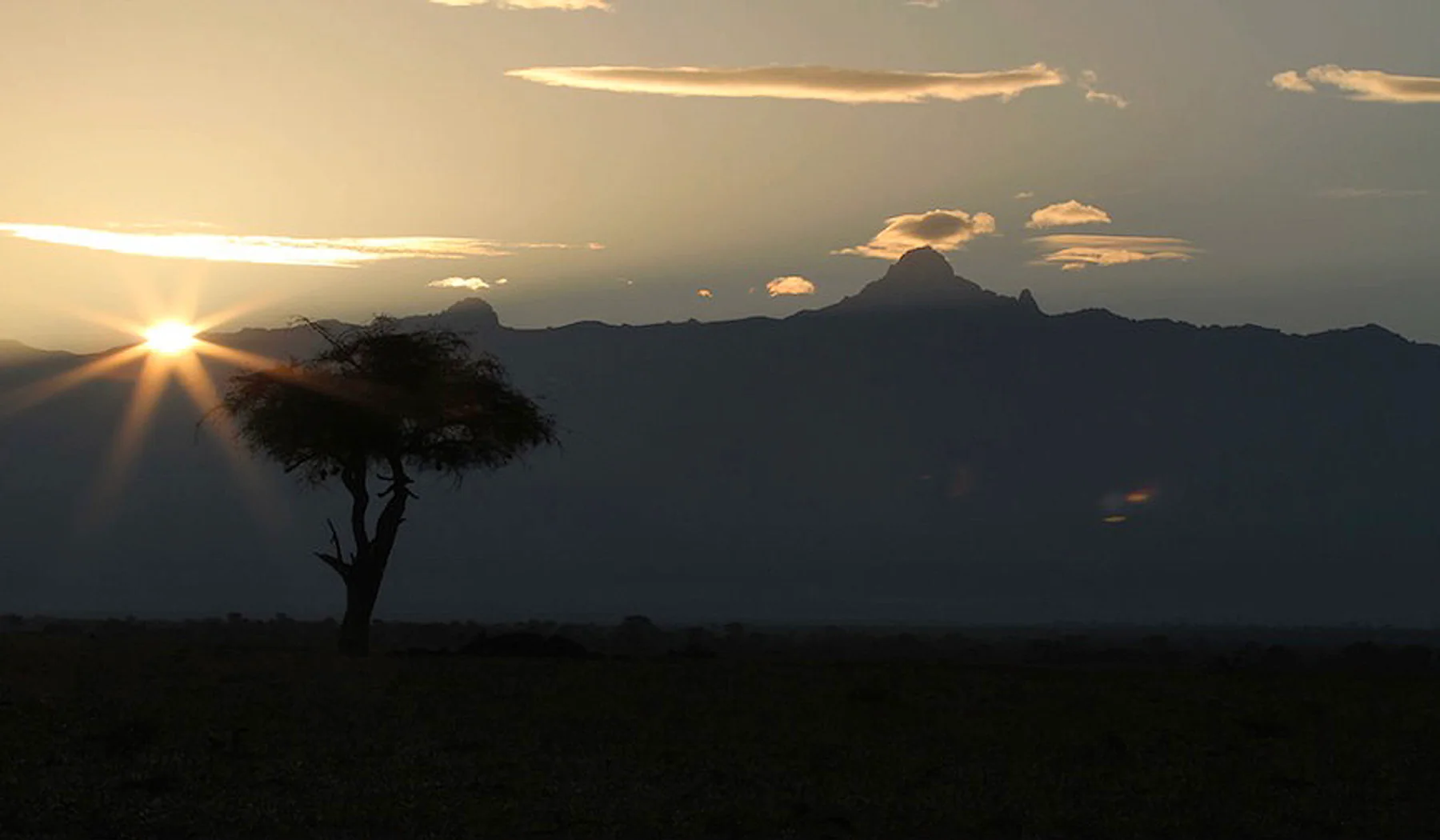
A first safari in Kenya often begins with a wish to see lions in the Mara. Ol Pejeta brings a different question: what does it take to keep wildlife here? At Asilia’s Bush Camp, the answer is not delivered as a lecture. It appears in the protected rhinos, the people doing conservation work, the choice of activities and the ordinary pleasure of watching the river from a comfortable tent. You may come for a northern white rhino story and leave remembering a guide’s explanation of a bird, elephants passing camp or a good dinner after a cold drive.
Asilia Africa places Ol Pejeta Bush Camp on the Ewaso Ngiro River inside Ol Pejeta Conservancy in Laikipia. Its current property page lists ten tents, including two family tents, with hot water, en-suite bathrooms and solar power backed up by a generator. Some older Asilia destination material and third-party listings still say eight tents. For a current room decision, the individual property page is the more useful description. The camp’s modest scale lets the river and guide remain central to the visit.
Ol Pejeta is not a Masai Mara lodge with a rhino enclosure attached. The Laikipia landscape, the conservation mission and the activities are different. A northern Kenya journey might combine Ol Pejeta with the Mara, Samburu or Lewa to give the safari more than one kind of habitat. Our Ol Pejeta Conservancy guide goes into the whole area; this page stays with what a guest at Bush Camp can expect and what must be arranged separately.
A conservation landscape under Mount Kenya
Ol Pejeta is known for black and white rhinos, but it is also a varied wildlife landscape of grassland, acacia, wetlands and river habitat. Elephants, buffalo, giraffes, antelope, predators and hundreds of bird species add depth to a stay. The setting can feel different from the open Mara plains. Mount Kenya may appear on a clear day, while the Ewaso Ngiro gives Bush Camp a more intimate riverside focus. It is worth giving the place two or three nights rather than treating it as a stop solely to tick off one rare animal.
The conservancy says it protects the world’s last two northern white rhinos, Najin and Fatu, along with a significant black-rhino population. Their survival story is both inspiring and sobering. It should not become a casual promise in a sales pitch. A visit to their protected enclosure is a managed conservation experience with its own availability and cost. Seeing a southern white or black rhino on a normal drive is a different experience, and a guide can help you recognise why the distinction matters.
Ol Pejeta also has the Sweetwaters Chimpanzee Sanctuary, the Morani information centre and opportunities connected to its protection work. Some facilities can change hours or access after weather and operational events. Plan the ones you truly care about rather than assuming every attraction can be squeezed into one afternoon. The rhino and chimpanzee guide gives those visits their own space, and the fees and activities guide helps separate general entry from specialist experiences.
| Part of Ol Pejeta | Why it matters | How to approach it |
|---|---|---|
| General wildlife country | Game drives can include rhinos, elephants, predators and birds. | Leave time for sightings that are not on a checklist. |
| Northern white rhino enclosure | Home of Najin and Fatu under protection. | Arrange a separate managed visit if available. |
| Sweetwaters Chimpanzee Sanctuary | Rescue and care story within the conservancy. | Confirm access and visiting hours. |
| Protection and research teams | Show the work behind wildlife conservation. | Select a suitable authorised activity. |
| Ewaso Ngiro River | Bush Camp’s quieter, living backdrop. | Enjoy from camp without approaching wildlife on foot. |
The river is part of the day
At Bush Camp, the Ewaso Ngiro River is not merely an address. It can supply sound and movement while you eat or sit outside your tent. Guests have described elephants, buffalo and hippos in the wider riverside scene during their stays. None of those animals can be scheduled for a particular deck, but the setting makes downtime more interesting than simply waiting for the next vehicle. The main area is a welcoming place for meals and conversation after a drive.
Riverfront wildlife also calls for common sense. A hippo that looks placid in water can be dangerous on land, particularly after dark. Staff escorts and designated camp paths are part of the experience, not an inconvenience. Parents should keep children close, and no guest should wander to the riverbank for a better photo. A responsible camp keeps the wildness present while putting clear boundaries around how to enjoy it safely.
The name Bush Camp is useful because it sets a mood. This is a comfortable tented safari rather than a giant resort. Asilia says the camp runs on solar power with generator backup and offers hot running water. A guest can still hear birds in the morning and lions at a distance at night. You do not need to give up basic comfort to feel close to the landscape; equally, do not expect the insulation and facilities of a city hotel transplanted into the conservancy.

Ten tents, including two for families
The current Asilia property page describes ten canvas tents, two designed for family safaris. Each has an en-suite bathroom and hot running water. The space is meant for resting between drives, not merely sleeping. A family will care about bed arrangements, proximity and whether children can be in one unit with parents. Ask for the exact family configuration before reserving, especially if children have widely different ages. A room being labelled family does not tell you where each person sleeps.
Asilia says children over five are welcome. A six-year-old may be delighted by elephant tracks and a short afternoon outing but exhausted by a very early, long drive every day. The right vehicle arrangement is just as important as the right tent. If a private drive would let the family return when needed, make it a deliberate choice. The ordinary camp rate lists scheduled drives, not an automatic exclusive vehicle for every family. Our family safari pacing guide uses the Mara as its example, but its principles about age and energy apply here too.
For couples, the tented setting and river give the stay a quieter romance. One honeymoon guest remembered simply watching the water and the wildlife around camp. A celebration can be made more personal with an early note about dates and dietary needs. Still, do not choose this camp solely for a picture of a special cake or outdoor table. Its real character comes from the conservation landscape and the team who guide you through it.
Ol Pejeta Bush Camp may close during part of the long-rains period; Asilia’s seasonal description says it closes in May and reopens in June. Availability is therefore part of the route design. A beautiful itinerary on paper is no use if the camp is closed on the proposed night. The Laikipia seasons guide helps place the weather and wildlife in context beyond a simple dry-versus-wet label.
Normal wildlife drives and night drives
Asilia lists scheduled day and night game drives in the full-board camp rate. A normal morning drive might begin with a rhino search, but a good guide will also give time to birds, tracks and the different habitats. A review from a recent guest praised guide Nelson for introducing both rhinos and smaller species, including a lilac-breasted roller and guineafowl. Those details make the day feel like a living place rather than a species scorecard.
Night driving shows another layer of Ol Pejeta. It is a guided activity conducted under conservancy rules, not permission to drive alone or spotlight wildlife indiscriminately. Tell the guide if anyone in your party is uncomfortable after dark, especially a child on their first safari. A shorter outing can sometimes be more enjoyable than a determined search that ends in tired silence. Weather, animal welfare and safety all shape the exact plan.
Big Five marketing needs perspective. Ol Pejeta offers the possibility of seeing the five famous species in the wider conservancy, but no camp can deliver all five to every guest. A family may be happier spending an hour with a rhino mother or a herd of elephants than racing between reported sightings. If a rare animal is a priority, share that with the guide while staying open to whatever the day offers. The Ol Pejeta visitor guide describes the broader wildlife and geography.
The last northern white rhinos deserve a thoughtful visit
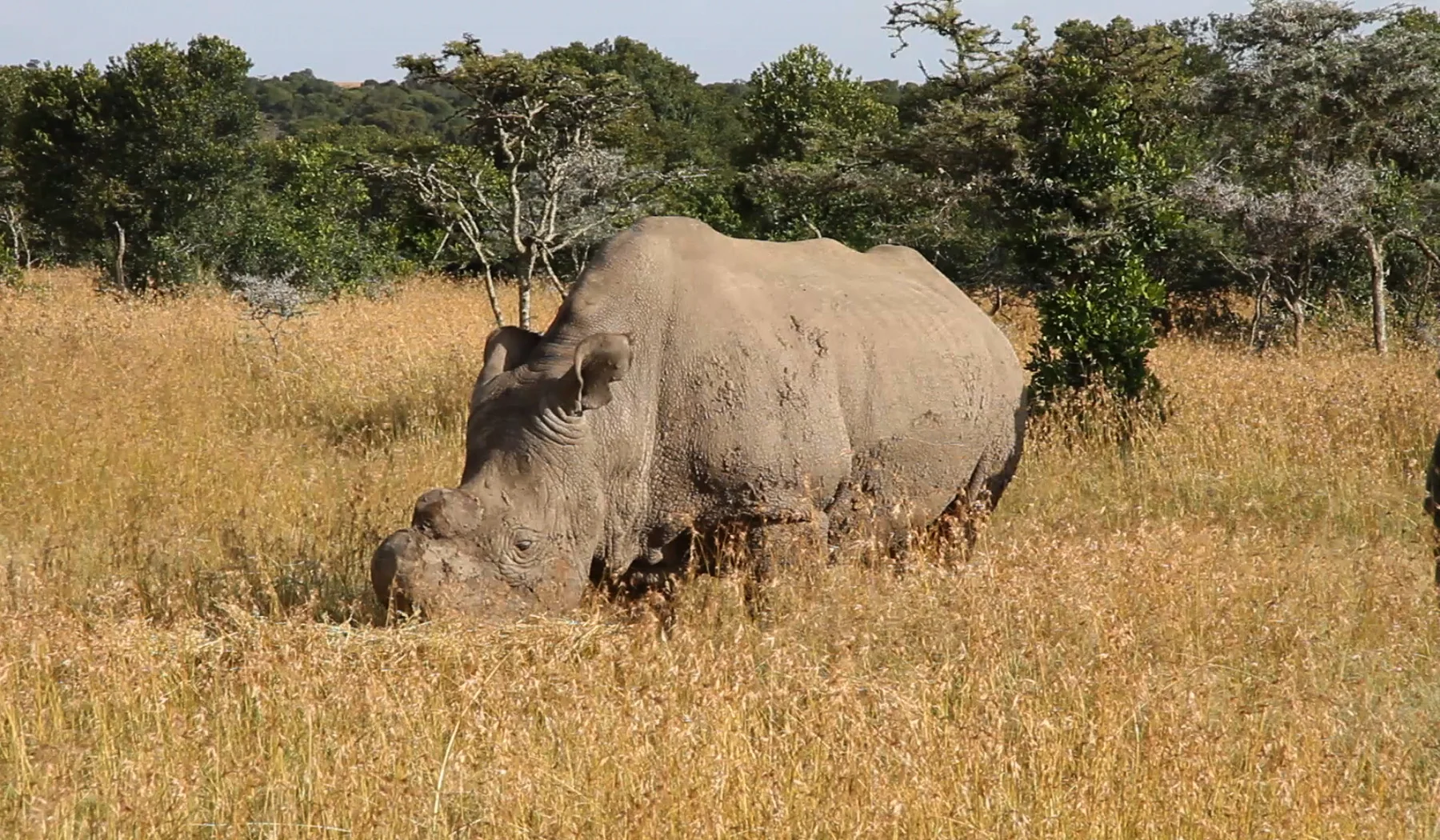
Najin and Fatu are the last living northern white rhinos. They reside within a protected enclosure in Ol Pejeta, cared for under a highly managed conservation programme. A visit can be deeply moving, but it is not the same as encountering a free-ranging black rhino during a game drive. Both matter. The protected setting allows visitors to understand the biological and human effort behind the survival work, while an ordinary sighting shows rhinos as part of the wider landscape.
Asilia expressly excludes a private visit to the northern whites from its normal Bush Camp rate. The conservancy controls the experience and its availability. Choose it intentionally, allow enough time and listen to the people doing the work. Some visitors arrive thinking only of a selfie and leave thinking about habitat, breeding science and the cost of long-term protection. That is a better reason to go. The northern white rhino guide explains how to make the encounter respectful.
A child’s understanding will depend on age. A younger child may grasp that two particular animals need help and safety; an older child may ask hard questions about extinction and conservation. Leave space for the guide or conservancy staff to answer. Avoid turning a serious story into a guaranteed feel-good experience. It is a chance to meet a real conservation problem and the people refusing to abandon it.
Chimps, canine work and lion research are separate choices
Ol Pejeta offers far more than one rhino visit. Sweetwaters Chimpanzee Sanctuary has a rescue story that can add an entirely different conservation perspective. Anti-poaching canine work and lion monitoring can show what people do beyond visitor drives. The Morani centre provides education. These are conservancy experiences, not facilities inside Bush Camp’s tented compound. Hours, fees and availability differ, and some activities need advance arrangements.
Asilia’s rate excludes lion tracking and other special conservancy activities. A guest in September 2026 enjoyed meeting the anti-poaching dog team and a caretaker connected with the northern whites, but that review describes her particular itinerary. Another traveller may prefer a guided walk or more time on normal drives. Do not buy every activity just because it exists. Two or three carefully chosen experiences can leave a deeper impression than a frantic day of appointments.
Sweetwaters access especially deserves verification when you plan. Conservancy facilities can be affected by floods, maintenance or animal welfare needs. If seeing chimpanzees is central to your Kenya journey, ensure the sanctuary is open and the visit fits your route. Likewise, an opportunity to meet protection teams is subject to their real conservation duties. They are working programmes, not a stage set kept ready for each arriving vehicle.
| Experience | What you learn or see | Camp-rate position |
|---|---|---|
| Scheduled game drives | General Ol Pejeta wildlife and habitat. | Included under Asilia’s standard description. |
| Scheduled night drive | Nocturnal side of the conservancy. | Included under the standard description. |
| Northern white rhino visit | Protected animals and conservation work. | Private visit charged separately. |
| Sweetwaters Chimpanzee Sanctuary | Chimpanzee rescue and care. | Access and any fee arranged separately. |
| Lion tracking or canine work | Research and protection behind the scenes. | Special conservancy activity, not normal drive inclusion. |
What Bush Camp guests carry home
In a detailed September 2026 Tripadvisor account, a guest described guide Nelson’s passion for the conservation work and said she left with a deep appreciation for the smaller wonders
. She mentioned the rhinos, birds, riverfront dining and the people who made the stay personal. The exact animals she saw cannot be promised, but the mix of conservation and hospitality is a useful picture of what the camp can do well.
A honeymoon traveller writing about a June stay called the riverside setting peaceful and unique
. She remembered a hippo by the water, an excellent guide and a visit to the canine unit. Her story shows why a rhino-focused stop can still be romantic, but it should not become a promise that a hippo will appear in front of every room. Another family guest said the team accommodated her son’s dietary limitations, a detail that can matter far more to parents than a generic luxury label.
Several reviewers praise the guides by name. That is encouraging, yet a guide’s identity and availability change. What you can preserve in the booking is the kind of safari you want: patient explanations for children, a focus on rhino conservation, or more time photographing birds. Reviews work best as prompts for the right conversation, not as a script the next guide must reproduce.
There is also a practical lesson in guest accounts of river wildlife: the camp’s location is a pleasure partly because it is uncontrolled. A quiet tent may become noisy with animal movement; a cloudy morning may conceal Mount Kenya. Enjoy the place for what it offers, not for a fixed picture from somebody else’s stay.
The difference between full board and a complete Ol Pejeta day
Asilia’s camp rate includes full-board accommodation, house drinks other than champagne, scheduled day and night drives, limited laundry and transfers from Kamok or Nanyuki airstrips. It excludes conservancy fees, concession fees, its own conservation charge, flights, airport taxes, medical-evacuation cover and optional conservation activities. The private northern-white-rhino visit, lion tracking and similar experiences are explicitly outside the normal rate. That list matters: an itinerary built around the rhinos will cost more than a room-and-drive figure.
Price the stay for your actual dates and party. Family tents have their own capacity and bedding questions. A special vehicle, dietary arrangement or additional activity may alter the total. The Ol Pejeta fee guide covers the current conservancy activity menu. We do not put a single static nightly amount here because seasonal room rates, fees and chosen experiences can change. What gives confidence is knowing which lines belong in the trip before you commit.
If you compare Bush Camp with Sweetwaters Serena or another Ol Pejeta base, do not compare room costs alone. Location in the conservancy, group size, board basis, guiding style and included activities can differ. Our where-to-stay guide helps make the property choice within the larger landscape.
| Line in the journey | Typical Bush Camp position | Why to notice it |
|---|---|---|
| Room, meals and house drinks | Included in full-board rate. | Name the tent and party configuration. |
| Day and night drives | Scheduled activities included. | Set your desired pace and interests. |
| Kamok or Nanyuki transfer | Road transfer from listed airstrips included. | Match the actual flight arrival. |
| Conservancy and concession fees | Excluded from camp rate. | Include them in the complete total. |
| Northern whites, lion tracking, canine visit | Special experiences separately arranged. | Pick priorities and reserve space. |
| Flights and airport taxes | Excluded. | Compare the full route with driving. |
Drive from Nairobi or fly to Kamok
Asilia describes a road journey of roughly four hours from Nairobi in ordinary conditions. That can be attractive if you want to travel through central Kenya in a private vehicle and avoid small-aircraft restrictions. Traffic leaving the city and the final road conditions can add time. A flight to Kamok airstrip shortens the long-distance journey but is followed by a transfer of around forty-five minutes to camp. Asilia also lists Nanyuki airstrip as a transfer point. Do not buy an air ticket simply labelled Nanyuki or Ol Pejeta without matching it to the camp transfer plan.
Small aircraft commonly impose a soft-bag and weight rule; Asilia’s packing guidance refers to fifteen kilograms. Camera gear, children’s bags and a multi-stop trip can make that surprisingly tight. The domestic safari baggage guide helps plan before you reach Wilson Airport. If you are combining Ol Pejeta with the Mara or Samburu, route choice matters more than judging one flight in isolation.
A northern circuit can flow from Ol Pejeta to Lewa, Samburu and Meru, each with different wildlife and scenery. The northern circuit guide shows a way to give those stops sufficient time. If the holiday is shorter, Ol Pejeta plus the Mara can be enough. A good plan leaves hours to enjoy each place rather than collecting airstrip names.
Who should choose Ol Pejeta Bush Camp?
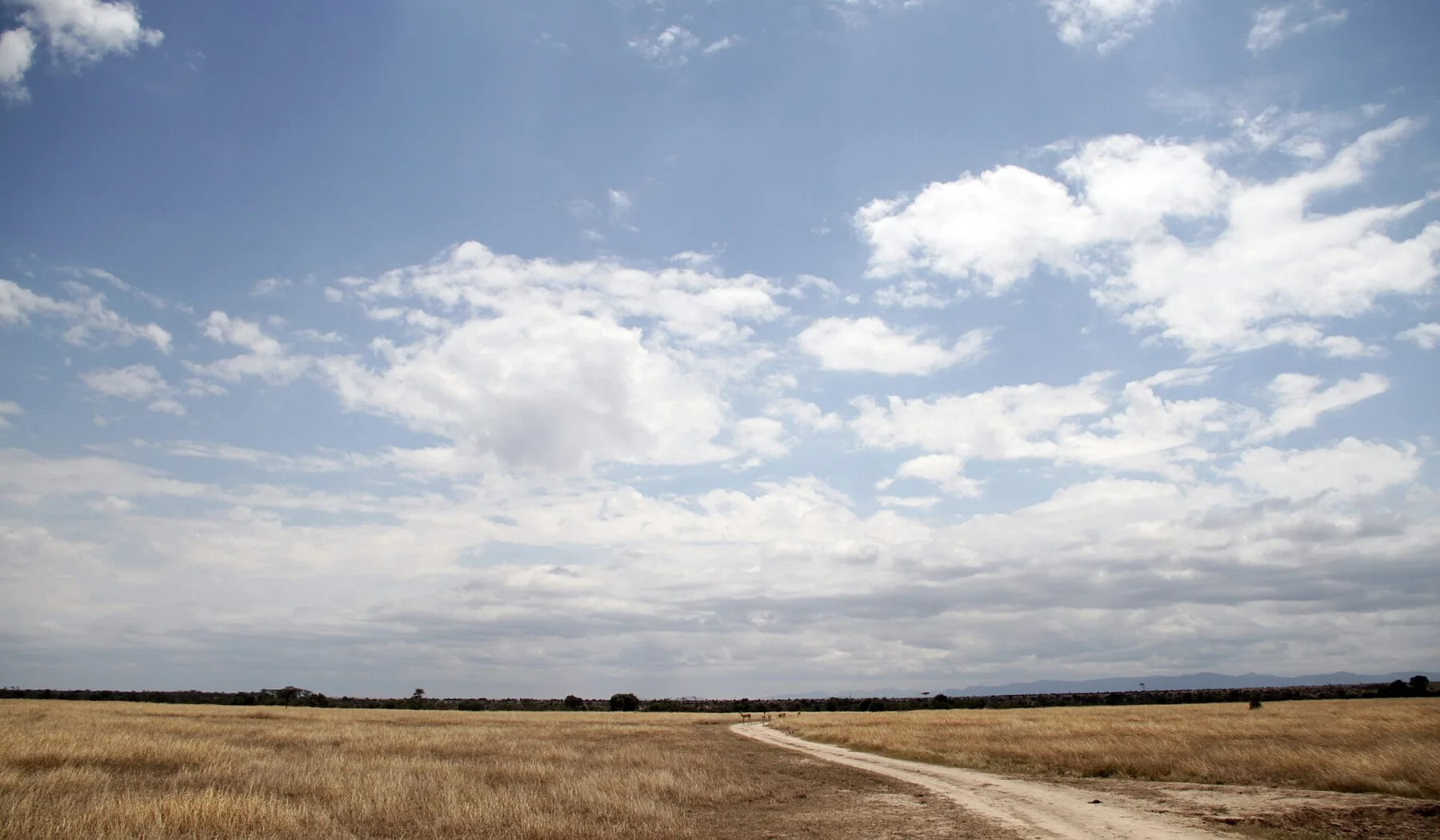
Choose it if the rhino-conservation story is a real reason for your Kenya journey and you like a small riverside tented camp rather than a large hotel. It can suit a family with children over five who will enjoy learning about wildlife protection, a couple looking for a quiet Laikipia stop, or travellers who want both normal drives and one or two meaningful conservation visits. The camp’s comfort supports the experience rather than replacing it.
Look elsewhere if your main dream is to watch seasonal wildebeest cross a Mara river directly from camp, or if you need a resort pool and extensive facilities. Compare Sweetwaters Serena for a larger Ol Pejeta option, or the Ol Pejeta versus Lewa guide if you are choosing a broader Laikipia area. Our Ol Pejeta versus Solio comparison is useful for travellers whose main focus is rhinos.
There is no need to present Ol Pejeta as a substitute for every other Kenyan park. It gives the journey a conservation chapter that the Mara and Amboseli cannot tell in quite the same way. Stay long enough to hear it, and let the quieter river moments sit alongside the extraordinary story of the protected rhinos.
Ol Pejeta Bush Camp questions
Where is Ol Pejeta Bush Camp?
It sits beside the Ewaso Ngiro River inside Ol Pejeta Conservancy in Laikipia, north of Nairobi.
How many tents does the camp have?
Asilia’s current property page lists ten tents, including two family tents. Some older directory pages show a lower number, so use the current property layout when choosing a room.
Can children stay?
The operator welcomes children over five and has two family tents. Discuss the exact ages and bed configuration for a family stay.
Are the northern white rhinos seen on an ordinary game drive?
The last two live in a protected enclosure. A private visit is a separate conservancy activity and is excluded from Asilia’s ordinary camp rate.
Are conservation activities included?
Scheduled day and night game drives are included. The operator excludes private northern-white-rhino visits, lion tracking and other conservancy experiences from the ordinary rate.
Does the camp include conservancy entry?
No. Asilia lists conservancy and concession fees, as well as its own conservation charge, separately from the full-board room rate.
Is the chimpanzee sanctuary part of the camp?
No. Sweetwaters Chimpanzee Sanctuary is an Ol Pejeta Conservancy facility. Plan access and any applicable fees separately.
Which airstrip should I use?
Asilia prefers Kamok airstrip and also lists transfers from Nanyuki airstrip. Confirm the flight destination and road transfer on the booking.
Can I drive from Nairobi?
Yes. Asilia gives roughly four hours by road in ordinary conditions, but traffic, route and weather can change the journey.
Are meals and drinks included?
Full-board accommodation and house drinks other than champagne are included according to Asilia’s rate description. Additional special meals and premium arrangements may cost more.
Does the camp have hot water and electricity?
Yes. Tents have hot running water and en-suite bathrooms; the camp uses solar power with a backup generator.
Is Ol Pejeta a substitute for the Masai Mara?
Not exactly. Ol Pejeta offers a different Laikipia landscape and strong rhino-conservation focus. Many travellers pair it with the Mara rather than choosing one as a direct replacement for the other.
Plan the Laikipia leg
Plan Ol Pejeta Bush Camp
Share your dates, party ages and the conservation experiences that matter most.