
Sweetwaters Serena Camp: Ol Pejeta Waterhole and Rooms
Sweetwaters Serena is a proper tented camp inside Ol Pejeta Conservancy, with fifty-six rooms, a busy waterhole and more facilities than many smaller safari camps. The best room for watching wildlife may not be the largest one. Here is how its standard, waterhole-view and Morani tents compare, what Ol Pejeta experiences cost, and what recent guests actually noticed.
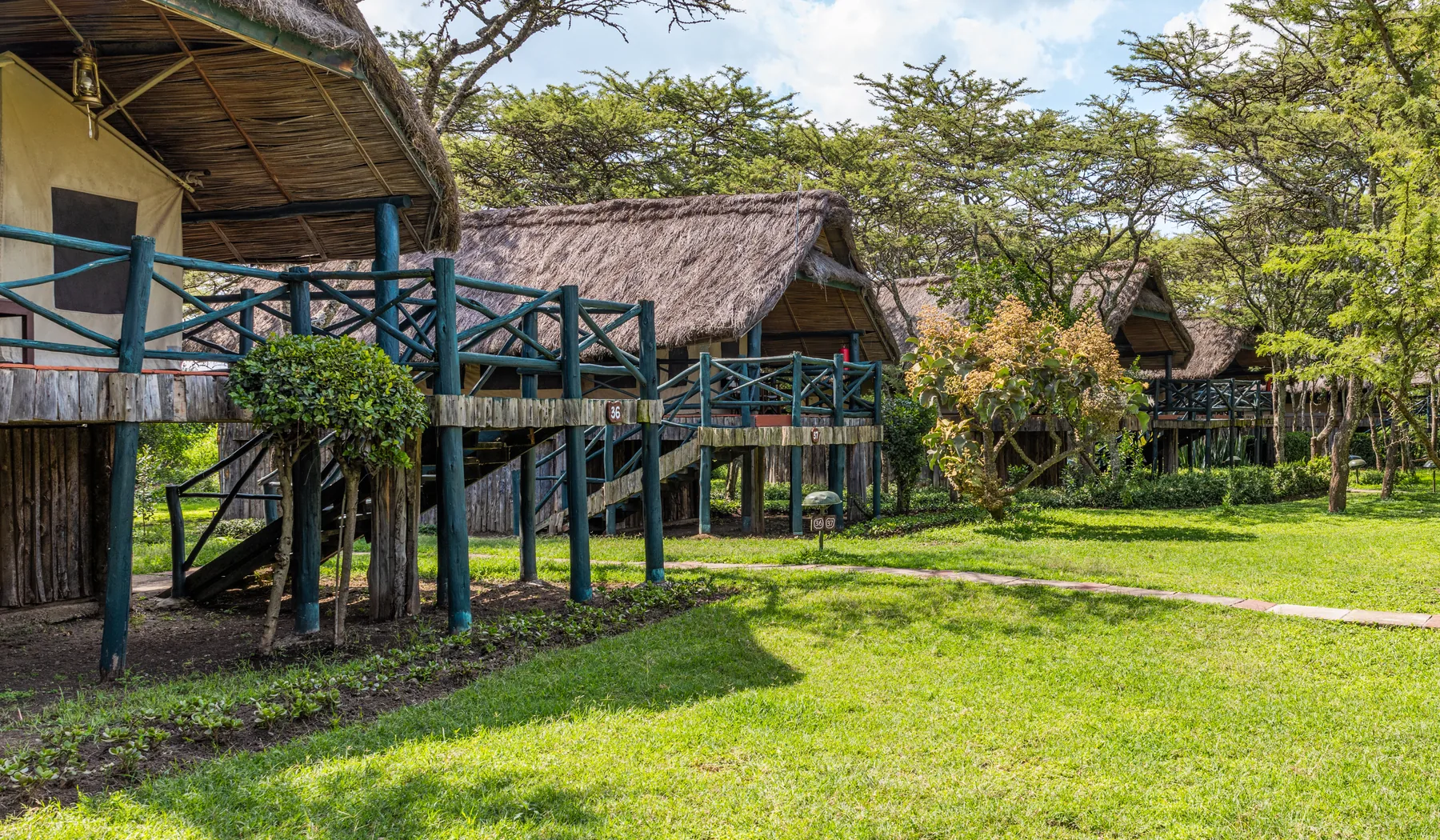
You come back from a drive, order something to drink and see a pair of ears move beyond the water. At Sweetwaters Serena, the camp’s waterhole can make the hours out of the vehicle feel like part of the safari. Sometimes it brings elephants or rhinos. Sometimes birds and antelope carry the scene. It is a wonderful reason to choose the right tent, but a waterhole never takes bookings from animals.
Serena Hotels lists fifty-six en-suite tents under acacias in Ol Pejeta Conservancy, divided between the Main and Morani wings. Ol Pejeta itself lists the camp among its accommodation partners. The conservancy is in Laikipia, north of Nairobi, not the Maasai Mara. This matters when you combine Kenya regions: Ol Pejeta’s rhino and chimpanzee story is distinct from the Mara’s migration country.
The camp is larger and more facility-rich than a small bush camp. It has a heated pool, games area, restaurant, bar and spa. Families and first-time safari travellers may appreciate that ease. Guests who want only a handful of tents and a very private dining rhythm may prefer another Ol Pejeta property. Our where-to-stay-in-Ol-Pejeta guide puts the options beside each other.
A tented camp already inside the conservancy
Sweetwaters is within Ol Pejeta, so once you settle in, the conservancy’s drive network is around you. There is no daily commute from Nanyuki town before you reach the wildlife area. That does not make the whole conservancy small. A particular lion-tracking site, chimpanzee sanctuary or northern-white-rhino encounter may still require driving and a timed reservation. Map the day’s activities before assuming everything is ten minutes from the tent.
Ol Pejeta is known for rhinos, elephants, predators, plains wildlife and conservation work. It is also a working landscape with livestock integration and different visitor zones. Not every animal will be at the camp waterhole, and not every conservation experience is available as a spontaneous stop. A guide who understands the conservancy can tie together wildlife watching and the people who protect it.
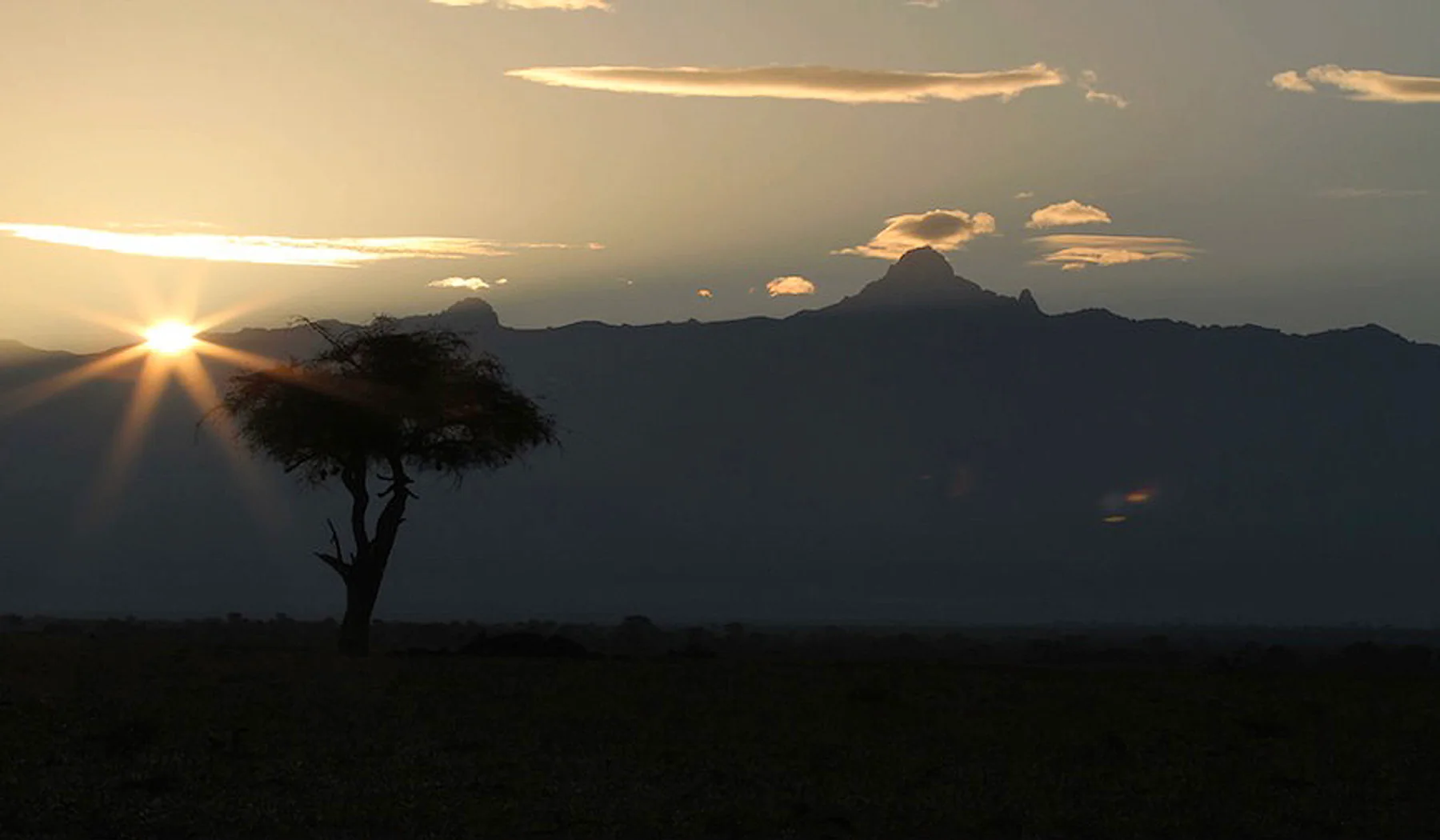
Mount Kenya appears in the backdrop on clear days, especially from some Morani positions. Like all mountain views, it depends on cloud. A room description mentioning Mount Kenya is not a visibility guarantee. Think of it as a beautiful bonus to a trip whose substance is Ol Pejeta itself. The Ol Pejeta guide explains the wildlife geography and the different conservation activities.
| Part of the setting | What you can enjoy | What is not guaranteed |
|---|---|---|
| Inside Ol Pejeta | Direct base for conservancy drives. | A sighting close to camp on every outing. |
| Camp waterhole | Wildlife watching between drives. | A specific species from your terrace. |
| Mount Kenya | Mountain outlook from some positions. | Clear skies or summit view. |
| Conservation sites | Chimpanzee and rhino-focused experiences. | Every special encounter in the room price. |
A waterhole view and a Morani upgrade are different choices
Serena lists standard king and twin tents of roughly twenty-five square metres, with en-suite bathrooms and raised balconies. It also sells specific standard waterhole-view categories. The word “standard” does not mean an inferior wildlife view: for someone who plans to sit on the veranda, the waterhole-facing category may be the most valuable upgrade of all.
Morani Deluxe tents are larger, around thirty-nine square metres, with double vanity and glass-enclosed shower. They are described with Mount Kenya views, not universally as the best waterhole seats. One Morani unit is adapted for guests with reduced mobility, according to Serena. If access needs matter, ask about the exact path, bathroom, thresholds and distance from dining, not just whether a room bears an accessibility symbol.
The operator says all fifty-six tents have a veranda or elevated balcony looking across the conservancy. That is not identical to looking directly over the active waterhole. A family reviewer advised paying attention to the view category and said the waterhole was worth requesting. It is a sensible point. If you are here only one night, you may spend more awake time at the restaurant than in the room, while a longer stay makes a veranda outlook more significant.
These are permanent safari tents with thatched roofs and solid floors, not lightweight camping shelters. Standard en-suite showers and proper beds make them comfortable, but some guests found them smaller or darker than they expected. A December 2025 guest liked the stay yet said the tents lacked natural light in poor weather. Someone who wants a spacious, bright bedroom should look carefully at Morani and compare other camps. Someone who wants a cosy canvas room and an excellent view may prefer a well-positioned standard tent.
Serena lists cots, extra beds and triple tents by arrangement. This is useful for families but not a promise that every standard tent comfortably holds three adults. Ask for the actual sleeping arrangement, bathroom and whether connecting rooms are possible. The heated pool, games room and early meals can compensate for a compact room when travelling with children, provided the room itself works at bedtime.
Stay for the waterhole, but choose the view deliberately
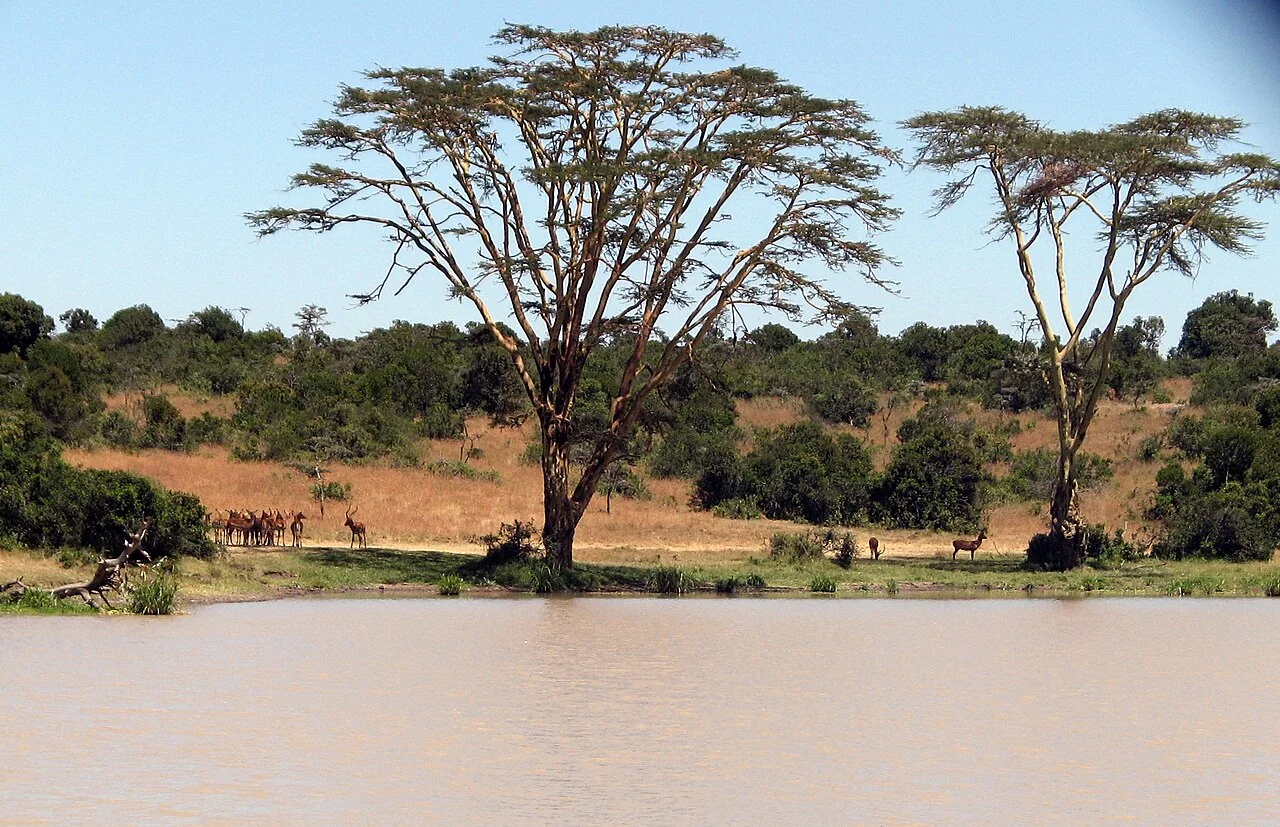
The Rhino Room restaurant and bar face the camp waterhole, so you do not need a premium room to watch for visitors. That makes Sweetwaters appealing even when a waterhole-view tent is unavailable. A guest in August 2026 described rhinos, elephants, giraffes, buffalo and zebra gathering during their stay. Another guest enjoyed watching from a Morani veranda. These were individual visits, not a nightly roster of animals.
Wildlife may arrive in pulses. The light changes the scene too: morning gives a different view from a late lunch or dusk. It is worth leaving a gap in the itinerary instead of booking every conservation activity back-to-back. A child who spots a warthog or bird while you are still eating breakfast has made a real discovery. The waterhole turns the lodge from a place to sleep into a place to notice things.
The distinction between “waterhole-view tent” and “a tent at a camp with a waterhole” should appear in the booking. Photographs on the main Serena page show the whole property, not the view from every category. Ask for the room name and, if possible, its orientation. No ethical operator should promise a rhino at a particular time. Wildlife can be shy, and feeding or pressuring animals for a guest photograph would defeat the point of Ol Pejeta.
The rhino story is larger than a single photograph
Ol Pejeta protects black and white rhinos and is globally known for the last two northern white females, Najin and Fatu. Their protected area is not a casual roadside stop you can assume will be part of every game drive. The conservancy sells scheduled encounters and conservation experiences, with access rules and extra charges. Ask which one is available on your dates and how it is managed. Our northern-white-rhino and chimpanzee guide explains the distinction between ordinary wildlife viewing and a protected visit.
A normal Ol Pejeta drive can still be rich in rhino sightings. White rhinos may be easier to see in open areas; black rhinos can be more secretive. No species is guaranteed. A patient guide reads tracks, habitat and recent activity while respecting the animal’s space. If you are comparing Ol Pejeta with Solio for a rhino-focused journey, the Ol Pejeta versus Solio guide helps match the conservation story and landscape to your interests.
Beware older web pages that still mention individual animals as though they are alive today. A rhino may have been a beloved ambassador when a photograph was taken, but conservation stories change. Focus on the current programme from Ol Pejeta itself. This is not simply a marketing nuance; visitors deserve to understand the living population and the work around it accurately.
Sweetwaters Chimpanzee Sanctuary is not the camp
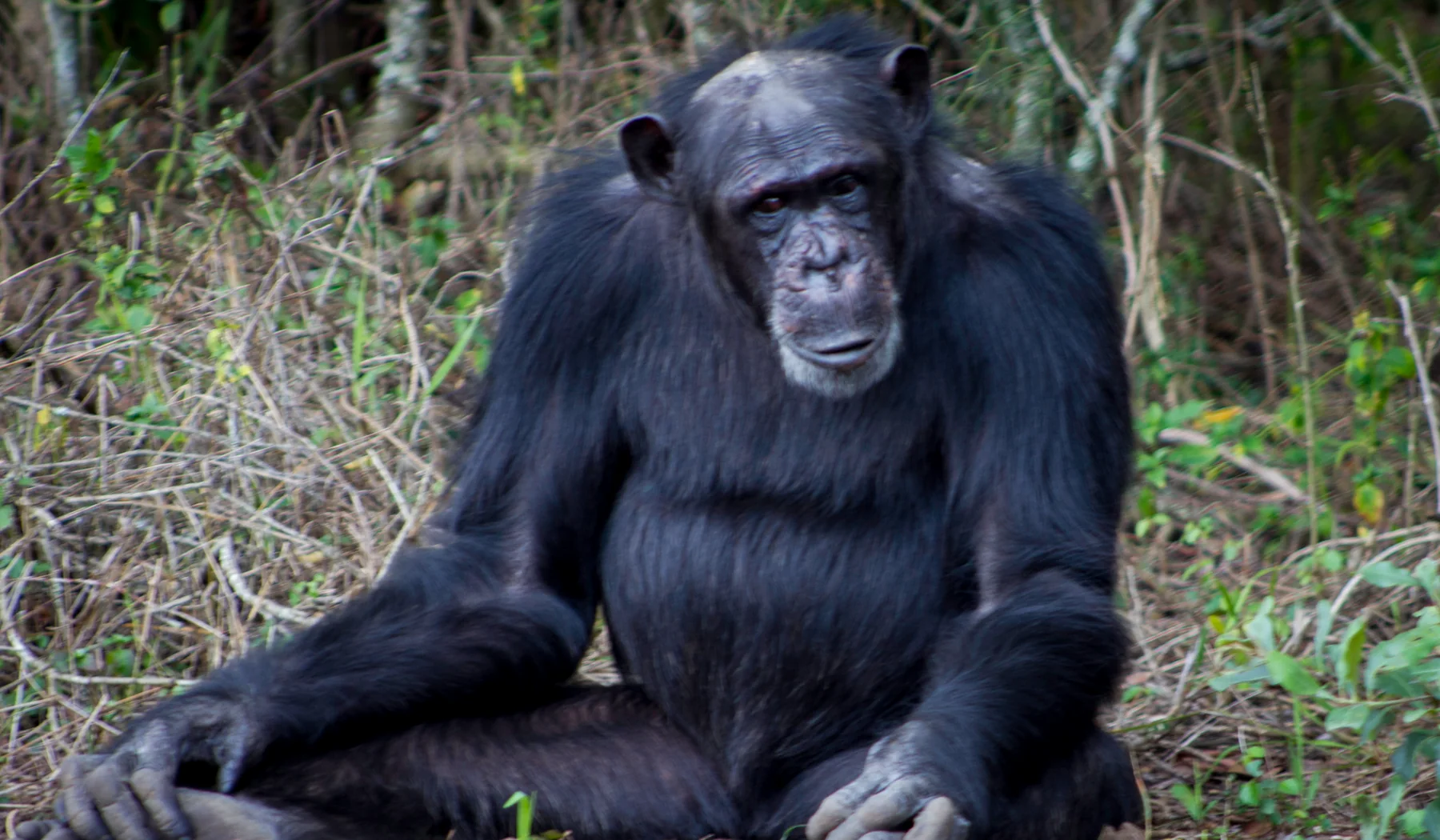
Sweetwaters Serena Camp and Sweetwaters Chimpanzee Sanctuary share a name and the conservancy, but they are different places. The sanctuary is an Ol Pejeta conservation facility for rescued chimpanzees. It can be visited during set hours, and its rules and special experiences are controlled by the conservancy. Staying at the camp does not mean a chimpanzee will be visible from your tent or that every behind-the-scenes activity is free.
Ol Pejeta’s entry guidance lists a general sanctuary visit among what normal admission can include, while the Serena experience list also labels certain sanctuary visits as chargeable and advance-booked. The wording refers to different access or arrangements, so do not assume one price covers every version of the experience. The exact visit, timing and any special fee should be clear before you arrive.
For children, the sanctuary can add a learning dimension to a safari. It is not a petting activity. Listen to the staff’s account of each animal’s history and follow viewing rules. If the goal is to understand conservation rather than simply collect a photograph, give the visit time and avoid squeezing it between two rushed drives.
Day wildlife, then a genuine Ol Pejeta night drive
Serena advertises daytime and nighttime Ol Pejeta drives, guided walks and lion tracking. The current camp page marks these experiences as chargeable. A complete safari itinerary may bundle some of them with your vehicle and guide, but a room rate should not be assumed to include every outing. The conservancy’s own tariff also sets fees for entry, vehicle access and special activities.
Night drives are a real advantage here. Serena lists two evening slots, and Ol Pejeta permits guided after-dark activity under its rules. The dark is not a promise of leopard or aardvark, but it can reveal movement and behaviour you would miss by daylight. Bring a layer: Laikipia evenings can feel cool. If young children or anyone who tires early is travelling, choose the first slot or skip it. The experience is most rewarding when it fits the party rather than merely fills a line on the itinerary.
Lion tracking and specialist rhino encounters require specific booking arrangements and are not ordinary game drives with a different title. Discuss what the activity actually involves, how conservation staff participate and whether any age or group-size restrictions apply. A guided walk changes the scale of the day and should be approached with appropriate shoes and attention to the guide. The Ol Pejeta entry and activities guide helps separate base access from add-ons.
There is no need to book every available activity. Two good drives, time at the waterhole and one carefully chosen conservation visit may tell a fuller story than a frantic sequence of tickets. If you have only one night, be especially realistic about opening hours and transfer time. With two or three nights, there is space to respond to wildlife and weather.
| Experience | At or near camp? | Cost and booking point |
|---|---|---|
| Waterhole watching | From restaurant and some rooms. | Choose a waterhole-view category if it matters. |
| Conservancy day drive | Across Ol Pejeta. | Vehicle and guide may be separate from room. |
| Night drive | Ol Pejeta after dark. | Chargeable, scheduled and subject to rules. |
| Chimpanzee sanctuary | Separate site in conservancy. | Distinguish standard entry from special visits. |
| Northern-white-rhino visit | Protected conservation area. | Special arrangement and fee. |
| Pool and games | At camp. | Part of the lodge setting, not a wildlife guarantee. |
Why the larger camp can be easier with children
Serena offers baby cots and extra beds by arrangement, early meal options, highchairs, babysitting by prior notice, a heated pool and a recreation centre with table tennis, foosball, darts and a pool table. For a family, that can make the quiet hours after a drive easier. A teenager can play a game instead of being asked to sit still in a tiny lounge; a toddler can eat early. These details deserve weight alongside sightings.
The camp does not say that every tent is a two-bedroom family unit. Standard rooms are fairly compact, so a family of four should inspect the actual proposed setup. Two rooms may be more sensible than an extra bed squeezed into one standard tent. If a member of the party has mobility needs, Serena identifies one adapted Morani tent. Verify access to dining, vehicle boarding and the bathroom, and reserve that particular tent early.
Ol Pejeta can be wonderful for curious children because the rhino and chimpanzee stories are tangible. Treat the animals as individuals with conservation histories, not props on an educational checklist. A private car may make the day easier if ages or interests vary. The Kenya family safari guide helps decide when flexibility is worth paying for.
Guests praise the waterhole, with a few useful cautions
Recent first-hand Sweetwaters reviews repeatedly mention the waterhole and attentive staff. An August 2026 family of four said their teenage boys enjoyed the pool and games room and advised that waterhole-facing tents were worth requesting or paying more for
. That advice is practical, but the value will depend on your budget and how much time you plan to spend at camp.
A July 2026 couple described cool nights and hot-water bottles in the bed. A May 2026 family praised a Morani tent, pool and staff who adjusted meals for a two-year-old. Another guest felt Sweetwaters offered good value among Ol Pejeta options. These are useful observations, not guarantees that a particular member of staff, meal or animal will be there for you.
There are criticisms too. A December 2025 guest said the darkness of the tents
was the main downside when the weather was poor. A May 2026 business traveller complained about loud music disturbing the night. These do not erase the strong experiences of others, but they remind us that a 56-tent, full-service camp is different from an isolated six-tent bush retreat. If quiet and natural light matter more than the pool or waterhole, compare room positions and other camps.
Guest photographs can also blur the room categories. One traveller with a waterhole-view tent may post a spectacular animal image that appears beside every room type on a review site. Use the operator’s category names and ask for the exact booking. The right view is not something to leave to chance after a long journey to Laikipia.
The waterhole view, drive and fees all affect value
Serena shows different room categories and may price a waterhole-view standard tent separately from a general standard tent or larger Morani unit. It also lists chargeable wildlife experiences. Ol Pejeta has its own entry and vehicle fees. One cheap-looking room rate can therefore become a very different total once a private car, conservation activities, meals and access are added. The correct comparison is for your party, nights and desired experiences.
Ol Pejeta’s tariff sets out its entrance and activity charges, but the relevant fee for a future trip must follow the rules for those travel dates. A package may include entry; another may not. Ask which conservation visits are included and which require timed booking. A protected rhino encounter is not the same as a normal drive with a guide who hopes to find rhinos.
The camp’s food and facilities may make a standard room excellent value for a first safari, while a Morani upgrade may matter to a guest who wants extra space. A waterhole-view supplement can be more worthwhile than a bigger bathroom for someone who loves watching animals between drives. The answer depends on how you use the lodge. Our Ol Pejeta lodging guide compares styles before you choose a rate.
| Decision | Spend more if… | Save if… |
|---|---|---|
| Waterhole-view tent | You will use the veranda between drives. | You expect to be out all day. |
| Morani Deluxe | Extra space, shower design or access details matter. | A compact standard tent suits you. |
| Private vehicle | Photography or family pace needs control. | Scheduled shared driving fits your group. |
| Special conservation visit | The learning experience is central. | A standard drive and sanctuary visit are enough. |
| Night drive | You want a different wildlife perspective. | Children need an early night or time is short. |
Give Ol Pejeta its own place in the journey
Sweetwaters works well as a Laikipia stop in a northern Kenya route. A journey might continue to Lewa, Samburu or another landscape, or begin here after Nairobi. Do not treat Ol Pejeta as a token overnight between long road days. The conservancy has enough wildlife and conservation work for at least a proper full day, and the waterhole itself rewards some unplanned time.
A road arrival from Nairobi depends on city departure, route and weather. A flight to the Nanyuki area still needs a suitable ground transfer. With a tight schedule, the key question is how many hours remain for a drive after arrival, not just the advertised flight time. Our Nairobi-to-Laikipia guide helps compare the approaches.
For a family or someone who prefers comfort, the camp’s facilities can make it an easy first safari stop. For a traveller whose greatest pleasure is a tiny remote camp and unbroken silence, another Ol Pejeta base may feel more fitting. The choice is not about a universal “best lodge.” It is about what you want to do when the car is parked and what room will help you enjoy that time.
Sweetwaters Serena Camp questions
Is Sweetwaters Serena Camp inside Ol Pejeta?
Yes. Serena and Ol Pejeta Conservancy list it as a camp within the conservancy.
How many tents are there?
Serena’s current camp page lists fifty-six en-suite tents across the Main and Morani wings.
Does every tent overlook the waterhole?
No. Serena offers specific standard waterhole-view categories and Morani tents with different outlooks. Confirm the actual room category and view.
What is a Morani Deluxe tent?
It is a larger approximately 39-square-metre category with a glass-enclosed shower and Mount Kenya outlook, compared with roughly 25-square-metre standard tents.
Can you see rhinos from the camp waterhole?
Wildlife visits vary. Guests have reported rhinos, elephants and other animals at the waterhole, but no particular species or time is guaranteed.
Are the last two northern white rhinos freely visible on a normal drive?
No. Ol Pejeta offers a separately organised protected encounter, subject to its current access arrangements. Do not treat it as a guaranteed roadside sighting.
Can you visit the chimpanzee sanctuary?
Yes. Ol Pejeta operates Sweetwaters Chimpanzee Sanctuary, with visitor access during set hours. Some access is part of conservancy entry, while special activities may be chargeable.
Does Sweetwaters offer night drives?
Yes. Serena advertises chargeable Ol Pejeta night drives in scheduled evening slots. Reserve them in advance and confirm minimum ages.
Are game drives included in every room rate?
Do not assume so. Serena advertises game drives as chargeable experiences, while some complete safari packages include a vehicle and guide.
Is Ol Pejeta entry included in the room rate?
Check the exact package. Ol Pejeta’s entry fee and vehicle fee should appear clearly in the complete safari price.
Is Sweetwaters good for families?
The camp offers extra beds, cots, babysitting by arrangement, early meals, a heated pool and games facilities. Check the room layout and drive pace for the children.
Can guests with limited mobility stay?
Serena states that one Morani Deluxe tent is adapted for reduced mobility. Ask for its exact access details and availability rather than assuming every tent is suitable.
Go deeper into Ol Pejeta
Plan Sweetwaters Serena Camp
Share your dates, room preference, ages and conservation interests. We will show which drives, entry fees and special visits are included in the complete plan.