
Best Time to Visit Laikipia
Compare every month across Ol Pejeta, Lewa, Borana, Loisaba and the wider Laikipia plateau for rhinos, wild dogs, active safaris, families and connected routes.
- Start with the part of Laikipia
- When Ol Pejeta works best
- When Lewa and Borana work best
- The rainfall pattern is bimodal but irregular
- Laikipia by season at a glance
- January in Laikipia
- February in Laikipia
- March in Laikipia
- April in Laikipia
- May in Laikipia
- June in Laikipia
- July in Laikipia
- August in Laikipia
- September in Laikipia
- October in Laikipia
- November in Laikipia
- December in Laikipia
- Best time for rhino viewing
- Best time for wild dogs
- Best time for northern species
- Best time for predators
- Best time for walking safaris
- Best time for horse riding
- Best time for camel safaris
- Best time for star beds and sleep-outs
- Best time for night drives
- Best time for birding
- Best time for photography
- Best time for families
- Best time for honeymooners
- Best time for value
- How many nights make the season work
- Best time to combine Laikipia and the Masai Mara
- Best time to combine Laikipia and Samburu
- Best time to combine Laikipia and Aberdare
- Flights, roads and airstrips
- What to pack all year
- Seven-day forecast routine
- Common timing mistakes
- Frequently asked questions
- Choose the conservancy, then choose the season
- Sources and further planning
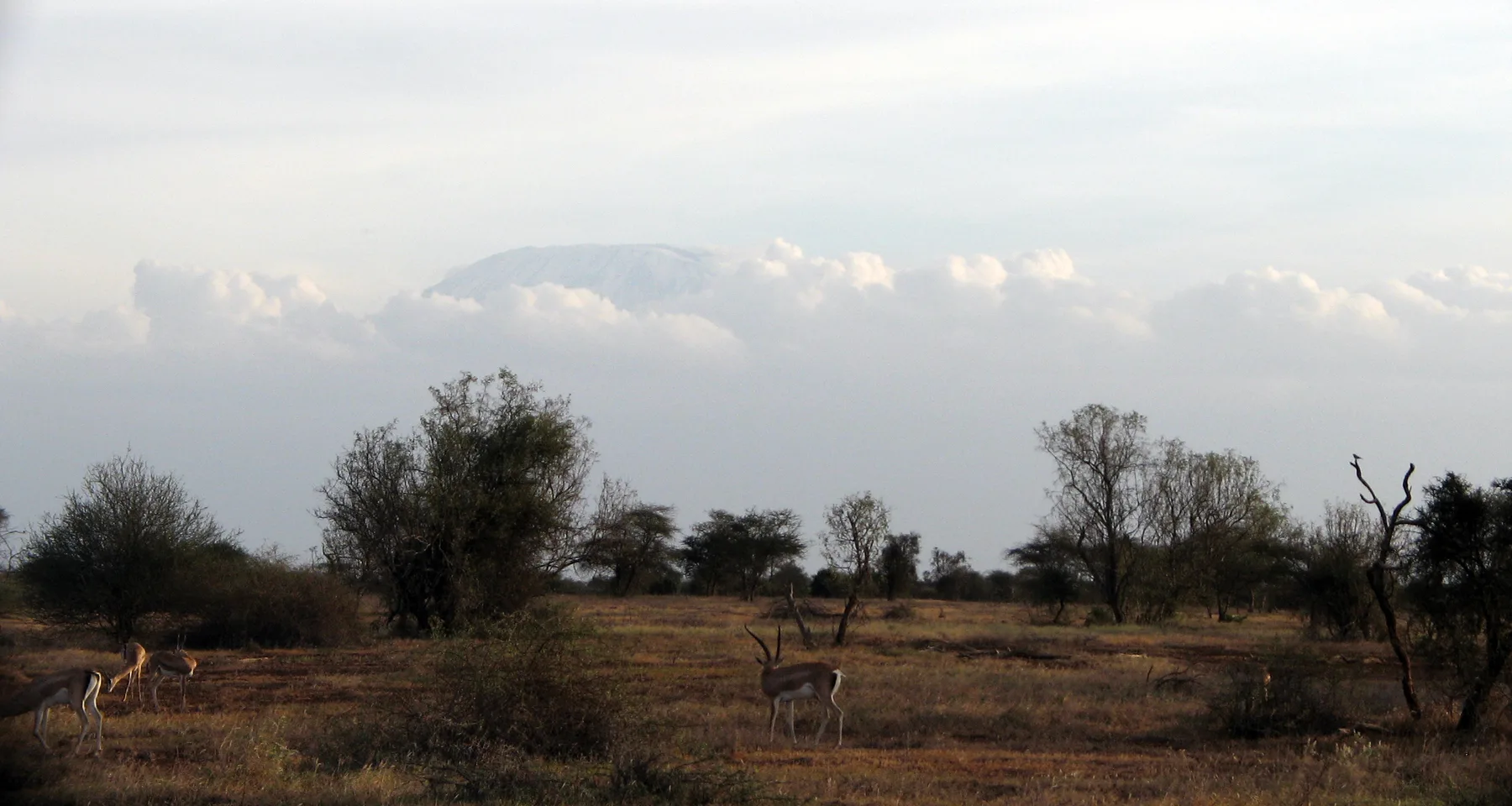
Laikipia is not one park with one gate and one weather report. It is a high plateau of private, community and public conservation landscapes stretching from greener country near Mount Kenya to drier northern plains and escarpments. Rain can turn Ol Pejeta lush while Loisaba remains open and dry. A cold dawn on Lewa can become a warm walking afternoon. A single “best month” hides the reason most people come here: choice.
The best time to visit Laikipia depends on the conservancy and the experience. Rhino viewing, wild-dog tracking, horse riding, camel walks, family activities, birding and a night under the stars respond differently to rain, vegetation, temperature and lodge operations.
Use Laikipia conservancies compared to decide where you want to stay before choosing the month.
Start with the part of Laikipia
| Area | Broad character | Seasonal consequence |
|---|---|---|
| Ol Pejeta and Nanyuki side | Grass plains, woodland, rhino and family activities | Rain can green the plains and muddy secondary tracks |
| Lewa and Borana | Open grassland, hills, swamp and Mount Kenya views | Cool mornings, strong rhino focus and active safari options |
| Loisaba | Vast northern plateau, escarpment and river systems | Warmer, drier feel with dramatic sky and active experiences |
| Ol Jogi and Segera | Private central Laikipia landscapes | Highly tailored programmes and limited inventory |
| Mugie and Suyian | Northern and western ranch country | Remote access, seasonal river and road considerations |
| Sosian | Working-ranch landscape and active safari | Riding, walking and wild-dog interest depend on conditions |
When Ol Pejeta works best
Ol Pejeta is the easiest Laikipia choice to understand for a first family safari because the conservancy combines broad game viewing with named conservation experiences. It is still not a theme park with a fixed timetable. Rhino tracking, lion tracking, night drives and visits connected to endangered species have capacity, age, time and weather conditions. The Ol Pejeta Conservancy guide explains the habitats and activities before you choose a month.
| Travel window | Ol Pejeta strength | What to protect |
|---|---|---|
| January to February | Warm dry-season rhythm and open-road flexibility | Shade, water and early starts |
| March to May | Green plains, birds and dramatic photography | Capable vehicle and flexible secondary tracks |
| June to September | Cooler wildlife days and firmer roads | Early booking during school holidays |
| October to December | Fresh grass, cloud and changing light | A weather alternative for specialist activities |
The conservancy contains open grassland, dense bush, riverine habitat and wetlands. One season does not expose every animal equally. White rhinos often use more open grazing country, while black rhinos can disappear into browse. A slower guide who reads habitat can therefore be more valuable than simply adding kilometres.
| Priority | Better planning choice |
|---|---|
| Northern white rhino visit | Reserve the named experience and time |
| Black rhino search | Allow patient drives through suitable browse |
| Family conservation | Check age rules and attention span before booking |
| Night drive | Keep warm layers ready in every month |
| Wet-week visit | Use the confirmed entry route and recent road report |
When Lewa and Borana work best
Lewa and Borana share an unfenced conservation landscape, yet accommodation style, access and daily rhythm differ. The dry months from July to September and the warmer spell in January and February support a wide range of drives, walks and scenic stops. Green months can be magnificent for colour and birds, with a greater need to leave room for rain.
| Experience | Strong seasonal fit | Important limit |
|---|---|---|
| Rhino and plains wildlife | January to February, July to September | Wildlife is never scheduled |
| Mount Kenya views | Clear morning after local weather check | Cloud can hide the mountain in any month |
| Walking | Firmer dry-season footing | Temperature, guide and guest ability still decide the route |
| Birding | Wet and transitional months | Some roads and outdoor sessions may change |
| Family house safari | School holidays with early booking | Private vehicle and room inventory sell first |
The detailed comparison of Lewa, Borana and Ol Pejeta is more useful than choosing by month alone. A traveller drawn to open hills and long conservation history may accept a cooler morning. Someone who wants several structured family activities may prefer Ol Pejeta even when both have similar weather.
| Question | Why it changes the date decision |
|---|---|
| Is riding essential? | Horse availability and guest experience need advance matching |
| Is a private vehicle essential? | Peak holiday inventory can decide the practical month |
| Is the trip mainly photographic? | Green colour may matter more than maximum visibility |
| Is this the first safari? | A wildlife-dense, flexible base can reduce pressure to chase sightings |
The rainfall pattern is bimodal but irregular
Lewa's long-term ecological records describe a broad two-season pattern, with rain concentrated around March to May and October to December. The same research also warns that rainfall is uneven and unpredictable. A dry month can receive unusual rain, and a wet month can contain long bright intervals.
| Rainfall idea | Safe interpretation |
|---|---|
| March to May long rains | Higher probability of sustained wet conditions |
| October to December short rains | More showers and greener landscape |
| June to September dry season | Usually firmer roads and thinning vegetation |
| January to February dry spell | Warm days and strong general safari conditions |
| Historic average | Planning guide, never a trip-specific forecast |
An Ol Pejeta traveller saw this variability firsthand: “The whole area had been transformed by the unusually high rain fall in December & January, usually the driest months.” The full account is a useful reminder that wildlife landscapes respond to actual rain, not calendar labels.
Laikipia by season at a glance
| Period | Landscape | Strongest for | Trade-off |
|---|---|---|---|
| January to February | Warm, often dry, water-dependent wildlife patterns | General wildlife, riding, walking, star beds | Heat and dust in drier northern areas |
| March to May | Green, wet and changeable | Birding, photography, lower pressure, value | Mud, access and activity changes |
| June | Transition to cooler dry conditions | Green landscape with improving roads | Cold mornings and lingering wet ground |
| July to September | Cool to warm, dry and increasingly open | Wildlife, families, active safari, multi-park routes | Peak demand and dust late in season |
| October to December | Short-rain tendency and renewed green | Calving, birds, photography and fewer vehicles | Local storms and unpredictable roads |
January in Laikipia
January often follows the short rains with green patches and improving roads. Days can be warm, while nights at higher Lewa, Borana and Ol Pejeta camps feel cool. It is a strong month for a mixed wildlife and activity safari.
| January priority | Planning note |
|---|---|
| Rhino viewing | Strong at Ol Pejeta, Lewa and Borana without seasonal guarantee |
| Walking | Begin early in warmer northern conservancies |
| Star beds | Clear-night potential, with a covered fallback |
| Family travel | Holiday demand can continue into early January |
February in Laikipia
February is often warm, relatively dry and excellent for active days. Vegetation can begin to thin, making some wildlife easier to see. Water and shade shape the midday plan.
| February activity | Best rhythm |
|---|---|
| Horse riding | Early morning and later afternoon |
| Camel walk | Shorter cool-hour route |
| Photography | Dawn and dusk, with dust protection |
| Full-day drive | Long midday lunch or shaded stop |
A February 2026 Ol Pejeta visitor reported early rain making routes muddy and wrote that the terrain was “Not a problem for an experienced driver with the right vehicle.” The complete review explains why driver and vehicle matter even in a month commonly described as dry.
March in Laikipia
March is a transition towards the long rains. It can deliver warm dry weeks, early storms or both. Build two possible daily programmes and confirm airstrip or road transfers close to arrival.
| March plan | Alternative |
|---|---|
| Long bush walk | Short nature walk and conservation visit |
| Remote sundowner | Lodge or nearby viewpoint |
| Cross-conservancy road | Direct gate transfer |
| Star bed | Main-room accommodation |
April in Laikipia
April commonly carries the strongest long-rain conditions. Green grass, dramatic cloud and clean air can be beautiful. Some camps use the low season for maintenance or close temporarily, so current operating dates matter as much as weather.
| April advantage | April challenge |
|---|---|
| Saturated colour | Muddy secondary tracks |
| Young animals and active habitat | Tall grass can hide smaller wildlife |
| Fewer visitors | Some properties may close |
| Strong photography sky | Outdoor meals and star beds may move |
May in Laikipia
May often remains green and wet, with quieter travel and possible value. A private vehicle helps the guide change routes around local rain. Choose a lodge with comfortable shared spaces if storms interrupt the outdoor programme.
| May choice | Why it works |
|---|---|
| Three-night stay | One wet drive does not define the safari |
| Conservancy with varied activities | Programme can move between wildlife and conservation |
| Main lodge room | More dependable than weather-exposed sleep-out |
| Flexible cancellation terms | Protects against access changes |
June in Laikipia
June is a rewarding shoulder month. Rain often eases, grasses remain green and roads begin to firm. Mornings can be cold, especially at altitude and in open vehicles.
| June strength | Pack or plan |
|---|---|
| Green scenery | Camera support and polariser |
| Improving access | Continue checking recent rainfall |
| Cooler walking | Warm start layer that can be removed |
| Lower pressure than July | Confirm individual camp reopening dates |
July in Laikipia
July begins the most popular dry-season window. Wildlife visibility improves as grass dries, roads are usually easier and family holidays support longer trips. Cool dawn game drives require gloves, hat and a substantial jacket.
| July traveller | Strong fit |
|---|---|
| First safari | Lewa, Ol Pejeta or Borana with broad wildlife focus |
| Family | Ol Pejeta activities or a family-led private conservancy stay |
| Rider | Sosian, Borana, Lewa Wilderness or another verified riding base |
| Photographer | Private vehicle and multiple habitats |
August in Laikipia
August is dry, busy and broadly dependable. Wildlife may concentrate around water, while dust increases on heavily used tracks. Book scarce family units, private vehicles and specialist activities well ahead.
| August priority | Detail |
|---|---|
| Wild dog | Choose landscape and guide knowledge, never a guarantee |
| Rhino | Lewa, Borana, Ol Pejeta, Ol Jogi or Solio route |
| Star bed | Confirm weather and child-age policy |
| Night drive | Private conservancy rules and current activity schedule |
September in Laikipia
September often offers the year's clearest all-round compromise. It remains mostly dry, temperatures begin to warm and school-holiday pressure may ease. It is excellent for walking, riding and a conservancy comparison route.
| September plan | Why |
|---|---|
| Lewa plus Loisaba | Wildlife density followed by big-sky active safari |
| Ol Pejeta plus Sosian | Conservation activities followed by riding and ranch life |
| Photography | Open grass, dust and dramatic evening light |
| Honeymoon | Strong privacy with broad outdoor programme |
October in Laikipia
October is a transition towards the short rains. Early weeks may remain dry; later storms can transform the grass quickly. The sky and first green shoots make this an exciting photographic month.
| October possibility | Design response |
|---|---|
| First local storm | Flexible game-drive route |
| Warm days | Early active safari |
| New grass | Watch herbivore movement and young animals |
| Muddy patch | Proper 4×4 and experienced guide |
November in Laikipia
November commonly brings short rains, although distribution varies greatly. Migratory and resident bird activity can be excellent. Lodges may move dinners, walks or sleep-outs around showers.
| November strength | Trade-off |
|---|---|
| Green landscape | Tall vegetation in some areas |
| Birding | Wet optics and changing light |
| Fewer peak-season vehicles | Road detours |
| Dramatic cloud | Outdoor activity changes |
December in Laikipia
December may begin with short rains and end in a busy festive period. Wildlife does not disappear in green conditions, but it can spread across newly available water and forage.
| December task | Why |
|---|---|
| Book family rooms early | Limited multi-bedroom inventory |
| Confirm festive programme | Meals, activities and supplements vary |
| Keep transfer flexibility | Local rain and holiday traffic |
| Pack rain and warmth | Showers and cool nights coexist |
Best time for rhino viewing
Laikipia is one of Kenya's strongest rhino regions. Lewa, Borana, Ol Pejeta and Ol Jogi all contribute to rhino conservation, while Solio lies just to the south-west of the plateau.
| Rhino priority | Timing logic |
|---|---|
| Easiest general viewing | Drier July to September or January to February |
| Green photography | June, October or wet shoulder conditions |
| Conservation activities | Confirm programme dates at the exact conservancy |
| Family education | Ol Pejeta or lodge with age-appropriate activity |
Rhino viewing is strong because of conservation management and suitable habitat, not because one month guarantees a particular individual.
Best time for wild dogs
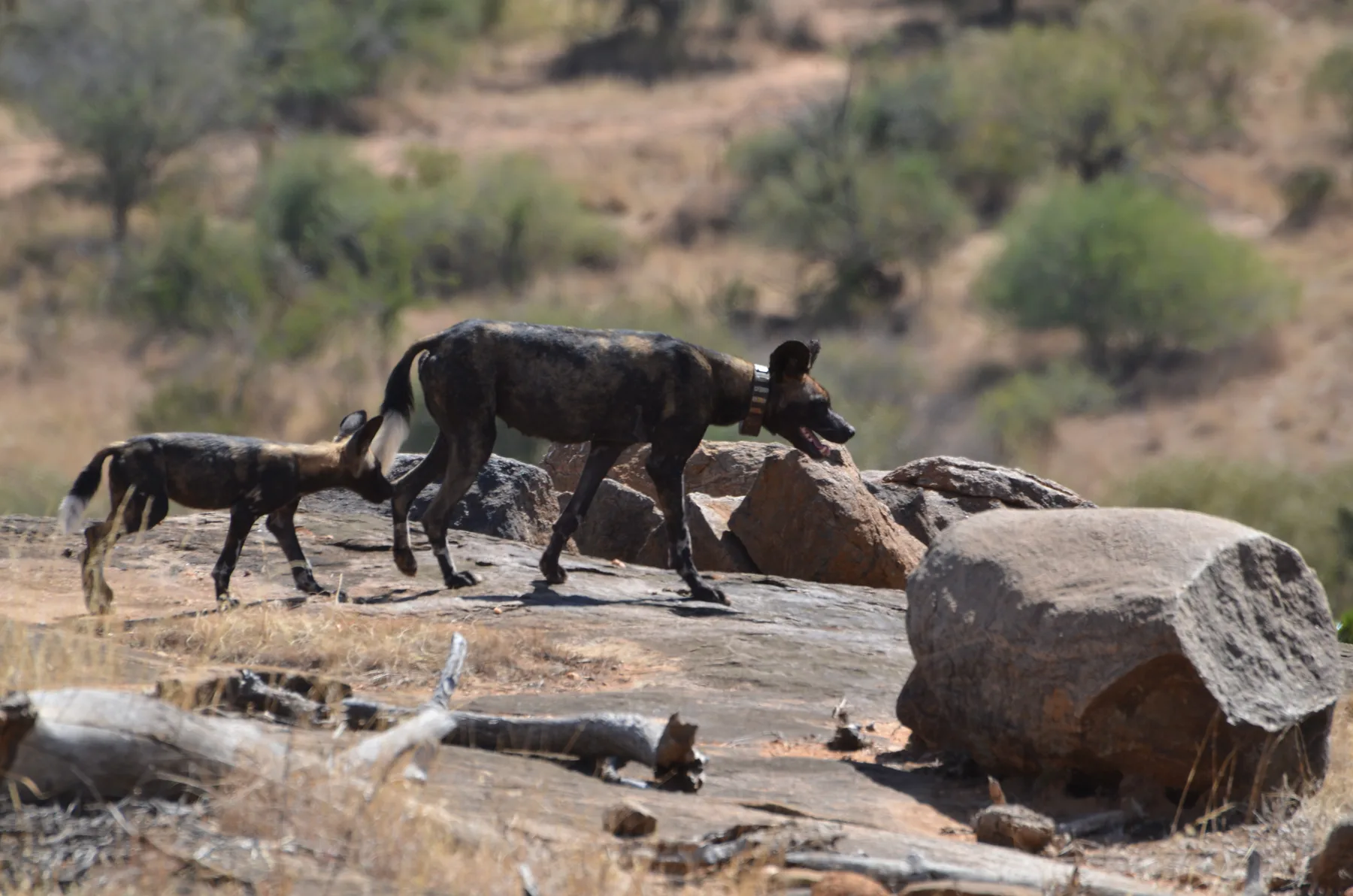
African wild dogs move over large ranges and can cross conservancy boundaries. Loisaba, Sosian and wider northern Laikipia have important wild-dog history, while packs can also appear elsewhere.
| Wild-dog plan | Better approach |
|---|---|
| Choose one “best month” | Choose a strong landscape and expert guide |
| Promise denning sighting | Treat den locations and access as sensitive |
| One rushed drive | Stay three or four nights |
| Chase radio calls | Respect guide and conservancy rules |
Best time for northern species
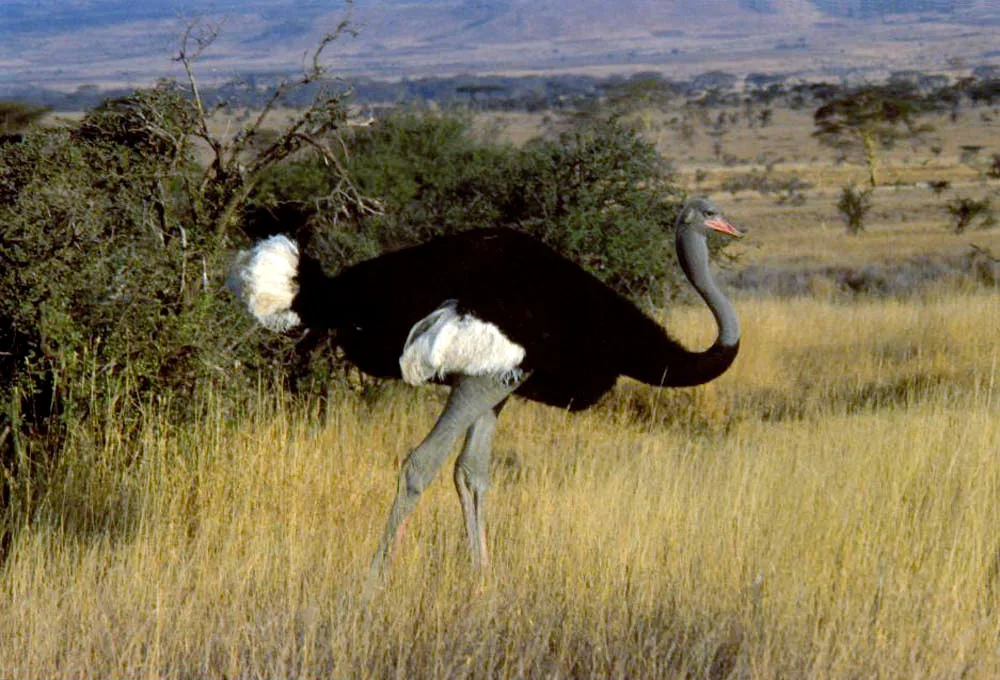
Grevy's zebra, reticulated giraffe, Beisa oryx, gerenuk and Somali ostrich form the northern-specialty story. Lewa records all five, while northern Laikipia landscapes extend the habitat context.
| Condition | Viewing effect |
|---|---|
| Dry grass | Animals may be easier to locate around water and open plains |
| Fresh rain | Herds can move towards new forage |
| Tall green cover | Smaller species may be harder to see |
| Private vehicle | More time for behaviour and photography |
Best time for predators
Lions, leopards, cheetahs, hyenas and wild dogs use different parts of Laikipia. Dry weather often improves visibility, but rain can produce memorable hunting and family behaviour.
| Predator | Planning thought |
|---|---|
| Lion | Broadly year-round; guide knowledge matters |
| Leopard | Choose riverine and rocky habitat with patient night or dawn drives |
| Cheetah | Open country and clear sight lines |
| Hyena | Night drive and den knowledge where ethically managed |
| Wild dog | Mobile ranging packs require time |
Best time for walking safaris
Walking is strongest in drier, cooler conditions, commonly June to September and January to February. Start early and match distance to temperature and group fitness.
| Walking condition | Response |
|---|---|
| Cool dry morning | Longer interpretive walk |
| Hot afternoon | Short route or vehicle activity |
| Wet grass | Waterproof footwear and shorter plan |
| Recent heavy rain | Avoid swollen river or damaged path |
Best time for horse riding
Riding is a Laikipia signature at selected properties. Drier footing supports longer rides, while wet ground can change routes. Experience level matters more than enthusiasm.
| Rider | Package design |
|---|---|
| Beginner | Short controlled ride near the lodge |
| Intermediate | Mixed terrain with honest pace |
| Experienced | Longer wildlife ride where offered |
| Non-riding companion | Parallel drive or walk that reconnects later |
Best time for camel safaris
Camel walks suit the drier northern landscape and are most comfortable in cool morning or late-afternoon hours. The activity can range from a short family experience to a multi-day expedition.
| Camel format | Timing priority |
|---|---|
| Short lodge activity | Cool hours in any suitable month |
| Full-day route | Drier season and shaded midday pause |
| Mobile expedition | Stable weather, water and camp logistics |
| Family experience | Age, duration and heat limits |
Best time for star beds and sleep-outs
Clear dry nights offer the highest chance of sleeping under open sky, particularly January to February and July to September. Every responsible star-bed operation needs a covered weather alternative.
| Confirm | Reason |
|---|---|
| Main-room backup | Rain or wind can cancel the sleep-out |
| Child age | Safety policies vary |
| Toilet and escort | Remote-night comfort and security |
| Moon phase | Changes stars and landscape light |
Best time for night drives
Night drives operate in private conservancies, not under one region-wide rule. Dry tracks are easier, while wet nights can reveal amphibians, insects and different animal behaviour.
| Night-drive goal | Conditions |
|---|---|
| Mammal visibility | Dry open tracks and patient spotlighting |
| Small nocturnal life | Warm damp conditions can be productive |
| Photography | Private vehicle and ethical light use |
| Children | Short duration and warm clothing |
Best time for birding
Lewa records prolific birdlife across the Lewa-Borana landscape, while Laikipia's wetlands, rivers, grasslands and dry north expand the habitat mix. Migratory Palearctic birds can add interest from northern winter into spring.
| Birding season | Strength |
|---|---|
| November to April | Migrants plus residents, with green habitat |
| June to September | Easier roads and open-country viewing |
| After local rain | Insect activity and breeding behaviour |
| Any month | Specialist guide and multiple habitats |
Best time for photography
| Photographic goal | Season tendency |
|---|---|
| Dust and golden light | Late dry season |
| Green plains and cloud | Wet and shoulder months |
| Mount Kenya backdrop | Clear morning after rain or stable dry spell |
| Rhino behaviour | Multiple days in a strong sanctuary |
| Star sky | Clear dry night near new moon |
Best time for families
July, August, December and January align with many school holidays, but they also require early booking. June and September can offer a quieter alternative.
| Family need | Strong design |
|---|---|
| First safari | Ol Pejeta, Lewa or another wildlife-dense base |
| Young children | Private vehicle and short activities |
| Teenagers | Riding, camel, conservation and walking options |
| Multi-generation group | Family house and flexible schedule |
| Rainy season | Lodge with comfortable indoor space |
Best time for honeymooners
Laikipia is excellent for couples because private conservancies can combine privacy with unusual activities. September, January and February are strong for outdoor freedom. Green months suit couples who value dramatic landscape and lodge time.
| Honeymoon idea | Best condition |
|---|---|
| Star bed | Clear dry forecast |
| Private picnic | Stable day and secluded permitted site |
| Horse or camel experience | Dry footing and mild hours |
| Conservation visit | Confirmed programme rather than seasonal assumption |
Best time for value
Some lodges offer lower green-season rates or stay-longer promotions during wet months. Value depends on what remains included and whether the lodge is fully operational.
| Compare | Why |
|---|---|
| Exact room | A lower rate may apply to a different category |
| Activities | Riding, conservation visits and private vehicles may be extra |
| Transfers | Flight and road costs can erase room savings |
| Closure dates | Not every camp operates through the rains |
| Cancellation | Weather flexibility has financial value |
How many nights make the season work
Two nights can introduce one conservancy, but it leaves only one full day between arrival and departure. That is a narrow window when rain changes a road, a riding session moves to a safer hour or a wild-dog pack is ranging far from the lodge. Three nights gives the guide two complete days and enough room to separate a long wildlife drive from a walking, riding or conservation experience.
Four nights becomes especially useful in Laikipia because the destination is about more than a species list. One morning might follow rhino across open grass, another might begin on foot, and an afternoon can belong to a hide, camel walk or family conservation visit. Travellers who want two conservancies should normally divide five or six nights between them rather than rush both in three.
| Stay | What it realistically allows | Seasonal weakness |
|---|---|---|
| Two nights | Arrival drive, one full day and departure activity | One storm or delayed flight can consume much of the visit |
| Three nights | Two full days, wildlife plus one specialist activity | Limited room for a distant pack or changed activity time |
| Four nights | Slower wildlife search, two activities and lodge time | Higher cost, but better resilience to weather |
| Five or six nights | Two contrasting conservancies or one deep stay | A transfer between bases still uses part of a day |
In a drier month, the extra night creates choice. In a wetter month, it creates resilience. Neither should be filled automatically with more driving. A quiet afternoon at a waterhole, a guided walk around camp or time watching weather move across the plateau can be as memorable as another circuit in the vehicle.
Best time to combine Laikipia and the Masai Mara
July to October is popular because Mara migration interest overlaps Laikipia's dry season. Flights can protect time between the regions. Green-season combinations can offer value and lower vehicle pressure.
| Combination | Plan |
|---|---|
| Peak dry season | Book flights and camps early |
| Green season | Keep transfer and weather flexibility |
| Family | Use at least three nights in each region |
| Honeymoon | Contrast private conservancy with Mara plains |
Best time to combine Laikipia and Samburu
Both regions share northern species, but the experiences differ. Samburu is lower, hotter and river-led. Laikipia offers higher plateau country and a wider activity range.
Compare the same dates against the best time to visit Samburu because heat, river conditions and local rain can differ sharply from the Laikipia plateau.
| Route | Timing concern |
|---|---|
| July to September | Strong roads and broad wildlife visibility |
| January to February | Warm days and dry-country rhythm |
| Wet season | Ewaso and road conditions require separate checks |
| Road transfer | Heat, dust and actual gate locations |
Best time to combine Laikipia and Aberdare
Aberdare weather can be colder and wetter than Laikipia on the same day. That contrast is part of the appeal.
| Sequence | Why |
|---|---|
| Aberdare then Laikipia | Move from forest to open plateau |
| Laikipia then Aberdare | Finish with quiet waterhole and mountain air |
| Wet period | Lodge-based Aberdare plus flexible Laikipia base |
| Dry period | Add hiking and active safari |
Use the best time to visit Aberdare National Park separately rather than sharing one forecast.
Travellers continuing east should also check the best time to visit Meru National Park. Meru sits lower and has its own rainfall, heat and road pattern, so a strong Laikipia month does not automatically create the same conditions there.
Flights, roads and airstrips
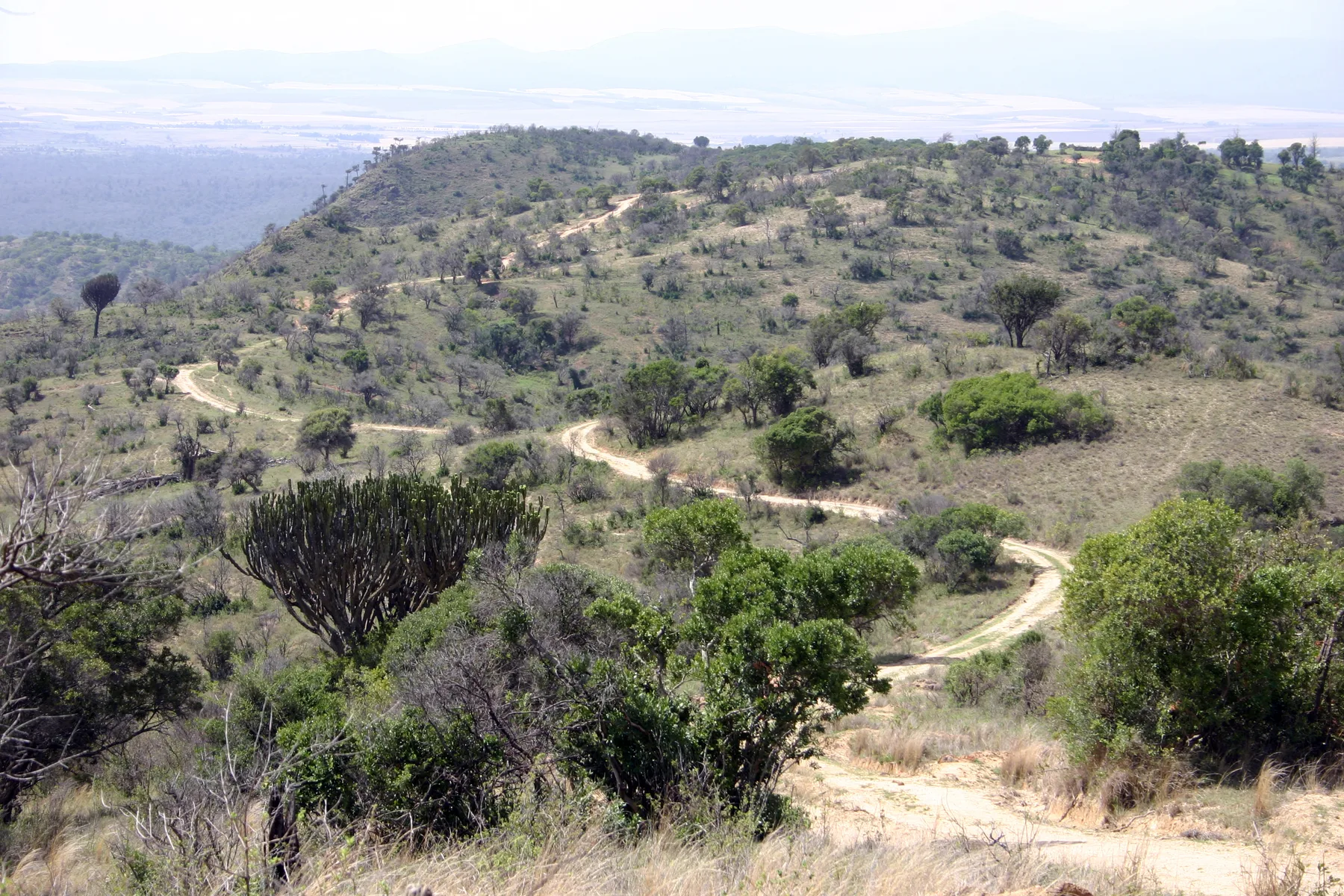
Wet conditions can affect unpaved airstrips and remote conservancy roads. Scheduled flight times and baggage limits also shape the day.
| Transfer | Seasonal check |
|---|---|
| Nairobi to Nanyuki | Highway traffic and final lodge road |
| Scheduled flight | Airstrip condition and timetable |
| Lewa to Loisaba | Road or air transfer and baggage |
| Ol Pejeta to Mara | Flight connection or full road day |
| Northern conservancy | Last-mile 4×4 and river crossing |
What to pack all year
Lewa sits around 1,400 to 2,000 metres above sea level and advises light clothing for warm days plus warm layers for evening drives. The principle applies widely across the plateau.
| Item | Reason |
|---|---|
| Warm jacket, hat and scarf | Cold dawn and night drives |
| Light breathable daytime clothing | Warm open-country afternoons |
| Waterproof shell | Rain in any month |
| Closed walking shoes | Active safari and thorny ground |
| Sun protection | High-altitude UV |
| Camera dust and rain cover | Conditions can switch quickly |
Seven-day forecast routine
| Time | Action |
|---|---|
| At booking | Choose conservancy, lodge and seasonal fallback |
| Seven days before | Read official county forecast |
| Three days before | Ask lodge about recent rain and access |
| Previous day | Confirm flight, road transfer and activities |
| Arrival | Let the guide reorder activities around current conditions |
Common timing mistakes
| Mistake | Better choice |
|---|---|
| Treating Laikipia as one property | Name the conservancy and lodge |
| Assuming January is always dry | Check actual recent rainfall |
| Booking a star bed without backup | Confirm the main room remains available |
| Choosing wild-dog dates | Choose habitat, guide and enough nights |
| Forgetting cold nights | Pack layers year-round |
| Assuming wet season means no wildlife | Expect changed movement and taller grass |
| Ignoring lodge closure | Confirm operating dates before flights |
Frequently asked questions
What is the best month to visit Laikipia?
September is an excellent all-round choice. July, August, January and February are also commonly strong for wildlife and active safaris.
When are the long rains in Laikipia?
The broad long-rain tendency runs from March to May, but onset, intensity and distribution vary across the plateau.
When are the short rains?
The broad short-rain tendency runs from October into December. Local storms and unusual dry or wet spells are possible.
Is Laikipia good in April?
Yes for green scenery, birding, photography and lower visitor pressure. Some lodges close and roads or activities may change.
Which months are best for rhinos?
Rhino viewing is strong year-round in the right conservancies. Dry months can improve general visibility, while green months create a beautiful setting.
When is the best time for wild dogs?
There is no guaranteed month because packs range widely. Choose a suitable conservancy, expert guide and at least three nights.
Is July cold in Laikipia?
Dawn, evening and night drives can be cold, especially at higher conservancies. Days may become warm in the sun.
Can I visit during the short rains?
Yes. October to December can bring green scenery, birds and dramatic cloud. Use a flexible itinerary and current road checks.
When is the best time for a star bed?
Clear dry nights in January to February and July to September offer the strongest chance, but every sleep-out needs a covered backup.
Do all Laikipia lodges stay open year-round?
No. Some properties close for maintenance or during wet low-season weeks. Confirm current operating dates.
Choose the conservancy, then choose the season
The best time to visit Laikipia begins with geography. Lewa and Borana suit travellers who want rhino, open grassland and Mount Kenya country. Ol Pejeta adds family-friendly conservation activities. Loisaba, Sosian and northern conservancies open the safari into riding, walking, camel journeys and vast space.
Once that choice is clear, the season becomes useful. Dry months improve visibility and active safari logistics. Green months offer colour, birds and quieter roads. Actual rain can still surprise both plans, so give the guide room to adapt.
Sources and further planning
- Lewa weather and visitor FAQ
- Lewa rainfall monitoring context
- Laikipia conservancies compared
- Lewa vs Borana vs Ol Pejeta
- Laikipia safari cost
Choose your Laikipia season
Share your dates, preferred conservancy, travellers, wildlife priorities, activities and next destination. We will compare the seasonal trade-offs.