
Lake Nakuru Safari Packages
Compare a Nairobi day trip, Lake Nakuru overnight, Naivasha pairing, four-day Mara safari and five-day three-park circuit before requesting a tailored quote.
- Choose the package by usable safari time
- Understand what Lake Nakuru adds to a Kenya safari
- Decide whether Lake Nakuru has earned its night
- Use a Nairobi day trip only when the long day makes sense
- Choose one night for two different light periods
- Pair Naivasha and Nakuru when you want different activities
- Give the two lakes three days when rest matters
- Take four days for the Mara and Lake Nakuru when breadth matters
- Upgrade the four-day route for better evenings, not different animals
- Use five days for three parks only if you enjoy movement
- Choose five-day luxury for comfort inside a fast circuit
- Add a sixth or seventh day when the route should breathe
- Protect the first day from international-flight optimism
- Put the parks in an order that reduces backtracking
- Treat transfer days as real days
- Stay inside the park when first and last light matter
- Compare actual Lake Nakuru lodge positions
- Understand what mid-range should include
- Pay for luxury only where you will feel it
- Price solo travel by the vehicle and room, not only the person
- Design family packages around the least patient traveller
- Make honeymoon packages romantic in the itinerary
- Give photographers control over seat, light and stopping time
- Build accessible packages from the vehicle outward
- Choose the vehicle before comparing upholstery
- Choose private or shared according to control
- Separate park fees from the rest of the package
- Read the full price anatomy
- Compare the four ready routes on equal terms
- Require an exact inclusion list
- Read exclusions before celebrating the total
- Add Naivasha activities without stealing the Nakuru game drive
- Keep food and dietary needs visible
- Pack for vehicle access, not an airline advert
- Let weather change the route, not ruin it
- Keep flamingo expectations mobile
- Give rhino searching enough patience
- Leave room for giraffe, buffalo, lions and birds
- Compare quotes in one table
- Use traveller experiences as clues, not promises
- Reject package red flags before paying
- Send a complete package brief
- Frequently asked questions
- Build the route you will enjoy living through
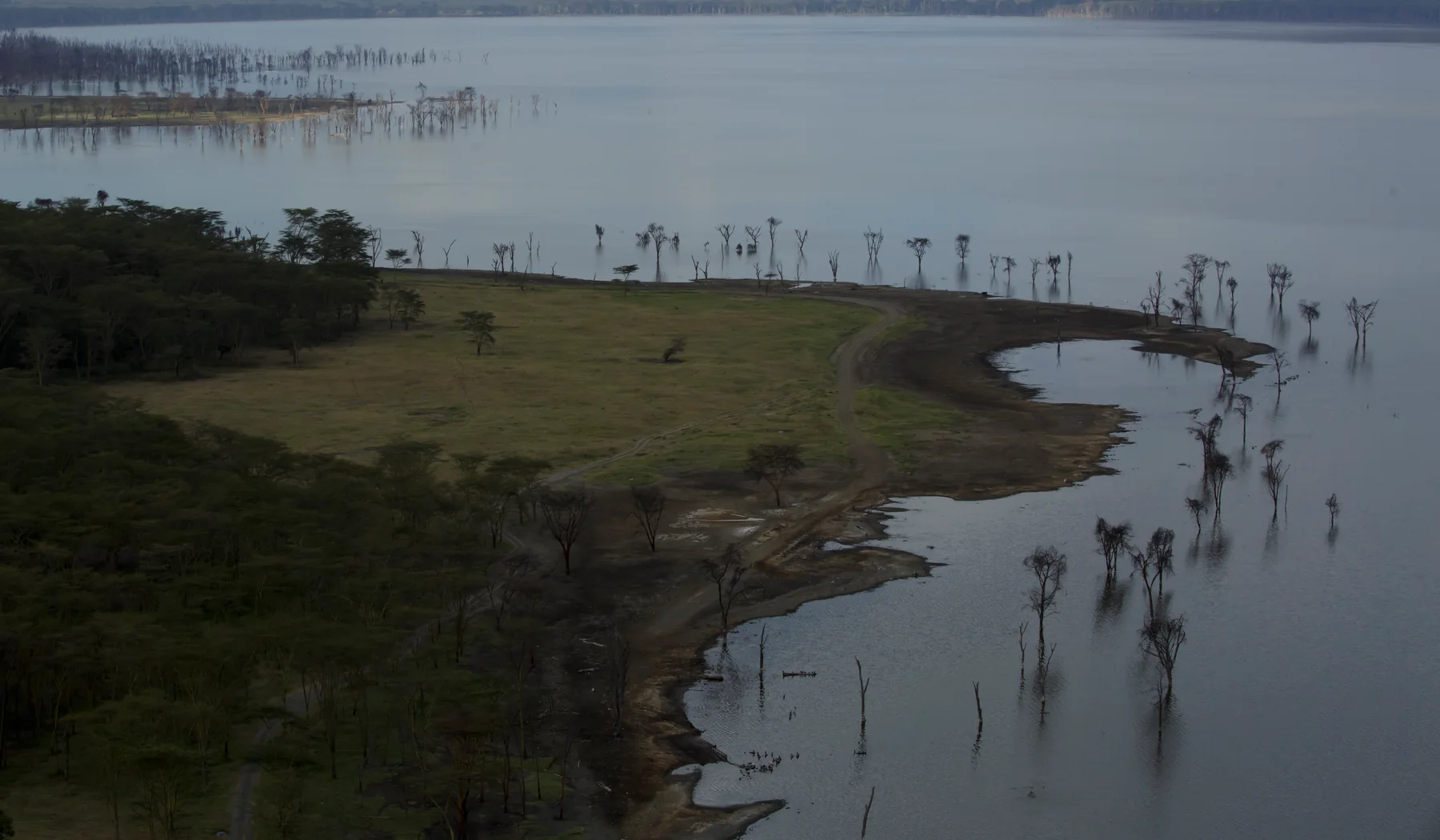
The first view from Baboon Cliff explains why Lake Nakuru earns a place on a Kenya circuit. Water fills the floor of the Rift Valley, drowned trees trace the changing shoreline, and forest gives way to open ground where a rhino can step into view. It is a compact park, but it is not a small experience.
The difficult part is choosing how to include it. Lake Nakuru safari packages range from a long day out of Nairobi to an overnight stay, a two-lake break with Naivasha, a four-day Mara pairing and a five-day circuit that reaches Amboseli. The right one is not simply the package with the most parks. It is the route that gives each park enough time to feel distinct.
This guide compares those choices honestly. It shows what happens on transfer days, where an overnight changes the experience, what mid-range and luxury really alter, how park fees fit into the price, and which details must appear in a useful quote.
Choose the package by usable safari time
Count game-drive windows before counting destinations. A package may say “two days” while offering only one afternoon drive and a short morning exit. Another may use the same number of nights but place the lodge inside the park, making the first and last hours much more useful.
| Package shape | Lake Nakuru time | Best for | Main compromise |
|---|---|---|---|
| Nairobi day trip | One long daylight visit | Tight schedules | Very early road start and late return |
| One-night escape | Afternoon plus morning, or one full day | Wildlife depth without a long circuit | One hotel change |
| Naivasha and Nakuru | Boat or walking activity plus game drive | Mixed activities | Requires disciplined timing |
| Mara and Nakuru | Open plains plus lake and rhinos | First Kenya safari | Transfer day between ecosystems |
| Mara, Nakuru and Amboseli | Cats, rhinos and elephants | Broad first visit | Fast pace in five days |
| Six or seven-day custom circuit | Longer drives and recovery time | Families, photographers, slower travellers | Higher total trip cost |
If the choice still feels abstract, start with the complete Lake Nakuru National Park guide and decide what you want from the park before choosing the route around it.
Understand what Lake Nakuru adds to a Kenya safari
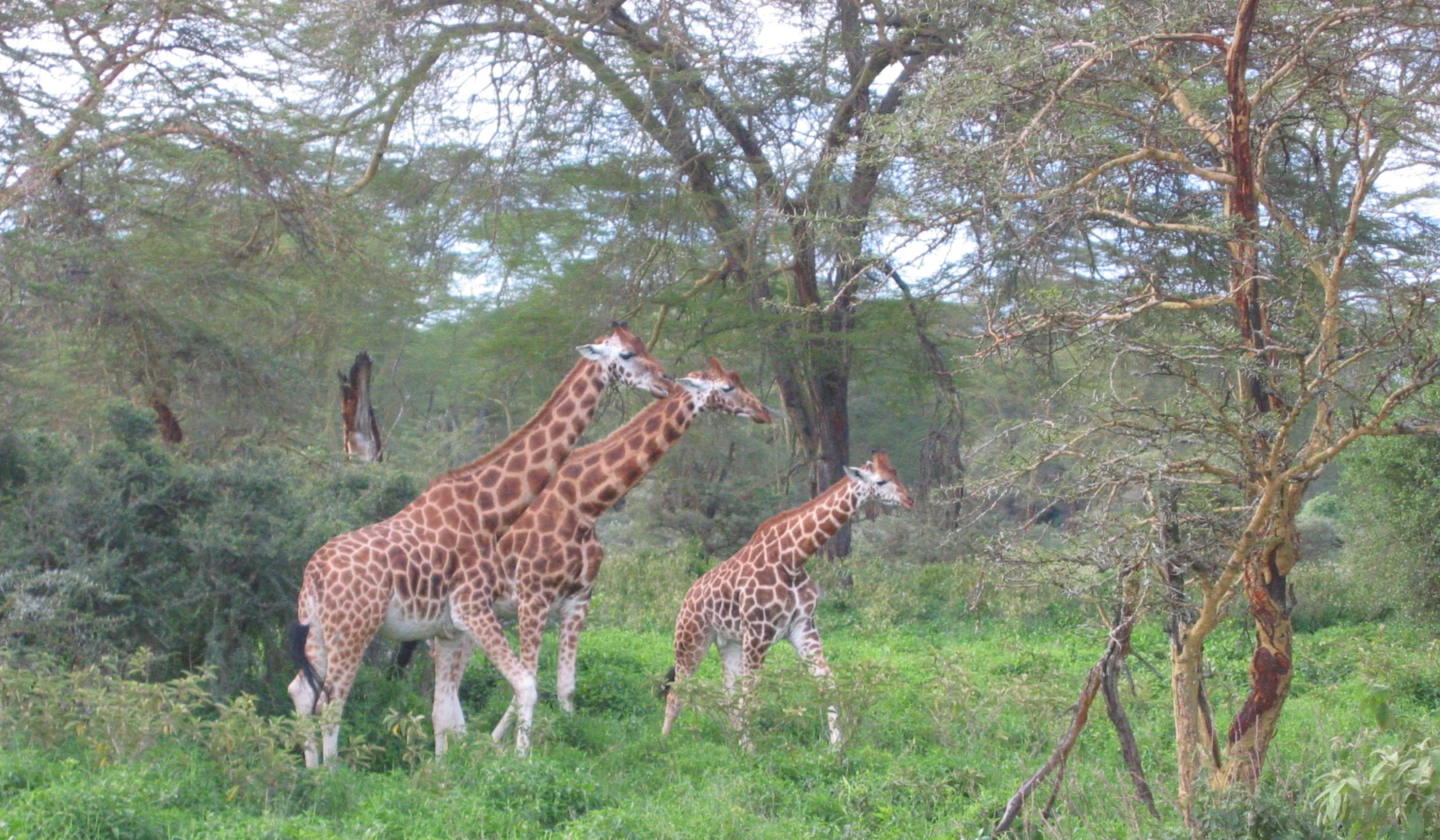
Lake Nakuru is not a reduced version of the Masai Mara. Its value comes from contrast. Yellow-barked acacia woodland, steep viewpoints, a changing lake edge and a fenced rhino sanctuary create a different way of searching for wildlife.
| What Lake Nakuru adds | Why it changes the circuit |
|---|---|
| Black and white rhino habitat | Strengthens a rhino-focused itinerary |
| Rothschild giraffes | Adds a threatened giraffe form not seen everywhere |
| Woodland and escarpment | Changes light, tracking and photography |
| Waterbirds and pelicans | Adds bird behaviour beyond grassland species |
| Baboon Cliff and other viewpoints | Gives landscape scale and a break from roof-up driving |
| Compact road network | Can produce a varied drive in limited time |
Flamingos may be present, but their numbers move between Rift Valley lakes. The package should still work when the shore is not pink. Read Lake Nakuru flamingos: are they still there? before making a flock the condition for a successful trip.
Decide whether Lake Nakuru has earned its night
An overnight is most valuable when rhinos, photography, birds or a less rushed route matter. It is less valuable when Lake Nakuru is inserted only because a standard itinerary has always stopped there.
| Your priority | Day visit may work | Overnight is stronger |
|---|---|---|
| See a different Rift Valley landscape | Yes | If you also want sunrise or late light |
| Focus on rhinos | Possible | More search time and two light periods |
| Continue to the Mara | Possible from Naivasha or Nakuru | Reduces same-day pressure |
| Travel with young children | Only with excellent road tolerance | Usually gives better breaks |
| Photograph birds and mammals | Limited | Better control of light and pace |
| Avoid frequent hotel changes | Yes, if based in Naivasha | No, unless Nakuru is central to the trip |
The question is not whether the park is “worth it” in general. It is whether its wildlife and landscape justify the travel and hotel change within your particular holiday.
Use a Nairobi day trip only when the long day makes sense
A road day from Nairobi can work for a business traveller, a stopover or someone who cannot add an overnight. It should begin early, use a reliable vehicle and keep optional Naivasha activities subordinate to the main purpose.
| Day-trip stage | Sensible plan |
|---|---|
| Pick-up | Before city traffic builds |
| Outbound road | Direct to the suitable park gate with one practical stop |
| Park time | A continuous game-drive window with lunch planned |
| Viewpoint | Include only if roads and time permit |
| Return | Leave enough daylight and driver-rest margin |
| Optional Naivasha stop | Add only if the Lake Nakuru drive remains worthwhile |
One traveller called the outing “A really special day trip.” Another described a Lake Nakuru day as “beautiful and relaxing”. Those reactions show what is possible, not what every long road day will feel like.
Choose one night for two different light periods
One night can turn Lake Nakuru from a stop into a destination. Arrive early enough for an afternoon drive, sleep near or inside the park, then use the next morning before continuing. Reverse the order when the route arrives from the Mara.
| One-night rhythm | Wildlife value | Travel value |
|---|---|---|
| Afternoon arrival and drive | Softer light, active animals, first orientation | Breaks the road from Nairobi or Naivasha |
| Dinner and overnight | Rest instead of a late highway return | Makes the next day safer and calmer |
| Early drive | Second chance in different habitat | Uses cool hours before transfer |
| Late breakfast and departure | A civilised transition | Avoids treating every morning as a race |
Do not assume “one night” means the same thing in every quote. Ask for arrival estimate, gate, lodge location, game-drive start, game-drive finish and departure target.
Pair Naivasha and Nakuru when you want different activities
Naivasha is strongest for water, walking and relaxed lakeside time. Nakuru is strongest for a protected national-park game drive. Combining them works because the experiences are different, not because their names both begin with “Lake”.
| Naivasha | Lake Nakuru |
|---|---|
| Boat safari with a licensed operator | Vehicle game drive |
| Hippo and waterbird viewing from safe distance | Rhino, giraffe, buffalo and woodland searching |
| Crescent Island walking option | Stay inside the vehicle except designated areas |
| Hell's Gate cycling or hiking | Baboon Cliff and park viewpoints |
| Resort-style downtime | National-park safari rhythm |
Use the Lake Nakuru versus Lake Naivasha guide if you must choose one. If you combine them, the Lake Naivasha boat safari and hippo safety guide helps keep the water activity responsible.
Give the two lakes three days when rest matters
A three-day lakes route is more useful than a breathless checklist when it includes a relaxed arrival, one main Naivasha activity block, a proper Nakuru game drive and a sensible onward departure.
| Day | Morning | Afternoon | Night |
|---|---|---|---|
| 1 | Nairobi to Naivasha | Boat, Crescent Island or rest | Naivasha |
| 2 | Chosen Naivasha activity | Transfer and Lake Nakuru drive | Nakuru |
| 3 | Lake Nakuru drive | Continue to Nairobi, Mara or another stop | Next destination |
Families can replace a second activity with pool or garden time. Photographers can move the Nakuru arrival earlier. Travellers recovering from a long flight can spend the first night in Nairobi instead of turning landing day into a road transfer. The things to do at Lake Naivasha guide helps choose one meaningful activity rather than stacking three.
Take four days for the Mara and Lake Nakuru when breadth matters
The four-day pairing gives the Mara the greater share of time and uses Lake Nakuru to add rhinos, woodland and a lake landscape. It suits travellers with only a few safari days who still want two genuinely different parks.
| Day | Route | Core experience |
|---|---|---|
| 1 | Nairobi to Masai Mara | Arrival and afternoon game drive |
| 2 | Masai Mara | Full game-drive day |
| 3 | Mara to Lake Nakuru | Transfer and afternoon park drive |
| 4 | Lake Nakuru to Nairobi | Morning drive and return |
The 4-day Masai Mara and Lake Nakuru mid-range safari starts from USD 1,590 per person sharing. It includes a private pop-up-roof 4×4, meals, park fees and Nairobi transfers. The final price changes with dates, party size, room type and availability.
Upgrade the four-day route for better evenings, not different animals
Luxury accommodation changes the room, setting, service and time between drives. It does not change the route's four-day limit and cannot promise closer wildlife.
| Luxury upgrade can improve | Luxury upgrade cannot buy |
|---|---|
| Room comfort and privacy | A guaranteed leopard or rhino |
| Lodge setting and views | Control over wild-animal movement |
| Food, service and special occasions | More hours in a four-day calendar |
| In-room amenities | Permission to break park rules |
| A calmer end to a transfer day | Good pacing if departure times are unrealistic |
The 4-day Masai Mara and Lake Nakuru luxury safari starts from USD 2,080 per person sharing. Choose it because the nights matter, not because “luxury” is expected to change the wildlife.
Use five days for three parks only if you enjoy movement
Masai Mara, Lake Nakuru and Amboseli create a powerful first-safari sequence: cats and open plains, rhinos and a Rift Valley lake, then elephants beneath Kilimanjaro. Five days also means frequent packing and substantial road time.
| Destination | Main contrast | Typical share in a compact route |
|---|---|---|
| Masai Mara | Open savannah and predator searching | Two nights |
| Lake Nakuru | Rhino sanctuary, woodland and lake | One night |
| Amboseli | Elephants, wetlands and mountain views | One night |
The 5-day Masai Mara, Lake Nakuru and Amboseli mid-range safari starts from USD 1,868 per person sharing, with a private 4×4, meals, park fees and Nairobi transfers. Read the Amboseli safari guide and Masai Mara safari guide before deciding whether one night at each supporting park is enough for you.
Choose five-day luxury for comfort inside a fast circuit
The luxury version softens the evenings but retains the same ambitious geography. It suits couples and travellers who accept movement yet want stronger rooms, settings and service after the drives.
| Keep | Upgrade | Still check |
|---|---|---|
| Three parks in five days | Accommodation category | Exact named property |
| Private 4×4 | Room and meal experience | Transfer estimates |
| Park fees and meals | Special-occasion support | Luggage and check-in timing |
| Core game drives | Lodge setting | Number of usable game-drive hours |
The 5-day Masai Mara, Lake Nakuru and Amboseli luxury safari starts from USD 2,180 per person sharing. If the honeymoon depends on slow breakfasts, spa time or private dinners, add a day instead of relying on the word “luxury” to create time.
Add a sixth or seventh day when the route should breathe
One extra night can do more for a safari than a more expensive room. It may give the Mara another full day, turn Amboseli into a two-night stay, create a relaxed Naivasha pause or remove an immediate transfer after arrival.
| Added night | Best placement | Benefit |
|---|---|---|
| Nairobi first | After an evening international arrival | Sleep and baggage recovery |
| Naivasha | Before Lake Nakuru | Boat, walk or quiet afternoon |
| Lake Nakuru | For rhino or bird focus | Two light periods and less pressure |
| Masai Mara | For cats or migration season | More searching and weather resilience |
| Amboseli | For elephants and Kilimanjaro | Second morning if clouds hide the mountain |
A recent traveller wrote, “We were exhausted after the long drives between safaris”. That is not a reason to avoid road safaris. It is a reason to count recovery as part of the itinerary.
Protect the first day from international-flight optimism
Landing time is not departure time. Immigration, bags, lost-luggage reporting, cash, a meal and traffic all sit between the runway and the highway. A same-day Lake Nakuru transfer can work after an early arrival, but it needs a conservative cut-off.
| Arrival situation | Better choice |
|---|---|
| Early morning, rested, bags present | Road transfer may be practical |
| Midday arrival | Nairobi night is usually calmer |
| Evening arrival | Nairobi night |
| Separate tickets or tight connection | Build a buffer |
| Children after an overnight flight | Rest before the road |
| Important medication in checked luggage | Recover bags before leaving the city |
Do not attach a promised afternoon game drive to an arrival that can easily slip. The first safari memory should not be a clock running out.
Put the parks in an order that reduces backtracking
Route order should follow arrival point, final destination, seasonal priority and whether a beach extension uses a flight or road connection. A map is more useful than a list.
| Start and finish | Logical pattern |
|---|---|
| Nairobi to Nairobi | Mara, Nakuru and Amboseli can form a road circuit, but it is fast |
| Nairobi to Mara airstrip | Nakuru first, then road to Mara and fly onward |
| Nairobi to Diani | Road circuit ending near an air connection, or return to Nairobi for the coast flight |
| Tanzania border finish | Mara position must match the chosen crossing and handover |
| Naivasha conference or wedding | Naivasha, Nakuru, then Mara can avoid returning east |
Ask to see the route with estimated departure and arrival windows. A geographically neat line can still be tiring when check-out, road stops and gate formalities are ignored.
Treat transfer days as real days
The road between parks is part of the safari, but it is not a game drive. Town traffic, fuel, meals, viewpoints and road conditions shape the day. Marketing language often compresses all of that into one arrow.
| Transfer-day question | Why it matters |
|---|---|
| What time do we leave? | Determines sleep and morning wildlife time |
| Is lunch packed or at a lodge? | Changes duration and comfort |
| Which gate do we use? | Affects the useful park route |
| Is a game drive promised after arrival? | Tests whether timing is credible |
| How many comfort stops are planned? | Important for children and mobility |
| What happens after heavy rain? | Secondary roads and arrival estimates can change |
An itinerary that says “Mara to Nakuru, afternoon game drive” should also say when breakfast ends, where lunch happens and what late arrival changes.
Stay inside the park when first and last light matter
An in-park lodge reduces the distance between bed and wildlife. It may also carry higher rates and place every non-safari errand farther away. An outside base can offer value, room choice and town access, but each game drive begins with a transfer and gate process.
| Location | Strongest advantage | Main trade-off |
|---|---|---|
| Inside Lake Nakuru National Park | Immediate safari atmosphere and less gate commuting | Often higher accommodation cost |
| Near a gate | Value with manageable access | Daily gate and road time |
| Nakuru city | Broadest budget and service choice | Weakest safari atmosphere and longest commute |
| Naivasha base | Avoids a hotel change | Long round trip for a Nakuru drive |
| Soysambu or Elementaita area | Conservancy or lake atmosphere | Separate destination with transfer to Nakuru |
The where to stay at Lake Nakuru guide compares geography before room décor.
Compare actual Lake Nakuru lodge positions
KWS lists Sarova Lion Hill, The Cliff, Lake Nakuru Lodge, Lake Nakuru Sopa Lodge and Flamingo Hill Camp among the park's privately owned facilities. Availability, access and package contracting still need confirmation for the travel dates.
| Property | Position or style | Package question |
|---|---|---|
| Sarova Lion Hill Game Lodge | In-park hill setting with lake views | Which room category and meal plan? |
| Lake Nakuru Lodge | In-park lodge overlooking park and lake habitat | Is the exact room named? |
| The Cliff | Small high-end tented property with elevated views | Is privacy worth the supplement? |
| Lake Nakuru Sopa Lodge | Elevated western Rift Valley setting reached through the park | How long is the lodge access from the chosen gate? |
| Flamingo Hill Camp | Tented safari style | Is it operating and available for the dates? |
Do not accept “or similar” as the only accommodation description. Similar in star label can be very different in gate access, room design, view and transfer time.
Understand what mid-range should include
Mid-range should mean clean, private, practical accommodation with meals and a dependable safari plan. It does not need to mean an anonymous room far from the park.
| Mid-range standard | Confirm in writing |
|---|---|
| Private bathroom | Yes, for every room |
| Mosquito protection | Net, screening or both where needed |
| Reliable hot water | Hours or system |
| Full board on safari | Which meals begin and end the package |
| Reasonable gate access | Actual drive, not map distance |
| Family configuration | Triple, interconnecting or separate rooms |
Price is only meaningful after the property, room and board basis are named. A cheaper package can become expensive if lunch, park fees or a suitable vehicle sits outside the quote.
Pay for luxury only where you will feel it
Luxury is valuable when the room, privacy, view, dining or service matters to the occasion. It is wasted when every day reaches the lodge after dark and leaves before breakfast.
| Luxury priority | Ask for |
|---|---|
| Honeymoon privacy | Room position, private dining and transfer privacy |
| Views | Exact property and room category, not a destination promise |
| Food | Dietary handling and meal style |
| Rest | Later departure or a two-night stay |
| Photography | In-park position and private vehicle before decorative extras |
| Family comfort | Enough real beds and safe room arrangement |
A room upgrade cannot repair an overpacked route. If budget allows either a higher category or an extra night, choose according to how you actually travel.
Price solo travel by the vehicle and room, not only the person
Solo safari pricing rises because one traveller carries a room and much of the private vehicle cost. A shared departure may reduce the price, but it changes control over pace, seats and photography.
| Solo option | Cost effect | Experience effect |
|---|---|---|
| Private package | Highest | Full control and no room sharing |
| Join scheduled group | Lower | Fixed dates, route and group pace |
| Share only selected transfers | Moderate | Some independence remains |
| Stay in city and book day trip | Can be lower | Very long day and less immersion |
| Add Nakuru to a longer private circuit | Vehicle cost spread across days | Often best route value |
Ask for the single supplement, private-vehicle cost and any shared alternative as separate lines. That makes the choice visible.
Design family packages around the least patient traveller
Children do not experience a route as adults do. A four-hour road estimate can become six hours with food, toilets, motion sickness and curiosity. A good family package protects sleep, safe seats and breaks.
| Family detail | Better plan |
|---|---|
| Child seat | Request the correct type and confirm installation |
| Roof viewing | Seated and supervised, never balanced on seats |
| Drive length | Short blocks with clear breaks |
| Meals | Familiar fallback and early dinner option |
| Room | Exact bed layout near parents |
| Wildlife learning | Giraffe patterns, rhino mouths and bird behaviour |
The Kenya safari with children guide covers seats, rooms, drive tolerance and age-appropriate planning in depth.
Make honeymoon packages romantic in the itinerary
A honeymoon package should contain privacy and time, not simply a cake added to a standard departure. Lake Nakuru can work beautifully as a one-night contrast within a longer safari, especially when the room has a view and the next morning is not rushed.
| Honeymoon element | Useful version |
|---|---|
| Private vehicle | Flexible pace and quiet time together |
| Room category | Named room with the requested bed and view |
| Celebration | Private dinner or thoughtful welcome, confirmed |
| Photography | Time at viewpoints without a packed group schedule |
| Rest | At least one route point with two nights |
| Surprise | Agreed budget and privacy boundary |
Tell the planner what romance means to you. Some couples want a sunrise drive and early bed. Others want a long lunch and a beautiful room. The route should know the difference.
Give photographers control over seat, light and stopping time
Photography value comes from a private vehicle, a clear seat, beanbag support, patient positioning and enough time in one place. More parks do not automatically create better images.
| Photography need | Package requirement |
|---|---|
| Long-lens support | Beanbag and suitable roof or window edge |
| One photographer per row | State the seating plan |
| Low angle | Clear side windows and driver positioning within rules |
| Golden-hour access | In-park or well-positioned accommodation |
| Charging | Vehicle sockets plus lodge power details |
| Backup | Dust protection and duplicated storage |
Use the Kenya wildlife photography safari guide before choosing between a lodge upgrade and a private vehicle. For many photographers, the vehicle wins.
Build accessible packages from the vehicle outward
Lake Nakuru is primarily a vehicle safari, which can suit some travellers with limited walking ability. The challenge is getting into the vehicle, seeing from the seat, using toilets and reaching the chosen room.
| Access point | Confirm |
|---|---|
| Vehicle entry | Step height, grab handles and transfer help |
| Safari viewing | Window sightline without standing through roof |
| Wheelchair | Folded or rigid dimensions and storage |
| Toilets | Location, path and assistance |
| Room | Door width, shower, rails and distance from public areas |
| Emergency plan | Medication, contacts and nearest suitable care |
The accessible Kenya safaris guide turns those questions into a complete booking brief.
Choose the vehicle before comparing upholstery
A pop-up-roof 4×4 is useful for poor roads, visibility and long circuits. A safari van can be comfortable and economical on many routes, but ground clearance and wet-road resilience differ. Vehicle condition and seating matter more than the badge.
| Vehicle line | Confirm |
|---|---|
| Model and body | 4×4 Land Cruiser or safari van |
| Seats sold | Maximum passengers, not theoretical capacity |
| Window | One usable view per traveller |
| Roof | Pop-up condition and safe standing space |
| Belts | Working seat belt at every occupied seat |
| Cooling | Air conditioning policy with roof closed |
| Recovery | Spare tyres, tools and support plan |
The Kenya safari vehicle guide explains the trade-offs in more detail.
Choose private or shared according to control
Private does not mean the vehicle is physically isolated from other safari cars. It means your party controls departure, stops and seats within park rules. Shared travel reduces cost but requires agreement.
| Decision | Private | Shared |
|---|---|---|
| Departure time | Your party | Group decision |
| Long wildlife stop | Easier | Must suit group |
| Child breaks | Flexible | Can disrupt schedule |
| Photography seat | Predictable | Depends on allocation |
| Cost per person | Higher for small party | Usually lower |
| Social atmosphere | Private | Potentially enjoyable group |
If sharing, ask the maximum group size, luggage rule, seat rotation and what happens when one traveller wants to leave a sighting early.
Separate park fees from the rest of the package
Under the enacted KWS 2025 fee schedule, Lake Nakuru is a premium park. The adult daily conservation fee is KSh 1,500 for East African citizens, KSh 2,025 for Kenya residents, USD 90 for non-residents and USD 50 for African citizens. Child and student categories differ.
| Visitor category | Adult daily fee | Child or student daily fee |
|---|---|---|
| East African citizen | KSh 1,500 | KSh 750 |
| Kenya resident | KSh 2,025 | KSh 1,050 |
| Non-resident | USD 90 | USD 45 |
| African citizen | USD 50 | USD 25 |
Vehicle charges are separate. A daily fee is single entry and valid for no more than 24 hours of uninterrupted stay, so leaving and re-entering may create another charge. The Lake Nakuru entry fees and safari cost guide explains eligibility and worked examples.
Read the full price anatomy
A package price combines fixed and variable costs. Park fees follow official categories. Vehicle cost is shared by the travelling party. Accommodation moves with season, room and availability. Optional experiences should not hide inside an unexplained total.
| Price line | Main variable |
|---|---|
| Conservation fee | Citizenship, residency, age and days |
| Park vehicle fee | Seating capacity and entries |
| Safari vehicle | Private or shared, route and party size |
| Driver-guide | Days, language and route |
| Fuel and road costs | Distance and itinerary order |
| Accommodation | Property, room, season and board basis |
| Meals and water | Included meal sequence |
| Extras | Boat, balloon, culture or celebration |
Ask for the exact currency and whether bank, card or conversion charges sit outside the quote.
Compare the four ready routes on equal terms
These four options all use a private pop-up-roof 4×4 and include meals, park fees and Nairobi transfers. Their starting prices assume per-person sharing. The important differences are duration, number of parks and accommodation level.
| Package | Parks | Accommodation | Starting price per person sharing |
|---|---|---|---|
| 4-day Mara and Nakuru mid-range | Masai Mara, Lake Nakuru | Mid-range | USD 1,590 |
| 4-day Mara and Nakuru luxury | Masai Mara, Lake Nakuru | Luxury | USD 2,080 |
| 5-day Mara, Nakuru and Amboseli mid-range | Three parks | Mid-range | USD 1,868 |
| 5-day Mara, Nakuru and Amboseli luxury | Three parks | Luxury | USD 2,180 |
Do not choose the five-day route merely because its starting price sits close to one four-day option. Decide whether you want another park or more time and comfort in two.
Require an exact inclusion list
“All inclusive” can mean full-board safari ground arrangements, not international flights, visas, drinks or tips. The inclusion list should be concrete.
| Inclusion | Detail required |
|---|---|
| Vehicle | Private or shared, type and occupancy |
| Guide | Language and whether the same guide drives throughout |
| Park fees | Parks, dates and visitor categories |
| Accommodation | Named property, room and board basis |
| Meals | First included meal and last included meal |
| Water | Quantity or refill policy |
| Transfers | Exact Nairobi pick-up and drop-off points |
| Taxes | Included or added later |
A package is easier to trust when every line has a noun, quantity and boundary.
Read exclusions before celebrating the total
The exclusions often reveal the true trip cost. International travel, visa, insurance, tips, drinks, laundry and optional activities commonly sit outside safari ground arrangements.
| Exclusion | Budget question |
|---|---|
| International flights | Is the arrival buffer realistic? |
| Kenya entry requirements | What applies to the traveller's passport? |
| Travel insurance | Does it cover safari and medical evacuation? |
| Tips | What guidance is offered without making it compulsory? |
| Alcohol and soft drinks | What is included with meals? |
| Laundry | Is it available within the route length? |
| Personal purchases | Is card or cash practical? |
| Optional activities | Price, minimum age and cancellation terms |
If an exclusion is unavoidable, it should not appear for the first time after the deposit.
Add Naivasha activities without stealing the Nakuru game drive
A Naivasha boat, Crescent Island walk or Hell's Gate visit can enrich the route. It can also reduce Lake Nakuru to a rushed lap if everything is placed on one day.
| Add-on | Time pressure | Better placement |
|---|---|---|
| Short boat safari | Moderate | Separate Naivasha morning or afternoon |
| Crescent Island walk | Moderate | Pair with boat and sleep in Naivasha |
| Hell's Gate cycling | High | Give it a dedicated half day |
| Spa or resort lunch | Low | Recovery block between road days |
| Elementaita stop | Moderate | Use only if it serves the onward route |
Check where to stay at Lake Naivasha before assuming every lakeside property is equally close to the next day's road.
Keep food and dietary needs visible
Safari meal plans often include breakfast, lunch and dinner, but transfer timing changes where those meals happen. Dietary confidence requires more than ticking a box.
| Food detail | Confirm |
|---|---|
| Arrival-day lunch | Lodge, picnic or not included |
| Transfer-day lunch | Packed, restaurant or lodge stop |
| Allergies | Ingredients, cross-contact and emergency plan |
| Vegetarian or vegan | Substantial protein, not only side dishes |
| Children's meals | Timing and familiar options |
| Water | Sealed bottles or safe refill system |
Send the exact allergy and its severity before payment, then repeat it at check-in. Carry safe backup food when a reaction would be dangerous.
Pack for vehicle access, not an airline advert
Soft-sided luggage is easier to fit in a safari vehicle. A hard suitcase may work for a private road trip but can block seats and windows. Fly-in segments impose tighter weight and bag-shape limits.
| Bag | Best use |
|---|---|
| Soft duffel | Main safari clothing |
| Small day bag | Camera, medication, documents and layers |
| Hard suitcase | Store in Nairobi if route space is limited |
| Camera backpack | Confirm dimensions and dedicated seat or floor space |
| Medication pouch | Keep with traveller, never in vehicle hold |
Ask whether excess luggage can remain securely in Nairobi and whether the final drop-off is the same place.
Let weather change the route, not ruin it
Rain brings dramatic skies, green habitat and softer light. It can also slow secondary roads and change where animals stand. Dry periods can improve access while increasing dust.
| Condition | Package adjustment |
|---|---|
| Heavy rain | 4×4, flexible road choice and extra transfer margin |
| Low cloud | Protect a second Amboseli morning if mountain views matter |
| Dust | Closed bags, lens protection and drinking water |
| Heat | Early drive, shade and midday rest |
| Cool morning | Layers within reach, not buried in luggage |
| Flooded section | Follow KWS closures and guide rerouting |
The best time to visit Lake Nakuru guide connects weather with roads, wildlife, birds and photography.
Keep flamingo expectations mobile
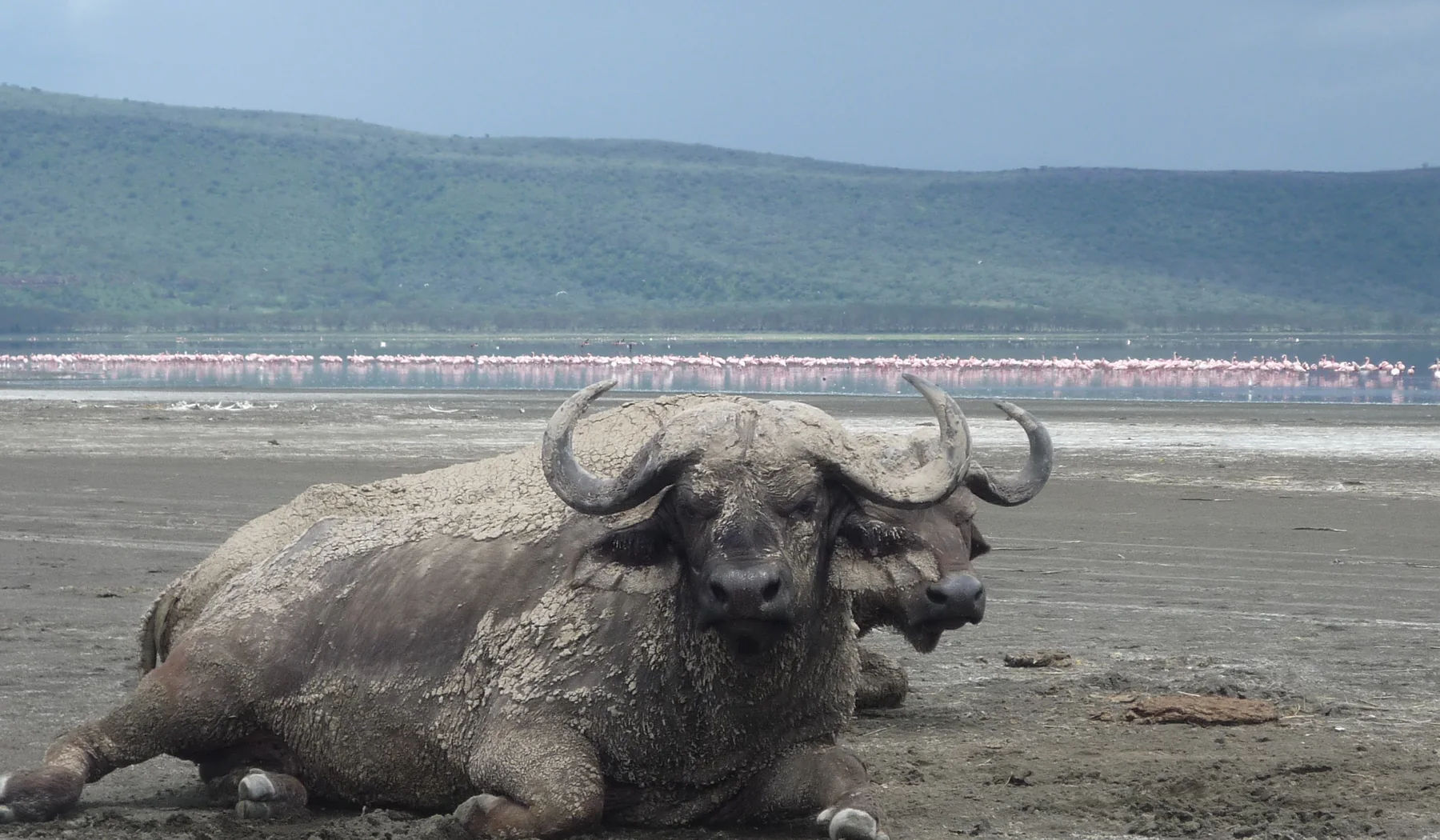
Lake Nakuru's historic million-bird images cannot be treated as a standing promise. Flamingos move among regional lakes as water chemistry and food change. A package should describe the current possibility without selling an old photograph as today's shore.
| Honest promise | Misleading promise |
|---|---|
| Flamingos may be present | The lake will be pink |
| Recent reports can guide expectations | A stock image proves today's flock |
| Other waterbirds add value | Flamingos are the only bird interest |
| The park remains worthwhile without a mass flock | No flock means no safari value |
One traveller wrote, “I originally booked to see the flamingos not realizing the full game viewing opportunity that Lake Nakuru would provide.” That is a useful reminder to build the day around the whole park.
Give rhino searching enough patience
Lake Nakuru protects black and white rhinos, but the two species use habitat differently. White rhinos often graze in more open areas. Black rhinos can remain partly hidden in thick vegetation.
| Rhino priority | Package choice |
|---|---|
| Both species interest | Overnight with two search windows |
| Family identification | Guide who explains mouth and habitat clues |
| Photography | Private vehicle and long lens |
| Ethical viewing | No off-road or close-approach promise |
| Wider Kenya rhino route | Compare Nakuru with Ol Pejeta or Solio |
The Lake Nakuru rhino safari guide covers identification, behaviour, distance and security-conscious photography.
Leave room for giraffe, buffalo, lions and birds
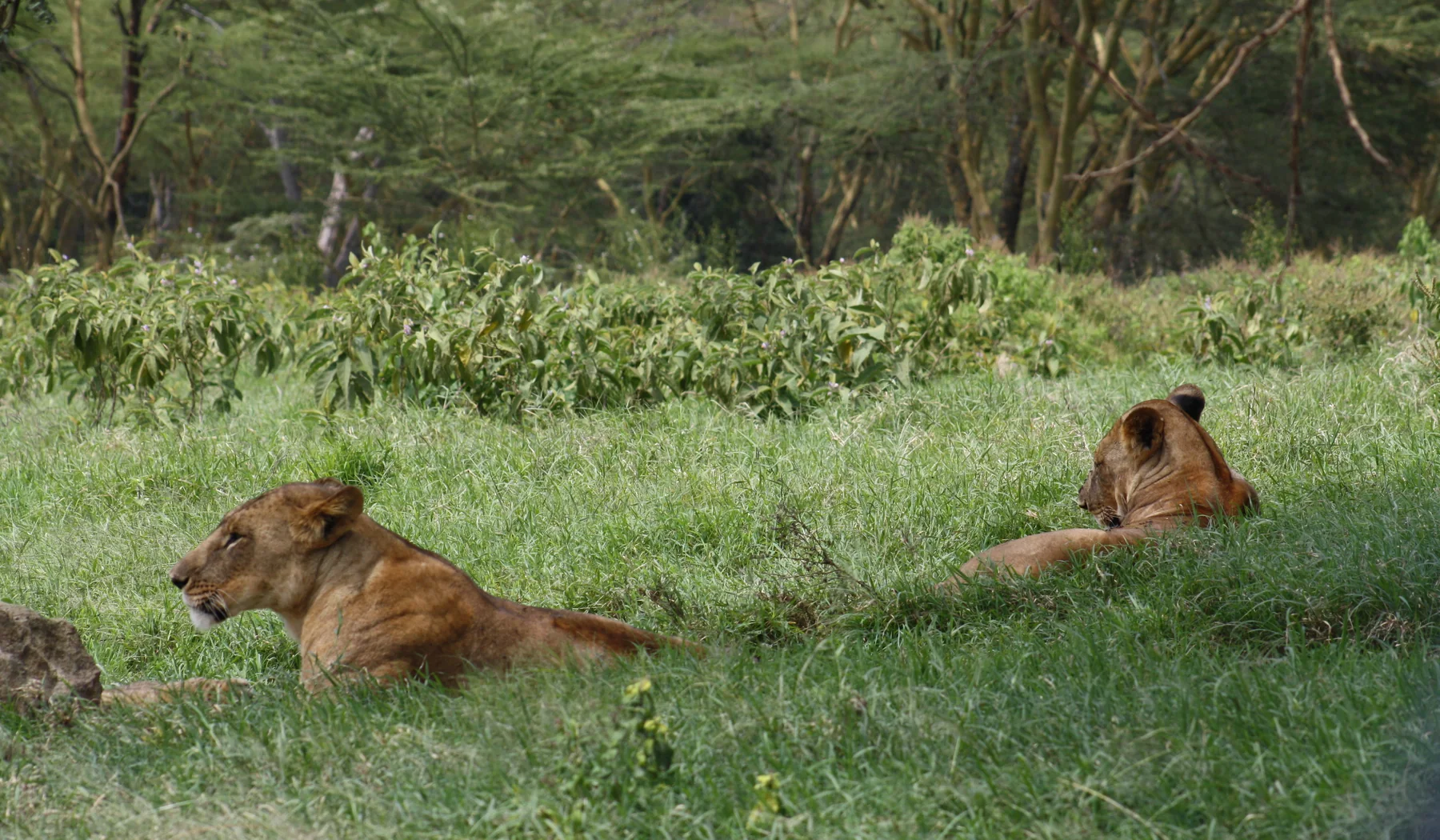
The package becomes stronger when rhinos and flamingos are priorities rather than demands. Rothschild giraffes move through woodland, buffalo rest near water, lions may disappear into vegetation, and pelicans can transform a quiet shoreline.
| Habitat | Look for |
|---|---|
| Yellow-barked acacia woodland | Giraffe, browsing rhino and woodland birds |
| Open grass | Grazing white rhino, zebra and buffalo |
| Lake edge | Pelicans, flamingos and waterbirds |
| Rocky slope and viewpoint | Landscape, raptors and distant mammals |
| Dense cover | Black rhino signs and patient predator searching |
Wildlife is not a menu delivered in order. Give the driver-guide time to read tracks, other vehicles and changing conditions.
Compare quotes in one table
Two totals cannot be compared until their assumptions match. Copy the important lines into one table and mark every blank.
| Quote line | Proposal A | Proposal B |
|---|---|---|
| Exact dates | ||
| Adults and children | ||
| Visitor fee categories | ||
| Private or shared vehicle | ||
| Vehicle type and seats sold | ||
| Named properties and rooms | ||
| Meals and water | ||
| Park fees and vehicle fees | ||
| Optional activities | ||
| Payment and cancellation |
The cheaper proposal may be better. It may also omit a park day, use a different room or leave fees outside. The table reveals which.
Use traveller experiences as clues, not promises
Independent comments are most useful when they reveal pace and surprise. A traveller who visited after the Mara said the Lake Nakuru day “was a great decision”. Another felt “An extra day would have possibly been a little more relaxed pace”.
| Review clue | Planning response |
|---|---|
| Long day felt special | Keep the main goal clear and start early |
| Route felt relaxing | Protect breaks and avoid add-on overload |
| More wildlife than expected | Do not reduce Nakuru to flamingos |
| Road circuit felt exhausting | Add a night or remove a destination |
| Extra day would help | Compare slower custom route |
| Park was a good decision after Mara | Use contrast, not repetition, as the reason |
No single review tells you what your day will deliver. Together, they show which questions deserve attention.
Reject package red flags before paying
The most serious warning signs are not small spelling mistakes. They are wildlife guarantees, unnamed hotels, hidden fees and an itinerary that cannot fit inside daylight and park rules.
| Red flag | Why it matters |
|---|---|
| Guaranteed rhino, lion or flamingo flock | Wild animals and mobile birds cannot be contracted |
| “Luxury lodge or similar” with no standard | Location and room may change completely |
| No visitor categories | Park-fee calculation may be wrong |
| No vehicle occupancy | Shared experience may be overcrowded |
| Impossible afternoon drive after a long transfer | The itinerary sells time it does not have |
| Payment to an unrelated personal beneficiary | Fraud and recourse risk |
| Live rhino location advertised | Security and ethics concern |
Request corrections before the deposit, not explanations after arrival.
Send a complete package brief
A useful enquiry lets the planner solve the right trip. Dates and group size are the beginning, not the whole brief.
| Brief line | What to send |
|---|---|
| Dates | Arrival, departure and flexibility |
| Party | Adults, child ages and room relationships |
| Visitor status | Citizenship or residency for park fees |
| Route | Start, finish, must-see parks and beach plans |
| Pace | Fast, balanced or slow |
| Accommodation | Budget, mid-range, luxury and room priorities |
| Vehicle | Private or shared, 4×4 preference and seat needs |
| Interests | Rhinos, birds, cats, photography or family learning |
| Health and access | Mobility, diet, medication and allergies |
| Budget | Currency, per person or total, and included extras |
Frequently asked questions
How many days do I need for Lake Nakuru?
One full day can work. One night usually creates a better rhythm, especially for rhino searching, photography or an onward Mara route.
Can I visit Lake Nakuru from Nairobi in one day?
Yes, but it is a long road day. Leave early, protect the park time and avoid adding so many Naivasha activities that the game drive becomes an afterthought.
Is Lake Nakuru better as a day trip or overnight?
Choose the day trip for a tight schedule. Choose overnight for two light periods, less road pressure and more flexible wildlife searching.
Which package is best for a first Kenya safari?
The four-day Mara and Nakuru route gives two contrasting parks. The five-day Mara, Nakuru and Amboseli route gives more breadth but moves faster.
Are park fees included?
They are included in the four compared NLS routes. A custom quote should still name the visitor categories and park days used in the calculation.
Are flamingos guaranteed?
No. Flamingos move between lakes. The park also offers rhinos, giraffe, buffalo, birds, viewpoints and woodland.
Are rhinos guaranteed?
No. Both black and white rhinos occur, but every sighting depends on movement, habitat, weather, time and responsible searching.
Is a 4×4 necessary?
A 4×4 is the stronger choice for wet roads, clearance and a multi-park circuit. Vehicle condition, seats and sightlines must still be checked.
Can a Lake Nakuru package be customised?
Yes. Duration, route order, accommodation, vehicle, Naivasha activities, pace, room configuration and final destination can all be adjusted.
What should I pay before confirmation?
Pay only against a written itinerary, named services, cancellation terms, legitimate beneficiary and clear deposit schedule.
Build the route you will enjoy living through
The best Lake Nakuru safari packages do not win by squeezing the most place names onto one page. They give the lake a clear purpose, protect enough game-drive time, name the room and vehicle, explain the cost, and make the road days honest.
Choose a day trip when the schedule truly is tight. Choose one night when rhinos, light and calm matter. Pair Naivasha for water and walking, the Mara for open plains and predators, and Amboseli for elephants and Kilimanjaro. Add a day when movement would otherwise become the strongest memory.
Then leave the wildlife free to surprise you. That is not a weakness in the package. It is the reason the safari is real.
Plan your Lake Nakuru package
Share dates, party, visitor categories, start, finish, preferred parks, pace, accommodation, vehicle, diet, mobility and budget.