Lake Nakuru Entry Fees and Safari Cost
Start with the official conservation fee, then build the real safari cost around the route, vehicle, guide, room and people travelling.
- Official Lake Nakuru conservation fees
- What the conservation fee helps you access
- Choose the right visitor category
- Adult, child and student rates are not interchangeable
- Who is exempt from conservation fees
- What “daily fee” means
- Park vehicle charges
- Park fee is not vehicle hire
- Build the complete safari price
- Worked park-fee example for non-residents
- Worked example for East African citizens
- Worked example for a mixed-status family
- Why two quotes can differ honestly
- Private safari versus shared departure
- Safari van versus 4×4
- Road condition can change value
- Driver and guide are not just transport
- Nairobi day trip cost structure
- Overnight safari cost structure
- Inside versus outside the park
- Meal plan and drinks
- Flamingos should not decide the entire value
- Rhino-focused value
- Wildlife value beyond rhinos
- How much time gives the fee value
- Lake Nakuru versus Lake Naivasha cost
- Lake Nakuru on a Mara route
- Package price versus itemised price
- Currency and exchange-rate questions
- Deposits and cancellation terms
- Solo-traveller cost
- Couple cost
- Family cost
- Group cost
- Tipping belongs in the personal budget
- Packing affects small costs and comfort
- Common pricing mistakes
- Is Lake Nakuru worth the fee?
- Send a quote-ready brief
- Frequently asked questions
- Plan the complete cost, not only the ticket
Lake Nakuru first appears as a pale opening beyond the woodland. Then the road bends, the water spreads beneath the escarpment and a white rhino steps from the grass with the calm authority of an animal that has nowhere to hurry. That moment may be why you came, but the price of reaching it is often described badly. A park ticket is quoted as though it covers the safari, or a safari price is shown without saying whether the ticket is included.
This guide to Lake Nakuru entry fees and safari cost separates every important line. It explains the official conservation fees, visitor categories, vehicle charges, children, exemptions, day trips, overnight stays, guide and transport choices, and the questions that turn a vague total into a usable budget.
| Quick answer | What to know |
|---|---|
| Non-resident adult conservation fee | USD 90 |
| Non-resident child or student fee | USD 45 |
| African citizen adult fee | USD 50 |
| East African citizen adult fee | KSh 1,500 |
| Kenya resident adult fee | KSh 2,025 |
| Vehicle under 6 seats | KSh 600 per day |
| Ticket meaning | A daily access fee valid for no more than 24 hours |
| Full safari price | Park fees plus vehicle, guide, transport, meals, accommodation and extras |
Official Lake Nakuru conservation fees
The enacted 2025 wildlife fee regulations place Lake Nakuru and Amboseli in the same fee band. The official KWS Lake Nakuru page displays the same visitor rates.
| Visitor category | Adult | Child or student |
|---|---|---|
| East African citizen | KSh 1,500 | KSh 750 |
| Kenya resident | KSh 2,025 | KSh 1,050 |
| African citizen outside East Africa | USD 50 | USD 25 |
| Non-resident | USD 90 | USD 45 |
These are conservation fees for access. They are not a complete safari package.
What the conservation fee helps you access
The ticket is not a payment for one rhino, a particular flock or a guaranteed photograph. It opens access to a protected national-park landscape managed for wildlife, habitat, visitor safety and conservation. The complete Lake Nakuru National Park guide explains the habitats, gates, viewpoints and wildlife in greater depth.
| What the ticket supports access to | What it does not promise |
|---|---|
| A gazetted national park | A guaranteed species sighting |
| Managed roads and visitor areas where open | Every road open in every season |
| Rhino-sanctuary habitat | A rhino beside the road |
| Lakeshore, woodland and grassland ecosystems | Historic flamingo numbers |
| Ranger presence and park management | A private ranger or guide for your group |
| The opportunity to game drive within permitted hours | A safari vehicle, fuel or driver |
This distinction changes the value conversation. If wildlife moves away from the road, the park has not failed to deliver a purchased animal. If rain closes a damaged track, route protection is part of managing the place you paid to enter. Your vehicle and guide then determine how thoughtfully the available time is used.
The conservation fee also cannot correct a poorly designed itinerary. Arriving late, choosing an overcrowded vehicle or rushing onward after one circuit may leave you feeling that the ticket was expensive. A proper start time, enough park hours, a comfortable viewing position and a guide who reads several habitats give the same official fee a much better chance of becoming a rewarding safari.
When comparing Lake Nakuru with another destination, compare the protected experience itself. Lake Nakuru offers a compact mosaic of lake, woodland, open ground and escarpment scenery. A larger reserve may offer longer game drives and different species, while a private conservancy may bundle activities and accommodation under another fee system. The right value depends on the wildlife priority and route, not on which gate has the lowest number.
Choose the right visitor category
The price depends on status and acceptable identification, not on where a booking was made. A family can contain more than one category.
| Category | Who it covers | Evidence to carry |
|---|---|---|
| East African citizen | Citizen of an East African Community country | Kenyan ID or valid passport as applicable |
| Kenya resident | Foreign national lawfully resident in Kenya | Valid residence permit, pass or permanent-residence evidence |
| African citizen | Citizen of another African country outside East Africa | Valid passport |
| Non-resident | International visitor travelling on visitor status | Valid passport |
Do not assume a work email, local address or long stay proves resident status. Use the document recognised by the regulations.
Adult, child and student rates are not interchangeable
The regulations provide child and student prices, but proof and eligibility matter. A young traveller who looks school-age still needs the correct document where requested.
| Traveller | Budget treatment |
|---|---|
| Adult | Use the adult rate for the correct category |
| Child aged five or younger | Exempt under the regulations |
| Older child | Use the child rate and carry proof of age |
| Student | Confirm KWS eligibility and required student documentation before arrival |
| Mixed family | Calculate each person separately |
For a family itinerary beyond fees, see the Kenya safari with children guide.
Who is exempt from conservation fees
The regulations exempt several groups when the required evidence or professional conditions are met.
| Exempt person | Important condition |
|---|---|
| Kenyan citizen aged 70 or older | Carry proof of Kenyan citizenship and age |
| Person with disability | Carry the recognised disability identification |
| Child aged five or younger | Carry age evidence if requested |
| Registered tour driver, guide, boat crew or porter | Must meet the Tourism Regulatory Authority and association requirements stated in the regulations |
An exemption from the conservation fee does not automatically remove vehicle, accommodation, meal or private-service costs.
What “daily fee” means
The law defines a daily fee as payment for one access period not exceeding 24 hours. That does not mean every itinerary automatically receives free unlimited exits and re-entry. Confirm gate handling when a plan leaves and returns.
| Scenario | Ask KWS or your operator |
|---|---|
| Morning game drive, lunch outside, return later | Is re-entry permitted on this ticket? |
| Overnight inside the park | When does the next conservation period begin? |
| Late-afternoon arrival | Does the next morning require a second fee? |
| Hotel outside the gate | How are daily entries calculated? |
| Multi-park route | Is each park paid separately? |
Build the itinerary around confirmed access rules, not an assumption about the phrase “24 hours”.
Park vehicle charges
The official schedule lists daily motor-vehicle charges by seating capacity. These charges are separate from each passenger's conservation fee.
| Vehicle capacity | Charge per day |
|---|---|
| Fewer than 6 seats | KSh 600 |
| 6 to 12 seats | KSh 1,500 |
| 13 to 24 seats | KSh 3,000 |
| 25 to 44 seats | KSh 4,500 |
| 45 seats and above | KSh 5,000 |
Ask which band applies to the exact vehicle. A nine-seat safari van is not charged as a five-seat private car merely because only four guests are inside.
Park fee is not vehicle hire
The KWS vehicle charge allows the vehicle to enter. It does not pay for fuel, driver time, guide skill, vehicle rental or the road journey to Nakuru.
| Line | Paid for |
|---|---|
| Conservation fee | Each eligible visitor's park access |
| Park vehicle charge | Entry of the vehicle by capacity |
| Safari vehicle hire | Use of the van or 4×4 and its operating cost |
| Driver-guide | Professional driving and wildlife interpretation |
| Nairobi transfer | Distance, time and fuel between city and park |
| Waiting or overtime | Extra service beyond agreed hours, if applicable |
A quote that says “park fees included” should still identify whether the park vehicle charge is included too.
Build the complete safari price
Use one formula for every quote:
| Cost block | Calculation |
|---|---|
| Visitor conservation fees | Sum the correct rate for every traveller |
| Park vehicle fee | Add the capacity-band charge |
| Road transport | Add vehicle, fuel, driver and route costs |
| Guiding | Add if separate from the driver |
| Accommodation | Room rate, occupancy and board basis |
| Meals and drinks | Add what the board basis excludes |
| Optional activities | Add only chosen experiences |
| Personal costs | Tips, insurance, souvenirs and specialist equipment |
The Kenya safari cost guide applies the same discipline to a full-country itinerary.
Worked park-fee example for non-residents
Suppose two non-resident adults and one non-resident child enter in a safari vehicle with 6 to 12 seats.
| Line | Calculation | Total |
|---|---|---|
| Two adults | 2 × USD 90 | USD 180 |
| One child | 1 × USD 45 | USD 45 |
| Visitor conservation fees | USD 180 + USD 45 | USD 225 |
| Vehicle charge | 6 to 12 seats | KSh 1,500 |
The vehicle charge remains in Kenyan shillings in the legal schedule. Do not quietly convert it at an unexplained exchange rate.
Worked example for East African citizens
Suppose three East African citizen adults and two eligible children enter in a vehicle with fewer than six seats.
| Line | Calculation | Total |
|---|---|---|
| Three adults | 3 × KSh 1,500 | KSh 4,500 |
| Two children | 2 × KSh 750 | KSh 1,500 |
| Visitor conservation fees | KSh 4,500 + KSh 1,500 | KSh 6,000 |
| Vehicle charge | Fewer than 6 seats | KSh 600 |
| Park-related total | KSh 6,000 + KSh 600 | KSh 6,600 |
Transport, driver, food and accommodation remain outside this calculation.
Worked example for a mixed-status family
A mixed family should not be forced into one category. Calculate each person in the currency specified for that status.
| Traveller | Correct approach |
|---|---|
| Kenyan citizen adult | East African citizen rate in KSh |
| Kenya-resident spouse | Resident rate in KSh |
| Visiting non-resident relative | Non-resident rate in USD |
| Child | Child rate matching the child's documented status |
| Vehicle | Capacity charge in KSh |
Keep the USD and KSh subtotals separate until payment. That makes exchange-rate decisions visible.
Why two quotes can differ honestly
The same park fees can sit inside very different safari products. Vehicle type, starting point, private use, guide quality, accommodation and operating time all change the total.
| Difference | Lower-cost version | Higher-cost version |
|---|---|---|
| Vehicle | Shared safari van | Private customised 4×4 |
| Start | Nakuru town | Nairobi hotel or airport |
| Duration | Short game drive | Full-day flexible game drive |
| Guide | Driver only | Experienced specialist guide |
| Stay | No room | Overnight lodge with meals |
| Group size | Costs shared widely | Couple pays private vehicle cost |
Price alone cannot reveal value until the inclusions match.
Private safari versus shared departure
The park ticket per person does not fall because the vehicle is shared, but transport and guiding costs can be divided among more guests.
| Choice | Private | Shared |
|---|---|---|
| Route control | High | Group decision |
| Rhino patience | Can wait longer | Depends on group |
| Per-person vehicle cost | Higher for small party | Often lower |
| Child pace | Easier to adapt | Less flexible |
| Photography position | More room | Seats and roof space shared |
| Departure | Custom | Fixed |
Ask the maximum group size and whether everyone has a window and roof-view position.
Safari van versus 4×4
Lake Nakuru can be visited in both, but road condition, season, passenger count and the wider route matter.
| Vehicle | Strength | Cost question |
|---|---|---|
| Pop-up-roof van | Efficient on paved transfers and often lower cost | Is it private and is every seat belted? |
| Safari 4×4 | More clearance and capability on rough ground | Is the quote for exclusive use? |
| Private car | Works for self-drive where suitable | Who guides and manages recovery? |
| Larger group vehicle | Spreads cost | Can every passenger see comfortably? |
The planned Kenya safari vehicle guide explains seating, suspension, roof access and luggage trade-offs.
Road condition can change value
One recent visitor described roads as “pretty rugged at times”. A cheap vehicle becomes poor value when passengers cannot use the route comfortably or time is lost to avoidable problems.
| Condition | Budget implication |
|---|---|
| Dry, firm roads | More vehicle choices may work |
| Heavy rain | Capability and route flexibility gain value |
| Large camera equipment | Space matters more than headline price |
| Six adults in one vehicle | Visibility and comfort may justify a larger vehicle |
| Child seats or mobility needs | Exact seating layout matters |
Use the best time to visit Lake Nakuru guide to connect weather, roads and wildlife priorities.
Driver and guide are not just transport
A skilled guide reads tracks, habitat and animal behaviour, chooses the route efficiently and knows when a sighting deserves patience. Lake Nakuru's forest, shore, grassland and viewpoints reward local familiarity.
| Guide question | Why it matters |
|---|---|
| Is guiding included? | Prevents an unexpected separate fee |
| Is the driver a qualified guide? | Clarifies who interprets wildlife |
| Is a park guide added? | May deepen local knowledge |
| Which languages are available? | Makes interpretation useful to everyone |
| Are guide meals and accommodation covered? | Prevents a late surcharge |
Do not reduce the guide to a line you automatically remove. Remove it only when you understand what the day loses.
Nairobi day trip cost structure
A Nairobi day trip contains more road cost and driver time than a game drive starting in Nakuru. Early departure also affects staffing and hotel breakfast arrangements.
| Nairobi day-trip line | Confirm |
|---|---|
| Hotel collection | Exact place and time |
| Return | Final drop-off and expected range |
| Vehicle | Private or shared, van or 4×4 |
| Fuel and road costs | Included or separate |
| Park fees | Every visitor category and vehicle |
| Meals | Packed, restaurant or excluded |
| Game-drive duration | Actual time inside the park |
If much of the day is spent in traffic, an overnight may deliver better safari value even when the room raises the total.
Overnight safari cost structure
An overnight adds a room but can replace late road travel with an evening or early-morning game drive. Location matters as much as star rating.
| Room quote detail | Why it changes cost |
|---|---|
| Inside or outside park | Affects driving time and access periods |
| Single, double or family room | Changes occupancy supplement |
| Full board or half board | Determines included meals |
| Drinks | Often excluded |
| Child policy | Age bands and room sharing vary |
| Guide room | May be included, discounted or charged separately |
| Cancellation terms | Changes risk, not just price |
The where to stay at Lake Nakuru guide will compare areas and property styles rather than presenting one lodge as right for everyone.
Inside versus outside the park
Staying inside can preserve early and late safari time. Staying outside can offer more price and dining options. Calculate the access and driving pattern, not only the room rate.
| Decision | Inside | Outside |
|---|---|---|
| Early game drive | Usually easier | Gate travel and opening timing matter |
| Midday rest | Convenient | Requires exit or longer drive |
| Town access | Limited | Easier |
| Room choice | Smaller set | Wider set |
| Park-fee planning | Confirm access periods | Confirm each re-entry |
A low room rate loses appeal if the group pays with two hours of daily road time.
Meal plan and drinks
“Full board” generally means breakfast, lunch and dinner, but it does not guarantee every beverage, packed meal or special dietary item.
| Ask | Possible answer to price |
|---|---|
| Is arrival lunch included? | Depends on check-in and meal plan |
| Is a packed breakfast available? | Included or charged |
| Are soft drinks included? | Often separate |
| Is drinking water in the vehicle included? | Confirm quantity |
| Are dietary meals charged extra? | Property-specific |
| Is driver-guide lunch included? | Operator-specific |
Write meal details beside the room, not in a vague “all inclusive” note.
Flamingos should not decide the entire value
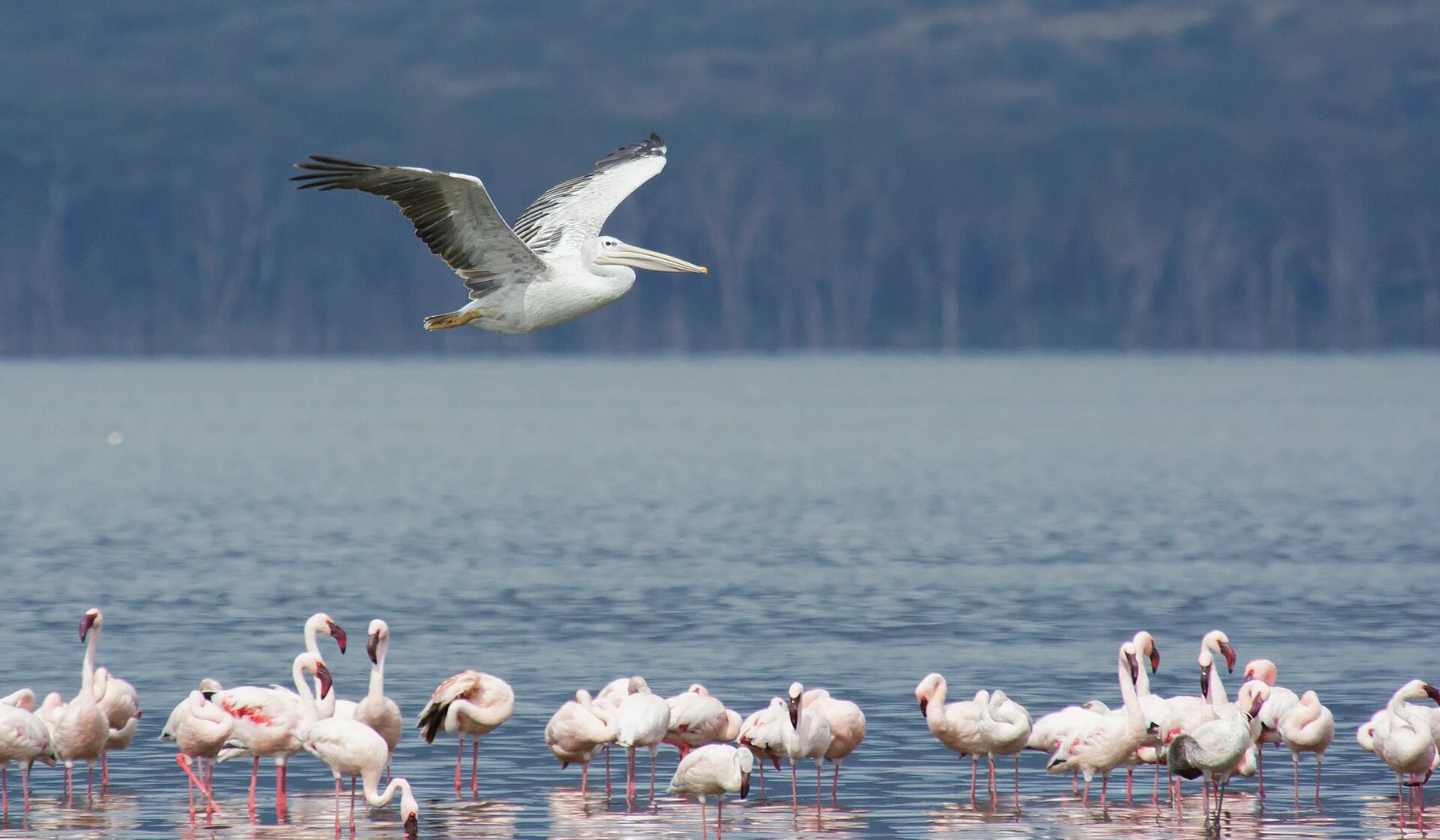
Flamingo numbers at Lake Nakuru change with water conditions and food availability. A ticket is not a guarantee of a pink shoreline.
| Expectation | Better framing |
|---|---|
| Huge flock guaranteed | Flamingos may be present in varying numbers |
| Park is only for birds | Rhino, giraffe, buffalo, forest and scenery also matter |
| No mass flock means poor value | Judge the complete ecosystem and sightings |
| Historic photographs predict today | Seek current reports before travel |
The Lake Nakuru flamingos guide explains why concentrations move and how to plan without false promises.
Rhino-focused value
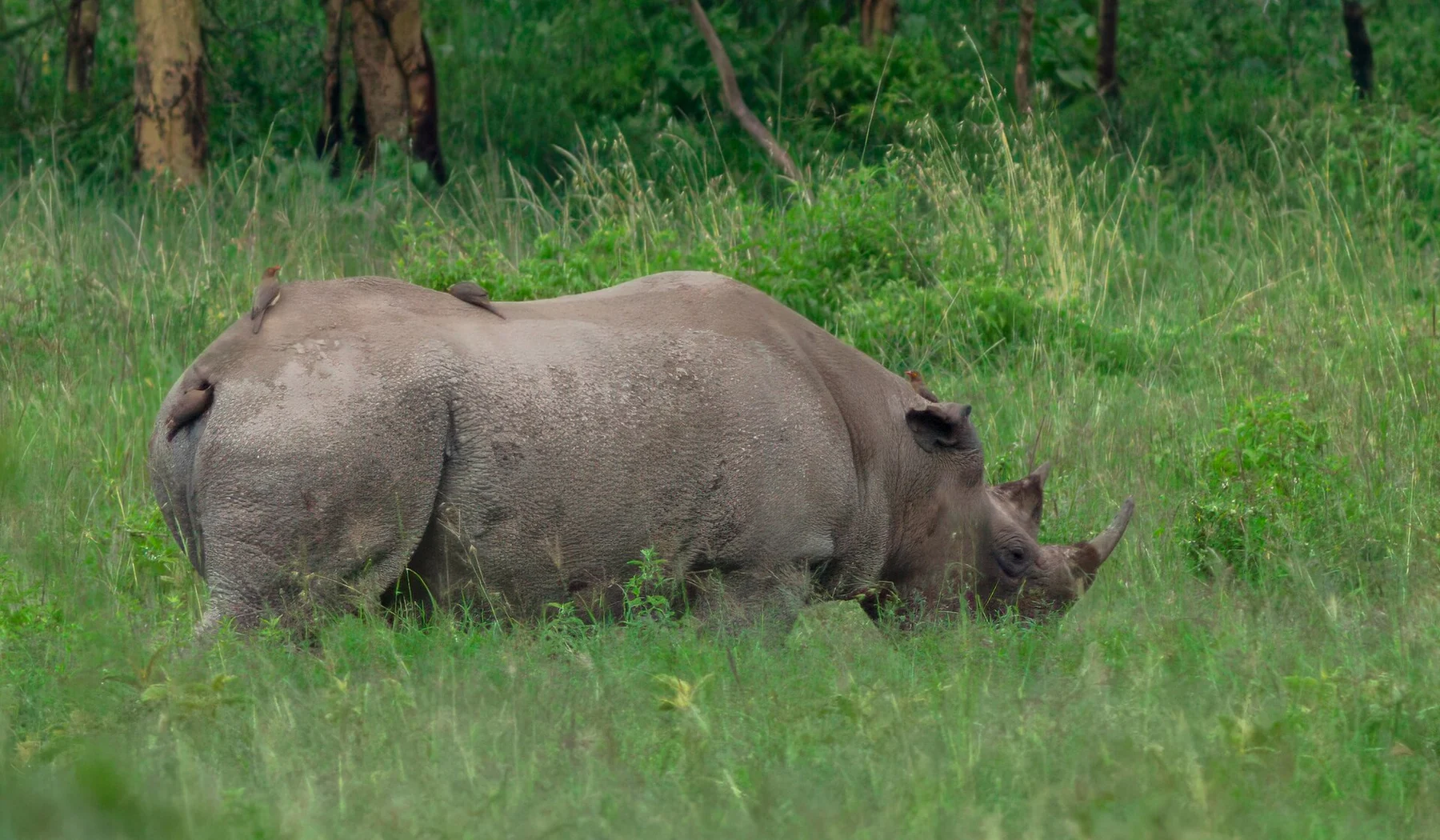
Lake Nakuru became Kenya's first government-managed rhino sanctuary in 1987, according to KWS. It remains a strong destination for travellers prioritising black and white rhinos, but sightings are never guaranteed.
| Rhino priority | Planning choice |
|---|---|
| First safari rhino goal | Allow enough game-drive time |
| Photography | Private vehicle and patient guide add value |
| Family learning | Ask the guide to explain species differences |
| Short stopover | Keep expectations realistic |
| Already visiting Ol Pejeta | Compare route efficiency and wider wildlife |
One traveller wrote, “We saw so many rhinos in Nakuru!”. The Lake Nakuru rhino safari guide will help turn that hope into a sensible route without offering a guarantee.
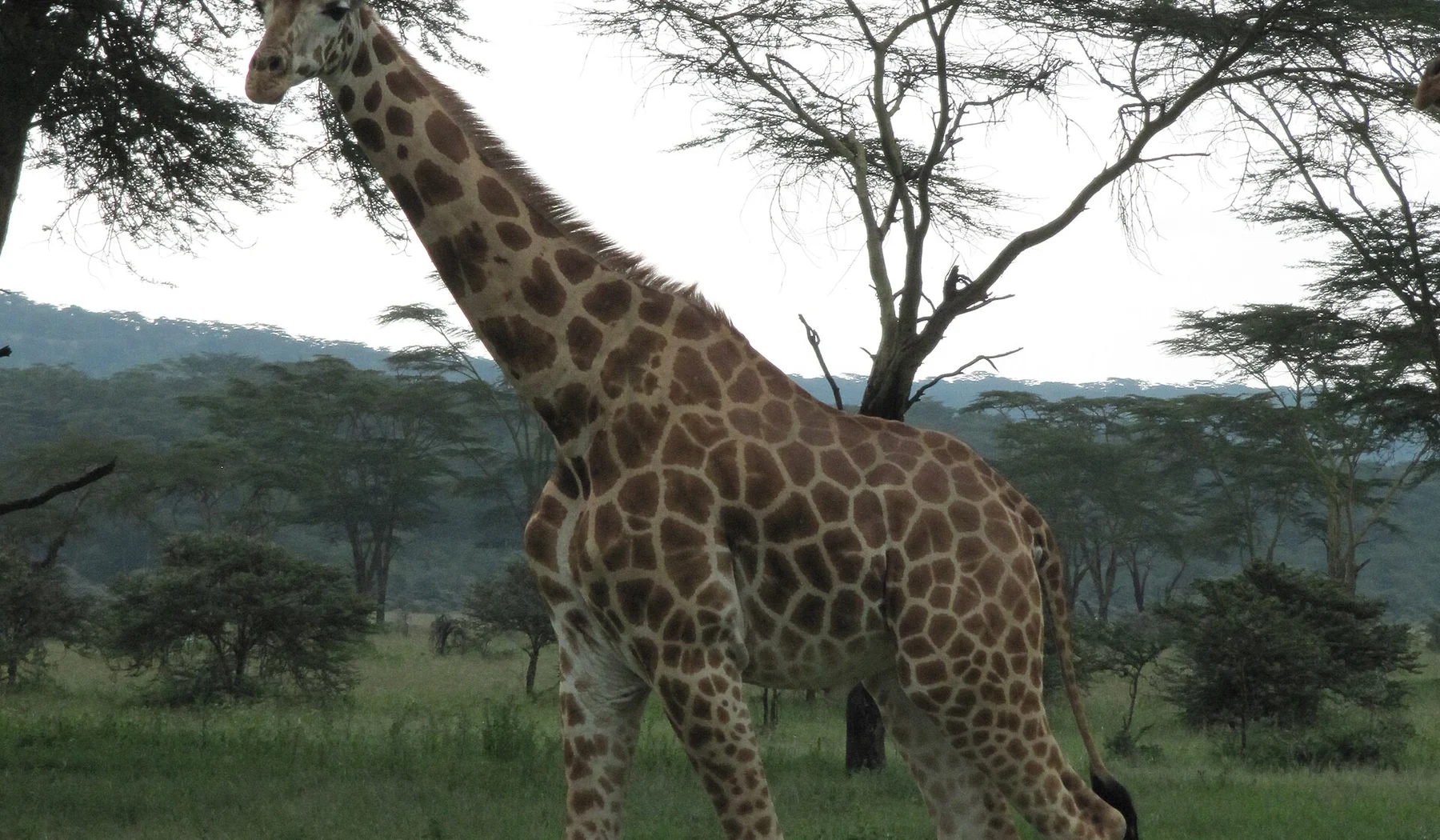
Wildlife value beyond rhinos
The park can also hold buffalo, Rothschild's giraffe, waterbuck, zebra, baboons, lions and rich birdlife. The mix is part of why a compact park can justify a full day.
| Habitat | What it adds |
|---|---|
| Lakeshore | Waterbirds, open views and changing water edge |
| Woodland | Shade, primates, giraffe and browsing species |
| Grassland | Grazers and broad visibility |
| Rocky viewpoints | Landscape scale and photography |
| Waterfall area | Scenic contrast where access permits |
A visitor called Lake Nakuru “one of the best stops of my trip”. That reaction came from the whole park, not one promised species.
How much time gives the fee value
Paying the same conservation fee for a rushed ninety minutes and a well-paced game drive does not create the same experience.
| Time available | Likely result |
|---|---|
| Under 2 hours | A narrow route with little recovery from delays |
| Half day | One focused game-drive window |
| Full day | More habitats, patience and a proper break |
| Overnight | Evening and morning options with less road pressure |
One reviewer wished for more time and said “the drive was totally worth it”. Time inside is part of the value calculation.
Lake Nakuru versus Lake Naivasha cost
Lake Nakuru is a KWS national-park game drive. Lake Naivasha commonly combines privately priced boating, walking and hotel activities. Compare the complete experience, not one entry number.
| Cost line | Lake Nakuru | Lake Naivasha |
|---|---|---|
| Main access | KWS conservation fee | Activity or property-specific fees |
| Core transport | Safari vehicle | Road transfer plus boat or walking transport |
| Main wildlife style | Vehicle game drive | Boat, shore and walking experiences |
| Vehicle fee | KWS capacity charge | Depends on activity and property |
| Quote risk | Park ticket omitted | Boat, island or guide omitted |
Use the Lake Nakuru versus Lake Naivasha guide and Lake Naivasha guide to compare the experiences.
Lake Nakuru on a Mara route
Lake Nakuru can break the journey between Nairobi or Naivasha and the Maasai Mara, but it is not a roadside photograph. The value rises when the route gives the park a real game-drive window.
| Route shape | Cost consequence |
|---|---|
| Nairobi to Nakuru, overnight, then Mara | Adds room, gains game-drive time |
| Nairobi to Nakuru to Mara in one day | Too much driving for meaningful park use |
| Naivasha to Nakuru, then overnight | Efficient Rift Valley combination |
| Mara to Nakuru, then Nairobi | Useful final wildlife stop with road time |
Ask when the vehicle enters and leaves each park, not merely where the night is booked.
Package price versus itemised price
A package can be convenient and still transparent. You do not need the operator's private supplier contracts, but you do need to know what you are buying.
| Package line | Must say |
|---|---|
| Conservation fees | Included for which categories and days |
| Vehicle | Type, private or shared and service window |
| Guide | Included language and role |
| Accommodation | Exact property, room and board |
| Meals | Included and excluded |
| Water | Quantity or availability |
| Transfers | Start, end and intermediate points |
| Optional activities | Separate price and conditions |
| Taxes | Included or added |
The Lake Nakuru safari packages page will organise itineraries by time and traveller type.
Currency and exchange-rate questions
Official rates use both Kenyan shillings and US dollars according to category. A quote may convert them into one billing currency.
| Ask | Good answer contains |
|---|---|
| Which exchange rate is used? | Source or fixed quote rate |
| When is it locked? | Deposit date or final-payment date |
| Can park fees change? | Clear adjustment policy |
| Who bears card charges? | Exact percentage or statement |
| What currency is due at the gate? | Current KWS payment instruction |
Keep the official-rate calculation visible beneath any conversion.
Deposits and cancellation terms
The cheapest cancellation rule can become the highest cost when plans change. Park fees, rooms and vehicle services may have different refund conditions.
| Term | Confirm |
|---|---|
| Deposit | Amount and due date |
| Balance | Currency and deadline |
| Park fees | When purchased and whether refundable |
| Room cancellation | Penalty dates |
| Vehicle cancellation | Separate or bundled |
| No-show | Full loss or partial charge |
| Date change | Reprice or transfer terms |
Ask for terms before payment, not after a disruption.
Solo-traveller cost
A solo traveller pays one conservation fee but may carry the whole private vehicle and room supplement. Sharing can reduce those two blocks.
| Solo strategy | Trade-off |
|---|---|
| Join a scheduled departure | Lower vehicle share, fixed timing |
| Private day trip | Full control, higher per-person vehicle cost |
| Stay in Nakuru and hire locally | Less Nairobi transfer cost, more coordination |
| Add to a longer safari | Vehicle already serves the wider route |
| Choose a single room | Possible supplement compared with sharing |
Compare total experience and safety, not only the per-person headline.
Couple cost
Two travellers share one room and vehicle, which often makes a private safari more reasonable than it is for one person.
| Couple choice | Cost effect |
|---|---|
| Private vehicle | Vehicle cost divided by two |
| Double room | Usually avoids single supplement |
| One-night stop | Adds room but improves park time |
| Special meal | Confirm whether it replaces an included meal |
| Photography priorities | Private pace may justify extra cost |
For a celebration, price privacy, room and dining separately so romance does not become a vague surcharge.
Family cost
Children may receive lower conservation rates, but a family can need a larger vehicle, family room and slower schedule.
| Family line | Check |
|---|---|
| Child conservation rate | Age and category proof |
| Room sharing | Maximum occupancy and bed type |
| Child meal | Included or discounted |
| Car seat | Availability and installation |
| Vehicle space | Luggage, roof view and seat belts |
| Shorter game drive | Private flexibility |
Do not save on the room by accepting an unsafe occupancy arrangement.
Group cost
Groups can spread vehicle and guide costs, but larger vehicles have higher park charges and sightlines can worsen.
| Group decision | Cost and quality effect |
|---|---|
| One large vehicle | Lower coordination, fewer prime viewing positions |
| Two safari vehicles | Higher cost, better visibility and route flexibility |
| Tour leader | May need a room and seat |
| Mixed categories | More complex fee calculation |
| Separate interests | Two vehicles may prevent compromise |
Price per usable window position, not simply per seat.
Tipping belongs in the personal budget
Tips are not park entry fees. They should remain discretionary and linked to service, but travellers often prefer to budget cash before arrival.
| Person | Budget question |
|---|---|
| Driver-guide | Is gratuity included? Usually not |
| Lodge staff | Is there a shared tip box? |
| Specialist guide | Separate service or same guide? |
| Porter | Is help optional? |
The Kenya safari tipping guide gives practical approaches without turning a tip into a hidden compulsory fee.
Packing affects small costs and comfort
Water, sunscreen, warm layers, binoculars, camera protection and personal medication are easy to forget on a day trip.
| Bring | Cost avoided or value gained |
|---|---|
| Refillable water bottle | Avoids emergency purchases and waste |
| Layers | Comfortable early starts and rain changes |
| Binoculars | Better viewing without chasing animals |
| Charged battery | Avoids missing the experience |
| Dust protection | Protects eyes and equipment |
| Snacks where permitted | Helps families between meals |
See the Kenya safari packing guide for a complete list.
Common pricing mistakes
| Mistake | Correction |
|---|---|
| Comparing a ticket with a full tour | Compare identical inclusions |
| Using resident rate without a permit | Use documented status |
| Forgetting vehicle entry | Add capacity-band charge |
| Treating a late arrival as a full game drive | Count actual park hours |
| Assuming all meals are included | Read the board basis |
| Expecting mass flamingos | Value the wider park |
| Converting currencies silently | Show rate and date of conversion |
| Ignoring cancellation terms | Price the risk too |
Good budgeting is not about making the safari cheap. It is about knowing what each shilling or dollar buys.
Is Lake Nakuru worth the fee?
It is strongest for travellers who value rhinos, Rothschild's giraffe, birdlife, a compact variety of habitats and a logical Rift Valley route. It is weaker when squeezed into a rushed transfer or sold solely on historic mass-flamingo imagery.
| Worth it when | Reconsider when |
|---|---|
| Rhino viewing is a priority | You have less than a meaningful game-drive window |
| It fits between Naivasha and the Mara | The detour creates an exhausting transfer |
| You enjoy birds and landscapes | You demand one guaranteed species |
| You can start early or stay nearby | You arrive near closing |
| Your guide can use varied habitats | The quote includes only a fast circuit |
One traveller found the “Park entry fees were reasonable and justified”, while another said Lake Nakuru game drives were “much more superior” than a different stop. Those are personal judgements, but they show why the park should be evaluated as a complete safari.
Send a quote-ready brief
| Include | Detail |
|---|---|
| Date | Exact entry date and backup plan |
| Travellers | Adults, child ages and status category |
| Documents | Citizenship or residency evidence |
| Start and finish | Nairobi, Nakuru, Naivasha, Mara or another point |
| Vehicle | Van or 4×4, private or shared |
| Duration | Half day, full day or overnight |
| Accommodation | Inside or outside, room and board basis |
| Interests | Rhinos, birds, photography or family pace |
| Meals | Packed, lodge or excluded |
| Accessibility | Seating, step and rest needs |
Ask for park fees and vehicle-entry fees as visible lines even when they are included in the total.
Frequently asked questions
How much is Lake Nakuru entry for a non-resident adult?
The official conservation fee is USD 90 for a non-resident adult. Vehicle, transport, guide, food and accommodation are separate unless a package explicitly includes them.
How much is the non-resident child fee?
The official child or student rate is USD 45 for the non-resident category, subject to eligibility and identification requirements.
What is the East African citizen adult fee?
The official rate is KSh 1,500 per adult.
What is the Kenya resident adult fee?
The official rate is KSh 2,025 per adult with valid resident documentation.
Is the safari vehicle included in the entry fee?
No. KWS charges the vehicle by seating capacity, while hiring the safari vehicle, fuel and driver is a separate commercial service.
Do children aged five or younger pay?
The regulations exempt children aged five years and younger from conservation fees. Carry proof of age.
Does the ticket last 24 hours?
The regulations define a daily fee as valid for an access period not exceeding 24 hours. Confirm re-entry and overnight handling for the exact itinerary.
Are flamingos guaranteed?
No. Numbers move with ecological conditions. Plan Lake Nakuru for the broader wildlife and landscape rather than one promised flock.
Is a Nairobi day trip cheaper than staying overnight?
It avoids a room but includes a long transfer and can reduce park time. Compare the total price and useful game-drive hours.
Can park fees change after booking?
Government fees can change. The quote should state how any official increase or decrease is handled before travel.
Plan the complete cost, not only the ticket
The best use of this Lake Nakuru entry fees and safari cost guide is to turn your own trip into visible lines. Share the date, documented visitor categories, group size, route, vehicle, preferred park time and accommodation level. We will build a quote that shows what is included, what is optional and what is paid directly.
Plan your Lake Nakuru safari
Share your date, adults, child ages, citizenship or residency categories, route, vehicle, duration, room level, meals and wildlife priorities.