
What Happens on a Typical Safari Day in Kenya?
The alarm may come before the sun. Lunch might be under a tree or back at camp. Here is the rhythm you can expect, and why an arrival, a full-day drive and a conservancy stay feel different.
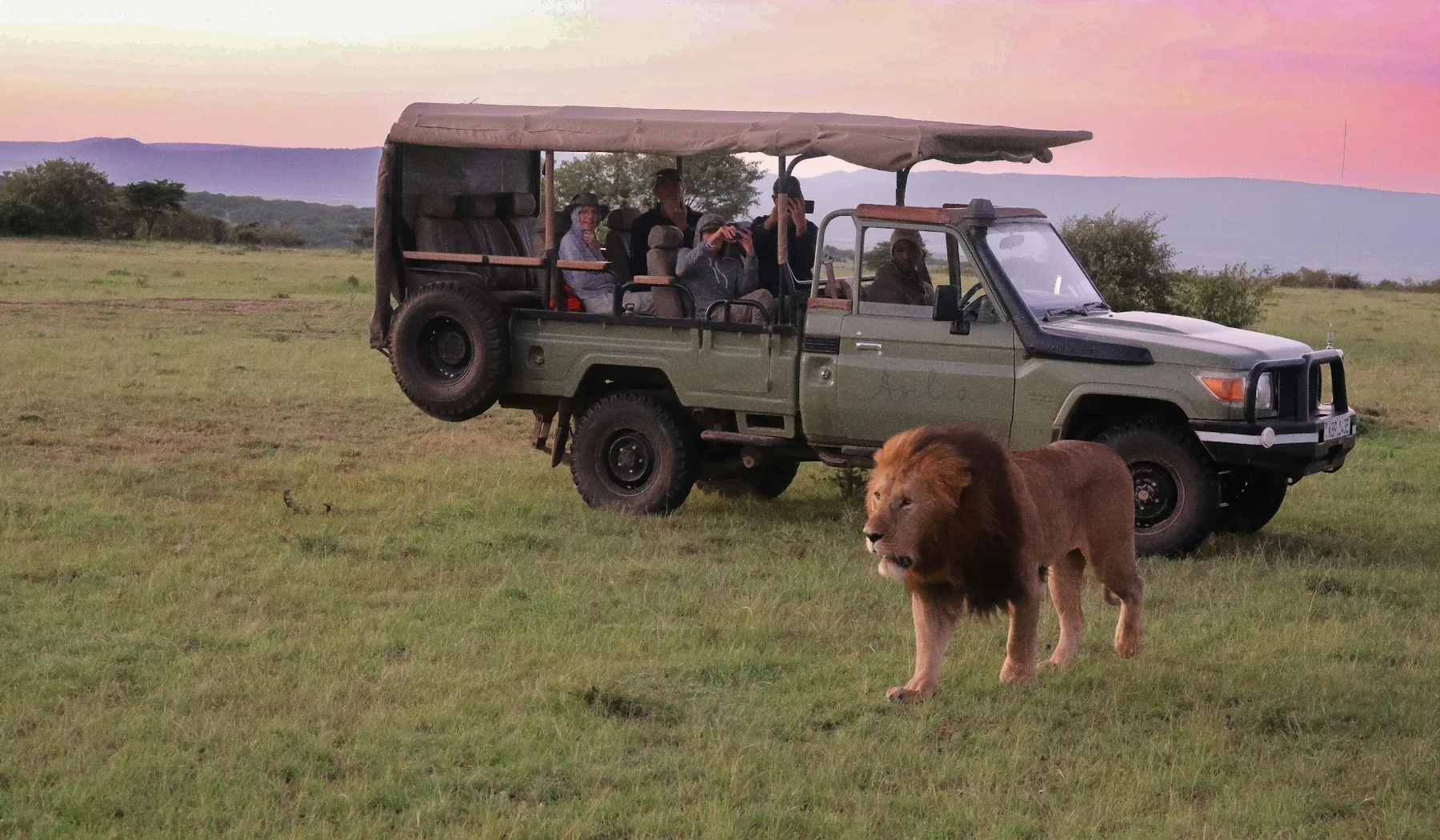
At 5:45 a.m. you may be holding a mug of tea while the camp is still dark. Half an hour later, the vehicle is moving through grass that has not warmed. By lunchtime, you might be back at camp with a book and a view of the river, or still out with a packed picnic because the guide found something worth following. That flexibility is part of a safari, not a sign that the plan went wrong.
Most descriptions of a “typical day” give a neat sequence: dawn drive, breakfast, rest, afternoon drive, dinner. It is a useful starting sketch, but it leaves out the things travellers actually need to know. Where is breakfast? How long are you in the vehicle? What happens when you change camps? Can you take a nap instead of a second drive? Can a Mara reserve vehicle stay out after dark? The answers vary with the land, accommodation, travel style and whether the vehicle is shared. This guide is about the whole day. Our Masai Mara game-drive guide goes deeper into full-day versus split drives in that particular reserve.
The day has a rhythm, not a universal timetable
Wildlife viewing is usually strongest in the cooler parts of the day, so early and late outings are common. A camp near the animals can leave directly after a light snack. A lodge outside a park may have a gate drive before the wildlife drive begins. Some camps offer a picnic breakfast to stay out longer; others serve breakfast after guests return. A longer drive may replace both the morning and afternoon outings. A fly-in transfer day can include only one short drive, depending on the flight.
Do not read the example hours below as a promise from every property. They are a realistic way to picture a camp stay with two outings. The sun, weather, season, park access, distance from camp and the people in your vehicle will shape the actual clock. Governors’ Camp, for example, describes a packed breakfast at first light, a breakfast assembled for the vehicle or an early meal before a later departure around 7 a.m. Those are three genuinely different mornings within one camp operation.
| Illustrative camp day | What might happen | What can change it |
|---|---|---|
| Before sunrise | Wake, wash, tea or coffee, small snack, warm layer | Seasonal sunrise time and camp departure point |
| Early morning | Game drive, bird calls, tracks, active grazers and predators | Sightings, terrain, reserve gate or a bush breakfast |
| Late morning | Breakfast at camp or in the field, then perhaps a second loop | Distance from camp and chosen drive length |
| Midday | Lunch, rest, shower, charging or watching the camp surroundings | Full-day drive, transfer, scheduled conservation activity |
| Late afternoon | Tea and another drive as heat softens | Rain, shared vehicle timing, park closing rule |
| After sunset | Return, wash, dinner, stories and an early night | A permitted conservancy night drive or a special activity |
A camp-based day from the first cup to lights out
You wake to sounds before you see much: a bird, a zip, staff preparing the vehicle. Some camps offer a wake-up call or bring tea to the tent; others expect guests at a common departure point. You dress in layers because the first hour in an open vehicle can feel cold, even when the afternoon will be hot. A heavy breakfast before departure is not universal. You may take a biscuit and coffee, then eat a full meal after the drive or carry it into the field.
The guide checks who is aboard and what the group hopes to see. In a shared vehicle, the morning has several sets of interests. Some guests want cats; another has binoculars ready for birds; one child hopes for elephants. A good guide works with what the bush offers, not a guaranteed list. A sighting can keep everyone still for twenty minutes, then the next half hour is tracks, plants and open country. That quieter interval is not wasted. It is how you begin to notice the place rather than only its most photographed residents.
When you return, you may have time for breakfast, a shower and a slow look around camp. Lunch can be a proper table meal, a picnic or a packed box. Then the hot middle of the day belongs to rest for many guests. A nap is not a failure to make the most of an expensive trip. It is what makes another sunrise enjoyable tomorrow. Some people read, use a pool, edit photographs or simply watch birds and antelope from a veranda. Others plan a guided walk or a conservation visit if the area permits it. The camp facilities guide explains showers, laundry and charging, rather than leaving the practical side mysterious.
Tea or a small snack may precede the afternoon vehicle. The light becomes gentle again. If you are in a national park or reserve, the guide works around its access times and exit requirements. A private conservancy can have different rules and may offer a sundowner and a permitted night drive. Do not assume every sunset drink or spotlight drive is included, and do not ask a driver to remain in a protected area beyond permitted hours. Back at camp, dinner is usually unhurried. Staff may escort you between tent and dining area after dark where wildlife moves through an unfenced property. Tomorrow’s plan is often discussed over the meal.
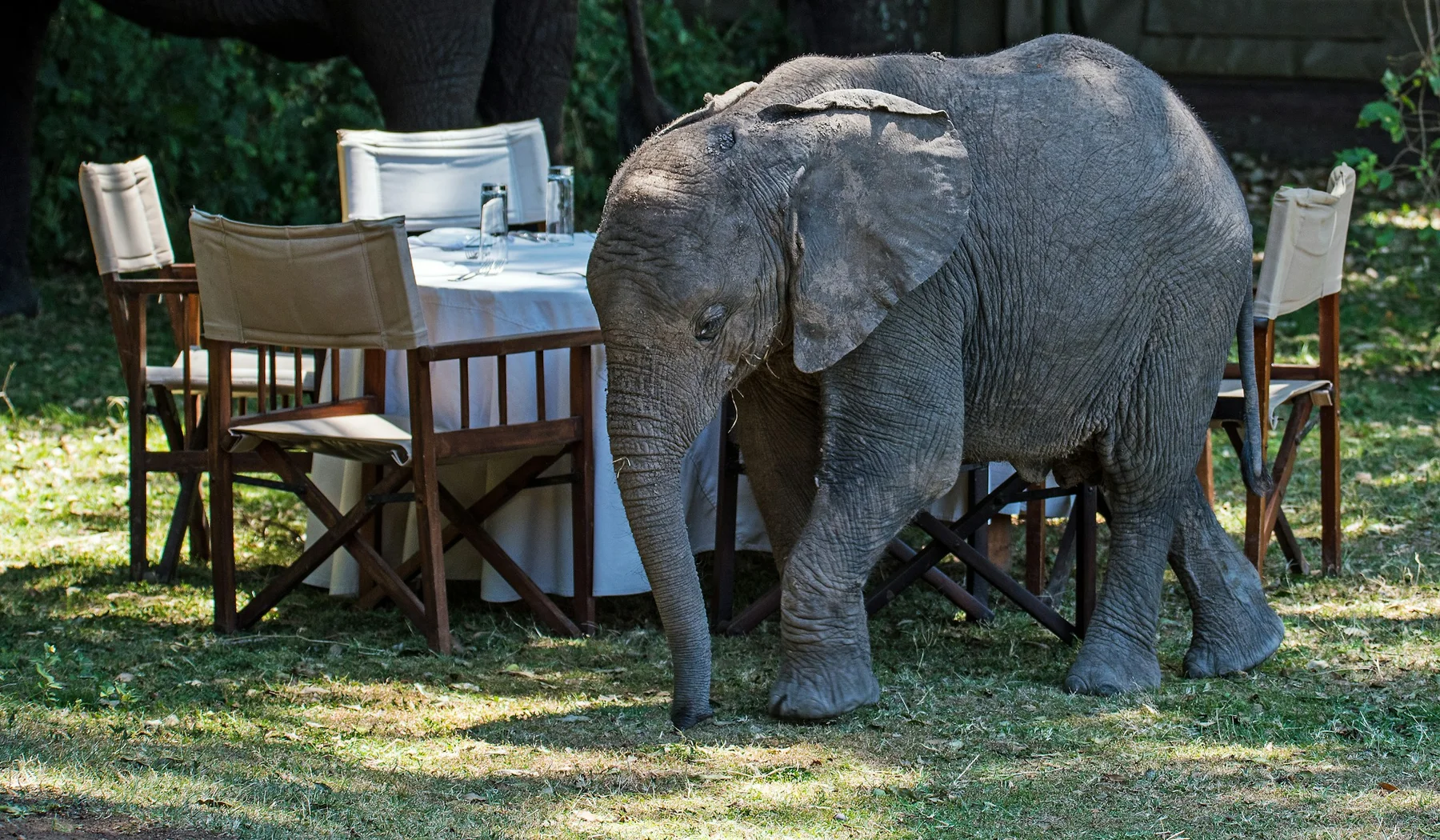
Breakfast changes the length and feel of a morning drive
There are three common patterns. The first is a light pre-drive snack, several hours in the vehicle and a full breakfast on return. It works beautifully when good habitat is close to camp and nobody minds eating late. The second is a packed or prepared breakfast in a suitable field location, giving the guide room to stay in a distant sector. The third is breakfast at camp before a later start, which may suit children, a slow morning or a guest who does not want to leave in darkness.
None is automatically superior. A field breakfast can protect wildlife time but may mean a longer wait for a toilet. A late start can be restful but may miss the most active hour for some species. A camp close to the action may not need to be out all morning to produce a memorable drive. What matters is where you sleep relative to the wildlife area, whether the vehicle is yours or shared, and what you personally value. Our where to stay on a Kenya safari guide helps with that geography.
At a sighting, the guide should manage vehicle position, distance and other vehicles with the animal’s welfare in mind. The schedule can bend within the rules. A leopard might remain still for an hour and then move; an elephant family may arrive just as everyone thought about breakfast. The answer is not always to stay forever. Hunger, heat, fatigue and other guests matter too. The best mornings make room for both patience and an eventual return.
The hours between drives are part of the holiday
Midday sometimes gets described as dead time because many large animals seek shade. That is too simple. Birds are still active, elephants may arrive at a water source, and the camp itself can be a good place to watch quietly. The body also needs a pause after an early alarm and several hours of bouncing over tracks. A lunch, a shower and an hour of sleep can turn an exhausting itinerary into one you can enjoy over five nights.
If you have a full-day reserve drive, midday is different. A picnic lunch, toilet stop and shaded break need to be planned while you remain away from camp. A traveller with medicine, a dietary requirement or a child cannot rely on a vague promise to “find somewhere.” Tell the guide in the morning what you need and carry essentials in the vehicle. Our food and drinking-water guide explains meals and dietary arrangements.
A park-to-park transfer can also swallow midday. A route that lists two parks in one day may involve checkout, a road or airstrip transfer, a lunch stop, check-in and only a short late outing. That is not the same as a full camp day. The road-times guide and airstrip guide help show where the hours go. Watch for one-night stays that repeat this pattern and leave almost no time in either destination.
The second drive is not a repeat of the first
After tea, the air begins to cool. The road you crossed at sunrise can now look entirely different, with warmer colours and animals moving out of shade. Some camps choose a shorter nearby loop; others travel farther. If you are sharing a vehicle, the departure is likely coordinated with other guests. With a private guide, you may have more freedom to leave earlier or later within the area’s rules. A thunderstorm can change the plan quickly, both for visibility and whether a black-cotton-soil track is safe.
In some conservancies, a sundowner stop can ease the transition into evening, followed by a guided night drive with an appropriate spotlight. Porini’s published Kenya itinerary shows how a Selenkay or Mara conservancy stay can include that pattern. Ol Pejeta lists separately timed night-drive experiences. These are examples of permitted, arranged activities, not a blanket licence to drive after dark anywhere in Kenya. Check whether the actual camp, land unit and quoted package include the activity, and whether children can join.
If the day ends at a reserve boundary, the guide will return in time for the rule that applies there. Either way, wildlife is not obliged to perform at golden hour. Some evenings are all landscape and birds. Others deliver the moment you will talk about for years. It is wise to leave enough energy for both possibilities.

Three days that cannot fit the same template
A Mara reserve camp day. If your accommodation is inside or close to the reserve, an early drive, breakfast arrangement, rest and late drive may all fit comfortably. A full-day drive can make sense when a particular sector is far away, but it should have a reason beyond sounding like more value. Our full-day versus split-drive comparison examines the trade-off. A camp outside the reserve has different gate and transfer arithmetic from one inside.
A private conservancy day. A camp in Naboisho, Olare Motorogi, Mara North or another conservancy may offer a guided walk, a camp-shared vehicle, a sunset stop and a night drive where its rules permit. Those activities can make the day feel more varied than two long drives. They are not all included at every property. If you want to visit the adjoining national reserve as well, ask how much road travel and which fees that day adds. Our park, reserve and conservancy guide explains why the land unit matters.
A moving day. Leaving Amboseli for the Mara, or Samburu for Ol Pejeta, is a travel day even if your brochure calls it a safari day. Breakfast may be early, checkout follows, and lunch can be on the road or after a flight. The reward may be a first short drive in the new area. But if you repeat moving days too often, you are buying check-ins rather than wildlife time. A family, older traveller or photographer might benefit more from extra nights in fewer places. See our senior safari guide and safari with kids guide for pacing choices.
| Day type | Morning | Midday | Evening | Easy mistake |
|---|---|---|---|---|
| Camp-based split drives | Early drive and breakfast | Lunch and rest at camp | Second drive, dinner | Assuming every outing is private or equally long |
| Full-day wildlife drive | Leave with packed food | Stay in habitat with picnic and toilet plan | Return according to area rules | Forgetting heat, fatigue or a return option |
| Conservancy activity day | Drive or guided walk | Camp break or scheduled visit | Drive, perhaps permitted night activity | Assuming the activities are available at all camps |
| Transfer day | Checkout and road or flight | Travel, meals, check-in | Possible short drive | Counting it as a full wildlife day |
A balloon morning is a fourth exception. Pickup is much earlier than most game drives, and the post-flight breakfast can run into the late morning. Some people still take a later drive; others rest. Whether it is worth the cost and lost normal drive time depends on your priorities. Our balloon safari guide looks at that decision in detail.
The days travellers remember are not all the longest
First-person accounts show how the timetable feels once you are there. They are experiences, not promises that another guest will meet the same wildlife or enjoy the same pace.
Breakfast was served in the bush each day by Jeremiah
This Kenya traveller valued the field meal because it let their group spend longer on the morning drive instead of heading back as soon as they were hungry.
We went out 6:30-12ish and 3:30-6:30
A guest describing their Il Moran Camp stay gives a much more useful picture than a brochure line saying “two game drives.” The same review notes the bumpy ride and how strongly the guide shaped their experience.
We didn’t want to miss a single game drive
Another traveller felt that excitement, then noticed it left less time for the camp’s other pleasures. It is a good reminder that choosing to rest is not wasting a day.
Even two guests in the same vehicle can experience the day differently. One remembers a rare bird, another the way the guide read tracks, and a third the relief of reaching camp before the afternoon heat. Build a rhythm your group can keep, rather than trying to extract maximum hours from every date.
How to make the pace suit you
A private vehicle can give more control over departure time, stopping and whether to cut a drive short, subject to park rules and guide judgement. A camp-shared vehicle can be sociable and less expensive, but you cannot reasonably ask everyone else to leave a sighting because your child needs a nap. A group road safari may have a published daily route and fixed meal stops. None is inherently better. The right choice depends on whether you value company, flexibility, a particular wildlife goal or rest. Our group safari page and vehicle guide help compare the feel of each.
For children, the day’s long quiet stretches can be harder than the early alarm. A shorter nearby drive, a pool break where available and a guide comfortable with children may matter more than covering more kilometres. For an older guest or someone with mobility needs, vehicle entry, toilet access and a slower departure can matter. A photographer might happily wait through a still hour for one bird to turn, while a first-timer may prefer a varied route. Tell the planner what a good day looks like to you before the itinerary is fixed.
Rest days are a legitimate part of a long safari. You could take one drive instead of two, walk with a qualified guide where permitted, or stay at camp and absorb the place. A camp overlooking a river or waterhole can make a rest afternoon feel rich. If you are paying for an included drive that you skip, you may not receive a refund; that is a booking detail, not a reason to force yourself into a vehicle when tired.
Small details that decide whether the day feels easy
Before the first outing, put a warm layer, sun hat, water, any essential medicine and binoculars where you can reach them. A closed shoe is usually easier in a vehicle and around camp paths than a loose sandal. Charge a phone and camera when the camp’s power is available. The Kenya packing guide gives a full clothing list, while the camera and binocular guide helps choose equipment without filling the whole bag.
Ask the guide about the toilet plan, especially on full-day drives. If the group includes someone who needs frequent access, say so privately beforehand. Tell the camp about allergies and dietary needs in advance rather than relying on an explanation at the picnic stop. Keep enough drinking water in the vehicle and return with rubbish. A child, solo guest or older traveller may have a different comfort limit from the rest of the group, and those differences can be planned for without making them the centre of everyone’s attention.
After dark, do not wander through an unfenced camp on your own when staff ask guests to use an escort. Listen to the guide’s wildlife-distance rules during the day. A game drive is not a zoo route where the next animal is guaranteed around the corner. The spacious, unpredictable intervals are part of the experience, provided the itinerary gives you enough time in each area to relax into them.
| Before accepting the itinerary | A useful detail to know | Why it changes your day |
|---|---|---|
| Camp location | Inside the wildlife area, in a conservancy, or outside a gate? | Determines travel to the first sighting and midday return |
| Included drives | How many, roughly when, and shared or private? | Reveals the level of flexibility |
| Breakfast and lunch | At camp, packed or served in the field? | Changes time away from a toilet and camp |
| Arrival and departure | Flight or road times, check-in and possible drive window | Prevents a travel day being mistaken for a full safari day |
| Night or walking activity | Permitted where, led by whom and included at what cost? | Avoids planning an activity that the property cannot offer |
| Rest and early return | Can anyone skip or shorten a drive? | Important for families, health and long trips |
The useful itinerary tells you how the day works, not just how many drives appear in a list. Two nights at a well-placed camp can be more rewarding than three nights separated by long checkouts, while a third night in one place gives you time for weather, rest and a different drive. That is the sort of detail we can design together.
Frequently asked questions
What time does a typical Kenya safari day begin?
Many camps start before or near sunrise with tea or coffee followed by a morning drive. The exact departure depends on season, location, camp policy and whether the day includes a transfer or flight.
Are there two game drives every day?
A morning and late-afternoon drive is common on a camp-based stay, but a full-day drive, arrival, departure, walking activity or transfer can replace that pattern. Check the actual itinerary.
How long is a game drive?
There is no single length. A camp morning drive may last a few hours, while a reserve visit from a distant camp or a full-day drive can take most of the daylight. Ask about departure, return and meals.
Do you eat breakfast before or after the morning drive?
Both are possible. Some camps serve a small snack before departure and a full breakfast back at camp. Others pack breakfast for a stop in the bush or serve an early breakfast before a later start.
What happens in the middle of the day?
Many guests eat lunch, rest, charge devices, use the pool where available or watch wildlife from camp. A transfer, conservation visit or full-day game drive can take that time instead.
Are night drives part of a normal safari day?
Only where permitted and included. A private conservancy may offer a guided night drive, while a national reserve or park can have different access rules. Confirm the exact land unit and activity.
Can I skip a drive if I am tired?
Usually you can choose to rest at camp, but discuss changes with the guide or camp. If a shared vehicle or activity has fixed timing, one guest may not be able to change everyone else’s schedule.
What should I carry in the vehicle each day?
Carry water, sun protection, a warm layer for morning or evening, any essential medicine, binoculars, camera or phone, and a small protected bag. The camp can advise on toilets, meals and luggage.
Do arrival and departure days include full game drives?
Not necessarily. Flight, road travel, check-in, meals and airstrip transfers use time. An arrival may allow one afternoon drive, while a departure may allow a short morning drive depending on the schedule.
Go deeper on the parts of the day
Tell us what a good day feels like
Share your dates, group, wildlife interests and preferred pace. We can build a Kenya route with sensible drive, meal and rest time.