
Toilets, Showers, Laundry and Electricity on Safari in Kenya
A tent can have a flushing toilet and round-the-clock power. A beautiful camp can use a bucket shower. Here is how to find out what your own stay will actually be like.
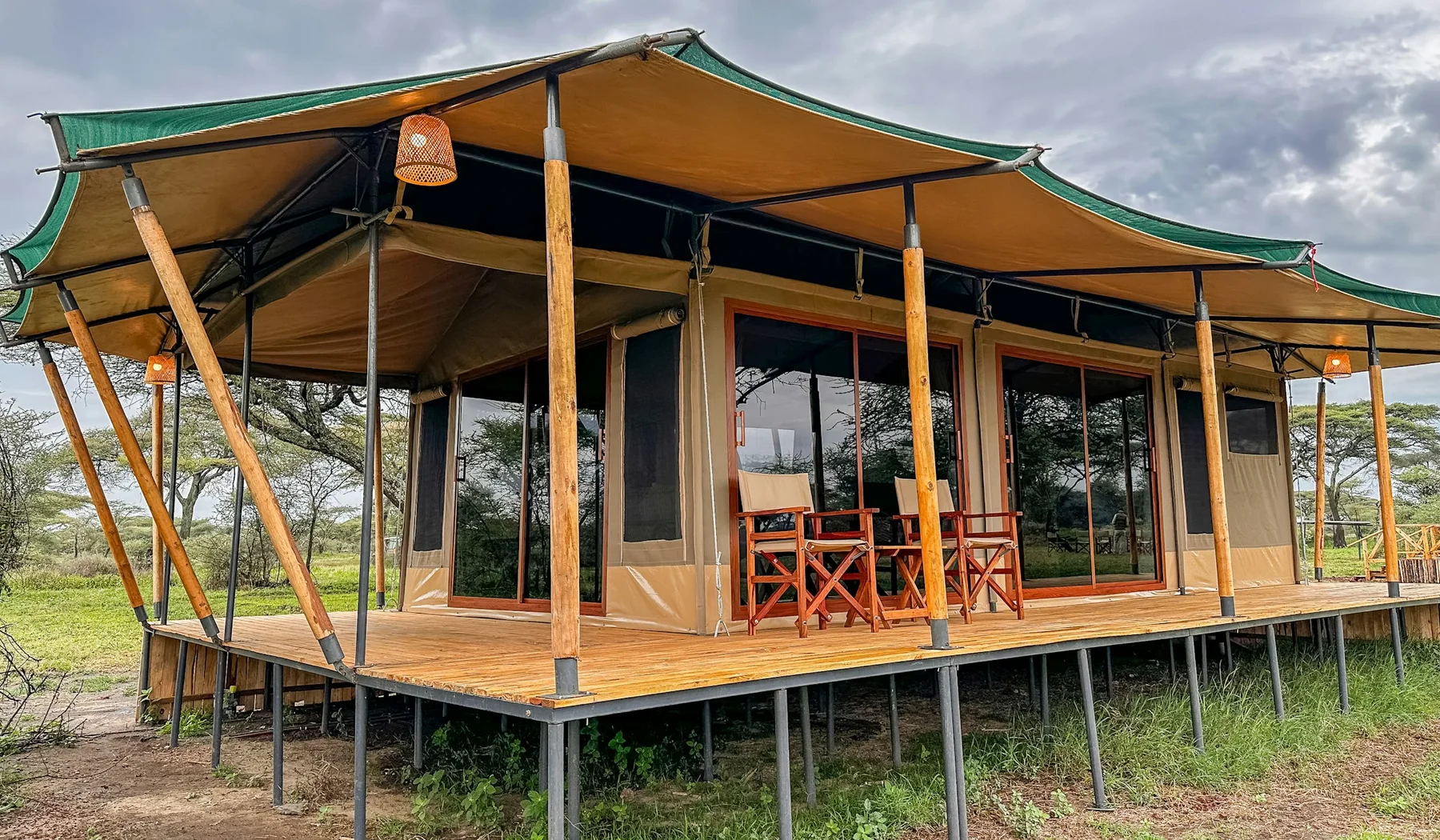
The wildlife is the exciting part. The question that keeps some first-time travellers awake is rather less glamorous: will there be a real toilet behind that canvas wall? Can you wash the dust out of your hair? Will the camera batteries charge overnight? Questions about toilets, showers, laundry and electricity on safari are sensible. The answers can change from one tent to the next, even within the same safari region.
A Kenya safari may mean a large hotel-style lodge, a permanent tented camp with an en-suite bathroom, a small low-impact camp with hot water brought to your shower, or a mobile camp that moves with the season. The words luxury and authentic do not specify plumbing. Nor does a high price guarantee that every socket is beside your bed. The useful approach is to look at the kind of accommodation, then verify the exact room and property facilities.
The short answer
Many established Kenyan lodges and permanent tented camps have private flushing toilets, hot showers, lighting and a way to charge devices. Some have all of that in your room at any hour. Others use a hot-water bucket shower, a central charging station or electricity at set times. Basic campsites and some mobile camps can have shared or long-drop toilets. Laundry is common at higher-end camps but the price, turnaround and what staff will wash vary. A game-drive vehicle rarely has a toilet, and a drive can last hours.
That is the broad picture, not a promise for every booking. Consider two real Mara properties: Kicheche Valley Camp lists en-suite flush toilets, hot and cold showers, in-tent charging, 24-hour solar power and laundry, with underwear excluded. Governors’ Camp lists solar power, electric lights and 220-volt UK plugs in tents, plus daily laundry included in its rate. A traveller at a different Mara camp described a stay that “felt lux despite the bucket showers.” All three are credible versions of safari comfort.
What a lodge, permanent tent and mobile camp usually mean
The accommodation name is a starting clue. A solid-walled lodge often feels closest to a hotel, but you should still check whether hot water and power are continuous. A permanent tented camp can have a wooden floor, proper bed, private bathroom and excellent service, with canvas instead of brick walls. A seasonal or mobile camp may be intentionally simpler, using a bucket shower and a private bush toilet. A public or budget campsite may have shared washrooms. None of those descriptions alone tells you whether a particular stay will be pleasant for you.
| Stay type | Bathroom to expect | Power and laundry | What to check |
|---|---|---|---|
| Large permanent lodge | Usually a private hotel-style bathroom | Often sockets in rooms and a laundry service, but hours and fees differ | Exact room category, hot-water hours, laundry price |
| Permanent luxury tented camp | Frequently en-suite; shower may be plumbed or bucket-fed | Solar or generator power may reach tents or a shared charging area | Flush or bush toilet, shower method, overnight power |
| Small eco camp or seasonal camp | Private arrangements vary from flush toilet to short-drop | Charging and washing may be carefully rationed | How much notice is needed for hot water, where devices charge |
| Mobile safari camp | Often a private toilet and shower tent, but specifications vary widely | Power and laundry can be limited | Ask for a photograph and written facilities list for this departure |
| Basic campsite | Shared block or portable facilities may be used | Bring a power bank and do not count on laundry | Site condition, privacy, lighting and accessibility |
“En-suite” means the bathroom is attached to your room or tent. It does not mean the shower runs from a municipal water main, and it does not tell you whether the toilet flushes. “Private bathroom” may describe a dedicated structure a few steps from a mobile tent. If privacy matters, ask if the bathroom is reached without stepping outdoors and whether its door or canvas can be closed and locked.
Toilets at camp: flush, short-drop and shared
At many permanent Mara and Laikipia camps, a flushing toilet is part of the en-suite bathroom. Kicheche Valley states this plainly on its accommodation page. A camp that uses water sparingly may instead have a short-drop or composting arrangement. Such toilets can be clean, private and sensibly maintained, but they are a different experience from pressing a handle. A budget campsite may share facilities between several tents. Ask the property to name the type rather than accepting “modern facilities.”
At night, the distance between your bed and the toilet matters more than it seems on a brochure. If the bathroom is inside the tent, you can usually reach it without leaving the room. If it is separate, ask about the path, lighting and escort practice. Wildlife can move through unfenced camp areas after dark. Follow the camp’s briefing and use its escort or call system instead of walking out alone. Your room key, a torch and a phone light are not a substitute for local guidance.
Toilet paper, soap and a handwashing point should be checked for a simple camp, especially on a family or mobile trip. In a developed camp these are usually straightforward, yet an explicit question can save a great deal of discomfort. If you use a particular hygiene product, bring enough for the whole safari rather than relying on a shop in a reserve. For an accessible bathroom, ask about the toilet height, grab rails, doorway width and any steps, not merely whether the property says “accessible.”
The different problem: toilet stops while you are out
A game drive can start before breakfast and continue for several hours. There may be a toilet at a gate, picnic site or visitor centre, but not conveniently where the lions are resting. Your guide may know a suitable stop or, where permitted and safe, arrange a private bush stop. Conditions, park rules and wildlife presence decide what is possible. Please do not leave a vehicle without the guide’s permission, even when the area looks empty. The Mara game-drive guide explains how a drive is structured; the same conversation about breaks is worthwhile anywhere in Kenya.
Tell the guide early if you need a break. Waiting until it is urgent narrows the safe choices, particularly near wildlife or on a narrow track. A family with young children, a pregnant traveller, or someone with a bladder or bowel condition may prefer a shorter drive or a route that passes a known facility. That can be planned without making the trip less adventurous. For a shared vehicle, ask how the group handles stops; a private vehicle gives more flexibility, though it still cannot create a toilet where none exists.
Carry a small personal kit with tissue, hand sanitiser, a sealable bag and any supplies you need. Pack used products out where appropriate and follow the guide’s instructions about disposal. Do not reduce drinking water in an attempt to avoid a stop. One first-time traveller’s honest account described the tension between a long drive and needing to go. It is a planning issue, not something to be embarrassed about.
Showers: a bucket can still mean hot water
“Bucket shower” sounds less comfortable than it often is. At a well-run bush camp, staff heat water and fill a raised container or bag connected to a shower head in your private wash area. You control the flow, but the amount of water is finite. Some camps fill it on request before you shower; others ask you to choose a time. The best question is not “Is there a shower?” but “Is it a plumbed shower or a bucket shower, is the water hot, and when can it be ready?”
At a plumbed camp you may still be off-grid. Solar water heaters, stored hot water or a heating system can mean the shower is hottest at particular times. Governors’ account of its Little Governors solar conversion describes a solar water heater behind each tent. Kicheche Valley explicitly says hot and cold showers, which is a different level of certainty than a generic listing that simply says “bathroom.” If you want a long hot shower after every drive, tell the planner before the property is chosen.
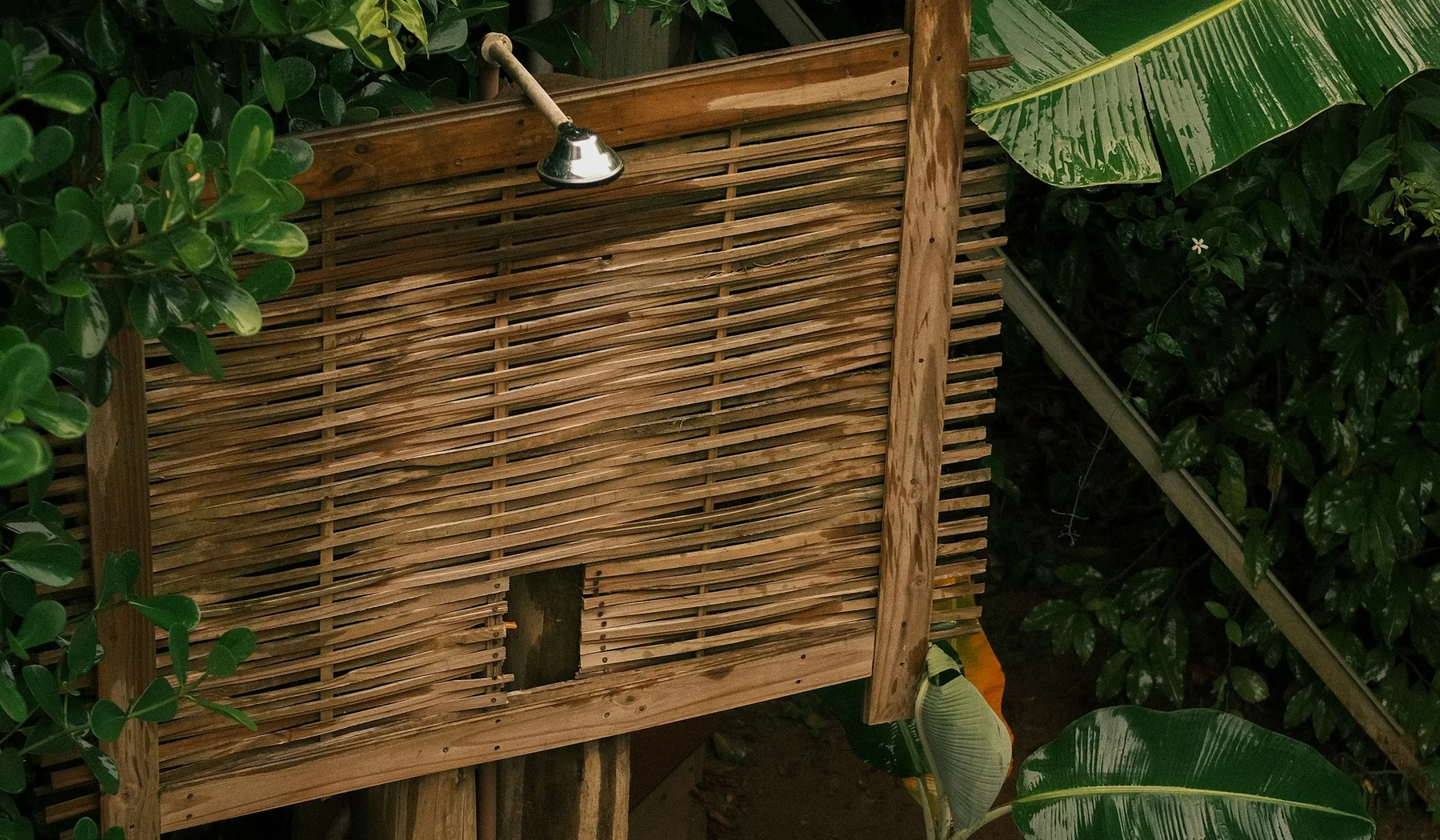
Water conservation is part of living well in a dry landscape. A quick rinse before breakfast and a fuller wash after the dusty afternoon drive may suit a camp’s rhythm. Never assume a bucket can be refilled instantly in the middle of the night. Ask staff what they prefer and they will tell you plainly. Most lodges provide towels and basic toiletries, but your particular hair or skin products might be worth packing in small containers. A hair dryer is a separate question because even a camp with sockets may restrict high-draw appliances.
Laundry: pack lighter, but know the exceptions
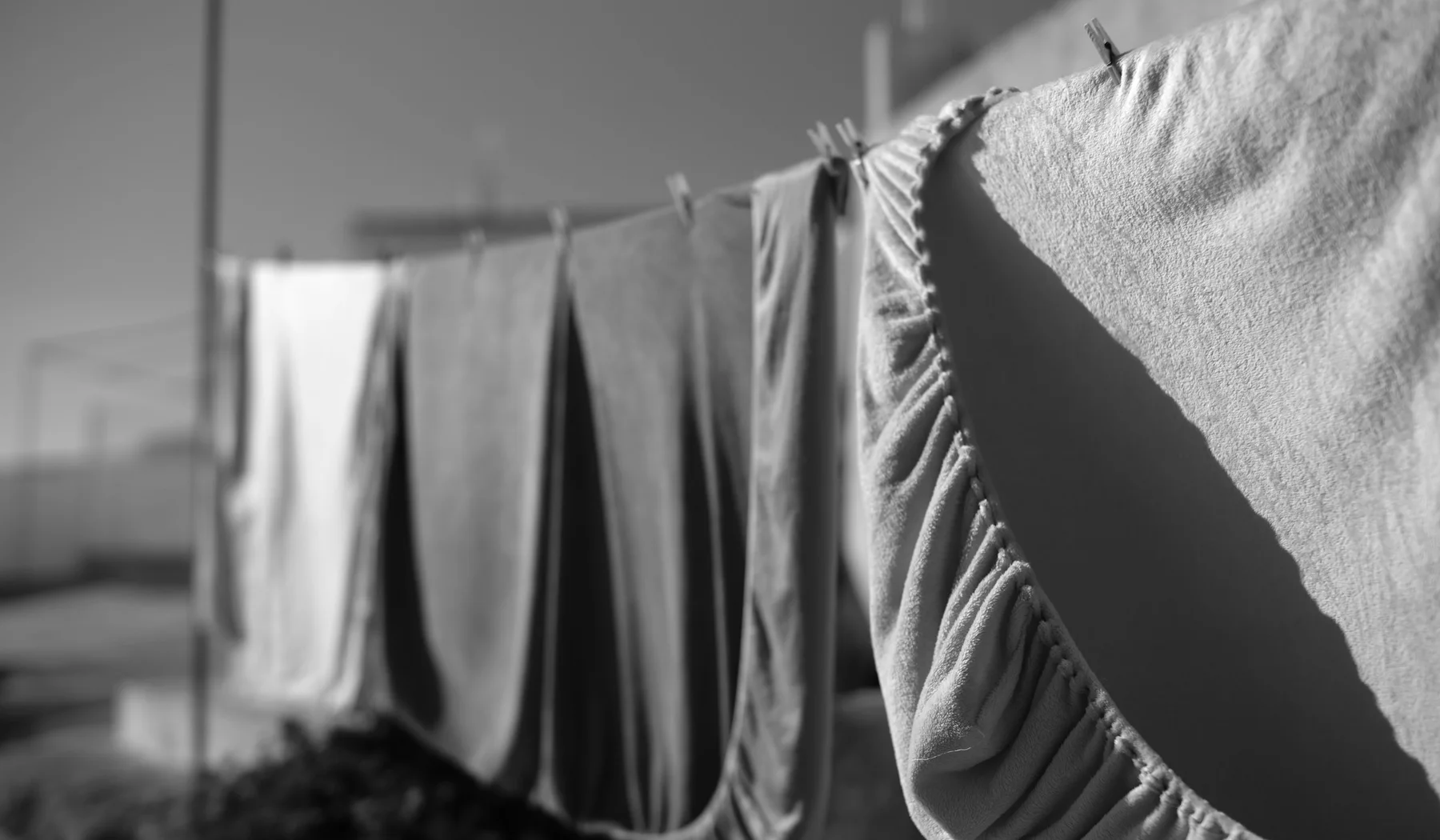
The luggage limit on a bush flight makes laundry genuinely useful. At some higher-end camps, staff wash and return clothing as part of the stay. Kicheche Valley lists complimentary laundry, and Governors’ Camp says it arranges laundry daily at no extra cost. Those are examples, not a universal rule. At another property there may be a charge per garment, a next-day turnaround, no laundry on a one-night stop, or a service that pauses during rain. Ask when garments must be handed in and when they come back before counting on one pair of trousers for two destinations.
Underwear is the item most often handled differently. Kicheche Valley’s own facilities list explicitly excludes it “in respect of local customs and culture.” Other camps have their own policies. Bring enough underwear for the full bush section or a little travel detergent to wash it privately. Do not assume staff will wash it because the brochure says laundry included. Swimwear, delicate fabrics and expensive camera straps may also be better washed by you. If you hand-wash in a tent, ask where it can dry discreetly and whether the property is comfortable with that.
Dust makes light colours look well travelled very quickly, but many guests wear the same outer layer for several drives. Quick-drying shirts, two or three pairs of practical trousers and a warm layer can go farther than a heavy suitcase of outfits. A traveller in a packing discussion said every Kenyan camp and lodge they had used offered laundry, while another still washed personal items themselves. Their experiences are helpful, but they do not replace checking the stops on your route. Our bush-flight baggage guide explains why this matters even more on a fly-in itinerary.
Electricity: where, when and for which devices?
“The camp has electricity” leaves three important questions open. Is there a socket in your tent or only in the lounge? Is power available through the night? Can you run a camera charger, a medical device or a laptop, or only charge a phone? Kicheche Valley lists charging points in tents, lounges and vehicles with 24-hour solar power. Governors’ Camp lists electric lights and 220-volt UK-style sockets in tents. These are reassuringly specific statements. A smaller seasonal camp might instead offer a staffed charging shelf in the common area for a few hours a day.
Kenya generally uses the three-pin Type G plug familiar from the United Kingdom. Bring the correct adapter for your own charger, and check that the charger supports the local voltage. A USB socket might remove the need for an adapter for your phone but not for a camera-battery charger. Pack a labelled power bank for travel days and keep spare camera batteries charged. If you are flying between camps, confirm the airline’s battery rules separately; the power bank that helps in camp still has to travel safely on the aircraft.
Hair dryers, straighteners, electric kettles and other high-wattage devices draw more power than phones. A camp may have a socket yet ask guests not to use those appliances. Kicheche Valley says a hair dryer is available on request, which is a better answer than packing your own and assuming it will work. If you use a CPAP machine, powered medical equipment or a refrigerated medicine device, share the exact electrical specifications before booking. Ask for written confirmation of overnight supply, backup arrangements and where the bed and socket sit. Do not rely on “there is solar” as a medical power plan.
Wi-Fi is a different service from electricity. Some camps have it throughout guest tents, some only in the main lounge and some not reliably at all. Mobile coverage also varies. Download travel documents, maps and any family contacts you may need before leaving Nairobi. If you must take a work call, choose the accommodation around that requirement rather than hoping the signal will follow you into a remote conservancy.
Three named examples show why generalisations fail
These properties illustrate different solutions, not an exhaustive ranking of Kenyan camps. Facilities can change with room category, maintenance and season, so check the property details that apply to your booking.
| Property and area | Bathroom and water | Power and laundry | Who may like it |
|---|---|---|---|
| Kicheche Valley, Naboisho | Private flush toilet and hot/cold shower listed for its tents | 24-hour solar, in-tent and lounge charging, complimentary laundry except underwear | Guests who want tented intimacy without uncertainty about basic conveniences |
| Governors’ Camp, Mara Reserve | Permanent tented accommodation; ask for the exact tent bathroom specification | Solar, lights and UK-style charging plugs in tents; daily laundry included | Guests who want a long-established river camp with named power and laundry facilities |
| Porini Lion Camp, Olare Motorogi | Its own camp description outlines private flush toilets and safari showers; a recent guest reported bucket showers | Ask the camp about current charging location, hours and laundry terms | Guests who enjoy a quieter bush-camp style and are happy with a water-conscious shower |
Notice that bucket shower does not tell you whether the toilet flushes. Porini’s official accommodation description and a guest’s experience show how two different facts can sit in the same tent. This is why a camp-by-camp comparison is more useful than a broad claim that all tented accommodation is basic or all luxury accommodation has the same fittings. The Mara guide can help you choose the wildlife area first, then match the camp’s comfort level to it.
When the small details are not small
A long walk to a toilet can change a trip for someone with limited mobility. A bucket shower can be delightful for one traveller and inaccessible for another. A child may need the bathroom quickly after a drive, while a photographer may need several charging points every night. Families should ask whether the bathroom is inside the family unit or attached to another tent, whether there is a step into the shower and whether a night escort is required between rooms. The point is not to rule out bush camps. It is to choose deliberately.
Menstrual supplies and incontinence products are personal items to bring in sufficient quantity. Ask the camp about disposal discreetly when you arrive. If you need a reliable private sink, a seat with grab rails, a shower chair or a medical power connection, give the property the practical specification rather than a broad label such as “special requirements.” A good itinerary can still include wonderful wildlife viewing, but it may favour a particular lodge and a shorter drive rhythm.
For anyone anxious about cleanliness, request recent photographs of the exact room category and bathroom, not only an attractive pool or dining deck. Ask whether the camp supplies soap, towels and safe drinking water in the room. Some remote camps use refillable dispensers rather than bottled water. That is often a positive environmental choice, but your arrival instructions should say what is provided. Our tailor-made safari page is useful when room facilities need to shape the route rather than sit at the bottom of a booking form.
What travellers actually noticed
These are short, direct excerpts from independent travel discussions. They describe individual experiences, not a guarantee about any other camp.
Our camp (Porini Lion) was clean, felt lux despite the bucket showers
This traveller did not find the shower style incompatible with a comfortable stay. Their account also mentions dust and long vehicle stretches, reminders that comfort includes the whole safari day.
Every camp and lodging I stayed at in Kenya offered laundry service.
That was one guest’s experience across their stops. In the same comment they say they washed their own personal items, exactly the distinction worth checking before packing.
we also had electricity in our rooms at every hotel/lodge we stayed at
For this first-time traveller, charging phones and cameras was easy. In the same trip report they were much less relaxed about bathroom breaks while out on long drives.
The stories are encouraging, but they also show why a broad yes-or-no answer is unsatisfying. The bathroom in your tent, the laundry policy and the hours of a game drive are separate parts of the experience. Give each one a sentence in your travel plan.
The facilities questions that belong in a booking conversation
| If you care about… | Ask this about the exact room and property |
|---|---|
| Toilet | Is it en-suite and flushing? If separate, how far from the bed and what is the night access? |
| Shower | Plumbed or bucket-fed? Hot water at any hour or prepared on request? Any step into the shower? |
| Laundry | Included or charged? Turnaround? Are underwear and delicate garments excluded? |
| Electricity | Socket in the tent or shared? Power overnight? Plug type, voltage and high-draw restrictions? |
| Game drives | Typical drive length, toilet-stop options and private-vehicle flexibility? |
| Personal needs | Can the camp support the exact mobility, medical or family requirement in writing? |
These are not questions that spoil the romance of safari. They protect it. When you know the practical side is settled, you can pay attention to the calls beyond the canvas and the first light across the plain. A lovely camp is not the one with the longest amenities list. It is the one where you feel at ease after a day outdoors.
Frequently asked questions
Do Kenya safari camps have flushing toilets?
Many permanent lodges and tented camps do, but mobile and basic camps can use short-drop or shared facilities. Check the exact property and room before booking.
Is a bucket shower cold?
Not necessarily. Many bush camps heat water and bring it to a private shower container. Ask when hot water is prepared and how much is supplied.
Do safari tents have private bathrooms?
Many permanent tented camps have en-suite bathrooms. Mobile or budget camps vary, so confirm whether the bathroom is attached, private or shared.
Can I use a toilet during a game drive?
A vehicle usually has no toilet. A guide may plan a stop at a facility or, if safe and permitted, a discreet bush stop. Tell the guide early if you need a break.
Will a Kenya safari camp wash my clothes?
Some properties include daily laundry, while others charge or have a longer turnaround. Underwear may be excluded. Check the policy at each stop.
Can I charge my phone and camera in a safari tent?
At some camps there are in-tent sockets; others have a shared charging area or limited power hours. Check the exact property and bring the right adapter.
Do safari camps have electricity all night?
Some do, including camps with 24-hour solar systems. Others restrict generator or charging hours. Confirm overnight power if you need it.
Can I use a CPAP machine on safari?
It depends on the camp and equipment. Give the property your device specifications and request written confirmation of overnight power, socket position and backup arrangements before booking.
Do Kenya safari camps provide towels and toiletries?
Many established lodges and camps provide them, but the selection differs. Confirm what your exact property supplies and bring any personal essentials you cannot substitute.
Keep planning your stay
Tell us what matters at camp
Share dates, destinations and any bathroom, power, laundry or family needs. We can suggest a route and accommodation that match.