
Kenya Safari with Kids: The Days They Will Actually Enjoy
A family safari can be extraordinary. The trick is to plan for a child in the vehicle, not just animals on the itinerary.
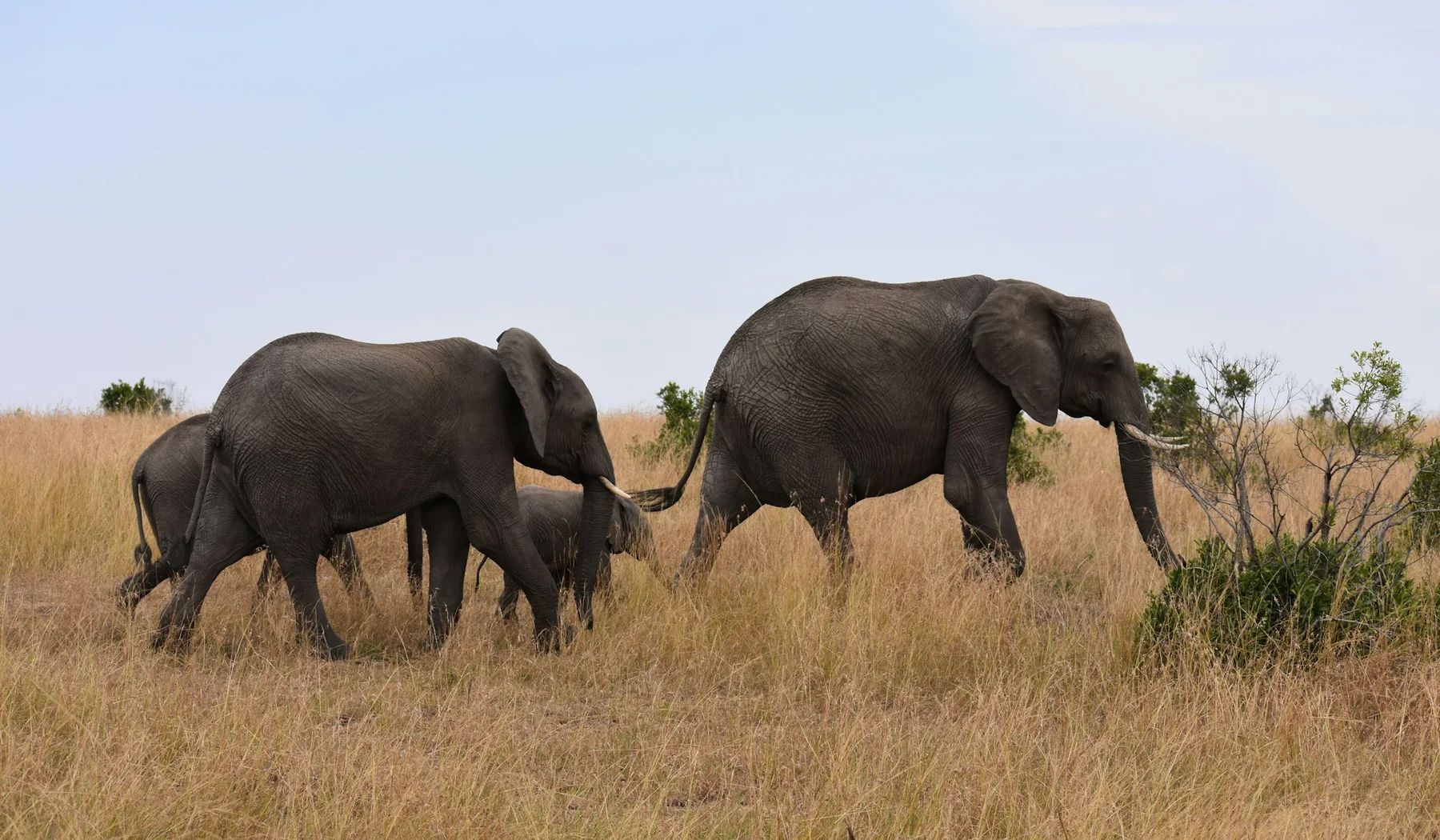
The lion is asleep. The adults are patiently waiting for it to lift its head; the eight-year-old has moved on to a line of ants carrying something enormous across the track. Half an hour later, the guide points out that the ants are disappearing under a mound, and the whole vehicle begins asking questions. That is a family safari too. It is not a consolation prize for missing the lion’s big moment.
A Kenya safari with kids works best when there is room for those unexpected interests. Children may love a familiar zebra more than a distant leopard. They may need lunch before the best photographic light, a nap before another drive or a whole afternoon at camp. This guide is about the decisions that make the trip enjoyable for everyone. If you are already choosing a specific destination, our Masai Mara with kids and Amboseli with kids guides go deeper into those places. Our family safari packages page is where a custom trip can begin.
What a good family morning feels like
The alarm goes at dawn, but not every child is ready to leap out of bed. A gentle plan has warm clothes within reach, a small snack and a guide who knows that the first drive does not have to become a six-hour expedition. Thirty minutes after leaving camp, a child spots a giraffe before the adults do. The guide stops, lets everyone watch it feed and answers questions rather than racing to a reported cat sighting on the other side of the reserve.
By midmorning, the littlest traveller may be finished. That is not failure. Return for breakfast or a slow lunch. If the children still have energy, the next drive can begin later. A private vehicle makes this easier, but even a shared camp drive can work when the timetable and age policy suit your family. The important thing is to discuss the rhythm before you pay, not ask a group of strangers to end their drive early after everyone is aboard.
Some families genuinely love a full day out with a packed lunch. Others discover that two shorter drives and a swimming pool make the wildlife more exciting. There is no virtue in keeping children in a vehicle until they dislike the place. Let one excellent sighting be enough for the morning. A child who comes back curious is more likely to enjoy tomorrow.
Is your child old enough for a safari?
There is no universal minimum age for Kenya safaris. Individual camps, activities, vehicles and insurers may set their own rules. A toddler who happily rides for hours, a six-year-old who needs to move every thirty minutes and a twelve-year-old who can stay absorbed in a bird field guide need three different itineraries. Do not treat age alone as a guarantee of enjoyment.
| Age and temperament | What often works | What to check before booking |
|---|---|---|
| Babies and toddlers | A small number of bases, private vehicle, naps and very short drives | Camp minimum age, cot, child restraint, cooling or heating, medical access and supervision |
| Roughly 4 to 7 | Shorter drives, familiar meals, predictable breaks and simple wildlife games | Activity age rules, safe outdoor space and how quickly the vehicle can return |
| Roughly 8 to 12 | Longer sightings, binoculars, guides who explain tracks and animal behaviour | Whether the family wants one full day or alternating active and quiet days |
| Teenagers | Photography, conservation visits and more say in the route | Private space, genuine activities and whether camp Wi-Fi expectations are realistic |
These are planning prompts, not age rules. If you have a baby, be especially careful about long transfers, heat, malaria prevention and what care is available if the child becomes unwell. If you have a teenager, do not assume they want a children’s club. Our teen safari guide has ideas for giving older children a stake in the journey.
Ask the camp to confirm in writing the minimum age for accommodation, game drives, walking, horseback riding, ballooning and any other activity. The same brand may use different rules at different properties. A family room does not automatically mean every activity welcomes the youngest child. Nor does a lodge that welcomes babies necessarily provide a suitable car seat or a trained babysitter.
Choose wildlife areas for family days, not a trophy list
For a first safari, the Masai Mara is understandable: open views, varied wildlife and a wide choice of camps. But the right Mara base matters. A long daily transfer from a cheaper camp outside the area you plan to explore can wear down children before the first lion. A camp with wildlife nearby, a well-paced private drive and family-sized rooms may be worth more than a property with a bigger animal checklist. Read the Mara family guide alongside the accommodation map.
Amboseli’s open country and elephants can be wonderful with children, especially when an elephant family provides a long, readable encounter. But its tracks can be dusty, the sun strong and Kilimanjaro hidden by cloud. A camp near the area you want to explore may help you return for a midday rest. Our Amboseli family guide looks at the real park day rather than just the mountain photograph.
Ol Pejeta brings different experiences into one area: rhino conservation, varied wildlife and specific visits that children can learn from. Families need to check which encounters are open, age-appropriate and ethically run for their dates. It can pair well with Nairobi or another central Kenya stop without automatically adding the long journey to the Mara. The Ol Pejeta guide covers its locations and activities. The family behind the independent Family Can Travel account spent three days there with children and found that the equator crossing, young animals and a change of activity between drives kept the days lively.
Lake Naivasha can give the vehicle a break, but a boat ride is not a casual playground outing. Hippos and water demand proper safety decisions, fitted life jackets and a reputable operator. Families might prefer a restful garden, a supervised walk where permitted or simply an afternoon without a schedule. Our Naivasha guide and boat-safety guide help sort the choices.
Kenya has more possibilities than these four places. A family interested in northern landscapes might enjoy Samburu; one drawn to rhinos might consider Solio or Lewa. These are not interchangeable “kid-friendly parks.” The route, lodge safety and local activities decide whether they work for your children. Two well-chosen wildlife areas usually give a better first week than a new park every morning.
The hour between drives matters as much as the drive
Families often plan around the morning and evening game drives and leave a blank in the middle. That blank is where the trip succeeds or fails. Will the children eat at a time that works for them? Is there shade, a place to play, a pool with adult supervision, a view from camp or simply a quiet room? Does the property offer a genuine children’s activity, or just a brochure line promising “fun for all ages”?
A reasonable sample day might begin with a dawn drive lasting two or three hours, breakfast and a long rest at camp, then a shorter late-afternoon outing. On another day, make a half-day drive with a picnic and leave the afternoon empty. Do not fill every blank with a village visit, balloon, walking activity and another vehicle outing. Children need a chance to talk about what they saw, and adults may want one unhurried coffee while they do it.
Let each child keep a simple field notebook. The task can be to draw tracks, count different birds, note the colour of an elephant’s dust or write down one question for the guide. Binoculars that fit small hands may be more useful than another screen. For younger children, a quiet activity for a long transfer is sensible, but keep it off during a sighting if they want to engage. Do not turn wildlife into a scavenger hunt with a deadline. You might see no big cats that morning and still have a brilliant day.
Food deserves its own conversation. Many camps can make plain dishes or adjust meal times, but the kitchen needs to know about allergies and strong preferences beforehand. Carry suitable snacks and safe drinking water in the vehicle. Our food, dietary and drinking-water guide covers the practical details. If one child is a cautious eater, a buffet photo on a website is not evidence that their needs will be met.
What a “family-friendly” camp should actually provide
Start with the sleeping arrangement. Two double rooms can be far apart, especially at an unfenced camp where guests are escorted after dark. Confirm whether you have a family suite, interconnecting rooms, adjoining tents or an exclusive-use house, and whether a child may sleep alone in a separate unit. Ask about bed configuration, not just occupancy. A sofa bed, a rollaway and a proper extra bed are not the same thing after several early mornings.
Then picture an ordinary afternoon. Can you reach your room easily? Is there a pool, and what are the supervision rules? Is the tent’s deck raised or exposed? Is the property fenced, partially fenced or open to wildlife? What does the staff expect children to do if an animal passes near the room? Ask if a private vehicle is available and whether the camp’s shared drive has an age minimum. If there is a babysitting service, verify the arrangement rather than assuming a friendly staff member can step in.
A camp with no pool can still be excellent. Wildlife visible from a safe dining area, a patient guide, family meals and a relaxed schedule may matter more. A smartly marketed children’s programme can be disappointing if it runs only in peak season or requires an age your youngest has not reached. Get the details for your travel dates. The comparison below is more useful than a star rating alone.
| Camp feature | Why a family notices | Confirm this detail |
|---|---|---|
| Family room or adjoining units | Night-time supervision and sleep | Exact beds, distance between rooms and escort policy |
| Private vehicle | Leave or pause a drive when a child has had enough | Whether it is included or costs extra every day |
| Pool or open grounds | Release energy between drives | Adult supervision, access hours and wildlife boundaries |
| Meals | Familiar options after a long day | Allergies, timing, packed snacks and safe water |
| Children’s activity | A change from sitting in a vehicle | Minimum age, guide, duration and whether it operates on your dates |
| Medical response | Peace of mind if someone gets ill | On-site first aid, nearest care and evacuation arrangement |
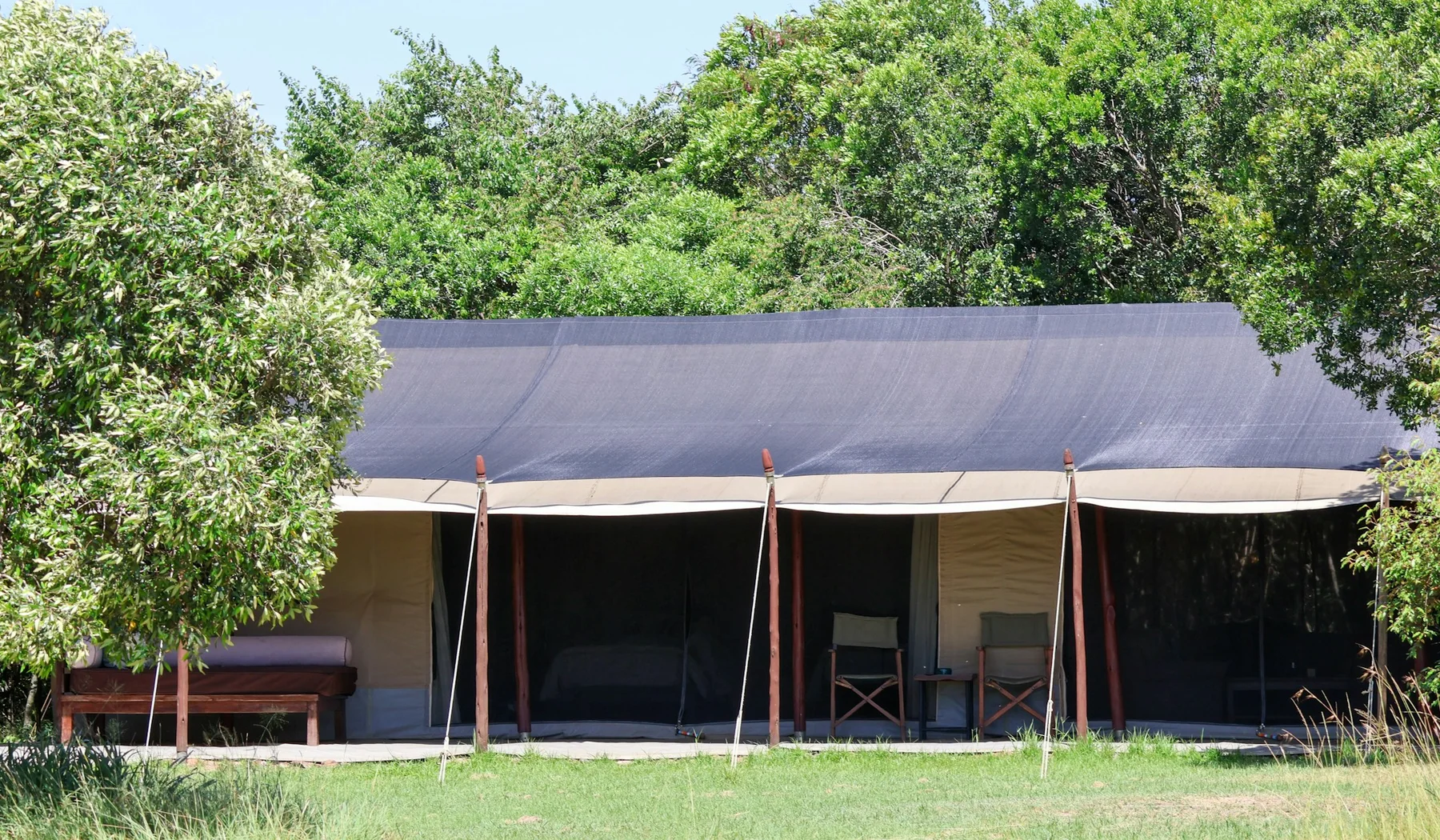
Road or flight? Count the hours in a seat
Young children experience a six-hour transfer differently from adults who are excited by the destination. They need breaks, toilets, food, room for bags and seats that fit. Some routes are partly on highways and partly on rougher park tracks. Our road-conditions and drive-times guide explains why the time to a gate is not the time to a bed. Count the return journey too.
A bush flight may protect a short family stay, but it comes with airport time, strict baggage allowances and a transfer from the airstrip. Ask the operating airline about child fares, infant travel, car seats and luggage for your exact booking. Do not assume every plane has space for a stroller or that a baby can use the same restraint as in a road vehicle. The bush-flight baggage guide helps with the packing side.
On the road, confirm suitable working restraints for the children’s ages and sizes and keep them seated while moving. A pop-up roof is for the appropriate part of a game drive under the guide’s instruction, not a place for children to stand on a highway. A private vehicle often makes the day gentler because one family decides when to stop. A shared camp vehicle can be lovely with older children who enjoy company, but only if the timetable and minimum-age rules fit.
Let the safari be more than hours in a Land Cruiser
A good guide can turn tracks, dung and birds into a story. Some camps offer supervised nature walks, visits linked to conservation work or age-appropriate cultural experiences. None should be assumed available to every child. Walking in wildlife country requires a qualified guide, local permission and the camp’s age policy. A hot-air balloon is a magnificent possibility for some families, but operators have their own age, height and safety rules, plus a very early start. Confirm the actual operator’s policy before promising it to a child.
If a community visit is on the plan, choose one where people are fairly paid and the family can listen, learn and ask respectful questions. A village is not an exhibit staged for a safari checklist. Let children know that the people they meet have present-day lives beyond the traditions a visitor may have heard about. Our Maasai culture guide helps set that context.
There is also value in doing less. Watching the rain move across camp, playing cards, sketching the morning’s elephants or reading together can let the experience settle. If you want a beach ending, the coast can change the pace, but check the transfer time and decide whether to fly, use the train or drive. The safari and beach guide shows what those combinations involve.
Children, wildlife and health: the unglamorous essentials
At an unfenced camp, wild animals can pass through. Children should follow staff instructions, stay with an adult where required and never run toward wildlife or approach it for a photograph. In a national park, Kenya Wildlife Service park rules tell visitors to stay in vehicles except in designated places, not feed animals and remain on established roads. The guide knows the local rule; make sure children understand why it exists before the first exciting sighting.
Plan swimming and water activities with the same seriousness as wildlife viewing. A pool needs direct adult supervision. A boat needs a reputable operator, a correctly fitted child life jacket and a decision about whether your youngest is ready for it. Do not let a lake’s calm appearance hide hippo or water risks. At camp, ask how meals and drinks are prepared and carry appropriate water for the drives.
Arrange a travel-health appointment for every child well before departure. The CDC advice for travelling with children recommends speaking with a child’s clinician or travel-medicine specialist at least a month before travel. Its Kenya destination guidance discusses vaccines, mosquito prevention and malaria risk by area. Your clinician should advise on the specific child, route and medicines. This page cannot decide a drug or dose for you. Keep prescribed medicines, a small first-aid kit and key medical information accessible, not buried in checked luggage.
If a child develops fever during or after travel, seek medical assessment and tell the clinician about the Kenya itinerary. Ask your insurer what emergency care and evacuation it covers. That is not a reason to fear every safari day; it is simply good family travel planning, like bringing spare clothes and knowing where the nearest bathroom is.
Family pricing has more moving parts than the child fare
A quote for two adults and two children may change sharply when one child crosses a property’s age band, when the room requires a second unit or when a private vehicle is added. Park fees, domestic flights, ballooning and conservancy charges may use different child definitions. Some camps discount a child sharing with parents but not a child in an adjoining room. A “family room” may have a maximum occupancy that does not match your household.
Compare the whole journey, not just the per-person headline. Our child rates and family-room guide unpacks the common traps. Have the quote name the exact rooms, ages used for pricing, vehicle arrangement, park and activity fees, transfers and meal basis. If the choice is between a distant cheaper camp with repeated long drives and a closer camp that protects children’s energy, the lowest room rate may not be the better family value.
What parents actually said after travelling
Family accounts are more useful than a slogan that every child will love safari. These three independent writers describe three different things children took away from their Kenya trips.
We could have watched them for hours!
Dan Brewer, travelling through Ol Pejeta with children, wrote this about tiny warthogs. The family also enjoyed jumping across the equator and changing pace with other activities. The memorable animal is not always the biggest one.
yes, it was absolutely worth it
A parent describing a Mara stay recalled a child becoming ill and missing a drive. Their account is a reminder to value a camp’s care and a flexible schedule as much as the sightings.
both kids occasionally snoozed through a portion of them.
The writer of a Kenya family trip in Condé Nast Traveler was talking about game drives. Children can still have a wonderful trip without being alert for every minute of it; the family also found value in activities away from the vehicle.
Notice how little these stories resemble the standard promise of seeing the Big Five. The child’s experience lives in small animals, care when plans go wrong, rest and the people who make the place understandable.
A seven-night trip with room to breathe
Imagine a family with children aged eight and eleven arriving in Nairobi after a long international flight. Give them one night to sleep and settle, rather than leaving immediately for the farthest park. The next day, travel to Ol Pejeta and stay three nights. One day can centre on game drives; another can include an appropriate conservation visit or a rest. The exact activities depend on availability and age rules.
Then choose a second wildlife area, perhaps the Mara for three nights, reached by a road or flight arrangement that respects the children’s appetite for travel. On arrival, do not promise a full safari day. Give the next two days enough room for different drive lengths and a midday break. Return to Nairobi for the final night if the international departure calls for that buffer. Seven nights can feel generous when there are only two wildlife bases and no attempt to collect every park.
| Nights | A possible shape | Why it helps children |
|---|---|---|
| 1 | Nairobi arrival and sleep | Recovery before a long road or flight leg |
| 2 to 4 | Ol Pejeta or another Laikipia base | Wildlife plus one day with a different activity and rest |
| 5 to 7 | A well-located Mara camp | Time for both short and longer drives without changing beds nightly |
| Departure buffer | Nairobi overnight if flight timing needs it | No desperate same-day connection from the bush |
This is an illustration, not a package imposed on every family. Younger children may do better with a shorter single-area safari and beach time. A family of teenagers might enjoy more active days or a northern landscape. The best route depends on the actual children, season, budget and accommodation that is available. A good planner should be willing to remove a park from a crowded route.
Frequently asked questions
What age is best for a Kenya safari with kids?
There is no single best age. Children who can enjoy a few hours in a vehicle often find game drives easier, but temperament, health, pace and the camp’s minimum-age policy matter more than a fixed birthday.
Can toddlers go on a Kenya safari?
Some camps welcome toddlers and others do not. A private vehicle, very short drives, a small number of bases and a careful health and sleeping plan are especially important. Confirm every property’s policy.
How many days should a family spend on safari?
A few nights in one well-chosen area can be more enjoyable than changing camps daily. Two or three nights per wildlife base usually gives time for drives and rest, but the right length depends on the children.
Is the Masai Mara suitable for children?
It can be excellent with the right camp location, vehicle and drive length. Check the daily distance to the wildlife area, family room configuration and the camp’s age rules.
Is Amboseli good for a first family safari?
Many families enjoy its elephant viewing and open landscapes. Dust, heat, gate location and transfer time should be part of the plan, and mountain views depend on weather.
Should we fly or drive between parks with children?
Compare door-to-camp time, breaks, cost and baggage. Flying can protect a short stay from a long road transfer, while a road journey gives flexibility and the experience of travelling through Kenya.
Do children get discounted safari rates?
Often, but age bands differ between accommodation, park entry, flights and activities. Ask for a quote using every child’s age at travel and the exact room and vehicle arrangement.
What if a child gets sick at a remote camp?
Know the camp’s first-aid and referral plan, arrange appropriate travel insurance and seek medical advice promptly for fever or significant illness. Discuss medicines and malaria prevention with a qualified clinician before travel.
Can children join walking safaris or balloon rides?
Only if the specific operator and location allow their age and the activity suits them. Rules and safety requirements differ, so check the operating provider before including either in a child’s itinerary.
More for families
Camp policies, activity ages, road and flight arrangements and medical recommendations depend on the specific property, operator and child. Confirm them for your itinerary before travel.
Tell us about your children
Share ages, dates, travel style and what your family hopes to remember. We can discuss a route, camps and a drive rhythm that fit.