
Kenya Safari Food, Dietary Requirements and Drinking Water
Breakfast may arrive beside the vehicle, lunch may be packed for a long drive, and dinner may be cooked in a camp miles from the nearest town. Here is how to eat well and make the important arrangements before you leave.
- What a day of safari meals actually looks like
- What full board and all-inclusive really cover
- The food on the table
- Dietary requests and serious allergies
- Drinking water, ice and brushing teeth
- Packed meals and long drives
- What travellers report
- The food conversation before booking
- Frequently asked questions
The kettle often goes on before sunrise. You step outside with a warm cup, climb into the vehicle and leave while the light is still blue. Somewhere beyond the camp, breakfast may be unpacked under a tree. By evening, the same day can end with a plated dinner and stories around a fire. Food is part of the pleasure of a Kenya safari, but the details change more from camp to camp than a glossy itinerary suggests.
This guide separates a dietary preference from a medical restriction, explains the different meanings of “full board,” and answers the question many travellers are too polite to ask: which water is safe to drink? It does not assume that every lodge kitchen, vehicle or remote airstrip has the same facilities. Those specifics belong in the itinerary and the confirmation.
What a day of safari meals actually looks like
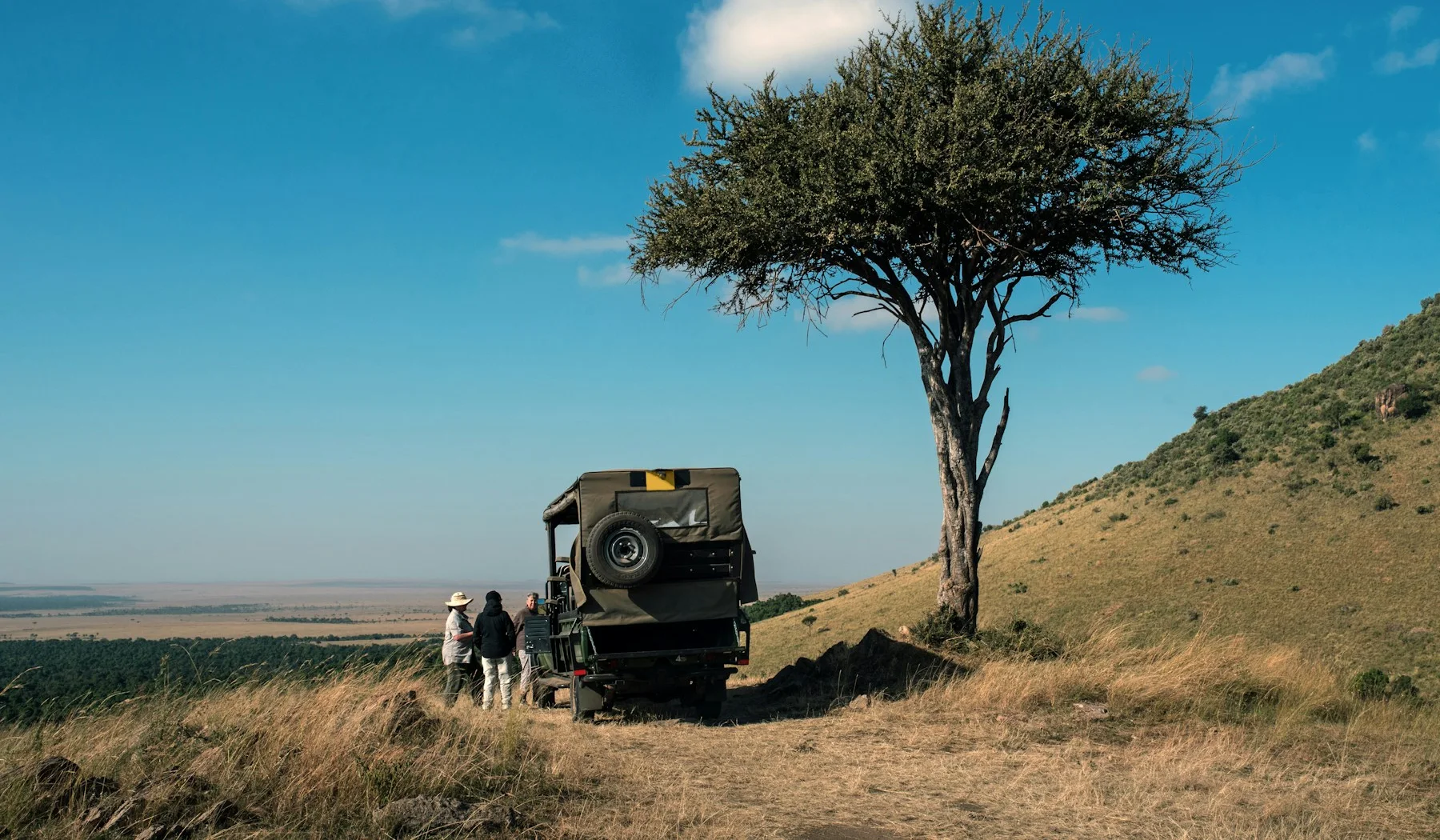
At a classic camp, there may be tea, coffee and biscuits before the first drive, followed by a cooked breakfast when you return. Some mornings the guide arranges a bush breakfast so you can stay out longer. A packed breakfast is different again: a box opened in the vehicle or at a designated stop, usually prepared the night before. Ask which version is planned if a long morning drive matters to you.
Lunch may be a buffet, a set menu or a picnic taken into the park. Afternoon tea is common at many camps. A sundowner often means a drink and small snacks at the end of a drive, though its inclusion depends on the camp and whether the location permits the stop. Dinner may be communal at one large table, privately served or taken whenever guests return. Small tented camps often have a set menu with alternatives arranged in advance; larger lodges can have more choice and longer service hours.
Transfer days change the rhythm. A drive from Nairobi to the Mara may pass through towns with restaurants, while a fly-in arrival can mean lunch at camp soon after an airstrip pickup. If a flight arrives late or you leave before breakfast, confirm whether a meal box is prepared. Our fly-in safari guide and private road safari guide explain why the route changes the shape of the day.
What “full board” and “all-inclusive” really cover
Do not read a meal-plan label as a complete list of drinks and experiences. A hotel night in Nairobi can be bed and breakfast, a park lodge may offer breakfast, lunch and dinner, and a conservancy camp may bundle drinks, laundry and activities. A picnic lunch can be part of the board plan or charged separately. Even an all-inclusive stay can exclude premium spirits, imported wines, private dining or a special bush meal.
| Board description | Usually means | Confirm before payment |
|---|---|---|
| Bed and breakfast | Room and morning meal | Early checkout breakfast; other meals and water |
| Half board | Breakfast and one main meal, usually dinner | Which meal, drinks and packed lunches |
| Full board | Breakfast, lunch and dinner | Drinks, water in the room and vehicle, picnic boxes |
| All-inclusive | Meals plus a stated selection of drinks and often activities | Exact drinks list, laundry, special meals and park or conservancy fees |
The named property matters more than the label. Two camps both advertising full board can handle a pre-dawn departure, a mid-drive picnic and water refills differently. The proposal should name each night’s property and board basis, then identify anything significant that sits outside it. For accommodation styles, see our Masai Mara lodge and camp directory.
The food on the table: local, familiar and everything between
Safari kitchens are not one cuisine. A Mara lodge may put chapati, rice, stews, vegetables and grilled meat beside familiar breakfast eggs and toast. On another night you may be served soup, fish or pasta. Kenyan dishes worth trying include ugali, a firm maize staple usually eaten with stew or greens; sukuma wiki, cooked leafy greens; nyama choma, grilled meat; and mandazi, a lightly sweet fried bread. A coastal extension may bring coconut, spice and seafood into the picture. Not every camp serves these every day, and a lodge’s international menu is not evidence that local food is unavailable if you ask.
Ingredients and portions are shaped by where the camp is, the supply run and the number of guests. A small conservancy camp may bake bread and cook a short daily menu exceptionally well. A large lodge can offer a buffet with more choice, though food may be held for longer. Neither model is automatically better. If food is a major part of your holiday, compare actual menus, meal settings and recent guest accounts rather than assuming the highest room price wins.
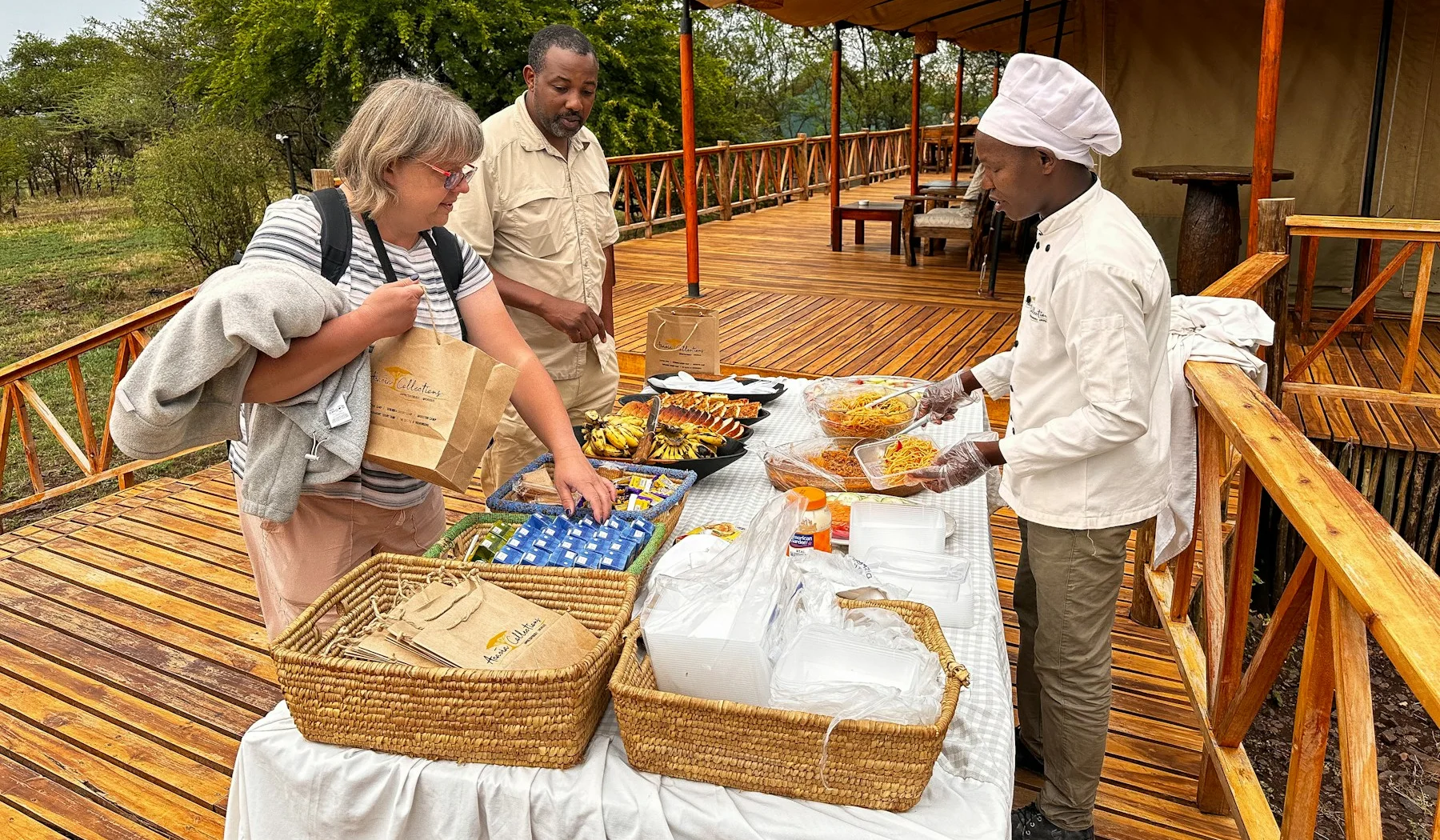
Breakfast, especially on a long drive, is the meal most likely to be hurried. If you dislike a cold packed box or need a substantial hot breakfast, say so before the route is final. It may make more sense to return to camp, leave later with a picnic, or choose a lodge whose game-drive pattern fits your appetite. The best safari day is not always the one that keeps you in a vehicle for the maximum hours.
Dietary preferences, religious requirements and medical restrictions
“Vegetarian” can mean no meat but eggs and dairy are fine, while “vegan” excludes both. Gluten-free can be a preference or a medical requirement involving strict cross-contact control. A nut allergy is different from not liking nuts. A kitchen cannot safely make these distinctions from one box marked “special diet.” Explain what must be excluded, whether shared utensils or cooking surfaces are a concern, and what a suitable meal actually looks like.
| Need | What to communicate | What must be confirmed |
|---|---|---|
| Vegetarian or vegan | Eggs, dairy, honey, fish and stock preferences | A satisfying main dish, not only side vegetables |
| Gluten-free or coeliac disease | Whether cross-contact must be avoided | Ingredients, preparation space, utensils and packed meals |
| Severe food allergy | Exact allergens, reaction risk and emergency plan | Chef’s ability to avoid cross-contact and emergency access |
| Halal or kosher | Level of observance and certification required | Ingredient source, preparation and whether the camp can meet it |
| Diabetes or timed meals | Meal timing, snacks and storage needs | Early-drive food, refrigeration and transfer-day arrangements |
| Children’s meals | Ages, portion size, familiar foods and eating times | Early dinner and a suitable packed option |
For a preference, advance notice usually gives the kitchen time to plan. For a serious allergy, confirmation must be more precise. The CDC’s guidance for severely allergic travellers recommends planning with a clinician, keeping prescribed medicines accessible and communicating with food providers. Food Allergy Research & Education explains that an ingredient-free dish is not safe if the allergen reaches it through equipment or preparation surfaces.
Send the exact restriction in writing before a camp is booked, not only when you check in. Ask whether the chef can meet it on the ordinary menu, in picnic boxes and on transfer days. At each new property, confirm it again with the person preparing or supervising the meal. Carry the medication and action plan prescribed by your clinician, and know what medical help is realistically reachable from the camp. A verbal promise that “we handle all allergies” is not a substitute for a specific plan.
Drinking water, ice and brushing teeth
A bottle in the vehicle is reassuring only when you know where the next one comes from. Many safari properties provide sealed bottled or properly treated drinking water, sometimes from a refill station. Do not assume water from a bathroom tap is drinkable because the bathroom is spotless. Ask the camp which water is for drinking, how its refill supply is treated, whether water in the vehicle is included and whether a reusable bottle can be filled safely.
The CDC food and drink guidance advises using bottled or disinfected water where tap quality may be uncertain, including for brushing teeth, and being careful with ice and drinks made with untreated water. Its water guidance identifies factory-sealed bottles as a safer option for most travellers while noting that apparently clear water is not proof of safety. A trusted camp’s treated-water system may be entirely suitable, but the treatment and storage should be explained by the property rather than guessed from the label “filtered.”
| Situation | Practical approach | Question for the property |
|---|---|---|
| Water in the room | Use the marked drinking supply | Is the jug treated and how often is it refilled? |
| Water on drives | Start with enough for the full route | Is safe water stocked in the vehicle and replenished? |
| Bathroom tap | Do not drink without explicit assurance | Is this tap potable, including for brushing teeth? |
| Ice and fresh juice | Check the preparation water | Is the ice made from treated drinking water? |
| Tea or coffee | Drink it freshly prepared and hot | What water was used and is the milk pasteurised? |
People often ask whether bottled water creates too much plastic. It can. Some camps have reliable treatment systems and encourage refilling instead. The right question is not “plastic or no plastic” in isolation. It is whether the camp can explain a safe, maintained drinking-water process and provide a practical refill on every drive. If you need formula for an infant or have a health condition that makes a waterborne illness especially serious, discuss the water plan with your clinician and the property before travel.
Packed meals, bush breakfasts and long days away from camp
A picnic box is not a chef standing beside you. Its contents need to survive travel, heat and a bumpy road. A camp may pack sandwiches, fruit, eggs, pastries, salad, a hot flask or a cooked meal in insulated containers. The exact list varies. If you have a food allergy, ask whether the box is labelled separately, who packed it, and how cross-contact was prevented. If you are vegetarian, make sure the main item is substantial, not simply the meat portion removed.
Wash or sanitise hands before eating, keep the box closed until you need it, and follow the guide’s instructions on safe picnic stops. The CDC favours food served thoroughly cooked and hot when food-safety conditions are uncertain. For a long transfer or a late flight, bring a personally suitable shelf-stable snack as backup. Keep all packaging with the vehicle until it can be disposed of properly. The Mara’s roadside and picnic areas are wildlife habitat, not places to leave peel or crumbs behind.
What travellers actually report about safari food
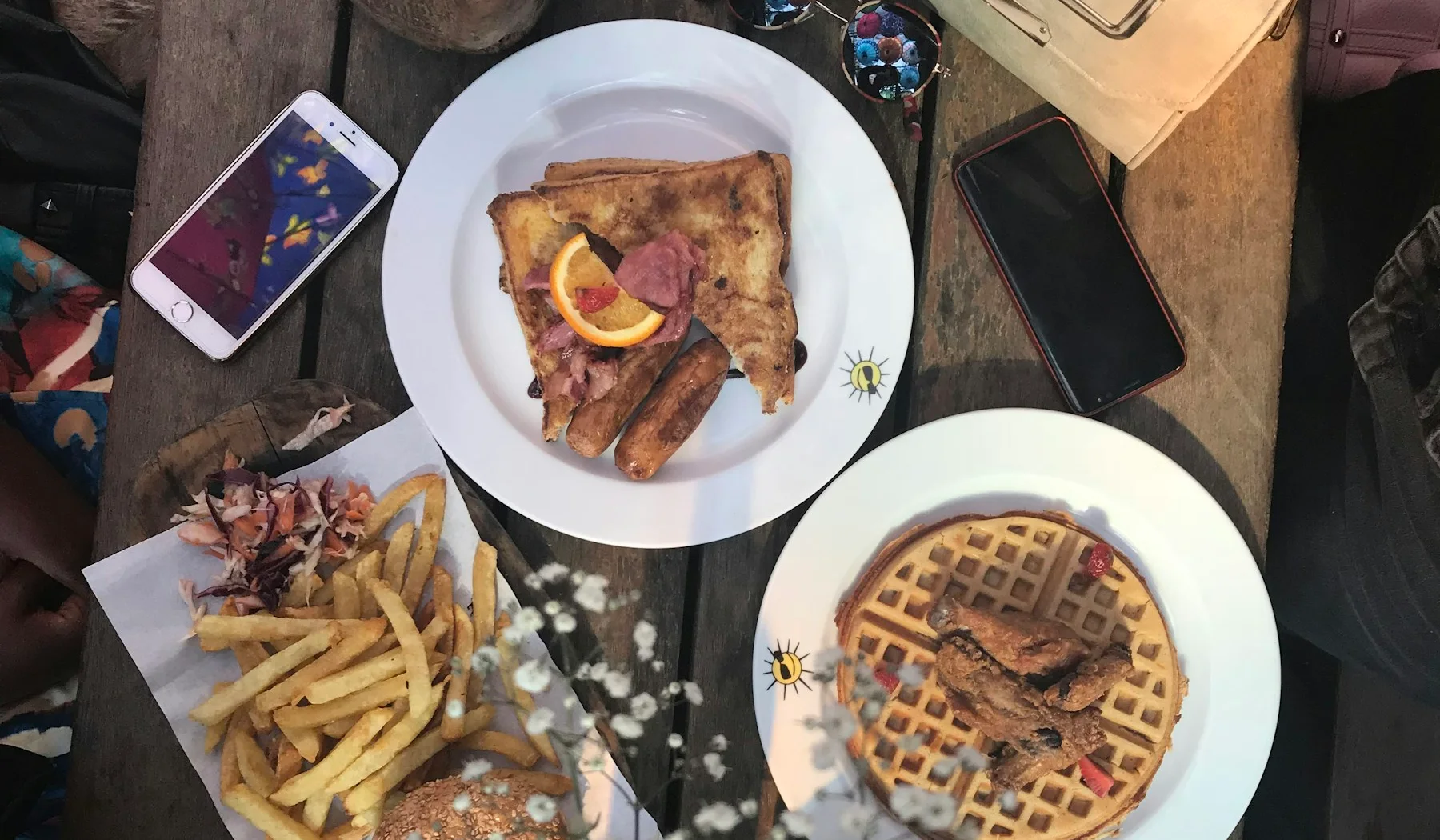
Food experiences differ even at expensive properties. Public reviews are useful as examples of what to look for, not as a promise that a camp will repeat every plate or every mistake. These short, linked remarks are from travellers describing their own stays.
The food was another highlight. Every meal was beautifully prepared
A traveller describing Ol Donyo praised the chef and changing dining locations. It shows how much a camp meal can add to the memory of the trip.
We are vegetarian and the food offerings were simply amazing tasty and fresh
A Naboisho Camp guest highlighted the vegetarian food alongside guiding and accommodation. It is a property-specific report, not a guarantee for every Mara camp.
They feed me gluten even though I have celiac.
A guest at a different Mara lodge reported an error despite repeated requests for gluten-free meals. The account is a reminder that a menu label and a medical safety process are not the same thing.
For a severe restriction, the sensible response is neither panic nor blind trust. Choose properties able to explain their preparation method, reconfirm the arrangement at each handover, and carry the plan agreed with your healthcare professional.
Settle the food conversation before booking
A useful proposal names the exact camp, board basis and route. From there, the food questions become concrete: which meals happen at camp, which are packed, what drinking water is provided, and who will confirm a restriction with the chef? A three-night stay in one well-prepared camp may be easier for a traveller with complex allergies than changing kitchens every day. A multi-park journey can still work, but each property and transfer meal needs its own confirmation.
Share the names and ages of children, dietary preferences, precise allergens, any religious certification requirement, and the language that best describes the restriction. If the answer from a proposed property is vague, that is a reason to slow the booking down or choose another camp. Our tailor-made Kenya safari guide explains how the route and camp choices can be shaped around a traveller, rather than the other way around. For the money side of confirming those choices, read the deposit and cancellation guide.
Frequently asked questions
What food is served on a Kenya safari?
Menus vary by property. Common choices include cooked breakfasts, soups, salads, vegetables, grilled meat, fish, rice and pasta, alongside Kenyan dishes such as chapati, ugali, sukuma wiki and mandazi. The camp and board basis decide what is offered on your dates.
Are vegetarian and vegan meals available?
Many camps can prepare them with advance notice, but the choice and quality vary. Clarify whether eggs, dairy, honey, fish stock or other ingredients are excluded, and confirm a substantial main dish at each named property.
Can a safari camp safely handle a severe food allergy?
Some can make specific arrangements, but no general promise covers every kitchen or route. Tell the operator the exact allergens and cross-contact risk before booking, request a property-specific response, and travel with the plan and medicines prescribed by your clinician.
Is tap water safe to drink at safari lodges?
Do not assume a room tap is drinking water. Use the property’s explicitly marked treated supply or unopened factory-sealed water, and ask which water is used in the room, vehicle and ice.
Can I brush my teeth with tap water?
If the property cannot confirm that a tap is potable, use the drinking water provided for brushing teeth. The CDC recommends bottled or disinfected water where tap quality may be uncertain.
Do safari vehicles carry drinking water?
Many do, but the amount, treatment and inclusion in the trip price vary. Confirm the vehicle supply and refill plan for long drives and transfer days.
Are drinks included with full board?
Full board generally covers three meals, not necessarily alcoholic drinks, soft drinks, speciality coffee or even every bottled-water arrangement. Read the exact inclusions for each named property.
What happens to dietary requirements on a picnic drive?
The camp must prepare a suitable box or meal before departure. Confirm its ingredients, labelling and preparation method, particularly for allergies, and carry a personally suitable backup snack if needed.
Can children eat earlier than the adult dinner time?
Some properties can arrange an earlier sitting or child-friendly food. Share children’s ages and usual meal times while choosing camps rather than assuming the dinner schedule is flexible.
Continue planning
Health guidance in this article is general travel information. For a serious allergy, pregnancy, infant feeding or a medical condition, follow advice from a qualified clinician and the exact property you will stay in.
Plan a safari around your needs
Share your dates, route ideas and dietary or water questions. We will discuss the exact camps before a booking decision.