
7-Day Kenya Safari Itineraries Compared
A week is enough to pair two areas well. Choose Mara game viewing and a Rift Valley pause, northern wildlife and rhinos, or elephants and Tsavo landscapes on the way to the coast. The journeys do not ask you to sleep in a new lodge every night.
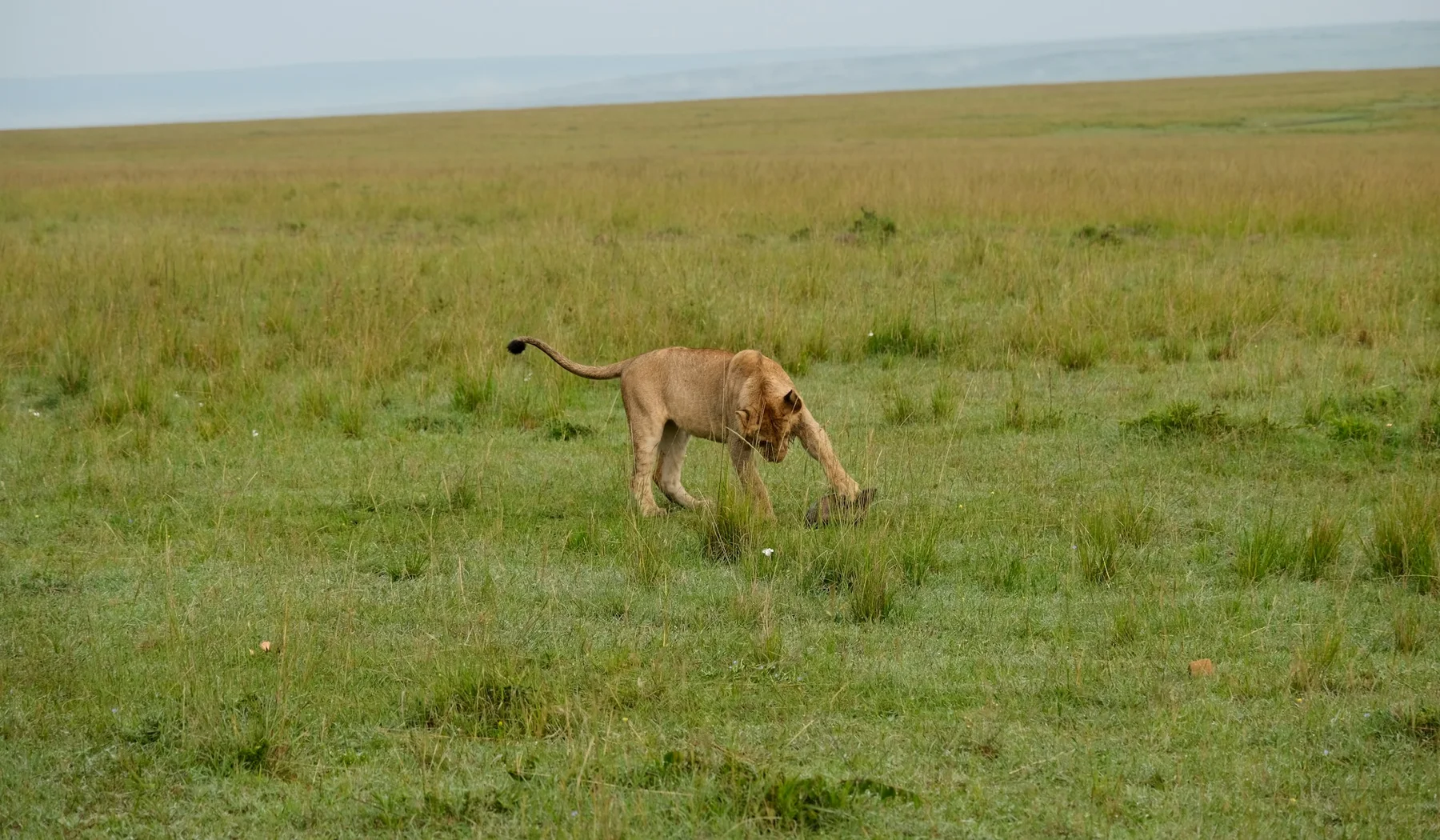
Seven days sounds like enough time to see half a country, especially when a map draws neat arrows between parks. On the ground, the arrows are mornings spent checking out, roads that need rest stops and flights that have their own transfers. A good one-week safari chooses where you want to wake up more than once. The wildlife is richer when the guide has time to learn what interests you and you have time to come back tomorrow.
These three routes have six nights each. Two begin and end in Nairobi. The southern route begins in Nairobi but finishes at the coast, ready for extra beach nights or a separate onward journey. That different endpoint matters when comparing quotes. One route can be cheaper only because it does not include the journey back to Nairobi. We make it explicit here.
Seven days are six nights, not seven full days on safari
Day one is the transfer to the first wildlife area. Day seven is a return to Nairobi or a coast drop-off. The best versions protect the full days between them. If your international flight arrives late on day one, a Nairobi arrival night may be necessary before the seven-day safari begins. If your international flight home leaves early on day seven, the return may need to happen on day six. Do not count a day spent in an airport or on a cross-country drive as a full game drive.
For a pair of destinations, the mid-trip transfer takes part of one day. There is nothing wrong with a beautiful road journey, but there is a difference between seeing country through a window and spending an afternoon watching wildlife. We describe both honestly.
Three ways to spend the same six nights
| Route | Nights and finish | Best reason to go | Main compromise |
|---|---|---|---|
| Masai Mara and Lake Naivasha | Mara 4, Naivasha 2; back to Nairobi. | Several full Mara wildlife days plus a gentler lake or walking-activity finish. | No Amboseli elephants or Samburu’s northern species. |
| Samburu and Ol Pejeta | Samburu 3, Ol Pejeta 3; back to Nairobi. | Dry-country animals, rhinos and conservation in a geographically sensible pair. | No Mara or coast; the first northern transfer can be long by road. |
| Amboseli and Tsavo West | Amboseli 3, Tsavo West 3; finish at the coast. | Elephants and a changing southern landscape without doubling back to Nairobi. | The trip itself has no beach nights; Nairobi return must be arranged separately. |
The choice is not simply which route has the longest animal list. The Mara route gives the most time in one classic wildlife area. The northern route offers two sharply different habitats and a conservation focus. The southern route has the easiest geographical progression if you plan to spend additional time at Diani or near Mombasa. A family, honeymoon couple and keen wildlife photographer may all choose differently.
Route one: four Mara nights and two beside Lake Naivasha
This is a week with one strong wildlife anchor and a different ending. The Mara deserves its four nights, particularly for a first safari or a guest interested in big cats, grassland and patient game viewing. Naivasha is not a small version of the Mara. It is a freshwater lake area where a boat outing, an appropriately guided walk or Hell’s Gate activity can change the pace. It works when you want that difference, not merely a stop on the return road.
Day 1: Leave Nairobi by road or suitable bush flight for the selected Mara camp. An afternoon drive depends on arrival time and entry. Where you stay matters: a camp on the eastern approach, in the Triangle or in a private conservancy gives a different start to the trip. Our Mara safari guide explains the areas.
Days 2 to 4: Spend three full days with a guide. A morning near camp, a longer drive in the chosen Reserve or Triangle sector, and a flexible third day are often better than chasing a distant sighting every afternoon. A balloon can be arranged as an optional early activity. A migration river crossing is not something that can be booked for a chosen morning, even with four nights.
Day 5: Drive east to Naivasha. This is a transfer first, though the scenery changes and a later lake outing may fit. A boat trip depends on operator, weather and daylight. Do not combine a long Mara drive, boat ride, Crescent Island walk and hotel arrival into one supposedly effortless afternoon.
Day 6: Choose the Naivasha day you actually want. Some visitors enjoy a guided boat and an appropriate walking experience. Others prefer Hell’s Gate or a slower stay by the lake. Activities have different operators, fees and safety rules. The Naivasha guide helps distinguish them.
Day 7: Return to Nairobi for a flight or hotel. The closer final transfer can make this route useful when the departure is from Nairobi, but traffic and check-in still need a margin.
Naivasha and Lake Nakuru are often confused in safari brochures. Nakuru is a national park with wildlife drives; Naivasha is a broader lake area with different activities. If rhinos and a park drive are more important than a boat or walk, ask about substituting Nakuru and accept that it changes the final travel time. Read the Lake Nakuru guide before treating the names as interchangeable.
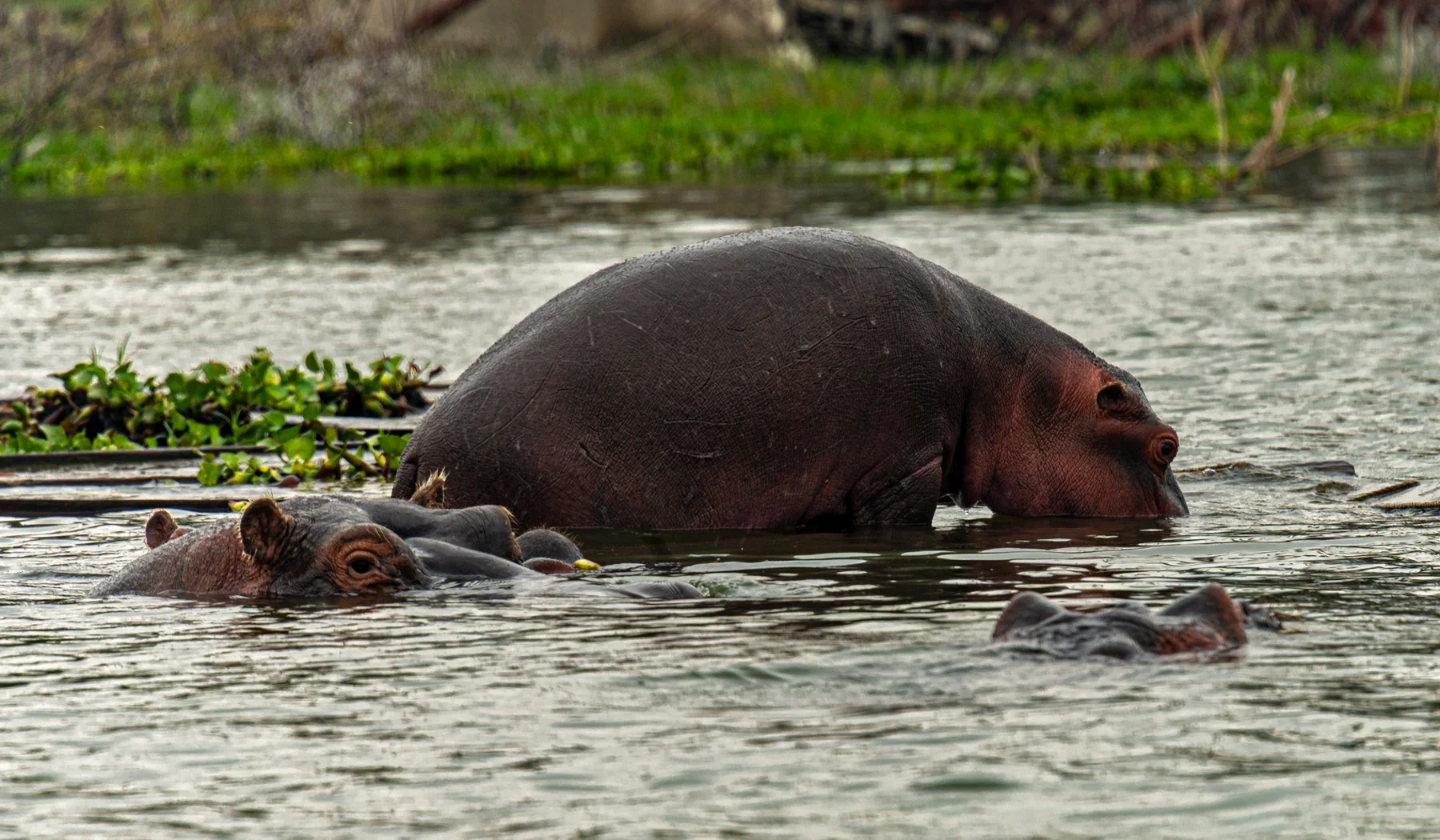
Route two: three Samburu nights and three at Ol Pejeta
For travellers who do not want the standard Mara route, this northern pairing can be wonderfully rewarding. Samburu’s dry-country landscape along the Ewaso Nyiro supports reticulated giraffe, Grevy’s zebra and gerenuk among other wildlife. Ol Pejeta brings rhino country and named conservation experiences. They are not the same ecosystem or access system, and three nights in each gives the group two complete days after arrival.
Day 1: Drive or fly north from Nairobi to the chosen Samburu-area camp. Check whether the property accesses Samburu National Reserve, Buffalo Springs or nearby community land, and what fees apply. A late arrival calls for a gentle first drive or just a good dinner and sleep.
Days 2 and 3: Use two full days in Samburu. One can focus on the river corridor, another on a different landscape or guide interest. The area rewards birders as well as guests looking for its distinctive mammals. An ethical, hosted community visit can be considered if invited and the terms are clear, but it should not be forced into every safari. Our Samburu guide helps choose a base.
Day 4: Travel southwest to Ol Pejeta in Laikipia. Allow for a genuine transfer day and an arrival drive only if time permits. The route is more coherent than Samburu-to-Mara in the same week because Ol Pejeta follows naturally toward Nairobi.
Days 5 and 6: Give Ol Pejeta its full two days. One may be a general wildlife drive and the other a selected conservation visit or guided activity, if available and appropriate for the party. The specific experience can carry its own fee, age rule and booking requirement. It is not included just because a camp is inside the conservancy. Our Ol Pejeta guide explains what is possible.
Day 7: Return to Nairobi. The group will have had four full safari days across the two areas, rather than three or four checkouts in the same week.
This route suits repeat visitors, rhino interests and travellers curious about northern wildlife. It is not a substitute for the Mara if open grassland cats or migration are the reason for travelling. Choose it on its own merits.

Route three: Amboseli and Tsavo West, ending at the coast
This is the southbound week. Begin with elephant-rich Amboseli, move east through Tsavo West and finish with a drop-off on the Kenyan coast. It is a safari route, not a seven-day safari-and-beach holiday, because all six nights are in wildlife areas. If you want to swim and rest at Diani, add coast nights after day seven. The Diani guide can help plan that extension.
Day 1: Travel from Nairobi to Amboseli. The lodge’s location matters. A property inside the park and one outside it may have different gate travel, activities and fee arrangements. An afternoon drive depends on arrival and entry.
Days 2 and 3: Use two full Amboseli days for elephants, wetlands and birds. Kilimanjaro’s visibility changes by hour and weather, so a three-night stay gives more chances for clear light. A community-land camp may offer permitted walks or other activities, but those are separate decisions. Our Amboseli guide covers access and lodging areas.
Day 4: Move east to Tsavo West. The landscape becomes more volcanic, rocky and wooded. Choose a lodge based on the area you want to explore rather than assuming the whole park is within a short drive of any property.
Days 5 and 6: Spend two full days in Tsavo West. A route may include a carefully chosen visit to Mzima Springs, lava scenery or game-viewing areas, depending on lodge location and current access. Do not pack every named feature into one day. The Tsavo West guide helps match a camp to the experiences.
Day 7: Drive toward the coast and end at the confirmed hotel or airport. This is not a Nairobi-return safari. A quote that ends in Diani and one that returns to Nairobi do not include the same transport. If the international flight is out of Nairobi, price a domestic coast flight or other return connection and allow adequate time.
Tsavo West is not the only possible southern second park. Tsavo East has its own red-earth landscape and access pattern. Replace the West stage if East better fits the coast hotel and wildlife interests, rather than treating both as an effortless add-on. Our Tsavo overview compares the broad choices.

What about Mara, Nakuru and Amboseli in one week?
This well-known combination is possible, often with three nights in the Mara, one at Nakuru and two at Amboseli. It may be right for a traveller who strongly prefers a wider first look at Kenya and does not mind several long road days. But it is not the same pace as the three routes above. The Mara-to-Nakuru move takes much of a day, and Nakuru-to-Amboseli via the Nairobi region is another substantial transfer. The single Nakuru night gives no full day there. Amboseli has one complete day before the return.
| One-week choice | How many main bases? | Where full days go | Who might prefer it? |
|---|---|---|---|
| Mara 4 + Naivasha 2 | Two. | Three full Mara days and one Naivasha day. | First-time wildlife guests who want one slower Rift Valley stop. |
| Samburu 3 + Ol Pejeta 3 | Two. | Two full days in each wildlife area. | Guests interested in northern species, rhinos and conservation. |
| Amboseli 3 + Tsavo West 3 | Two; coast drop-off. | Two full days in each park. | Elephant and southern-landscape travellers continuing to the coast. |
| Mara 3 + Nakuru 1 + Amboseli 2 | Three. | Two full Mara days, no full Nakuru day, one full Amboseli day. | Guests who accept more road time in exchange for broad variety. |
The issue is not whether the classic route can be sold. It can. The useful question is whether the traveller would rather trade the one-night stop and transfer hours for an extra full day in a favourite place. If the quote includes a flight to relieve a road leg, evaluate the actual connection and full cost, not a promise that flying solves the whole day.
Travel days change the character of the week
Road travel has advantages: the group keeps one guide and vehicle, bags stay with them and the landscape changes gradually. It can also be slow, depending on traffic, road conditions and gate formalities. A domestic flight may protect a wildlife afternoon, but there is an airport transfer at both ends, possible intermediate stops and strict baggage limits. Our domestic safari flight guide covers the practical details.
For all routes, ask for the door-to-door plan on every day you change rooms. If the group has young children, check child-restraint compatibility and realistic rest breaks. If someone has limited mobility, consider vehicle entry, steps at the camp and activity rules. A quote that simply says “transfer and afternoon game drive” is incomplete without a plausible arrival time.
Compare like with like before paying a deposit
Seven-day route prices depend on season, group size, room category, private versus shared drives, road or air access, and the exact park or conservancy entry. A Mara conservancy stay does not necessarily include the Reserve. Amboseli and Tsavo West use KWS park entries; Samburu and Ol Pejeta have other fee systems. Naivasha-area boat and walking outings are not automatically included in a lake-hotel room. Our Kenya safari cost guide explains the main drivers.
| Cost line | Question for the Mara and lake route | Question for the north or south route |
|---|---|---|
| Lodging | Which Mara sector and Naivasha hotel, with which rooms and meal plans? | Which exact reserve, conservancy or park-side property? |
| Entries and activities | Are Mara access and Naivasha boat or walk fees included? | Are Samburu and Ol Pejeta entries, or Amboseli and Tsavo West entries, included? |
| Guiding | Does a Mara flight hand guests to a shared camp vehicle? | Does the same private guide stay through both northern or southern bases? |
| Trip endpoint | What is the Nairobi return time? | For the southbound route, is the coast drop-off included and is a Nairobi return excluded? |
A complete quote names the property and room, vehicle and guide, entries, flights, baggage, ground transfers, meals, optional activities and cancellation terms. It also identifies the longest road day. An attractively low price with park fees or the coast-to-Nairobi return omitted is not a fair comparison with an inclusive quote.
What a traveller said about too many stops
In a public discussion about a first Kenya safari, one traveller wrote: I don’t want to have more than 2 destinations.
They wanted to enjoy the places rather than move constantly. That is a preference, not a rule, but it captures the choice at the heart of a seven-day itinerary. Two bases offer more complete days. Three or four can work for travellers who actively enjoy a broad road circuit, so long as the transfer days are not disguised as wildlife time.
7-day Kenya safari itinerary questions
How many nights are in a seven-day Kenya safari?
The routes here contain six nights between departure on day one and the trip ending on day seven. International arrival or departure at inconvenient hours may need additional Nairobi nights.
Can I see Mara, Nakuru and Amboseli in seven days?
Yes, commonly with three, one and two nights respectively, but it has two long inter-area moves and only one full day at Amboseli. It suits travellers who value breadth more than a slower pace.
Which route is best for first-time safari visitors?
Mara and Naivasha give four nights of classic game viewing and two nights with a different Rift Valley activity rhythm. Other first-timers may prefer the northern species and rhinos or the southern elephant and Tsavo landscapes.
Does Naivasha replace Lake Nakuru National Park?
No. Naivasha is a freshwater lake area with selected boat, walking and Hell’s Gate options. Nakuru is a national park for wildlife drives. They answer different interests.
Can I include beach time in the southern route?
The sample uses all six nights in Amboseli and Tsavo West, then drops travellers at the coast on day seven. Add beach nights after that; a same-day beach arrival is not a beach holiday.
Does the southern route return to Nairobi?
Not in the main example. It finishes at the coast. A Nairobi return on day seven is possible but long and changes the trip, so compare that separately.
Can I fly between the parks?
Some air connections can save road time, but services, intermediate stops, baggage limits and ground transfers vary. Price the actual door-to-door journey for your dates.
Can a week guarantee a migration crossing?
No. Animal movements and river crossings cannot be booked. Four Mara nights improve flexibility but do not guarantee a particular event.
Why give Samburu and Ol Pejeta three nights each?
Two full days in each area after arrival make space for northern wildlife and rhino or conservation interests without a third checkout.
Can a family use these routes?
Yes, but choose appropriate rooms and private vehicle rhythm, check age rules and avoid overloading transfer days. Some families prefer a single four-night wildlife base.
What is included in the quoted safari price?
The final proposal should name rooms, meals, vehicle and guide, park and conservancy fees, flights if used, transfers and optional activities.
Can these routes be customised?
Yes. Dates, international flights, group size, season, comfort and special interests should determine the final properties and pacing.
Read about the destinations before choosing
Make the six nights yours
Share dates, travellers, wildlife interests, budget and whether the trip ends in Nairobi or on the coast. We can build a route with named rooms, transport and entries.