
Mara Intrepids Camp: A Family Safari on the Talek River
The Talek River gives Mara Intrepids a beautiful address. The Adventurers’ Club gives it a different purpose from many smaller camps. This guide looks at how families actually use the tents, pool and shared drives, along with the park fees and room choices that belong in a complete plan.

A good family safari is not a grown-up itinerary with smaller seats added to the vehicle. Children have different energy, different questions and different limits. Mara Intrepids is one of the Mara camps built with that reality in mind. Its riverfront setting and reserve access make the wildlife day strong, while the Adventurers’ Club gives younger guests another way to learn about the place when they are not ready for one more long drive.
The camp belongs to Heritage Hotels and overlooks the Talek River inside the Masai Mara National Reserve. Heritage describes thirty luxury tents spread across a larger site, a riverfront swimming pool and three shared guided reserve drives in its normal full-board arrangement. That is a different scale and mood from the nearby ten-tent Mara Explorer, also run by Heritage. Explorer’s private riverfront baths may be more romantic for adults. Intrepids offers a more practical range of space and activities for children.
There is no point in overselling any camp as a guarantee of seeing the Big Five or a migration crossing. What Mara Intrepids can offer is a well-positioned base, guides, a varied daily rhythm and a place where a child can move between game drives and other supervised or family activities. The trip works best when the adults decide beforehand whether they want every drive together, some short returns to camp or a private vehicle to make the pace their own.
The Talek River is part of the stay
Mara Intrepids sits beside a sweeping Talek River bend in the National Reserve. Riverine trees, birds and hippos can give the camp life between drives. It is not the same as a tent perched at a main Mara River crossing point, and no one should book it expecting wildebeest to leap into water outside their room on command. The Talek location gives a distinctive everyday setting and convenient reserve access. A guide can choose a route according to conditions without beginning every dawn with a long gate commute.
The reserve is managed differently from private conservancies. The standard day follows reserve road and hour rules, rather than the night-drive and walking permissions some conservancy camps have. Families who dream of a night drive should not assume it comes with any Mara address. Our Mara guide explains the boundary and the game-drive etiquette guide explains why respectful positioning matters when other vehicles are present.
Inside camp, the river is not a play area. A hippo in or near water remains dangerous, and children need supervision even if the lawn, pool and dining terrace feel hotel-like. Staff instructions about where to walk and when to be escorted should become an ordinary family habit. Children can be thrilled by the sound of hippos at night; they do not need to get close for it to be memorable.
| Part of the setting | What it offers | What it does not promise |
|---|---|---|
| Talek River frontage | River sounds, birds and possible wildlife views from camp. | Daily hippos at a particular tent or a migration crossing. |
| Reserve location | Direct start for guided game drives. | Conservancy night-drive rules or off-road freedom. |
| Larger tented camp | Pool, dining terrace and more family infrastructure. | The seclusion of a camp with only a handful of rooms. |
| Nearby Mara Explorer | A separate adult-oriented Heritage alternative. | Shared room type or child policy. |
Thirty tents do not all solve the same family problem
Heritage describes thirty tents spread around the riverside property. Its room page shows queen and twin arrangements and lists triple accommodation. A standard tent is about twenty-six square metres in the operator’s description, with a raised platform, private bathroom, hot shower and flush toilet. Four-poster style and reproduction furniture give a classic safari feel without the outdoor bath that distinguishes sister camp Mara Explorer.
For a family of four, the important question is not only “how many tents?” but whether adults and children will be in a family configuration, interconnecting units or two ordinary tents close together. Ages matter. Parents may be happy with older teenagers in a nearby tent but not with a six-year-old across an unfenced path. Ask for the exact layout, beds, distance between rooms and supervision policy before committing to flights. A romantic room photograph rarely answers those questions.
The camp’s scale can be an advantage. There is more shared space and a riverfront pool, so a midday break can be something other than sitting silently in a room. It can also mean more guests at meals and vehicle departures than at a six-tent camp. A family that likes sociability may enjoy that; a couple seeking near-total quiet may prefer Explorer or a smaller conservancy camp. Neither choice is a ranking of quality. It is a question of the kind of day you want.
Bring a layer for cool mornings and evenings. A child who was warm at lunch can be cold in an open-sided vehicle before sunrise. Pack a hat, water bottle and something quiet to do in the tent, but do not turn every hour into a screen-time recovery. The river, birds and grounds can hold attention if adults give children time to notice them. Our Mara with kids guide goes deeper into age, vehicle and pacing choices.

What the Adventurers’ Club adds
Heritage’s Adventurers’ Club is described for children aged three to eleven and uses Maasai naturalists to introduce plants, wildlife and survival skills. That is more meaningful than a room with colouring sheets. A good child-focused activity can make a track, feather or tree into a story they recognise on the next drive. Heritage also mentions a Young Rangers programme for teenagers in its broader material. Discuss what actually operates during your dates, how long each session lasts and how it fits with the family’s game-drive plan.
A children’s programme should not be mistaken for unlimited babysitting. Parents remain responsible for the trip and need to understand supervision, sign-in, age limits and what happens if weather changes an outdoor activity. If two children are very different ages, they may not be happy with the same programme. A three-year-old may enjoy short, gentle exploration; an eleven-year-old may want more scientific questions answered. A teenager may prefer to photograph birds with a guide than join an activity branded for younger children.
The club is a reason to choose Intrepids over Mara Explorer when a young family wants the Talek setting. It does not replace good family guiding. The most successful day might combine a short dawn drive, breakfast, a camp naturalist activity, pool time and a later drive. Another family with older children may happily spend all morning out. The value is having options when interest and stamina change.
Three shared drives are available, not compulsory
Heritage’s policy page says the full-board rate includes three shared game drives per day in open-sided safari vehicles. That is a generous schedule, but three drives are not a daily exam to pass. In the cool early hours, the guide may read tracks, search for cats or sit with a herd. The late afternoon offers warmer light and another chance to see activity. A mid-morning drive can be worth taking if a story is developing, but the pool or naturalist programme may be more rewarding for a tired child.
Because the standard drives are shared, a family’s needs affect other passengers and vice versa. A private vehicle can be worth the supplement when a small child needs to return early, a photographer wants long stops or a group has a particular pace. Ask for the vehicle’s seating arrangement, child restraints if needed and guide plan. A family with three generations should not assume that all six travellers will automatically have a vehicle to themselves simply because they filled most seats.
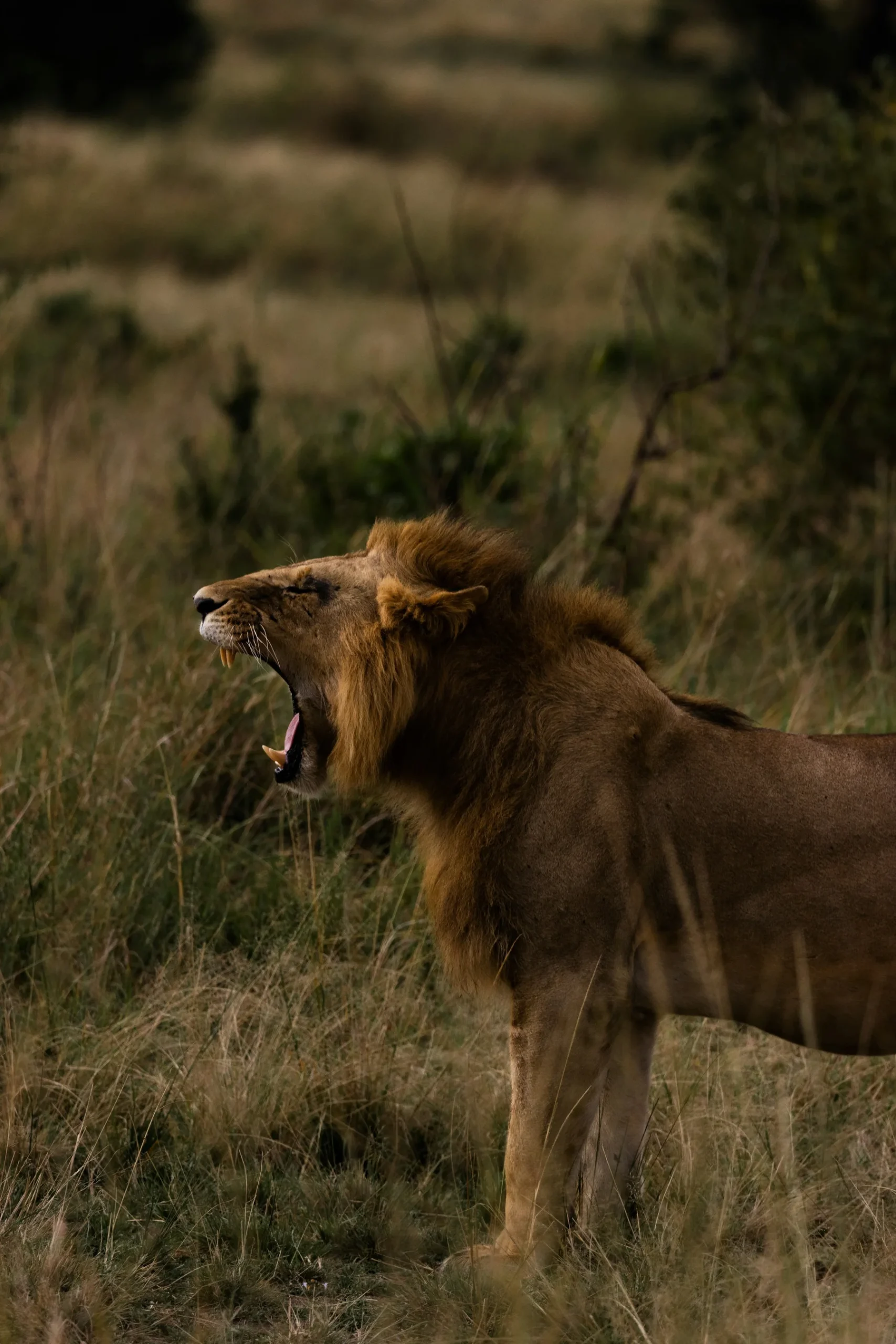
A guide may cover different reserve areas as wildlife moves. A lion pride may be active one day and asleep the next. The Mara’s wider ecosystem hosts elephants, giraffes, zebra, buffalo, antelope, birds and predators throughout the year. Seasonal migration herds add another layer, but no guide can command a crossing. Our crossings guide is useful for adults who want to explain the event to children without promising a particular spectacle.
Children often remember an animal’s behaviour better than its place on a checklist: a calf following its mother, a secretary bird walking through grass or a baboon grooming. Let the guide pause for those moments. If the adults demand only big cats, they can accidentally make the safari narrower for everyone. Three or four nights help a family relax into a variety of wildlife instead of trying to finish the Mara in one frantic day.
| Family situation | Good day shape | Vehicle question |
|---|---|---|
| Young child | Short dawn outing, club or rest, optional shorter afternoon. | Can a private vehicle return early? |
| Older children | Longer morning with picnic, midday pool, afternoon drive. | How many seats and how long will the shared group stay out? |
| Teen photographer | One deliberate long drive with time at sightings. | Is a dedicated vehicle worth the cost? |
| Multi-generational party | Flexible mix of wildlife and camp downtime. | Can the party split drives without affecting other guests? |
Time at the pool, meals and optional activities
The swimming pool gives families an obvious place to spend the hot middle of the day, with a dining terrace nearby. That can make the camp feel easier than a property whose only inter-drive option is the room. Children still need close supervision at water, and wildlife can be present in a riverside camp. Do not treat the familiar sight of a pool as evidence that the grounds are enclosed or ordinary.
The normal full-board plan includes meals. The operator describes bush dining, sundowners and hot-air ballooning as additional experiences. Ballooning is extra cost and begins before dawn; it also means missing a normal morning drive. A bush meal can be special for a birthday, but a family with young children may be happiest with a comfortable dinner at camp after an early start. If you want an outside meal, ask exactly what is included and how long it takes to reach the site.
For cultural activities, curiosity and consent matter. A naturalist talking about Maasai knowledge can be much more valuable than a rushed souvenir stop. A community visit should have a clear host and a transparent purpose. If children are keen to meet local people, let them ask questions and understand that they are visiting someone’s working community, not a theme park. Our Maasai visits guide offers a respectful way to plan.
What families who stayed noticed
Recent guest reports give texture to the family promise. In an August 2026 Tripadvisor review, sangeeta m described travelling with grandchildren aged eleven, seven and five. She called the atmosphere friendly, quiet and child friendly
and praised the chef’s food for both adults and children. She also described river wildlife seen from the rooms. Her particular sightings are not a guarantee, but the age mix makes the report relevant to families weighing this camp.
A returning family guest who stayed in July 2026 said the camp had upped their facilities and service
since an earlier visit and singled out care with a non-dairy diet. That is a practical strength when family members have different food needs. Another visitor mentioned the staff and guiding as the memorable part of the stay. These are individual accounts, not proof that every tent or vehicle will feel identical. They do point toward a camp experienced as more than simply a convenient room beside the reserve.
Reviews should also help you ask better questions. If a family loved the pool, will your children want pool time too? If another saw hippos from a tent, is your booked room on a comparable stretch of river? If a group had a private-looking drive, was the vehicle assigned only to them or shared? Use the stories to imagine a day and then pin down the parts that require a reservation.
Full board, shared drives and park fees
Heritage’s Mara Intrepids policy describes full board as accommodation, three meals, three shared game drives daily and complimentary Adventurers’ Club membership for ages three to eleven. It excludes Masai Mara park fees. Those fees vary by season and age, so a family total can look different from the room price alone. A private vehicle, balloon, special bush meal or additional transfer can change the bill further.
The cost comparison with Mara Explorer needs care. Explorer’s room page describes an all-inclusive rate with drinks in specified categories, while Intrepids’s policy page describes a full-board basis. Similar branding does not make the board basis identical. List meals, drinks, drives, park entry, children and transport on the same line of comparison. Our Mara safari cost guide helps weigh total value rather than one nightly figure.
Do not reduce the decision to the cheapest room when a family has only a few safari days. A tent that requires inconvenient separation of young children or a shared drive too long for them may cost the family more enjoyment than a well-matched arrangement. Equally, there is no reason to buy a private vehicle automatically if the children are older and love the shared group experience. Put money where it solves a real travel problem.
| Line in the trip | Normal Intrepids position | Family question |
|---|---|---|
| Accommodation and meals | Full-board basis. | Which tents and which beds? |
| Guided reserve drives | Three shared drives listed daily. | Is a private vehicle worth arranging? |
| Adventurers’ Club | Included for ages three to eleven. | What programme runs on our dates? |
| National Reserve fee | Excluded from camp rate. | What applies to each adult and child? |
| Balloon and bush dining | Optional special arrangements. | Price, timing and child suitability? |
| Wilson flight or road | Route-specific transport cost. | Will travel consume the first safari day? |
Ol Kiombo and the journey from Nairobi
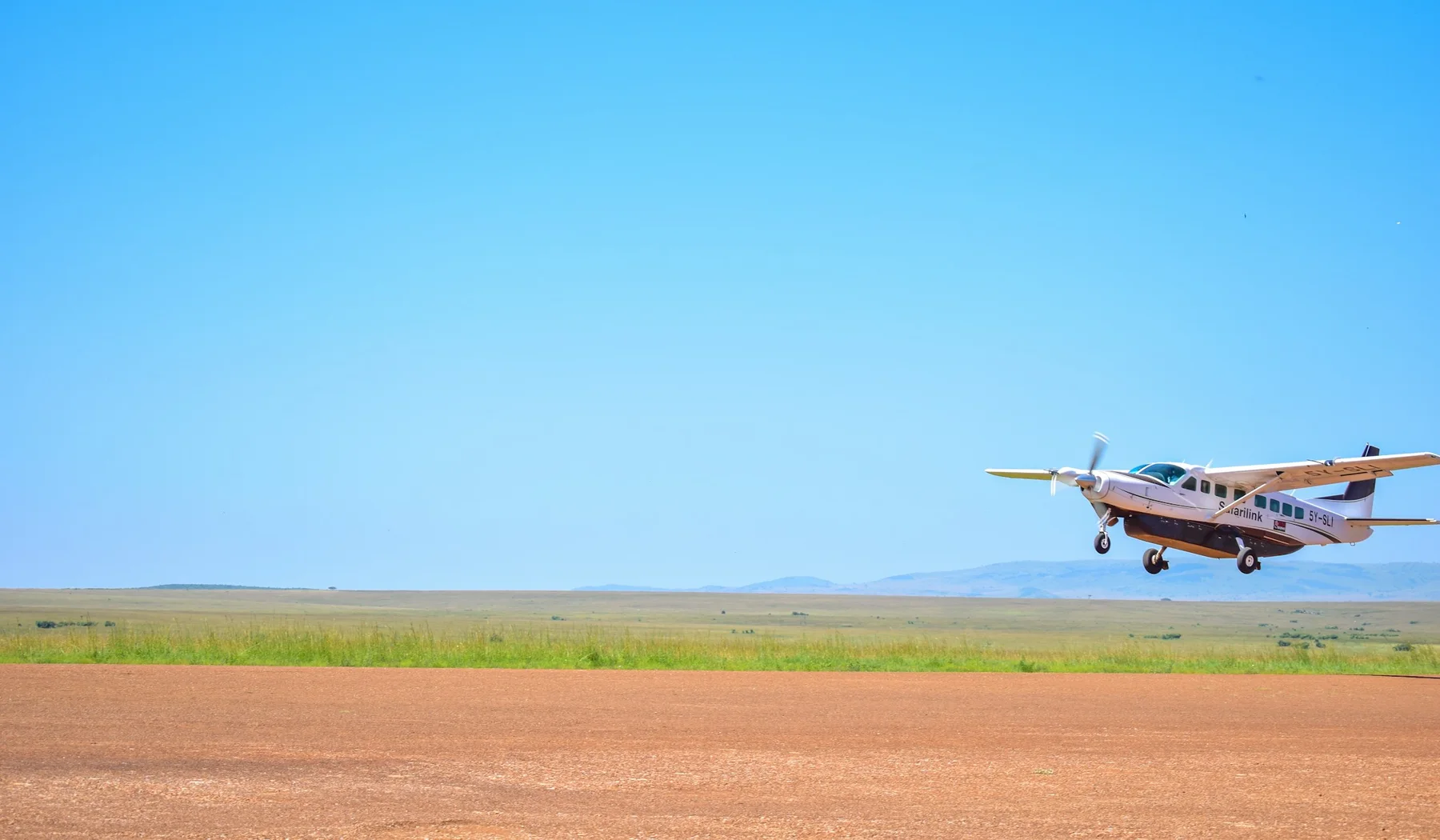
Ol Kiombo is the nearby Mara airstrip commonly used for Intrepids. A scheduled flight normally leaves Nairobi’s Wilson Airport, and the operator describes a short final transfer to camp. That does not mean an international arrival at Jomo Kenyatta can always connect on the same morning. Immigration, bags, Nairobi traffic and Wilson check-in all take time. A relaxed overnight in Nairobi can be worth it when children have already made a long international journey.
Road travel is possible and Heritage estimates around six hours from Nairobi for roughly 298 kilometres. Weather, road surface and city traffic can add time. A vehicle full of children may appreciate planned stops and daylight arrival. A flight saves road hours but imposes small-aircraft baggage rules. Our fly-in versus drive-in guide compares those choices for the whole safari, and the soft-bag guide helps you pack for the flight.
Who will enjoy Intrepids most?
It suits a family that wants reserve game drives with a comfortable camp day, a pool and a meaningful programme for younger children. It can also suit adults who prefer a sociable, well-equipped property to an isolated small camp. The Talek River and resident wildlife give it personality beyond its facilities. A family with an eleven-year-old and a five-year-old can use the camp differently without separating into two holidays.
Choose Mara Explorer if the party is adult and values ten riverfront tents, outdoor baths and an intimate atmosphere more than a children’s programme. Compare Fig Tree Camp for another Talek-area tented option, or a Mara conservancy property if controlled access and authorised walks or night drives are central. Our where-to-stay guide helps make the landscape choice first.
The best family trip is one children will want to talk about after returning home. At Intrepids, that might be a guide patiently explaining a track, a hippo heard from the river after dinner or a naturalist who helped a child recognise a bird. Give those moments room alongside the big sightings. They are often what turns a safari into a lasting interest in the wild.
Mara Intrepids questions
Is Mara Intrepids inside the Masai Mara National Reserve?
Yes. It is a Talek River camp within the reserve, with game drives beginning in reserve country.
Is Mara Intrepids the same as Mara Explorer?
No. They are nearby Heritage sister camps. Explorer is a ten-tent, adult-oriented riverfront property; Intrepids is larger and has a children’s programme.
How many tents does Mara Intrepids have?
Heritage describes thirty luxury tents across the riverside camp, including configurations for families.
Are game drives included?
The operator’s full-board description includes three shared guided reserve drives a day in open-sided safari vehicles.
Can I book a private vehicle?
A private vehicle should be arranged and priced separately for the travel dates; the standard rate describes shared game drives.
What is the Adventurers’ Club?
A Heritage family programme for children aged three to eleven, using nature and cultural activities with Maasai naturalists. Confirm the day’s programme and supervision arrangements.
Are park fees included?
No. Heritage’s policy page lists Masai Mara National Reserve fees separately from its full-board rate.
Does the camp have a pool?
Yes. The operator describes a riverfront swimming pool near the dining terrace.
Which airstrip serves the camp?
Ol Kiombo is the nearby airstrip commonly used for Mara Intrepids. Match the booked flight with the camp pickup.
Is a balloon flight included?
No. It is an optional extra-cost excursion with a very early start and weather-dependent operation.
Can young children join all drives?
The camp welcomes families, but a child may tire during a long shared drive. Discuss age, seating, child restraints and a private-vehicle option for your group.
Plan a family Mara journey
Plan Mara Intrepids
Share your dates, ages, room needs and what each traveller hopes to do in the Mara.