
14-Day Kenya Safari Itineraries Compared
Fourteen days can take you across Kenya, down to the coast, or deeper into a few places. Here are three thirteen-night routes with their real travel days, wildlife time and compromises in plain view.
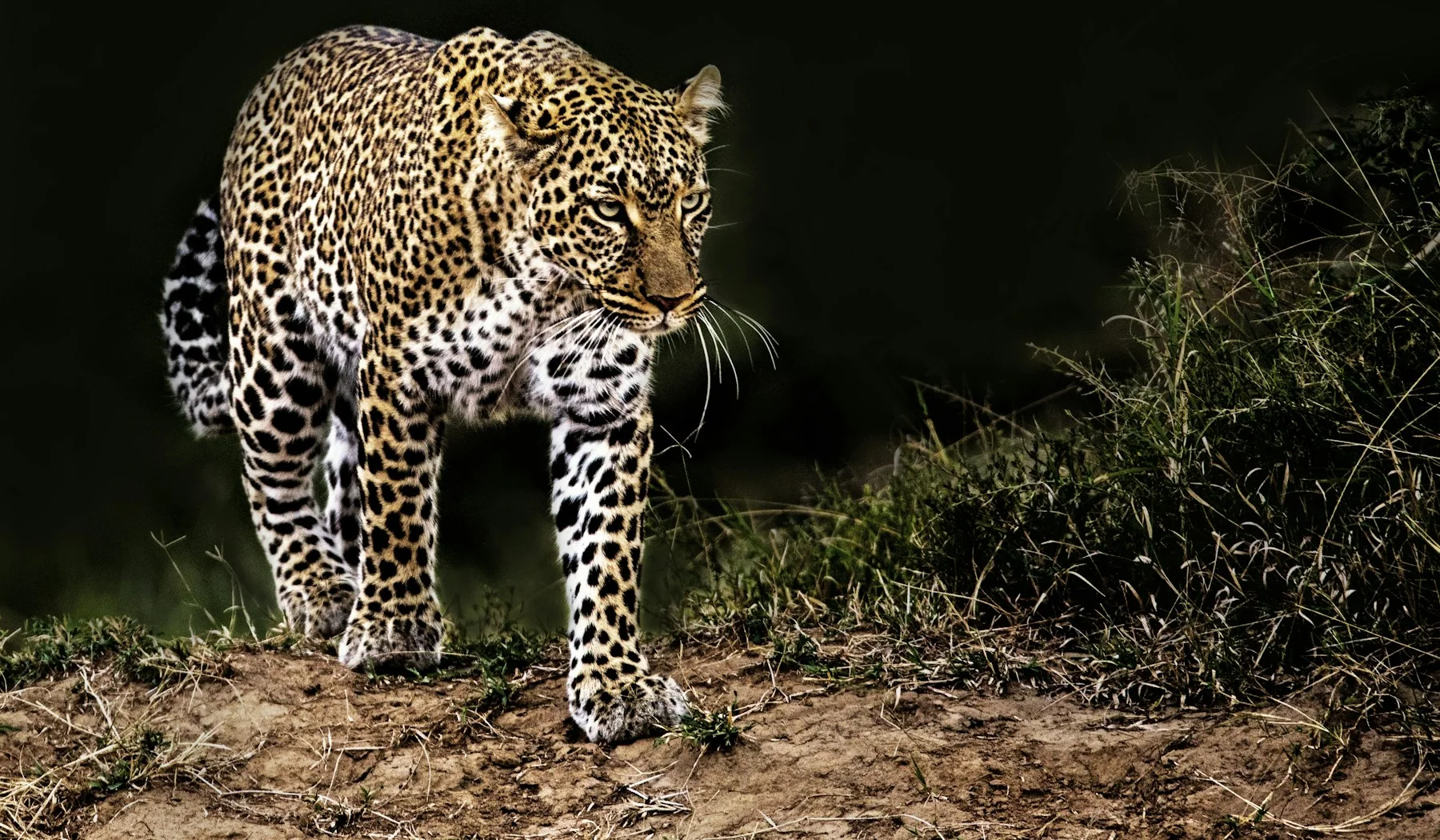
The tempting version of a two-week safari is a map with every famous park circled. The enjoyable version depends on what happens between those circles. You might come home remembering dawn beside the Ewaso Nyiro, a patient leopard sighting in the Mara and a final swim in the Indian Ocean. Or you might remember the inside of a vehicle, with a different suitcase ritual every morning. Both holidays can be described as “14 days in Kenya”.
We have made three different choices with the same thirteen nights. The first uses two weeks to cross more habitats, including the north, the Rift Valley, the Mara and Amboseli. The second spends safari time in the Mara, Amboseli and Tsavo West before a coast finish. The third is for people who would rather have three strong wildlife bases, with enough time to become familiar with each. Pick the feeling and wildlife priorities first. Properties, flights and final prices come after that.
Fourteen days on the calendar mean thirteen nights here
Day one is the international arrival and day fourteen is departure. A late arrival is a Nairobi hotel night, not a hidden game-drive day. A morning flight home makes day fourteen a transfer and check-in. The examples each place a final night in Nairobi to protect the international connection. With safely timed flights, that night can move into the bush or to the beach. But the connection has to work in the real timetable, especially if domestic and international tickets are separate.
These examples also assume that each change of region takes meaningful time. A flight can involve a hotel-to-airport drive, check-in, intermediate airstrip stops and a drive to the new camp. A road leg includes breaks, traffic, gate formalities and the last rough stretch to a lodge. A route with six bases does not have six full days of wildlife just because the brochure names six parks.
The three routes at a glance
| Two-week route | Thirteen-night split | Best reason to choose it | Honest compromise |
|---|---|---|---|
| Grand wildlife circuit | Nairobi 1, Samburu 2, Ol Pejeta 2, Nakuru 1, Mara 3, Naivasha 1, Amboseli 2, Nairobi 1 | Dry-country wildlife, rhinos, Rift Valley, Mara plains and Amboseli elephants in one trip. | Seven accommodation bases and several dedicated travel days. |
| Mara to southern parks and coast | Nairobi 1, Mara 3, Amboseli 3, Tsavo West 2, Diani 3, Nairobi 1 | Classic game viewing, changing landscapes and a beach ending that follows the southern road. | Mara to Amboseli is a major cross-country move; the coast has only two full days. |
| Slow north and Mara | Nairobi 1, Samburu 3, Laikipia 4, Mara 4, Nairobi 1 | Longer time with guides, northern species, rhino country and flexible Mara days. | No Amboseli or coast; the Laikipia-to-Mara link needs careful routing. |
The first route is not automatically the most complete simply because it has the most stops. It is a good fit for travellers who genuinely enjoy movement and many ecosystems. The second is strongest when a beach finish matters as much as big-game drives. The third can be especially satisfying for photographers, birders and people who dislike repacking. A two-week safari is long enough to choose depth deliberately, rather than use every extra day to add another park.
Route one: the grand wildlife circuit
This route opens in Samburu, crosses rhino country around Ol Pejeta, makes a Rift Valley stop, spends three nights in the Mara and ends its wildlife time among Amboseli’s elephants. It is a broad introduction to Kenya. It is also the route with the most hotel changes. If your main dream is one outstanding Mara camp or a relaxed family pace, read the third route before booking this one.
Day 1: Nairobi. Arrive, meet your driver and sleep. An early landing may allow a gentle city outing, but keep the first night easy after a long flight.
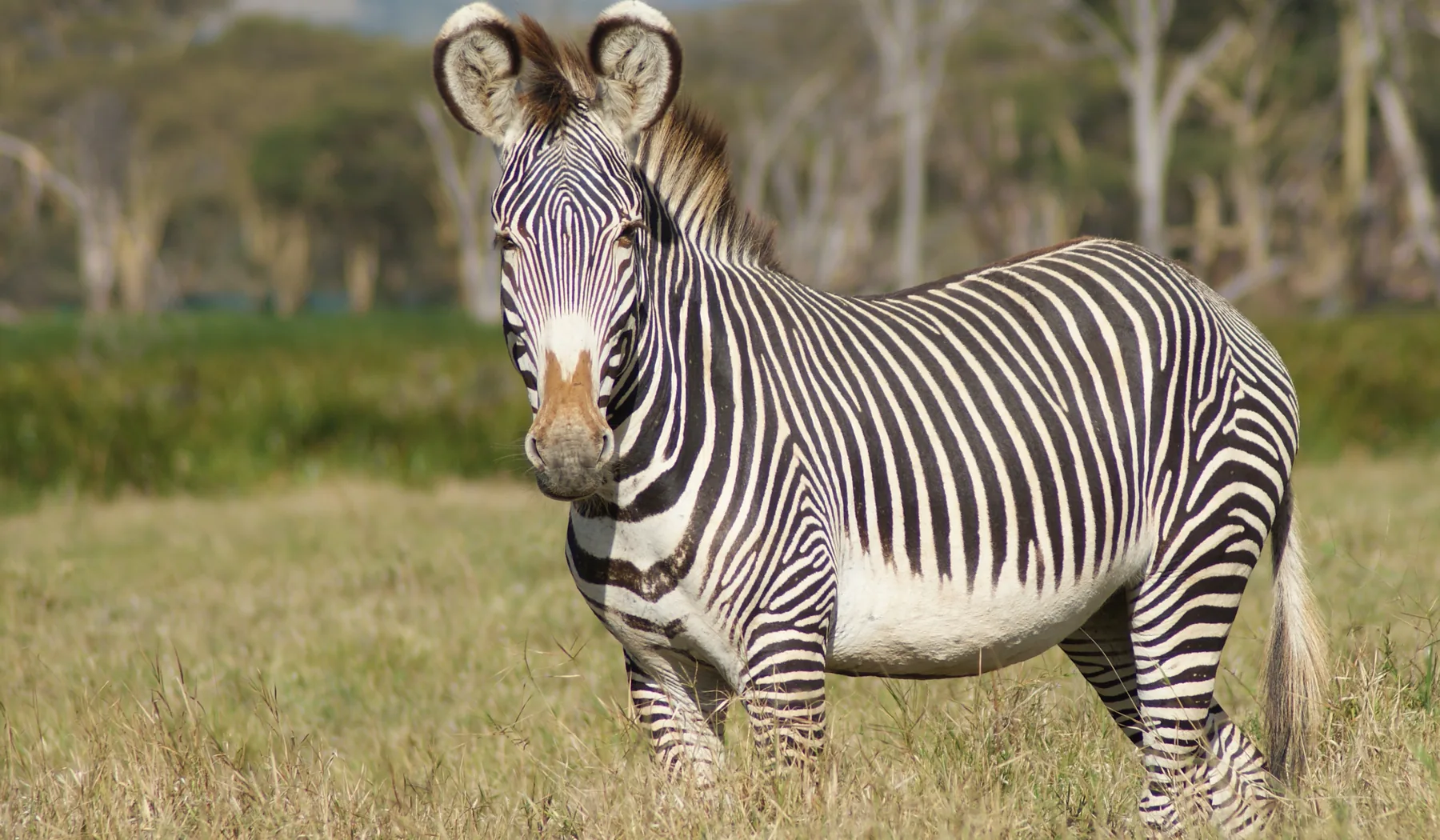
Days 2 and 3: Samburu, two nights. Go north by road or a suitable flight. The afternoon of arrival may allow a drive if the gate, lodging and flight times work. Your full day is for the Ewaso Nyiro environment, elephants and dry-country species such as Grevy’s zebra, gerenuk and reticulated giraffe. Our Samburu guide explains the reserve’s character and lodging areas.
Days 4 and 5: Ol Pejeta, two nights. Continue southwest to Laikipia. An arrival drive can be followed by a full day around rhino habitat and a prebooked conservation experience, if that interests you. A specialist visit has its own capacity, fee and timing, so it should be part of the actual itinerary. The Ol Pejeta guide can help you choose what matters rather than add every optional activity.
Day 6: Lake Nakuru, one night. This is a short bridge, not a deep stay. It can bring rhinos, woodland birds and a different park atmosphere, while breaking the route west. Do not book it solely for an old photograph of a pink lakeshore; flamingo concentrations vary. If that stop does not speak to you, place the night in Samburu, Ol Pejeta or the Mara and treat the next road day honestly.
Days 7 to 9: Masai Mara, three nights. Take the road to the correct Mara sector and lodge. There are two complete days after the arrival day, which is enough for a strong first visit but not a guarantee of a river crossing. Decide whether you want the Reserve, Triangle or a neighbouring conservancy and understand the access between them. Our Mara safari guide helps with that choice.
Day 10: Lake Naivasha, one night. Move east from the Mara. This night can break the return toward Amboseli and offer a lake outing or, with enough time and suitable conditions, a walk or Hell’s Gate activity. A one-night stop cannot comfortably contain them all. Nakuru is a national park wildlife drive; Naivasha is a lake area with a different activity mix. Our Naivasha guide explains that difference.
Days 11 and 12: Amboseli, two nights. Continue south via the Nairobi area. This is another serious travel day. The full day that follows is for elephants, wetland birds and the changing mountain backdrop if clouds allow it. Choose a lodge with gate access and game-drive rhythm in mind; an outside-park property can offer other experiences but may have different entry and drive logistics. See the Amboseli guide.
Days 13 and 14: Nairobi and departure. Return to Nairobi and sleep before the flight home. If the flight is late enough, a same-day return from Amboseli might work, but a road delay against a separate international booking is not a pleasant finale.

Who should skip it? Travellers who dislike early departures, have limited mobility, or want several afternoons simply sitting at camp may find the pace tiring. This is the only route here with two one-night stops. Removing one or both would not mean a failed trip. It could improve it.
Route two: the Mara, Amboseli, Tsavo West and Diani
Here the holiday changes pace on purpose. Three nights in the Mara give open-plains game viewing. Three in Amboseli give time for elephants and an unhurried full day. Tsavo West makes the southern move to the coast more than a highway transfer, and Diani is a genuine beach finish. The geographical weakness is at the beginning: Mara to Amboseli is a cross-country move that needs either a long road day or a workable flight connection.
Day 1: Nairobi. Land, sleep and let the group recover. A first-night city hotel also protects an early Mara air departure the following morning.
Days 2 to 4: Mara, three nights. Road or fly to the chosen airstrip and camp. Keep one full day open for the sector around the lodge and another for a longer game drive or a different experience. A balloon flight is optional and weather-dependent, not a substitute for a proper game-viewing day. If migration is the dominant goal, add a fourth Mara night by trimming another stop.
Days 5 to 7: Amboseli, three nights. Day five is the hard connection. A vehicle may travel via the Nairobi area; an air option might involve Wilson Airport and its own check-in and luggage rules. There are then two full days at Amboseli, which changes the experience from a quick elephant photo stop to a more patient safari. Avoid planning a guaranteed Kilimanjaro view for a single hour. Light and cloud decide it.
Days 8 and 9: Tsavo West, two nights. Move eastward toward the coast through volcanic, wooded and more rugged landscapes. Ask which Tsavo West area the lodge actually serves. Its size means a property near one gate or attraction does not make every feature a casual morning drive. Our Tsavo West guide helps match interests with the route.
Days 10 to 12: Diani, three nights. Complete the southern road journey to the coast. Arrival day is largely for transfer and a first look at the sea; days eleven and twelve are your two full beach days. Choose between a lively resort, a quieter property or family facilities. A coast excursion is only worthwhile if you still want an early start after the safari. Our Diani guide covers the area and practical access.
Days 13 and 14: Nairobi and departure. Return by a confirmed domestic flight or other suitable connection, then sleep in Nairobi. If the international ticket leaves from Mombasa or safely connects from the coast, the Nairobi night could move to Diani. Do not assume separate air tickets offer protection if a domestic flight is delayed.
There is a different version for travellers who care less about the Mara: begin with Amboseli, spend more time in Tsavo West and East, and reach the coast by road without the cross-country jump. That can be an excellent two-week trip, not a compromise. The Mara is famous, but it does not have to appear in every safari.
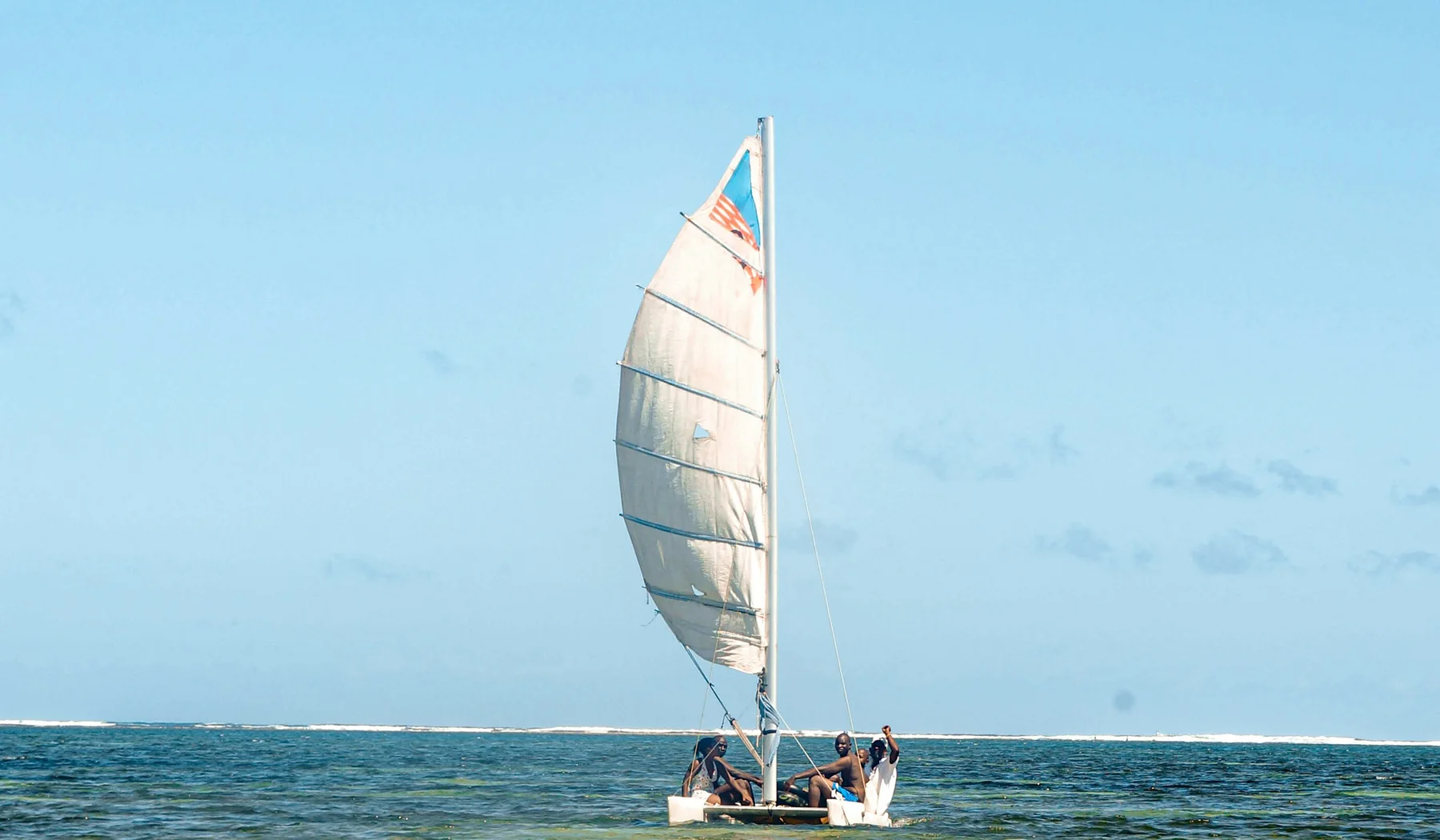
Route three: Samburu, Laikipia and the Mara at a slower pace
This route gives up the coast and Amboseli for three deeper wildlife stays. A dry-country opening in Samburu contrasts with a Laikipia conservancy and the Mara grassland. It works particularly well when everyone wants to spend time with a guide, revisit an area in different light, and enjoy the camp rather than change beds constantly. A longer journey does not require more stops.
Day 1: Nairobi. Rest after arrival. If the international flight lands early, decide whether moving north immediately would feel liberating or exhausting. There is no prize for starting tired.
Days 2 to 4: Samburu, three nights. Travel north and settle. Two full days allow one drive focused on the river corridor and another on a different part of the landscape, guided by current conditions. The northern species are a draw, but spend time watching behaviour rather than racing through a checklist. A lodge in Samburu, Buffalo Springs or nearby community land will not have identical access or activities. Confirm the precise arrangement.
Days 5 to 8: Laikipia, four nights. Move into the conservancy landscape around the chosen property. Four nights create space for wildlife drives, rhino interest and appropriate guided activities such as walking or night drives where permitted. The word Laikipia covers a large area. Ol Pejeta, Lewa and other conservancies have distinct rules, access and accommodation styles. Our Laikipia guide gives a starting point, but the final camp choice should come from your interests and dates.
Days 9 to 12: Masai Mara, four nights. The move southwest is the trip’s major connection. Compare a long private road journey with available air routing, including the ground transfer to the actual camp. The stay then gives three full days. A camp in a conservancy can offer a quieter drive or activities not available in the Reserve, but reserve access and fees must be shown clearly. For guests interested in the Triangle, the exact location matters even more than the word Mara in a property name.
Days 13 and 14: Nairobi and home. Return to Nairobi for the final night and departure. A late international flight might free an extra bush night. The group should make that decision with ticket timings and transfer risks visible.
One of the pleasures of this route is having time for a choice that is usually squeezed out: a full afternoon at camp, a second drive in the same area with a different guide focus, or a carefully arranged community visit. A visit to a Maasai or Samburu community should be led and welcomed by the hosts, with the terms clear. It is not an entitlement that comes with booking a safari room.
Movement is the real difference between these trips
A twenty-minute flight on a map is not a twenty-minute travel day. Bush services may call at other strips. Bags may need to be soft-sided and light. Wilson Airport is not Jomo Kenyatta International Airport, so a Nairobi connection can require a cross-city transfer. Likewise, a road estimate between towns is not the time from one lodge room to the next.
| Travel choice | Where it matters most | What to confirm |
|---|---|---|
| Stay with one guide and vehicle | The grand circuit and the southbound Tsavo progression. | Private or shared use, available luggage space, rest stops and the longest road day. |
| Fly a cross-country leg | Mara to Amboseli, or Laikipia to Mara. | Actual route and stops, airport change in Nairobi, baggage rules and both ground transfers. |
| Use the final Nairobi night | Any route ending away from the international airport. | Whether the domestic arrival and international departure are on separate tickets, plus a safe connection margin. |
| Remove a one-night stop | Nakuru or Naivasha on the grand circuit. | Whether the stop adds an experience you actively want or merely breaks a drive that can be planned another way. |
For the grand loop, the cumulative number of checkouts may be more tiring than any single drive. For the coast route, the Mara-to-Amboseli move is the decision point. For the slow route, one carefully planned Laikipia-to-Mara transfer matters more than counting every kilometre elsewhere. Ask for a day-by-day proposal that shows expected departure, transport mode, rest and arrival, not only lodge names.
Compare named rooms, fees and transport, not an attractive headline
Thirteen nights of travel can carry many small exclusions. KWS park entries, county reserve tickets, private conservancy fees and activity charges are not interchangeable. A lodge outside a park may require daily entries and gate travel. A Mara conservancy stay may not include a Reserve visit. A private 4×4 and guide for a road trip cost differently from fly-in camp vehicles, which may be shared. If one quote has flights and fees and another does not, its lower figure tells you very little.
Have the final proposal name every hotel or camp, room category, meal basis, park or conservancy entry, driver and vehicle, domestic flight, baggage allowance, coast transfer, optional activity and cancellation rule. A family needs the exact room configuration, not the comforting phrase “family friendly”. A photographer may need a private vehicle and luggage allowance for gear. A guest with limited mobility needs details about steps, paths, vehicle entry and available assistance. The Kenya safari cost guide explains why season, group size and comfort level change the total.
| Budget driver | Grand circuit | Southern route and coast | Slow north and Mara |
|---|---|---|---|
| Accommodation changes | Most, including two one-night bases. | Moderate, with three safari bases and coast. | Fewest principal wildlife bases. |
| Major travel decision | Whether selected flights relieve several road days. | How to connect Mara and Amboseli; how to return from the coast. | How to connect Laikipia and Mara. |
| Fee complexity | Several different reserve, park and conservancy systems. | Mara, Amboseli and Tsavo entries plus chosen coast outings. | Samburu, selected Laikipia conservancy and Mara sector. |
| Where an extra night helps most | Replace a one-night stop with time in a favourite main park. | Give Diani a third full day or add Mara flexibility. | Use it for a second camp sector only if it changes access meaningfully. |
We would rather show a complete route cost than label one pattern “budget” and another “luxury” before dates or rooms exist. The same named itinerary can have a very different price in a migration-season conservancy, with a private vehicle, or at a family-sized coast hotel. Compare the total and the same per-person sharing assumptions. Ask which days are genuinely guided wildlife days and which are mostly travel.
Choose dates for a whole experience, not one predicted sighting
The Mara’s migration period can bring spectacular animal movement, but nobody can put a river crossing into an itinerary as a booked event. The Reserve and conservancies also offer resident wildlife outside that season. Samburu’s dry-country species and Laikipia’s conservation areas create strong reasons to travel beyond the Mara. In Amboseli, Kilimanjaro may be clear one morning and clouded the next. Tsavo’s visibility changes with vegetation and weather. The coast has its own rain and sea conditions. A route should be worthwhile even if one postcard view does not appear.
The grand loop asks travellers to enjoy variety and a fair amount of movement. For families with younger children, seven bases in thirteen nights may be too much. The coast route can work well if the child-friendly room and journey lengths are considered from the start. The slow route suits guests who want shorter daily ambitions, although each camp’s child policy and permitted activities need checking. Our young-children safari guide covers those practical choices.
Two weeks also allow room for a less-common park, but add it by substitution. Meru could replace one familiar stop for travellers drawn to its river systems and quieter feeling. The Aberdares could suit a forest and highland interest. Neither is well served by tacking it onto an already full grand circuit as an eighth bed. Our Meru guide and Aberdare guide can help decide whether the geography and experience justify a different route.
What an independent two-week traveller noticed
An independent traveller described their two-week Kenya journey in a public trip report. One observation was blunt: Every flight since departure from NA was delayed at least an hour.
They loved their Mara conservancy stay, lake activities and the people they met, but also described bumpy drives and a migration crossing they did not see. This is one personal trip, not a statistical measure of all flights. Its useful lesson is to give any important onward connection a margin, and to build a holiday that remains wonderful without one predicted wildlife event.
The same account enjoyed the contrast between wildlife areas and Rift Valley experiences. Another traveller might have spent those nights longer in the Mara. Neither is wrong. The honest planning question is whether a new stop offers something you personally want enough to pay for it with a checkout and travel day.
14-day Kenya safari itinerary questions
How many nights does a 14-day Kenya safari include?
The examples here use thirteen nights, with international arrival on day one and departure on day fourteen. Fourteen nights is a different, longer holiday.
Can two weeks include Samburu, Ol Pejeta, Nakuru, Mara and Amboseli?
Yes, but it includes several full transfer days. The grand circuit adds a Naivasha stop and uses thirteen nights; it suits travellers who actively want variety more than long stays.
Is it better to spend two weeks in fewer parks?
For many travellers, yes. The slower example uses three principal wildlife areas and gives three, four and four nights to them. It makes room for activities and rest without a new bed every second day.
Can a 14-day Kenya safari finish at Diani Beach?
Yes. A southern progression through Amboseli and Tsavo West reaches the coast, while a prior Mara stay requires a carefully planned cross-country transfer. The sample gives three Diani nights.
Should I visit both Lake Nakuru and Lake Naivasha?
Only if you value their different experiences. Nakuru is a national park with wildlife drives; Naivasha is a freshwater lake area with selected boat, walking and Hell’s Gate options. Neither should be included only to add a place name.
Will two weeks guarantee a Great Migration crossing?
No. Animal movements and river crossings cannot be scheduled. More Mara days increase your flexibility but not certainty.
Is a private vehicle better than flying?
A private vehicle gives continuity of guide and luggage handling but can mean long road days. Flying may protect wildlife time on selected cross-country legs. Compare door-to-door time and total cost.
Can I add Meru or the Aberdares?
Yes, but replace a stop rather than bolt it onto a full itinerary. A two-week route has time for a less-common park when its geography and the travellers’ interests justify it.
What is the best two-week route for families?
Many families prefer fewer moves or a beach finish. The full grand circuit has the most checkouts. Child ages, drive tolerance, room configuration and flight rules should determine the final route.
What is the best two-week route for wildlife photography?
Longer stays in Samburu, Laikipia and the Mara can be stronger than a six-park sampler. Light, guide, vehicle position and the ability to revisit an area matter more than the park count.
Should the final night be in Nairobi?
A final Nairobi night is a useful buffer when connecting from the bush or coast to a separate international flight. It can be omitted if the confirmed flight times allow a safe same-day connection.
How should I compare 14-day safari quotes?
Compare the same dates, traveller and room basis, guide and vehicle privacy, all park and conservancy entries, flights and baggage, meals, optional activities and cancellation terms.
Explore the places behind each route
Choose what deserves your time
Tell us who is travelling, dates, must-see places, coast plans and travel-day tolerance. We can build an itinerary with named stays, vehicles, flights and fees.