
Saruni Leopard Hill: Stargazing and Safari in Naboisho
Leopard Hill is a six-tent Mara Naboisho camp with open-to-the-sky roofs, waterholes near the rooms and Maasai-guided drives. The quiet conservancy setting is the draw. So are the details: room type, walking age, conservation fee and whether you want a separate day in the National Reserve.
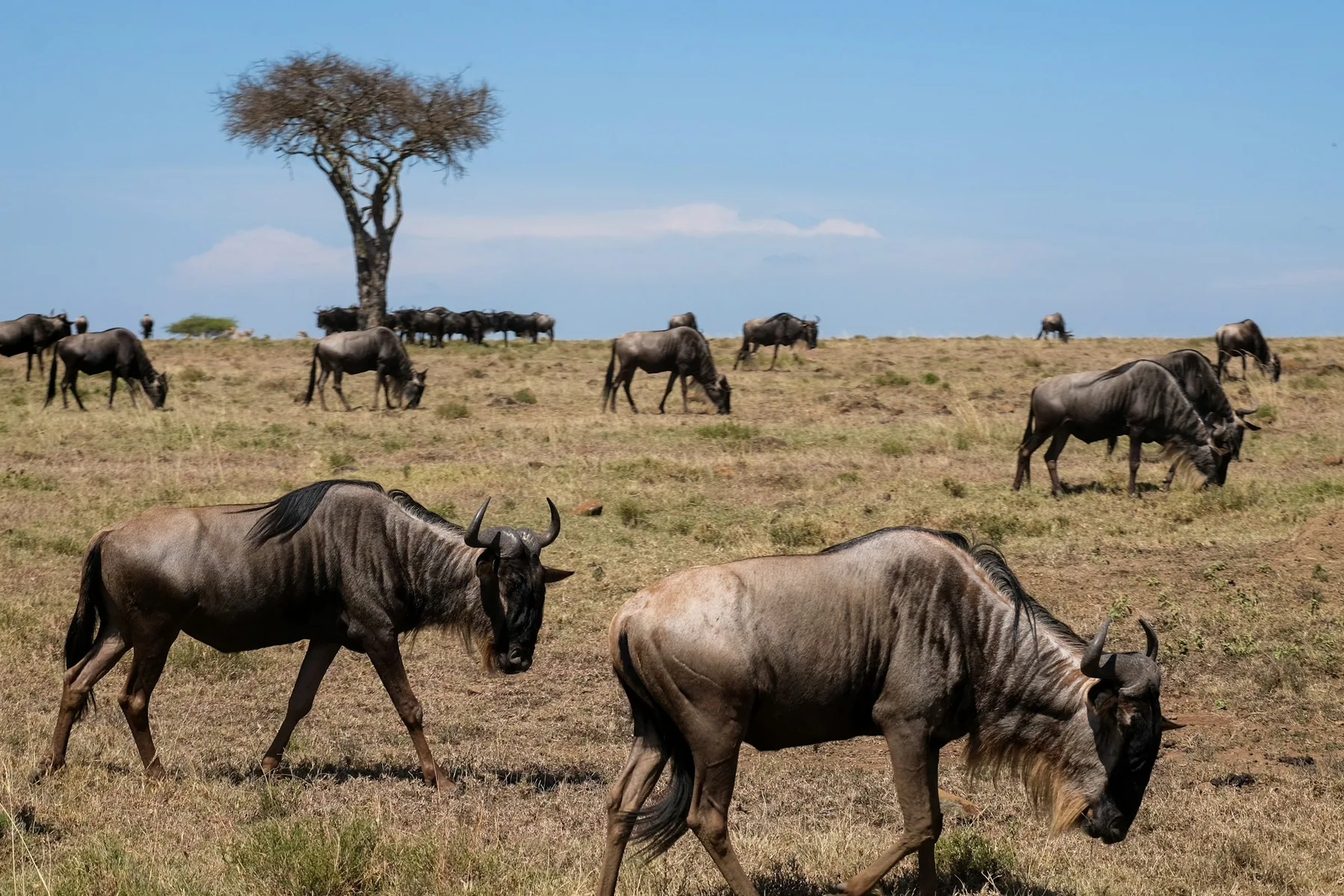
There is a peculiar pleasure in ending a Mara day without leaving the wilderness behind. At Saruni Leopard Hill, the last game drive can be followed by dinner, a walk with staff to your tent and, if the weather allows, a roof that opens above the bed. The night sky is the famous feature. The reason to stay longer is what happens below it: Naboisho’s wildlife, local guiding and a small camp that can feel personal after the vehicle engine stops.
Saruni Leopard Hill, often searched simply as Leopard Hill, has six tented rooms in Mara Naboisho Conservancy. Four are Deluxe Tents, one is a Honeymoon Tent and one is a Family Tent. The tents overlook open country and waterholes near the camp, with the Double Fig Tree an important landmark in the valley. This is not a property inside the Masai Mara National Reserve. Its daily drives take place in Naboisho unless a distinct reserve visit is arranged, and the distinction affects both the experience and cost.
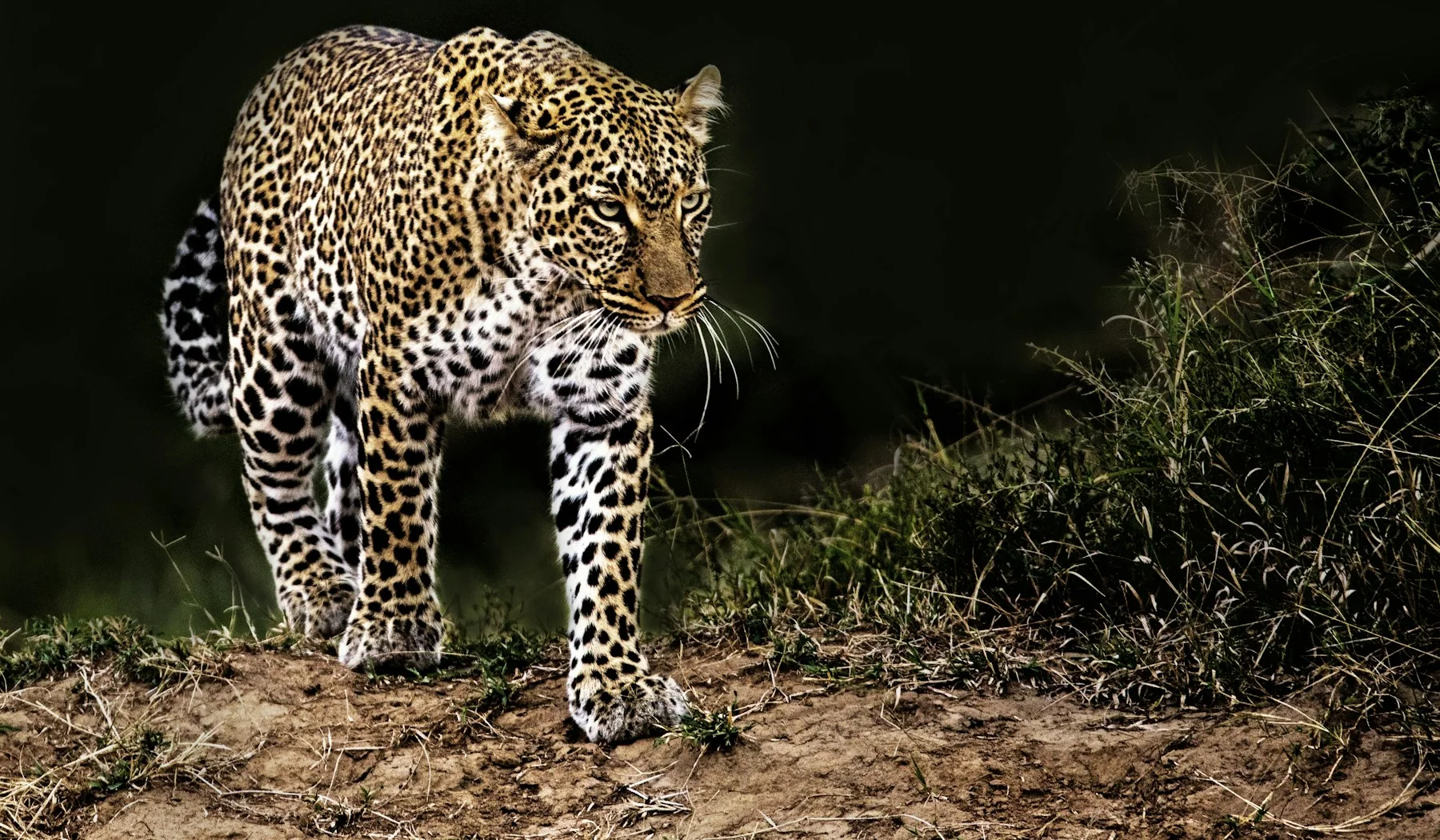
The name is not a wildlife guarantee. A leopard may never show itself on your dates, while lions, grazing herds, birds and the quiet movement of smaller animals become the real story. Our Naboisho Conservancy guide explains the community land model, driving rules and other camps in the area. Leopard Hill’s appeal is a particularly intimate way to inhabit that landscape, not a shortcut to a checklist of cats.
Naboisho is not the same as the National Reserve
Naboisho is a community conservancy within the Greater Mara ecosystem. Wildlife moves across the larger landscape, but the land management and visitor arrangements are different from the publicly visited Masai Mara National Reserve. A stay with a participating camp supports conservancy access and can allow carefully managed night drives and guided walks that a normal reserve safari does not offer. The trade-off is that a specific reserve river location is a separate journey, with its own entry charges and more travel time.
The camp sits in a quieter valley rather than on a busy reserve thoroughfare. Waterholes in view of the tents can bring wildlife into the everyday rhythm of camp. You may watch zebra and giraffe while you eat, or hear an animal at night. You might also have a slow hour without a dramatic visitor. It is wild country, not a zoo beside the dining tent. The private-room view is an excellent reason to leave enough unplanned time between drives.
A migration-minded visitor should be particularly clear on geography. Naboisho is valuable for resident wildlife throughout the year. The Mara River crossing sites are not outside the tent. An optional day in the reserve can add another landscape, but crossings cannot be timed or promised. Our river crossings guide and Mara seasons guide help keep the wildlife expectation richer than one event.
| Safari area | What it adds | What to budget or plan |
|---|---|---|
| Mara Naboisho Conservancy | Camp access, local guiding, resident wildlife, controlled night activity and walking where authorised. | Daily conservancy fee, separately shown by the operator. |
| Masai Mara National Reserve | Another ecosystem sector and potential river-region day. | Additional entry fee, drive time and possibly separate vehicle arrangements. |
| Leopard Hill camp and waterholes | Watching from the tent, lounge or terrace without a vehicle. | Wildlife is free-moving and never guaranteed at a fixed time. |
| Community visit | A hosted encounter with people and conservation work. | Check fee, host consent and the time allowed for a real conversation. |
Four Deluxe, one Honeymoon, one Family Tent
The camp’s current accommodation description names four spacious Deluxe Tents, plus the single Honeymoon and Family Tents. All six draw on a rounded manyatta-inspired form and are raised to face the plain. The motorised ceiling is a signature feature: open it from the bed and a mosquito net remains between you and the night. Whether the sky is clear, cool or cloudy will determine how long you keep it open. It is an experience with a weather switch, not a reason to promise uninterrupted stargazing every night.
The Honeymoon Tent has a prime position looking toward waterholes. It is still part of a small camp rather than a fully detached private house. A couple wanting the romantic room should name it, not book any tent and expect the same position. The Family Tent has two wings, each with its own bedroom, bathroom and veranda. It offers a very different arrangement from adding a third bed to a Deluxe Tent. There is only one family unit, so its availability may shape the entire route for a school-holiday trip.
Indoor and outdoor showers, private verandas, electricity and a fan are among the amenities the operator lists. If you need a particularly accessible path, the operator points to Tent 5 close to the main area with a ramp. That is a helpful starting point but not a universal accessibility guarantee. The team should talk through each guest’s mobility and bathroom needs before the reservation is fixed. Similarly, an outdoor shower is wonderful for some travellers and less comfortable for another who wants privacy or warmer water indoors.
The camp is designed to bring the outside close, so you may hear wildlife and night sounds through the tent. Staff escort arrangements matter in an unfenced setting. A guest who needs a sealed hotel room and very little sound may prefer a different style of lodge. For others, hearing the bush while protected indoors is the whole point of coming to Naboisho.
| Tent choice | Number | Best for | Specific detail to settle |
|---|---|---|---|
| Deluxe Tent | Four | Couple or friends wanting the standard Leopard Hill experience. | Bed arrangement, view angle and path to the main area. |
| Honeymoon Tent | One | Couple prioritising a waterhole-facing position. | Exact privacy and any special dining arrangement. |
| Family Tent | One | Family needing two bedrooms and bathrooms. | Children’s ages, bed setup and shared vehicle plans. |
| Tent 5 with ramp | One designated easier-access option. | Guest who benefits from a shorter approach and ramp. | Full accessibility needs, not just entrance design. |

A roof that opens, and a waterhole that does not keep appointments
The roof mechanism is worth understanding before you arrive. It opens above the bed so you can watch stars through a net. If the night is cloudy or cold, keeping it closed is perfectly sensible. The operator describes both an opening ceiling and star beds among its features. Ask what applies to the room you have booked and whether a separate star-bed arrangement is available on your dates. A photographer imagining an exposed rooftop observatory may be surprised that the comfortable everyday version is a protected bed beneath a movable roof.
The waterhole can be equally captivating. Watch long enough and even quiet periods have details: the order in which animals approach, alarm calls, birds at the edge of water, a giraffe deciding whether the coast is clear. Recent guests have reported zebra and giraffe near camp. Those are observations from particular stays, not fixed events on a daily timetable. The best approach is to make room to look, perhaps during lunch or after the afternoon drive.
The sound of a predator after dark is memorable precisely because you are not walking out to find it yourself. Use the camp’s night escort, keep your tent properly closed and follow staff advice. The small camp can feel almost like a private wilderness, but it remains a place where animals move without asking guests for permission. This is a pleasure and a responsibility in equal measure.
Shared day and night drives, with walks for adults
The 2026 Leopard Hill rate sheet includes shared day and night game drives in open-sided vehicles. The open sides are exhilarating for photographs and immersion, but dawn and evening air can be surprisingly cold. Pack a warm layer even if the afternoon is hot. A guest on a honeymoon remembered a night drive with a large lion group; that was their extraordinary outing, not a normal-size lion pride guaranteed on every drive.
Guided bush walks are another reason to choose Naboisho, but the camp lists them for guests aged eighteen and over. A family with teenagers should not see “walking safari” in the activities list and assume everybody can join. The Young Explorers Club is the separate family programme and is available on advance request. Walks need appropriate guides, route decisions and safety conditions. They are not casual strolls along a main reserve road. Our Greater Mara walking guide explains the format and the difference from a vehicle drive.
Shared drives can be a lovely social part of a six-tent camp. You meet other travellers and hear different questions. They can also constrain a photographer who wants another hour with a cheetah or a family whose young child needs to return. The operator charges separately for exclusive vehicle and guide use. You do not necessarily need it every day. A well-chosen private day may be more valuable than paying for it through an entire long stay without a clear purpose.
The camp also lists bush meals, sundowners, birdwatching and a Maasai wellbeing space. Ballooning and a visit to the Masai Mara National Reserve are possible, but each requires its own price and timing. In a three-night stay, a morning walk, several Naboisho drives and a little time at the waterhole may already be deeply satisfying. If your goal is to cover multiple wildlife sectors, place a reserve day carefully so the camp’s own conservancy experience is not squeezed out.
What a Leopard Hill day feels like
Before breakfast, open the tent carefully and look toward the waterholes. Your guide may have a plan based on tracks, calls and what colleagues saw during the previous evening. The drive begins in the cooler hours while the light is soft. Naboisho is often praised for predators, especially lions, but a good guide will also make the grasses, birds and grazing animals interesting. Our Mara game-drive etiquette guide explains why patient viewing is more rewarding than crowding a cat.
Lunch back at camp can feel like the day’s second wildlife outing if animals visit the open ground. Or it might be a quiet meal followed by a nap and an outdoor shower. A couple on honeymoon might choose a spa treatment; a family might join a Young Explorers activity. The afternoon drive shifts the light and can continue toward a legal night drive on conservancy land. Back at camp, a fireside conversation and a meal round off the day. If clouds permit, the ceiling opens above your bed. None of those moments should be crowded into a list of add-ons that leaves no breathing space.
The operator includes a single 30-minute back-and-neck massage per room per stay under its published 2026 terms. More treatments are extra. This is a useful distinction when comparing camps that simply advertise a spa building. Meals, selected house drinks, tea or coffee in the tent and limited laundry are also in the published inclusions. A premium bottle, an extra treatment or an extended late-departure lunch belongs in the separate column.

Guests remember people as much as the star roof
Recent independent guest accounts are unusually specific. An August 2026 honeymoon traveller wrote, The people really make Saruni Leopard Hill stand out.
Their account named the person who served them, the chef who showed them the garden and guides whose night drive became a highlight. The couple also described a luggage problem that the manager helped solve. This does not promise the same staff roster or a repeat of their lion sighting, but it shows what personalised care looked like on one actual trip.
Another visitor who cared about community benefit called the staff the best part of the trip
. They also saw a leopard on their first day. The important part is not to sell that first-day sighting as a pattern; it is that a guest who had chosen a locally rooted conservancy camp found the people central to the experience. A third guest, travelling in March, enjoyed both the indoor and outdoor showers and found their tent peaceful. They stayed four nights, long enough to use more than the roof feature.
A more practical August account says open vehicles were enjoyable but advised guests to Bundle up in the mornings!!
. That is advice to pack a warm layer, not evidence that the camp is uncomfortable. The same reviewer heard animals near the tent and noticed staff security after dark. These details are useful precisely because they are specific. Readers should know that a tented camp brings sound, changing temperature and wildlife movement as well as a beautiful room.
Guest reviews of a small camp can be overwhelmingly positive while still leaving individual differences. A honeymoon couple may value privacy; a photographer may care most about vehicle flexibility; parents need a child-policy and bedroom plan. Use the accounts to decide which questions match your party rather than treating an average rating as a complete travel plan.
A romantic tent and a genuine two-wing family option
The Honeymoon Tent is not just a word added to the regular price list. It is a single unit in a deliberate waterhole-facing position. A couple can enjoy quiet time there, request a private meal if available and still join sociable drives and fireside conversations. A memorable honeymoon is less about rose petals than having a guide and a camp that notice your pace. If total privacy matters, ask whether a private vehicle or exclusive arrangement is needed. A shared camp with six tents remains a shared camp.
The Family Tent has two wings, each with its own bedroom, bathroom and veranda. That can let parents and children have closeness without sharing a single sleeping space. The operator lists child rates for ages five to sixteen and says under-fives stay free when sharing with adults under its stated terms. The child’s exact age and the family-unit minimum occupancy need to be checked. The adult walking-safari age is eighteen, so a teenager may enjoy drives and Young Explorers activities yet not join a bush walk. Our Mara with children guide helps shape a realistic day.
Talk through night escorts, uneven ground and outdoor showers with children before arrival. An unfenced wildlife camp is not a playground in the dark. Families who understand that often find it thrilling rather than frightening. A child can learn as much watching zebra cautiously approach a waterhole from the veranda as on a long drive. The key is giving the family enough time to sit and notice.
Why the people and land model matter here
The operator describes Leopard Hill as part of the community-owned Naboisho conservation model, with many staff recruited from landowning communities. It also describes reforestation through seedball distribution, rainwater harvesting, solar power and local sourcing. These claims have more substance than a generic “eco” badge, but they should still be understood as the operator’s account of its practices. Ask what the conservancy fee supports and how the particular community activity is hosted if this matters to your booking decision.
A village or manyatta visit appears on the activities list, but the 2026 rate sheet prices it separately. A meaningful visit needs a named host, enough time to talk, agreement on photography and a clear fee. The Maasai are neighbours and partners in a living landscape, not a decorative side stop. Our Maasai village visits guide discusses what respectful hosting can look like across Kenya.
The camp’s communal meals can also provide an informal human dimension. Guides and staff carry knowledge of the landscape through seasons and family histories. If you are curious, ask them about tracks, plants, cattle grazing and the conservancy’s changes. That conversation may stay with you longer than a photograph of a distant cat.
A generous camp rate, with several important exclusions
The operator’s rate sheet includes accommodation and meals, soft drinks, house wines, selected beers and spirits, shared day and night drives, airstrip transfers, selected laundry, tent Wi-Fi and one short massage per room per stay. Bush meals and sundowners are listed too. The headline room rate is therefore more than bed and breakfast. That said, a complete Mara itinerary still needs the conservancy fee and any reserve excursion priced alongside it.
Daily Naboisho conservation fees are excluded. So are a Masai Mara National Reserve entry, exclusive vehicle use, a village visit, premium drinks, extra spa treatments and personal costs. The operator’s 2026 sheet lists an adult conservation fee separately and a minimum two-night stay during high season. The exact total depends on season, party size and which of those extras you actually want. Our park and conservancy fee guide explains the difference between the two kinds of access.
It is especially easy to undercount a reserve day. The room includes shared Naboisho drives; it does not turn a full-day national-reserve visit into an automatic free extra. If seeing the river sector matters, plan the timing, entry fee, vehicle and picnic. If Naboisho’s lower vehicle numbers, walking and night sounds are why you chose the camp, you may prefer to stay within that area for the whole visit. Both can be excellent choices when priced and paced honestly.
| Item | Camp’s 2026 terms | What it means for your trip |
|---|---|---|
| Shared day and night drives | Included. | A private vehicle is a separate choice. |
| Meals, selected drinks, bush meals and sundowners | Included. | Premium labels and additional treatments cost extra. |
| Airstrip transfer and selected laundry | Included. | Flights and other inter-lodge transport are separate. |
| Daily Naboisho conservation fee | Excluded. | Applies to the guests and nights in the conservancy. |
| National Reserve visit and entry | Excluded. | Requires separate timing, fees and vehicle plan. |
| Guided walk | Listed among inclusions for eligible guests. | Camp lists minimum age eighteen and safety-dependent operation. |
| Maasai village visit and balloon | Additional activities. | Choose only if the interest and travel time justify them. |
Fly to Naboisho or give the road its due
Regional safari flights from Nairobi’s Wilson Airport serve Mara airstrips, with the camp arranging the relevant onward transfer. Confirm the actual airstrip and flight sequence before buying separate tickets. Small aircraft often have soft-bag and total-weight rules. Our airline luggage guide helps prevent a hard-suitcase surprise. A later arrival can still give you a beautiful first evening at camp; it should not be sold as though it includes a full day’s driving.
Driving from Nairobi reveals more of Kenya but is a substantial journey, with weather and the final tracks affecting time. Do not stack a long road transfer, lunch, a walk and a night drive into one arrival afternoon. The fly-in versus drive-in guide helps you weigh comfort, luggage and cost. Three or four nights at Leopard Hill can make the travel worthwhile and leave space for both Naboisho wildlife and an optional reserve day. A two-night high-season minimum is the operator’s booking rule, not necessarily the ideal length for every traveller.
Choose the camp for its whole personality
Leopard Hill is particularly suited to a couple who values a small camp, night sounds, a strong personal team and a room that makes the sky part of the stay. The Family Tent can be equally compelling for parents who want two real sleeping wings, provided the age-specific activities suit the children. The waterhole view and conservancy drives are more important reasons to choose it than the tempting idea that its name guarantees a leopard.
Within Naboisho, Encounter Mara offers a different ten-tent setting. Hemingways Ol Seki Mara has a different balance of tents and private villas, while Naboisho Camp and Mara Nyika offer their own styles. Across conservancies, Kicheche Mara Camp sits in Mara North, not Naboisho. Our where-to-stay guide helps compare the geography before the room photograph takes over the decision.
If your main objective is to reach a reserve river crossing before dawn every day, a closer reserve or Triangle base may make more sense. If you want a slower Naboisho experience with controlled night drives and time watching from camp, Leopard Hill is worth serious attention. The right choice is the one whose land, room and daily rhythm all fit the same trip.
Leopard Hill questions
Where is Leopard Hill?
Saruni Leopard Hill is a six-tent camp in Mara Naboisho Conservancy, within the wider Masai Mara ecosystem. It is not inside the Masai Mara National Reserve.
How many tents does Leopard Hill have?
The operator lists four Deluxe Tents, one Honeymoon Tent and one two-wing Family Tent.
Do the tent roofs really open?
Yes. The operator describes a motorised opening over the bed, with a mosquito net remaining between guests and the sky. Weather may make you keep it closed.
Will I see a leopard at the camp?
No wildlife sighting is guaranteed. Guests have reported leopards in Naboisho, but the name is not a promise of a particular animal.
Are night drives included?
The published 2026 terms include shared day and night drives in open-sided vehicles. Night driving follows conservancy rules, not national-reserve rules.
Can children take a walking safari?
The camp lists its guided bush walk for adults aged eighteen and above. Young Explorers activities are a separate family option that should be booked ahead.
Are conservancy fees included in the room rate?
No. The operator lists daily Naboisho conservation fees as an extra. A National Reserve visit and its entry fee are also separate.
Is a private vehicle included?
No. Shared drives are included. Exclusive vehicle and guide use is an additional arrangement under the operator terms.
Which tent works for a family?
The single Family Tent has two wings, each with a bedroom, bathroom and veranda. Its limited availability and the children’s ages should be settled before finalising flights.
Does the camp have Wi-Fi?
The operator lists internet in the tents under its published rate terms, but a remote camp connection can vary. Download anything essential before travel.
Explore the Greater Mara
Plan Saruni Leopard Hill
Share your dates, party size, tent preference and whether you want walking, a private vehicle or a separate reserve day.