
Kicheche Mara Camp: Streamside Tents, Wildlife and Family Space
Kicheche Mara Camp is now presented as Kicheche Mara North. It has nine standard tents and one two-bedroom family suite overlooking a stream corridor inside Mara North Conservancy. Here is how its wildlife days, room choices, meals and full safari costs come together.
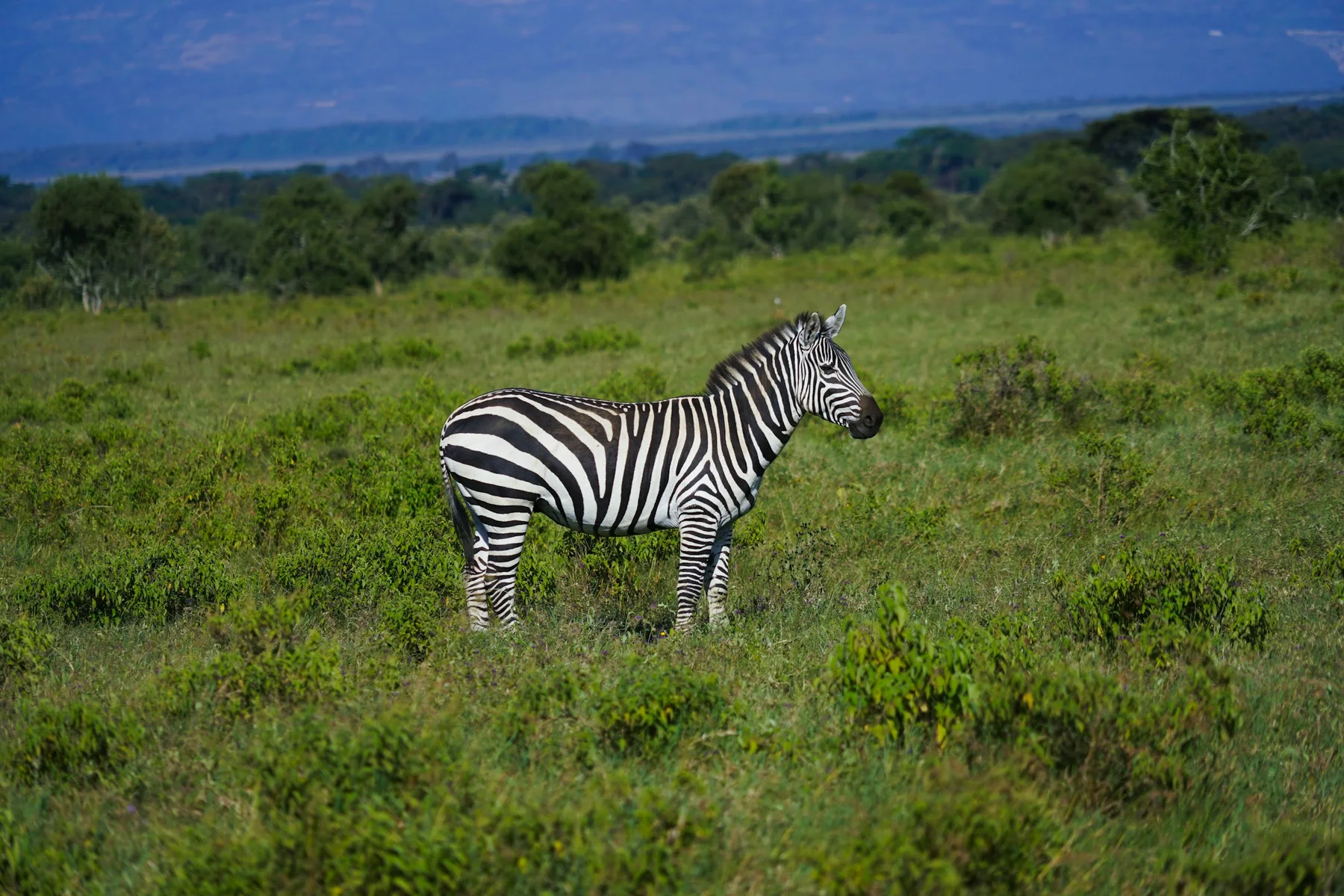
Before the first game drive, there may already be movement outside your tent. The camp looks over a stream corridor, and guests report birds, antelope and sometimes larger animals passing through the area. You do not need a vehicle to feel where you are. Yet this is a tented camp, not a zoo window: a quiet morning with nothing beyond the grass is possible too.
Names create the first hurdle. Travellers search for Kicheche Mara Camp; the operator calls it Kicheche Mara North. It is in Mara North Conservancy, separate from Kicheche Bush Olare in Olare Motorogi and Kicheche Valley in Naboisho. A review of one Kicheche property is not automatically a review of another. The rooms, social atmosphere, activity offerings and access all deserve their own look. Our Mara conservancies guide shows why the distinction matters.
Mara North brings a different balance from Bush Olare. Kicheche Mara has ten guest units rather than six, a two-bedroom family suite, a spa tent and a private lounge that can be used for dining or photo editing. It remains a small camp beside wildlife habitat, not a full-service resort. The right comparison is between the daily experiences you want, not between two nearly identical brand names.
Kicheche Mara North, not every Kicheche camp
Kicheche operates several camps in Kenya. This one is the Mara North property in an acacia valley near the Olare Orok stream. The operator currently lists nine standard tents and one family suite. The family suite has two en-suite bedrooms connected by a lounge, while the standard tents suit couples, friends or smaller groups. The stream is seasonal, so a photograph of water does not promise water at your visit. The valley shape, birdlife and passing plains game are the more reliable reasons to enjoy the setting.
Mara North Conservancy borders the Masai Mara National Reserve. It is a land partnership involving Maasai landowners and a managed number of tourism beds and vehicles. The operator describes 73,000 acres and an airstrip transfer of about half an hour under normal conditions. Neither detail makes the camp “inside the reserve.” A reserve outing uses a different fee and more travel than a drive that starts in Mara North. Our Mara accommodation guide compares what reserve, river and conservancy addresses actually mean.
A four-night stay can reveal the rhythms of the valley: one morning of cats, another of elephants and a slower afternoon watching the camp corridor. If you split two nights here and two at Bush Olare, you see two conservancies but lose a little time moving. If this is your only Mara camp, three nights will usually give the guides and weather more room to work than one hurried night. There is no universal ideal, but the choice should be about your interests rather than a desire to collect as many camp names as possible.
| Camp or area | Main character | Who might prefer it |
|---|---|---|
| Kicheche Mara North | Ten guest units above a stream corridor, with a family suite and spa tent. | Families, photographers and travellers wanting Mara North wildlife with more camp spaces. |
| Kicheche Bush Olare | Six-tent, very intimate Olare Motorogi camp. | Guests who favour a smaller shared camp atmosphere. |
| Kicheche Valley Naboisho | Separate six-tent camp in Naboisho. | Travellers prioritising that conservancy and its particular activity programme. |
| Reserve-based lodge | Inside the national reserve, with its own wildlife circuits and rules. | Guests whose main goal is a specific reserve sector. |
The camp and the Mara North landscape
Mara North’s wildlife is not confined to one famous river. Acacia woodland, stream lines and open grazing land create different scenes over a short drive. A good guide may spend an hour interpreting tracks near camp before choosing a wider route. The camp describes year-round game viewing, but sightings change by day and season. An elephant crossing through camp would be unforgettable, not an inclusion in the rate.
The land arrangements also shape the feeling at a sighting. Conservancy access is managed, and the number of vehicles is typically lower than at the most crowded reserve hotspots. That can give a leopard more space and guests longer, calmer observation. It does not mean you will be alone with every animal, and it does not make off-road driving harmless. Ask your guide to give wildlife room when an animal is hunting, resting with young or visibly stressed.
The Great Migration can move through the wider ecosystem, yet the river-crossing photograph you saw online may have been taken far from Mara North. A crossing depends on herd movements, water, weather and chance. Do not make a single event the test of your safari. Our migration crossings guide explains the possibilities and the limits. Many guests remember an unplanned leopard encounter or a slow morning with elephants more vividly than a crowded crossing search.
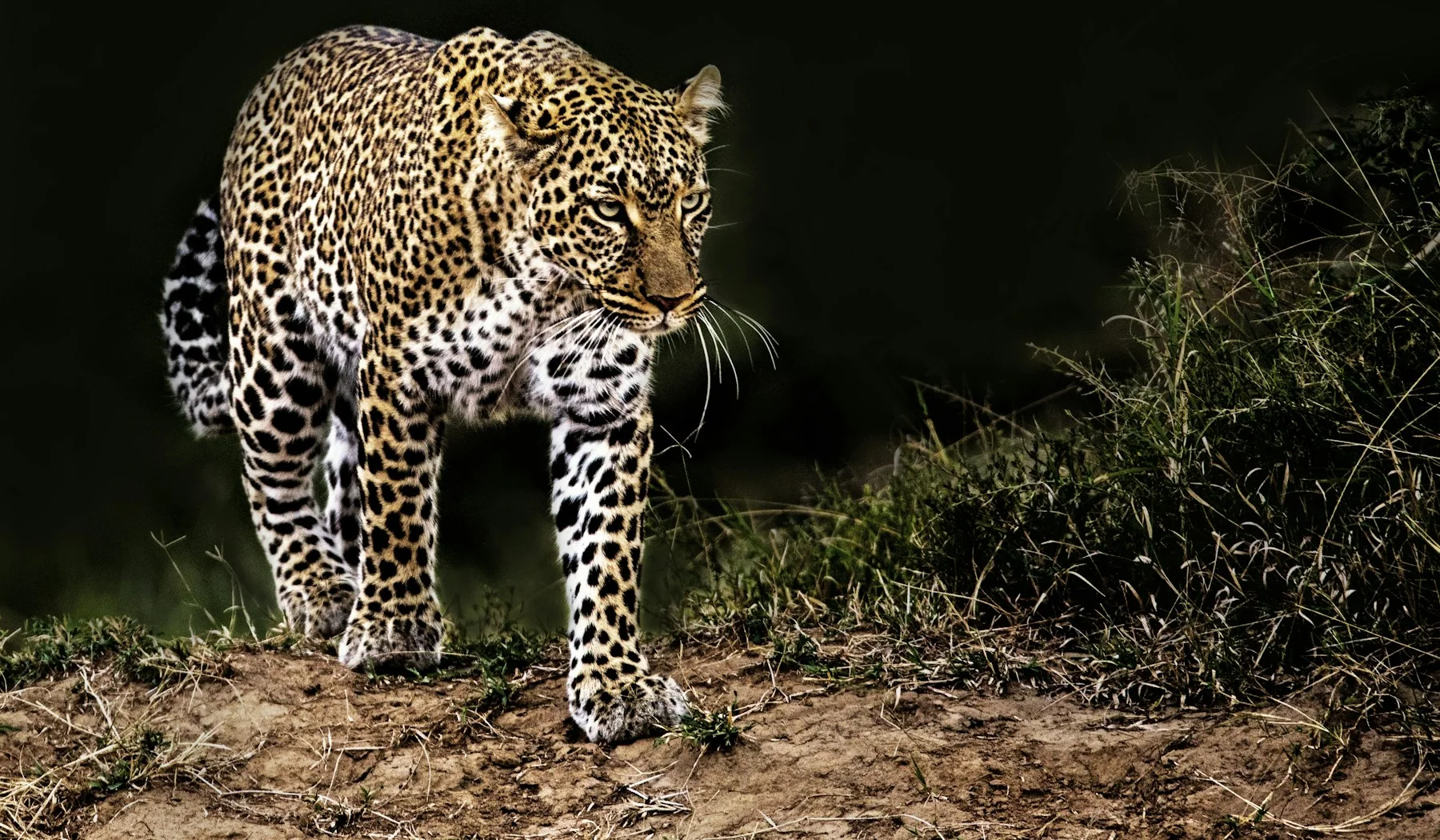
Nine standard tents and a two-bedroom family suite
The standard tents have private en-suite bathrooms with hot and cold showers, a flush toilet and basin. The operator lists solar-powered charging points, Wi-Fi in each tent, a fan, water dispenser and laundry service, with a stated cultural exception for underwear. These are genuine comforts, but a canvas room still lets the Mara’s night sounds through. Staff should be followed when moving after dark in an unfenced camp.
The family suite is more than an enlarged standard tent. Two bedrooms, one double and one twin or triple, each have their own bathroom and are linked by a lounge. That middle space can be useful when children sleep earlier than parents, when grandparents want a separate room, or when the family would enjoy a private meal. The operator’s rate material allows a maximum of five and guarantees an exclusive game-drive vehicle with the suite. Check the actual beds, dates and child ages rather than assuming the fifth person will be equally comfortable in every configuration.
Kicheche Mara also lists quad tents, which can sleep four and may be a different answer for a family than the suite. A quad has one room’s bathroom rhythm; the suite has two bedrooms and two bathrooms. The cost and vehicle terms differ. For a family, this is exactly the kind of detail that changes a holiday. Ask for the room plan, not just a label that says “family-friendly.” Our Mara with children guide covers the wider route and daily pace.
The camp’s tents are spread along a valley. If a long walk on uneven ground would be difficult, ask for a position nearer the main areas. The operator’s own photography can show room style; it cannot tell you which tent will be allocated. A private veranda may be lovely for birdwatching even when the streambed is dry. A room that feels isolated can be romantic to one couple and inconvenient to another. Tell the camp which matters more.
Vehicles, guides and the pace of a wildlife day
Kicheche describes its game-drive vehicles as open-sided and open-roofed four-wheel-drive Land Cruisers. Shared drives are the standard arrangement, with exclusive use available separately. Groups of four to six may receive exclusive use under the operator’s vehicle policy, and the family suite has it included. A photographer travelling as a pair should not infer that a whole vehicle is theirs because the camp is small. Settle it in the trip plan.
The difference is practical. A shared vehicle can be companionable and often brings another set of eyes to a sighting. It also means deciding together how long to stay with a leopard or when to break for lunch. A private photographic vehicle is valuable if low-angle images, long lenses or a highly patient schedule are central to your trip. The operator has a specialised photography vehicle in each Mara camp, but availability is limited. Ask early rather than hoping to add it after the airstrip transfer.
One memorable day may start with a drive at first light, a bush breakfast under a tree and a long, careful search in a different part of the conservancy. Another may be a shorter morning, a quiet lunch and an afternoon walk. A guide who knows the area can adapt, but a shared group still has to compromise. Our Mara safari cost guide explains why vehicle choice affects the full trip price.
The camp’s own site emphasises Silver-rated guides and wildlife knowledge. Those are encouraging signals, but not a promise that a particular guide or animal will be available. Tell us if guiding style is a priority. Some guests want a detailed natural-history conversation; others hope to photograph quietly. A little planning can make a shared day more satisfying, and a private vehicle may be the right answer when those wishes differ sharply.
Walking, community time and a spa afternoon
Kicheche Mara lists guided bush walks, wild camping and a behind-the-scenes tour. A walk is not merely a game drive without a vehicle. Tracks, plants, small creatures and the guide’s safety decisions become central. A wild-camp night is simpler and more exposed than the permanent Mara North tent, and should be chosen knowingly. If you travel with children, ask which activities suit their ages and energy; the camp’s family programme includes supervised options, but the more demanding walking trips have separate age rules.
The Mara North property offers beading lessons with Maasai women, a community discovery trip and a community talk. The best encounter is not a quick stop for photographs. Give people time to speak about today’s work, land and choices. The operator also lists a possible Mara Elephant Project visit, which can connect the wildlife you see to monitoring and human-wildlife conflict. Availability is not automatic, so do not build a trip around it without arranging it in advance. Our ethical Maasai visit guide offers useful questions.
The spa tent is one of the ways Mara North differs from the smaller Bush Olare property. A massage between drives can feel indulgent after a dusty morning. It is listed as an extra in the operator’s rate terms, not as an automatic daily inclusion. A balloon safari is another separate outing, with a very early start and a specialist operator. If your visit is short, choose between an uninterrupted morning on the ground and the balloon experience rather than trying to fit both into the same hour.
It is easy to assume all Kicheche camps have identical after-dark activities. They do not. The operator’s packaged safari descriptions explicitly name Kicheche Valley Naboisho for night drives. If that is a must-have, discuss whether a Valley stay should form part of your route. The Mara North property’s strengths are ample without borrowing another property’s activity list.
The lounge, the table and the hours between drives
Kicheche Mara’s lounge looks over the valley, with books, games and space to sit. The operator also lists a private lounge that can serve dining or photo editing, with large screens. That can be more important to a photographer than a grand lobby. A family may value a quiet room where children can play after lunch. A couple can sit with a book and wait to see which birds appear along the stream line.
Dining arrangements can be more flexible than a stock phrase about “communal meals” suggests. A January 2026 guest reported separate tables but happily joined another couple they had met on a drive. The family suite’s lounge can allow private dining on request. If conversation with other guests is part of your ideal camp evening, ask how meals are hosted. If privacy is essential, ask about the available arrangement. A small camp can feel sociable without forcing every guest into the same dinner style.
Meals are an important part of a longer safari, especially when you have several early starts. The operator’s standard rate material includes full board and picnics, but some drinks and special services are treated differently in different packages. Share food restrictions well ahead of arrival. The best meal may be eaten outdoors after a morning drive; the most welcome may be a simple quiet lunch when everyone needs a pause.
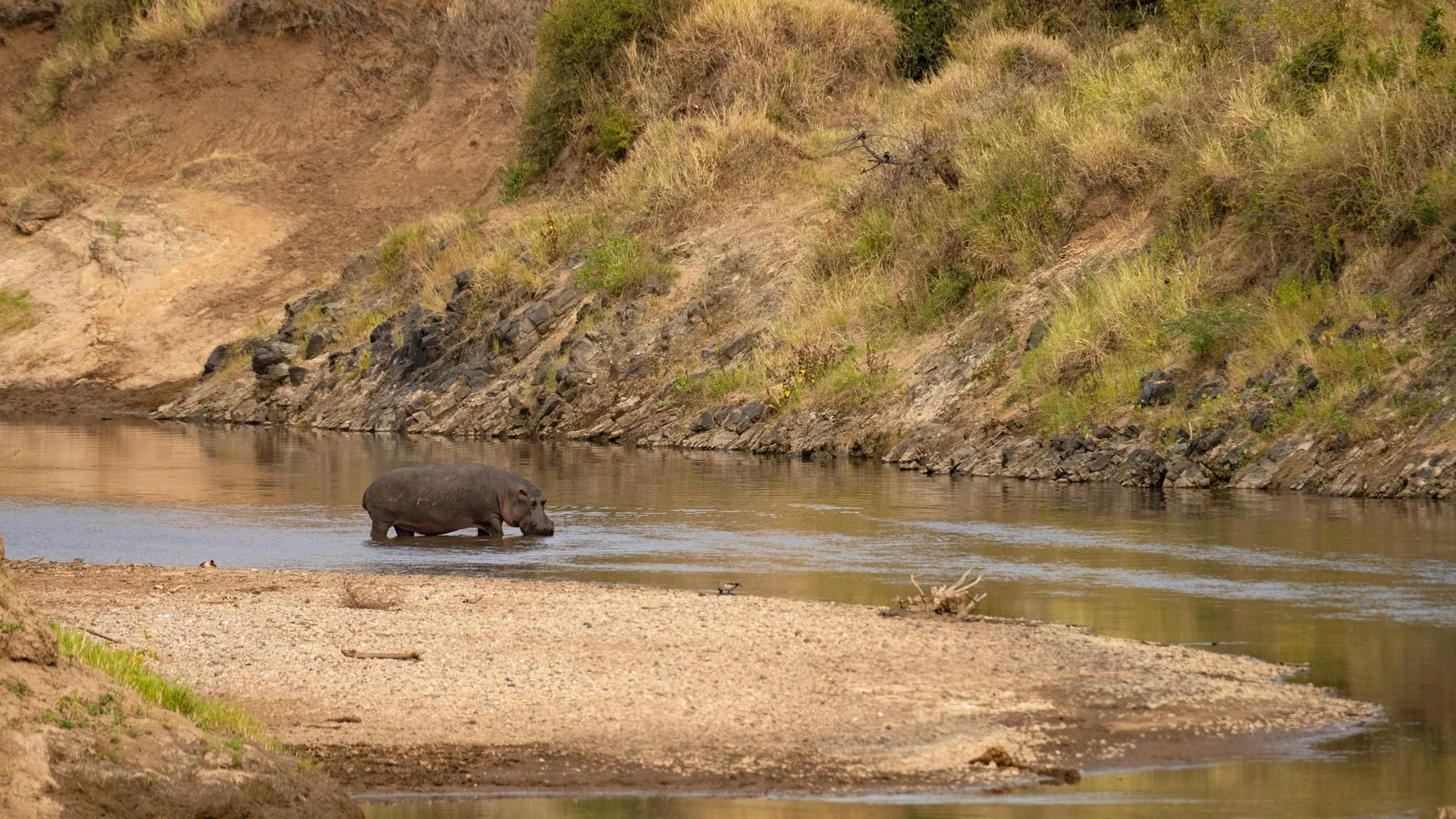
Guest accounts show both the warmth and the real-world interruptions
The independent guest-review collection at Expert Africa includes a January 2026 traveller who felt that, despite ten tents, the camp never felt too large
. They praised their guide, food and photography opportunities, and noted that guests could choose separate tables or dine with new friends. Another traveller described watching wildlife from the accommodation itself, including zebra and buffalo in the grassland beyond.
Not every access story is effortless. A guest writing after a rainy March 2026 visit said the bridge to drive to camp was flooded badly
and staff arranged an unusual transfer so arriving and departing guests could keep moving. That does not mean future visitors should expect a helicopter. It shows how wet-season conditions can interrupt a planned road transfer and why a flexible onward connection is sensible.
Another recent review praised the hot-water bottles brought to the bed and early vehicle, an unusually specific kindness that conveys the camp’s attention better than a star rating. Those touches can make chilly mornings feel inviting. The same camp remains unfenced and spread along uneven ground. A guest who cannot comfortably walk to the lounge may care more about the assigned tent position than any luxury adjective.
Reviews tell you what happened to somebody, not what will happen on your exact dates. A January leopard sighting does not sell you a September leopard. A flooded bridge in March does not mean the road is always unusable. Read the accounts for patterns in guiding, hospitality, food and the way the camp handles surprises. Those are better decision tools than a list of species in one lucky drive.
A family suite with actual breathing room
The two-bedroom suite is one of this camp’s defining advantages for a family. One bedroom can hold parents, the other children, with a lounge between them and a bathroom on each side. That structure is quite different from squeezing four people and one bathroom into a single tent. The operator also lists quad tents for up to four, a more compact choice. The suite’s vehicle terms add flexibility when a young child needs an early return from a drive.
Kicheche’s Mara North rate categories include children aged three to eleven, unlike Bush Olare and Valley where the operator states a seven-year minimum. That does not mean any child can join any walk, balloon flight or long drive. State ages and needs, then choose the appropriate activities. A child who loves tracking footprints may get more from a short supervised lesson than a full-day predator search.
There is also the matter of an unfenced camp. At night, follow staff escort instructions between the room and dining area. In daylight, children should know not to approach animals moving through the stream corridor. The wildlife classroom can be wonderful, but it is real wildlife, not a fenced petting area. A private family vehicle gives more control over the drive; it does not change that responsibility around camp.
| Room choice | What it gives you | Question to ask |
|---|---|---|
| Standard tent | En-suite canvas room for a couple or small group. | Preferred outlook and distance from the lounge. |
| Quad tent | One room for up to four. | Bed layout, bathroom routine and age mix. |
| Family suite | Two en-suite bedrooms connected by a private lounge, up to five. | Suite availability, exact beds and exclusive-vehicle terms. |
| Two separate tents | More adult privacy or space for older family members. | Distance between tents and safe night movement. |
What is inside a complete Kicheche Mara quote?
The operator’s rate sheet describes full-board accommodation, airstrip transfers, shared game drives, laundry and certain camp activities. Mara North conservancy fees are listed separately on the camp’s standard rate table, while some multi-camp safari packages include conservation fees in the packaged total. An exclusive vehicle, treatments, ballooning and a national-reserve visit can be additional. These are different types of quote, and they should not be compared on nightly bed cost alone.
For a family, room selection changes the vehicle calculation. The suite guarantees exclusive vehicle use in the operator’s rate material. A standard tent does not automatically do so, although larger groups may qualify under Kicheche’s vehicle policy. Flights from Nairobi are part of some fly-in safari packages, not every camp-only price. Check where the journey begins and ends, whether both airport transfers are included and how baggage will travel. Our fee guide and Mara cost guide help with those distinctions.
The current rate material has a two-night minimum and lists a seasonal closure in part of April and May. The exact dates for a future year should be checked when choosing travel dates. A longer stay can sometimes qualify for a rate reduction, but do not let a promotion dictate the route if another conservancy would make the journey richer. The good investment is sufficient time with a guide in the area you truly want to explore.
| Part of the trip | Typical treatment in operator material | Why it matters |
|---|---|---|
| Meals, picnics and standard drives | Included in the camp’s full-board safari rate. | Confirm the exact drive pattern and drinks for your package. |
| Mara North conservancy fee | Separate in the standard camp rate; packaged in some safari offers. | It applies to each eligible traveller and night. |
| Private vehicle | Included with the family suite; otherwise subject to group policy or extra charge. | Changes family pace and photography freedom. |
| National-reserve excursion | Not the ordinary Mara North drive. | Separate park entry and travel time. |
| Spa, balloon or village activity | Specific paid extras. | Choose what you will use, not every option on a list. |
| Flights | Included in selected packages, absent from a camp-only rate. | Changes the whole Nairobi-to-Mara price. |
Getting to camp without losing the first day
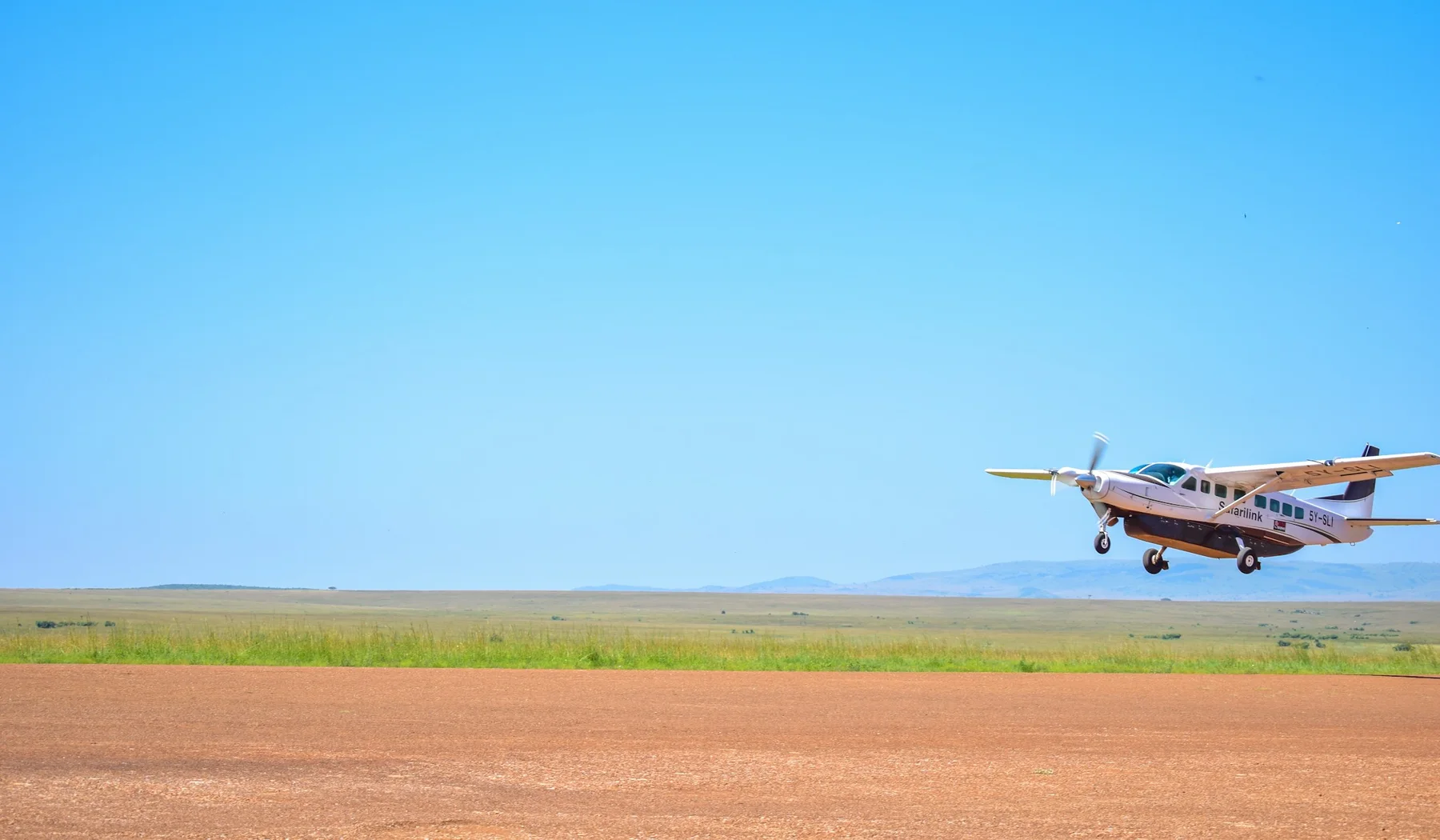
The operator describes the Mara North Airstrip transfer as about half an hour in normal conditions. It can double as a first wildlife drive, but it is still a transfer. Confirm the arrival airstrip shown on the airline booking and the time available before the evening outing. Safari aircraft have baggage restrictions, often favouring soft bags. Our safari-flight baggage guide helps you pack for the aircraft rather than a full-size airline allowance.
Road arrival can fit a longer Kenyan circuit but needs more time. Mara North conservancy access rules also affect a guide driving you from Nairobi; the same vehicle should not simply assume it can make all your game drives. In rain, river crossings and approach roads can change quickly. The flooded-bridge guest story is a reason to leave margin around an international departure, not a reason to fear every transfer. Our Kenya road conditions guide explains why a straight line on a map rarely tells the full story.
If you combine this camp with Kicheche Bush Olare or Valley Naboisho, give each stop enough nights. Moving between camps can show you a new landscape and new guiding perspective, but it takes a chunk of a day. A slow arrival, warm meal and time to learn the stream corridor may be a better first evening than rushing to tick off another activity. Our fly-in versus drive-in guide can help you set the route.
Should Kicheche Mara North be your base?
It is a strong choice if you want wildlife-rich Mara North days, a tented camp that still has room for a family suite, and a few places to unwind between drives. The stream corridor makes the time at camp feel connected to the landscape. Photographers may appreciate the vehicle options and editing space. Families may value two bathrooms, a lounge and a vehicle that can follow their own rhythm.
Choose Bush Olare instead if a six-tent, more communal bush-camp feel matters most. Consider Valley Naboisho if its conservancy and specified night-drive programme are the priority. Choose a reserve-based property if your entire trip is focused on a particular reserve area. No camp needs to pretend to be all four. The best Kicheche Mara North trip lets the guiding, streamside hours and comfortable family logistics be its own story.
Kicheche Mara Camp questions
Is Kicheche Mara Camp the same as Kicheche Mara North?
Yes. Kicheche presents this Mara North Conservancy property as Kicheche Mara North. It is separate from Kicheche Bush Olare and Kicheche Valley Naboisho.
How many tents does Kicheche Mara North have?
The operator lists nine standard tents and one family suite, ten guest units in total.
Is Kicheche Mara inside the Masai Mara National Reserve?
No. It is in Mara North Conservancy, which borders the national reserve. A reserve visit has different access and fees.
What is the family suite like?
It has two en-suite bedrooms, one double and one twin or triple, linked by a private lounge. The operator lists space for up to five and exclusive game-drive vehicle use with the suite.
Can younger children stay at Kicheche Mara?
The operator publishes child-rate categories from age three at Mara North. Activities have their own age and safety rules, and the exact room configuration should be checked.
Are game-drive vehicles shared?
Usually yes. Exclusive use may be included for some larger groups or the family suite, or arranged for an additional charge.
Does the camp have a spa?
Yes. The operator lists a spa tent for treatments, which are generally a paid extra.
Are night drives included at Kicheche Mara North?
Do not assume so. Kicheche packaged itineraries specifically name Kicheche Valley Naboisho for night drives. Check the programme if after-dark driving matters to you.
Can I fly to the camp?
Yes. The operator gives Mara North Airstrip as its access point, followed by a camp transfer of about half an hour under normal conditions. Airline schedules and baggage rules need checking.
Are Mara North conservancy fees included?
They are listed separately in the standard camp rate material but included in some complete safari packages. Compare the total for the exact trip offered.
Explore the connected Mara guides
Plan Kicheche Mara Camp
Tell us your dates, group, room choice and priorities on game drives. We can build a complete Mara North stay and compare another camp if that would suit you better.