
Women-Only Kenya Safaris: A Thoughtful Guide to Group, Guide and Route Choices
Choose the guest mix, guide request, rooms, pace and wildlife regions first. Then add women-led experiences that are real, available and worth the journey.
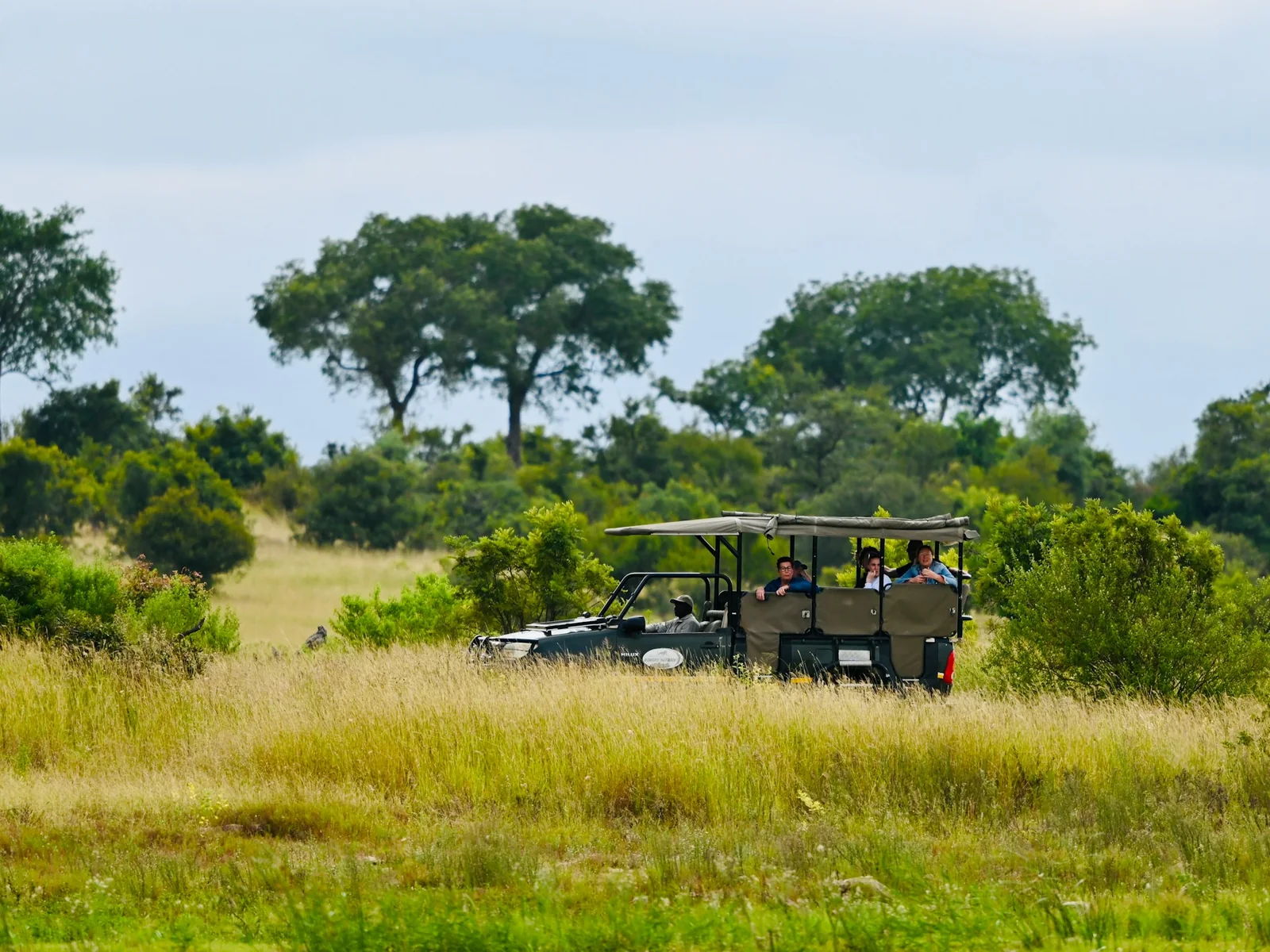
- What does women-only actually mean?
- A women-only safari should not be a standard trip with a new name
- Private group or hosted departure?
- Women travelling alone have more than one good option
- Choose the route by the feeling you want, not by gender
- Women-led experiences should be specific and verifiable
- Cultural visits need consent, not choreography
- A female guide request deserves a real answer
- Safety should be planned in layers
- Rooming is part of the product
- Periods, bathrooms and health should be ordinary planning topics
- Pack for the route you chose
- Match activities to bodies, confidence and mood
- A sample eight-night shape
- How price changes
- Your booking brief
- Frequently asked questions
- Build the trip around real women, not a slogan
The first honest question is not whether Kenya can host a women-only safari. It can. The better question is what you want the words women-only to change about the journey.
Perhaps you are six friends who want a private vehicle and evenings that belong to your own group. Perhaps you are travelling alone and would rather join a hosted departure than eat every dinner by yourself. Perhaps the wildlife is the main event, but you would also like to meet women working in guiding, conservation or community enterprise. Or perhaps you simply want the trip planned with more care around room sharing, airport handovers, bathrooms, health, pace and personal space.
Those are different trips. A label cannot plan them for you.
Design a women-only safari around your group
Share the travellers, rooming plan, preferred route, guide request and the pace you want. We will state what can be confirmed for your dates.
What does women-only actually mean?
The phrase is used loosely. Before comparing itineraries, ask the organiser to describe exactly what it covers. There are at least four possible meanings.
| What the description may mean | What is genuinely included | What it does not automatically mean | What to confirm |
|---|---|---|---|
| Women-only guest group | Every booked traveller in the group is a woman | Every guide, pilot, ranger, waiter and transfer driver is a woman | Who may join game drives or shared camp activities? |
| Female host or trip leader | A woman accompanies the group and manages the journey | The safari driver-guide or every local specialist is female | Is the host present from airport arrival to departure? |
| Female driver-guide or specialist | A named woman leads game drives or a specific activity | All logistics and lodge departments are female-led | Is she confirmed for the exact dates and whole route? |
| Women-centred itinerary | The route includes women-led conservation, cultural or enterprise experiences | The whole trip is women-only | Who owns, leads and benefits from each experience? |
A fifth version is sometimes advertised: an entirely female-led service chain. That can be a meaningful ambition, but it is a much larger promise. Bush pilots, transfer drivers, guides, camp managers, specialist rangers and emergency responders are allocated across several companies. Availability changes. If this matters to your group, request named roles in writing and agree what happens when illness, leave or operational changes require a substitute.
There is no inferior choice here. A group of women can have an excellent journey with a skilled male guide. Another group may feel that a female guide is central to the experience. What matters is accuracy, not a decorative label.
A women-only safari should not be a standard trip with a new name
The African Travel and Tourism Association makes a useful point in its guide to women-only safari design: women are not one homogeneous group. That sounds obvious, yet many itineraries still assume every woman wants wellness sessions, shopping and a soft adventure. Some do. Others want twelve-hour photography days, a challenging walk, serious birding, a celebratory beach stay or the simple pleasure of watching elephants without a programme built around them.
Start with individual preferences before trying to create a group personality. Ask each traveller privately about:
- the wildlife and landscapes she most wants to see;
- how early she is happy to start and how long she can sit in a vehicle;
- whether she wants a quiet, sociable or celebratory atmosphere;
- her preferred room arrangement and whether sharing is acceptable;
- dietary, menstrual, medical, mobility and sleep needs;
- her comfort with walking, small aircraft, boats and remote camps;
- whether cultural and conservation visits are priorities or optional extras;
- her photography interests and tolerance for waiting at sightings;
- how much unscheduled time she needs.
The answers may reveal that the group needs two vehicles, not one. The early-rising photographers can stay out while the travellers who want a slower morning return to camp. That single decision can prevent days of compromise.
Private group or hosted departure?
Women-only Kenya safaris generally work in one of two ways. A private departure is built for women who already know one another, or for one traveller who wants private arrangements. A hosted departure brings separate bookings together on fixed dates.
| Decision | Private women-only group | Hosted women-only departure |
|---|---|---|
| Dates | Chosen around the group | Fixed by the organiser |
| Route | Can be customised | Usually fixed |
| Vehicle | Usually private when correctly specified | Shared with the group |
| Rooming | Chosen by each booking, subject to room stock | Often twin-share with single rooms at a supplement |
| Social atmosphere | Familiar group dynamics | New companions and a host-created group culture |
| Cost pattern | Vehicle and guide costs shared among known travellers | Group price may help a solo traveller avoid a wholly private trip |
| Best for | Friends, sisters, clubs, milestone trips and special-interest groups | Solo bookers who actively want company and fixed arrangements |
| Main risk | One dominant preference controls the itinerary | Roommate, pace or personality mismatch |
If you are joining strangers, do not stop at the itinerary. Ask how many people are confirmed, the maximum group size, the approximate age range if disclosed with consent, the pace, the vehicle seating plan and how roommate matching works. Find out whether you can pay for a single room, whether that room is available at every stop, and what happens if a promised roommate cancels.
If you are travelling with friends, do not assume friendship solves every planning issue. One traveller may want a sunrise balloon flight while another dislikes heights. One may need a rest after lunch while another wants to visit a community project. Put optional activities and private time into the plan rather than forcing unanimous participation.
Compare a private group with a hosted departure
Share the travellers, rooming plan, preferred route, guide request and the pace you want. We will state what can be confirmed for your dates.
Women travelling alone have more than one good option
A woman booking alone can choose a private safari, join a small mixed group, join a women-only departure, or combine private transfers with shared activities at a camp. The best choice depends on how much she values independence, companionship and cost control.
First-person accounts help because they reveal the details sales pages often skip. One traveller wrote, “I was a solo woman traveler and I didn't go with a group or anything.” Another described the social side of a safari this way: “I was the only solo traveler for part of it but everyone was super friendly and easy to hang out with during meals and drives.”
These are personal experiences, not promises. They do show why the choice is more nuanced than alone versus group. A private vehicle can provide complete control during the day while a sociable camp creates company at meals. A hosted departure provides built-in companions, but it also asks you to share time, space and decisions.
Our solo Kenya safaris guide examines private-vehicle costs, single rooms and the difference between solitude and isolation. The planned Kenya safari for solo women will go further into airport handovers, dining, communication and choosing a group.
Choose the route by the feeling you want, not by gender
Kenya's classic destinations are no less exciting because a trip is women-only. The route should still earn its place wildlife sighting by wildlife sighting.
Amboseli for elephants, open views and a conservation story
Amboseli is a strong opening chapter when elephants are a priority. Its wetlands, open plains and views toward Kilimanjaro produce a landscape that feels immediately different from Nairobi. It can also introduce the work of women in conservation, provided the itinerary is honest about what can actually be visited.
IFAW describes Team Lioness as the first all-women ranger unit in the Amboseli ecosystem. Founded in 2019, the unit is part of the Olgulului Community Wildlife Rangers and patrols community lands around the national park. Team Lioness is a working ranger unit, not a tourist performance. A trip should never imply that a meeting or patrol is guaranteed. If an appropriate hosted conservation experience is available, confirm who leads it, what visitors will do, how long it lasts and where the fee goes.
Read the Amboseli National Park guide before choosing a lodge. For a compact option, the planned two-day Amboseli safari from Nairobi is best treated as a focused wildlife break, while the three-day Amboseli safari from Nairobi allows a less compressed rhythm.
Masai Mara for big-cat country and a broad choice of camps
The Masai Mara suits groups that want long game drives, predator sightings, wide grasslands and a choice between the national reserve and private conservancies. A conservancy can add walks, night drives and lower vehicle density, subject to its rules and the camp's programme. The reserve offers access to famous migration country, although river crossings are never scheduled performances.
The Masai Mara safari guide explains the geography. Use the where to stay in the Masai Mara guide to compare sectors, then read the Masai Mara safari cost guide before deciding whether the group needs a private vehicle.
Samburu and Namunyak for northern landscapes and Reteti
Northern Kenya changes the visual language of the safari. The Ewaso Nyiro region is drier, the wildlife mix differs, and the landscapes open toward rugged hills. Farther into Namunyak Community Conservancy, Reteti Elephant Sanctuary offers a community-led conservation story with real substance.
Reteti says it was established to rescue and release orphaned and abandoned elephant calves and was the first community-led elephant sanctuary on the continent to employ female keepers. Its keepers are Samburu and recruited from within Namunyak. The Reteti Visitor Centre explains that visits culminate at a viewing platform where guests may watch calves being fed by their keepers. This is observation of rehabilitation work, not unrestricted handling of wildlife.
Access, operating times and visit arrangements must be confirmed directly for the travel dates. The Namunyak Conservancy and Reteti Elephant Sanctuary guide and Reteti visit guide will cover the logistics in detail. A broader Samburu National Reserve guide will help decide whether the northern circuit belongs in the same trip.
Laikipia for private conservancies, walking and varied activities
Laikipia is not one park. It is a large region with conservancies and private reserves that differ in landscape, wildlife, accommodation and activity rules. It can suit a group that wants to mix driving with walking, hides, camel-supported outings, conservation visits or time at a private house. The exact offering is property-specific, so compare named places rather than buying “Laikipia” as a single product.
The Kenya walking safaris guide explains the difference between a short escorted nature walk and a walk-led itinerary. The Kenya conservation safaris guide helps separate meaningful access from vague impact claims.
Coast for rest, conversation and a softer final chapter
A beach stay can give the group room to exhale after the early starts and long drives. Diani works well for travellers who want a broad choice of resorts and restaurants. Lamu offers history, Swahili architecture and a different pace, but its transfer and mobility considerations need careful planning. Watamu combines beach time with access to marine and coastal experiences.
Do not add the coast by default. Ask whether the group wants swimming, spa time, water sports, culture, nightlife or complete quiet. The Kenya safari and beach packages guide compares route shapes and transfer logic.
Build a wildlife route with space to breathe
Share the travellers, rooming plan, preferred route, guide request and the pace you want. We will state what can be confirmed for your dates.
Women-led experiences should be specific and verifiable
“Supporting women” is not enough information. A good proposal names the organisation or group, describes the activity, explains how long it takes, and states who receives the payment. It also respects the fact that conservation staff and community hosts are doing real work.
| Experience | Useful questions | Warning signs |
|---|---|---|
| Female guide or naturalist | What is her role, qualification, route and confirmed availability? | A woman appears in marketing but no named guide is confirmed |
| Ranger or conservation visit | Is it open to visitors, who hosts it, and what is the conservation purpose? | A working patrol is described as guaranteed entertainment |
| Elephant sanctuary visit | Where do guests observe, what contact is permitted, and how does the fee support the work? | Promises of touching or feeding wildlife without official approval |
| Beadwork cooperative | Is the group women-owned or women-led, and do makers set prices? | A commission-driven shopping stop presented as empowerment |
| Homestead or village visit | Who consented, who leads, what may be photographed, and how is income shared? | Uninvited entry, staged poverty or pressure to buy |
| Hotel or camp workshop | Is the teacher a paid specialist, and what will participants actually learn? | A generic activity with no named local partner |
Do not assume that a female face in a photograph proves female ownership. Do not assume that buying any beaded item supports the maker. Ask. A responsible visit can be warm, informal and enjoyable while still being transparent about money and consent.
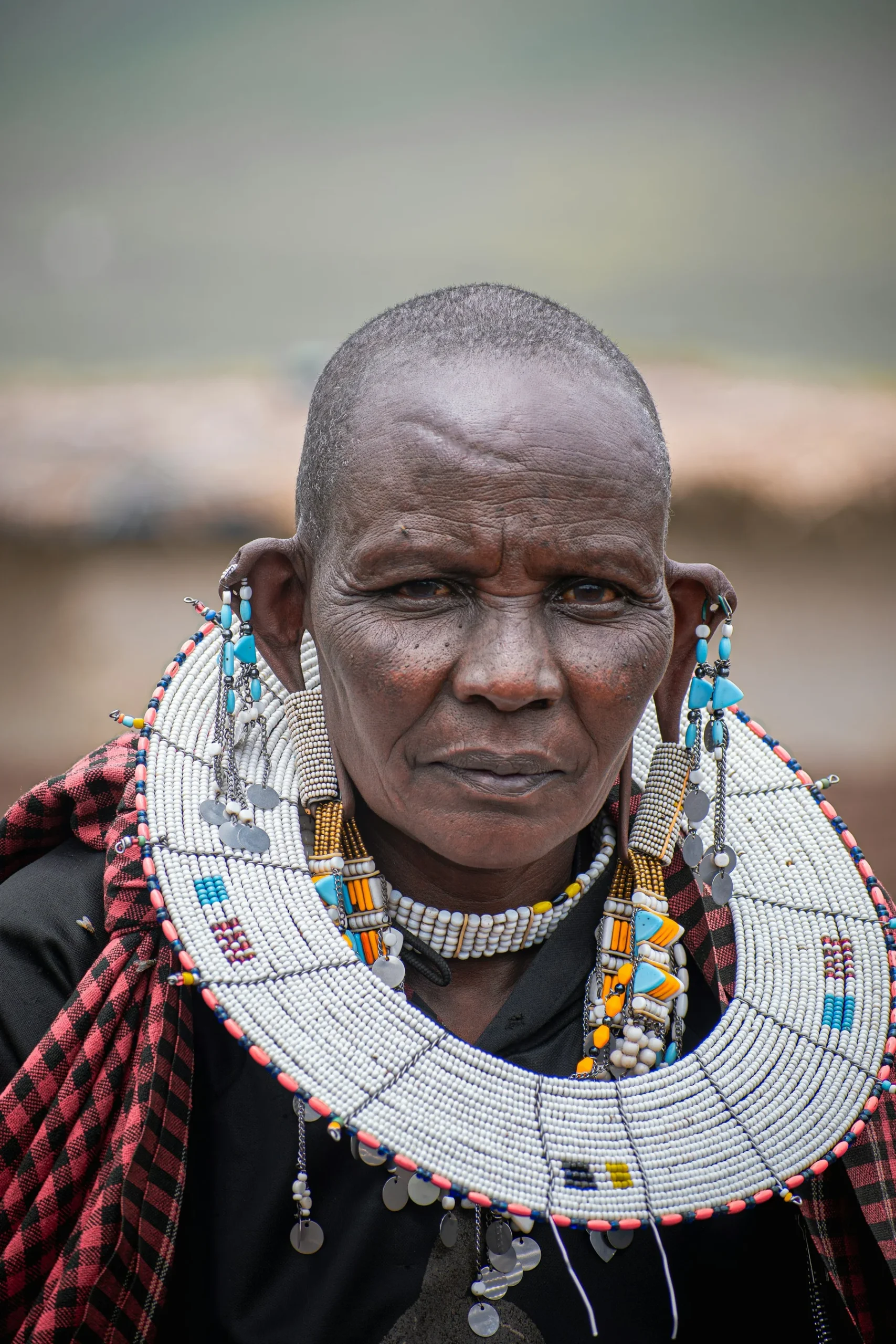
Cultural visits need consent, not choreography
A thoughtful community visit begins before the vehicle arrives. The host should know who is coming and why. Travellers should know whether the visit is to a home, a community centre, a school, a workshop or a public cultural programme. Those places are not interchangeable.
Photography deserves a separate conversation. Group permission does not automatically cover every person, child, home or object. Ask before taking a close portrait. Accept a no without negotiation. If the experience includes beadwork or craft sales, allow time to look and talk without treating every interaction as a transaction.
The women in a travelling group may have their own reasons for wanting a cultural experience. Some want to learn about land, livestock, family and changing livelihoods. Others are interested in design and beadwork. Some would prefer to spend the time watching wildlife. Make the visit an informed choice.
Our planned Samburu cultural village visits guide and women's beadwork cooperatives guide will provide a fuller etiquette and buying framework.

A female guide request deserves a real answer
Kenya has accomplished women working as safari guides, naturalists, rangers, hosts and conservation professionals. Their presence should not be treated as a novelty. At the same time, a company should not promise a female guide first and try to find one later.
Ask for the role precisely:
- Do you want a female driver-guide for the road safari?
- Do you want a female host accompanying the whole group?
- Would a female camp guide for selected activities meet the request?
- Is specialist knowledge more important than gender for a particular walk, birding day or photographic session?
- If the named woman becomes unavailable, should the trip proceed with the best qualified substitute or should the dates change?
A guide's skill still matters most. Check her destination knowledge, communication style, licence or professional credentials where applicable, first-aid preparation and experience with the activities in the itinerary. A female guide should not be reduced to emotional labour for the group. She is there to interpret wildlife, landscape and culture and to lead the safari professionally.
Safety should be planned in layers
No organiser can guarantee that nothing uncomfortable or dangerous will happen. Women-only does not remove road risk, wildlife risk, illness, theft or unwanted attention. Good planning does reduce avoidable exposure and makes support easier to reach.
Kenya Wildlife Service distinguishes security inside parks from ordinary precautions in urban areas. Kenya's National Tourism Service Portal also advises visitors to follow guides and rangers and to carry travel insurance that covers medical evacuation for remote destinations. Those are sensible foundations for every traveller.
For a women-only trip, turn them into a practical chain:
- Share the name and telephone number of the arrival representative before landing.
- Use a clear meeting point at the airport and verify the person before leaving arrivals.
- Give every traveller the guide, operator and accommodation contacts.
- Explain the next transfer each evening so nobody has to guess in the morning.
- Do not schedule an unnecessary solo road transfer after dark.
- Agree how the group will handle a traveller who wants to leave an activity early.
- Keep passports, money and valuables according to the property's safe procedure.
- Follow escort instructions in unfenced camps, even for a short walk to a nearby tent.
- Keep travel insurance and emergency-assistance details accessible offline.
- Establish how a concern about a staff member, guest or roommate can be raised privately.
One traveller noted a planning constraint that is easy to overlook: “Only downside is that some things I wanted to do had a minimum of two people.” Minimum numbers can affect walks, transfers, flights and special activities. Confirm them before payment, especially when one woman is booking alone.
Plan the transfers, contacts and support before arrival
Share the travellers, rooming plan, preferred route, guide request and the pace you want. We will state what can be confirmed for your dates.
Rooming is part of the product
“Twin share” is not a rooming policy. It is a price basis. A hosted departure should explain how roommates are matched, whether beds are genuinely separate, what happens if one person cancels, and whether a single room can be guaranteed at every property.
Friends should also check the details. A triple room may be a double bed plus a rollaway. A family tent may have an open partition rather than two private bedrooms. Some camps have bathrooms open to the bedroom. Others may have outdoor showers, fixed meal times or escort rules after dark. None of these is inherently bad, but surprises become more personal when people are sharing.
Ask for the exact category at every stop and record:
- bed type and number of beds;
- private or shared bathroom;
- door, curtain or open-plan bathroom arrangement;
- ground-floor access and steps;
- distance from the main area;
- power hours and charging points;
- mosquito net and room ventilation;
- hair-dryer restrictions;
- safe or secure storage;
- laundry arrangements, including how underwear is handled;
- whether a single room is confirmed or merely requested.
The where to stay on a Kenya safari guide explains lodge, tented-camp, villa and campsite differences in much more detail.
Periods, bathrooms and health should be ordinary planning topics
A safari can be remote without being mysterious. Ask direct questions and expect direct answers.
Game-drive vehicles do not have bathrooms. A full-morning drive may include a planned return to camp, a public facility or a discreet bush stop where permitted and safe. A guide needs to know when someone requires a toilet sooner. The group should be able to say so without embarrassment.
Travellers who menstruate may prefer to carry their usual products because a specific brand or absorbency may not be available near a reserve. A small opaque disposal bag, hand sanitiser and spare underwear can make long drives easier. Ask camps how sanitary waste is handled. Do not bury or leave products in the bush.
For prescription medicine, carry enough for the journey, keep essential doses in hand luggage, and bring a copy of the prescription or medical letter where appropriate. Anyone using a CPAP machine, refrigerated medicine or another powered device should request written confirmation of socket type, voltage, overnight power and backup arrangements from each property.
Health advice is personal and changes by itinerary and traveller. Use a qualified travel-health professional for vaccinations, malaria prevention and medication decisions. Tell the planner what support the route requires without asking the planner to replace medical advice.
Pack for the route you chose
The safari wardrobe does not need a gendered uniform. Neutral, breathable layers work because mornings can be cold, midday can be hot and dust finds its way into everything. Pack for comfort, sun protection and repeated wear.
Useful items include:
- a light warm layer for dawn drives;
- long, breathable trousers and shirts for sun and insects;
- a hat with a secure fit;
- closed shoes for walks and camp paths;
- sandals or easy shoes for the room and coast;
- high-factor sunscreen and lip protection;
- a soft-sided bag when bush-flight baggage rules require one;
- binoculars for each keen wildlife watcher rather than one pair for the vehicle;
- a scarf or buff for dust;
- a small day bag that stays with you;
- reusable water bottle if the operator's refill system supports it;
- personal toiletries and menstrual products;
- spare glasses or contact-lens supplies;
- a swimsuit if the confirmed properties have pools;
- modest clothing for towns or community visits where appropriate.
Hair and skincare needs are individual. Ask about hair dryers, water pressure and salon access if these affect the trip, but do not let a generic packing list decide what matters to you.
Match activities to bodies, confidence and mood
A women-only group can include teenagers, older women, pregnant travellers, keen hikers, wheelchair users and people managing invisible conditions. Age does not predict ability, and ability does not predict appetite for adventure.
Discuss the actual movement involved in each day: vehicle step height, time on rough roads, walking surface, distance to rooms, aircraft steps, boat boarding and availability of nearby toilets. The accessible Kenya safaris guide offers a detailed accommodation and vehicle checklist. The Kenya safaris for seniors guide focuses on pace, comfort and support without treating age as incapacity.
Pregnancy requires individual medical advice and route-specific discussion about malaria risk, vaccinations, remote access, flight restrictions and emergency care. Do not accept a generic “safari is fine” answer.
A sample eight-night shape
This is a planning model, not a fixed package. It shows how a women-centred trip might combine wildlife, conservation, conversation and rest without making every day a themed event.
| Night | Place | Main purpose | Flexible choice |
|---|---|---|---|
| 1 | Nairobi | Recover from the international flight and meet the group | Quiet dinner or early night |
| 2 to 3 | Amboseli | Elephant-focused drives and open landscapes | Conservation discussion if an appropriate host is confirmed |
| 4 to 5 | Laikipia or the north | Different habitat, walking or community conservation | Reteti and Namunyak only when logistics fit the route |
| 6 to 8 | Masai Mara | Big-cat country, full wildlife days and a strong final safari chapter | Balloon flight, walk or slow morning according to preference |
| 9 | Nairobi or coast connection | Depart or begin a beach extension | Day room, meal and protected airport handover |
If the group has only five nights, choose two safari regions rather than racing through three. If Reteti is a central reason for travelling, design the northern section first and place the Mara or coast around it. If migration season is the priority, protect enough nights in the Mara instead of filling the route with symbolic stops.
Turn your dates and priorities into a workable route
Share the travellers, rooming plan, preferred route, guide request and the pace you want. We will state what can be confirmed for your dates.
How price changes
Women-only is not a universal price category. The cost is driven by the same things that shape other private and small-group safaris, plus any dedicated hosting or staffing arrangements.
The major variables are:
- number of travellers sharing each vehicle;
- private versus shared game drives;
- single rooms and single supplements;
- season and room availability;
- road transfers versus bush flights;
- reserve and conservancy fees;
- exclusive activities or private hosts;
- extra vehicle needed for different daily rhythms;
- specialist guide or trip-leader costs;
- beach extension and domestic connections.
Ask for a line-item quote with named accommodation, exact room basis, vehicle arrangement, park or conservancy access, transfers, activities and exclusions. Price comparisons fail when one proposal includes a private vehicle and another quietly places the group into shared lodge drives.
The all-inclusive Kenya safari packages guide explains why “all-inclusive” still requires an exclusions list. The mid-range Kenya safaris guide shows how location, vehicle and time can matter more than decorative luxury.
Your booking brief
Send one shared brief, but allow private health or rooming information to be handled separately.
Include:
- Travel dates and flexibility.
- Number of travellers and room combinations.
- Whether the guest group must be women-only.
- Whether a female host, driver-guide or selected specialist is required.
- Wildlife priorities and must-visit regions.
- Preferred daily pace and maximum drive time.
- Private or shared vehicle preference.
- Walking, ballooning, conservation, community and beach interests.
- Mobility, dietary, sleep, power and bathroom needs.
- Budget range and what it must include.
- Arrival and departure flights.
- How the group wants optional activities and free time handled.
Then request written answers to these questions:
- Which parts of the trip are genuinely women-only?
- Which named staff roles are confirmed, and which remain requests?
- What is the substitute policy?
- Is each game drive private to the group?
- Which rooms and bed types are held?
- How are roommate changes and cancellations handled?
- What happens if one traveller needs to return to camp early?
- Who hosts each community or conservation experience?
- Which payments reach the named project or group?
- What are the emergency contacts and medical-evacuation arrangements?
Frequently asked questions
Can a women-only group have a male safari guide?
Yes. Women-only can describe the guest group rather than every staff member. State the boundary clearly before booking.
Can an all-female safari team be guaranteed?
Only when every required role is confirmed for the specific dates and there is an agreed substitute policy. Do not infer it from a women-only label.
Are women-only Kenya safaris only for solo travellers?
No. Friends, sisters, clubs, mothers and daughters, colleagues and solo bookers can all choose this format.
Is a private safari better than a hosted departure?
It depends. Private travel gives more control. A hosted departure provides built-in company and fixed arrangements.
Can I request my own room?
Usually, subject to property availability and any single-room charge. Confirm every night, not just the first hotel.
Is Kenya safe for women travellers?
Many women travel successfully in Kenya, but no trip is risk-free. Use planned transfers, qualified guides, official park rules, suitable insurance and clear support contacts.
Can we visit Team Lioness?
Do not assume so. Team Lioness is a working ranger unit. Any visit or hosted experience must be specifically available and confirmed through the appropriate organisation.
Can we visit Reteti Elephant Sanctuary?
Reteti has a visitor centre, but access, operating times and route logistics must be confirmed for your dates.
Can a women-only safari include a beach holiday?
Yes. Diani, Watamu or Lamu can follow the safari when the transfer plan and preferred beach style fit the group.
Can the group split for different activities?
Yes, if transport, guides, minimum numbers and additional costs are planned in advance.
Build the trip around real women, not a slogan
The most memorable women-only Kenya safari may include a female guide, a conversation with women working in conservation, a table covered in beadwork, or an evening when new friends laugh long after dinner. It may also be a pure wildlife journey with no programme attached to gender at all.
Both can be right.
Tell us who is travelling, how you want to share space, what you want to learn, and which landscapes you cannot leave Kenya without seeing. We will shape the route, rooms, vehicle, hosting and support around those answers, then state clearly what is confirmed.
Start planning your women-only Kenya safari
Share the travellers, rooming plan, preferred route, guide request and the pace you want. We will state what can be confirmed for your dates.
Tell us what women-only means to your group
Share the dates, travellers, rooming plan, route, pace and whether a female host or guide is essential. We will state what can be confirmed.