
3-Day Amboseli Safari from Nairobi: Two-Night Itinerary and Planning Guide
Use the arrival afternoon, a full day without transfers and one final dawn. Choose the vehicle, lodge and rhythm around the wildlife.
- What the second night actually buys
- Three days at a glance
- Day 1: Nairobi to the Amboseli ecosystem
- Day 2: split drives or a full day?
- The habitats deserve the middle day
- Elephants: spend time, keep distance
- Kilimanjaro and photography over two mornings
- Day 3: one more dawn, then onward
- Where to stay for two nights
- Private vehicle or shared lodge drives?
- The guide shapes the extra day
- A cultural or conservation experience can now fit
- Families and teenagers
- Older travellers and limited mobility
- Dust, rain and practical comfort
- What should the package include?
- What changes the price?
- What travellers say
- Onward routes after Amboseli
- Booking checklist
- Frequently asked questions
- Give Amboseli one day without a departure
The extra night changes Amboseli more than the arithmetic suggests.
A 3-day Amboseli safari from Nairobi still includes the same road journey or bush flight as a two-day trip. The difference is the middle day. You wake inside the landscape without needing to leave, choose how to use a full cycle of morning and afternoon light, and go to bed knowing there is another dawn before the return.
That space removes the frantic feeling from the itinerary. Elephants can be watched instead of ticked off. Cloud has another chance to lift from Kilimanjaro. A child can swim at lunch. A photographer can wait. A cultural or conservation experience can be added without quietly replacing half the wildlife viewing.
Design my three-day Amboseli safari
Share your dates, Nairobi pickup, travellers, room needs and whether you prefer road or air. We will build the middle day around your wildlife rhythm.
What the second night actually buys
The second night is not just more accommodation. It buys choices.
| One night | Two nights |
|---|---|
| Both days contain a long transfer | The middle day has no intercity transfer |
| Two main wildlife windows | Up to four useful windows, depending on the plan |
| Little room for weather changes | Another morning and evening for light and cloud |
| Optional visits compete with game drives | One optional activity may fit without gutting the safari |
| Delays are difficult to recover | The middle day absorbs some arrival disruption |
| Lodge facilities are barely used | Rest, pool or private time can become part of the stay |
This does not mean every traveller needs more activity. Often the best use of the middle day is a slow morning, lunch and rest, then a second drive when the heat softens. The value is having the option.
The 2-day Amboseli safari from Nairobi remains useful when time is genuinely fixed. If Amboseli is one of the main reasons for visiting Kenya, choose two nights.
Three days at a glance
The programme below is a framework for a 3-day Amboseli safari from Nairobi. Exact times depend on the Nairobi pickup, traffic, gate, lodge, meal plan, season, park rules and traveller needs.
| Day | Morning | Afternoon | Evening |
|---|---|---|---|
| 1 | Early Nairobi departure or Wilson Airport flight | Arrive, settle and take the first game drive | Dinner, briefing and overnight |
| 2 | Dawn game drive or early full-day departure | Rest and second drive, or continue the full-day route | Sundowner where permitted, dinner and second night |
| 3 | Final early game drive and breakfast | Road return or airstrip transfer | Nairobi hotel, airport or carefully planned onward connection |
Kenya Wildlife Service states that day visitors use the park between the 6:00 AM opening and 6:00 PM closing time. Accommodation and route should be chosen so the itinerary does not waste those edges travelling from a distant room to the gate.
Day 1: Nairobi to the Amboseli ecosystem
The road version
Leave Nairobi early enough to protect the afternoon. The pickup time should respond to the actual hotel and day of the week, not a copied itinerary. A private vehicle gives control over comfort stops, lunch and the first drive.
The road generally takes several hours. Traffic, roadworks, weather, stops and the lodge approach matter. The group should know which gate is planned and why. Kimana, Iremito and Meshanani do not serve every property equally well.
Plan one clean comfort stop rather than a string of unrequested sales stops. Keep a light layer, drinking water, medicine and camera gear accessible. If anybody gets carsick, tell the guide before departure and seat that traveller accordingly.
The fly-in version
Scheduled safari flights generally leave from Wilson Airport. A traveller arriving internationally at Jomo Kenyatta International Airport needs a road transfer between airports and enough time for immigration, bags, traffic and check-in. Through-ticket assumptions are dangerous because the flights may be on separate bookings with separate baggage rules.
The air option can make a two-night stay feel generous, but compare the whole chain: Nairobi hotel to Wilson, check-in, flight, airstrip transfer and the time the first drive begins. Confirm the airline, flight number, airstrip, soft-bag limit and lodge vehicle arrangement for the exact date.
First afternoon in the park
After lunch and check-in, the first drive should introduce the park rather than chase a complete species list. Open plains, acacia woodland, the dry lake basin, spring-fed wetlands and marshes create different scenes over a relatively compact area.
Elephants may be the headline, but buffalo, giraffe, zebra, wildebeest, hippo, antelope, birds and predators all contribute. A guide who reads current movement will choose a better route than an itinerary that promises a fixed circuit months in advance.
Protect the arrival-day game drive
Share your dates, Nairobi pickup, travellers, room needs and whether you prefer road or air. We will build the middle day around your wildlife rhythm.
Day 2: split drives or a full day?
The middle day is the heart of the trip. There are two good formats, and neither wins for every traveller.
| Question | Split morning and afternoon drives | Full-day game drive |
|---|---|---|
| Midday | Return to lodge for lunch, rest and pool | Stay out with a packed meal at an approved place |
| Flexibility | Easy for children, older travellers and mixed interests | Strong for serious wildlife watching and broad park coverage |
| Photography | Uses both low-light windows but may leave a sighting | Lets the guide wait and follow a developing scene |
| Comfort | Bathroom, room and fresh meal between drives | Longer sitting and limited toilet access |
| Vehicle | Private use helps adjust either drive | Private use is especially valuable for a long day |
| Best for | Travellers who enjoy rhythm and rest | Keen photographers, birders and guests who dislike interrupting a sighting |
Split drives
Leave around park opening, return for a late breakfast, rest through the hottest part of the day, and drive again in the afternoon. This rhythm fits the traditional safari day because it puts wildlife activity and softer light at the edges while protecting human energy at midday.
It also lets the guide change sectors. The morning may focus on open ground and Kilimanjaro views, while the afternoon moves toward wetlands or a predator reported in another area. Families often prefer this pattern because children can eat, swim and reset.
Full-day drive
A full-day outing makes sense when the group wants to explore without the lodge dictating the turning point. Carry a proper packed meal and enough water, agree the bathroom plan, and use only approved picnic or stopping areas. The park's road and wildlife-distance rules still apply. Full day does not mean off-road.
The choice should be made the evening before, with current weather and wildlife information. It should not be buried in the package as “game drives as per lodge schedule.”
The habitats deserve the middle day
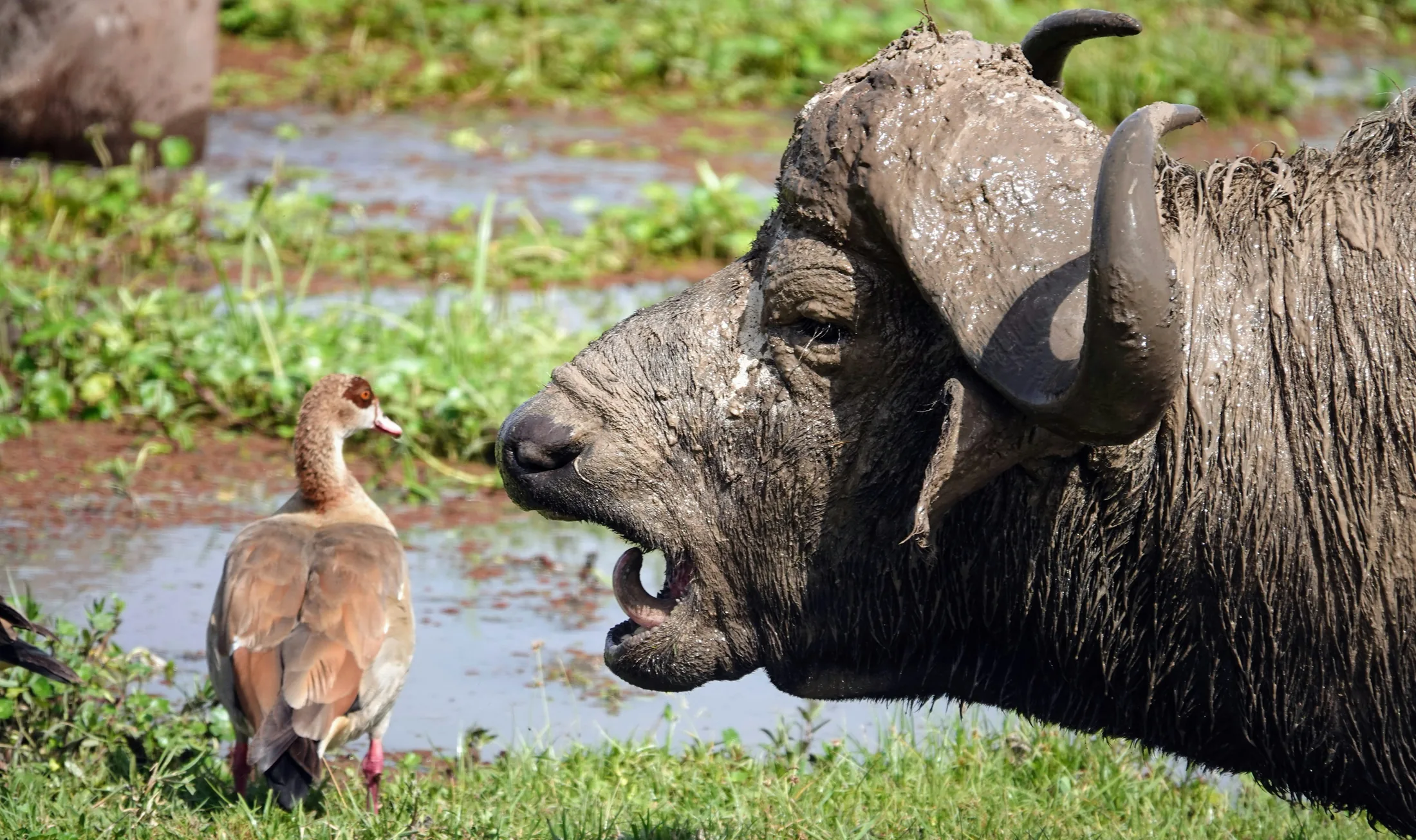
Amboseli's apparent openness can mislead first-time visitors. The ecosystem is not one flat plain. The dry lake bed, grassland, woodland, thorn bush, marshes and permanent-water areas each support different patterns.
At the wetlands, elephants may feed in green vegetation while hippos remain close to water. Buffalo can be caked in mud. Waterbirds and raptors bring a second layer of movement that is easy to miss when the vehicle is chasing mammals.
KWS identifies Amboseli as an Important Bird Area and records more than 400 bird species. That figure does not mean a three-day visitor will see hundreds. It means a curious group should allow the guide to stop for egrets, herons, flamingos when present, bustards, raptors, kingfishers and smaller grassland birds.
Observation Hill can provide a broad view over the basin and wetlands. The climb is optional and not suitable for every mobility level. Ask about steps, heat and timing before adding it to the route.

Elephants: spend time, keep distance
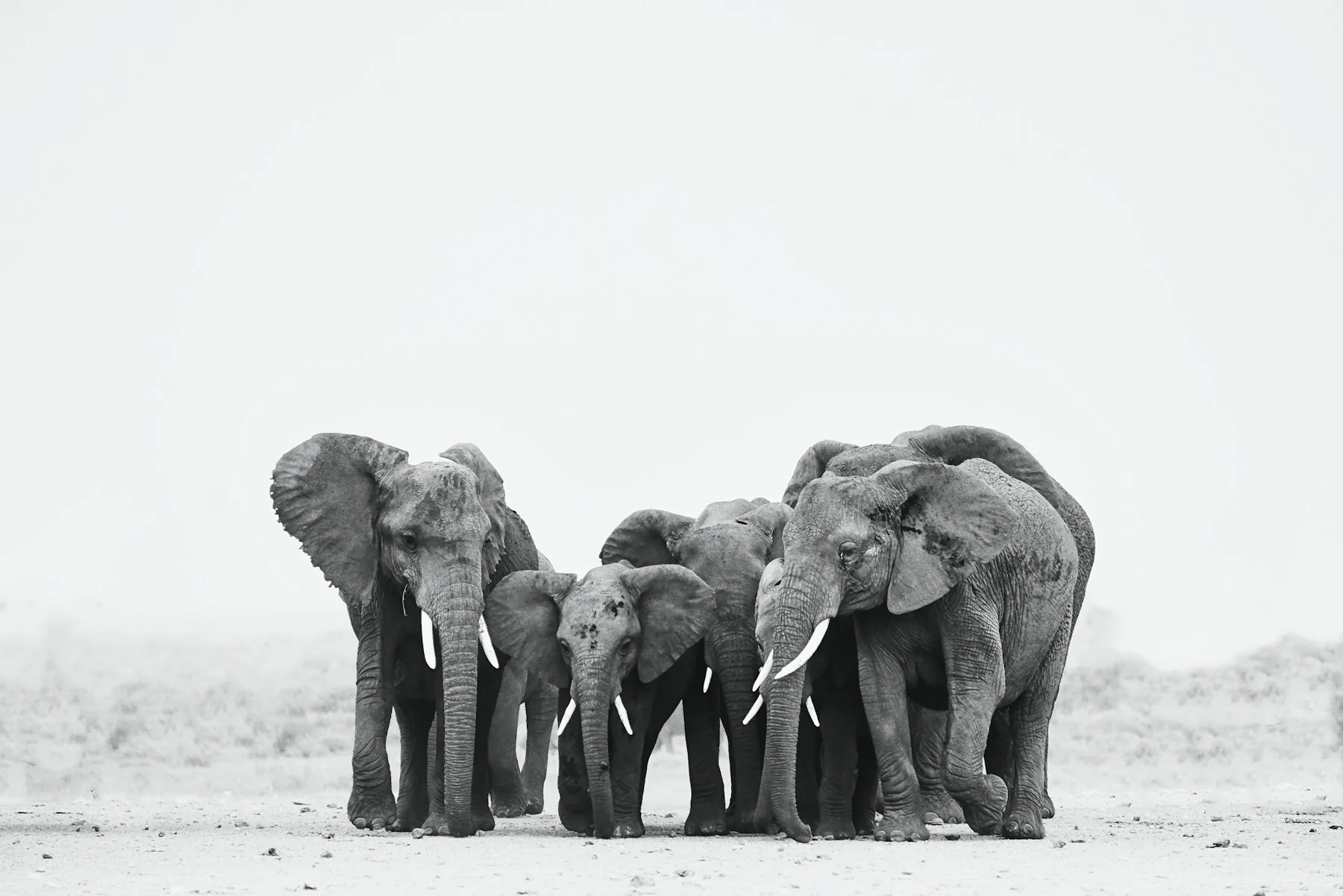
Amboseli is one of Kenya's best-known elephant landscapes, supported by decades of research in the wider ecosystem. A second night makes it easier to watch behaviour instead of treating each encounter as a photograph.
Look for family spacing, calves moving among adults, feeding techniques, dusting, drinking and the quiet ways a group changes direction. Your guide can interpret what is visible without inventing drama.
KWS requires visitors to remain at least 20 metres from wildlife, stay on established roads and avoid noise. Those rules matter when an elephant chooses to approach. The vehicle should stop and allow space rather than manoeuvre for a closer image.
A traveller reviewing a recent Kenya trip wrote, “We all loved Amboseli! It felt very magical, especially at sunset.” That is one person's experience, and the same account acknowledged that not every wanted animal appeared. This is the right frame: rich moments without a guaranteed checklist.
The Amboseli elephants guide and Amboseli big tuskers guide add research and fieldcraft context.
Kilimanjaro and photography over two mornings
Kilimanjaro can appear vast and clear, sit behind haze, or vanish inside cloud. The mountain is in Tanzania, while many classic northern views are made from the Amboseli side.
Two mornings improve the opportunity without creating a guarantee. Tell the guide if landscape photography is a priority. A private vehicle lets the group choose position and wait, but it cannot move wildlife into the foreground or keep another vehicle out of every frame.
Pack a long lens for behaviour and a wider lens for animals in the landscape. Bring more than one battery, a dust cloth, memory cards and a beanbag if the vehicle supports one. Turn geotagging off if sensitive wildlife locations are involved.
Read the Amboseli photography guide for viewpoints, light, dust protection and ethical positioning. The best time to visit Amboseli guide explains seasonal trade-offs without pretending one month controls the weather.
Plan the middle day around light and wildlife
Share your dates, Nairobi pickup, travellers, room needs and whether you prefer road or air. We will build the middle day around your wildlife rhythm.
Day 3: one more dawn, then onward
The final morning is not a ceremonial loop. It is another independent chance to find a clear mountain, active elephants, predators or birds in good light. Decide whether breakfast comes before or after the drive and how that choice affects departure.
Road travellers should leave enough time for Nairobi traffic and comfort stops. An international flight close behind the estimated road arrival remains risky. A night in Nairobi is the calmest plan.
Fly-in travellers need the lodge's airstrip-transfer time and the airline's check-in procedure. Confirm whether the last drive ends at the airstrip, returns to camp first, or requires an early breakfast.
If the journey continues to another safari area, evaluate the connection as a complete chain. A direct bush-flight routing may operate on some schedules. Otherwise, travellers may return through Wilson. Never treat a published schedule as permanent.
Where to stay for two nights
With two nights, travellers can consider atmosphere and activities as well as gate efficiency. Location still matters.
| Area | Examples | Why choose it | What to verify |
|---|---|---|---|
| Inside Amboseli National Park | Ol Tukai, Amboseli Serena, KWS guest houses | Immediate park position and easy dawn access | Room type, board basis, vehicle and park-fee treatment |
| Kimana and eastern gate belt | Kibo, Kilima, AA Lodge, Sentrim and other camps | Range of comfort and price near eastern access | Real gate drive, road condition and exact property position |
| Kitirua and nearby concession areas | Tortilis Camp and other confirmed concession stays | Quieter private-land atmosphere and selected extra activities | Which activities are included and how park drives operate |
| Tawi, Elerai and Selenkay areas | Named private conservancy camps | Night drives, walks or community-land experiences may be available | Distance to national park and conservancy-fee basis |
| Chyulu extension | ol Donyo and Campi ya Kanzi | Distinct landscape and deeper private-land experience | Do not sell it as a quick national-park base |
The where to stay in Amboseli guide explains these zones. The all Amboseli lodges and camps directory is the property checklist.
Do not choose by pool photograph alone. Request a map, room category, gate time, vehicle policy, power details, pool safety, dietary arrangements and substitution clause.
Private vehicle or shared lodge drives?
A road safari can keep one private vehicle from Nairobi through every drive. A fly-in package often uses the lodge's vehicle, which may be shared unless exclusive use is bought.
A private vehicle gives control over:
- departure and return times;
- how long to stay at a sighting;
- photography position;
- bathroom and rest breaks;
- child and mobility needs;
- birding versus big-game priorities;
- whether the middle day is split or full day.
Shared drives can be sociable and cost-efficient. Confirm maximum occupancy, seating rotation, drive duration and whether the group can opt out without losing another included drive.
Vehicle quality deserves written detail: 4×4 or minivan, roof design, seat belts, charging, water, luggage placement, child restraints and replacement procedure.
The guide shapes the extra day
Two nights reveal whether the guide can do more than find a famous species. The middle day should have a reasoned route, but it also needs room to change when elephants move, a predator settles into shade, rain alters a road or the mountain clears unexpectedly.
Ask whether the same driver-guide remains with a road safari throughout. For a fly-in stay, ask how the lodge allocates guides and whether a private guide request can be confirmed. Birders should state their interest in advance because a guide who recognises calls and habitat can transform the wetlands. Photographers should discuss vehicle position, patience and the group’s tolerance for waiting.
A guide should follow KWS rules even when another vehicle does not. That means staying on established roads, keeping the required distance, avoiding noise and declining to crowd a stressed animal. A dramatic photograph obtained by blocking an elephant’s path is not better guiding.
The group can help by agreeing priorities before the first drive. Choose three or four rather than demanding everything: elephant behaviour, Kilimanjaro landscapes, birds, predators, a relaxed pace or family-friendly hours. The guide then has a useful compass instead of an impossible checklist.
Tip guidance should be shared before travel and left to the travellers’ discretion. It should never affect professional attention during the trip.
A cultural or conservation experience can now fit
Two nights create space for one meaningful optional experience, but it must still earn its place.
A Maasai-hosted cultural visit should name the host or centre, explain what happens, state how long it takes, ask permission for photography and show how fees are distributed. A visit to a working home is not interchangeable with a public cultural centre.
The Amboseli Maasai village visits guide provides a consent and payment checklist.
IFAW's Team Lioness is a working all-women ranger unit in the community lands around Amboseli. Do not treat a meeting or patrol as a standard package inclusion. Any appropriate visitor interaction must be specifically available and confirmed through the relevant organisation.
Similarly, a conservancy walk or night drive depends on the land rules, guide, property and conditions. These activities are generally not permitted as casual add-ons inside the national park.
Families and teenagers
Three days are easier than two because the middle day can be split. Children have time for breakfast, rest and a pool, while adults still get two strong drives.
Ask about family-room layout, child age rules, vehicle restraints, pool fencing, meal flexibility, escort rules after dark and whether a child can return early in a private vehicle. A third bed may be a rollaway rather than a proper separate room.
Teenagers often enjoy photography, animal tracking conversations and responsibility for a shared sighting list. Give them binoculars and a window seat rather than treating the drive as passive entertainment.
Use the Amboseli with kids guide and Kenya safaris with teenagers guide to match vehicle hours and accommodation to the actual ages.
Older travellers and limited mobility
The two-night pace reduces continuous road strain, but vehicle access, room distance and uneven ground still matter. Request step height, a portable step, handholds, a room near the main area, bathroom layout and help with luggage.
Observation Hill is optional. So are walks. A traveller can have a complete Amboseli safari from the vehicle.
Anyone using a CPAP machine, refrigerated medicine or mobility device needs written confirmation of power, charging, storage and vehicle space. The accessible Kenya safaris guide has a property-by-property request template.
Dust, rain and practical comfort
Amboseli can be intensely dusty, particularly on the lake bed and during dry, windy conditions. It can also be green and wet, with muddy roads and broad water views. A three-day itinerary should prepare for both rather than rely on a seasonal stereotype.
One recent traveller wrote, “Amboseli was definitely more dusty than the other two areas!” A scarf or buff, sunglasses, camera cloth and sealable bag are useful. In wetter periods, carry a light waterproof and shoes that can handle mud around camp.
There is no toilet inside the game-drive vehicle. Split drives make bathroom access easier. For a full day, agree designated stops and carry tissues, hand sanitiser and personal supplies.
What should the package include?
At minimum, the proposal should state:
- Nairobi pickup and return or all airport transfers;
- vehicle type and private or shared status;
- named driver-guide or lodge-guiding basis;
- two nights in the exact room category;
- meal plan and drinks included;
- park and conservancy entries allowed for;
- each planned game drive;
- scheduled flight and baggage details when flying;
- taxes and stated emergency support.
It should also list exclusions: visas, insurance, tips, drinks outside plan, optional activities, private vehicle upgrade, late checkout and any Nairobi accommodation.
The current KWS page should be checked for visitor categories and park rates. The Amboseli entry fees guide explains how entry periods and categories affect a multi-day quote.
What changes the price?
Season, room, lodge location, occupancy, group size, road or air transport and vehicle exclusivity create most of the variation. Optional conservancy activities and cultural visits add further components.
Two nights can improve value per safari hour because the fixed return transport is spread across more wildlife time. It still raises the total. A solo traveller pays more of the room and private vehicle cost, while a small group shares transport.
Compare the Amboseli safari cost guide with the all-inclusive Kenya safari packages guide. Then require the quote to name every lodge, fee, meal and vehicle assumption.
What travellers say
Reviews are most useful when read for detail, not star count. One reviewer of a specific three-day product wrote, “Our 3-day Amboseli Safari was truly amazing!” Another self-funded traveller loved the atmosphere but reported dust and missed animals as well as exciting sightings.
Those accounts do not prove that every three-day trip will be amazing. They show the range worth preparing for: strong wildlife, changing light, dust, incomplete checklists and the importance of a good guide.
When reading reviews, look for the month, lodge, vehicle occupancy, drive length, guide, gate position and whether the reviewer travelled by road or air. Those details explain more than a general adjective.
Compare a road and fly-in quote
Share your dates, Nairobi pickup, travellers, room needs and whether you prefer road or air. We will build the middle day around your wildlife rhythm.
Onward routes after Amboseli
Return to Nairobi
This is the simplest shape. Plan the final Nairobi night before an international flight when possible.
Continue to Tsavo and the coast
KWS notes a road connection between Amboseli and Tsavo West. The southern circuit can continue through Tsavo, then to Mombasa, Diani or another coast base. This avoids backtracking but requires more nights. Read the Tsavo safari guide before deciding how to divide East and West.
Continue to Masai Mara
Driving from Amboseli to the Mara is a long cross-country transfer and often a poor use of one day. A bush-flight connection or a night in Nairobi can be better. The Masai Mara and Amboseli combined safari should be judged by the transfer, not just the park names.
Continue toward Tanzania
The border looks close on a map, but vehicle changes, immigration, road transfers and onward park distances create a full logistics chain. Do not assume one guide or vehicle crosses freely. Build the border day with current entry rules and operator licences.
Booking checklist
Before the deposit, confirm:
- Exact pickup, departure and drop-off plan.
- Road route or full flight chain.
- Named accommodation and room category.
- Gate or airstrip used.
- Private or shared vehicle on every drive.
- Middle-day format and flexibility to change it.
- Breakfast and packed-meal arrangements.
- Park and conservancy fee periods.
- Optional activities, hosts and payment beneficiaries.
- Child, mobility, dietary and medical requirements.
- Substitution and cancellation terms.
- Emergency contact and insurance requirement.
Frequently asked questions
Is three days enough for Amboseli?
Yes for a focused introduction. Two nights create an arrival drive, a full middle day and a final morning.
Should the middle day be full day or split?
Choose full day for maximum field time and split drives for rest, meals and lower sitting time.
Can Kilimanjaro be guaranteed?
No. Two mornings improve opportunity, but cloud and haze decide visibility.
Is a private vehicle worth it?
It is especially valuable for photographers, families, birders and travellers who want control over the middle day.
Can I visit a Maasai community?
Yes when the host, consent, timing and payment arrangement are clear. It should not replace the core drives without your choice.
Can I meet Team Lioness?
Do not assume so. It is a working ranger unit, and any visitor interaction must be specifically available and confirmed.
Are park fees paid for every day?
Fee periods depend on the current KWS system and itinerary timing. Request the exact number and visitor category in the quote.
Is a fly-in safari better?
It saves road time but adds Wilson transfers, baggage limits, fixed schedules and usually lodge vehicle arrangements.
Can this trip include Tsavo?
Not without changing the scope. Add enough nights for the road and the distinct Tsavo parks.
What should I pack for two nights?
Bring light layers, a dawn jacket, hat, sunscreen, closed shoes, dust protection, binoculars, medicine and camera supplies in a small bag.
Give Amboseli one day without a departure
The most valuable line in this itinerary is day two. Nobody has to reach Nairobi. Nobody has to check out. The guide can respond to weather and wildlife, and the travellers can choose whether to stay out or return for lunch.
Send your dates, Nairobi hotel, travellers, room needs, road or flight preference and onward route. We will use the middle day deliberately and state every vehicle, fee and timing assumption in the proposal.
Build my 3-day Amboseli safari from Nairobi
Share your dates, Nairobi pickup, travellers, room needs and whether you prefer road or air. We will build the middle day around your wildlife rhythm.
Tell us how you want to use it
Share the dates, travellers, room, road or flight preference, wildlife priorities and onward route. We will shape the two nights around them.