
Mid-Range Kenya Safaris: Comfort, Wildlife and Honest Value
Choose named rooms, workable lodge locations, honest vehicle space and enough nights in each ecosystem, without paying for luxuries you do not value.

- What mid-range means on a Kenya safari
- Mid-range, budget and luxury are not three neat boxes
- Put your money where it changes the safari
- The vehicle can change the category of the whole trip
- Lodge location is part of the itinerary
- Real lodge and camp examples to compare
- What the room category should tell you
- Meals, water and drinks
- Road safari or fly-in safari
- Private and shared game drives
- Park and conservation fees
- Five routes that work at mid-range
- How season changes value
- Families, couples, seniors and solo travellers
- Add luxury only where you will feel it
- What independent travellers say
- How to compare two quotes properly
- Red flags in a mid-range package
- The booking brief that produces a useful proposal
- Frequently asked questions about mid-range Kenya safaris
- Sources and further reading
A mid-range safari should feel comfortable where comfort matters and purposeful everywhere else. You should have a proper bed, private bathroom, reliable meals, a safe vehicle and a guide who has enough time to read the landscape. You should also know which gate you are using, how many people share the vehicle and which fees are included. A swimming pool cannot rescue an itinerary that spends its best wildlife hours in traffic between a distant lodge and the park.
The difficulty is that "mid-range" has no universal definition. One operator may use it for a large full-service lodge inside a park. Another may mean a small tented camp outside a gate. A third may reduce the vehicle, room or meal plan while keeping a polished property photograph at the top of the proposal. The category only becomes useful when every component is named.
What mid-range means on a Kenya safari
Mid-range is not a star rating and it is not simply the number beside a quote. It is a combination of accommodation, transport, guiding, inclusions and travel rhythm.
| Component | A sound mid-range choice | A compromise that needs to be disclosed |
|---|---|---|
| Room | Private en-suite room or tent with dependable hot water and safe sleeping arrangements | Shared bathroom, restricted hot water or a room category different from the photographs |
| Food | Full board during safari days, with water arrangements stated | Missing lunch on transfer days or drinks excluded without explanation |
| Vehicle | Maintained safari Land Cruiser or suitable van with a stated seat plan and pop-up roof | Eight travellers competing for six good viewing positions |
| Guide | Named driver-guide arrangement with route knowledge and realistic driving hours | A transfer driver presented as a specialist guide without clarity |
| Location | Lodge chosen around the correct gate, wildlife sector and daily plan | Cheaper room that adds hours of gate travel each day |
| Fees | Conservation and park fees itemised by traveller category and entry day | "All park fees" with no parks, dates or categories listed |
| Transfers | Every airport, hotel, airstrip and lodge movement named | A gap between arrival and the first safari vehicle |
| Activities | Included game drives and optional experiences separated | Balloon, village visit or boat shown in the itinerary but absent from the price |
This is why two quotes using the same three lodges can deliver different trips. One may provide a private Land Cruiser, all conservation fees and enough nights in each park. The other may use a full shared vehicle, omit a fee and move every day.
Compare complete mid-range safari options
Share your dates, travellers, room needs, preferred parks, vehicle choice and comfort priorities. We will compare named properties, real access and complete inclusions.
Mid-range, budget and luxury are not three neat boxes
Properties change rates by season, room type, occupancy and package. A lodge that feels mid-range in the green season may cost more than a small premium camp during a special offer. A simple camp inside the right wildlife sector may deliver better game-drive time than a grander hotel far outside the gate.
| Tier | What usually changes | What should never be weakened |
|---|---|---|
| Budget | Simpler room, public campsite, basic tent, van transport, larger sharing group or fewer amenities | Legal operation, safe vehicle, clean sleeping space, meals promised, guide competence and paid entry |
| Mid-range | En-suite lodge or tent, full board, reliable vehicle, practical pool or common areas, road-focused route | Honest location, seat plan, fee list, room type and safe pacing |
| Luxury | Smaller camp, stronger privacy, private vehicle, fly-in access, premium food, laundry, wider activity menu or personal service | Accuracy about land access, conservation fees and what exclusivity actually covers |
| Ultra-luxury | Large suite, private facilities, dedicated team, charter flexibility and highly personalised experiences | Responsible wildlife conduct, truthful logistics and value beyond décor |
The line between categories moves. Judge the proposal by what happens from wake-up to bedtime, not by the adjective in its title. The Kenya safari cost guide explains the wider cost structure, while this page concentrates on the middle of the market.
Put your money where it changes the safari
Four decisions usually matter more than decorative extras.
First is location. A lodge that is genuinely inside a park, beside the correct gate or on land with its own wildlife access can protect early and late viewing time. Second is the vehicle. A window seat and clear roof position matter every day. Third is the guide and the number of nights the guide has in each ecosystem. Fourth is the route. An itinerary that crosses Kenya repeatedly wastes fuel, daylight and patience.
Air conditioning, a television and an elaborate lobby may matter in Nairobi. In a remote park, travellers often value good screens, a comfortable mattress, hot water, charging, clean food and a quiet place to sleep. Decide which comforts are personal requirements and which are simply attractive in photographs.
The vehicle can change the category of the whole trip
A lovely lodge cannot compensate for a crowded vehicle. Ask whether the safari uses a Land Cruiser or van, whether it is private or shared, and how many guests will occupy it. "Guaranteed window seat" needs a seat diagram, because a side window is not the same as a clear pop-up-roof position.
A private vehicle costs more, but it can improve value for photographers, families, couples with different interests and travellers who need bathroom or rest breaks. It also lets the group decide whether to sit with elephants for an hour or move on. For two travellers on a short route, sharing may be sensible. For five or six relatives, a private vehicle may already be the natural structure.
Vehicle quality is more than the badge on the bonnet. Tyres, suspension, seat belts, roof mechanism, radio, first-aid kit, fire extinguisher, charging and luggage placement all matter. Read the safari vehicles explained guide before accepting a generic "4×4 safari vehicle" line.
Lodge location is part of the itinerary
The property name alone does not tell you how the day works. Ask for the map position, park or conservancy, nearest gate, typical drive to the first wildlife circuit and any fee caused by crossing between areas.
In the Mara, a property on the eastern side does not give identical access to the Mara Triangle in the west. During a season when travellers hope to reach a particular river sector, crossing the ecosystem can consume much of the day. The official Mara Triangle fee guidance even distinguishes how visitors approach from the Narok side and where a guest is staying. Geography affects both time and payment.
In Amboseli, an inside-park lodge can simplify dawn access, while an outside property may offer better value, a different room style or private-land activities. The comparison only works after the gate and daily drive are stated. Our Amboseli lodges inside versus outside the park page is predetermined for that exact decision.
In Tsavo, scale matters. Tsavo East and Tsavo West are separate experiences with gates, long roads and different landmarks. A lodge beside Aruba Dam is not interchangeable with one near Voi or in Tsavo West.
Match my lodge locations to the wildlife route
Share your dates, travellers, room needs, preferred parks, vehicle choice and comfort priorities. We will compare named properties, real access and complete inclusions.
Real lodge and camp examples to compare
The properties below are examples, not a ranking. Their price tier can move by dates, room, occupancy and inclusions. They are useful because they show different kinds of mid-market decision.
| Area | Properties worth comparing | What to compare beyond the name |
|---|---|---|
| Masai Mara | Masai Mara Sopa Lodge, Keekorok Lodge, PrideInn Mara Camp, Enkorok Mara Camp, Ashnil Mara Camp, Mara Serena Safari Lodge | Reserve or conservancy, gate, river sector, room type, property size, vehicle sharing and drive access |
| Amboseli | Ol Tukai Lodge, Amboseli Serena Safari Lodge, Kibo Safari Camp, Sentrim Amboseli, AA Lodge Amboseli, Amboseli Sopa Lodge | Inside or outside park, nearest gate, Kilimanjaro orientation, family rooms, accessibility and included transfers |
| Tsavo East | Voi Safari Lodge, Ashnil Aruba Lodge, Sentrim Tsavo, Satao Camp, Ngutuni Safari Lodge | Park or sanctuary access, waterhole, Voi or Bachuma approach, SGR transfer and daily drive distance |
| Tsavo West | Kilaguni Serena Safari Lodge, Ngulia Safari Lodge, Severin Safari Camp | Mzima Springs access, rhino sanctuary schedule, waterhole, volcanic circuit and connection to Amboseli |
| Lake Nakuru and Naivasha | Lake Nakuru Lodge, Sarova Lion Hill, Lake Nakuru Sopa Lodge, Lake Naivasha Sopa Resort, Lake Naivasha Resort | Park entry day, lakefront or park location, boat and walking extras, family room and whether the stop improves the route |
| Samburu and Buffalo Springs | Samburu Sopa Lodge, Samburu Simba Lodge, Ashnil Samburu Camp, Sentrim Samburu | Reserve side, bridge and gate access, river position, airstrip transfer and game-drive area |
| Ol Pejeta and Nanyuki | Sweetwaters Serena Camp, Kicheche Laikipia Camp, Porini Rhino Camp and Nanyuki hotels used before or after the conservancy | Conservation activities, in-conservancy access, vehicle arrangement, room style and whether meals cover activity days |
Some names in this table can sit above the mid-market on peak dates. Others can be very good value in quieter months. The point is to compare a specific room and plan, not to permanently label a property.
What the room category should tell you
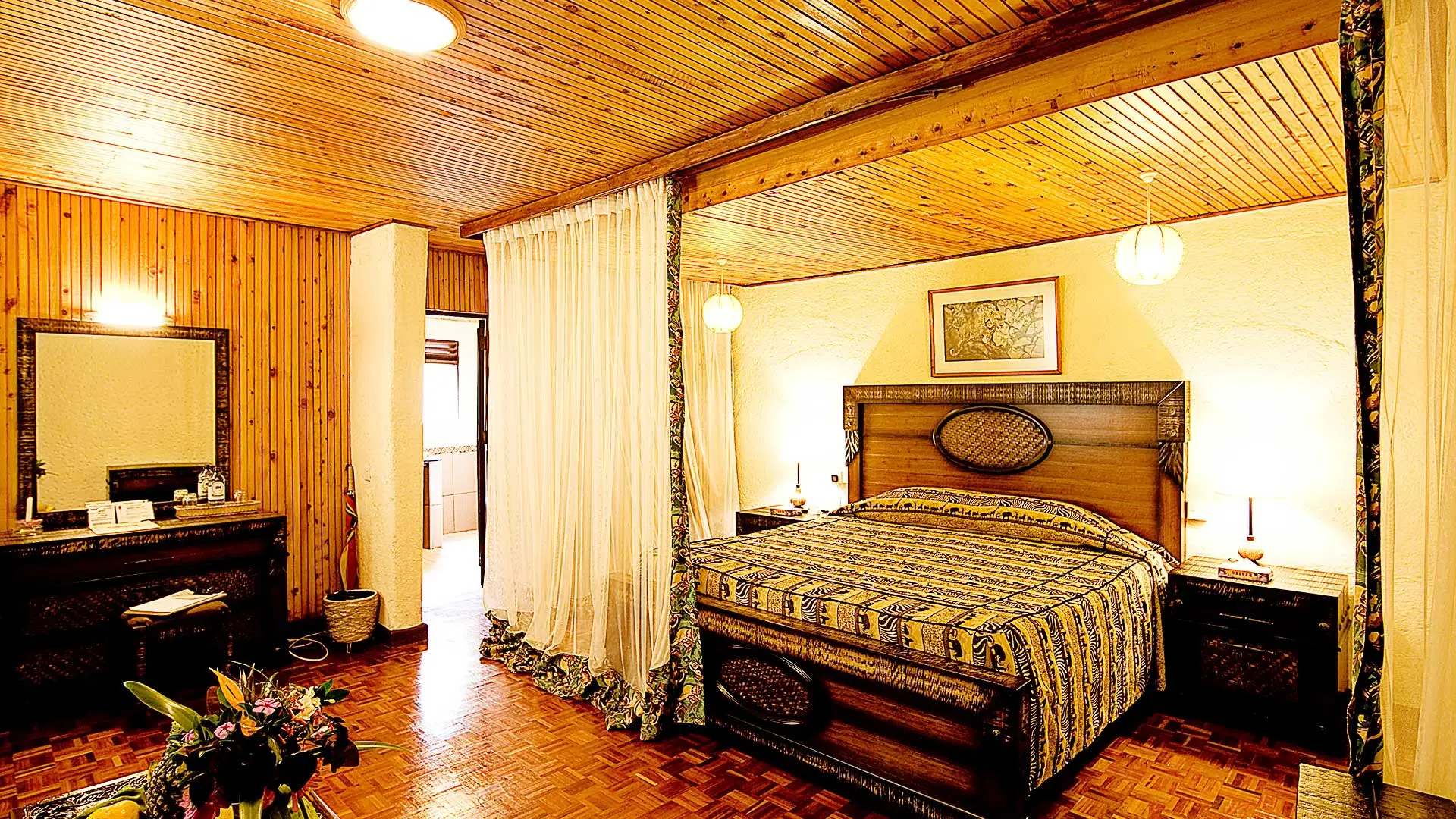
"Standard room" is incomplete. Ask whether it is a permanent lodge room or canvas tent, the bed configuration, bathroom type, maximum occupancy, mosquito screening, fan or air conditioning, charging hours and distance from common areas.
Families need the exact arrangement. A triple room, family room, interconnecting rooms and two adjacent rooms create different privacy, supervision and cost. Ol Tukai, for example, publishes twin, triple and accessible room categories. That does not mean every configuration is available on every date.
Solo travellers need to see the single supplement rather than a package price based on two people sharing. Couples should state whether twin beds are acceptable if a double is unavailable. Travellers with limited mobility need doorway, step, bathroom and path details, not merely an accessibility icon.
The future where to stay on a Kenya safari hub will compare lodges, tented camps, hotels, conservancies and campsites in more depth.
Meals, water and drinks
Most safari lodge plans use full board, but transfer days create gaps. If breakfast is in Nairobi, lunch is on the road and dinner is at the lodge, each meal should have an owner. A late arrival after the kitchen closes needs an advance arrangement.
Ask what "drinking water included" means. Is water available in the vehicle, room and restaurant? Are refill stations used? Are soft drinks, tea, coffee and alcoholic drinks included or charged separately? A bush breakfast or picnic lunch may replace a restaurant meal rather than add to it.
Dietary needs should be shared before travel. Vegetarian meals are widely possible, but severe allergy management, gluten-free preparation and religious requirements need specific confirmation. Remote kitchens can plan well when they have accurate notice.
Our all-inclusive Kenya safari packages page explains why the same phrase can cover very different drinks, meals and activities.
Road safari or fly-in safari
Road travel is one reason Kenya can deliver strong mid-range value. The same driver-guide and vehicle can collect guests in Nairobi, carry luggage and connect several parks. It works especially well for logical sequences such as Amboseli, Tsavo West, Tsavo East and the coast, or Samburu, Ol Pejeta and Lake Nakuru.
The weakness appears when the route zigzags. Nairobi to the Mara, then Amboseli, then Samburu is not a sensible short road circuit. Long transfer days replace wildlife time and increase fatigue.
Fly-in travel saves time on selected sectors but adds baggage limits, airstrip transfers and sometimes separate camp vehicles. A hybrid plan may be best: drive a coherent first circuit, fly one long gap, then use shared or private camp vehicles. Ask who handles every bag and every connection.
Private and shared game drives
Shared drives can work when the camp groups guests with similar interests and keeps vehicle occupancy reasonable. They also introduce fixed departure times, shared decisions and possible middle seats. A guest who wants long photography sessions may frustrate someone focused on returning for lunch.
Private drives buy control, not more wildlife. They are valuable when:
- A family needs flexible bathroom and meal timing
- A photographer needs vehicle position and patient observation
- A traveller has mobility, hearing or sensory needs
- A couple wants quiet time without a larger group
- The route includes long full-day drives
- The group has a specialist interest such as birds or conservation
If private use is important, make sure the quote says "private vehicle throughout" or names the exact sectors where it applies.
Park and conservation fees
Fees are not small administrative extras. They fund access to the landscapes at the centre of the trip and can make up a significant part of the total. They vary by park or conservancy, traveller category, age, date, entry basis and sometimes accommodation location.
Do not rely on a single total labelled "park fees." The proposal should identify each protected area, number of chargeable days, adult and child categories, resident status where relevant and payment handling. If an itinerary crosses between the Mara reserve, Triangle and conservancy land, the fee logic needs special care.
Fees and rules can change. The final trip documents should use the applicable authority and dates rather than a copied old table.
Five routes that work at mid-range
Three nights in the Masai Mara by road
Leave Nairobi early, stay three nights in one well-positioned Mara property and use a private or clearly limited shared vehicle. Three nights gives two full wildlife days after the arrival drive. It is stronger than changing camps during a short stay unless location is the reason for the move.
Amboseli, Tsavo West and Tsavo East
Use two nights in Amboseli, two in Tsavo West and two in Tsavo East before continuing to Mombasa or Diani. The route changes from wetlands and Kilimanjaro views to lava, springs and red-earth plains. It also avoids returning to Nairobi between each park.
Mara, Lake Nakuru and Amboseli
Three nights in the Mara, one or two near Lake Nakuru and two in Amboseli form a classic road circuit. The Nakuru stop should earn its place through rhino habitat, birds or route logic, not simply fill a night.
Samburu, Ol Pejeta and the Mara
Begin with two or three nights in Samburu, continue to Ol Pejeta for two nights, then fly or drive carefully toward the Mara for three nights. This route has strong ecological contrast, but the long final connection needs honest planning.
Tsavo and Diani Beach
Pair two nights in Tsavo East with four or five nights at the coast, using road or SGR logistics where they improve the transfer. This is a practical first safari for travellers landing in or ending near Mombasa.
Design a mid-range route without wasted transfer days
Share your dates, travellers, room needs, preferred parks, vehicle choice and comfort priorities. We will compare named properties, real access and complete inclusions.
How season changes value
Peak migration dates, Christmas, New Year and other high-demand periods can push familiar properties into a higher price band. The green season may bring lower rates, dramatic skies, fresh grass and fewer vehicles, with a greater chance of rain and changing road conditions.
Shoulder dates can offer the best balance, but wildlife is never controlled by a tariff sheet. Choose season around the experience you want, then compare properties within that window. Do not move a honeymoon, school holiday or specialist photography trip solely to chase the lowest room rate if the new dates no longer suit the purpose.
Special offers deserve arithmetic. "Stay four, pay three" may apply only to the room and meals, not conservation fees, transfers or private vehicle. A free night in the wrong place can still make the route worse.
Families, couples, seniors and solo travellers
Mid-range does not mean one standard design for everyone.
Families should compare total room cost, not a per-person headline. Two rooms, a family suite and a triple can produce different totals. Confirm child ages used by the lodge and park authority, meal timing, pool supervision, fencing and whether children may join shared drives.
Couples may value a smaller property, a double bed and a private vehicle for one or two sectors. A special dinner can be added without rebuilding the entire itinerary as luxury.
Seniors often gain more from fewer lodge changes, good vehicle steps and rooms near common areas than from expensive décor. Read the Kenya safaris for seniors guide for pacing and comfort questions.
Solo travellers should compare supplement, vehicle sharing, table arrangements and airport transfers. The next page, solo Kenya safaris, will address those decisions directly.
Add luxury only where you will feel it
A mixed-tier itinerary can be smarter than keeping every night in one category. Use a practical Nairobi hotel for an overnight arrival, solid mid-range lodges during a road circuit and one smaller camp where a private vehicle, conservancy activity or exceptional location changes the experience.
Likewise, upgrade the vehicle before the bathroom if game drives are the priority. Upgrade the room before the vehicle if one traveller needs an accessible bathroom and the base vehicle already works. Spend with intention.
What independent travellers say
One traveller described the goal with unusual clarity: "We don’t seek luxury but we want comfort." That is the right starting point for a mid-range Kenya itinerary discussion, but the next question is what comfort means to the people travelling.
A first-time guest comparing Sopa properties called them "simple properties with simple luxuries and no frills." Read the full independent Sopa lodge discussion for the context and other opinions.
Another recent traveller offered the blunt itinerary lesson, "Add +2 days to howsoever many days your trip is," and noted that "my lodges had great food everyday." Their Kenya trip report is personal rather than universal, but it captures two recurring themes: transfer time is easy to underestimate, and lodge comfort can be a happy part of the safari rather than a consolation prize.
How to compare two quotes properly
Place the proposals side by side and rewrite them into the same structure.
| Line | Quote A | Quote B |
|---|---|---|
| Exact travel dates and nights | ||
| Named property and room each night | ||
| Inside park, outside gate or conservancy | ||
| Private or shared vehicle by sector | ||
| Vehicle type and maximum passengers | ||
| Driver-guide and camp-guide arrangement | ||
| Every park and conservation fee | ||
| Meals on arrival, transfer and departure days | ||
| Drinking water and drinks | ||
| Airport and airstrip transfers | ||
| Optional activities and their status | ||
| Luggage rules | ||
| Cancellation and payment schedule |
If a line is blank, the cheaper total is not yet cheaper. It is incomplete.
Red flags in a mid-range package
- Accommodation is described only as "similar lodge"
- The first page shows one property while the day-by-day plan names another
- Vehicle occupancy is missing
- The route changes park almost every day
- Park fees are grouped without entry days or traveller categories
- A lodge is called inside the park when it is actually outside a gate
- Balloon, boat, village or walking activities appear in photographs but not inclusions
- The room is based on two sharing even though the enquiry is for a solo traveller
- Drinking water, transfer-day meals or airport pickup are omitted
- The operator cannot explain who provides support if the vehicle breaks down
Honest mid-range planning does not hide limitations. It uses them to shape a better route.
The booking brief that produces a useful proposal
Share the following at the beginning:
- Exact or flexible travel dates
- Number of adults and children, with child ages
- Room configuration and bed preference
- Maximum comfortable road hours in one day
- Private or shared vehicle preference
- Priority parks and wildlife interests
- Comfort essentials such as pool, fan, air conditioning, Wi-Fi or accessible bathroom
- Dietary and medical considerations
- Interest in ballooning, walks, boat trips, culture or beach time
- International arrival and departure flights
- Budget range for the whole ground trip, with currency and inclusions expected
- Whether one strategic upgrade is welcome
NLS can then compare real properties and route logic rather than guessing what "mid-range" means to you.
Frequently asked questions about mid-range Kenya safaris
Are mid-range Kenya safaris comfortable?
Yes, when the room, bathroom, food, vehicle and route are specified. Comfort varies, so state which features are essential.
Do mid-range lodges have private bathrooms?
Many do, but never assume. Confirm that the exact room or tent is en-suite and ask about hot-water availability.
Is a Land Cruiser included?
It depends on the package. Some use vans, some Land Cruisers and some camp vehicles. The quote should name the vehicle and occupancy.
Are park fees included?
They often are in complete packages, but the proposal should identify each park, date and traveller category. Conservancy and activity fees may be separate.
Can I have a private vehicle?
Yes. It may be included for a private road safari or added for selected camp sectors. Put it in writing.
Which mid-range lodge is best in the Masai Mara?
There is no single answer. Location, travel month, room, vehicle and wildlife priorities matter more than the tier label.
Is it cheaper to drive or fly?
Road travel is often better value for coherent circuits. Flights can save valuable time on long or awkward sectors. Compare the entire route.
How many nights should I spend in each park?
Two nights is a practical minimum for many parks, while three or four is stronger in the Mara. Avoid moving every day.
Can I combine a mid-range safari with Diani Beach?
Yes. Amboseli and Tsavo connect naturally toward the coast, while the Mara can connect by flight. Keep enough beach nights to justify the transfer.
Can NLS customise the properties?
Yes. The route can be rebuilt around preferred room style, location, pace, vehicle and budget rather than limited to packages already displayed.
Sources and further reading
- Kenya Wildlife Service: Tsavo East National Park
- Kenya Wildlife Service: Stay in the Wild
- Mara Conservancy: Conservation Fees
- Sopa Lodges: Kenya locations
- Sopa Lodges: Masai Mara Sopa Lodge
- Ol Tukai Lodge: Room types
- Ashnil Hotels: Ashnil Aruba Lodge
Plan a mid-range Kenya safari
Share your dates, travellers, room needs, preferred parks, vehicle choice and comfort priorities. We will compare named properties, real access and complete inclusions.
Tell us what comfort means to you
Share dates, travellers, preferred parks, vehicle style, room needs and the comforts you will genuinely use. We will build a complete comparison around them.