
Kenya Safaris for Seniors: Comfort, Pace and Practical Planning
Match the vehicle, room, pace and health preparation to the traveller who is actually going.
- Replace age with a useful traveller profile
- Start travel-health preparation early
- Medication and medical information
- Long flights and long sitting days
- Choosing the safari vehicle
- Road safari or fly-in safari for seniors?
- Exact room and bathroom verification
- Pace: fewer lodges, better days
- A comfort-first safari day
- Airports, assistance and connection margins
- Toilets on game drives and transfer days
- Walking safaris, balloons and boats
- Choosing a lodge for comfort rather than a star label
- Senior travellers on their own
- Packing for comfort and continuity
- Common planning mistakes
- Destinations that work well with a gentle pace
- Heat, cold and hydration
- Food, digestion and meal timing
- Travel insurance and evacuation
- Travelling with a spouse, family member or assistant
- Accessible safari planning
- Sample Kenya safaris for seniors
- Compare senior safari proposals
- The senior safari booking brief
- Frequently asked questions
Age tells a safari planner almost nothing useful on its own.
One traveller in their seventies may walk for hours and enjoy a dawn drive every day. Another in their fifties may need a step, back support and a bathroom close to the room. A third may be fit but take medication that needs refrigeration and a fixed schedule.
This guide focuses on practical comfort. It is not medical advice. A qualified clinician who knows the traveller and the itinerary should advise on vaccines, medication, long flights, altitude, heat and fitness for planned activities.
Replace age with a useful traveller profile
Share what the person can and wants to do.
| Planning detail | Useful information |
|---|---|
| Walking | Distance, surface, stairs, balance and need for a stick or aid |
| Vehicle boarding | Step height, knee or hip limits, transfer assistance and preferred seat |
| Sitting | Comfortable duration, back support and need for stretch breaks |
| Sleep | Early rising, night-time bathroom access and noise sensitivity |
| Vision and hearing | Guide position, written information and hearing aid use |
| Medication | Timing, storage, prescription documentation and time-zone plan |
| Food and hydration | Allergies, texture, sodium, glucose or other clinician-led needs |
| Temperature | Heat and cold tolerance |
| Activities | Game drives, walks, boats, balloon or coast interests |
| Emergency support | Insurance, evacuation and medical information |
Do not label a traveller “fully mobile” when the real concern is climbing into a high vehicle. Do not label someone “frail” because they prefer a slower day.
Build a senior safari around the traveller
Share the traveller’s real walking, boarding, sitting, room, bathroom, meal, sleep and pacing needs. We will verify the complete route.
Start travel-health preparation early
CDC advises older adults to discuss the itinerary, health conditions, activities and medication with a healthcare provider or travel-health specialist before departure. WHO also recommends early travel-health preparation and comprehensive insurance.
Take the actual route to the appointment. Nairobi, a highland lodge, a low-altitude game park, the coast and a walking safari do not create identical considerations.
Discuss with the clinician:
- destinations and travel dates;
- long-haul flights and road journeys;
- chronic conditions and recent procedures;
- every prescription and over-the-counter medicine;
- vaccine history and destination recommendations;
- malaria and insect-bite prevention relevant to the route;
- heat, altitude and activity level;
- motion sickness;
- food and hydration needs;
- what symptoms require urgent care;
- a plan for delays or lost medication.
No tour operator should prescribe, change or approve medication.
Medication and medical information
Carry enough medication for the trip plus a delay margin agreed with the prescriber. Keep essential medicine in hand luggage, in original labelled packaging, with copies of prescriptions using generic names where possible.
A travel health pack may include only items the traveller knows how to use and that are compatible with their care plan. Temperature-sensitive medication needs a verified storage chain. A lodge refrigerator may be in the kitchen rather than the room and may not maintain a medically specified range.
Carry a concise record of:
- conditions and serious allergies;
- medication and doses;
- clinician contact;
- emergency contact;
- blood type if medically advised;
- insurance and assistance number;
- implanted devices or mobility equipment;
- consent and communication needs.
Store a paper copy and an electronic copy accessible without one person's phone.
Long flights and long sitting days
International travel and road safaris can involve prolonged sitting. WHO has identified increased venous thromboembolism risk after long immobile journeys, while emphasising that individual risk and prevention need proper medical advice.
The traveller should ask their clinician what movement, seating, compression or medication advice applies personally. Do not take aspirin or another drug simply because a generic packing list suggests it.
The itinerary can reduce avoidable immobility through:
- an aisle seat where appropriate;
- airport assistance requested in advance;
- a Nairobi rest night before the first long drive;
- private road transport with planned stops;
- shorter transfer sectors;
- a seat that is easy to enter and exit;
- one location for three or four nights;
- a later start after a long flight.
Choosing the safari vehicle
The most beautiful route can fail at the first step into the vehicle.
Ask for photographs and measurements when boarding is a concern. A portable step helps only if it is stable, wide enough and used safely. A grab handle may be more important than extra legroom.
Confirm:
- first step height and total number of steps;
- door width;
- grab points;
- seat height and firmness;
- legroom;
- back and neck support;
- ease of reaching a preferred row;
- roof viewing while seated;
- air conditioning or airflow;
- room for a folded walker or wheelchair;
- frequency of comfort stops.
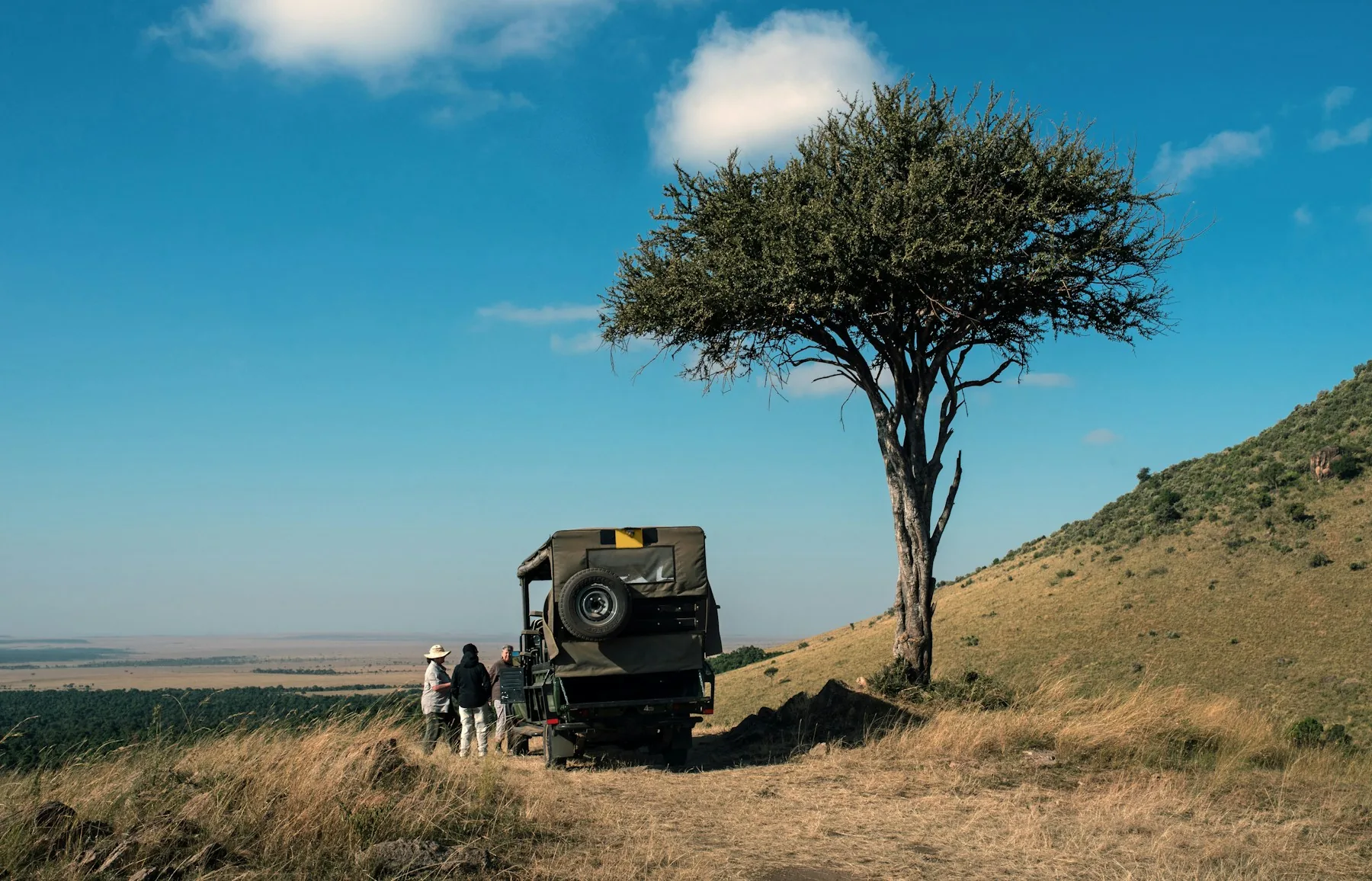
A private Kenya safari Land Cruiser gives the traveller a consistent seat, their own pace and control over drive length.
Road safari or fly-in safari for seniors?
Neither is automatically easier.
Road safari
One vehicle and driver stay with the traveller. Luggage is accessible, stops are possible and the service is continuous. The trade-off is long road time and rough sections.
Fly-in safari
A light aircraft can replace a long drive, but boarding may involve narrow doors and steps, baggage is restricted and airstrip surfaces can be uneven. Lodge game drives may be shared.
Mixed itinerary
Drive the shorter scenic sectors and fly the longest return. The handover between services must include assistance and equipment.
For any flight, provide mobility-aid dimensions, weight, battery information and assistance needs to the airline. A medical condition may require the carrier's clearance process. Approval belongs to the airline, not the lodge or tour planner.
Exact room and bathroom verification
“Ground floor” is not a complete access description.
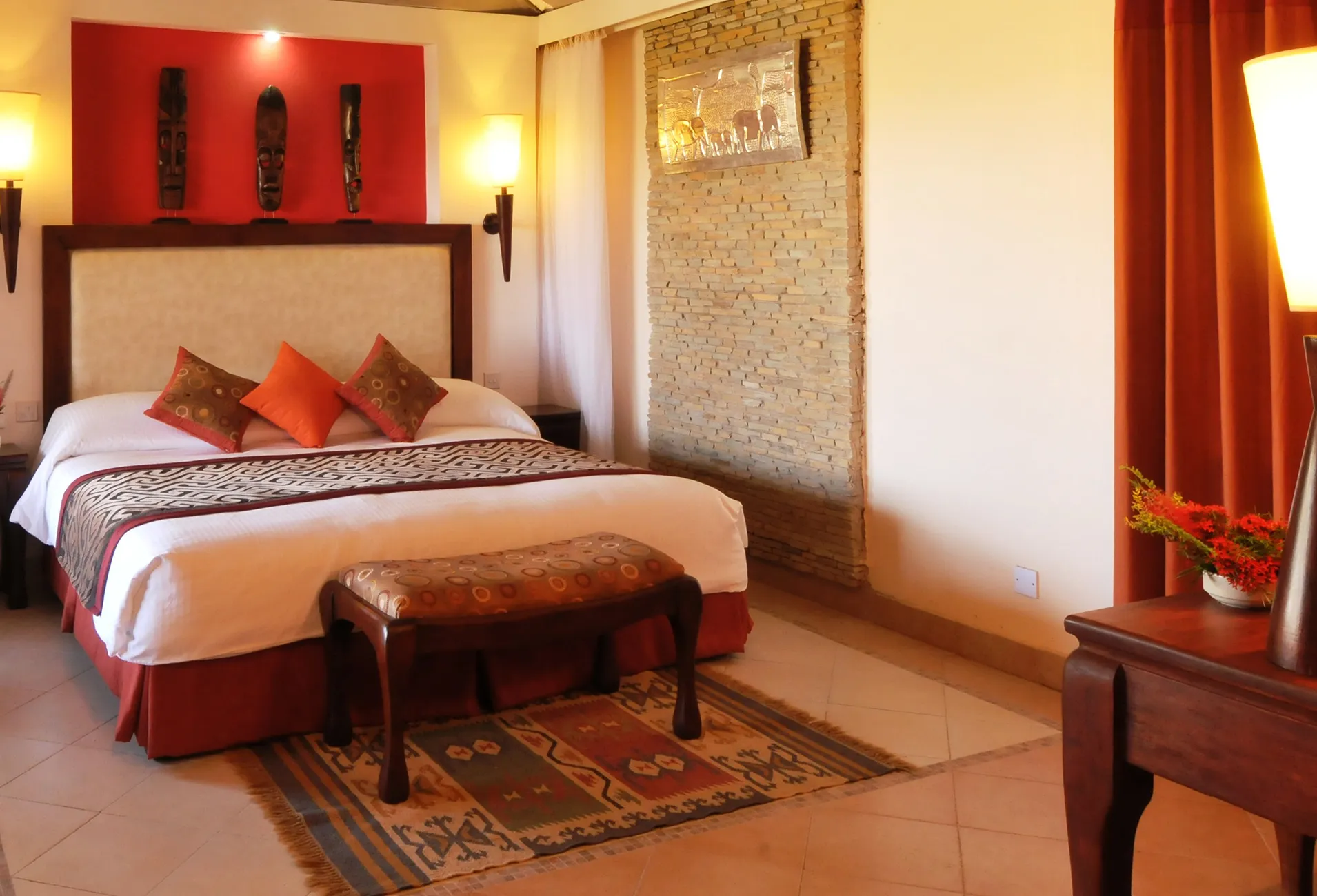
Verify the exact room or a room meeting the same minimums:
- steps from drop-off to door;
- path surface and slope;
- distance to dining;
- threshold height;
- bed height and side clearance;
- mattress firmness if relevant;
- toilet height and grab rails;
- shower step, floor, handrail and chair;
- night lighting;
- power sockets for equipment;
- emergency communication;
- air conditioning, fan and mosquito protection.
An outdoor shower may look attractive and still be unsafe when wet. A bathtub is not a substitute for a usable shower.
Pace: fewer lodges, better days
A senior traveller’s view: A couple aged 59 and 63 wrote, This was our first safari and the experience was beyond amazing.
Their detailed Kenya safari review explains the pacing, camps, flights, food and activities behind that verdict.
One-night stops create daily packing, checkout and vehicle time. Three nights in a park creates two full mornings without changing rooms.
A comfortable rhythm might include:
- early drive on day one;
- later breakfast and shorter afternoon drive on day two;
- full morning or all-day option on day three;
- transfer on day four;
- one rest afternoon after two travel sectors.
The traveller can always add a drive if energy is high. Removing an activity after exhaustion is harder when flights and special bookings are fixed.
A comfort-first safari day
The alarm is set for 6:00 rather than 5:00. Coffee and a light snack arrive at the room so medication and breakfast timing remain familiar. The guide brings the vehicle close to the safest pickup point and waits while the traveller boards without pressure.
The morning drive lasts two and a half hours. There is no race to a distant radio call. The group stops for elephants, birds and a view, then returns before heat and rough tracks become tiring.
Lunch is followed by a proper rest. The afternoon drive remains optional. At dinner, the table is close to an easy path and the night escort knows which room needs extra time.
Another traveller may want a six-hour game drive and manage it comfortably. The lesson is not that seniors require short days. It is that the planned day should match the person.
Airports, assistance and connection margins
Airport wheelchair or mobility assistance is useful for more than people who use a wheelchair every day. Long terminals, queues and distant gates can consume the energy needed later.
Request assistance through each operating airline in advance. State whether the traveller can walk stairs, reach a seat independently and manage an apron bus. A code on the booking is useful only when it reflects the real help needed.
For connections:
- allow time for immigration, baggage and assistance;
- distinguish Jomo Kenyatta International Airport from Wilson Airport;
- arrange a vehicle large enough for people and mobility aids;
- protect time for a toilet, food and medication;
- avoid a same-day domestic flight that depends on an unrealistic international arrival;
- keep airline and ground contacts available offline.
If a traveller requires oxygen, a stretcher, medical equipment or clearance, the airline process must begin early. Do not arrive at the airport with an unapproved arrangement.
Toilets on game drives and transfer days
Toilet planning is part of dignity and comfort.
Inside a park, facilities may be available only at gates, picnic sites, lodges or designated areas. The traveller may be unable to leave the vehicle elsewhere for safety and legal reasons. Ask the guide about expected intervals before departure.
On a road transfer, map clean, safe stops that the traveller can enter. A facility can exist and still have steps, narrow doors or no grab rail. Carry personal hygiene supplies and any continence products discreetly in the vehicle.
Do not reduce water intake to avoid stops unless a clinician has given specific advice. The itinerary should adapt through a private vehicle and realistic stop plan.
Walking safaris, balloons and boats
Optional activities need their own assessment.
Walking safari
Ask about distance, duration, terrain, pace, heat, toilets and whether the group can turn back. A short nature walk near camp is different from a multi-hour bush walk.
Hot-air balloon
Boarding, basket position, landing impact and the ability to adopt the operator's safety position matter. The balloon operator, insurer and traveller's clinician decide suitability.
Boat trip
Check steps, dock stability, lifejacket, shade, toilet, seat back and water conditions. Some lake boats board from a simple shore rather than a fixed pier.
Horse or camel activity
Mounting, balance, experience and emergency dismount are not minor details. Declare age only after the operator has the relevant health, ability and experience information.
An itinerary can be rich without any of these activities. Game drives, lodge waterholes, birding and landscape viewing remain complete safari experiences.
Choosing a lodge for comfort rather than a star label
A five-star property may sit on a steep hillside. A simpler lodge may have level paths, a spacious bathroom and a vehicle that reaches the door.
Compare:
| Feature | Why it matters |
|---|---|
| Lodge location | Reduces daily gate and road time |
| Number of steps | Affects every meal and game drive |
| Path surface | Gravel, sand and wet boards change access |
| Room distance | A secluded room may be exhausting |
| Dining flexibility | Supports medication, early meals and rest |
| Power reliability | Important for medical devices and charging |
| Staff communication | Ensures the same needs are understood across shifts |
| Medical response plan | Clarifies who calls, transports and communicates |
| Night lighting and escort | Supports safe movement after dark |
| Laundry | Allows lighter luggage on longer trips |
Do not choose the farthest room because it is called private. Privacy is useful only when the path works.
Senior travellers on their own
A solo senior traveller can take a private safari without joining a group. The main price differences are the room's single supplement and the fact that one person carries the vehicle cost.
The planning should include regular contact, clear airport meet-and-assist, an identified driver-guide, emergency information and a room location that feels secure and convenient. The traveller should hold their own documents and know how to reach assistance, even when the operator manages the route.
For shared departures, check group size, pace, vehicle seat rotation, single room and whether the itinerary can respond to individual comfort stops.
Our detailed solo Kenya safaris hub is planned at its permanent slug and will cover the full choice between private and group travel.
Packing for comfort and continuity
- medication in hand luggage plus the clinician-approved delay supply;
- prescription and medical summary;
- insurance and assistance contacts;
- comfortable neutral layers;
- warm dawn layer;
- sun hat and sunglasses;
- stable closed shoes;
- walking aid and spare tip where relevant;
- hearing-aid batteries or charging equipment;
- glasses and spare pair;
- small lumbar support if needed;
- personal hygiene supplies;
- reusable water bottle if appropriate;
- a small day bag that is easy to reach;
- copies of every important document.
Avoid heavy bags that the traveller cannot manage during an unexpected disruption. Even when porters are planned, each person should be able to control documents, medicine and valuables.
Common planning mistakes
- Using age as the whole needs assessment.
- Scheduling the first long drive immediately after an overnight flight.
- Accepting “accessible” without the exact room and vehicle.
- Booking one-night stays across many parks.
- Assuming a spouse will provide physical assistance.
- Hiding a condition from the insurer or airline.
- Putting critical medicine in checked baggage.
- Treating a camp evacuation membership as full insurance.
- Choosing a remote room without checking the path.
- Adding balloon, boat or walking activities before assessing them.
- Leaving transfer-day food, water and toilets vague.
- Giving every medical document to one travelling companion.
Kenya safaris for seniors should feel adventurous because of the wildlife, not because basic logistics were left to chance.
Audit our safari comfort plan
Share the traveller’s real walking, boarding, sitting, room, bathroom, meal, sleep and pacing needs. We will verify the complete route.
Slow the route down
Share the traveller’s real walking, boarding, sitting, room, bathroom, meal, sleep and pacing needs. We will verify the complete route.
Destinations that work well with a gentle pace
Nairobi National Park
A private day or half-day drive can begin or end the holiday without another domestic transfer. It is useful after a Nairobi rest night.
Amboseli
Amboseli offers elephants, swamps and open views. Choose lodge position to reduce unnecessary gate travel.
Lake Nakuru and Naivasha
Lake Nakuru provides rhinos, birds and a compact game-drive landscape. Naivasha can add gardens and a boat, if boarding and safety suit the traveller.
Masai Mara
The Masai Mara rewards three to five nights in one well-positioned camp. A private vehicle can shorten drives without losing the day's main experience.
Ol Pejeta and central Kenya
Ol Pejeta combines rhinos, wildlife and conservation interpretation. A central highlands route can avoid some very long park-to-park sectors.
Tsavo and the coast
Tsavo can lead naturally towards Diani or Mombasa. The coast adds a slower final chapter, but the beach property still needs room and path verification.
Heat, cold and hydration
Safari mornings can be cold. Midday in low areas can be hot. Vehicles may be open to wind and dust.
Pack light layers, a warm outer layer, hat, sun protection and water. Follow clinician advice where a condition or medication affects hydration, salt, glucose or heat tolerance. Generic advice to “drink more” may not suit everyone.
Plan shade and rest during the strongest heat. Tell the guide promptly about dizziness, weakness, unusual breathlessness, confusion, chest discomfort or any symptom the traveller's clinician identified as urgent.
Food, digestion and meal timing
Lodges can often adapt meals when given specific advance information.
Share allergies, medical diets, food texture, meal timing and reliable foods. Explain the difference between preference and a serious risk. On transfer days, protect lunch, safe water and medication timing.
A picnic is part of the safari experience, but a seated lodge breakfast may suit some travellers better. Build the day around the person, not a tradition.
Travel insurance and evacuation
CDC distinguishes trip cancellation, travel health and medical evacuation coverage. A policy should match age, declared conditions, destinations and activities.
Check:
- age limits;
- declared pre-existing conditions;
- medication and stability clauses;
- cancellation reasons;
- medical expense limit;
- evacuation and repatriation;
- remote-area exclusions;
- walking, balloon, boat or beach activities;
- companion travel and accommodation;
- claims assistance available across time zones.
A lodge evacuation membership is not the same as comprehensive insurance. It may move a patient to a facility without paying for treatment, onward travel or cancellation.
Travelling with a spouse, family member or assistant
A companion can offer reassurance, but their role needs consent and boundaries.
The planner should not assume the spouse will lift, transfer, administer medication or interpret every conversation. If professional assistance is required, arrange it formally and include the assistant's flights, room, meals and vehicle seat.
Multigenerational groups may need two rhythms: an early vehicle for keen grandchildren and a later vehicle for others. One private vehicle cannot be in two places.
Accessible safari planning
Age and disability are not synonyms, but access requirements should be handled with the same precision.
Our full accessible Kenya safaris guide covers wheelchairs, mobility aids, aircraft, vehicles, rooms and bathrooms. Use one written access brief and require the exact suppliers to respond.
Verify every access detail
Share the traveller’s real walking, boarding, sitting, room, bathroom, meal, sleep and pacing needs. We will verify the complete route.

Sample Kenya safaris for seniors
Six nights: Nairobi, Nakuru and Mara
- Nairobi rest night;
- two nights Lake Nakuru or Naivasha;
- three nights Masai Mara;
- private road vehicle;
- one slow afternoon.
Seven nights: Amboseli and Tsavo
- Nairobi arrival night;
- three nights Amboseli;
- three nights Tsavo West or East;
- private road safari;
- coast extension optional.
Nine nights: central Kenya and Mara
- Nairobi rest;
- three nights Ol Pejeta or nearby conservancy;
- four nights Masai Mara;
- fly the long connection if boarding suits the traveller.
Twelve nights: safari and Diani
- two safari regions with three nights each;
- five nights Diani Beach;
- final-night location matched to the international flight.
Compare senior safari proposals
| Requirement | Proposal A | Proposal B |
|---|---|---|
| Longest road day | ||
| Private vehicle and seat | ||
| Vehicle step and handle | ||
| Exact room and bathroom | ||
| Meal and medication timing | ||
| Flight and baggage assistance | ||
| Rest afternoons | ||
| Nearest medical support | ||
| Insurance and evacuation assumption | ||
| Companion or assistant arrangements |
The best proposal makes the person visible in the logistics.
The senior safari booking brief
Share the traveller's actual walking, boarding, sitting, room, bathroom, sleep, hearing, vision, dietary, equipment and pacing needs. Include destinations and activities cleared with the traveller's clinician, insurance requirements and emergency contacts.
Request a comfort-first Kenya safari
Share the traveller’s real walking, boarding, sitting, room, bathroom, meal, sleep and pacing needs. We will verify the complete route.
Frequently asked questions
Is Kenya safe for senior travellers?
Many older adults travel successfully with appropriate health preparation, reputable suppliers, insurance and a route matched to them.
Is there an age limit for safari?
General game drives do not have one universal upper age limit. Specific flights and activities apply their own health and safety conditions.
Is a road or fly-in safari easier?
It depends on sitting tolerance, aircraft boarding, baggage and mobility. Compare door-to-door effort.
Can I request airport assistance?
Yes. Request it from each airline well before travel and specify the help needed.
Are safari vehicles easy to enter?
Many are high. Ask for step and door details, a stable aid and a preferred seat.
Can lodges refrigerate medication?
Some can, but storage location, temperature and power backup must meet the medication's requirement.
How many parks should we visit?
Two or three well-chosen regions usually make a more comfortable trip than many short stays.
Do we need medical evacuation insurance?
Remote safari locations make medical evacuation coverage important. Choose the policy with professional advice.
Can a companion help with access?
Only by consent and within their ability. Do not substitute an assumed companion role for proper equipment or staff.
Can we add the Kenya coast?
Yes. Verify the room, paths, heat, beach access and transfer as carefully as the safari.
Start planning a Kenya safari for seniors
Share the traveller’s real walking, boarding, sitting, room, bathroom, meal, sleep and pacing needs. We will verify the complete route.
Tell us how the traveller moves and rests
Share vehicle, room, bathroom, meal, sleep and pacing needs. Medical decisions remain with the traveller and their clinician.