
2-Day Amboseli Safari from Nairobi: A Realistic One-Night Itinerary
Leave Nairobi early, choose the lodge by gate access, use the first afternoon and following dawn well, then return with a safe onward buffer.

- Is two days enough for Amboseli?
- The realistic road itinerary at a glance
- Day 1: Nairobi, the road and the first game drive
- Day 2: dawn, breakfast and the road back
- Road or fly to Amboseli?
- Where you stay changes how much safari you get
- Elephants are the headline, not the only story
- Kilimanjaro is a possibility, not a booking inclusion
- Vehicle choice can rescue or ruin a short trip
- What should be included?
- What the price depends on
- Is this trip suitable for children?
- Older travellers and limited mobility
- Dust, toilets and what to pack
- Add-ons that fit and add-ons that steal the safari
- Can you continue to Tsavo or the coast?
- The booking checklist
- Frequently asked questions
- Two days, used well
A 2-day Amboseli safari from Nairobi is the shortest version of this journey that begins to feel like a safari rather than a very long drive with wildlife in the middle. You leave Nairobi early, spend one night near or inside the park, use the late afternoon and following morning for game viewing, then return to the city.
It can be excellent. It can also be badly planned.
The difference usually comes down to four things: departure time, lodge location, vehicle arrangement and what the itinerary tries to squeeze around the safari. When those pieces are right, you have two distinct wildlife windows and a night under the open Amboseli sky. When they are wrong, lunch runs late, the first drive shrinks, the second morning is cut short, and too much of the trip is seen through a windscreen on the highway.
Price a realistic two-day Amboseli safari
Share the dates, Nairobi pickup, travellers, room preference and onward plan. We will protect the two game-drive windows and show every included cost.
Is two days enough for Amboseli?
Two days are enough for an introduction, not a comprehensive survey of the ecosystem. A well-timed road trip normally creates an afternoon drive on day one and an early drive on day two. That is substantially better than attempting Amboseli as a same-day excursion from Nairobi, but it still gives weather, traffic and wildlife little room to cooperate.
The format works best for:
- a business or conference visitor with one free night;
- a Kenya resident taking a short break from Nairobi;
- a traveller who has already planned a longer safari elsewhere but wants to see Amboseli's landscape;
- a stop before continuing toward Tsavo, the coast or the Tanzania border, when the onward route is designed properly;
- a couple or small group willing to use a private vehicle and keep the schedule focused.
Choose the three-day Amboseli safari from Nairobi instead when Amboseli is a main destination, when photography matters, when children or older travellers need a gentler pace, or when you want a cultural or conservation experience without stealing time from wildlife.
| Format | Nights near Amboseli | Likely wildlife windows | Main compromise | Best use |
|---|---|---|---|---|
| Same-day road trip | 0 | One compressed midday or afternoon period | Very long day and poor protection for dawn activity | Only when an overnight is impossible |
| 2 days, 1 night by road | 1 | Late afternoon plus early morning | Both days include a road transfer | Short, focused escape |
| 2 days, 1 night by air | 1 | Depends on flight times and lodge-drive plan | Higher cost and fixed airline schedule | Travellers prioritising time and comfort |
| 3 days, 2 nights | 2 | Afternoon, full middle day and final morning | One more night and higher total cost | Better balance and photographic patience |
The realistic road itinerary at a glance
This is the shape we use as a starting point for a 2-day Amboseli safari from Nairobi. Exact times change with the Nairobi pickup address, traffic, road conditions, chosen gate, lodge, meal plan and season.
| Time | Day 1: Nairobi to Amboseli | Day 2: Amboseli to Nairobi |
|---|---|---|
| Early morning | Private pickup and road briefing; leave before traffic builds | Tea or light breakfast, then enter the park at opening if lodge position permits |
| Morning | Drive southeast with a comfort stop agreed in advance | Focused game drive across habitats chosen for current wildlife movement |
| Late morning | Continue toward the correct park gate or outside lodge | Return for breakfast or collect a packed meal, according to the agreed plan |
| Lunch | Arrive, check in or eat before the first drive | Depart for Nairobi before the return becomes a night journey |
| Afternoon | Enter the park or begin the lodge-arranged drive | Road transfer with a comfort and lunch stop when required |
| Evening | Leave the park by the applicable gate time, dinner and overnight | Drop at the agreed Nairobi hotel or airport area, with connection buffer |
Kenya Wildlife Service states that Amboseli's gates open at 6:00 AM and close at 6:00 PM for day visitors. That outer limit does not mean a driver should plan to cross the park to a distant gate at the last minute. The afternoon route should end near the correct exit, with time for wildlife delays and road conditions.
Day 1: Nairobi, the road and the first game drive
Start before Nairobi spends your safari time
For a road safari, the departure is part of the product. A pickup at 7:30 or 8:00 may sound friendlier than an early start, but it can place the vehicle in heavier traffic and push the first meaningful game drive later. We normally plan an early pickup, then adjust it to the actual hotel, weekday, family needs and route conditions.
Do not schedule the trip for the morning immediately after a long-haul flight unless you know you cope well with little sleep. One restorative night in Nairobi can make the difference between enjoying the road and sleeping through the entire first afternoon.
A traveller who completed a similar compact visit described the timing plainly: “Day 1 – Arrival in Nairobi; drive to Amboseli camp (5 hours).” Five hours was that traveller's experience, not a timetable. Pickup location, congestion, stops, roadworks and the lodge approach can shorten or lengthen the journey.
Choose comfort stops before somebody needs one
The road leg should include at least one sensible stop for a toilet, stretch and drink. A private safari lets the guide adjust, but the group should still discuss medical, mobility and child needs before leaving Nairobi. A “quick” craft-shop stop can become a sales detour and take time from the first drive. If shopping matters, schedule it deliberately. If it does not, say so.
Carry water within easy reach, but balance hydration with the toilet plan. Wear a light layer in the vehicle because Nairobi mornings can feel cool. Keep cameras, medicine and valuables in the day bag, not buried in the main luggage.
Lunch should not consume the afternoon
Arrival choices depend on the accommodation. You may check in and have lunch before entering the park, eat at a lodge inside the park, or take a packed meal when the schedule requires it. The exact sequence matters more than a generic promise of “lunch then game drive.”
Ask three questions:
- At what time is the vehicle expected to reach the lodge under normal conditions?
- How far is the lodge from the gate or wildlife-viewing area?
- What is the latest practical time to begin the afternoon drive?
If the answers leave only a token drive, change the pickup time, meal format or lodge. Do not hope that the driver will recover two lost hours by speeding. KWS sets a maximum park speed of 40 km/h and requires vehicles to remain on established roads.
The afternoon drive
The first drive introduces Amboseli's contrasts: open plains, acacia woodland, the dry lake basin, marshes and spring-fed wetlands. Elephants may travel between feeding and water areas. Buffalo, zebra, wildebeest, giraffe, hippo, antelope and numerous birds may appear, while lions, cheetahs and other predators require patience and luck.
Your guide should respond to current conditions rather than follow a rigid checklist. In a short trip, it is tempting to chase every radio call across the park. That can produce more dust and less observation. A good sighting of an elephant family behaving naturally may be more memorable than a distant glimpse obtained after a rushed drive.
Protect the first afternoon from late departure
Share the dates, Nairobi pickup, travellers, room preference and onward plan. We will protect the two game-drive windows and show every included cost.
Day 2: dawn, breakfast and the road back
Morning is the reason to spend the night. Temperatures are often cooler, the light can be gentler, and Kilimanjaro may be visible before cloud gathers. None of this is guaranteed.
Decide between breakfast first and wildlife first
There are three common patterns:
- tea or coffee before a game drive, followed by a full breakfast;
- a packed breakfast carried in the vehicle and eaten at an approved place;
- an early breakfast before departure, followed by a shorter drive.
The right choice depends on lodge service times, gate access, the travellers and how early the group can be ready. Photographers often prefer to move first and eat later. Families with young children may need food before the drive. Anyone managing medication or blood sugar may have a non-negotiable routine.
Do not let an unspecified “morning game drive” hide the details. Ask when the vehicle leaves, when it exits, and whether breakfast occurs inside that window.
Use the guide’s local reading of the park
Amboseli is not a zoo, and elephants do not line up beneath the mountain at sunrise. Water, vegetation, weather and wildlife movement influence the route. The guide may begin near wetlands, cross open ground or focus on a sector where elephants moved the previous evening.
One self-funded traveller wrote that “Amboseli was excellent for elephant sightings.” In the same account, the traveller also said they were unlucky with Kilimanjaro because it was cloudy on both days. That combination is useful: wildlife can be rewarding even when the famous postcard composition never appears.
Leave enough road time for the return
After the morning drive and breakfast, the road journey back to Nairobi still remains. Agree the drop-off location before departure. A city hotel, Wilson Airport, Jomo Kenyatta International Airport and a private address create different timing and traffic risks.
We do not recommend placing an international departure close behind the estimated road arrival. Congestion, punctures, weather and road incidents can turn a comfortable plan into a missed flight. The safer shape is to return to a Nairobi hotel, spend the final night, and fly the next day. If a same-day flight cannot be avoided, the buffer must be generous and based on the airline's check-in requirement.
Road or fly to Amboseli?
Flying is not automatically better. It trades road time for airport transfers, check-in, baggage restrictions, a fixed flight schedule and higher cost. It can be transformative for travellers who dislike long drives or who are connecting Amboseli with another safari region.
KWS lists a tarmacked light-aircraft airstrip serving the park. Scheduled services normally operate from Nairobi's Wilson Airport, not Jomo Kenyatta International Airport. Airlines can change schedules, routings and baggage rules, so a published connection must be checked for the exact dates before the itinerary is sold as workable.
| Consideration | Road from Nairobi | Fly from Wilson Airport |
|---|---|---|
| Door-to-door simplicity | One vehicle can collect you at a Nairobi hotel | Requires transfer to Wilson and airstrip pickup |
| Time experience | Several hours each way, affected by traffic and stops | Short flight, plus airport and transfer time |
| Luggage | More flexible, within vehicle capacity | Strict weight and soft-bag rules may apply |
| Game-drive vehicle | Same private vehicle can handle the whole trip | Lodge vehicle may be shared unless private use is booked |
| Scenery | See the changing country by road | Aerial view when weather permits |
| Cost | Often more efficient for a private group | May suit one or two travellers despite higher per-person transport cost |
| Disruption risk | Traffic, road conditions and vehicle issues | Weather, schedule and operational changes |
| Best onward use | Return to Nairobi or continue by road to Tsavo | Connect to another fly-in region when schedules align |
The key comparison is not drive duration against flight duration. Compare the whole chain from hotel door to first game drive, including Wilson transfer, check-in, possible stops, airstrip transfer and vehicle-sharing policy.
Where you stay changes how much safari you get
On a one-night trip, location has unusual power. A beautiful camp that adds a long approach can cost part of both game-drive windows. A simpler lodge with efficient gate access may deliver more time where the wildlife is.
| Accommodation position | Examples of the type | Strength for a one-night trip | Question to ask |
|---|---|---|---|
| Inside the national park | Amboseli Serena, Ol Tukai and KWS accommodation | No morning gate queue and direct park position | Is the room and meal plan worth the rate for one night? |
| Near Kimana or Iremito side | Camps and lodges outside the eastern approaches | Broad choice and practical road access | How many minutes from room to gate at opening? |
| Private conservancy or concession | Properties on community or private land around the ecosystem | Different atmosphere and activities, sometimes night drives or walks | Does the stay include park entry, conservancy activities or both? |
| Farther outside the core route | Lodges marketed under the Amboseli name but at a greater distance | May offer value, views or facilities | What is the real transfer time to the national park gate? |
Names are not substitutes for a map. Our where to stay in Amboseli guide compares the main areas, while the complete Amboseli lodges and camps directory lists individual properties. For this itinerary, request the exact room category and the route from that property to the planned gate.
Elephants are the headline, not the only story
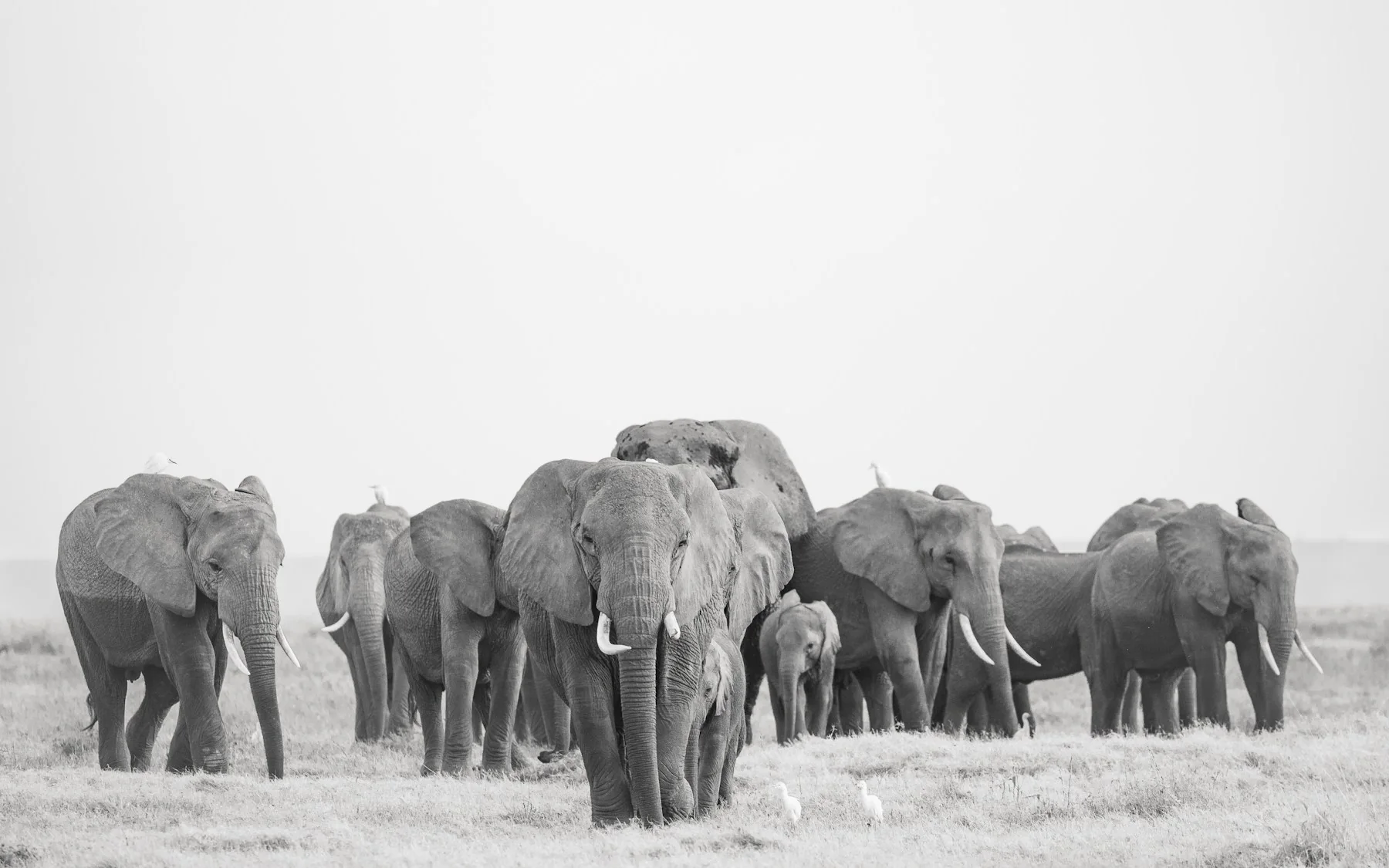
KWS calls Amboseli the “Home of the African Elephant,” and large herds are the park's most famous draw. The water system and open landscape can create wonderful opportunities to watch elephants move, feed, interact and cool themselves. The ethical goal is not to get as close as possible. KWS requires a minimum viewing distance and prohibits off-road driving.
The park is also an Important Bird Area with more than 400 recorded species according to KWS. Wetland birds, raptors, grassland species and seasonal visitors can turn a short trip into a surprisingly rich birding break. Observation Hill offers an elevated view over the wetlands and plains, subject to opening, route and time.
Predators are present, but a one-night trip should not be sold as a Big Five checklist. Rhinos are not the reason to choose Amboseli. Leopards can be elusive. The value lies in the whole ecosystem, with elephants, wetlands, plains animals, birds and the mountain shaping the experience.
Read the Amboseli National Park guide for a deeper introduction to habitats, gates and wildlife. The Amboseli elephants guide explains herd behaviour, research and respectful viewing.
Kilimanjaro is a possibility, not a booking inclusion
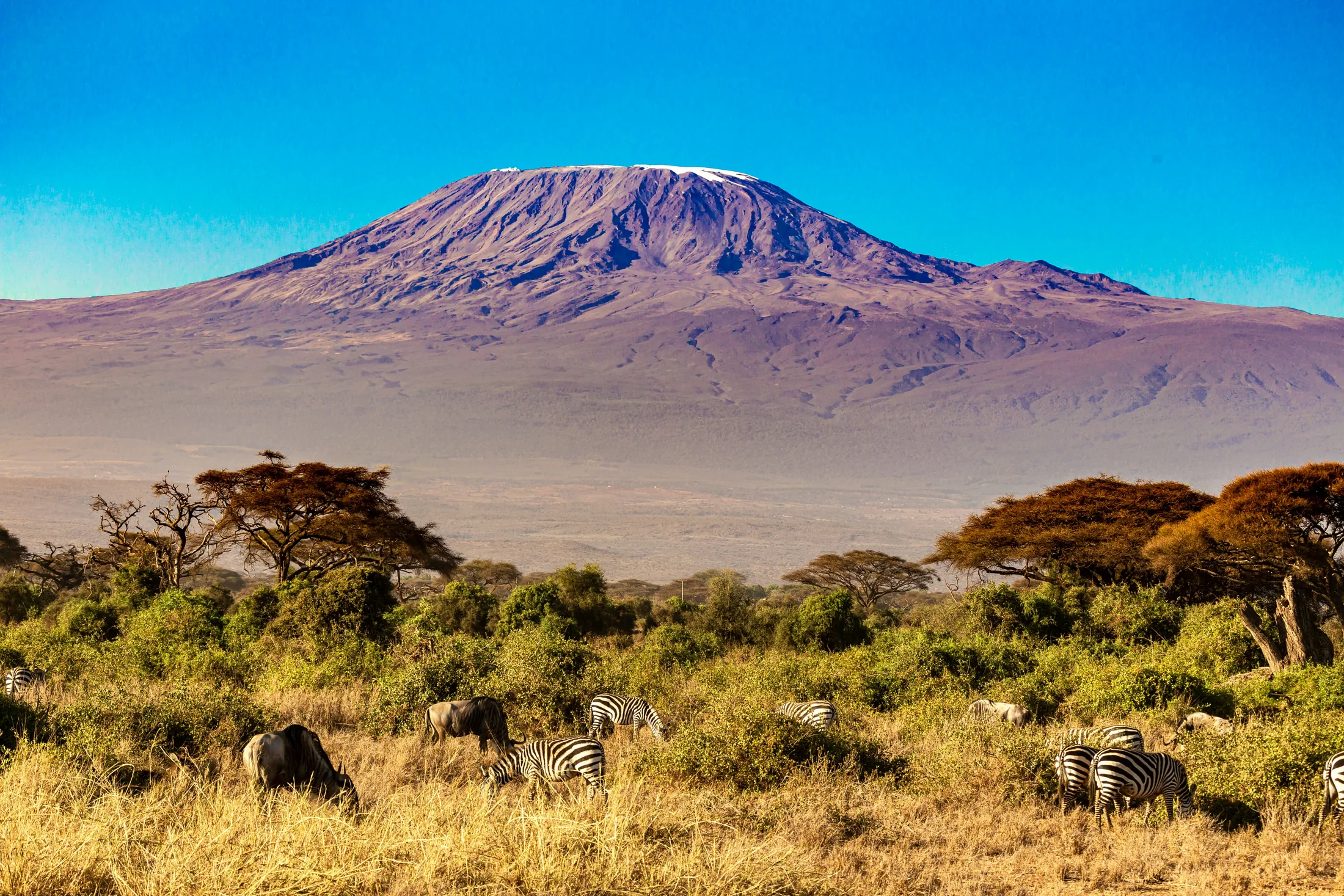
Mount Kilimanjaro stands across the border in Tanzania, but the classic northern view is associated with Amboseli. Clear air can reveal the mountain dramatically. Cloud can hide it for hours or for an entire short stay.
Morning often offers a better chance, which is another reason to protect the second day's early drive. Seasonal haze, rain and local weather still decide what you see. No operator controls the mountain.
If the photograph matters greatly, book more than one night, use a private vehicle, tell the guide the composition you want, and accept that wildlife position also changes. An elephant herd cannot be directed into the foreground.
Vehicle choice can rescue or ruin a short trip
The road vehicle is both transfer cabin and viewing platform. A private 4×4 gives the strongest control over departure, stops, game-drive length, photography position and the return to Nairobi. A minivan may cost less and can work on established roads, but ground clearance, comfort and viewing design differ.
Confirm:
- exact vehicle type and whether it is private;
- maximum passengers and how many window seats are usable;
- opening roof design and standing space;
- seat belts and child-seat arrangement;
- charging points and whether they work;
- drinking-water provision;
- luggage placement so bags do not block seats;
- air conditioning on highway sections, if promised;
- radio use and guide qualifications;
- recovery and replacement procedure if the vehicle fails.
If you fly, lodge game drives may be shared. Ask the maximum passengers, seating policy and whether a private vehicle can be reserved. Two scheduled shared drives can still be excellent, but they are not equivalent to a private full-day vehicle.
Choose the right vehicle and lodge position
Share the dates, Nairobi pickup, travellers, room preference and onward plan. We will protect the two game-drive windows and show every included cost.
What should be included?
A useful quote states every component rather than using “all-inclusive” as a shortcut.
Usually requested for this trip:
- private Nairobi pickup and return transfer;
- safari vehicle and driver-guide for the stated period;
- one night in the named room category;
- meals by exact board basis;
- drinking water in the vehicle;
- park or conservancy access for the stated entries;
- game drives with their private or shared status;
- taxes and statutory charges known at booking.
Possible exclusions:
- international and domestic flights;
- visa or entry formalities;
- travel insurance and medical evacuation beyond any stated cover;
- drinks outside the meal plan;
- tips and personal purchases;
- optional cultural or conservancy activities;
- late checkout or a Nairobi day room;
- extra park entry created by altered timing;
- private lodge vehicle when only shared drives are included.
Park rates can change and visitor categories matter. Use the official KWS Amboseli page for the current categories and rates, then ask the quote to show exactly which entries have been allowed for. Do not compare two totals until the fee basis, vehicle and room are the same.
What the price depends on
The largest variables are travel season, lodge tier, room occupancy, group size, vehicle type and whether the trip is by road or air. A solo traveller carries more of the private vehicle and room cost. Four or five travellers can share transport efficiently, but the vehicle should not be filled until comfort disappears.
A cheaper lodge can become a false saving if it adds long transfers to the park. A flight can look expensive until a traveller values the road time it removes. A park lodge can cost more per night but protect the dawn drive.
Use the Amboseli safari cost guide to compare park fees, accommodation, vehicle, guide and flight components. For a wider context, the Kenya safari cost guide explains why a per-person starting figure cannot describe every group.
Is this trip suitable for children?
It can be, but the road time and early start matter more than the animals. A child who enjoys vehicles, wildlife and binoculars may love it. A child who becomes carsick or needs frequent movement breaks may find both transfer days difficult.
Before booking, confirm:
- child age rules and park-fee category;
- suitable seat or restraint arrangement;
- family room layout and bed type;
- pool supervision and fencing;
- meal timing and simple food options;
- drive length and ability to return early;
- toilet stops on the road;
- whether the group has a private vehicle.
A private vehicle is especially valuable for families because one tired child does not have to negotiate with unrelated guests. Our Amboseli with kids guide will cover age-specific planning in detail.
Older travellers and limited mobility
The main physical challenges are getting into a high vehicle, sitting over uneven roads, walking between room and dining area, and managing steps or loose ground. Request the actual vehicle step height, a portable step if useful, a room near the main area and help with luggage.
Observation Hill involves climbing and may not suit every traveller. It is optional. Wildlife viewing from the vehicle remains the core experience.
If road vibration or long sitting is difficult, a fly-in version or three-day pace may be better. The accessible Kenya safaris guide provides a detailed information request for vehicles and rooms.
Dust, toilets and what to pack
Amboseli can be dusty, particularly around the dry lake bed and on busy roads. A recent traveller advised carrying a face covering and wrote, “It was very dusty in places.” Conditions change with rain, wind, traffic and route, but the suggestion is practical.
For one night, pack lightly:
- breathable neutral layers;
- a warm layer for dawn;
- closed shoes and easy camp footwear;
- hat, sunscreen and sunglasses;
- scarf or buff for dust;
- binoculars;
- camera batteries and memory cards;
- personal medicine in the day bag;
- hand sanitiser and tissues;
- small overnight bag rather than a large suitcase;
- reusable water bottle if refill arrangements are confirmed.
There is no toilet in the safari vehicle. Facilities exist at lodges and selected designated points, while road stops depend on the route. Tell the guide early when a stop is needed.
Add-ons that fit and add-ons that steal the safari
A two-day itinerary has little spare time. The strongest add-on is often none.
A short, pre-arranged cultural experience may fit on the road side of the itinerary, but it must be consent-led, appropriately paid and timed without cutting the main game drives. Observation Hill can fit within a drive when route and mobility allow. A sundowner outside the national park may be possible through a conservancy lodge, subject to local rules.
The following usually make the trip worse:
- a Nairobi attraction on the departure morning;
- an unplanned shopping circuit;
- a long community visit added after late arrival;
- trying to include Lake Naivasha on the way;
- returning to Nairobi and flying internationally the same evening with a narrow buffer;
- combining Amboseli and Masai Mara by road inside the same two days.
If you want more than wildlife and an overnight, buy time rather than compressing the route.
Can you continue to Tsavo or the coast?
Yes, but that becomes a different itinerary. KWS notes a road connection between Amboseli and Tsavo West. A well-planned southern circuit can continue through Tsavo and then toward the coast, avoiding a return to Nairobi. Road conditions, gate choice, park entries and lodge position determine whether the sequence is efficient.
The Amboseli and Diani safari package will show the transfer choices for wildlife followed by beach time. The Tsavo safari guide explains why Tsavo East and Tsavo West should not be treated as one interchangeable stop.
The booking checklist
Before paying, request written answers to all of these:
- What is the exact Nairobi pickup place and time?
- Which road route and gate are planned?
- What is the named accommodation and room category?
- Is the vehicle private from pickup to drop-off?
- What are the expected start and finish times of both game drives?
- When and where are breakfast and lunch served?
- Which park or conservancy entries are included?
- What happens if traffic delays the first drive?
- What is the maximum vehicle occupancy?
- Which drinks, tips and activities are excluded?
- What is the cancellation and substitution policy?
- Where and approximately when does the Nairobi drop-off occur?
- What buffer is recommended before an onward flight?
- Who is the emergency contact during the trip?
Do the same for a fly-in quote, then add the airline, baggage allowance, Wilson transfers, airstrip, lodge vehicle and shared-drive policy.
Frequently asked questions
How long is the drive from Nairobi to Amboseli?
It commonly takes several hours. The actual time depends on pickup location, traffic, stops, road conditions, gate and lodge position.
How many game drives fit into two days?
A well-timed road itinerary normally includes an afternoon drive on day one and an early drive on day two.
Can I see Kilimanjaro?
Possibly, especially when the air is clear, but cloud can hide the mountain throughout a short stay.
Will I see elephants?
Amboseli is renowned for elephants, but no individual wildlife sighting can be guaranteed.
Is a day trip from Nairobi worthwhile?
It is possible, but the road journey dominates the day. One night produces a much better chance to use afternoon and dawn viewing periods.
Is it better to stay inside the park?
Inside accommodation can protect early access. Outside and conservancy properties may offer value or different activities. Compare real gate time.
Can I fly from Jomo Kenyatta International Airport?
Scheduled safari flights normally use Wilson Airport. A road transfer between the airports must be planned.
Are park fees included?
They should be itemised in the quote. Confirm the visitor category and number of entries allowed for.
Can this trip end at the airport?
Yes, but road uncertainty requires a generous flight buffer. An overnight in Nairobi is safer before an international departure.
Should photographers stay longer?
Usually. Two nights create more light, weather and wildlife opportunities and reduce the pressure to chase sightings.
Two days, used well
Amboseli can make a short Kenya visit feel wonderfully large. The road leaves Nairobi behind, the plains open, elephants appear around the wetlands, and Kilimanjaro may step out of the cloud when nobody is looking at a watch.
That is why the itinerary should protect the watch from the beginning.
Send us your Nairobi hotel, dates, travellers, preferred comfort level and onward plans. We will map the pickup, lodge, gate, vehicle and two game-drive windows so the one night earns its place.
Build my 2-day Amboseli safari from Nairobi
Share the dates, Nairobi pickup, travellers, room preference and onward plan. We will protect the two game-drive windows and show every included cost.
Send the Nairobi pickup and onward plan
We will map the departure, lodge, gate, vehicle, meals and two game-drive windows, then itemise the quote.