
Malindi Guide: Beaches, Marine Park, History and Where to Stay
Malindi is a working Swahili coast town, a beach holiday, a marine park and a base for centuries of history, forest and the strange sandstone country of Marafa.
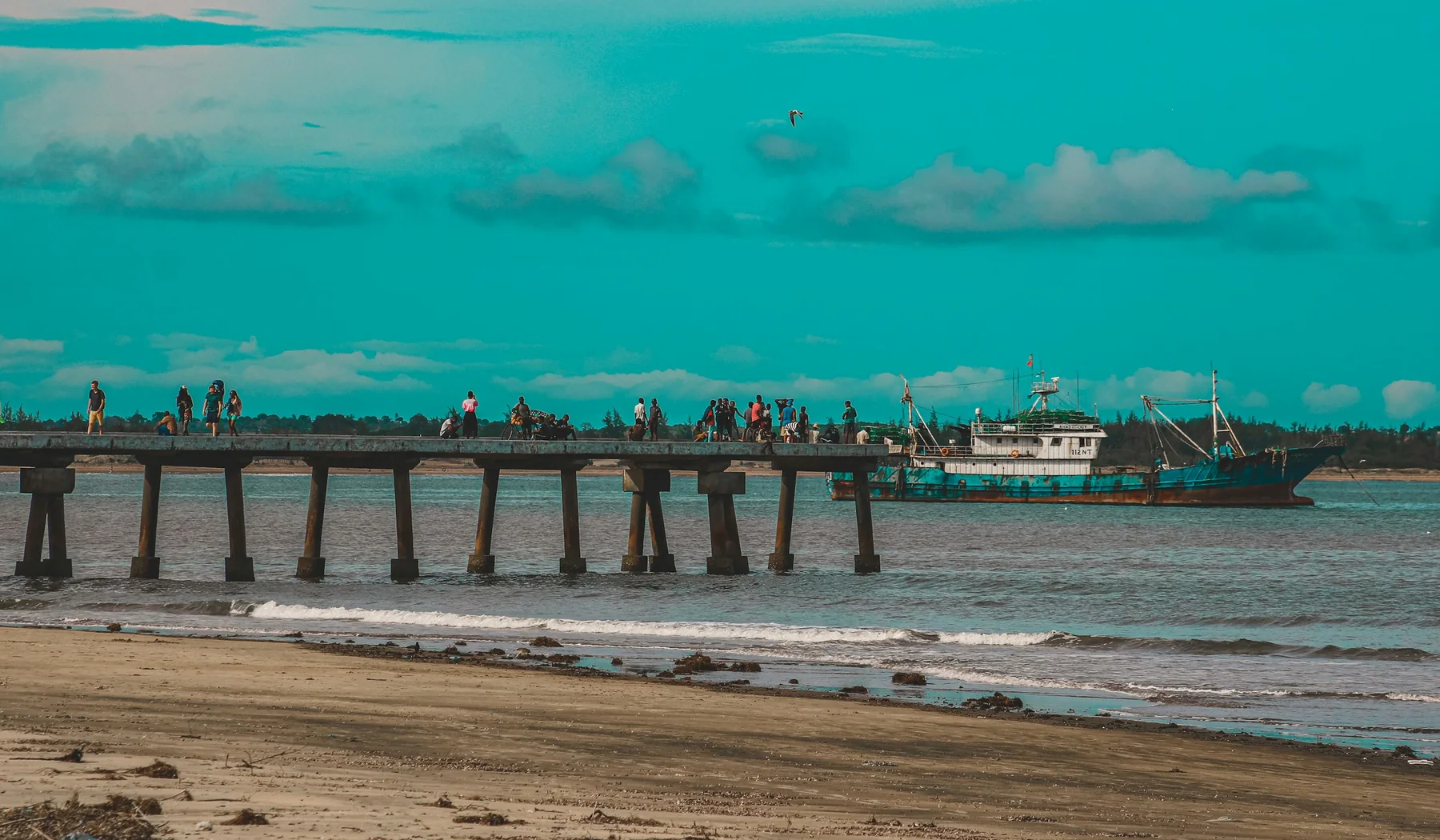
At the edge of Malindi, the Vasco da Gama Pillar looks over the same Indian Ocean that carried Swahili traders, sailors and empires. A short drive away, a glass-bottom boat moves above coral gardens. This Malindi guide brings those two sides together so the town is more than a hotel address between Mombasa and Watamu.
- Why Malindi deserves more than a beach afternoon
- Where to stay in Malindi: town, Casuarina, Silversand and Mambrui
- Which Malindi beach suits your trip?
- Vasco da Gama Pillar, Malindi Museum and the old trading town
- Malindi Marine National Park: snorkelling, diving and boat days
- Gedi, Arabuko Sokoke, Marafa and Watamu day trips
- Malindi hotels, resorts and villas by travel style
- A three, five or seven-night Malindi itinerary
- Flights, road and rail to Malindi
- Swahili food, Italian influence and respectful local travel
- Weather, wind, tides and the best time to visit
- Watch an independent Malindi travel story
- Traveller opinions
- FAQs
Why Malindi deserves more than a beach afternoon
Malindi has been connected to the wider Indian Ocean world for centuries. Swahili culture, trade with Arabia and Asia, Portuguese encounters and later colonial administration all left visible traces. The town still feels lived-in rather than arranged only for visitors. Markets, mosques, tuk-tuks, Italian cafés, fishing boats and beach hotels occupy the same map.
That variety is Malindi’s strength. You can visit a 15th-century pillar in the morning, eat seafood for lunch and snorkel in a marine protected area in the afternoon. It also means location matters. A resort south of town, a small hotel near Casuarina Road and a quiet property toward Mambrui create very different holidays. Decide whether you want to walk into town, reach the marine park easily or retreat from both.
Best first stay
Four to five nights balances beach, heritage and one wider excursion.
Best for
Travellers who want coast history and everyday town life alongside the sea.
Main decision
Choose between town access, Casuarina beach hotels, Mambrui quiet or a Watamu split.
Where to stay in Malindi: town, Casuarina, Silversand and Mambrui
Central Malindi is best for restaurants, markets, museums and seeing the town as a town. It is lively and practical, but not every street gives the beach-resort feeling people imagine. The Casuarina and Silversand side south of the centre places you closer to the marine park, Vasco da Gama Pillar and a run of hotels and private homes. It often gives the easiest first visit.
North toward Mambrui, the landscape becomes more spacious and hotels feel more self-contained. Choose it for quiet, broad beaches and time at the property, not for walking into central Malindi. Watamu is a separate resort town south of Malindi with its own marine experiences, beach coves and dining scene. Stay there only if those features are the real priority. Do not describe a Watamu hotel as Malindi simply because the airport is the same.
| Area | Character | Usually suits | Trade-off |
|---|---|---|---|
| Malindi town | Markets, restaurants and everyday life | Independent travellers and heritage-focused stays | More town energy, less resort seclusion |
| Casuarina and Silversand | Beach hotels close to marine and heritage sites | Most first-time visitors | Property quality varies street by street |
| Mambrui | Quieter beaches and self-contained resorts | Long stays, couples and rest | More driving for town and heritage |
| Watamu | Coves, reef activities and a distinct resort scene | Families, divers and beach-first trips | It is not central Malindi |
Which Malindi beach suits your trip?
There is no single Malindi beach experience. Silversands sits close to town and is the easiest shoreline for combining a swim with lunch, the pillar or errands. Casuarina runs south toward the marine park and is the practical choice when reef trips matter. The Buntwani side has the working-waterfront atmosphere that reminds you Malindi is a port town, not a resort invented for visitors. Mambrui lies north of town and feels wider, windier and more removed.
Beach appearance changes with tide, wind and season. A photograph taken at low tide may show reef flats and sea grass where a later tide brings deeper water. Ask the hotel how its own frontage behaves, whether swimming shoes help, how far you walk at low tide and whether beach vendors gather near the property. Public access, hotel security and swimming conditions can differ within a short stretch.
| Beach or shoreline | Why choose it | What to know | Pair it with |
|---|---|---|---|
| Silversands | Convenient resort beach close to central Malindi | Tide and individual hotel frontage matter | Vasco da Gama Pillar and town lunch |
| Casuarina | Access to the marine park side and beach hotels | Check the exact distance to the park entrance | Glass-bottom boat or snorkelling |
| Buntwani | Fishing boats, waterfront life and a local sense of place | It is a working shoreline rather than a polished resort strip | Market and old-town walk |
| Mambrui | Space, dunes, kitesurfing wind and quieter resorts | You will rely more on arranged transport | Marafa at late afternoon |
Vasco da Gama Pillar, Malindi Museum and the old trading town
The Vasco da Gama Pillar stands on a bluff above the ocean. The National Museums of Kenya describes it as one of the oldest surviving European-built monuments on the East African coast. It opens daily from 8 a.m. to 6 p.m. The view is part of the experience, but the story is larger than one navigator. A good local guide should place the pillar within a Swahili trading port that existed before Portuguese arrival.
The Malindi Museum circuit includes the museum, Portuguese Chapel, House of Columns and Malindi Heritage Complex. Together they show maritime trade, religion, architecture and colonial administration. Walk with respectful dress, carry water and plan the route before the midday heat. Malindi’s market and food streets add the living city, which a monument-only tour can miss.
- Visit the Vasco da Gama Pillar early or late for softer light.
- Combine the pillar with the museum, Portuguese Chapel and House of Columns.
- Use a knowledgeable guide who includes Swahili history, not only the Portuguese chapter.
- Allow time for the market or a local food stop.
- Ask before photographing people or religious spaces.
Malindi Marine National Park: snorkelling, diving and boat days
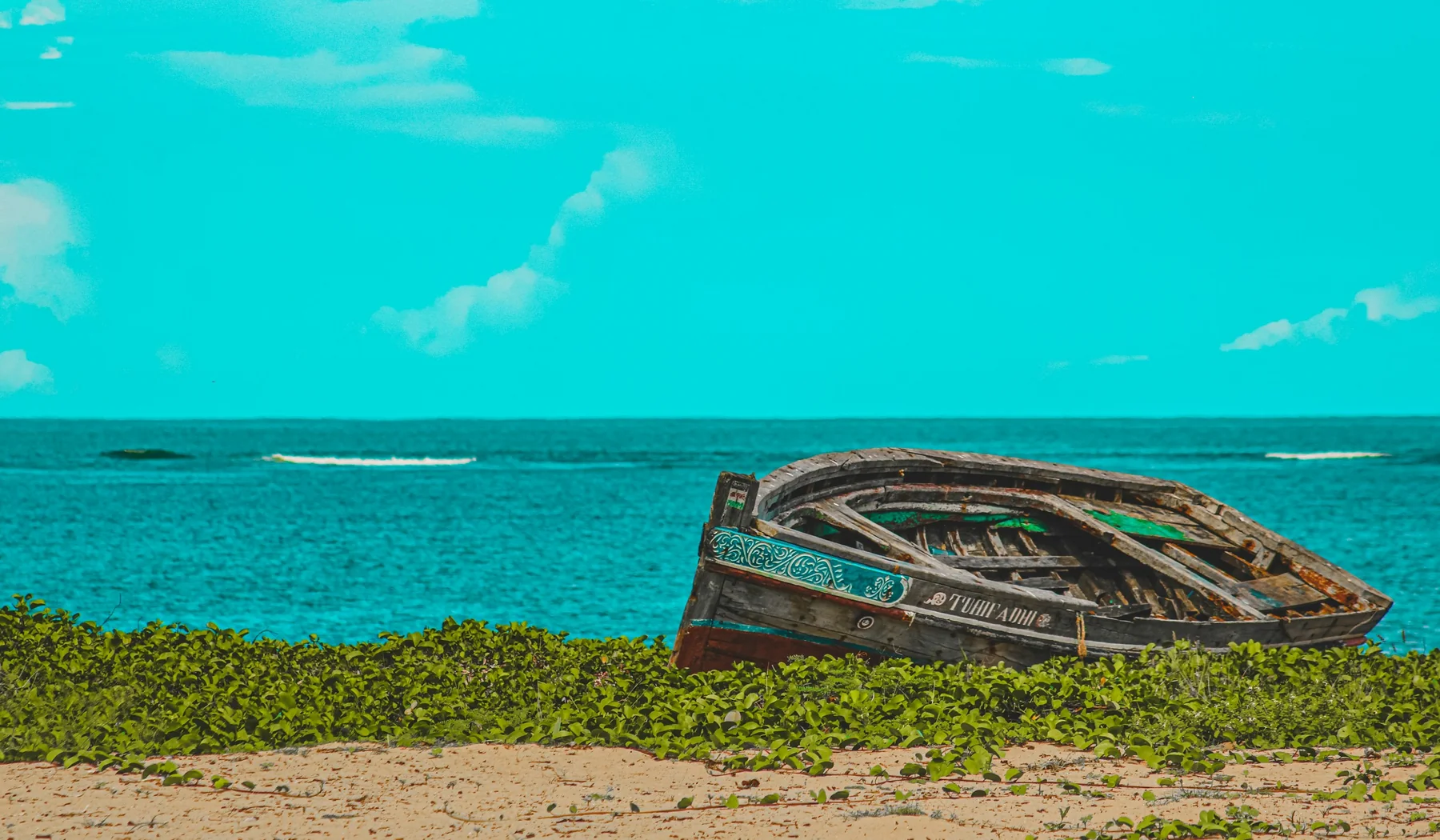
Malindi Marine National Park was gazetted in 1968 and is Kenya’s oldest marine protected area. Coral reefs, seagrass, mangroves and mudflats support turtles, rays, reef fish, dolphins and other marine life. The park lies south of town along Casuarina Road, about five kilometres from central Malindi. Visitor fees differ by residency and age, so check the official KWS fee schedule for your travel date instead of relying on an old screenshot.
A glass-bottom boat is the easiest introduction, while snorkelling and diving reveal much more when visibility and sea state are good. Our Diani, Watamu and Malindi snorkelling comparison helps if the reef is deciding your coast base. Choose the operator carefully. Life jackets, a clear passenger limit, a safety briefing and respectful wildlife practice should be normal. Do not stand on coral, touch marine animals or accept operators who feed fish to manufacture a spectacle. KWS prohibits removing or damaging coral and asks visitors to avoid single-use plastics.
| Experience | Best for | What changes the day | Ask before paying |
|---|---|---|---|
| Glass-bottom boat | Families and non-swimmers | Visibility, tide and boat crowding | Passenger limit and exact route |
| Snorkelling | Confident swimmers and reef interest | Current, guide quality and equipment fit | Guide-to-guest ratio and flotation |
| Diving | Certified divers or supervised beginners | Season, site and dive centre standards | Certification, equipment and emergency plan |
| Sailing or kayaking | Active coast days | Wind and water conditions | Safety equipment and cancellation policy |
Gedi, Arabuko Sokoke, Marafa and Watamu day trips
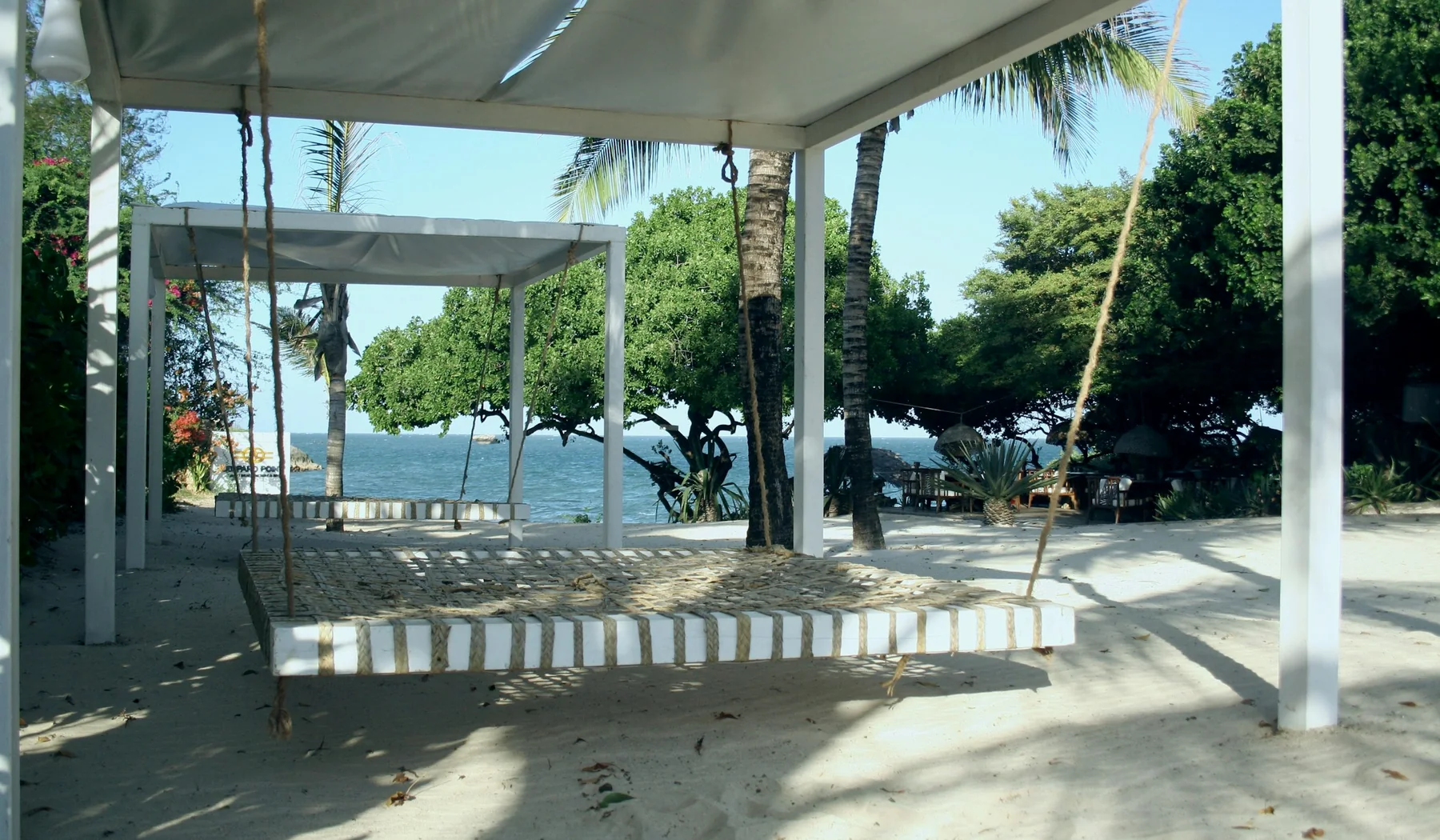
Gedi Museum protects the remains of a Swahili town that flourished from roughly the 12th to the 17th centuries. Coral-stone mosques, houses, walls and artefacts sit under forest shade. It pairs naturally with Arabuko Sokoke Forest or Watamu because they lie south of Malindi. A guide adds meaning to the architecture and the long-distance trade revealed by pottery, beads and glass.
Marafa, often called Hell’s Kitchen, is a sandstone gorge northwest of Malindi. The heat can be severe, and exposed paths need proper footwear, water and a local guide. Late afternoon brings better light and a kinder temperature, but it also makes the return timing important. Watamu can be a day trip for lunch and beach time, yet repeated drives soon become tedious. If you want several Watamu activities, split the stay properly. The Kenya coast timing guide explains how rain, wind and sea conditions change the wider north coast.
Gedi
Best for archaeology, Swahili history and a shaded morning walk.
Arabuko Sokoke
Best for forest, birds, butterflies and a change from the beach.
Marafa
Best for geology and dramatic late-afternoon colour, with heat and walking taken seriously.
Malindi hotels, resorts and villas by travel style
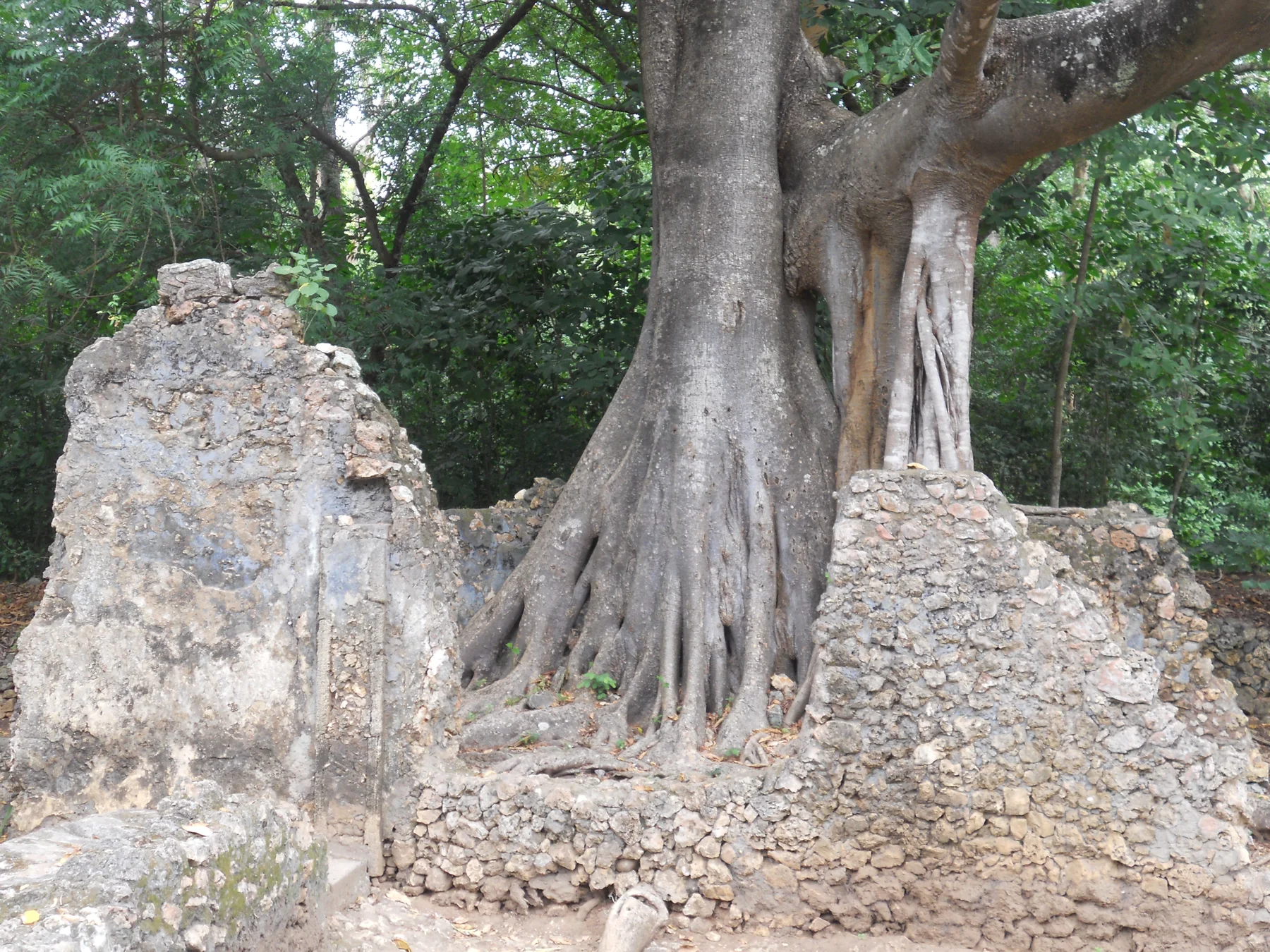
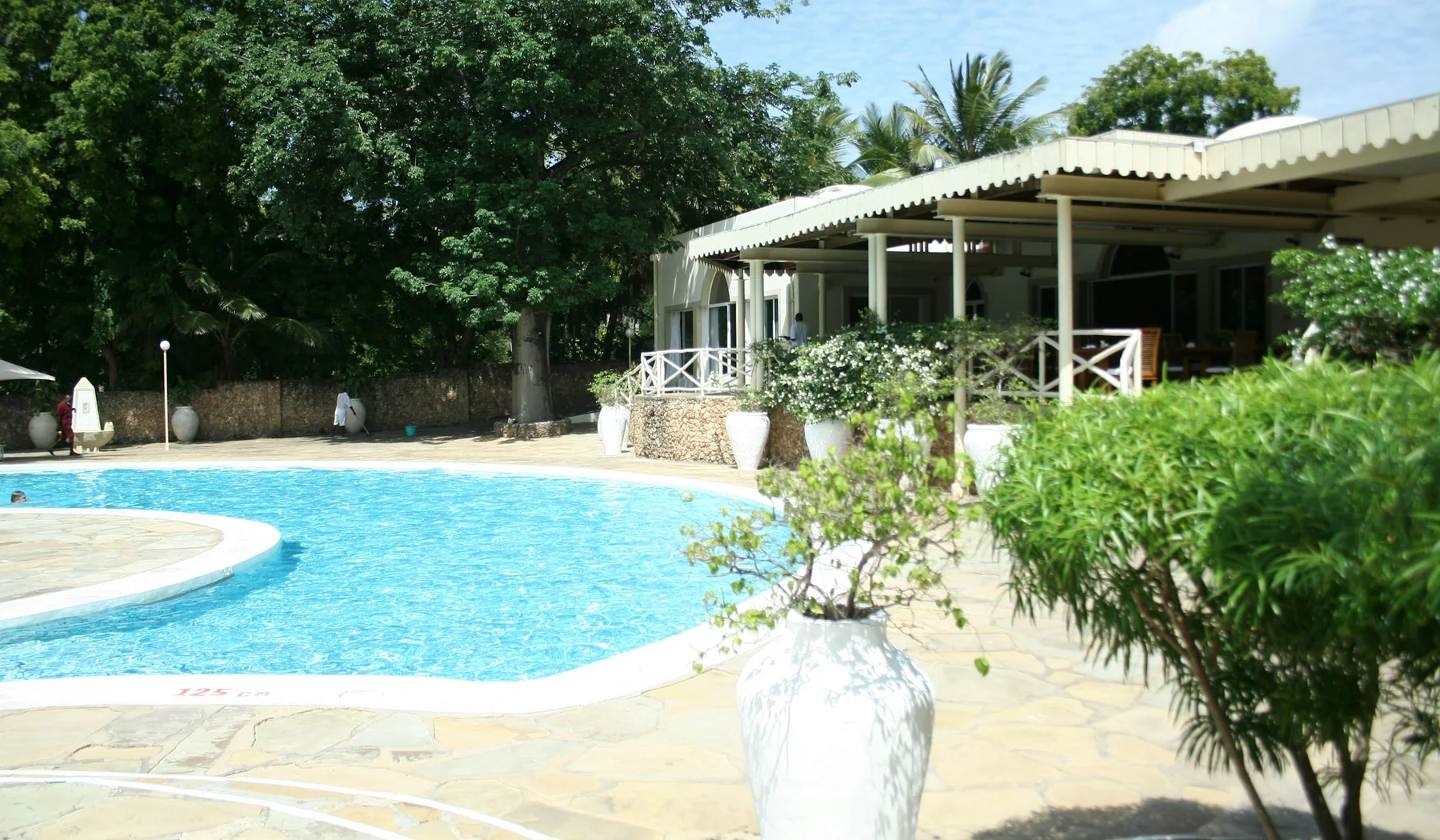
Malindi has grand resorts, Italian-influenced boutique hotels, apartments and private villas. Diamonds Dream of Africa and Sandies Tropical Village are known resort choices on the Casuarina side. Ocean Beach Resort offers a more polished beachfront style. Billionaire Resort and Lion in the Sun sit at the luxury end of the wider Malindi and marine-park area. Kola Beach and other Mambrui properties suit travellers who prefer to stay mostly within the resort.
A named property is only the beginning. Ask for the exact room category, recent renovation status, beach access at different tides, meal plan, air conditioning, pool, children’s policy and distance from the experiences you want. An all-inclusive hotel can be convenient, but it may keep you from the food and town life that make Malindi interesting. A villa can be wonderful for groups, provided chef, shopping, security and transport are clear.
| Stay style | What it gives you | Often suits | Important detail |
|---|---|---|---|
| Casuarina resort | Beach, pool and easier marine-park access | First visits and families | Exact beach and room category |
| Boutique hotel | More character and personal service | Couples and independent travellers | Restaurant, generator and night transport |
| Mambrui resort | Space and quiet | Rest-focused longer stays | Distance from town and excursion costs |
| Private villa | Shared space and privacy | Families and groups | Chef, shopping, staffing and vehicle |
A three, five or seven-night Malindi itinerary
Three nights is the minimum for one heritage half day, one marine or beach day and a short taste of town. Five nights is the better first visit: it adds Gedi or Marafa and keeps a proper rest day. Seven nights works for a resort or villa holiday, especially with children, diving, golf or two wider excursions.
Keep the first full day simple. Sea conditions can help decide which day becomes the marine trip. Heritage sites can move to a windy or cloudy morning. Do not place Gedi, Marafa and a full marine excursion on consecutive days unless you genuinely prefer sightseeing to beach time. Malindi rewards curiosity, but it also rewards the afternoon when lunch runs long and nothing else is booked.
| Stay | Suggested structure | Best for |
|---|---|---|
| 3 nights | Town and heritage, then one beach or marine day | A short north-coast stop |
| 5 nights | Add Gedi or Marafa and one empty day | Most first-time visitors |
| 7 nights | Two excursions, marine day and three slow beach days | Families and longer holidays |
Flights, road and rail to Malindi
Malindi Airport receives domestic services, usually connected with Nairobi’s Wilson Airport. The short flight is attractive after a fly-in safari, but luggage rules and the route between Wilson and the international airport still matter. Mombasa offers more international and domestic connections, followed by a north-coast road transfer. The Madaraka Express reaches Mombasa, where a private transfer completes the journey.
By road from Nairobi, Malindi is a long travel day. It makes more sense as the coast end of a Tsavo safari than as a standalone drive. From Tsavo East, continue toward the coast instead of returning to Nairobi. Our guide to reaching Tsavo from Nairobi or Mombasa shows why this sequence works. If Malindi follows the Mara, a flight through Wilson and onward domestic connection protects far more holiday time than forcing the parks into one road circuit.
Malindi Airport
Best when the domestic timetable fits your safari and hotel transfers.
Mombasa Airport
Best for schedule choice, with a longer road transfer up the coast.
Tsavo by road
Best safari pairing because the route continues naturally toward the north coast.
Swahili food, Italian influence and respectful local travel
Malindi’s Italian community is visible in cafés, bakeries, gelato and restaurant menus. Enjoy that layer without letting it replace the Swahili coast. Look for biryani, pilau, coconut fish, grilled seafood, cassava, viazi karai and fresh juices. Ask a guide or hotel team for places that are busy with local diners, and carry small notes for markets and snacks.
Dress with awareness when moving through town and heritage or religious areas. Beach clothing belongs at the beach. Use a trusted driver after dark, keep valuables discreet and agree tuk-tuk fares before the ride. On marine trips, choose operators who protect coral and wildlife. At Gedi and other heritage sites, local guides help support the people who keep the story alive.
Malindi weather, wind, tides and the best time to visit
Malindi is warm throughout the year, but a coast holiday is shaped by more than temperature. January to March often brings hot, bright days and calmer-looking water. The southeast monsoon becomes more influential from roughly April into October, with stronger wind in the middle of that period. The long-rain season commonly peaks in April and May, while shorter rains can arrive later in the year. These are patterns rather than appointment times, so build flexibility into boat days.
Wind can be welcome if you want kitesurfing at Mambrui and less welcome if you imagined mirror-flat snorkelling water. Rain does not automatically ruin a coast stay. A tropical shower may pass quickly, and heritage visits can work well under cloud. Persistent wind and poor visibility matter more for a reef excursion. Let the skipper and park conditions determine whether a marine trip moves to another day.
Tides change how beaches look and how you enter the water. At low tide, reef flats, sea grass and pools become visible, and the swim may begin farther from shore. At higher tide, water reaches closer to the beach and some stretches feel completely different. Ask for a local tide table on arrival. If a hotel promotes a swimming beach, ask what that means at both low and high tide rather than relying on one photograph.
| Period | Typical feel | Strong choices | Keep flexible |
|---|---|---|---|
| January to March | Hot, bright and often drier | Beach time, reef outings and town walks early in the day | Midday heat and sun exposure |
| April to May | Higher chance of sustained rain | Slower stays, food and heritage between showers | Boat schedules and road conditions |
| June to October | Warm, breezier and generally comfortable on land | Town, Gedi, forest and wind-based activities | Sea state, wind and snorkelling visibility |
| November to December | Warmer with possible short rains | Mixed beach and excursion itineraries | Holiday demand and changing showers |
Watch an independent Malindi travel story
Tara Nicole’s Malindi vlog follows an ordinary four-day stay rather than a polished hotel advertisement. She walks around town, visits the Vasco da Gama Pillar, spends time at the marine park, goes to the Mambrui dunes and eats at several local restaurants. It is useful because the travel time, streets and transitions remain visible, so you can see how much comfortably fits into a day.
What travellers say after the trip
These are exact words from public reviews and discussions. Each person had their own route, budget and expectations, so the value is in the detail rather than treating one experience as a promise.
“With a week to spend in Malindi we found much to enjoy!”
A traveller who explored the beaches, people, tourist quarter, old-town market and residential streets.
“From a female point of view, I loved Malindi – great little town, nice people.”
A solo-travel forum reply comparing Malindi with Mombasa.
“We went to malindi and really liked it.”
A traveller recommending a Kenya coast town with both history and beaches.
Malindi guide FAQs
How many days do you need in Malindi?
Four or five nights is ideal for a first visit. It gives you heritage, marine or beach time, one wider excursion and a rest day.
Is Malindi the same as Watamu?
No. They are separate coast towns with different atmospheres. Malindi is larger and stronger for town history. Watamu is known for its coves and concentrated marine-resort scene.
What is the best area to stay in Malindi?
Casuarina and Silversand are convenient for the marine park and heritage sites. Central Malindi suits town access, while Mambrui suits quiet resort stays.
How do I check Malindi Marine National Park fees?
Use the official Kenya Wildlife Service page or fee schedule for your travel date. Rates vary by residency and age, while boat hire and equipment may be charged separately.
Can non-swimmers enjoy the marine park?
Yes. A glass-bottom boat can reveal reef life without snorkelling, provided visibility and sea conditions are suitable.
Is Gedi a day trip from Malindi?
Yes. It combines well with Arabuko Sokoke or a Watamu lunch, but give the ruins enough time for a guided visit.
Can Malindi be combined with Tsavo?
Yes. Tsavo East is the most natural road connection. Tsavo West and Amboseli can be added in a longer southern circuit.
Which airport serves Malindi?
Malindi Airport handles domestic flights. Mombasa provides a wider range of services followed by a road transfer.
Is Malindi suitable for families?
Yes. Choose a hotel with suitable beach access, pool, family rooms and a realistic excursion pace.
Is Malindi suitable for a first visit to the Kenya coast?
Yes, especially if you want history and a real town alongside the beach. Choose Watamu instead if sheltered coves and a concentrated resort atmosphere matter more.
Sources and further reading
Official park, heritage, tourism, aviation and regulatory sources support the practical details in this guide.
Let us build a Malindi holiday with history, sea and time to breathe
Tell us whether you want a resort, a boutique stay, reef time, heritage, a Tsavo connection or all of them in a comfortable order.
Plan your Malindi holiday
Share your dates, travellers, preferred hotel style, transport and the experiences you most want on the north coast.