
Kilifi Guide: Creek, Bofa Beach, Mnarani and Where to Stay
Kilifi is small enough to slow down in, yet varied enough to fill several days with creek sunsets, Bofa Beach, Swahili history, sailing and unhurried meals by the water.
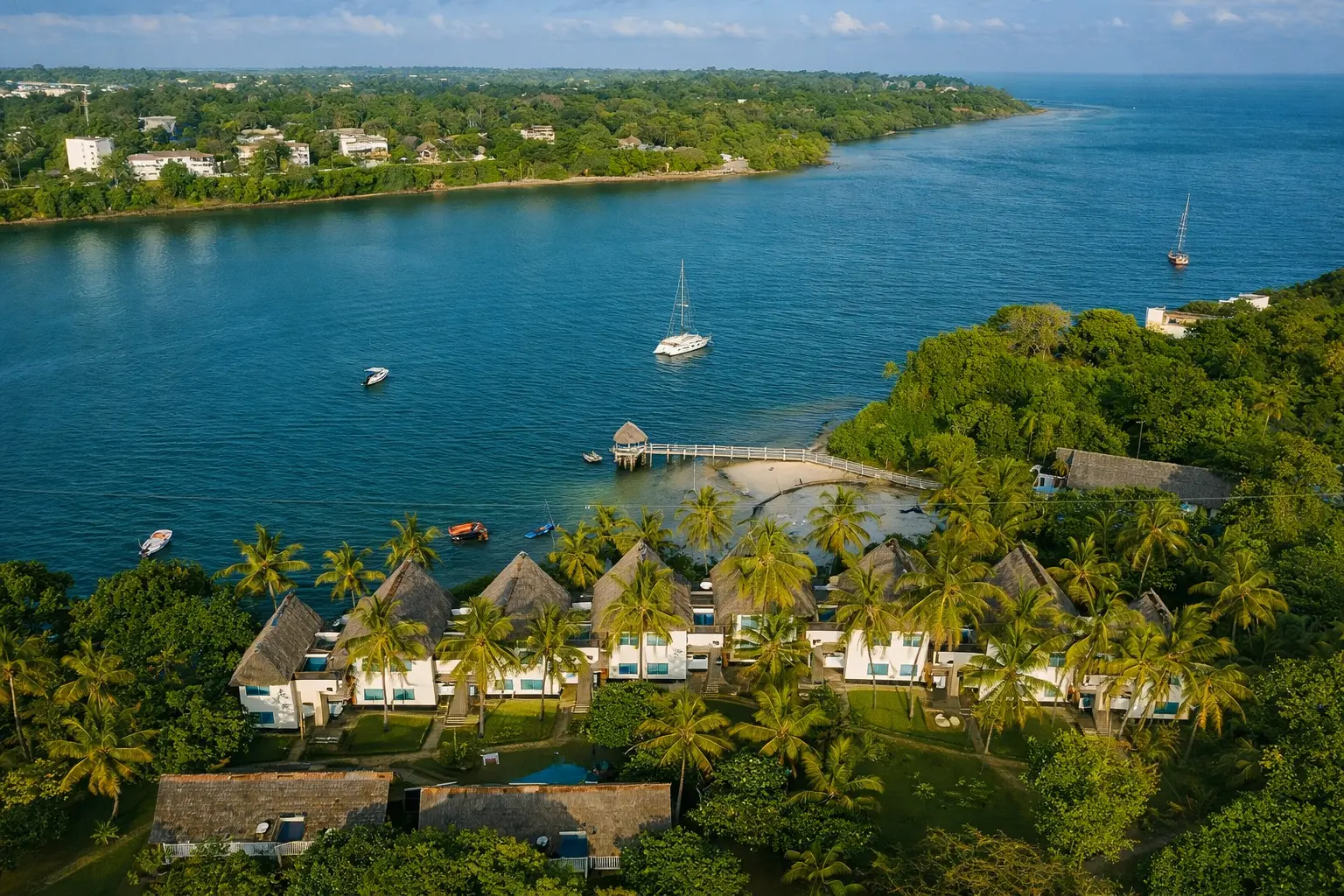
The bridge gives the first glimpse. Below it, Kilifi Creek widens into a sheet of blue where sailing boats lean into the wind and mangroves hold the shoreline. A few kilometres away, Bofa Beach faces the open ocean with a completely different mood. This Kilifi guide helps you choose which side of town suits you, how many nights to stay and what belongs in the same trip.
- Kilifi at a glance
- Kilifi Creek, Bofa Beach and the areas between them
- Kilifi Creek, Bofa and onward-route map
- The best things to do in Kilifi
- Watch an independent Kilifi guide
- Where to stay in Kilifi: named hotels, villas and simple bases
- Three, four and seven-night Kilifi itineraries
- How to reach Kilifi from Nairobi, Mombasa and safari country
- Weather, tides and the best time to visit Kilifi
- How Kilifi fits with Tsavo, Mombasa, Malindi and Watamu
- Food, money, safety and responsible coast travel
- Traveller opinions
- FAQs
Kilifi at a glance
Kilifi sits on Kenya’s north coast between Mombasa and Malindi. The town grew around a deep creek, while Bofa Beach stretches north of the creek mouth. That geography matters. A creek hotel gives you sheltered water, sunset views, sailing and easier access to town. A Bofa stay gives you a longer ocean beach and a quieter evening, but you will use a tuk-tuk or car for restaurants around the creek.
Kilifi suits travellers who want a softer coast experience than a large resort strip. It can be a four-night pause after safari, a week in a villa, a base for watersports, or one chapter in a north-coast route with Malindi and Watamu. It is less useful for someone who wants a dense list of attractions every hour. The pleasure is in having enough time for the tide, a dhow, a long lunch and a second swim.
Best first stay
Four nights gives three complete days, enough for the creek, Bofa and Mnarani without rushing.
Best for
Couples, families, sailors, villa groups and safari travellers who want a calm beach ending.
Main decision
Choose creek atmosphere and access, or Bofa Beach space and quiet.
Kilifi Creek, Bofa Beach and the areas between them
Kilifi Creek is the social and scenic heart of the destination. The water is sheltered compared with the open ocean, and the creek side is where you find sailing, kayaking, sunset dhow trips and several lively places to eat. Some accommodation sits directly on the water. Others are set among trees a short walk or drive away. Check whether a room truly faces the creek, whether swimming is possible from the property and how you will reach town after dark.
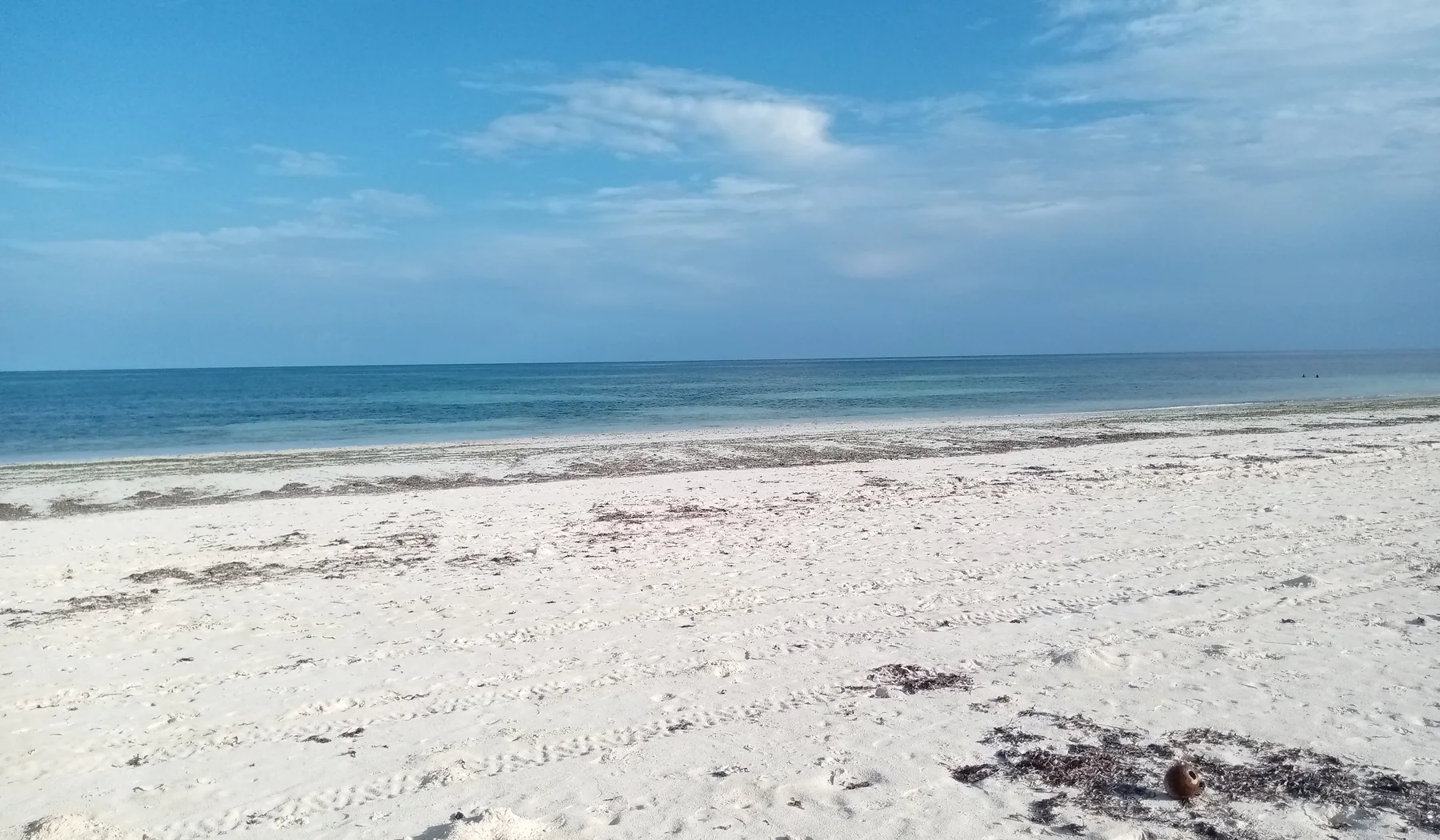
Bofa Beach is the better answer when the picture in your head is pale sand, morning walks and fewer reasons to leave the hotel. The beach is long, but individual properties vary in upkeep, restaurant quality and direct access. South of town, the Mnarani side overlooks the meeting of creek and ocean and sits near the ruins. Vipingo and Takaungu are farther away and make sense for private villas, golf or a wider coast itinerary rather than casual trips into Kilifi town.
| Area | How it feels | Often suits | Check before booking |
|---|---|---|---|
| Kilifi Creek | Sheltered water, boats, sunset and a sociable edge | Active couples, families and short stays | Water access, restaurant distance and room view |
| Bofa Beach | Open ocean, long sand and quieter evenings | Beach-first travellers and longer stays | Direct beach access, transport and current property condition |
| Mnarani side | Clifftop creek views close to heritage | Travellers wanting one resort base | Steps, swimming area and route into town |
| Vipingo or Takaungu | More secluded and spread out | Villas, golf groups and private retreats | Car and driver needs, meal plan and beach access |
The best things to do in Kilifi
Begin on the creek. A sail or dhow trip changes the view of Kilifi, especially near sunset when the water becomes copper and the bridge turns into a silhouette. Kayaking and stand-up paddling work best when wind, tide and confidence line up. Ask who operates the equipment, whether a guide joins beginners and what happens if conditions change. Swimming from a creek property can be lovely, but it is not identical to swimming from Bofa Beach.
Give Bofa at least half a day without another appointment. The beach rewards walking and reading more than a checklist. For history, Mnarani Ruins sit above the creek with the remains of mosques, tombs and large baobabs. The National Museums of Kenya opens the site daily from 8 a.m. to 6 p.m. The climb includes many steps, so carry water and mention mobility concerns before arranging a visit.
Kilifi is also a place to eat slowly. Look for coastal fish, coconut sauces, grilled seafood and Swahili dishes, then balance hotel dining with an independent restaurant by the creek. If you want a busier excursion, the wider county includes Arabuko Sokoke Forest, Gedi, Watamu Marine Park and Marafa, but each adds road time. One good day trip is better than treating Kilifi as a dormitory for three different towns.
| Experience | Time to allow | What makes it worthwhile | What to confirm |
|---|---|---|---|
| Creek sail or dhow | Two to three hours | Changing light, mangroves, bridge views and a sense of the estuary | Tide, wind, life jackets, group size and return transport |
| Bofa Beach | Half or full day | Open sand, ocean swimming when conditions suit, and genuine empty time | Direct access, current, shade, food and the journey back after dark |
| Mnarani Ruins | One to two hours | Swahili history, baobabs and the creek viewpoint | Guide availability, heat, steps and mobility needs |
| Night creek outing | About one hour | A chance to see bioluminescent plankton when conditions align | No sighting can be guaranteed; ask about moonlight, tide, safety and responsible conduct |
| Gedi or Arabuko Sokoke | Most of a day | A very different heritage or forest experience | Road time, authorised guide, footwear, water and whether the day displaces needed beach rest |
Bioluminescence is one of Kilifi’s most talked-about experiences, but it should be described honestly. Tiny organisms can create flashes of light when the water is disturbed, yet tide, moonlight, season and recent conditions all matter. A responsible host will say when the chances are poor instead of promising a glowing creek every night. Avoid operators who encourage disturbing wildlife or entering unfamiliar water without clear safety guidance.
- Sail or take a dhow on Kilifi Creek at a time that suits the tide and wind.
- Spend an unstructured morning on Bofa Beach.
- Visit Mnarani Ruins with enough time for the guide and the viewpoint.
- Try kayaking, paddleboarding or a beginner sailing session with a reputable operator.
- Plan one seafood or Swahili meal away from the hotel.
- Keep a full half day empty for the coast to set the pace.
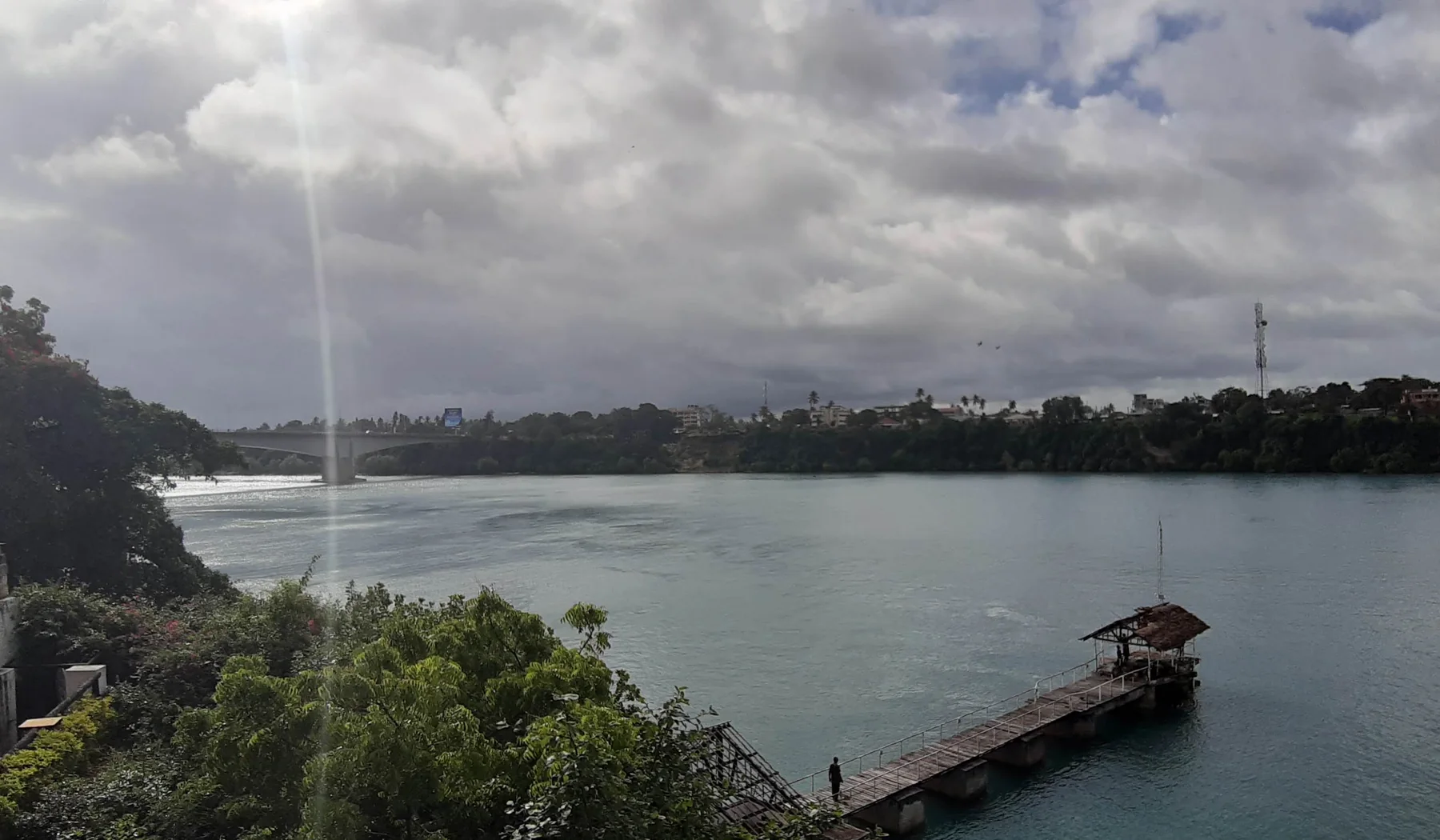
An independent look at eating, staying and exploring
Watta On The Go’s Kilifi guide moves between accommodation, creek activities, food and quieter coast stops. Some businesses may have changed since filming, but the video is valuable for seeing how spread out the destination feels and why transport matters between a Bofa base and the creek.
Where to stay in Kilifi: named hotels, villas and simple bases
Mnarani Beach Club sits where the creek meets the ocean and works well for travellers who want activities and resort facilities in one place. Kilifi Bay Beach Resort and Baobab Sea Lodge are associated with Bofa Beach, but recent reviews should guide room and service expectations, not an old brand reputation. Silver Palm Spa & Resort offers a more polished hotel style near the ocean. Salty’s and Distant Relatives appeal to travellers who value a social atmosphere, watersports or a less conventional stay.
Private villas can be the strongest Kilifi option for extended families and groups because they create a shared living space, a kitchen or chef arrangement and a quieter daily rhythm. The questions are practical: Is the cook included? Who buys food? Is there a backup generator? How is drinking water handled? Can every bedroom be cooled? Is the beach swimmable at all tides? A villa that looks inexpensive can become costly once transport, meals and staffing are added.
| Property or style | Setting | Why choose it | Look closely at |
|---|---|---|---|
| Mnarani Beach Club | Clifftop above creek and ocean | Watersports and resort facilities | Steps, room position and meal plan |
| Kilifi Bay Beach Resort | Bofa Beach | Long ocean beach and traditional resort format | Current room condition and recent service reviews |
| Baobab Sea Lodge | Bofa area | Beach access and an established coast feel | Room category, air conditioning and transfers |
| Silver Palm Spa & Resort | Ocean side near town | Contemporary hotel and pool atmosphere | Beach character and restaurant choices |
| Creek guesthouse or villa | Kilifi Creek | Privacy, views and a local rhythm | Staffing, transport, food and water access |
Three, four and seven-night Kilifi itineraries
Three nights works as a focused safari ending. Arrive in time for a creek sunset, devote the first full day to Bofa and keep the second for Mnarani, sailing or a long lunch. Four nights is more comfortable because you gain a day that does not need a plan. A week suits a villa stay, a family group or someone who wants watersports, work time and a day trip without feeling that every beach morning has been traded away.
Do not split a three or four-night coast stay between Kilifi and Watamu simply because both names are familiar. The move costs packing, checkout, road time and a second check-in. Split only when the second place provides a clearly different reason to go, such as dedicated diving, turtle conservation, a particular villa or onward travel from Malindi Airport.
| Stay | A sensible rhythm | Best for |
|---|---|---|
| 3 nights | Arrival sunset, one Bofa day, one creek and heritage day | A compact ending after safari |
| 4 nights | Add an empty beach day or a second water activity | Most first visits |
| 5 nights | Add Watamu, Gedi or Arabuko Sokoke as one day trip | Travellers who want coast variety |
| 7 nights | Slow villa or resort stay with two optional excursions | Families, groups and remote workers |

How to reach Kilifi from Nairobi, Mombasa and safari country
From Nairobi, the practical choices are a flight to Mombasa or Malindi, the Madaraka Express to Mombasa or Mariakani, or a private road transfer as part of a longer route. Mombasa is closer to Kilifi than Malindi for many flight schedules, but door-to-door timing depends on the airport, traffic and hotel location. The train creates a pleasant transition after safari, provided the station transfer is arranged and the arrival time does not leave the group searching for transport late in the day.
Kilifi combines naturally with Tsavo East. A road safari can continue toward the coast without returning to Nairobi, while a fly-in safari may connect through Wilson Airport and Mombasa. If the international flight leaves from Nairobi, build a comfortable margin or spend the final night in Nairobi. A beach checkout, road transfer, domestic flight and long-haul departure on the same tight timeline is not a relaxing end to a holiday.
From Mombasa
A private transfer is simplest. Allow for city and north-coast traffic rather than trusting distance alone.
From Malindi
Useful when the domestic schedule fits or when Kilifi follows Watamu. The road runs south along the coast.
From Tsavo
A natural safari and beach combination, especially after Tsavo East.
Weather, tides and the best time to visit Kilifi
Kilifi is warm year-round. The hotter months can make midday sightseeing feel heavy, while the coast breezes of the cooler season are kinder for sailing and outdoor meals. Rain usually changes parts of a day rather than every hour of a stay, but heavier periods can affect roads, boat plans and how inviting the open ocean feels. December and school-holiday periods bring stronger demand, particularly for villas and well-known hotels.
The tide is as important as the weather. A beach can look wide and walkable in the morning, then narrow sharply as water returns. Creek current, wind and visibility affect paddling and sailing. Ask the activity operator what time works best instead of booking every water experience at noon. Reef shoes are useful in some areas, but they do not replace local advice about currents, coral and safe swimming points.
| Priority | Good planning approach | Trade-off |
|---|---|---|
| Beach and warm sea | Travel most of the year and choose the hotel carefully | Heat and humidity vary |
| Sailing and watersports | Use local wind and tide guidance | Conditions can move the timetable |
| Value and quiet | Consider greener months outside holidays | Some services may be reduced |
| Villa holiday | Book school and festive dates early | Minimum stays may apply |
How Kilifi fits with Tsavo, Mombasa, Malindi and Watamu
Kilifi belongs naturally at the end of a Tsavo safari. Tsavo East provides the cleanest road connection, while Tsavo West and Amboseli create a longer southern circuit before the coast. Mombasa adds Fort Jesus and Old Town. Malindi adds a different town history and a marine park. Watamu is stronger for some reef, diving and family beach experiences. Lamu offers the deepest change in architecture and island culture, but it requires a flight and deserves several nights of its own.
Choose one coast story rather than collecting place names. A ten-night Kenya trip might use five nights for Amboseli and Tsavo, then four nights in Kilifi and one Nairobi night. A longer route might pair the Mara by air with five nights in Kilifi. If heritage matters most, Mombasa or Malindi should be an intentional stop. If rest matters most, arrive in Kilifi and allow the creek to be enough.

Food, money, safety and responsible coast travel
Carry small Kenyan shilling notes for tuk-tuks, tips and small purchases, while keeping larger payments cashless where possible. Agree the fare before a tuk-tuk journey or ask the hotel to arrange a trusted driver. After dark, use a known vehicle rather than walking unfamiliar roads. Keep jewellery and expensive electronics discreet in town and on public beaches.
Respect the creek and ocean. Do not stand on coral, remove shells from protected areas or leave single-use plastic behind. Choose boat operators who explain life jackets, weather decisions and wildlife etiquette. At heritage sites, listen to the local guide and ask before photographing people. A coast holiday feels better when the beach, mangroves and history are treated as living places rather than scenery.
- Carry sun protection, insect repellent and a light layer for breezy evenings.
- Use a dry bag for phones and cameras on creek trips.
- Drink treated or bottled water and ask how ice is made.
- Confirm airport, station and late-night transfers before arrival.
- Choose reef-safe behaviour and follow local marine guidance.
What travellers say after the trip
These are exact words from public reviews and discussions. Each person had their own route, budget and expectations, so the value is in the detail rather than treating one experience as a promise.
“The dhow experience up Kilifi Creek was wonderful and definitely worth doing, although it can be busy.”
A recent traveller describing a private beach and creek stay.
“The views from the top are spectacular.”
A visitor writing about Mnarani Ruins and the climb above the creek.
“Kilifi is more chill and has friendlier humans as compared to Malindi.”
One traveller comparing two north-coast towns. It is a personal preference, but it captures why many people choose Kilifi.
Kilifi guide FAQs
How many days do you need in Kilifi?
Four nights is a strong first stay. It gives you three full days for Bofa Beach, the creek, Mnarani and one unplanned day.
Is Kilifi better than Watamu?
Kilifi is usually quieter and more creek-focused. Watamu offers a stronger concentration of marine, diving and resort activities. The better choice depends on the kind of coast holiday you want.
Can you swim in Kilifi Creek?
Some properties have established swimming areas, but tide, current and local conditions matter. Follow the property or activity operator’s guidance.
Is Bofa Beach close to Kilifi Creek?
They are in the same destination but not one walkable resort strip. A tuk-tuk or car makes it easier to move between them.
What is Kilifi known for?
Kilifi is known for its deep creek, sailing, Bofa Beach, relaxed social scene and the historic Mnarani Ruins.
Can Kilifi be combined with a safari?
Yes. Tsavo East is the cleanest road pairing. The Mara, Amboseli and other parks can connect through Nairobi or Mombasa by air and road.
Which airport is best for Kilifi?
Mombasa often offers the broadest schedules, while Malindi can suit a north-coast route. Choose by door-to-door timing rather than flight time alone.
Is Kilifi suitable for families?
Yes, especially in a villa or resort with a pool and planned transfers. Check steps, water access, room layout and children’s meal options.
What should I pack for Kilifi?
Bring breathable clothing, sun protection, sandals, one pair of walking shoes, insect repellent, a light rain layer and a dry bag for water activities.
Can a Kilifi holiday be tailored around a safari?
Yes. The hotel, villa, transfers, activities and safari connection can be shaped around your dates and preferred pace.
Sources and further reading
Official park, heritage, tourism, aviation and regulatory sources support the practical details in this guide.
Let us shape a Kilifi holiday around the water you want
Tell us whether you picture the creek, Bofa Beach, a villa, a resort or a safari ending. We will connect the stay, transfers and activities into one easy route.
Plan your Kilifi stay
Share your dates, number of travellers, hotel style, transport and the coast experiences that matter most.