
Best Time to Visit the Kenyan Coast: Weather, Sea Conditions and Beach-by-Beach Advice
January can be hot and bright. April can turn lush and quiet. July brings cooler air and wind. November may deliver a shower, a clear afternoon and a beautiful sea all in one day.
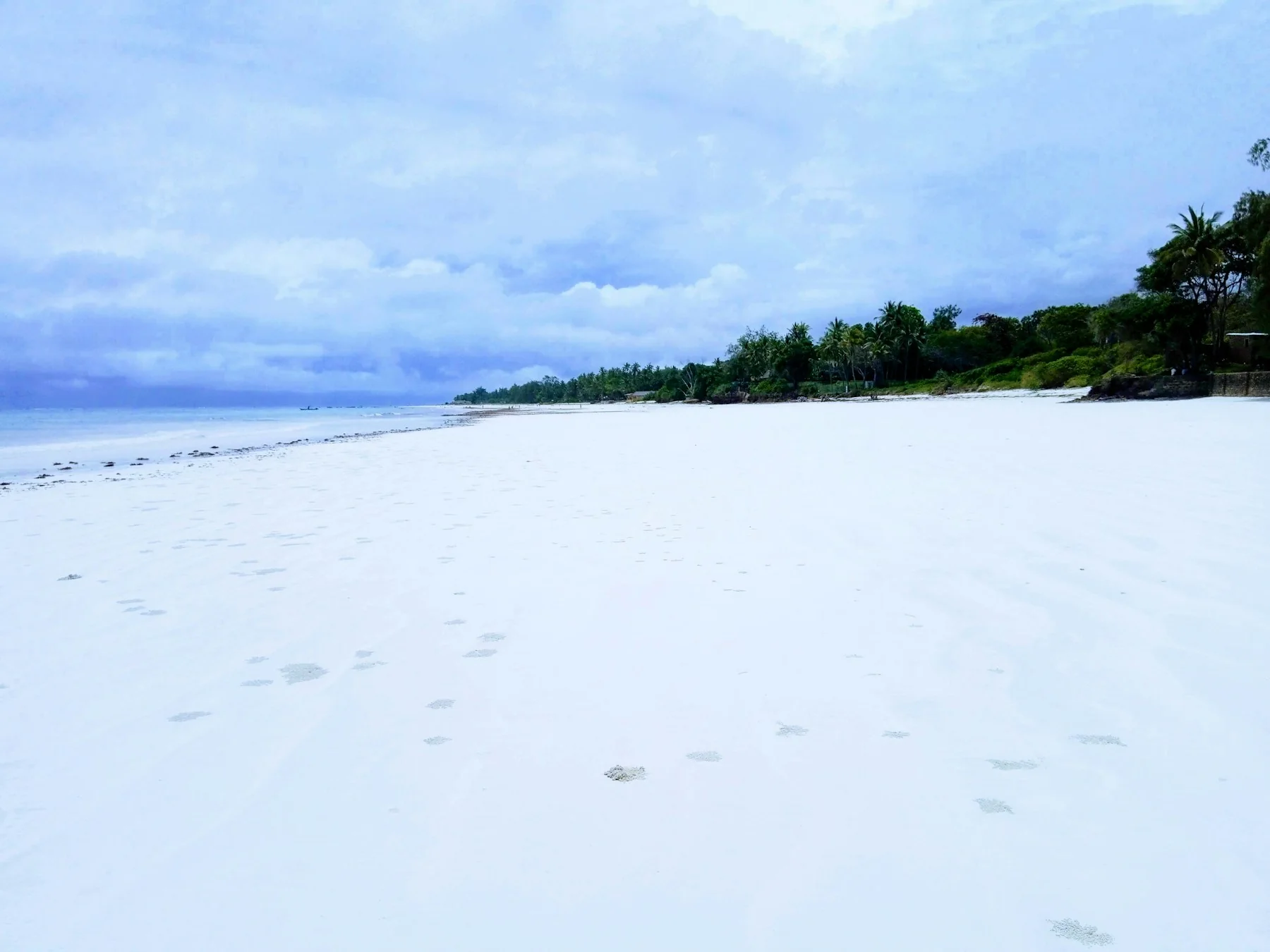
The best time to visit the Kenyan coast is usually January to February for hotter, often drier beach weather, or July to October for cooler, generally drier conditions and easy safari combinations. March to May brings the main rainy season, while October to December can bring short rains. Diving, kitesurfing, seaweed, marine life and crowd levels follow their own patterns, so the best month depends on the activity and exact beach.
- Best time to visit the Kenyan coast: the short answer
- Kaskazi and Kusi: the two monsoon rhythms
- Kenyan coast in January
- Kenyan coast in February
- Kenyan coast in March
- Kenyan coast in April and May
- Kenyan coast in June
- Kenyan coast in July and August
- Kenyan coast in September
- Kenyan coast in October
- Kenyan coast in November
- Kenyan coast in December
- When is there seaweed on Kenyan beaches?
- Diving, snorkeling, wind and tides
- Turtles, dolphins and seasonal wildlife
- Combining safari season with coast weather
- How to choose your coast dates
- Traveller opinions
- FAQs
Best time to visit the Kenyan coast: the short answer
January and February are hot, bright and often relatively dry, which suits travellers seeking classic tropical beach days. July to October are generally cooler and drier, with July and August sometimes breezy. These months pair naturally with dry-season safaris and attract strong demand.
June and December can be excellent transitional choices. March to May carries the highest rain risk, while the short-rain period around October to December is variable. No month guarantees a full week of sun or rain. The exact coast, wind and daily sea state matter.
| Period | General character | Best for | Main caution |
|---|---|---|---|
| January to February | Hot and often drier | Beach heat and diving windows | Strong sun and humidity |
| March to May | Main rains | Value and green coast | Heavy showers and disruption |
| June | Transition and cooler | Quieter combinations | Residual rain possible |
| July to October | Cooler and generally dry | Safari plus beach | Wind and peak demand |
| November to December | Short-rain variability | Festive coast and warm sea | Showers and holiday prices |
Kaskazi and Kusi: the two monsoon rhythms
Coastal Kenya has long lived by two monsoon winds. Kaskazi, the north-easterly rhythm, is associated broadly with the hotter stretch from late in the year into March. It can bring calmer surface conditions and clearer-water opportunities, which is why divers and snorkellers often favour parts of this window. That does not mean every reef is calm every morning.
Kusi, the south-easterly rhythm, strengthens through the cooler middle of the year. Breezier beaches can feel wonderfully fresh after safari and can suit kitesurfing, while a family expecting mirror-flat water may need a more sheltered beach or a different hour. These winds also help move seaweed and alter water clarity.
The rains sit within this larger circulation. Kenya’s Meteorological Department issues seasonal forecasts because a long-term average cannot predict a particular year. Use the calendar to choose a likely character, then use a local forecast, tide table and qualified marine operator to choose the day.
Kenyan coast in January
January often brings hot days, warm nights and relatively low rainfall. It is a popular time for Diani, Mombasa, Kilifi, Watamu and Malindi, particularly after New Year crowds ease. The sea invites long days, but midday sun and humidity can be intense.
Choose shaded rooms, air conditioning or good ventilation, sunscreen, hats and steady hydration. Book marine activities for favourable tide and sea state rather than simply choosing noon. Safari combinations work well with Tsavo, Amboseli and other parks experiencing their own hot, often drier pattern.
Kenyan coast in February
February continues the hot, often drier window and is frequently chosen for honeymoons and winter-sun trips. Clear mornings and warm water can be excellent, though local showers remain possible. Popular hotels and good room categories may fill around school breaks and romantic travel dates.
Divers and snorkelers should still ask about site visibility and current, since rainfall totals do not control every underwater condition. A calm hotel lagoon does not predict an offshore reef. Keep the final day light before a long international flight because heat and water activities can be tiring.
Kenyan coast in March
March can begin hot and bright before rain becomes more frequent as the month progresses. Travel dates within March therefore matter. Early March may resemble February, while later weeks can feel more humid and unsettled. Hotel demand and rates may respond to Easter timing.
Build flexibility into boat days and avoid stacking every outdoor activity without alternatives. A shower may be short, or a weather system may persist. Choose a hotel with covered dining, a good room, pool, spa or easy cultural excursions so the coast remains enjoyable when the sea is unsuitable.
Kenyan coast in April and May
April and May are the core long-rain period. Heavy showers, thunderstorms, humidity and rougher sea can interrupt transfers and marine activities. Some lodges, restaurants or activity operators reduce operations for maintenance, so availability matters as much as weather.
The reward can be lower rates, green vegetation, quieter beaches and dramatic light between showers. This period suits flexible travellers who value rest over a guaranteed activity schedule. Confirm every hotel and operator rather than assuming a familiar property runs unchanged year-round.
Kenyan coast in June
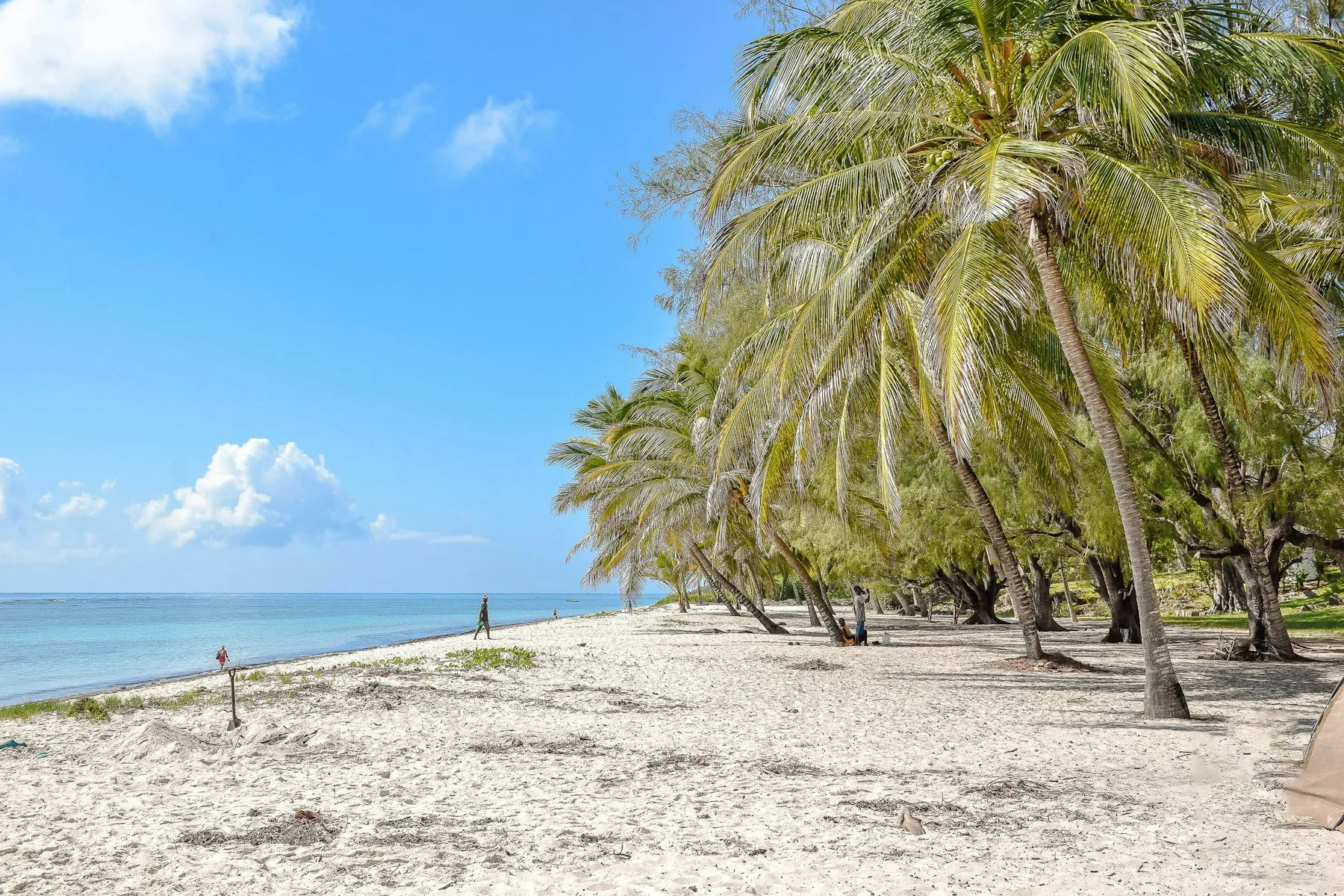
June is transitional. Rain risk often falls, temperatures become more comfortable and the coast begins moving toward the drier high season. Residual showers and cloud can remain, particularly early in the month. The exact year matters.
June works for travellers who want a safari-and-beach combination before peak July and August demand. Pack a light layer for breezy evenings and a rain shell. Choose marine days using current forecasts, not an annual average.
Kenyan coast in July and August
July and August are generally drier and cooler by coast standards. Wind can make the air feel fresh and support kitesurfing, while casual swimmers may prefer sheltered sections or calmer parts of the day. European and regional school holidays increase demand.
This is one of the easiest periods to combine the coast with the Mara, Amboseli or Tsavo. Book preferred rooms, family layouts and private transfers early. The coast is still tropical, but bring a light evening layer and do not promise children perfectly glassy water every day.
Kenyan coast in September
September often keeps the drier pattern while school-holiday pressure eases in some markets. Days warm gradually, and the month can balance safari conditions, coast comfort and availability. It is a strong all-round choice rather than a weather guarantee.
Sea conditions vary by beach and activity. Ask the dive or kite centre for site-specific guidance. At the hotel, compare recent shoreline and seaweed information because two properties only kilometres apart can experience different accumulation.
Kenyan coast in October
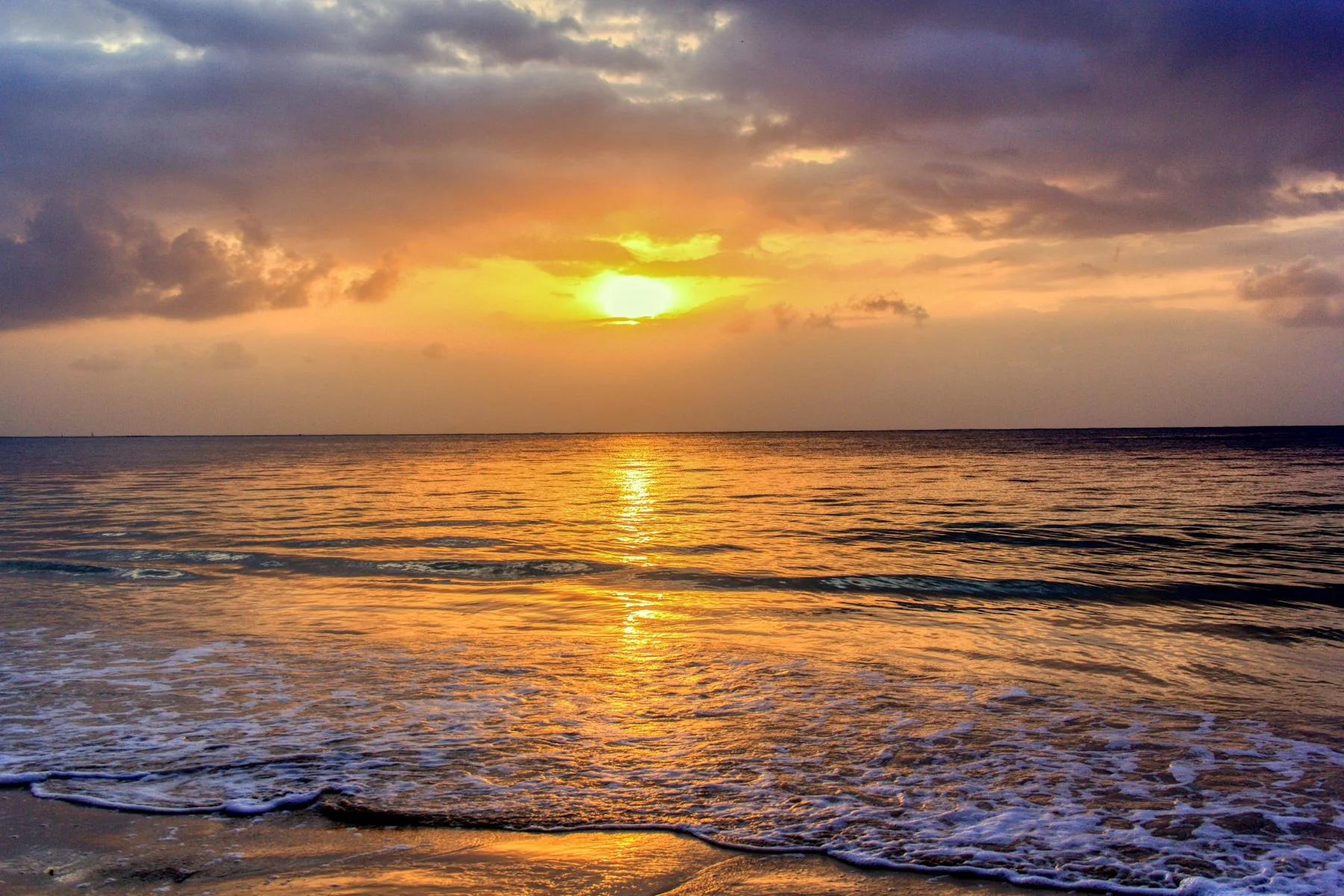
October can begin dry and warm before short-rain activity develops. Humidity rises and showers become more possible, but many days still include substantial sun. Migration timing and school holidays can keep safari-and-coast demand active.
Travellers with fixed October dates should not abandon the coast. Choose a property with good all-weather comfort, reserve marine activities with rescheduling flexibility and leave one unscheduled day. A rainfall chart cannot tell you which afternoon the shower will choose.
Kenyan coast in November
November often brings short-rain variability: warm, humid conditions, bursts of rain, cloud and bright intervals. Roads can experience local flooding after intense storms, while other days feel entirely suitable for beach and boat time.
The month rewards flexible planning and careful hotel choice. Photographers may enjoy dramatic sky and clean post-rain colour. Marine excursions must follow current weather and operator judgement. Never pressure a skipper to depart because the itinerary says snorkeling.
Kenyan coast in December
December moves toward the hotter season while short-rain showers may continue, especially earlier in the month. Christmas and New Year bring some of the coast’s strongest demand, festive programmes, minimum stays and premium prices.
Reserve flights, preferred rooms and transfers early. Ask whether the hotel atmosphere suits you: a lively festive resort and a quiet honeymoon retreat are different products. Build arrival buffers around holiday traffic and avoid assuming every restaurant accepts walk-ins.
When is there seaweed on Kenyan beaches?
Seaweed movement depends on monsoon wind, offshore currents, reef shape, tide and the orientation of a particular beach. Diani is often discussed in seasonal terms, but conditions can change along the same coastline and from one week to another. Removal practices also differ by property.
Ask for a recent, dated description of the exact hotel frontage, then accept that nature may change. Seaweed is habitat and nutrient, not proof that a coast is dirty. Travellers who need reliably clear sand should compare pool quality and nearby beach sections instead of demanding ecological certainty.
Diving, snorkeling, wind and tides
Marine visibility, current and surface conditions vary by site. Watamu, Malindi and Mombasa have protected marine parks, while Diani connects to southern reef experiences. A reputable operator chooses the site and departure using the day’s sea, tide, group skill and conservation rules.
Kitesurfers actively seek seasonal wind that a novice snorkeler may dislike. Tide changes shore access and depth. Tell the planner which activity leads, then consult the specialist centre. Do not choose a month from a generic calm-sea claim that ignores beach and sport.
| Activity | Helpful condition | Planning action |
|---|---|---|
| Casual swimming | Sheltered water and suitable tide | Ask hotel by beach section |
| Snorkeling | Visibility and manageable current | Use reputable marine operator |
| Diving | Site matched to certification | Confirm safety and equipment |
| Kitesurfing | Reliable wind for skill level | Book qualified centre |
| Dhow or boat trip | Safe sea and weather | Keep rescheduling flexibility |
Turtles, dolphins and seasonal wildlife
Kenya’s coast supports turtles, dolphins, reef fish, seabirds and other marine life, but no responsible operator should guarantee a wild encounter. Nesting and hatching activity varies by species, beach and conservation programme. Follow official or credible local guidance rather than approaching nests independently.
Dolphin excursions should maintain distance, limit pressure and avoid feeding or chasing. KWS marine guidance says not to touch, feed or interfere with marine life. The best season is meaningless if the experience harms the animal that made the trip attractive.
Combining safari season with coast weather
July to October is the classic dry-season pairing, particularly for the Mara, Amboseli and Tsavo, but it carries higher demand. January and February provide another strong hot, often drier combination. Green-season trips can pair lush parks with a quieter coast when guests accept rain risk.
Choose the safari first when a time-sensitive wildlife event matters, then select the coast base best suited to those dates. Choose the coast first when diving, kitesurfing or a family school holiday is fixed. The Kenya safari timing guide makes the other half of the decision.
How to choose your coast dates
For uninterrupted resort time, prioritise January to February or July to September. For kitesurfing, follow the qualified centre’s wind-season advice. For lower rates and quiet, consider the rains with a flexible plan. For a safari combination, balance wildlife priorities, coast heat and school-holiday demand.
Then choose the property for the less-than-perfect day. A comfortable room, good food, covered areas, spa, gym, pool and nearby culture turn weather risk into variety. A beautiful hotel that only works under blue sky is a fragile holiday design.
What travellers say after the trip
These are exact words from public reviews and discussions. Each person had their own route, budget and expectations, so the value is in the detail rather than treating one experience as a promise.
I used to like Diani because of the clean and long sandy beaches
A traveller recalling why Diani’s shoreline appealed to them.
Less crowds, more beach life feel.
A traveller describing the charm of a quieter coast period and place.
Malindi marine park was the least crowded of all 3, so if you plan on snorkeling go there.
A traveller comparing marine experiences, with crowd level as important as weather.
The diving season in this part of the Indian Ocean is best between October and March.
A diver comparing first-hand experience of the seasonal change in visibility and surface conditions.
June and July are also a good time to visit.
A recent coast discussion noting the appeal of cooler months for beach time and activities.
Best time is between Jan and March, nice hot weather and very few tourists.
A local opinion that favours heat and lower crowds, although school breaks and individual beaches still vary.
Kenyan coast weather questions
What is the best time to visit the Kenyan coast?
January to February suits hotter, often drier beach weather; July to October suits cooler, generally drier conditions and safari combinations.
When is the rainy season?
The main rains generally fall from March to May, with shorter rains often around October to December. Exact timing and intensity vary.
Is April a bad time to visit?
Not automatically. Expect higher rain risk, humidity and possible activity disruption, but also green scenery, quieter hotels and occasional bright periods.
When is Diani least affected by seaweed?
Seaweed varies by currents, wind, season and exact beach section. Ask the hotel for recent conditions rather than relying on one annual rule.
When is best for diving and snorkeling?
Calmer seas and good visibility are important, but conditions differ by site. Ask a reputable local operator close to the activity date.
When is best for kitesurfing?
Seasonal monsoon winds create stronger kitesurfing periods. Match the beach, wind window and skill level with a qualified centre.
Is the coast hot in January?
Yes. January and February are typically among the hottest periods, with strong sun and humidity.
Is July warm enough for swimming?
Sea temperatures remain tropical, but air and wind can feel cooler. Individual comfort and daily conditions vary.
What month best combines safari and beach?
July to October works well for dry-season safari and coast weather, while January and February offer another strong combination.
Can NLS plan around fixed coast dates?
Yes. NLS can choose the beach, hotel and safari sequence that best suits fixed travel dates and activities.
Sources and further reading
Official park, heritage, tourism, aviation and regulatory sources support the practical details in this guide.
Choose the season that serves your holiday
Tell us the fixed dates, preferred beach, water activities and safari parks. We will design around the weather pattern without promising a forecast months ahead.
Plan a seasonal safari and beach trip
Share dates, travellers, beach interests, comfort level and the Kenya parks you want to combine.