
Tsavo East vs Tsavo West: Which Park Should You Choose?
Tsavo East opens like a red-dust horizon. Tsavo West folds the road into lava, springs and hills. The right answer depends less on a Big Five checklist than on the journey you want between sightings.
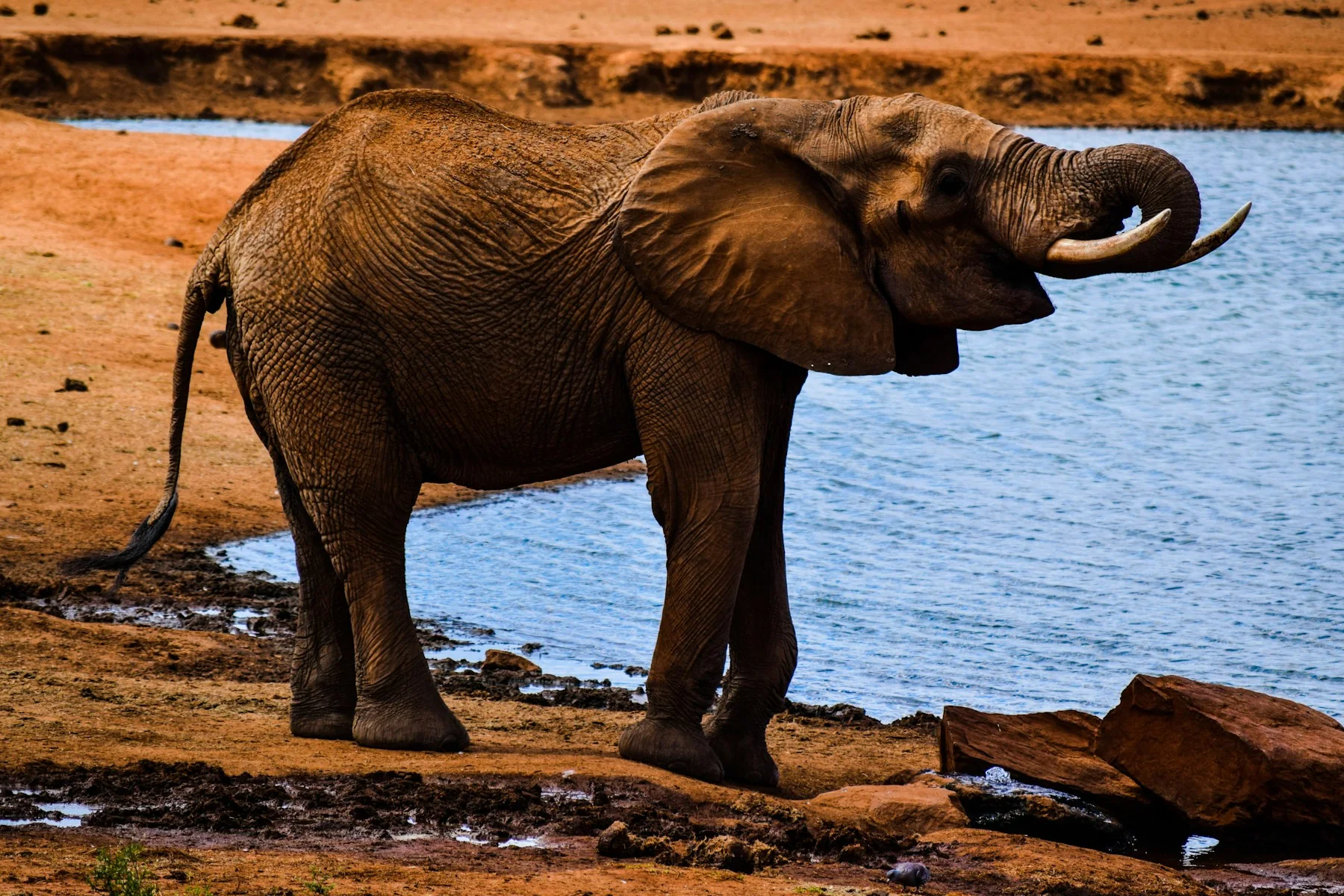
Tsavo East vs Tsavo West is a choice between East’s broader, drier and more open wildlife country and West’s greener, hillier landscape of Mzima Springs, lava flows and viewpoints. Tsavo East usually suits travellers prioritising elephants, long sightlines and coast access. Tsavo West suits travellers who enjoy scenic variety and stopping at natural landmarks. With three or four nights, combine both.
- Tsavo East vs Tsavo West at a glance
- Landscape and atmosphere
- Wildlife viewing in each park
- Tsavo East highlights worth building time around
- Tsavo West highlights beyond the game drive
- Access from Nairobi, Amboseli and the coast
- How the two parks fit the route
- Lodge position and safari style
- Photography in East and West
- Which park works better for families?
- When to visit the Tsavo parks
- How to combine Tsavo East and Tsavo West
- Cost differences that matter
- Common planning mistakes
- Who should choose East, West or both?
- Traveller opinions
- FAQs
Tsavo East vs Tsavo West at a glance
Tsavo East is vast, warm-coloured and visually open. The Galana River, Aruba Dam, Mudanda Rock, Lugard Falls and the Yatta Plateau create a landscape in which the journey itself feels large. Elephants are a central presence, although wildlife remains free-ranging and no species is guaranteed.
Tsavo West is more folded and theatrical. Mzima Springs, the Shetani Lava Flow, Chaimu, Lake Jipe, Roaring Rocks and Poacher’s Lookout interrupt the game drive with places to get out where permitted and look at the land. Vegetation can hide animals, so a quieter hour may still be a successful scenic drive.
| Question | Tsavo East | Tsavo West |
|---|---|---|
| Approximate KWS area | 13,747 km² | 9,065 km² |
| Signature | Red-dust elephants | Mzima Springs and lava |
| Terrain | Broad and more open | Hilly and more vegetated |
| Best for | Elephants and long sightlines | Landscapes and varied stops |
| Coast access | Usually more direct | Works well in a longer circuit |
| Wildlife search | Often easier visibility | More patient tracking |
| Ideal stay | Two nights | Two nights |
Landscape and atmosphere
East gives distance. Roads cross dry plains, seasonal watercourses and riverine ribbons beneath a sky that seems to expand. The soil stains elephant skin, tyres and boots with the colour travellers remember in photographs. It is the side to choose when a classic red-earth horizon matters.
West gives layers. Volcanic ground, wooded slopes, water and distant hills keep changing the frame. At Mzima Springs, clear water rises from the Chyulu catchment and supports hippos, crocodiles, fish and thick vegetation. A visit is not a zoo window, and underwater visibility varies, but the contrast with the surrounding bush is remarkable.
Wildlife viewing in each park
Tsavo East is associated with large elephant country, buffalo, giraffe, zebra, antelope, lion and prolific birds. Its scale means a quiet drive is possible even when animals are present elsewhere. A good guide reads water, tracks and recent movement instead of promising a checklist.
Tsavo West holds elephant, buffalo, lion, leopard, giraffe and antelope, while its protected rhino area adds conservation importance. Dense cover can turn a leopard into one moving tail and a rhino into no sighting at all. The reward is suspense, not guaranteed proximity.
| Interest | Stronger first choice | Reason |
|---|---|---|
| Red elephants | Tsavo East | Open red-soil country |
| Rhino conservation story | Tsavo West | Protected sanctuary landscape |
| Big cat certainty | Neither | Wildlife is not scheduled |
| Birding | Both | River, spring, woodland and dry-country habitats |
| Scenic stops | Tsavo West | Springs, lava and viewpoints |
| Uncrowded scale | Both | Large road networks and dispersed sightings |
Tsavo East highlights worth building time around
The Galana River is the park’s living line, drawing wildlife and supporting doum palms and riverine habitat. Lugard Falls is a series of rapids through sculpted rock rather than a single vertical curtain. Mudanda Rock overlooks a natural water catchment, and Aruba Dam can become an important dry-season gathering point.
The Yatta Plateau is a vast ancient lava flow best understood as part of the horizon rather than one quick roadside attraction. These places lie across a very large park. A one-night visit may reach only a fraction, which is why lodge position matters as much as its swimming pool.
Tsavo West highlights beyond the game drive
Mzima Springs is the best-known stop, with shaded paths and water that emerges after travelling underground from the Chyulu Hills. Hippos may be seen from viewpoints, but the experience is shaped by water, forest and birdlife even when the underwater chamber is quiet.
The Shetani Lava Flow looks startlingly recent, although the eruption occurred centuries ago. Roaring Rocks and Poacher’s Lookout open wide views. Lake Jipe, close to Tanzania, adds wetland habitat but requires sufficient time and route planning. Do not cram every name into one afternoon.
Access from Nairobi, Amboseli and the coast
From the coast, Tsavo East is usually the natural first step. KWS places Bachuma Gate about 110 kilometres from Mombasa, Voi Gate about 156 kilometres away and Manyani about 191 kilometres away. Travellers coming from Malindi can approach Sala Gate. The useful gate depends on the lodge and the sector you want, not simply the shortest number on a map.
For Tsavo West, KWS places Mtito Andei Gate about 240 kilometres from Nairobi and 250 kilometres from Mombasa. Chyulu Gate creates the useful connection from Amboseli, while Tsavo River, Maktau, Ziwani and Lake Jipe serve other parts of the park. The SGR can support the journey through Voi or Miasenyi for East and Mtito Andei for West, but station transfers and train times must be built into the day.
| Where the safari begins | Natural first comparison | What to check |
|---|---|---|
| Mombasa or Diani | Tsavo East through Bachuma or Voi often reduces the first road leg | Coast pickup time, gate, lodge sector and final daylight |
| Watamu or Malindi | Tsavo East through Sala can avoid dropping south to Voi | Road condition, vehicle type and the chosen East lodge |
| Amboseli | Tsavo West through Chyulu follows the landscape naturally | Gate condition, lunch plan and whether East follows next |
| Nairobi | Either park can work by road or SGR | Station transfer, train timetable, gate hours and first-night lodge |
A route that enters one gate and exits another can save hours. A route that returns to the same lodge after chasing a distant landmark can consume them. The Tsavo access guide goes deeper into road, rail and coast connections.
How Tsavo East and Tsavo West fit into a Kenya itinerary
The Nairobi to Mombasa road and railway separate the two parks. West sits naturally between Amboseli and the transport corridor, while East spreads from the corridor toward the Galana River and the Sala approach from Malindi. This is why a good Tsavo itinerary usually moves in one direction instead of returning to the same gate.
Schematic only. Gates, road conditions and lodge locations determine the actual driving route.
Lodge position and safari style
In Tsavo East, properties near Voi, Aruba, the Galana or park boundaries serve different sectors. In Tsavo West, Kilaguni, Finch Hattons, Severin and camps around major access roads create different balances of waterhole viewing, landscape and transfer time. Names alone do not reveal the daily route.
Ask which gate is used, whether the property sits inside the park, how long the first wildlife circuit takes and whether game drives are private. An inexpensive room far from the desired sector may cost the morning in fuel and road time.
Photography in East and West
East offers red soil, dust, open elephants and expansive skies. Long lenses help with cautious wildlife, while a wider lens records the scale. Dust protection and a beanbag are useful, and changing lenses beside another vehicle is an invitation for grit.
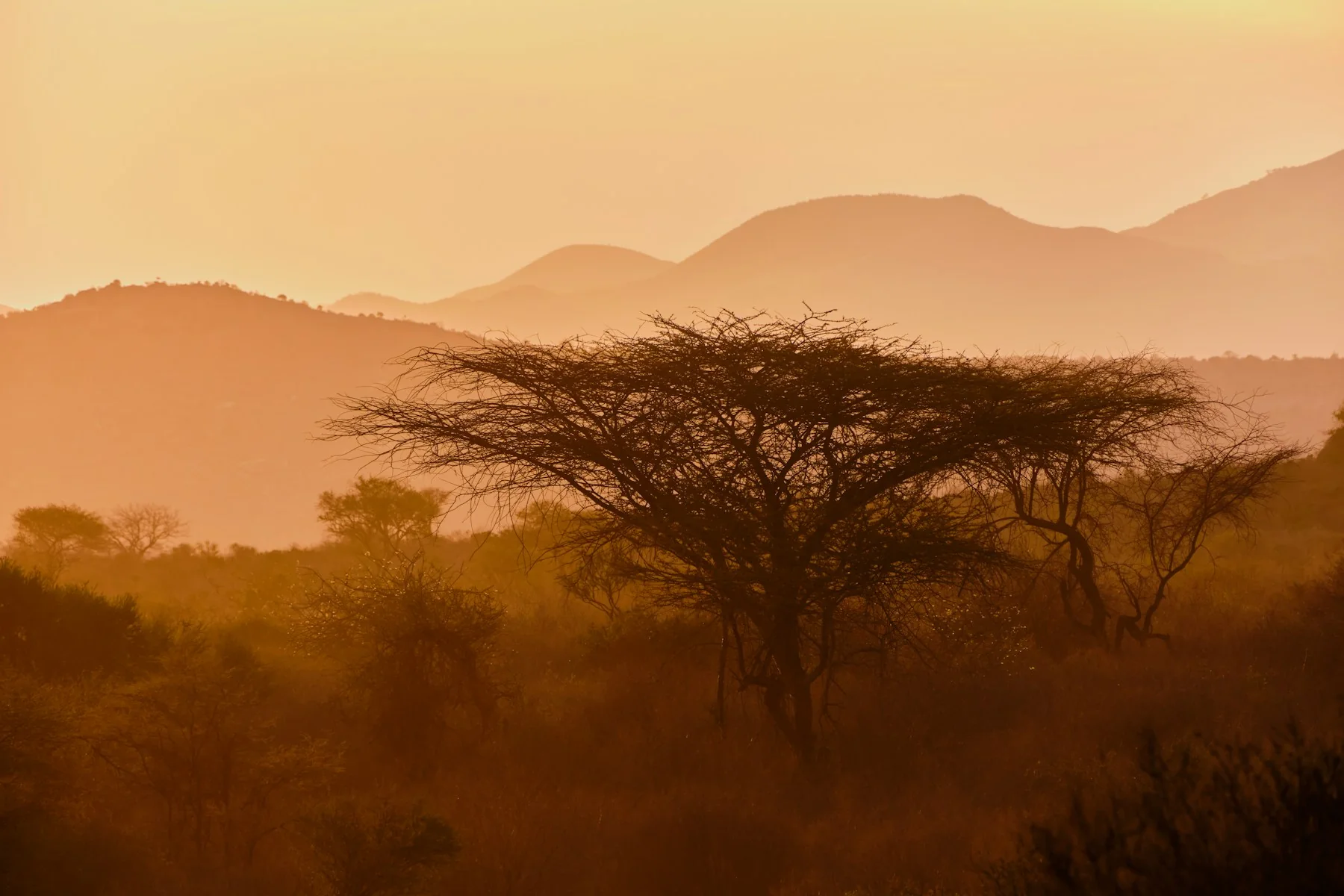
West offers silhouettes, green springs, black lava and layered hills. Exposure changes quickly between shaded woodland and bright openings. A landscape lens belongs beside the wildlife lens. Neither park guarantees a clean subject or empty background, so patience remains the real equipment.
Which park works better for families?
East’s visibility can reward a shorter attention span, particularly when elephants are near water. West’s springs and lava provide breaks from sitting in the vehicle. The better choice is the one with shorter transfers, a suitable room and a private drive.
For young children, avoid combining both parks in two nights. Heat, dust and early starts accumulate. Use the family safari principles here too: private vehicle, clear restraint plan, flexible meals and downtime.
When to visit the Tsavo parks
Dry months often concentrate animals around reliable water and thin some vegetation, but can bring heat, dust and stark scenery. Rain refreshes the landscape, supports young animals and birds, and can create dramatic skies. It can also slow roads and spread wildlife across more water sources.
The two parks are too large for a single monthly promise. Ask about current road access and recent rainfall close to travel, then read the full Tsavo season guide.
How to combine Tsavo East and Tsavo West
A coast-bound circuit can run Amboseli to Tsavo West, cross to Tsavo East and finish in Diani, Mombasa, Kilifi, Watamu or Malindi. In reverse, East is often the first safari after the beach. One night in each park proves only that the road exists.
Use at least three nights when the schedule is tight and four when landscape stops, children or photography matter. Enter early, drive a purposeful sector, and place the inter-park transfer in daylight.
| Nights | Shape | Trade-off |
|---|---|---|
| 2 | One night East, one West | Too transfer-heavy for most travellers |
| 3 | One park two nights, other one | Useful route sampler |
| 4 | Two nights in each | Balanced first visit |
| 5+ | Add remote sectors or Amboseli | Slower, deeper circuit |
Cost differences that matter
KWS lists Tsavo East and Tsavo West at the same conservation-fee level, so the larger price difference usually comes from the route. Vehicle days, driver-guide time, lodge category, single supplements, rail or air transfers, and the number of charged entries shape the total.
Compare proposals with the same dates, gates, properties, room basis, vehicle privacy and included drinks. A low headline can hide a shared vehicle, exterior lodge or long transfer. The honest comparison is not East versus West in dollars. It is one complete route versus another.
Common planning mistakes
Do not describe Tsavo as a smaller Mara. Do not expect every member of the Big Five in two drives. Do not choose a distant lodge because its name appears under the right park. Do not schedule Mzima Springs, Lake Jipe and an inter-park transfer as if they share one junction.
The other mistake is skipping quiet sightings. Hornbills, dik-dik, baobabs, tracks and changing geology are part of Tsavo’s identity. A traveller who looks only for lion may miss the park while driving through it.
Who should choose East, West or both?
Choose East for a short safari from the coast, red-elephant photography and open-country atmosphere. Choose West for a route from Amboseli, scenic variety and travellers who enjoy geology, water and viewpoints beside wildlife.
Choose both when you have at least three nights and the safari forms a bridge between inland Kenya and the coast. The two parks do not duplicate each other. Together they explain why Tsavo is an ecosystem rather than a single stop.
What travellers say after the trip
These are exact words from public reviews and discussions. Each person had their own route, budget and expectations, so the value is in the detail rather than treating one experience as a promise.
Two days felt short. Already planning to go back for longer.
A Mombasa resident after a weekend that joined Tsavo East and West.
The animal viewing was splendid, and it wasn’t as expensive as I’d feared.
A traveller reflecting on five safari nights through Amboseli, both Tsavos and Taita Hills.
Personally we loved it. Look for the small stuff as well as the big animals.
A traveller describing five September days in the Tsavo parks.
Tsavo East and Tsavo West questions
Which is better, Tsavo East or Tsavo West?
Tsavo East is often better for open-country elephant viewing, while Tsavo West offers more varied scenery and named landmarks. Better depends on route and interests.
Can you visit both parks?
Yes. Three or four safari nights create a sensible combined itinerary, especially between Amboseli and the coast.
Which park has the red elephants?
Both can have dust-coloured elephants, but the red-elephant image is most strongly associated with Tsavo East’s iron-rich soil.
Where is Mzima Springs?
Mzima Springs is in Tsavo West National Park.
Which park is closer to Mombasa?
Tsavo East is normally the more direct coast-side choice through gates near Voi or Bachuma, depending on the itinerary.
Which has better wildlife viewing?
Tsavo East’s openness may make some wildlife easier to see. Tsavo West has excellent wildlife but denser vegetation can make searching slower.
How many nights do I need?
Allow two nights for one park and three or four nights to combine the two without turning the safari into a transfer race.
Are the park fees separate?
KWS fees and combination products can change. The itinerary should show the gates and chargeable entry days clearly.
Is Tsavo suitable for children?
Yes, if transfer lengths, heat, lodge layout and game-drive duration are planned around the youngest traveller.
Can NLS customise the route?
Yes. NLS can join Tsavo East, Tsavo West, Amboseli, Taita Hills and the coast with private road transfers or rail connections.
Sources and further reading
These sources provide park access, attraction, conservation and rail information for planning the route.
Choose a park by the journey, not the name
Share your dates, arrival point, coast hotel and favourite wildlife. We will show whether East, West or both creates the strongest route.
Plan a Tsavo safari
Tell us where the safari begins and ends, how many nights you have, and whether wildlife, scenery, photography or beach access matters most.