
Porini Lion Camp: A Wilder Stay in Olare Motorogi
Porini Lion Camp is a small canvas camp beside a seasonal river in Olare Motorogi Conservancy. Its strongest case is not that the word lion is on the sign. It is that a skilled guide can give you time in a lower-density landscape where lions live, while walks and night drives show another side of the bush. Here is what the tents, family units, vehicles and reserve days are really like.
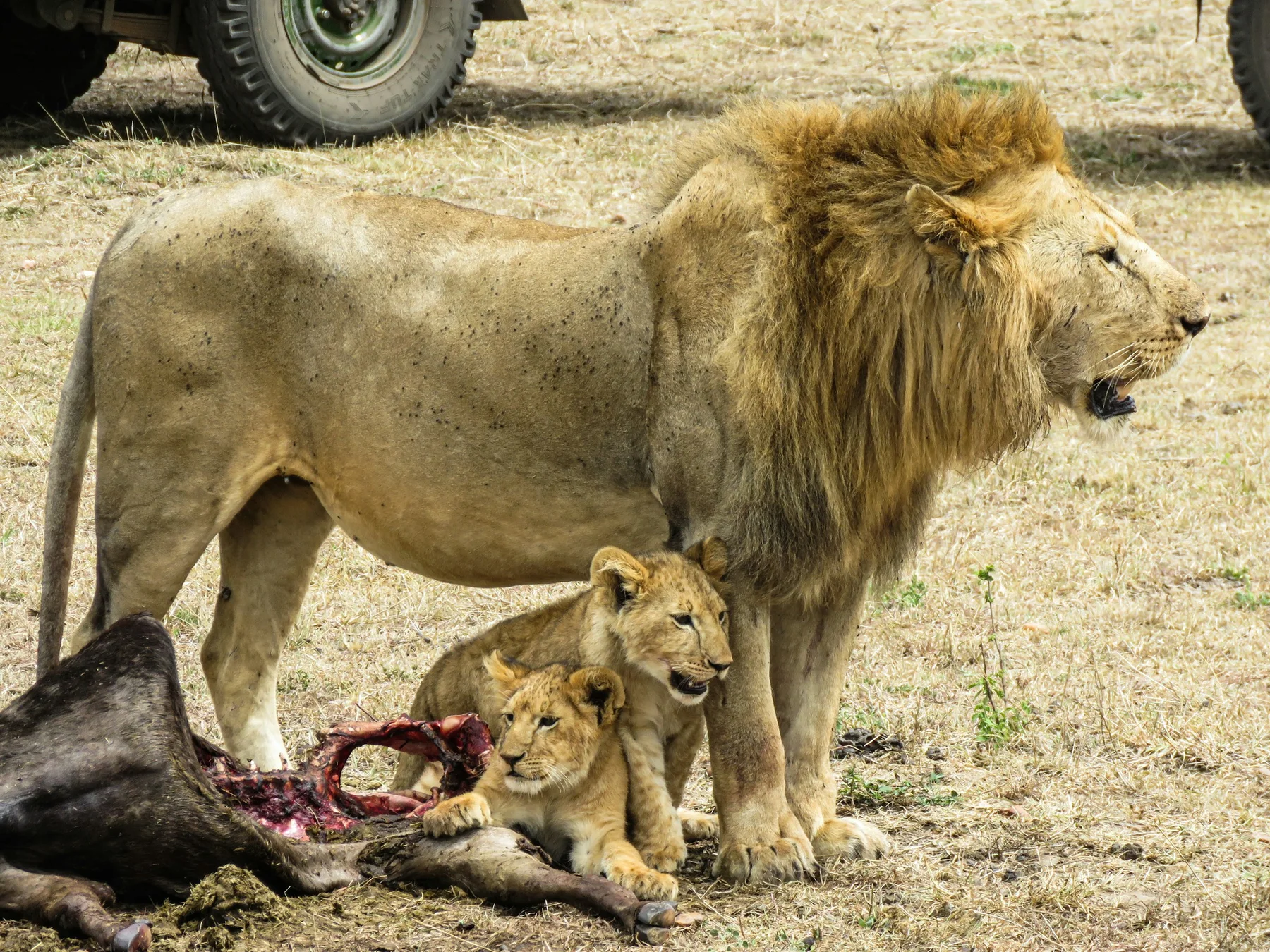
There is a particular hush around a lion pride at first light. The vehicle stops, the engine cuts out, and for a few minutes nothing much happens. Then a cub stands, an adult lifts her head, and the group begins to move. The value of a conservancy drive is having room to watch that ordinary sequence. Porini Lion Camp puts you in Olare Motorogi, where controlled vehicle numbers and knowledgeable local guides make that kind of morning possible. They cannot promise the pride will be there on your dates.
The camp sits by the seasonal Ntiakatiak River in a conservancy that Porini describes as about 33,000 acres. It borders the Maasai Mara National Reserve, but it is not inside it. That one fact explains much of the safari: your usual drives are in Olare Motorogi; guided walks and night drives are possible under conservancy rules; and a full day in the reserve is a distinct choice with its own timing and fee terms. Our Olare Motorogi guide tells the wider story of its camps and community landscape.
Porini Lion is a field camp, not a resort with lions in the marketing photographs. Expect a warm safari-style shower, solar lighting, shared drives unless upgraded and meals with other guests. If those details appeal to you, the camp can feel wonderfully alive. If a pool, a private car by default or a lavish bathroom is essential, compare alternatives before settling on the name. A useful safari decision starts with the day you want to have, not the most dramatic photograph on a booking page.
The seasonal river and the land around it
The Ntiakatiak is described as seasonal, which means its appearance changes with rainfall. A dry or narrow riverbed is not evidence that the camp is in the wrong place. Riverine cover, open plains and woodland all create edges where animals move, rest and hunt. In the rainy season the light and vegetation can make even familiar routes look different; in dry periods, water and shade influence animal movement. The guide works with the landscape of that day rather than driving to a fixed lion pin.
Olare Motorogi is one of the Mara’s community conservancies. The land is linked to Maasai owners through tourism agreements, and the Porini model presents lease payments, employment and a Wildlife Habitat Trust contribution as part of the stay. That relationship matters because the wildlife needs a broad landscape beyond the formal reserve. It does not make every visit automatically exemplary. A good experience should show respect for hosts, habitats and animals in the way vehicles are driven and stories are told.
Other camps in Olare Motorogi include Mara Plains Camp, Kicheche Bush, Olare Mara Kempinski and Mahali Mzuri under the current conservancy partnership. They are not substitutes for one another simply because they use the same wildlife area. Porini’s smaller, deliberately simple style is very different from a high-design suite with a larger private deck. The where-to-stay guide helps separate geography from accommodation style.
| Base or activity | What it feels like | The practical difference |
|---|---|---|
| Porini Lion in Olare Motorogi | Small canvas camp in predator habitat by a seasonal river. | Conservancy driving is the main event. |
| Walk in Olare Motorogi | Tracks, plants and the smaller signs of wildlife. | Escorted and subject to guide, safety and weather. |
| Night drive | Different sounds and nocturnal behaviour after sunset. | Permitted under conservancy rules, not a normal reserve drive. |
| Maasai Mara National Reserve | Another large Mara landscape and possible migration country. | Separate full-day excursion and date-specific entrance fee. |
The lion in the name, and the animals that refuse a script
Olare Motorogi has strong big-cat habitat. Lions, leopards and cheetahs all occur in the wider conservancy, and recent guests describe memorable predator encounters. But the trip should not be sold as a guaranteed lion encounter. Lion territories shift, young animals disperse, rain changes the grass, and a pride can spend an entire morning hidden. An excellent guide may instead find a hyena den, a leopard’s fresh tracks, elephants at the river or a bird interaction you would have driven past while hunting a famous cat.
Guide quality is especially important here. Porini says its driver-guides are KPSGA-qualified and work with a spotter. Two sets of eyes can find more, but the experience is more than spotting. The best guides explain the relationship between predator and prey, wait without pushing into an animal’s space and leave when the animal is stressed. The conservancy’s lower vehicle numbers help, although another car can still share a good sighting. Crowds are reduced, not magically abolished.
At night, the same area has a different rhythm. Porini lists night drives from camp, along with escorted bush walks. A night drive might reveal animals missed in daylight, but it is not a licence to chase wildlife with a spotlight. Follow the guide’s rules, keep voices down and give animals the chance to move naturally. Our Mara night-drive guide explains the activity and its limits. A walk is similarly guided, controlled and never a casual independent stroll from the tent.
One reason to stay more than two nights is simply to see how different days can be. On the first morning, lions may hold attention for an hour. The next afternoon may belong to elephants or a storm. The contrast is the point. A fixed list of five sightings does not capture why travellers return to the same small camp years later. We can make room for a private vehicle if photography or pace requires it, but many guests enjoy shared drives with a small group and a good guide.

Canvas, solar power and a shower filled when you need it
Porini describes spacious tents with private verandas, solar lighting, en-suite flush toilets and hot safari showers. Travellers often call the tents comfortable rather than ornate. The bathroom is not a conventional endless shower: guests describe warm water carried to a bucket system when requested. One repeat visitor in a public review considered the bucket shower part of the camp’s charm. Someone else may see it as an inconvenience. Neither reaction is unreasonable. What matters is knowing in advance.
The operator’s current pages disagree about the exact tent count. A headline says ten guest tents and two family units; a paragraph says nine tents and two family units; a current fact sheet also uses ten guest tents with two family units. The two family units are clear, but the total and whether they are counted within or alongside the regular tents should be confirmed for any room inventory discussion. For a traveller, the more important question is the exact unit reserved, its beds, bathroom and distance from the dining tent.
The camp has lounge, dining and media tents. Wi-Fi is reported in some communal areas, not as uninterrupted service from every bed. Solar power is a good fit for a low-impact camp, but photographers should ask where and when to charge multiple batteries. At night, wildlife sounds can be close and camp staff escort guests where needed. Keep the small torch and warm layer from the safari packing guide near the bed, and resist walking out to investigate a roar.
Meals are part of the social rhythm. A bush breakfast lets a morning drive continue without returning to camp too early. At dinner, a shared table can bring good stories from other travellers. Some guests love that; a couple expecting private dining at every meal may prefer another property or ask what can be arranged. Porini states that dietary needs including vegetarian, vegan and gluten-free can be accommodated with advance notice. It is worth telling the camp before departure rather than waiting until the first dinner.
Two family units change the conversation
Porini describes two large family units. Each is said to have two bedrooms and en-suite bathrooms, with a lounge between. The operator gives a size of 144 square metres for the family unit and describes a king and single bed in each bedroom. That is genuinely different from placing a child’s camp bed inside a couple’s tent. A family with older children can have a shared living space and doors to separate sleeping rooms, while remaining close enough to talk about the day’s sightings together.
The current camp policy welcomes children aged eight and above. An older child who loves animals may enjoy a guide’s explanation of a track or the patience of watching lions wake. The same child may tire after a long reserve day or late night drive. A family itinerary should select activities, not pile them on. Tell us the ages and the children’s safari experience, and we can decide whether a private vehicle would make the day easier. The family tent itself does not automatically make the game vehicle private.
As with any unfenced wildlife camp, adult supervision and camp escorts matter. The river and open landscape are not a playground to explore alone. A family seeking a pool, children’s club or programmes for toddlers should choose a different Mara base. The Kenya family safari guide considers age, drive length, room layout and vehicle choice together. A successful family safari feels adventurous without asking children to keep an adult’s pace every hour.
| Question for a family | Porini Lion answer | What to decide |
|---|---|---|
| Sleeping layout | Two family units with two bedrooms and lounge. | Exact available unit, beds and adult placement. |
| Age policy | Children eight and older under current operator guidance. | Choose another camp for a younger child. |
| Vehicle | Shared game drives are standard. | Price a private car if shorter or flexible drives matter. |
| Bathroom | En-suite flush toilet and safari shower. | Explain the bucket-fed water to children before arrival. |
| Activities | Day drive, walk and night drive possible. | Choose by stamina, safety and interest, not by checklist. |
The best day may be the one you do not over-plan
Imagine arriving after a Wilson Airport flight, meeting the guide at the airstrip and taking the transfer slowly enough to notice what is already on the way. Lunch and a little rest at camp leave the afternoon free for a first drive. You learn the names of your guide and spotter, the terrain around the river and what animals have recently been moving. At sundown there may be a drink outdoors. Dinner is usually in the dining tent, followed by the sounds of the bush on the walk back with a staff escort.
The next morning can start before sunrise. A bush breakfast makes it possible to stay out while the air is cool and animals remain active. By noon, the comfortable thing is to rest, read, sort photographs or sit in the lounge rather than chase the heat. A late drive offers new light. If a night drive follows, that is already a full safari day. A walk might take a different morning. Not every possible activity belongs in the same twenty-four hours.
Some guests add a hot air balloon. It can be magnificent, but it is a separate cost and an early departure to a launch site. A balloon morning may replace, not simply add to, a game-drive morning. Position and transfer time should be settled when choosing the camp. Read the Mara balloon guide if the flight is a priority. For a two-night trip, choosing the balloon changes the character of your only full day at camp.
The national reserve is next door, not included every day
Olare Motorogi borders the Maasai Mara National Reserve. That makes a reserve visit possible, but the camp’s daily driving takes place in the conservancy. The operator’s camp description treats a full reserve day as optional with an additional park fee. Its displayed two-night flying package makes a specific exception: one reserve entrance day is listed as included only from 1 July through 30 September. If the trip falls outside those dates, or uses a different booking arrangement, the fee and vehicle day need to be stated separately.
For a migration-focused traveller, the reserve day may be important. But remember that the Mara River crossing points are not guaranteed stages on a schedule. The crossing areas require travel, the herds move in response to rain and grazing, and a full day can end without a crossing. A conservancy morning with resident cats can be equally absorbing. If a river crossing is your main dream, consider splitting the stay with a well-positioned reserve or Triangle camp rather than forcing Porini Lion to serve every goal. The river-crossings guide makes that trade-off clearer.
The reserve ticket and conservancy fee pay for different areas with different rules. A night drive possible in Olare Motorogi should not be promised during a normal reserve excursion. Similarly, reserving a room in a conservancy camp does not grant free passage into every reserve sector. We would show the actual day plan, number of reserve entries, vehicle sharing and fees together in the itinerary. It is much easier to relax at camp when that part is already settled.
What recent guests noticed, and what a review cannot promise
A June 2026 Tripadvisor reviewer described a well-run eco-camp with communal meals and said the big-cat encounters were the highlight. The review named the guiding team and saw lions on day and night drives. It is a strong account of that stay, not evidence that every future guest will see all three large cats or the Big Five.
Lynne W, writing after a March 2026 family visit, remembered tent spacing, nearby water, staff escorts at night and a shared dining table where guests swapped stories. She said the guides’ knowledge and driving skills just astounded us
. Those details matter because they describe how the camp felt beyond a list of animals. A small unfenced camp can be thrilling while still feeling looked after, provided guests follow the escort arrangements.
A repeat visitor, Jane G, described the pavilion tents, flush toilet, basin and bucket shower in a November 2025 review. Her phrase Breakfast in the bush
points to a detail that often stays in memory longer than a polished room photograph. Another traveller in a longer review liked the wildlife but found the shower pressure poor. That complaint belongs in the decision alongside the praise. If you are sensitive to bathroom facilities, read it before committing.
Recent enthusiastic accounts mention leopards, lions, hyenas and cheetahs. The photographs and stories are genuinely exciting, but they are not inventory. Weather, wildlife movement and the guide assigned to your vehicle all shape a new stay. What reviews can help you judge is the camp’s format: social meals, low-footprint tents, escorted movement at night and shared safari vehicles. Our Mara accommodation guide puts those choices beside reserve and other conservancy bases.
A full-board camp still has choices outside the rate
The displayed two-night flying package includes return Nairobi-to-Olare Motorogi flights, airstrip transfers, two nights of full-board meals, selected drinks, bush picnics, daily conservancy fees, shared day and night drives, sundowners, escorted walks, emergency medical evacuation cover and the Wildlife Habitat Trust payment. The reserve entrance-day exception applies in the July to September window. The booking itself should name the chosen flight, exact camp dates and whether that reserve day is planned. An ordinary ground-only booking will not contain exactly the same transport items as a flying package.
Outside the list are the private vehicle supplement, ballooning, tips, visa, international flights, travel insurance and personal spending. The camp notes limited hand-washed laundry, with drying time dependent on weather and some garments left to guests for cultural reasons. That is a small but useful packing consideration. A family may find the private vehicle worth more than another room upgrade; a couple happy with shared guiding may prefer to add a night instead. The Mara safari cost guide explains why nights, fees and flights need to be compared together.
A clear total lets the safari sell itself. We can give you the full itinerary price for the dates and people travelling, including any private vehicle and reserve day, without pretending one fixed number describes every season. More importantly, the itinerary should make clear which wildlife area you will use on each day. That is how the cost becomes meaningful, rather than a table of inclusions that leaves the actual experience vague.
| Element | Listed two-night flying arrangement | Worth deciding before booking |
|---|---|---|
| Camp and meals | Two nights, full board and selected drinks. | Exact tent and advance dietary needs. |
| Conservancy driving | Shared guided day and night drives, fees included. | Private-vehicle supplement, if desired. |
| Walks and sundowners | Escorted walks and sundowners listed. | Which activities suit ages and energy? |
| Reserve day | One entry day included only July to September. | Outside that period, add the fee and time. |
| Flights and transfers | Wilson return flights and airstrip transfer. | Connection to international flight or Nairobi night. |
| Balloon, tips, insurance | Outside standard inclusions. | Budget only for what your party will use. |
Getting in without losing the first day
Porini describes scheduled flights from Nairobi’s Wilson Airport to a nearby Olare Motorogi airstrip, with onward transfer to camp. The actual airline, airstrip name and flight time should appear in your itinerary. If you arrive internationally through Jomo Kenyatta, allow enough time for immigration, luggage and the road transfer between airports. A Nairobi night can be a kind way to start, especially with children or a long-haul arrival. A tight same-day connection can eat the calm that a small camp is meant to offer.
Road access or transfer from another Porini camp may be possible, but distance on a Mara map is not the same as driving time on tracks. If you are joining Porini Cheetah Camp in Ol Kinyei to Porini Lion in Olare Motorogi, make the transfer part of a thoughtful wildlife route rather than a mid-day interruption with luggage. The Porini Cheetah guide explains why those two names are not interchangeable.
The current Porini Lion fact sheet notes a closure of around four weeks in the rainy season, without making the exact dates a permanent promise. A green-season trip should start with confirmed camp availability and practical transfer conditions. The Mara itself remains a year-round wildlife region, but specific small camps may close temporarily. Our month-by-month Mara guide helps match the season to what you actually enjoy.
Is Porini Lion Camp your kind of Mara?
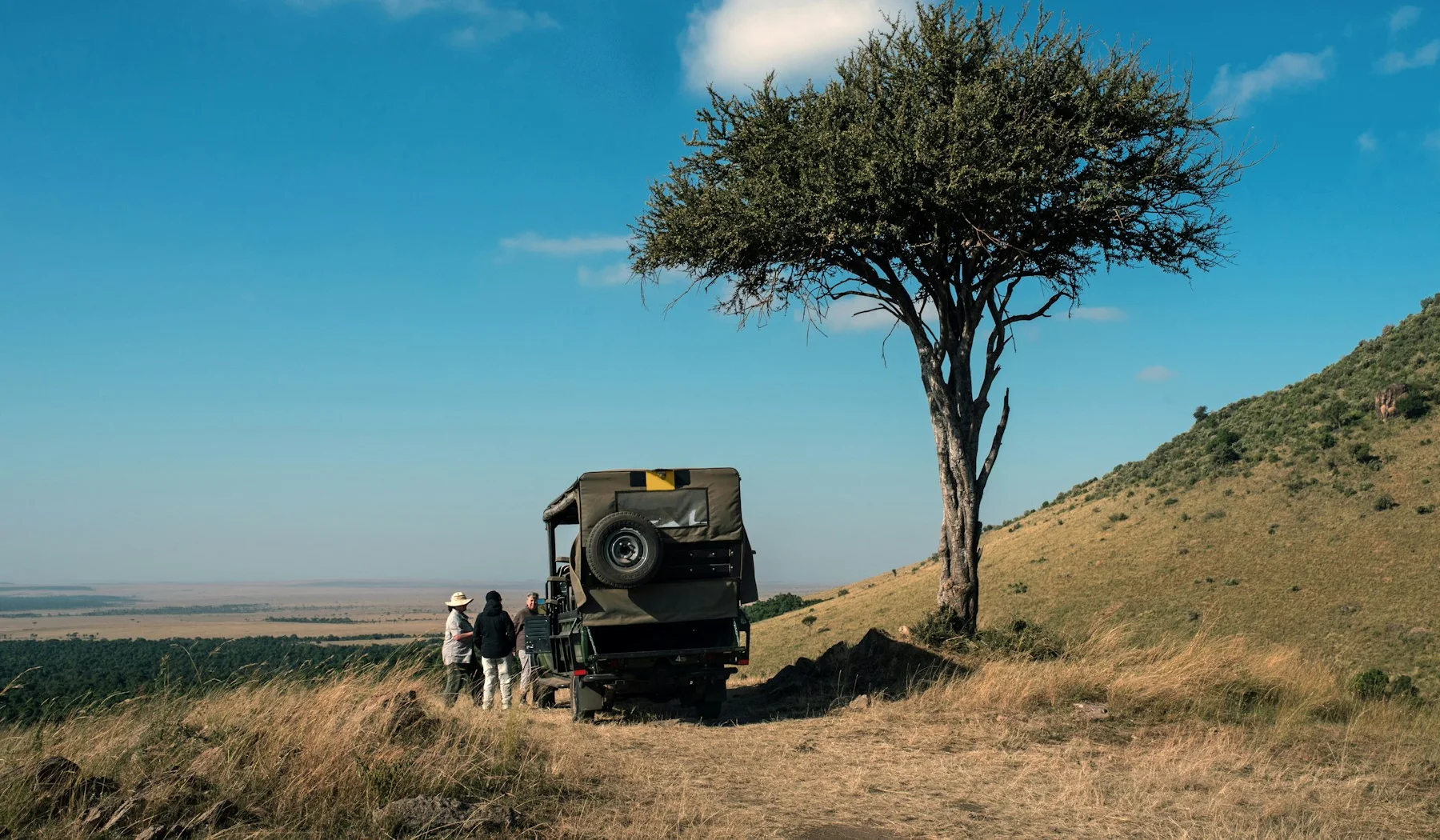
Choose it if you want a small, socially warm tented camp where most of the money and attention go toward the land, the guide and time in the field. The conservancy suits travellers who love watching predator behaviour without crowding an animal. Older children can learn a great deal here in the right family unit. Couples may enjoy the river setting and nights under canvas. A solo guest may like the communal table and shared driving instead of feeling marooned in a large lodge.
Choose a different base if your principal goal is a specific Mara River crossing, if you need a conventional continuous shower, or if you expect extensive resort facilities. If your party strongly values private driving, add it to the budget from the beginning rather than assuming it comes with a small camp. The camp’s name is an invitation to spend time in lion country, not a promise that a pride will greet you at check-in.
At its best, Porini Lion creates the space to notice how a wild place behaves between the headline moments. You might remember a lion cub standing up. You might remember a bird calling before the guide finds a predator. You might remember the long quiet after dinner while the riverbed is dark. A good itinerary protects those moments by giving the camp enough time and telling you the unglamorous details clearly before you leave home.
Porini Lion Camp questions
Is Porini Lion Camp inside the Maasai Mara National Reserve?
No. It sits beside the seasonal Ntiakatiak River in neighbouring Olare Motorogi Conservancy, a separate wildlife area with its own access rules.
How many tents are there?
The operator’s current materials disagree on the total, describing ten guest tents and two family units in one place and nine tents plus two family units in another. The two family units are clear; confirm the current total and exact room type for your dates.
Do you always see lions at Porini Lion Camp?
No. Olare Motorogi has strong predator habitat, but wild lions, cheetahs and leopards cannot be guaranteed on a particular drive or stay.
Are drives private?
The camp’s standard game drives use a shared open-sided 4×4 with a qualified guide and spotter. A private vehicle has an additional cost.
Can families stay?
Yes. Two large family units are described, each with two bedrooms and a central lounge. The camp’s published minimum age is eight years.
Does each tent have a shower?
The tents have en-suite bathrooms with a flush toilet and safari-style hot shower. Guests describe the shower as bucket-fed rather than a continuous hotel shower.
Are night drives and walking safaris available?
Yes. Guided night drives and escorted walks are among the Olare Motorogi activities listed for camp guests, subject to weather, safety and conservancy rules.
Is a Maasai Mara National Reserve day included?
The displayed two-night flying package includes one reserve entrance day only from July 1 to September 30. The general camp description treats a reserve excursion as optional and notes an additional park fee, so confirm the exact arrangement for your dates.
Which airstrip serves the camp?
The operator describes scheduled flying into an Olare Motorogi-area airstrip with a camp transfer. The package names return flights and airstrip transfers; verify the actual service and timing in the itinerary.
Is a balloon safari included?
No. The camp can help arrange a balloon safari, but it is an optional extra with separate cost and an early departure.
Can dietary needs be accommodated?
The operator says vegetarian, vegan, gluten-free and dairy-free meals can be arranged with advance notice. Share allergies and other needs before travel.
Does the camp close for rain?
The current fact sheet notes a closure of roughly four weeks during the rainy season. Check exact dates before building a green-season route around the camp.
Read further around this part of the Mara
Plan Porini Lion Camp
Share your dates, party ages, room and vehicle preferences, and whether the reserve is important. We will build a clear route through the Mara.