
Elephant Pepper Camp: Ten Tents, Open Plains and a Mara North Safari
This is a place for people who like the sound of the bush as much as the sight of a lion. Elephant Pepper Camp has ten tented rooms in Mara North Conservancy, a real walking option and evenings that can continue after sunset. Here is what staying there is actually like, and what the room rate does not cover.

You hear something move beyond the tent and pause before opening the flap. It might be a bird dropping into the branches, or it might be something much larger. Elephant Pepper Camp leans into that old-fashioned safari feeling: canvas, a tree canopy, wide grassland outside and a small group of guests who have come for the country rather than a hotel lobby. It is comfortable, but it does not try to turn Mara North into a resort.
The camp is in Mara North Conservancy, part of the greater Masai Mara ecosystem and separate from the Masai Mara National Reserve. That distinction shapes almost every decision on this page. You can make a reserve visit, but you are not sleeping inside the reserve. You can spend a full day with the camp’s Mara North guides, and you have the possibility of a guided walk or an early-evening drive that a reserve-only stay does not offer in the same way. The camp’s own overview and its activity descriptions are worth reading alongside this guide.
What Mara North gives you, and what it does not
Mara North is a working conservation landscape, not an extension of the national reserve’s entry ticket. Elewana says game-driving access is limited to authorised vehicles from the conservancy’s lodges. That helps explain why a morning here can feel less crowded. It does not promise a private lion sighting. Other guests still use the same tracks, wildlife may spend a day somewhere else, and a good guide should not pressure an animal to manufacture a photograph.
The camp lies under fig and elephant pepper trees, with tent verandas facing the open plains. You might be tempted to use every spare hour on a vehicle because the Mara is famous for big cats. Leave some time in camp. Its appeal is partly that the wildlife landscape stays present while you eat, read or listen after dark. Unlike a riverside reserve camp, though, it is not positioned as a front-row seat to a particular migration crossing. For that ambition, read our river-crossing guide and decide if a reserve day or split stay is worth the travel.
There is another distinction that matters when searching online. Little Elephant Pepper Camp is a separate, newer Elewana property, not an extra room wing at Elephant Pepper. It has a different small-suite and private-pool concept. A photograph of a plunge pool or a four-suite floor plan may belong to Little Elephant Pepper, so make sure the name on the room confirmation is the property you intend to book. The operator’s introduction to the newer camp makes the distinction clear.
| Choice | What it feels like | Trade-off |
|---|---|---|
| Elephant Pepper Camp in Mara North | Ten tented rooms, a traditional canvas atmosphere, conservancy drives and guided walking. | Reserve entry is separate; no guarantee of a river crossing close to camp. |
| Little Elephant Pepper Camp | A distinct, smaller Elewana suite property with private plunge pools. | Do not assume its rooms and facilities belong to the original camp. |
| Camp inside the national reserve | Closer to some reserve circuits and river routes, depending on exact location. | Different activity rules and potentially busier game-drive areas. |
| Another Mara North camp | Similar conservancy access with a different room style and price. | Location within a large conservancy still affects drive time and outlook. |
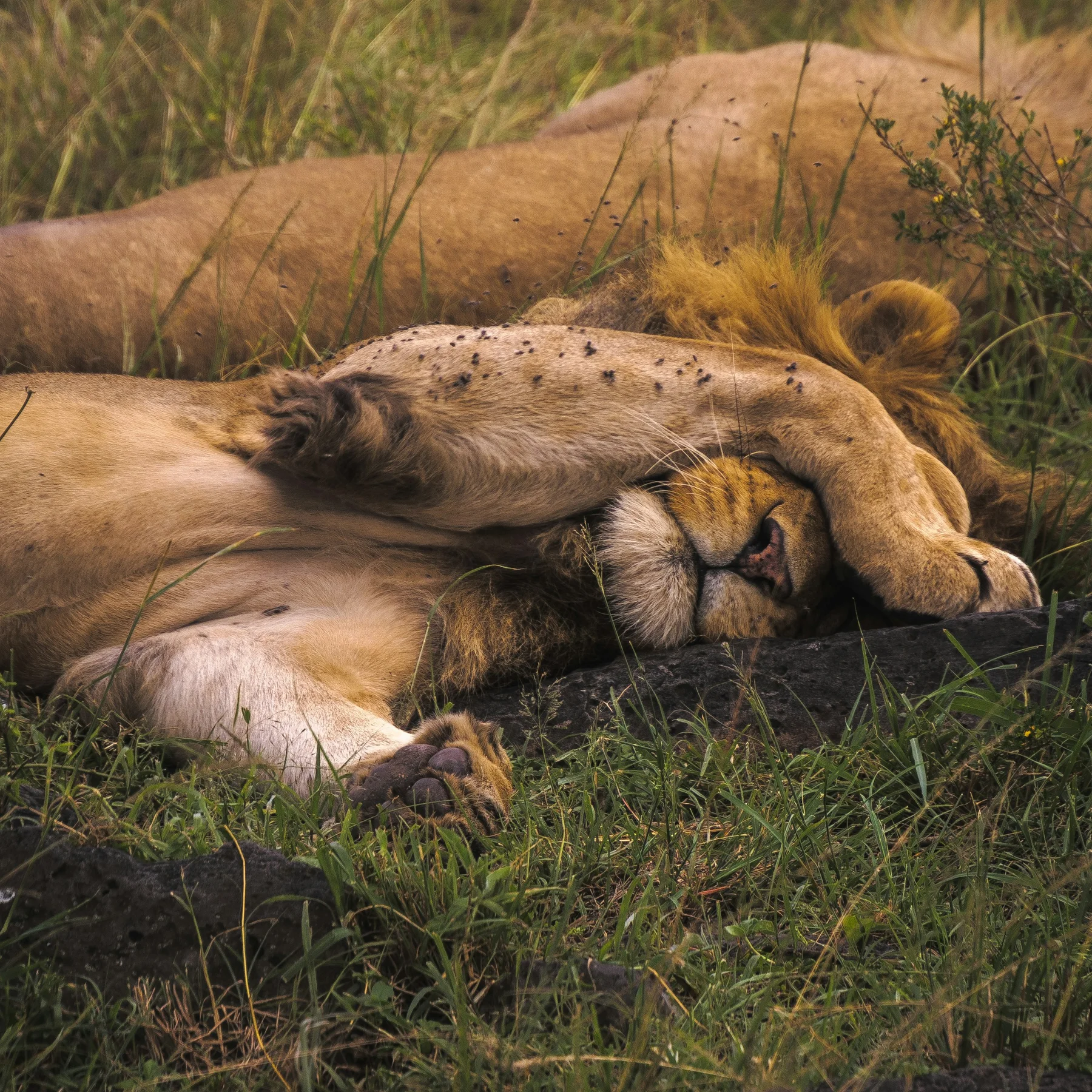
Eight classic safari tents and two larger suites
The current room description gives a useful, specific count: eight safari tents, four doubles and four twins, plus two honeymoon or family suites. The standard tents stand apart under the trees and have a bathroom area, veranda and the furniture of a classic tented safari. This is not the same as a bare camping tent; it is also not a glass-walled urban suite. The appeal lies in the privacy between tents and the sense of being out in the landscape.
The two larger suites sit at opposite ends of camp. Each has an en-suite master bedroom and a sitting room that can become a second bedroom for children under sixteen. That makes the category more useful than a generic “family tent” label suggests. Parents travelling with a child may appreciate the shared canvas space. A couple may use the extra sitting room for a honeymoon without converting it at all. The standard tents can also take one extra bed for a child under sixteen, but that setup changes circulation and storage. Ask to see the exact layout rather than assuming that a larger room is automatically a better family fit.
Elewana’s room page lists flush toilets, hot-water showers and double washbasins in the larger suites. Do not import the private-pool imagery from Little Elephant Pepper when picturing this camp. It is the balance of a comfortable tent, thoughtful staff and a genuine bush setting that draws repeat visitors, not an inventory of gadgets. Travellers who need a pool beside their room or a sealed, soundproofed room should choose another property.
| Room | Best for | Confirm in the booking |
|---|---|---|
| Double safari tent | A couple wanting the original camp experience. | Bed configuration, view and any mobility concerns about the path. |
| Twin safari tent | Friends sharing a room without sharing a bed. | Actual twin arrangement and whether an extra child bed is needed. |
| Honeymoon or family suite | A couple seeking more space or parents with children under sixteen. | Whether the sitting room is a lounge or second bedroom, and total occupancy. |
| Little Elephant Pepper suite | Travellers prioritising a distinct, more private pool-suite style. | That the reservation is for the separate Little Elephant Pepper Camp. |
A small camp can be deeply relaxing or feel too quiet, depending on you. If you like communal meals and hearing another guest’s account of the day’s drive, the intimate scale is an advantage. If you expect restaurant choice, spa menus and constant activity between drives, it may not suit. Our where-to-stay guide compares the very different versions of a Mara night.
Day drives, dusk drives and the reserve question
The camp uses open-sided, three-row 4×4 Land Cruisers equipped for photography and charging devices, according to its activities page. Drives are shared unless an exclusive vehicle has been booked for an extra charge. That is an important distinction for a family with young children, for someone who wants to stay with one bird for twenty minutes, or for a photographer carrying long lenses. A private vehicle buys time and control, not a guarantee of better wildlife.
The guides work in Mara North. The conservancy has resident wildlife across seasons, but no sensible lodge guide can promise which cat will appear. At dusk, Elephant Pepper offers pre-dinner drives using red-light spotlights. Those are an appealing complement to an early morning drive, especially if your previous safaris ended when the reserve closed. They are not an all-night pursuit. The route, weather and animal welfare still decide what makes a good outing.
Elewana also promotes long excursions toward Mara River crossing areas. A crossing is never scheduled by the animals. A full-day outing needs a picnic, an early start and honest expectations about the driving involved. If you stay only two nights, spending one entire day chasing a river event may mean you hardly experience Mara North, the reason you chose this camp. In peak migration months the wider ecosystem receives travelling herds, but the exact path changes. Our Mara guide explains the geography beyond the famous river images.

The walk changes the scale of a safari
After hours spent looking from a vehicle, a track in the dust becomes interesting. Elephant Pepper’s guides lead walks out from camp with Maasai staff from the area. A two-hour guided walk is listed within the current game package; a longer four-hour walk is separately priced. That difference is easy to miss when a page says simply “walking safari included.” Age and safety decisions remain with the guide. An older rate page specified a minimum age of sixteen for the main guided walk; ask for the current rule for each child rather than assuming the short family activities are the same thing.
For younger children, the camp describes short learning walks within camp, with tracking, fire-making and other bush skills. Those are a very different experience from entering open wildlife country with an armed guide. Keep both ideas separate when planning a family day. If your teenager’s dream is a proper walk, confirm eligibility before choosing the camp. If your younger child wants to learn animal tracks, ask how the camp’s in-camp activities run during your dates. See our Greater Mara walking guide for the wider choice.
Bush breakfasts and sundowners are part of the camp’s game-package activity list, subject to weather and arrangement. The Maasai cultural visit is a separate paid experience. It can be meaningful when the hosts want to share their time and the fee is clear, rather than when it is treated as a compulsory photo stop. Our guide to village visits gives questions worth asking before you go.
The Mara is not only a July-to-October destination
Migration season brings many travellers to the Mara, and the camp’s operator highlights herd movement around Mara North in roughly July to October. But a resident wildlife safari need not wait for a crossing. The months outside that peak can bring green grass, dramatic light and a slower camp atmosphere. Weather changes road conditions, grass height and visibility. It also changes what feels enjoyable: a wet track may make a drive more adventurous than you wanted, while fresh growth can make the landscape beautiful.
If a river crossing is the single reason for the trip, discuss exact dates, alternative bases and the chance of seeing no crossing at all. If you want to watch predators, take a walk and spend a quiet afternoon with the camp sounds, a wider date range can work. Families may have a different constraint: school holidays, a child’s walking eligibility, and whether a longer all-day reserve trip is fun for them. Three nights usually give more breathing space than two, especially if one morning is lost to arrival or departure.
| Your priority | What to plan | What remains uncertain |
|---|---|---|
| Migration herds | Allow several game-drive windows and consider a reserve day. | Where the herds move and whether any crossing occurs. |
| Resident wildlife | Spend substantial time driving Mara North with the same guide. | The individual animals seen on any one drive. |
| Walking | Reserve a suitable morning and confirm all guests’ ages. | Weather, guide judgement and the route’s conditions. |
| Family downtime | Choose the suite configuration and allow a quiet afternoon. | How a child responds to early drives and a canvas camp. |

What guests remember, including the small frustrations
Independent traveller accounts are especially helpful here because “luxury tent” means different things to different people. In Expert Africa’s unedited guest reviews, a visitor from Brooklyn described the property as the classic version of a Kenya safari camp from film and literature
. That says more about its appeal than another list of amenities. The same traveller noted that it did not feel quite as wild as being inside the national reserve, a useful reminder that the conservancy atmosphere and reserve geography are not identical.
Another traveller, the Feis family, called it the most authentic of all the camps
on their circuit and praised the guide’s eye for animal behaviour. They also reported annoying flies in the dining area on their first day, with staff working to improve it. That is the kind of detail a brochure rarely gives. A tented camp in an active ecosystem sometimes comes with insects and a less controlled environment; warm service can help without abolishing nature.
A recent couple rated the overall stay highly but described confusion around airstrip pickup and departure timing. Their review said this all worked out and we had an amazing 4 days
, while still making the transfer issue clear. This is not proof that every arrival is difficult. It is a reason to have the exact flight number, landing airstrip, pickup contact and vehicle assignment confirmed in one itinerary. A Tripadvisor guest account praises both day and night viewing from a suite veranda, but those sightings too remain individual experiences, not a booking promise.
Read older reviews with one more caution: Elewana describes a refurbishment, and Little Elephant Pepper is now a separate name in the same area. Some photographs and room comments may be from before a change. What tends to endure across accounts is the small-camp atmosphere, guide relationship, setting and meals. Those are the things to decide if you actually want.
What the game package includes, and where the bill grows
The operator’s rate terms describe a game package with full-board accommodation, scheduled shared drives and activities, and transfers to and from designated airstrips. The current activity list includes two shared drives a day, the shorter guided walk and certain bush meals or sundowners. It separately prices the longer walk and Maasai cultural visit. Availability, weather and minimum-stay conditions can affect individual experiences.
The conservancy fee is not included in the base game-package rate. Nor are Masai Mara National Reserve fees if you make that excursion. Flights, airport taxes, premium drinks, gratuities and some other transfers are also outside it. A private vehicle adds another charge. These are normal safari components, but omitting them can make a seemingly cheaper quote expensive once you are committed. Our Mara cost guide explains how accommodation, guiding, fees and transport combine.
| Line in the itinerary | Usual treatment | Why it matters |
|---|---|---|
| Room, meals, scheduled shared drives | Within the game package. | Confirm suite versus standard tent and guest ages. |
| Designated Mara North airstrip transfer | Within the game package. | Other landing points may need different arrangements. |
| Mara North conservation fee | Separate. | Charged by person and night; do not omit children. |
| National reserve visit and fee | Separate from the conservancy stay. | A full-day crossing search can change route and cost. |
| Long walk, cultural visit, balloon, private vehicle | Optional or separately charged. | Choose experiences you genuinely want rather than adding every extra. |
| Safari flight | Usually separate from the camp’s airstrip transfer. | Coordinate schedule, baggage and correct landing point. |
Price alone will not tell you if Elephant Pepper is right. Its value is strongest when you use Mara North properly: let its guides show you the conservancy, take the short walk if eligible, sit outside your tent and perhaps go out at dusk. If your itinerary would send you to the reserve every day, a base closer to the reserve circuit may be more sensible. We can build either version rather than force a room into a route.
The airstrip is part of the first day’s experience
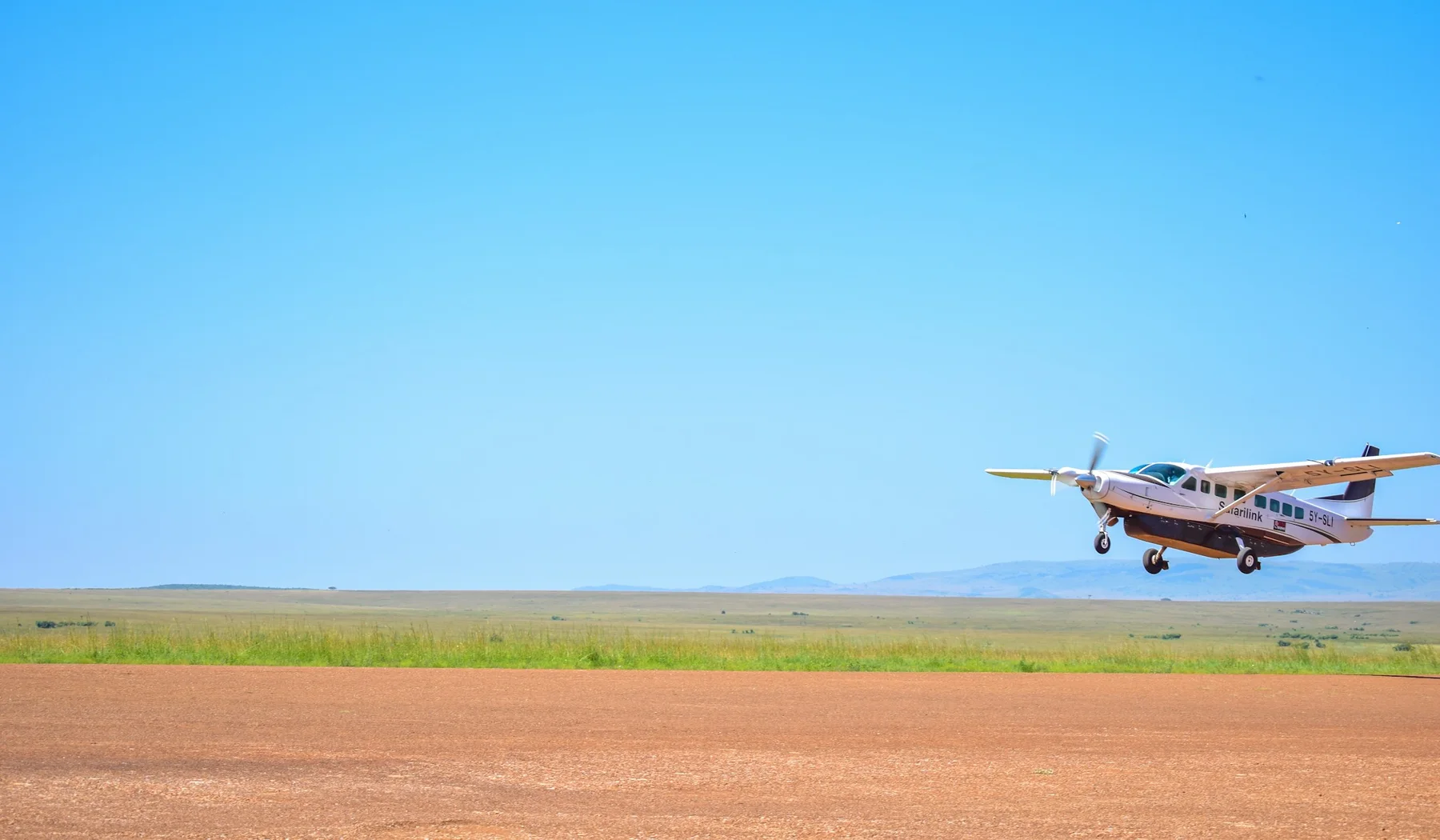
Elewana lists Mara North Airstrip at roughly thirty minutes from camp, and Musiara at about an hour. These are planning estimates, not a guarantee of travel time on a particular day. The landing point matters: a flight that looks similar on a booking screen may create a longer road transfer or an extra cost. The operator also notes that only authorised vehicles may conduct game drives within Mara North, so road arrival and the vehicle used for conservancy activities need coordination.
Scheduled safari flights typically use Nairobi’s Wilson Airport, which is a separate airport from Jomo Kenyatta International. Leave realistic time between an international arrival, immigration, city transfer and Wilson check-in. Use a soft bag that fits the small-aircraft allowance rather than assuming an international airline limit carries over. Our Kenya safari flight baggage guide covers that practical part. If you are driving from Nairobi or linking other parks, compare the whole door-to-door day in our fly-in versus drive-in guide.
Is Elephant Pepper your kind of camp?
Choose it if you want a small, traditional tented base in Mara North and will enjoy the mixture of shared drives, good guiding, walking and unrushed hours under the trees. It works particularly well for a couple who does not require a private pool, or for a family whose children fit the suite layout and activity rules. It is also a thoughtful second Mara stop after a contrasting reserve or river-side stay.
Choose differently if the main dream is a daily river-crossing attempt from a camp very close to a particular crossing, a modern plunge-pool suite, a completely sealed hotel room or a large lodge with many facilities. There is no universally best Mara camp. The most memorable one is usually the one that matches your trip’s pace and geography. For a wider comparison, start with where to stay in the Masai Mara.
Elephant Pepper Camp questions
Is Elephant Pepper Camp in the Masai Mara National Reserve?
No. Elephant Pepper Camp is in Mara North Conservancy, within the greater Mara ecosystem. Entry to the national reserve is a separate part of a visit.
How many rooms does Elephant Pepper Camp have?
The current official room page describes eight safari tents, four doubles and four twins, plus two larger honeymoon or family suites.
Is Little Elephant Pepper Camp the same property?
No. Little Elephant Pepper Camp is a separate newer Elewana property in Mara North with a different suite and private-pool concept. Confirm the exact property name before booking.
Can families stay at Elephant Pepper Camp?
Yes. Standard tents can fit one extra bed for a child under sixteen, and each larger suite has a sitting room that can become a second bedroom for children under sixteen.
Are game drives private?
The game package includes scheduled shared drives in open-sided 4×4 vehicles. An exclusive vehicle must be arranged separately and costs extra.
Can guests take a guided walk?
A shorter guided walk appears in the game package. A longer walk is separately priced. Ask the camp about current minimum ages and the guide’s safety decision.
Does Elephant Pepper Camp offer night drives?
The camp describes pre-dinner drives at dusk and early evening with red-light spotlights in Mara North Conservancy. Activity arrangements depend on conditions.
Is the Mara North conservation fee included?
No. The operator lists conservancy fees separately from the game package. A national reserve visit may also involve its own entry fee.
Which airstrip serves Elephant Pepper Camp?
The operator lists Mara North Airstrip at about thirty minutes and Musiara at about an hour from camp. Confirm the actual landing point and transfer arrangements.
Is a Great Migration river crossing guaranteed?
No. Herd routes and crossings cannot be guaranteed. A reserve excursion can be planned, but Mara North itself is worthwhile for resident wildlife and conservancy activities.
Keep planning the Mara
Plan Elephant Pepper Camp
Tell us when you hope to travel and what you want from the Mara. We can compare the rooms, activities and fee-inclusive route with other camps.