
Porini Cheetah Camp: Six Tents in Ol Kinyei
Porini Cheetah Camp is the kind of place where a good morning is not measured by how many animals you tick off. Six tents, a guide who knows the tracks, and enough room to wait while a cheetah decides what to do next: that is its appeal. It is also a particular kind of camp, with shared drives and safari showers, so it pays to know exactly what you are choosing.

Imagine two vehicles coming upon the same cheetah. In a busy reserve sector, the next few minutes might become a scramble for a clear camera angle. In Ol Kinyei, fewer vehicles are allowed to work a large conservancy. There is often room to stay back and see how the animal reacts to a herd or to the light. That contrast, rather than a guarantee of any cat, is the best reason to consider Porini Cheetah Camp.
The camp is one of Porini’s small bases in the Mara ecosystem. Porini describes six solar-powered tents in Ol Kinyei Conservancy, with guided drives in both Ol Kinyei and neighbouring Naboisho. It is not in the Maasai Mara National Reserve. That matters for where your ordinary game drives happen, what activities are possible and how a reserve excursion is paid for. Our Ol Kinyei guide gives the wider landscape story.
It also matters for expectations. Porini Cheetah Camp is not a high-polish hotel hiding under canvas. There is no reason to sell it as one. A traveller who likes a close-to-nature tent, communal meals and local guiding may feel at home almost immediately. Somebody hoping for a pool, a large spa, uninterrupted Wi-Fi and a private vehicle by default should compare other camps before paying. The excellent safari here is built around time outside, not a catalogue of indoor facilities.
Ol Kinyei is the destination, not a cheaper way into the reserve
Ol Kinyei lies east of the main Mara National Reserve. Porini gives its size as roughly 18,700 acres and says its vehicles have exclusive access. The land is part of a community conservancy model in which tourism supports leases and employment for Maasai landholders and staff. A protected wildlife landscape alongside community use is a more interesting story than simply calling it private. Your fee contributes to keeping land available for animals to move through, while the local people who make the experience possible should be treated as hosts and professionals, not as scenery.
The practical benefit is a quieter drive. Porini describes a limit of one vehicle per 1,400 acres. That figure is a management rule, not an assurance that you will never meet another car at a sighting. Still, it gives guides more space to follow fresh signs and more time with an animal when one is found. Ol Kinyei has open plains, thickets, marshy patches and seasonal streams. A drive can feel very different from hour to hour. In the wet season, grass and weather alter visibility; in dry spells, water and shade become more important.
The Naboisho Conservancy next door adds another driving area to the programme. It has its own rules, roads and mix of habitat. Do not read “access to two conservancies” as a promise to drive every square kilometre of both during a two-night stay. Guides choose routes based on wildlife movement, conditions and the time available. If you have only two nights, the quality of two or three patient drives often matters more than crossing another boundary for its own sake.
| Area | Why it matters | What to understand |
|---|---|---|
| Ol Kinyei Conservancy | The camp’s home range and the core of its quieter drives. | Conservancy rules permit guided walks and night drives with appropriate guides. |
| Naboisho Conservancy | An additional landscape included in Porini’s listed driving programme. | Which drives go there depends on the day, wildlife and guide’s judgment. |
| Maasai Mara National Reserve | A separate, famous reserve with its own fees and longer excursion. | It is not the camp’s daily driving ground; seasonal package terms matter. |
| Mara River crossing areas | Often the priority for migration-focused travellers. | They are not on the doorstep of this eastern conservancy camp. |
Six tents, proper beds and a safari bathroom
Six guest tents are few enough that staff can usually learn your name, but not so few that you should assume exclusive use of a vehicle or dining table. Porini lists king or twin beds, a writing desk, charging points, private veranda and an en-suite bathroom for each tent. The solar setup is helpful for phones and camera batteries. Ask about large electrical items before bringing them, and carry spare batteries if photography is the main reason for the trip. A tent is a place to rest between drives, not an office with guaranteed all-day power and signal.
The bathroom deserves a plain description. The camp fact sheet calls it a safari shower; guest reports describe warm water filled by bucket when requested. There is a flushing toilet, but do not imagine an endless high-pressure shower. Many guests find this entirely comfortable after a dusty drive, especially when staff are attentive. Others mind the difference. It is kinder to a traveller to say it clearly than to hide it beneath “eco-luxury.” Porini’s low-impact design asks for a small adjustment in how you use water.
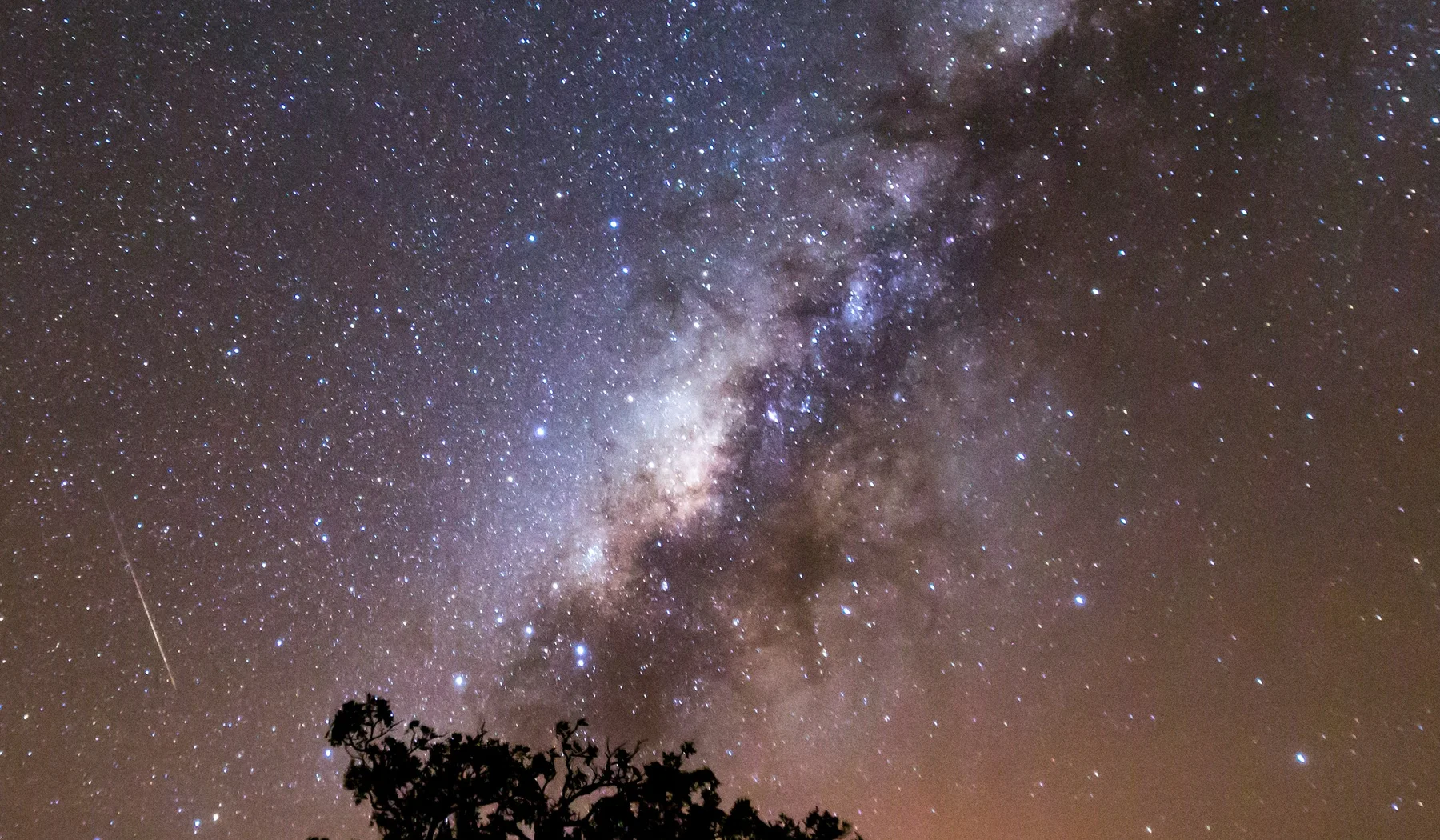
You may hear lions or other animals after dark. That can make a night under canvas wonderful and, for a first-time safari guest, startling. Follow the camp’s escort arrangements after sunset and do not walk off because an animal seems close enough for a photograph. The wildlife is free-ranging; the canvas is not a barrier. Bring a warm layer for early drives and late evenings, plus a small light for moving around your tent. The Kenya safari packing guide covers the practical extras without filling a soft bag with unnecessary gear.
A day is made of pauses, not only drives
A flying arrival normally lands at Ol Seki airstrip. You meet the camp team, transfer in an open safari vehicle and settle into a tent before heading out when the heat softens. That first drive need not chase the whole Mara in an afternoon. It may be better to sit with giraffes at the edge of a thicket, watch the light change across the grass or listen to a guide explain why a set of tracks is fresh. At sundowner time, the social part of camp begins, often followed by dinner around a shared table.
Early morning is cooler, and it is often the most engaging part of the day. A bush breakfast can extend the drive so the route does not have to swing back to camp just when animals become active. There is then time to rest during the warmest hours. Later, another drive can explore different ground. Porini lists both day and night drives, so a return after dark can reveal a very different cast of animals. The point is not to keep guests in the vehicle for every available minute. The breaks make you more alert when you are out.
Guided walking offers an even slower look. The guide’s attention moves from distant mammals to tracks, plants, insects and the shape of the land. Walks are subject to safety, weather and local rules, and the guide decides the route. They are not free roaming with a camera. If a walk is important to you, tell us before travel so the day has room for it. If you are uncomfortable on foot, a camp stay can still be complete without one. A Mara game-drive guide explains how a good drive differs from a checklist race.
A hot air balloon is possible in the wider Mara, but it is an additional activity with an early start, a transfer and an extra cost. It should not be pasted into the programme as though every camp departure works the same way. If you want the balloon, the launch area and transfer time matter more than the sentence “balloon safari available.” We can build that day deliberately, or leave it out and enjoy the ground-level safari. The balloon guide helps weigh the choice.
Cheetahs are a reason to hope, not a booking condition
Ol Kinyei is known for cheetahs, lions and a rich variety of plains game. The eastern Mara also has the Loita wildebeest movement, which is different from the famous Mara River crossings. Porini says herds may arrive around January and calve during February and March, but rainfall and movement never follow a calendar perfectly. If your dream is a crossing at a particular river bend, Porini Cheetah Camp’s location is not the simplest base. If you want time in a quieter conservancy with a chance to follow carnivore behaviour, it is much more compelling.
A sighting becomes memorable through good guiding. A cheetah standing on a termite mound is a photograph. Watching it survey the plain, rest, move and perhaps lose interest in a herd is a story. Local guides and spotters read more than the large animal in front of the vehicle. Bird alarm calls, spoor, wind and other animals’ reactions can shape where the drive goes. Porini says its guides are KPSGA-certified. The qualification is useful, but the stronger test for a guest is whether a guide explains what is happening, gives wildlife space and can change course when the day calls for it.
No one should promise a cheetah because the word appears in the camp’s name. One negative reviewer specifically said they saw no cheetah or leopard during their stay. Others describe exceptional cat sightings. Both can be true. Wildlife moves, and a two-night visit is a small sample. Our Mara cheetah guide helps set realistic expectations about habitat and behaviour. Go to Ol Kinyei ready to enjoy elephants, giraffes, birds and a thoughtful morning even when a cat stays hidden.
What about a day inside the national reserve?
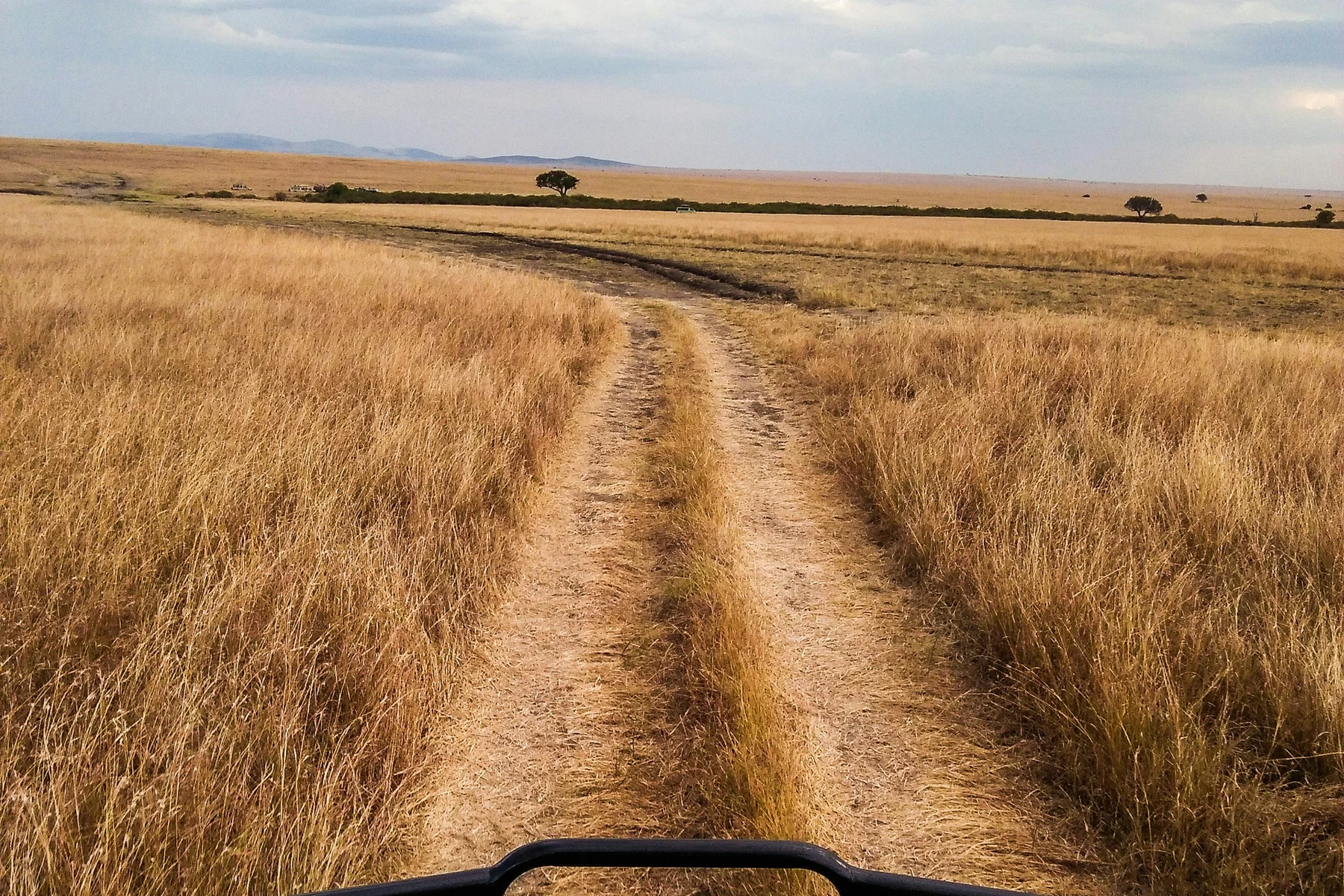
Porini’s displayed two-night flying package names one Maasai Mara National Reserve entrance day as included from 1 July to 30 September only. Its general exclusion list also says national-reserve park fees are excluded. The sensible reading is that the named seasonal inclusion is a specific exception, not a year-round entitlement. We would show the actual date, whether the reserve day is in the itinerary, and its entrance fee in the total. Outside that period, or for a custom arrangement, the fee and excursion cannot be assumed to be included.
Even when a reserve day is available, consider why you want it. If the hope is to see river crossings, the travel from the eastern conservancy and the animals’ unpredictable timing may make a reserve-edge base a better fit for part of the trip. If the aim is to see both the quiet conservancy and the larger reserve landscape, a full day with a picnic can work. Do not let a single reserve day consume a two-night stay if the reason you chose Porini was to experience Ol Kinyei. The river crossings guide explains why no camp can reserve a crossing appointment.
There is also a different migration story here. The Loita plains herds can move into Ol Kinyei in the early part of the year and calve in the eastern ecosystem. A family of wildebeest with a newborn, or a predator watching the edge of the herd, can be just as absorbing as the dramatic river photographs. It is not the same event, and content that conflates the two will lead a traveller to choose the wrong dates or camp. The migration guide gives the broader sequence.
| If your main hope is… | How Porini Cheetah fits | What to add or change |
|---|---|---|
| Low-traffic cat watching | Ol Kinyei and Naboisho make a strong base, without guaranteed sightings. | Give the camp enough nights; consider a private vehicle for photography. |
| Guided walks and a night drive | These are part of the conservancy programme. | Allow time and follow guide and safety restrictions. |
| River crossings | Eastern conservancy is not right beside the crossing points. | Pair with a reserve-side stay or reframe the wildlife goal. |
| A national-reserve day | Possible, with seasonal fee inclusion on the listed package. | State the date, route and entrance fee in the itinerary. |
| Loita calving | Ol Kinyei is on the eastern herd movement route. | Plan around seasonal movement, never a fixed guarantee. |
Dinner is part of the small-camp character
Six tents make communal meals feel natural. You may hear what another vehicle saw, meet travellers at a different point of their safari, and listen to a guide talk about the conservancy. Porini says the camp is sometimes hosted by Jui and Nirmalya Banerjee, avid wildlife enthusiasts. Sometimes is an important word. The atmosphere of the camp should not be sold as a guarantee that a named host will be at your particular dinner. The guides and camp team are the constants of the experience.
Meals and bush picnics are part of Porini’s listed full-board flying package. The operator says Indian cuisine is available if requested in advance. That is useful if you would welcome it, and equally useful to know if you expect a different style of food. Tell the camp about allergies, vegetarian needs and strong preferences well before arrival. A six-tent camp can often respond with care, but it is not a city restaurant where you choose from an extensive menu each evening.
One visitor praised every meal; another loved the Indian dishes but was less impressed by the rest of the food. Neither account should be erased. Dining is subjective, and the chef and menu can change. What seems consistent across reports is a social, generous camp meal rather than a formal private dining production. If a secluded dinner is important for a honeymoon, we can discuss whether it is possible on the dates or whether a different camp suits that part of the trip better.

The praise and the caveats in real guest accounts
David J’s July 2026 Tripadvisor account is useful because it comes from a repeat Porini guest. He liked the open vehicles, knowledgeable local guides, tented accommodation and bush breakfasts. Repeated visits suggest the camp’s particular style works for him, but they do not tell us that every traveller will want the same kind of bathroom or social meal.
In another 2026 review, waystoa called the guides and tents excellent and said the camp was the highlight of the Kenya trip. The same person wrote that the food was a little underwhelming
, while enjoying the Indian dishes. That small criticism is more helpful than a page of perfect adjectives. If meals are central to your holiday, raise your preferences before booking and compare camps on more than wildlife reputation.
Luis, writing after a December 2025 stay, remembered communal meals, comfortable tents and hot-water bottles. His phrase thoughtful and unhurried
described the game drives. Another visitor, Elizabeth O, reported good animal viewing but felt the guiding could have been more engaging and did not see the cheetah or leopard she had hoped for. These first-hand accounts cannot forecast a future guide or wildlife day. Together they make the choice clearer: the setting offers real advantages, while an individual’s experience of food, guiding and sightings can differ.
A family reviewer praised the stay, while another guest described waking to wildlife close to the tents. Those are vivid memories, not amenities you can book. Read reviews for the less glamorous details too: how shared driving felt, whether the tent was quiet enough for sleep, how the warm shower worked and whether the small social setting suited the party. Our where to stay in the Mara guide helps place guest impressions against location and travel style.
What the listed two-night flying package contains
The operator’s current Porini Cheetah page describes a two-night flying package with return Nairobi Wilson to Ol Seki flights, airstrip transfers, full-board meals, selected drinks, bush picnics, daily Ol Kinyei and Naboisho conservancy fees, and shared day and night drives in an open-sided 4×4 with a qualified guide. Sundowners, guided walks, emergency medical evacuation cover and a Wildlife Habitat Trust contribution are also listed. The one national-reserve entrance day applies only during the named July to September period. This is a useful way to understand the package, not a blanket promise about every custom route.
The private vehicle, hot air balloon, gratuities, international flights, visa, travel insurance and personal spending sit outside the standard inclusion list. A shared game drive is not an inferior safari by default: you may meet interesting fellow guests and have an excellent guide. A private vehicle is worth considering if your party has young people who need a different rhythm, if you work seriously with photography, or if you want to spend a long time at a single sighting without negotiating with others. The supplement should be part of the trip cost, not revealed after you have fallen in love with a private-safari image.
Think about cost as a complete journey. A flying package can save road time, but the international arrival at Jomo Kenyatta and departure from Wilson Airport need a realistic connection. Extra nights, a reserve excursion outside the included season and a second camp change the total. The Mara safari cost guide shows how fees and transport change a quote. We can give you a clear price for the dates, party and itinerary you actually want, rather than rely on a rate that belongs to another season or package.
| Part of a Porini Cheetah stay | Listed position | What changes the total |
|---|---|---|
| Wilson to Ol Seki flying | Included in displayed two-night flying package. | Different arrival routing or road itinerary. |
| Ol Kinyei and Naboisho fees | Included daily on that package. | Extra night, altered conservancy programme. |
| Day and night drives | Shared open-sided vehicle. | Exclusive vehicle supplement. |
| Reserve entrance day | One day included only 1 July to 30 September. | Other dates, more reserve days or custom booking. |
| Meals and selected drinks | Full board and named drinks included. | Dietary needs, any unlisted premium drink. |
| Balloon and tips | Not included in standard package. | Optional activities and personal choices. |
Who will love it, and who may want another camp?
Porini’s camp fact sheet says children older than eight are welcome. That gives a family with older children a wonderful opportunity to learn tracks, watch animal behaviour and hear local guiding first-hand. It does not mean every tent has the same family layout or that a young child can safely wander around camp. State the children’s ages before flights or another lodge are fixed, and ask how tents, escorts and the game-vehicle arrangement will work. For children younger than the stated minimum, select a different base instead of assuming an exception.
The camp suits couples, solo travellers and small groups who value low-density wildlife days, a sociable dinner and an uncomplicated tent. It may especially suit someone who has already experienced a busy reserve drive and wants to understand another side of the Mara. A first-time safari visitor can also love it, as long as they know what a safari shower is and why the reserve is a separate excursion. We would usually give it more than a single night. Arrival and departure can otherwise consume most of the visit.
Choose differently if your primary dream is to be beside the Mara River crossings, if a private vehicle is non-negotiable but outside budget, or if hotel-level facilities matter more than conservancy access. A large lodge in the reserve can be the right choice for one traveller; a six-tent conservancy camp can be right for another. The Mara lodging directory is there for exactly this comparison. Porini Mara Camp is another separate Porini property in Ol Kinyei; do not confuse the two names when comparing a quote or review.
Fly in, settle in, then stay long enough
Porini says guests typically fly from Wilson Airport in Nairobi to Ol Seki airstrip. The listed package includes return flights and airstrip transfers. A traveller landing internationally at Jomo Kenyatta should leave plenty of room to change airports; the two airports are not the same place. Depending on flight arrival, traffic and the safari-airline schedule, a Nairobi night may make the beginning more relaxed. If you are coming from another Mara camp, a ground transfer may be possible, but the distance and route should be treated as part of the safari day.
Two nights give you a taste of Ol Kinyei. Three or more let the camp’s rhythm settle, particularly if you want a walk, night drive and a separate national-reserve day. Adding a balloon or moving to a second conservancy makes the case for more time still stronger. There is no prize for visiting five camps in five nights. On a safari, time spent not changing rooms is often what lets a guide know what you enjoy and follow an unfolding wildlife story.
The camp’s fact sheet mentions a closure of about a month during the rainy season, with precise dates to check. The long rains do not erase the Mara’s interest, but a closed camp cannot be inserted into an otherwise open itinerary. Weather also influences flight and road conditions. Our Mara seasons guide explains the trade-offs without claiming any month owns the wildlife.
The most honest reason to choose Porini Cheetah Camp is that it lets you be a guest in Ol Kinyei for several days. The cheetah may come into view or may not. The quieter drives, good local interpretation and the chance to give a sighting time are what you can actually plan for. If that sounds like the safari you want, the rest of the itinerary can be built around it.
Porini Cheetah Camp questions
Where exactly is Porini Cheetah Camp?
It is in Ol Kinyei Conservancy in the eastern Maasai Mara ecosystem, not inside the Maasai Mara National Reserve.
How many tents are there?
The camp has six solar-powered guest tents, with king or twin beds, en-suite safari bathrooms, a writing desk, charging and a veranda.
Does the camp guarantee cheetah sightings?
No. Ol Kinyei is cheetah habitat, but sightings of any species depend on wildlife movement, conditions and time in the field.
Can guests drive in Naboisho?
The Porini Cheetah Camp programme lists guided drives in neighbouring Naboisho as well as Ol Kinyei, with both conservancy fees included in its displayed two-night flying package.
Is a day in the Maasai Mara National Reserve included?
The displayed two-night flying package includes one reserve entrance day only for travel from July 1 to September 30. Outside those dates, or on another booking type, confirm the excursion and entrance fee separately.
Are the game drives private?
The standard package lists shared day and night drives in an open-sided safari vehicle. A private vehicle is an optional extra.
Can children stay at Porini Cheetah Camp?
The operator’s camp fact sheet welcomes children older than eight. Check the exact age rule and tent arrangement before booking family flights.
How do you reach the camp?
The flying package uses a scheduled flight from Nairobi’s Wilson Airport to Ol Seki airstrip, followed by a camp transfer. A road-based itinerary needs separate timing and transfer arrangements.
Is the camp open all year?
The camp fact sheet says it usually closes for about a month in the rainy season. Ask for the exact dates for your intended visit.
Does the camp have a conventional shower?
The en-suite tents have a safari shower, described by guests as bucket-fed warm water. It is not a continuous-flow hotel shower.
Is Indian food available?
The operator says Indian cuisine can be prepared if requested in advance. It should not be assumed to be the default menu on every stay.
Can this camp be combined with another Mara area?
Yes. A route can pair Ol Kinyei with a reserve-side or another conservancy camp, depending on whether your priority is quiet guiding, river crossings, different habitat or more nights in one place.
Explore the Mara around Ol Kinyei
Plan Porini Cheetah Camp
Tell us your dates, party ages, wildlife interests and whether you would prefer shared or private drives. We will shape the right Ol Kinyei stay around those details.