
Amboseli Safari Cost: Park Fees, Lodges, Transport and Worked Budgets
A two-night safari is not two room nights with elephants added. It is a vehicle leaving Nairobi, a driver-guide’s time, fuel, park access, meals, a gate plan and a bed whose location changes the next morning. Once those pieces are visible, the price begins to make sense.
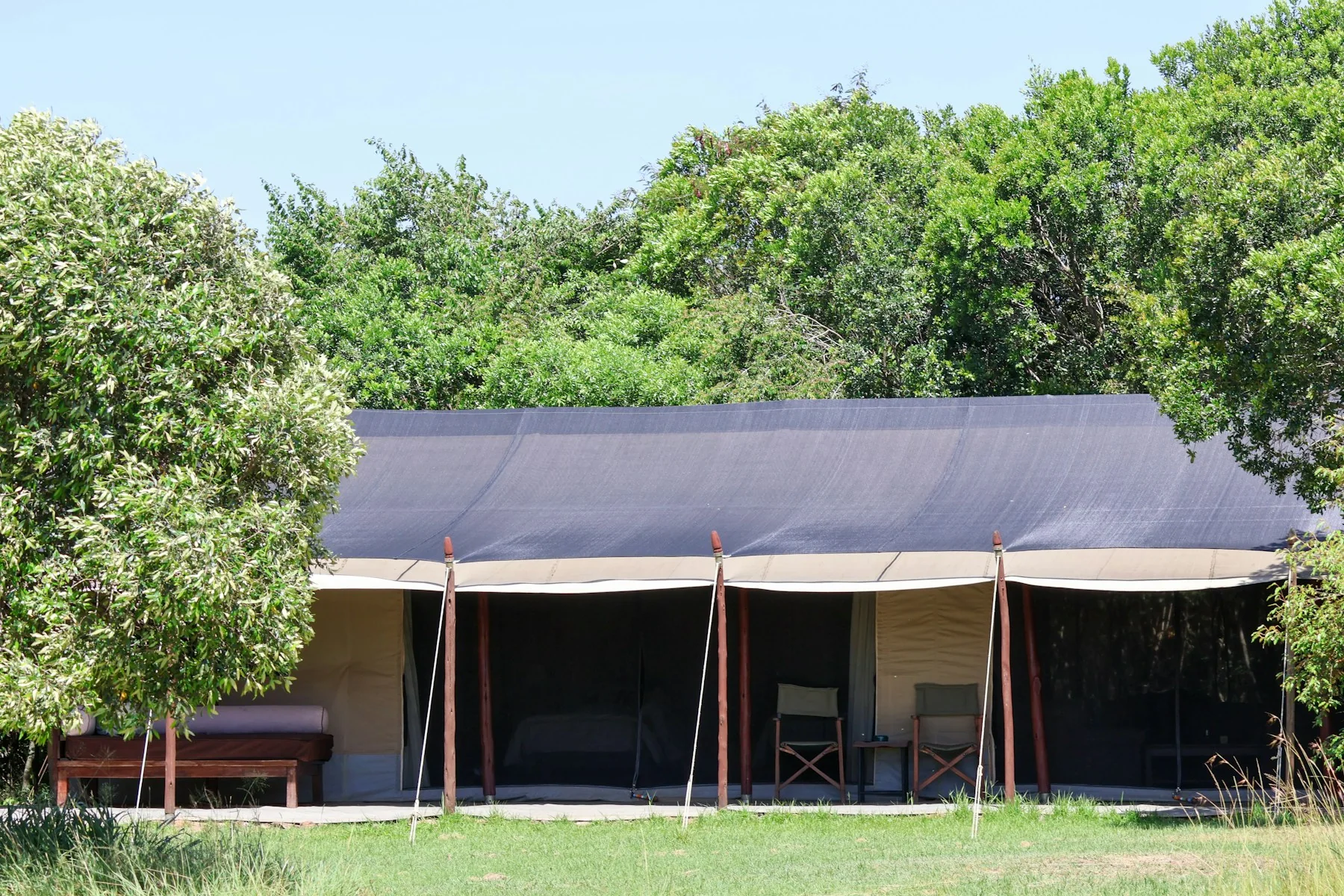
Amboseli safari cost for a private two-night road trip commonly falls into broad planning bands of about USD 600 to 1,000 per person for simple camping or budget arrangements, USD 1,000 to 1,800 for solid mid-range accommodation and USD 1,800 to 3,500 or more for luxury or fly-in travel, usually based on two adults sharing. Dates, group size, lodge and inclusions can move the total far outside these bands.
- Amboseli safari cost by travel style
- What an Amboseli quotation should contain
- Current KWS visitor and vehicle fees
- Two adults, families and mixed groups
- Private road safari economics
- Fly-in cost and the hours it can buy
- Budget camps, mid-range lodges and luxury properties
- Peak, shoulder and green-season pricing
- Solo travellers, children and groups
- Drinks, laundry, tips, visas and insurance
- Where to save and where not to cut
- A clear way to compare safari options
- The final Amboseli budget method
- Traveller opinions
- FAQs
Amboseli safari cost by travel style
For a private two-night journey from Nairobi, two adults sharing might begin around USD 600 to 1,000 per person with simple camping or budget accommodation, around USD 1,000 to 1,800 in a dependable mid-range camp or lodge, and around USD 1,800 to 3,500 or more with luxury rooms, flights or highly private arrangements. These are planning bands, not fixed tariffs.
Peak dates, a solo traveller, premium room category, three fee periods, private conservancy activities or a late-booked flight can raise the figure. A family or group sharing one road vehicle can reduce the per-person transport cost. Always rebuild the total for the actual dates.
| Two-night style | Broad planning band per person sharing | Usually changes the band |
|---|---|---|
| Simple or budget road safari | USD 600 to 1,000 | Camping level, group size and fees |
| Mid-range private road safari | USD 1,000 to 1,800 | Lodge, season and vehicle |
| Luxury road safari | USD 1,800 to 3,000+ | Room, drinks and private experiences |
| Luxury fly-in safari | USD 2,200 to 3,500+ | Flights, transfers and premium lodge |
What an Amboseli quotation should contain
Accommodation is only the beginning. Add visitor park fees, vehicle entry, the private or shared game-drive vehicle, driver-guide, fuel, Nairobi or airstrip transfers, meals and drinks. Then add activities, conservancy access, laundry, tips, insurance and payment charges when they genuinely apply.
A package can be excellent value because it coordinates these lines. It can also hide differences. “Full board” normally describes meals, not necessarily drinks, park access or private guiding. “All-inclusive” must still be defined by the property and itinerary.
| Cost line | Question to answer |
|---|---|
| Accommodation | Exact property, room and meal basis? |
| Park and conservancy fees | How many entries or periods and which categories? |
| Vehicle and guide | Private throughout or shared at camp? |
| Transfers | Nairobi, Wilson, airstrip and gate included? |
| Meals and drinks | Which drinks and travel-day meals? |
| Activities | Game drives, walks or cultural visits included? |
| Taxes and payment | Any card, bank or platform charges? |
Current KWS visitor and vehicle fees
Amboseli is a KWS premium park. The current fee is USD 90 for a non-resident adult and USD 45 for a non-resident child. African citizen rates are USD 50 and USD 25. Kenya residents pay KES 2,025 and KES 1,050, while East African citizens pay KES 1,500 and KES 750. Eligibility requires the correct evidence. The separate Amboseli entry-fees guide explains the categories, evidence and fee-period rules in detail.
A normal vehicle with fewer than six seats is listed at KES 600 per day, with higher bands for larger vehicles. KWS defines a daily fee as single access valid for no more than twenty-four hours. Lodge position, exit, re-entry and arrival time can therefore change the calculation.
| Visitor category | Adult | Child or student |
|---|---|---|
| East African citizen | KES 1,500 | KES 750 |
| Kenya resident | KES 2,025 | KES 1,050 |
| African citizen | USD 50 | USD 25 |
| Non-resident | USD 90 | USD 45 |
Two adults, families and mixed groups
Two non-resident adults pay USD 180 in visitor fees for one access period, plus the vehicle charge. Two adults with two qualifying children pay USD 270. Across two periods, those visitor totals become USD 360 and USD 540 if each period applies. Keep the shilling vehicle fee separate from the dollar calculation.
Mixed residency groups should be calculated person by person. Children aged five through under eighteen use the KWS child definition; those five and under are listed among exemptions. Lodge child policies may use different ages, so the room and park calculations should not be merged.
| Group | One visitor-fee period | Two fee periods |
|---|---|---|
| 2 non-resident adults | USD 180 | USD 360 |
| 2 adults + 1 child | USD 225 | USD 450 |
| 2 adults + 2 children | USD 270 | USD 540 |
| 1 solo adult | USD 90 | USD 180 |
Private road safari economics
A safari Land Cruiser involves driver-guide time, fuel, maintenance, permits, insurance and empty positioning as well as the visible kilometres. Two people split that cost in half; four or five split it further. This is why a private family trip can approach group-tour pricing without surrendering pace.
Confirm seating rather than the legal maximum alone. Six passengers plus luggage and camera equipment can feel crowded. A lower per-person number loses value if someone spends every drive in a middle seat. The same vehicle can become more efficient when the route continues from Amboseli to Tsavo instead of returning empty to Nairobi.

Fly-in cost and the hours it can buy
Scheduled safari flights leave Wilson Airport and require a transfer from JKIA or a Nairobi hotel, check-in time and strict baggage planning. At the Amboseli end, an airstrip transfer and camp game-drive vehicle are needed. Some lodge rates include these; others do not.
A flight can turn a transfer-heavy day into an afternoon game drive. For a two-night honeymoon or older traveller, that may be worth more than the fare difference. For four family members with luggage continuing to Tsavo, the private road vehicle may remain the better value. Compare the full day with our Nairobi to Amboseli road and flight guide.
Budget camps, mid-range lodges and luxury properties
Budget choices prioritise a clean bed, meals and access over private pools or elaborate design. Mid-range properties often balance reliable rooms, family facilities, views and good logistics. Luxury prices can reflect space, service ratio, drinks, private dining, design, spa, conservancy land and highly personalised guiding.
Location matters as much as category. An inside-park lodge may protect dawn and reduce gate movements. An outside property may offer mountain views, privacy or a lower room rate. A conservancy camp may include activities unavailable in the national park. Price the exact experience rather than assigning quality from the word “lodge” or “camp.” Our Amboseli accommodation guide compares named properties by position and style.
Peak, shoulder and green-season pricing
July through September, festive holidays and other high-demand dates often bring higher lodge rates, minimum stays and reduced room choice. January and February can also be popular. Green and shoulder periods may provide promotions, fewer vehicles or an extra night within the same room budget.
Official park fees do not necessarily fall with the room rate. Rain can slow roads, and some camps close for maintenance. A cheap date is poor value if the preferred property is unavailable or the vehicle is unsuitable. Choose the seasonal experience first, then use its price intelligently. The month-by-month Amboseli guide makes those weather and wildlife trade-offs visible.

Solo travellers, children and groups
A solo traveller may pay a single-room supplement and carry the full private vehicle. Joining a genuine small group or using shared lodge drives can reduce cost, but the itinerary, vehicle seat and waiting time become collective decisions. A fly-in lodge stay may compare well when road-vehicle cost is not shared.
Families benefit from child room rates, but park, flight and activity ages differ. Ask about family rooms, triple occupancy, car seats and whether young children can join every drive. Groups should compare an additional vehicle before squeezing equipment and people into one car.
Drinks, laundry, tips, visas and insurance
Premium drinks, laundry, spa treatments, private bush meals, balloon flights, community activities and additional conservancy access may sit outside the main rate. International flights, Kenya entry authorisation, travel insurance and vaccinations belong to the holiday budget even when they are not safari-land costs.
Tips should be voluntary and appropriate to service, but travellers often want a guide before arrival. Payment by card or international transfer may add charges. Keep an emergency buffer and never send money to a changed beneficiary without verifying it through a known contact.
Where to save and where not to cut
Travel in a suitable shoulder season, share a private vehicle with your own group, choose two well-positioned nights and connect to Tsavo by road. Select a comfortable standard room rather than paying for a view the game drive already provides. Book early enough to keep genuine choice.
Do not remove park fees from the mental budget, shorten the trip into a Nairobi day return or accept an unsuitable vehicle. Do not sacrifice a licensed, experienced guide for decorative lodge upgrades. The guide and useful dawns have more influence on the safari than a larger bathtub.
A clear way to compare safari options
Use the same dates, travellers, room, fee periods and transport mode. Then note private or shared vehicle, property location, drinks, activities and cancellation terms. Convert currencies using one dated rate, while keeping official KWS figures visible in their stated currency.
The better option is the one that uses paid days well. A slightly higher total may include the third night, private vehicle and inside-park dawn that create the trip. A lower total may be excellent when it uses a simple camp and skilled guide. Price is meaningful only beside the experience it buys.
The final Amboseli budget method
Choose the number of nights and road or flight route. Select a real property and room. Count visitor categories and fee periods. Add the vehicle and guide, transfers, meals, drinks and chosen activities. Add personal extras, insurance and a contingency.
That calculation can be updated when rates change without rewriting the safari. It also shows where a genuine saving exists. The goal is not the lowest Amboseli safari cost. It is a total you understand for a journey that still leaves time to watch elephants under an open sky.
What travellers say after the trip
These are exact words from public reviews and discussions. Each person had their own route, budget and expectations, so the value is in the detail rather than treating one experience as a promise.
There’s a difference of about $500 ($3900 through agent and $3400 directly).
A traveller comparing arrangements for a two-night Amboseli visit and discovering that the inclusions needed closer examination.
Also, double check if the park entry fees are included or not, since that is a substantial cost too.
Advice in a Kenya safari pricing discussion where similar headline totals contained different components.
We (2 pax) were in Kenya in October 25 and initially looked at 1 day safaries, they were about $200 per person.
A traveller explaining why a low day-trip figure changed once excluded items were added.
Amboseli safari cost questions
How much does an Amboseli safari cost?
For two adults sharing, broad two-night planning bands are about USD 600 to 1,000 per person for simple arrangements, USD 1,000 to 1,800 mid-range and USD 1,800 to 3,500 or more for luxury or fly-in travel.
How much is the Amboseli park fee?
The current KWS schedule lists USD 90 per non-resident adult and USD 45 per non-resident child, with different rates for African citizens, East African citizens and Kenya residents.
Is driving cheaper than flying?
Driving often costs less per person for a group sharing one private vehicle. Flying may deliver better value on a short trip by protecting safari hours.
Why does group size change the price?
A private vehicle, guide and fuel are shared across the passengers. Solo and two-person trips carry more of that fixed cost per person.
Are park fees included in safari prices?
Sometimes. The written inclusions should state each visitor fee period, vehicle fee and conservancy charge rather than using the word all-inclusive alone.
Does a child pay less?
KWS child rates apply from age five to under eighteen under the current definitions. Lodges and airlines use their own child policies.
Is an outside-park lodge cheaper?
The room may be, but extra gate crossings, transfers and lost dawn time can change the total value.
What makes a luxury Amboseli safari expensive?
Premium rooms, private vehicle, flights, high season, drinks, special meals, private activities and exclusive conservancy access can all contribute.
How can I reduce the cost without harming the trip?
Travel in a suitable shoulder season, share a private vehicle with your own group, use two well-positioned nights and connect Amboseli with Tsavo by road.
Should I pay in USD or Kenyan shillings?
Different components use different currencies. Keep official fees in their stated currency and check the payment arrangement and exchange basis before paying.
Sources and further reading
Official park, heritage, tourism, aviation and regulatory sources support the practical details in this guide.
Make every cost line earn its place
Send your dates, people and preferred comfort. We will return a clear Amboseli plan showing accommodation, vehicle, fees and transfers together, with no important wildlife hour hidden.
Calculate your Amboseli safari
Tell us traveller ages and residency, dates, room style, road or flight preference and the rest of your Kenya route.