
Amboseli Entry Fees Explained: What You Pay and How to Budget
The first elephant may be standing in Enkongo Narok swamp, but the first surprise often arrives before the gate. Park fees are charged by visitor category, children have their own rules, the safari vehicle attracts a separate daily charge and a stay can cross more than one fee period.
Amboseli entry fees are set by Kenya Wildlife Service. Under the current conservation-fee schedule, a non-resident adult pays USD 90 and a non-resident child pays USD 45 for Amboseli. Different rates apply to African citizens, East African citizens and Kenya residents, while vehicles carry a separate daily charge.
- Amboseli entry fees by visitor category
- Citizen, resident, African citizen or non-resident?
- Single access, exits and the shape of the itinerary
- Daily vehicle fees by seating capacity
- What the park line looks like for common groups
- Children, students and exemptions
- Inside the park, outside the gate and private conservancies
- Combined Amboseli and Tsavo park fees
- Payment, identification and gate preparation
- How to compare two Amboseli safari quotations
- Why fees become a surprise
- Calculate Amboseli in six lines
- Traveller opinions
- FAQs
Amboseli entry fees by visitor category
Amboseli is in the Kenya Wildlife Service premium-park category with Lake Nakuru. The current conservation-fee schedule separates East African citizens, Kenya residents, African citizens and non-residents. A passport, national identity card, valid work permit or other accepted document is not a minor formality. It determines the rate at the gate.
The table below shows the current base visitor fees for one daily access period. It does not include accommodation, transport, guide services, the safari vehicle charge, flights, community activities or a payment-platform charge that may apply. Rates can be revised, so the official KWS schedule for the travel dates remains the deciding source.
| Visitor category | Adult | Child or student |
|---|---|---|
| East African citizen | KES 1,500 | KES 750 |
| Kenya resident | KES 2,025 | KES 1,050 |
| African citizen | USD 50 | USD 25 |
| Non-resident | USD 90 | USD 45 |
Citizen, resident, African citizen or non-resident?
East African citizen rates apply to eligible citizens of the East African Community under the current KWS rules. Kenya residents need valid residence evidence. African citizens and other non-residents pay the listed dollar categories. A traveller who lives abroad but holds an eligible East African passport should not be described only by the country of departure.
Send clear traveller categories before the safari is priced, then carry the original or accepted digital identification requested by KWS. Mixed groups are normal. A Kenyan parent, resident spouse and non-resident children may fall into different rows. The quotation should calculate each person, not multiply one category across the vehicle.
| Traveller detail | Why it matters | Prepare |
|---|---|---|
| Nationality | May determine citizen category | Passport or national ID |
| Kenya residence | May qualify for resident rate | Valid accepted permit or proof |
| Age | Determines adult or child treatment | Passport showing date of birth |
| Student claim | Has specific eligibility requirements | Required institutional evidence |
Single access, exits and the shape of the itinerary
KWS describes a daily fee as single access valid for no more than twenty-four hours. Single access matters. A lodge outside the boundary can require an exit after the afternoon drive and another entry the next morning. A lodge inside the park may keep the guest within the protected area between drives. The correct calculation comes from actual gate movements, not simply counting hotel nights.
Imagine an arrival at 2:00 pm, an inside-park night and departure before 2:00 pm the next day. That may fit within one twenty-four-hour access period, subject to the gate record and itinerary. Add a second night and the trip crosses another period. Leave the park for an outside activity and return, and single-access rules may change the calculation. The operator should design the route first, then count chargeable entries.
Daily vehicle fees by seating capacity
Every safari vehicle entering Amboseli attracts a separate daily charge. For a normal private Land Cruiser with fewer than six seats in the relevant KWS category, the listed charge is KES 600. Larger vehicles move through higher bands. The fee belongs in the trip total even when it looks small beside international visitor charges.
Capacity is not the same as the number of passengers sitting inside that day. A vehicle built or licensed for a larger seating band may be charged in that band. Confirm the vehicle class when pricing a school, conference, extended-family or group safari.
| Vehicle seating capacity | Current daily charge |
|---|---|
| Fewer than 6 seats | KES 600 |
| 6 to 12 seats | KES 1,500 |
| 13 to 24 seats | KES 3,000 |
| 25 to 44 seats | KES 4,500 |
| 45 seats and above | KES 5,000 |
What the park line looks like for common groups
For two non-resident adults entering once, the base visitor fee is USD 180, plus the vehicle charge in Kenyan shillings. Two adults and two children in the same category pay USD 270 in visitor fees. A Kenya-resident couple pays KES 4,050, while two East African citizen adults pay KES 3,000. These examples cover one access period only.
A two-night itinerary may require two or more fee periods depending on entry time, exit, re-entry and accommodation position. Multiply only after mapping each gate movement. Keep currencies separate instead of hiding a conversion rate that may move before travel.
| Group for one access period | Visitor fees | Also add |
|---|---|---|
| 2 non-resident adults | USD 180 | Vehicle charge |
| 2 non-resident adults + 2 children | USD 270 | Vehicle charge |
| 2 African citizen adults | USD 100 | Vehicle charge |
| 2 Kenya resident adults | KES 4,050 | Vehicle charge |
| 2 East African citizen adults | KES 3,000 | Vehicle charge |

Children, students and exemptions
The KWS fee schedule defines a child as five years old through under eighteen, while the KWS payment page states that entry is free below six. In practice, the paid child band begins at six and ends before the eighteenth birthday. A traveller who turns eighteen before the safari moves into the adult category, even if the trip was first discussed months earlier. Put dates of birth in the booking record.
Student rates are not a general discount for every university-age traveller. Eligibility and documentation follow KWS definitions and approval requirements. Kenyan citizens aged seventy and above and persons with disabilities are among listed exemptions, subject to the required proof. Do not promise an exemption from an informal description. Confirm the evidence needed before reaching the gate.
Inside the park, outside the gate and private conservancies
An inside-park lodge can preserve dawn and late-afternoon access while reducing repeated gate crossings. The room may cost more, but extra transfers, entries and lost wildlife time can outweigh a lower nightly rate. An outside lodge can offer excellent views, privacy or value when its location and gate plan suit the itinerary.
Private conservancies and community land around Amboseli have their own access arrangements, activities and fees. A conservancy stay is not automatically an Amboseli National Park entry, and a park visit may still require KWS charges. Name the exact property, land and gates. The word “Amboseli” covers a wider ecosystem than the national park boundary.
Combined Amboseli and Tsavo park fees
The current KWS schedule includes a Tsavo West and Amboseli combination, as well as a Tsavo East, Tsavo West and Amboseli combination. For non-residents, the listed adult and child rates are USD 150 and USD 80 for Tsavo West plus Amboseli, and USD 215 and USD 115 for the three-park combination. Other visitor categories have their own shilling or dollar rates.
A combination is useful only when the route qualifies under KWS conditions. It should not be added simply because the names appear on an itinerary. Amboseli to Tsavo West, then Tsavo East and the coast can form a natural road journey. Returning to Nairobi between each park may alter both the experience and eligibility.
| Current KWS combination | EA citizen adult / child | Kenya resident adult / child | African citizen adult / child | Non-resident adult / child |
|---|---|---|---|---|
| Tsavo West + Amboseli | KES 2,200 / 1,100 | KES 2,900 / 1,550 | USD 80 / 45 | USD 150 / 80 |
| Tsavo East + Tsavo West + Amboseli | KES 3,000 / 1,500 | KES 4,000 / 2,150 | USD 115 / 60 | USD 215 / 115 |
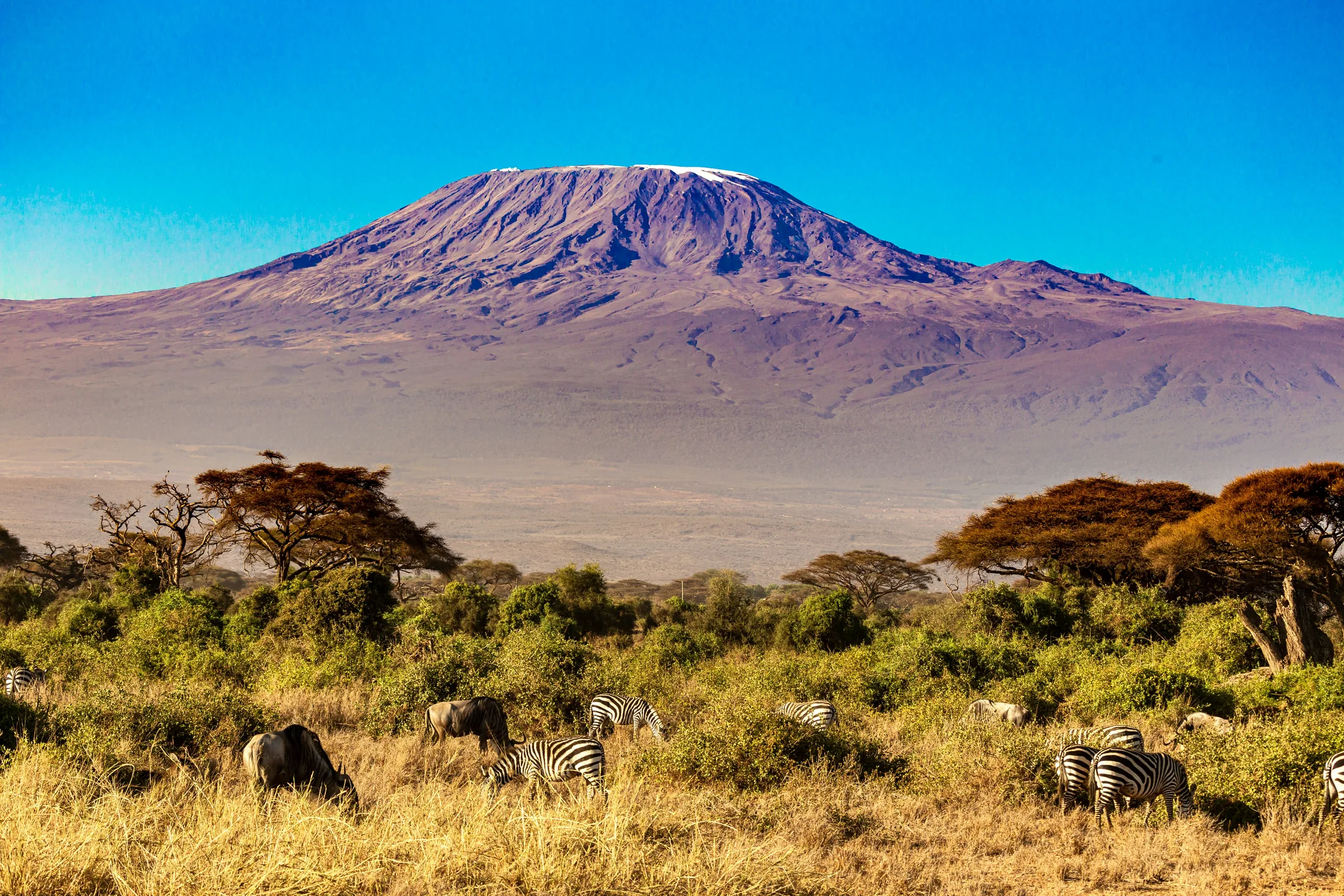
The five parts of an Amboseli park-fee total
Do not multiply the adult rate by the number of hotel nights and stop there. The total follows the people, their categories, the access periods, the vehicle and any eligible park combination.
Payment, identification and gate preparation
KWS has moved park payments into cashless systems. The exact portal, card acceptance and account arrangement can change, so confirm the current method with KWS or the safari planner before departure. Carry the documents used to set every traveller category and make sure names match the booking. Weak signal at a remote gate is a poor time to begin searching an inbox.
If the operator pays fees, ask for the itinerary to state that they are included. If travellers pay directly, know the currency, amount, accepted method and who will guide the transaction. Allow for possible banking or platform charges without presenting an old percentage as permanent. KWS parks are single-use-plastic-free zones, so bring a refillable bottle rather than disposable water bottles.
How to compare two Amboseli safari quotations
Start with the same dates, people and room type. Then find park fees, vehicle fees, guide, fuel, accommodation, meals, drinks, transfers, flights and activities. One quote may include two KWS periods while another lists none. One may use a private vehicle while another prices shared drives from the lodge. Those are different safaris, not simply different mark-ups.
The park fee can be substantial, but it buys access rather than quality on its own. A well-timed entry, experienced guide, suitable vehicle and enough days determine what happens after the gate opens. The useful question is not “Can the park fee be removed?” It is “Does this itinerary use each paid period well?”
Why fees become a surprise
Traveller discussions repeatedly return to the same problem: park charges are forgotten while rooms and flights dominate early planning. That mistake is most painful for families and multi-park routes, where daily fees multiply across people and protected areas. A low lodge rate can still produce a high total once access is added.
The answer is not to avoid protected areas. It is to price them honestly and spend the time well. A long drive that reaches the gate near closing wastes part of the experience even if the fee itself is calculated correctly. Two unhurried mornings can feel better value than collecting three park names through a windscreen.
Calculate Amboseli in six lines
List each traveller and category. Map every park entry, exit and overnight position. Apply the official visitor fee to each chargeable access period. Add the correct vehicle band. Add lodge, meals, guiding and transport. Finally, include flights, conservancy activities and payment charges that genuinely apply. Keep the KWS source beside the calculation.
This method also makes future fee changes easier. The itinerary stays intact while one official rate line is replaced. It prevents an old blog figure from becoming the foundation of a new booking, and it lets travellers decide whether an extra night, inside-park room or combined Tsavo route creates the better experience.
What travellers say after the trip
These are exact words from public reviews and discussions. Each person had their own route, budget and expectations, so the value is in the detail rather than treating one experience as a promise.
National park entry fees get overlooked, even though they can have a big impact on your budget.
A Kenya safari traveller describing the budget line that is easiest to miss when comparing itineraries.
Will I need to pay park fees for two days or three days?
A traveller planning Amboseli voicing the exact confusion caused by nights, entry times and the 24-hour rule.
Amboseli and Lake Nakuru is strictly to be paid by card/online.
A traveller asking how to prepare for Kenya’s cashless park-payment system before reaching the gate.
Amboseli entry fee questions
How much are Amboseli entry fees for non-residents?
The current KWS schedule lists USD 90 per non-resident adult and USD 45 per non-resident child for Amboseli.
How much do African citizens pay?
The current schedule lists USD 50 per African-citizen adult and USD 25 per child for Amboseli.
How much do Kenya residents pay?
The current schedule lists KES 2,025 per resident adult and KES 1,050 per resident child. Carry accepted proof of residency.
What is the East African citizen rate?
The current schedule lists KES 1,500 per East African citizen adult and KES 750 per child.
Who counts as a child for KWS fees?
The KWS schedule defines children as five to under eighteen, while its payment page states that entry is free below six. The paid child band therefore begins at age six.
Is the safari vehicle included in the visitor fee?
No. KWS lists separate daily vehicle charges based on seating capacity.
Does one park fee cover a full calendar day?
KWS defines its daily fee as single access valid for no more than twenty-four hours. The itinerary must also account for exits and re-entry.
Can I pay cash at the Amboseli gate?
KWS parks operate with digital payment arrangements. Confirm the current payment method before travel and carry the required identification rather than relying on cash.
Is there a combined Amboseli and Tsavo fee?
The current KWS schedule lists combination rates for Tsavo West with Amboseli and for Tsavo East, Tsavo West and Amboseli. Eligibility depends on the actual route and rules.
Are park fees included in a safari package?
They may be included or excluded. The itinerary should state the exact fee periods, visitor categories and vehicle charges covered.
Sources and further reading
Official park, heritage, tourism, aviation and regulatory sources support the practical details in this guide.
Build the safari around the real total
Tell us who is travelling, where each person is resident and the route you want. We will prepare an Amboseli plan with the fee periods, vehicle and lodge shown clearly.
Price your Amboseli safari
Share traveller ages, residency, dates, accommodation level and the parks you want to combine.