
Amboseli Maasai Village Visits: How to Choose a Respectful Cultural Experience
A fire is being coaxed into life, cattle are returning through dust and somebody has already asked whether you take sugar in your tea. That can become a real conversation. It can also become a forty-minute performance built around a souvenir queue. The difference lies in who designed the visit and where the money goes.
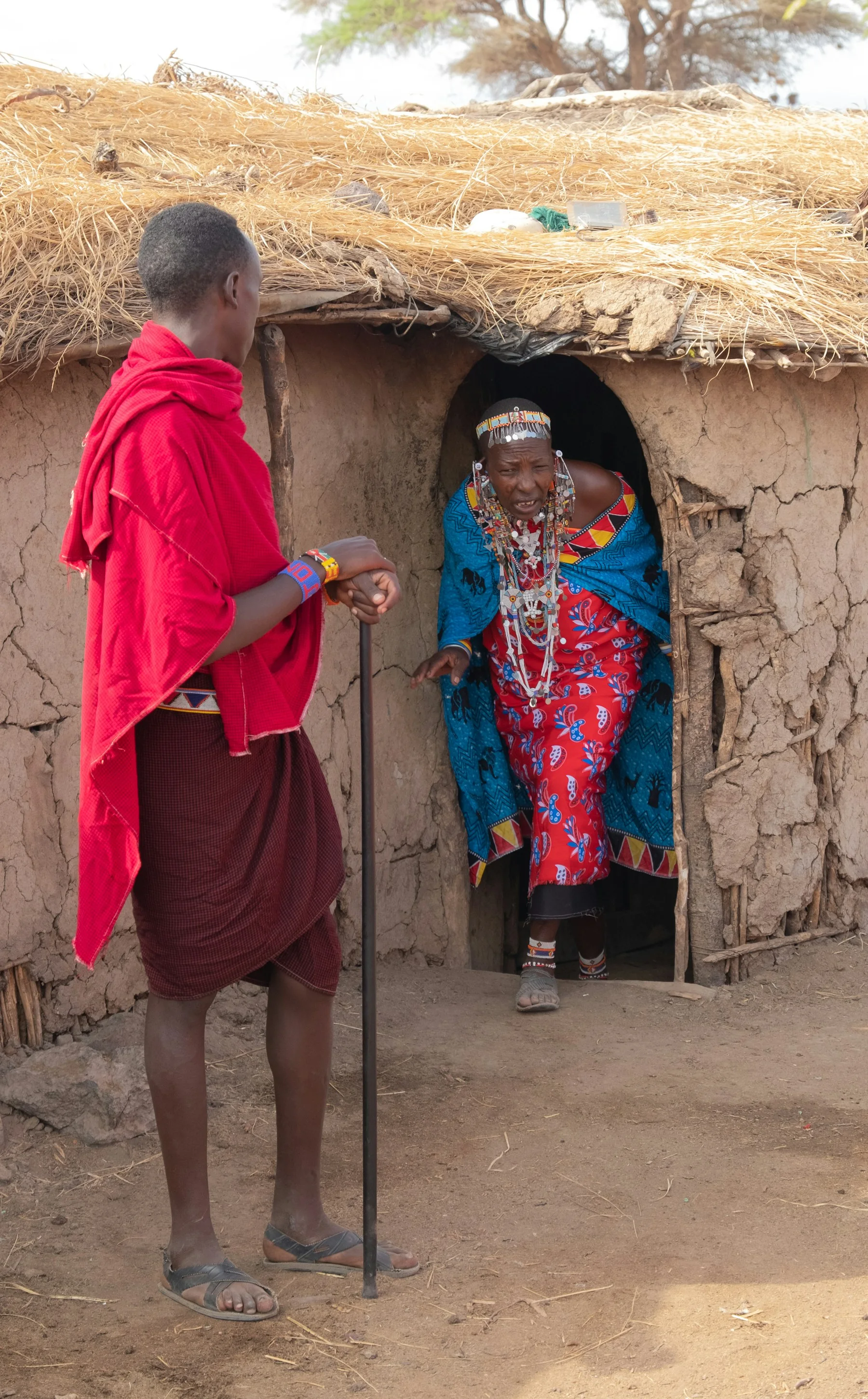
Amboseli Maasai village visits can add human history, pastoral knowledge and generous conversation to a wildlife journey when the community hosts the experience on clear terms. They can feel uncomfortable when consent is assumed, children become photographic subjects, prices are hidden or every stop follows the same rehearsed script.
- Are Amboseli Maasai village visits worth doing?
- The Maasai are neighbours, citizens and hosts
- Why Maasai history belongs in an Amboseli safari
- Boma stop, homestay, walk, market or conversation
- Singing, jumping and the word authentic
- Fees, tips and community benefit
- Photography, video and social media
- Beadwork, bargaining and the final market
- School visits and child safeguarding
- Questions that open a real conversation
- What to wear, bring and do
- How the visit fits a two or three-night safari
- How to choose a responsible host or organiser
- Should you include an Amboseli Maasai village visit?
- Videos
- Traveller opinions
- FAQs
Are Amboseli Maasai village visits worth doing?
They can be. A thoughtful visit introduces the people whose livestock, land, knowledge and conservation choices shape the Amboseli ecosystem. A host may explain cattle, water, beadwork, changing education, land subdivision, wildlife conflict and the tension between continuity and modern opportunity. Those subjects give the elephant landscape a human scale.
They can also feel transactional or theatrical. Singing may begin before names are exchanged, a school may be added without clear safeguarding and the final craft market may carry pressure. The answer is not to dismiss every visit as fake. It is to select one with better questions.
| Green flag | Question behind it | Warning sign |
|---|---|---|
| Named community host | Who leads and designed the visit? | No one can name the hosts |
| Price agreed in advance | Who receives which payment? | Fee changes during the visit |
| Photography consent | Who may say yes or no? | Children are treated as automatic subjects |
| Optional purchases | Can guests decline comfortably? | Exit passes through a pressured sale |
| Purpose beyond entertainment | What will hosts explain? | Only jumping and house photos |
The Maasai are neighbours, citizens and hosts
Maasai communities in the Amboseli ecosystem are not a surviving fragment of someone else’s past. People raise livestock, attend school, run businesses, work in conservation and tourism, use mobile money, debate land and pursue different ambitions. Pastoral knowledge and ceremony remain important without making every person identical.
Avoid language that freezes hosts as primitive or untouched. A smartphone does not make a cultural explanation false, and traditional clothing does not mean daily life is a costume. Ask how the person describes their own identity, work and community rather than fitting the answer into a safari brochure.
Why Maasai history belongs in an Amboseli safari
The national park protects only a core of a much larger dryland ecosystem. Wildlife moves through community rangelands and conservancies, while livestock depends on water and pasture that change with rain. UNESCO’s biosphere description places Maasai livelihood, tourism and conservation within the same landscape rather than outside it. The Amboseli location and ecosystem map helps explain why the park boundary is only one part of this story.
This history includes cooperation and conflict. The creation of protected areas changed access to water and grazing. Later approaches sought revenue sharing, community conservation and movement corridors, with uneven results. Our history of Amboseli National Park follows that longer arc. A good host can explain what coexistence costs today instead of telling a polished story in which everyone has always agreed.
Boma stop, homestay, walk, market or conversation
A boma stop usually includes an introduction, singing or dancing, explanation of homes and livestock, and beadwork. A hosted walk can focus on plants, tracks, grazing and land. A market visit shows commerce in ordinary motion. A longer meal or homestay creates more conversation but also requires stronger consent, privacy and logistics.
Choose the format that matches the interest. Travellers asking about pastoral ecology will learn little from twenty minutes of jumping. Guests curious about beadwork should meet makers rather than a reseller. A market is not a zoo, and a family home is not automatically open because an operator knows the road.
| Format | Possible strength | Ask before booking |
|---|---|---|
| Short boma visit | Accessible cultural introduction | What is staged and what is included? |
| Hosted nature walk | Land and pastoral knowledge | Who guides and what route is permitted? |
| Market visit | Everyday commerce | Which day, etiquette and photography rules? |
| Meal or tea | Time for conversation | Who hosts and how are costs covered? |
| School-linked programme | Education partnership | What safeguarding policy applies? |
Singing, jumping and the word authentic
Communities may choose to perform songs or dances for visitors because performance creates income and can express identity. The honest question is whether hosts control the presentation and explain what belongs to ceremony, celebration, competition or tourism. A staged event can be transparent and enjoyable.
Discomfort grows when the performance is sold as unobserved daily life, when guests are pushed into photographs or when children perform for gifts. Ask the host what the song means and when it would normally be used. That turns spectacle back into exchange.

Fees, tips and community benefit
Agree the visit price before arrival and ask whether it is per person, per vehicle or per group. Find out who receives it: a household, women’s group, guide, community fund or external organiser. Different arrangements can be fair, but hidden arrangements cannot be assessed.
A tip may thank an individual for excellent hosting, but it should not replace the agreed fee. Avoid handing random cash to children. If guests want to support a school, clinic or water project, use a verified programme with transparent needs rather than creating a crowd around spontaneous gifts.
| Before the visit | During the visit | Before leaving |
|---|---|---|
| Agree the total fee, currency and payment recipient. | Let the named host lead the pace and introductions. | Pay the agreed amount to the agreed person or group. |
| Clarify whether photographs, video and social posts are welcome. | Ask each person before making a close portrait. | Check whether names or locations should appear in captions. |
| Confirm that beadwork purchases and tips are optional. | Ask who made an item and how prices are set. | Agree each price before taking the item. |
| Ask whether children or a school are part of the programme. | Follow the host’s safeguarding and privacy rules. | Use an agreed community channel for any later support. |
Photography, video and social media
Ask before raising the camera, even when the itinerary says photography is allowed. One host’s permission does not cover every adult and child. Show the photograph when practical, avoid humiliating captions and do not geotag a private home without agreement. A telephoto lens used on people from a distance can feel more intrusive than asking close by.
Children cannot be treated as free visual content. A guardian and the organising programme should provide permission, while the child’s reluctance still matters. Do not trade sweets or money for a pose. Think about where the image will appear and whether the caption gives the person dignity, name and context when they want it.
Beadwork, bargaining and the final market
Beadwork can carry colour choices, skill, fashion, identity and household income. Ask who made a piece, how long it took and whether the seller sets the price. A fair conversation may include bargaining when invited, but relentless negotiation over handmade work can save very little while draining the encounter of respect.
Some travellers report a pressured line of sellers or prices revealed only at the end. Prevent that by asking how the market works before the visit. Purchases must remain optional. Agree the total before money changes hands and avoid promising to buy from everyone.

School visits and child safeguarding
A classroom exists for pupils, not for visitor entertainment. Unplanned arrivals interrupt lessons, normalise strangers photographing children and can create unequal gift giving. A responsible school programme has approval, a defined purpose, limited timing, photography rules and a way to support education without handing out objects in class.
Ask why the visit benefits pupils and teachers. If the answer is only that tourists enjoy it, choose another experience. Adults can learn about education through a teacher or community organisation without entering a classroom at all.
Questions that open a real conversation
Ask what the host wants visitors to understand about the ecosystem. Ask how rain, livestock prices, wildlife, school and land ownership have changed. Ask what young people want for the future and which traditions they themselves value. These questions allow complexity instead of demanding a list of strange customs.
Avoid asking one person to speak for every Maasai community or expecting private details about marriage, income and religion. Share something about your own home too. Exchange works better when the host is not the only person required to explain a life.
What to wear, bring and do
Wear comfortable, modest clothes and closed shoes for dust, thorns and livestock ground. Bring water and sun protection. Greet the host, listen to the briefing and ask before entering a home, touching an object or joining an activity. Keep children close around fires, livestock and dogs.
Do not bring plastic bags into the protected landscape. Gifts should be arranged rather than distributed spontaneously. If tea or food is offered, dietary needs belong in the advance plan. A phrase of thanks and full attention usually matters more than arriving with a sack of things nobody requested.
How the visit fits a two or three-night safari
A short visit can fit on an arrival or departure day when the road, host and lodge align. A deeper walk or meal deserves half a day. Do not sacrifice the only Amboseli dawn or make the community wait while a lion sighting overruns the schedule. Hosts’ time is not more flexible because tourists are on holiday.
Three nights create the easiest balance: two wildlife mornings, rest and a cultural experience with room to breathe. The Amboseli duration guide shows what each night adds, while our Amboseli lodge and camp guide helps you choose a base that will not turn the visit into an awkward detour.
How to choose a responsible host or organiser
Ask for the community or group name, the person leading, exact duration, price, payment destination, photography policy and purchase expectations. Ask whether the visit changes if rain, a ceremony or household responsibilities intervene. Real life should be allowed to interrupt the tourism script.
A good organiser can say what is included without claiming the visit is untouched, tribal or guaranteed. They can also say no when a private ceremony, school or home is not open. That boundary is evidence of a healthier relationship, not poor customer service.
Should you include an Amboseli Maasai village visit?
Include it when cultural understanding genuinely interests the group and the host, fee and consent are clear. Skip it when time is too tight, the organiser cannot explain where money goes or the group mainly wants photographs of children and jumping. There are other ways to learn through a guided landscape walk, market or conservation talk.
Families should also think about attention span, heat and safeguarding before adding the stop. The Amboseli with kids guide covers the wider practicalities. The strongest visit may be less dramatic than the brochure. It may be a discussion about water while cattle return, a bead maker explaining one design or a teenager describing school and work. Those ordinary details are not a failure of authenticity. They are the reason to meet.
An independent village-visit perspective
This video is included for observation, not as proof that every community visit follows the same model. Arrangements and hosts change.
Amboseli Masai Village Visit
Klaus Tiedge visits a community near Amboseli and asks whether tourism helps or harms. Watch the hosting, explanations and staged elements, then use the questions in this guide for your own decision.
What travellers say after the trip
These are exact words from public reviews and discussions. Each person had their own route, budget and expectations, so the value is in the detail rather than treating one experience as a promise.
we visited a Maasai village around that area too, and it was one of the most incredible experiences.
A traveller remembering an Amboseli-area visit as part of a once-in-a-lifetime Kenya journey.
The Amboseli and Maasai Village tour captured my heart from the very beginning.
A visitor describing a day that combined Amboseli wildlife and a hosted village experience.
It was actually the single worst part of my trip.
A traveller in an independent discussion describing a visit they experienced as performative and upsetting.
Amboseli Maasai village visit questions
Are Amboseli Maasai village visits authentic?
Authenticity is not a yes-or-no label. Ask who designed the visit, what is staged for guests, what ordinary activities may be observed and how hosts describe their own lives.
How long does a village visit take?
A brief organised stop may last forty-five to ninety minutes. A hosted conversation, walk or meal may take several hours and should be planned accordingly.
How much should a visit cost?
There is no universal price. The organiser should state the group fee, what it covers and who receives it before arrival.
May I photograph people?
Only with consent. Ask before photographing adults, children, homes, ceremonies or livestock, and accept no without pressure.
Do I have to buy beadwork?
No. Purchases should be optional. If you want an item, ask who made it and agree the price before taking it.
Should tourists visit a school?
A school is a learning environment, not an attraction. Visit only through a school-approved programme with a clear educational purpose and child-safeguarding rules.
What should I wear?
Comfortable modest clothing works well. Closed shoes help on dusty or uneven ground, and a light shawl or layer is useful in cool wind.
Can children join the visit?
Yes, when the duration and content suit them. Prepare children to ask before taking photographs and to treat the host family’s home with the same respect as their own.
What questions are respectful?
Ask hosts what they want visitors to understand, how land and livestock are changing, what young people hope for and how tourism income is managed.
Can NLS arrange a community-hosted visit?
NLS can discuss available options for the travel dates and seek clear information about host, timing, fee, consent and transport before adding one.
Sources and further reading
Official park, heritage, tourism, aviation and regulatory sources support the practical details in this guide.
Meet people without turning them into scenery
Tell us what you hope to learn and how much time you can give. We will look for a hosted experience with clear payment, consent and expectations, then place it naturally within the Amboseli route.
Plan a respectful Amboseli cultural visit
Share your dates, group, interests, children’s ages and any questions you want the host or organiser to answer before the visit.